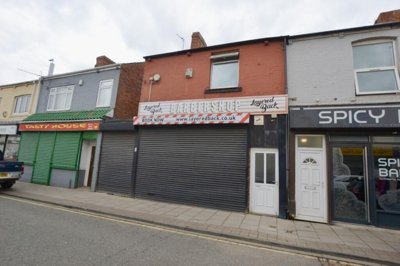
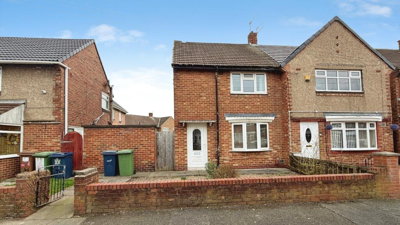
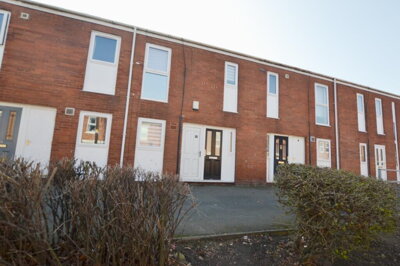
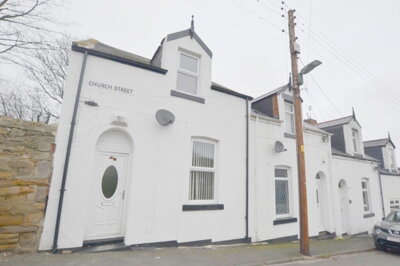
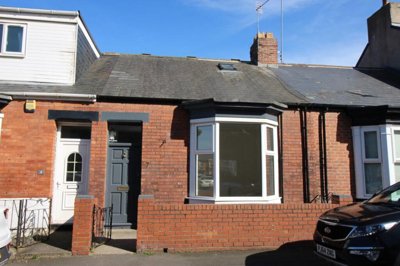
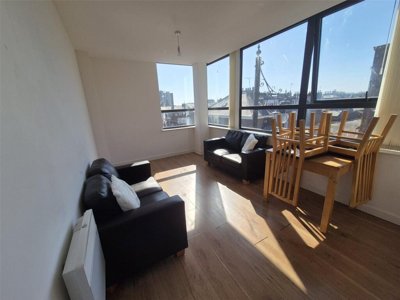
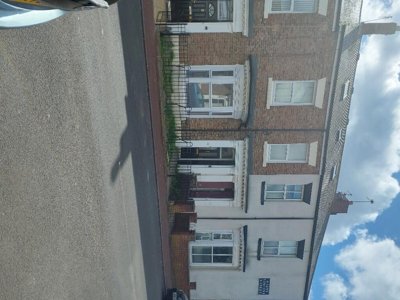
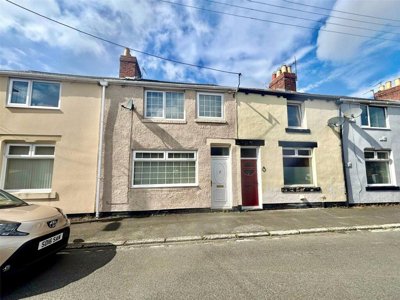
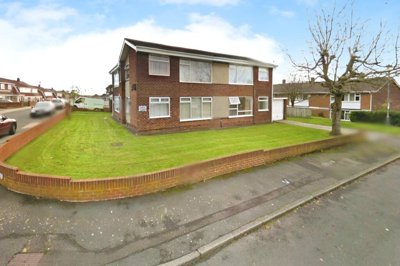
Browse 501 rental homes to rent in Sunderland, North East from local letting agents.
£695/m
107
3
67
Source: home.co.uk
Source: home.co.uk
Apartment
25 listings
Avg £659
Terraced
23 listings
Avg £782
Flat
14 listings
Avg £625
House
10 listings
Avg £896
Semi-Detached
10 listings
Avg £887
Studio
10 listings
Avg £645
End of Terrace
3 listings
Avg £752
Not Specified
3 listings
Avg £729
Cottage
2 listings
Avg £763
House Share
2 listings
Avg £507
Source: home.co.uk
Source: home.co.uk
Sunderland's rental market offers remarkable value compared to larger UK cities, with flats averaging around £84,888 in sale value, translating to attractive rental rates for tenants. Semi-detached houses make up 36.1% of the city's housing stock, providing ideal family homes with gardens and practical layouts that renters consistently seek. Terraced properties account for 32.7% of available housing, offering more affordable options particularly in established areas like Hendon and Monkwearmouth. The city saw 2,827 property sales in the past twelve months, indicating active market conditions that also support a healthy rental sector with consistent tenant demand throughout the year.
Price trends across different property types show remarkable stability, with terraced properties leading at 2.19% annual growth, followed by semi-detached at 2.17% and detached homes at 2.08%. Flats have shown the most modest growth at 2.05%, though this smaller increment reflects the higher proportion of rental-ready stock in this category. For renters, this price stability means that rental rates tend to remain predictable, allowing tenants to plan their housing costs with greater confidence over medium-term tenancies. The average sale value of £156,762 provides useful context, with terraced properties averaging £120,417 and semi-detached homes at £160,865, figures that help explain the pricing structure across different rental property types.
Several new build developments are underway across Sunderland, offering modern rental properties for those seeking contemporary living. Potter's Hill and Cherry Tree Park, both by Miller Homes in the SR3 3QG area, feature three and four-bedroom homes from £209,995, while The View by Bellway provides similar specifications from £224,995. For those seeking more affordable options, Avant Homes at South Hylton (SR4 0QS) offers three and four-bedroom homes from £229,995. Persimmon Homes at North Moor provides the most accessible entry point with two, three, and four-bedroom homes from just £164,995, representing excellent value for first-time renters. These developments often have properties available through shared ownership or rental schemes, making them accessible options for tenants who may not want to commit to purchasing immediately.

Sunderland encompasses a diverse range of neighbourhoods, each with its own distinct character that caters to different lifestyles and preferences. The city centre and riverside areas have undergone significant regeneration, with the Riverside Sunderland masterplan transforming former industrial land into modern residential quarters with waterfront views. Sunniside has emerged as a cultural hub with restaurants, bars, and entertainment venues, making it popular among young professionals and renters seeking vibrant social scenes. The historic Ashbrooke and Bishopwearmouth conservation areas feature impressive period properties and tree-lined avenues, ideal for those who appreciate architectural heritage and quieter residential settings away from the busiest streets.
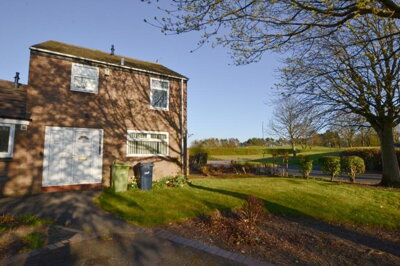
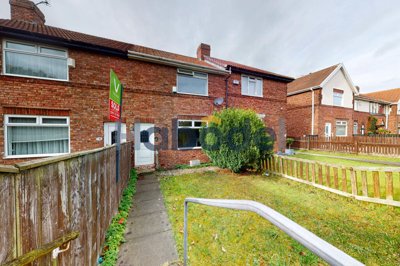
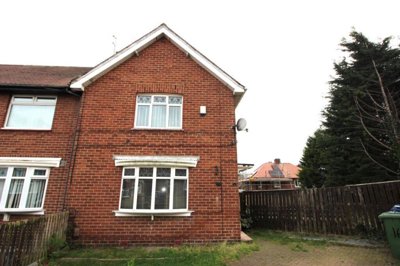
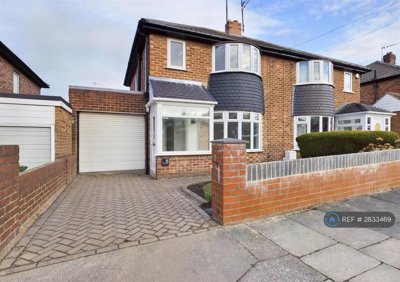
The city boasts excellent green spaces including Herrington Country Park, Washington Wildfowl and Wetlands Centre, and the striking cliffs at Marsden Bay. Families are well-served by community facilities, local shops, and leisure centres scattered throughout residential areas. Sunderland's two sandy beaches at Roker and Seaburn remain beloved by locals, offering promenades, coastal walks, and traditional seaside attractions that draw visitors throughout the year. The predominantly brick construction of Sunderland's housing stock reflects the city's industrial heritage, with red brick terraces and semi-detached houses creating the familiar North East street scenes that generations of residents have called home.
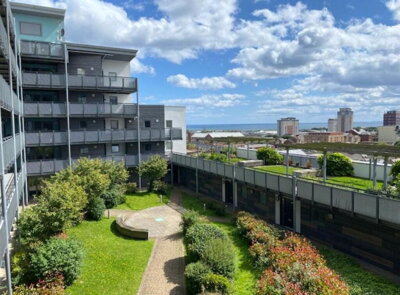
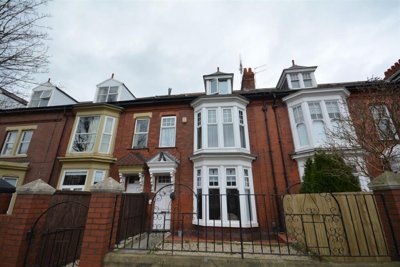
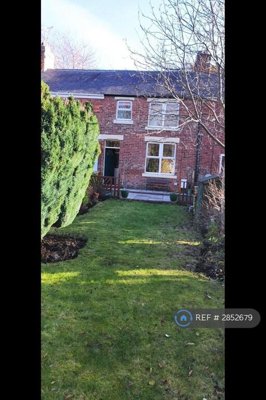
The variety of housing types across different neighbourhoods reflects Sunderland's development from a major industrial port to a modern regional centre. Victorian and Edwardian terraces in areas like Hendon and Monkwearmouth offer generous room sizes and original period features, while inter-war semi-detached properties dominate suburbs developed from the 1920s onwards. Post-war housing estates provide more modern layouts with larger gardens, and contemporary apartments in the city centre and riverside offer the maintenance-free lifestyle that many modern renters prefer. This diversity means that whatever your housing requirements, Sunderland's neighbourhoods are likely to include a property type that matches your needs.

Sunderland offers comprehensive educational options from nursery through to higher education, making it an attractive location for families seeking rental properties. The city contains numerous primary schools, with several rated Good or Outstanding by Ofsted, including St Mary's Catholic Primary School and Benedict May White Primary School. For secondary education, schools such as St Aidan's Catholic Academy and Sunderland High School provide strong academic programmes alongside excellent extracurricular activities. Parents should research specific catchment areas when searching for rental properties, as school admissions in Sunderland are determined primarily by proximity to the school.
The University of Sunderland is a major higher education institution with campuses in the city centre and at Thornaby, offering undergraduate and postgraduate programmes across multiple faculties. The university has invested significantly in its facilities in recent years, attracting students from across the UK and internationally who contribute to the vibrant rental market in areas close to campus. Student accommodation ranges from university-managed halls of residence to private rented flats and shared houses, with popular areas including the city centre, Ashbrooke, and neighbourhoods with good bus connections to campus. This student population creates consistent demand for rental properties, which can benefit tenants seeking longer-term lets as landlords often prefer reliable, longer tenancies.
Further education is provided by the College of Sexual Health and other vocational training providers throughout the city. For renters with children, understanding the local school landscape is essential when choosing which neighbourhood to live in, as good school catchments can significantly affect both quality of life and long-term property values. Properties in desirable school catchment areas often command a premium in both sale and rental markets, so budgeting for this factor when selecting your rental property can prove wise if you plan to stay in Sunderland for several years. Many families find that renting first in a potential catchment area allows them to assess the local school before committing to a longer-term arrangement.

Sunderland provides excellent transport connections that make commuting straightforward for residents across the city. The Sunderland railway station offers direct services to Newcastle, with journey times of approximately 25 minutes, making day trips and regular commutes to the larger city highly practical. From Newcastle Central Station, connections extend across the UK including direct trains to London King's Cross taking around three hours. For those working in the North East but living in Sunderland, the A19 trunk road runs north-south through the city, providing convenient access to Nissan and other employers in the Washington and Durham areas. The Tyne and Wear Metro system also serves Sunderland with stations throughout the city, connecting residents to Newcastle, Tyneside, and the coast.
Local bus services operated by Stagecoach and other providers connect all areas of Sunderland, with regular routes serving residential neighbourhoods, shopping centres, and employment hubs. For cyclists, Sunderland has been investing in improved cycling infrastructure, with dedicated lanes making cycling safer and more attractive for short journeys. The city centre and riverside areas are particularly well-served by public transport, making car-free living a realistic option for renters who prefer to avoid vehicle ownership. Parking availability varies by neighbourhood, with city centre apartments often offering allocated spaces while terraced street parking requires more careful consideration when choosing a property.
The Port of Sunderland adds another dimension to the city's transport connections, with ferry services to European destinations providing international travel options that some residents utilise regularly. For commuters to Newcastle, living in Sunderland offers significant cost savings compared to the higher rental prices in the larger city, while maintaining manageable commute times. The Metro system runs from early morning until late evening with regular intervals, and many renters find that the 25-minute journey to Newcastle compares favourably with much longer commutes in other UK cities. Those working in more distant locations can benefit from Sunderland's position on the A19, giving straightforward access to employers throughout the North East.

Contact lenders or use Homemove's rental budget service to understand how much rent you can afford. Sunderland's rental market varies significantly by area, with city centre flats starting at lower price points than family houses in suburbs like Whitburn or Cleadon. Having a rental budget agreement in principle strengthens your application when competing for popular properties. Start by calculating your monthly income and existing commitments to establish a realistic maximum rent that leaves sufficient funds for other living costs.
Explore different areas of Sunderland to find the neighbourhood that matches your lifestyle needs. Consider proximity to work, schools, transport links, and local amenities. Areas like Ashbrooke offer character homes with excellent schooling, while city centre suits those who prioritise entertainment and dining options. Take time to visit different neighbourhoods at various times of day to get a genuine feel for each area before committing to a property. The research phase is crucial, as the right neighbourhood can significantly impact your daily quality of life.
Once you have identified suitable properties, contact letting agents to arrange viewings. Sunderland has numerous letting agencies covering all areas of the city. Attend viewings with questions about the property condition, lease terms, and any fees involved. Take photos and notes to help compare properties later. View multiple properties before making any decisions, as the first property you see may not represent the best value available in your chosen area. Document any issues you notice during viewings so you can raise them with the landlord or agent.
While surveys are more commonly associated with purchases, renting tenants should consider booking an inventory check at move-in to document the property's condition thoroughly. This protects your deposit at the end of your tenancy and identifies any existing issues that should be reported to your landlord immediately. An independent inventory report creates an agreed record between you and your landlord, preventing disputes when you come to leave. We recommend arranging this check before you move in your belongings.
Your letting agent will require referencing checks including credit history, employment verification, and landlord references. Prepare these documents in advance to speed up the process. Review your tenancy agreement carefully before signing, noting the lease length, rent amount, deposit amount, and any special conditions. Ensure you receive copies of all documentation including the government deposit protection certificate within the required timescales.
Renting in Sunderland requires understanding local factors that can affect your tenancy experience and long-term satisfaction with your home. Flood risk is an important consideration given Sunderland's coastal location and the River Wear flowing through the city. Properties in South Hylton and riverside areas carry higher flood risk, so check Environment Agency flood maps and discuss any concerns with your landlord before committing. Buildings insurance and contents coverage should be confirmed as part of your tenancy arrangements, particularly for properties in flood-risk zones. Understanding these risks before signing helps avoid difficult situations later in your tenancy.
The mining heritage of the Durham Coalfield means some areas of Sunderland may have potential for ground instability related to former mine workings. Properties in areas with historical mining activity may require specialist reports, and most reputable letting agents will be aware of any local concerns. The Magnesian Limestone geology generally provides stable foundations, though areas with superficial boulder clay deposits can experience some ground movement. Older properties across Sunderland commonly feature solid wall construction and traditional building methods that require different maintenance approaches compared to modern homes. When viewing older properties, look for signs of subsidence such as cracks in walls or doors that stick.
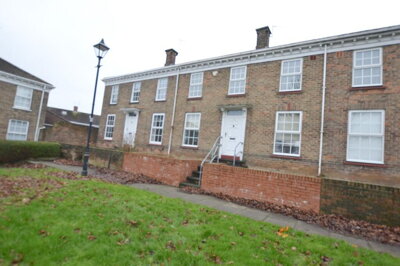
Conservation areas including Sunniside, Bishopwearmouth, and Ashbrooke have specific planning restrictions that affect what alterations tenants can make to properties. If you are considering renting a period property, discuss permitted changes with your landlord and check with Sunderland City Council planning department. Many Victorian and Edwardian properties in these areas retain original features like fireplaces, sash windows, and decorative plasterwork that add character but may require more maintenance than modern alternatives. Tenants should be aware that they typically cannot make significant alterations to listed buildings without obtaining consent, and landlords may be cautious about granting permission for modifications to historic properties.
The predominant brick construction across Sunderland's housing stock generally provides robust structures, but older properties often require more attention to maintenance issues. Look for signs of damp in older properties, particularly in terraced houses where inadequate ventilation can lead to condensation problems. Roof conditions should be checked, especially on properties with older coverings where slipped tiles or damaged flashing may indicate needed repairs. Electrical systems in older properties may not meet current standards, so understanding the condition of wiring and whether any recent upgrades have been completed is worthwhile before committing to a tenancy.

While specific rental prices fluctuate with market conditions, Sunderland offers some of the most competitive rental costs in the North East. The average sale value across all property types is £156,762, with terraced properties averaging £120,417 and semi-detached homes at £160,865, providing context for rental pricing. Smaller flats typically represent the most affordable option, with city centre one-bedroom apartments starting from around £500-600 per month, while three-bedroom family houses in established suburbs like Ashbrooke or Whitburn commonly range from £800-1,200 depending on condition and location. Properties near the University of Sunderland command premium rents due to consistent student and academic demand throughout the academic year.
Council tax in Sunderland is administered by Sunderland City Council, with bands ranging from A to H based on property values. Most terraced houses and smaller semi-detached properties fall into Bands A through C, which means lower annual council tax payments compared to larger homes. Given the average property values in Sunderland, with terraced properties at £120,417 and flats at £84,888, many rental properties attract lower band council tax. Properties in conservation areas or with significant period features may attract higher valuations. You can check the specific band for any property through the Valuation Office Agency website or Sunderland City Council's online portal before committing to a tenancy.
Sunderland has several highly-regarded schools including St Mary's Catholic Primary and Benedict May White Primary at primary level, both serving their respective communities with strong Ofsted ratings. For secondary education, St Aidan's Catholic Academy and the Academy of St John Fisher Catholic Academy have established academic reputations alongside comprehensive schools serving wider catchments. University of Sunderland provides comprehensive higher education options locally with faculties across multiple campuses in the city. Parents should research specific catchments as admission is determined by proximity, and Sunderland City Council publishes catchment maps showing which schools serve each address. The best school for your child depends on your residential location, so confirming school catchments before renting is essential for families with school-age children.
Sunderland benefits from excellent public transport connections including Tyne and Wear Metro services connecting the city to Newcastle, Tyneside, and the coast with stations throughout the urban area. Sunderland railway station provides direct services to Newcastle in approximately 25 minutes with connections onwards to London and other major cities including York, Leeds, and Manchester. Comprehensive bus networks operated by Stagecoach and others serve all residential areas with regular frequencies throughout the day, including services to suburbs like Cleadon, Whitburn, and the coastal areas of Roker and Seaburn. The A19 trunk road provides road connections to Newcastle, Durham, and the wider North East motorway network, while the Port of Sunderland offers ferry connections to European destinations.
Sunderland offers excellent value for renters seeking an accessible North East city with strong community spirit and improving amenities. The city has seen consistent regeneration including the Riverside Sunderland development transforming former industrial land along the riverfront and new retail facilities that enhance the urban environment. Major employers including Nissan, the University of Sunderland, and the NHS Trust provide stable employment foundations that support consistent tenant demand. Rental prices remain competitive compared to Newcastle and other regional centres, while quality of life benefits from the coastal location with beaches at Roker and Seaburn, extensive green spaces including Herrington Country Park, and genuine local communities make Sunderland attractive for renters at all life stages.
Standard practice in Sunderland follows government guidelines regarding security deposits, which are capped at five weeks rent for properties with annual rents under £50,000. This deposit must be protected in a government-approved scheme within 30 days of your tenancy start date, and your landlord must provide you with information about which scheme holds your deposit. Most letting agents require a holding deposit equivalent to one week's rent while referencing is completed, which is deducted from your security deposit on move-in. Additional costs may include referencing fees, administration charges, and inventory check fees, though many agents now include these within their standard service. First-time renters should budget for the first month's rent plus deposit upfront, typically equivalent to six weeks rent in total.
While surveys are more commonly associated with property purchases, renting tenants can benefit significantly from documenting the property condition at move-in through an independent inventory check. Given Sunderland's significant older housing stock, with well over 60% of properties estimated to be over 50 years old, identifying existing defects early prevents disputes at deposit return. This professional inspection protects both tenant and landlord by establishing the property's condition at the start of your tenancy, covering all rooms, fixtures, fittings, and any garden or external areas. The small cost of an inventory check can save significant stress and potential financial loss at the end of your tenancy when deposit return is negotiated.
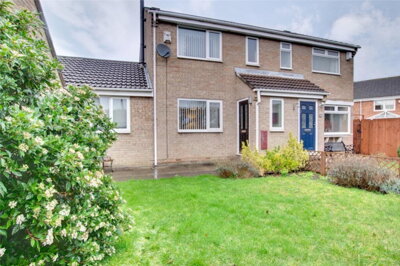
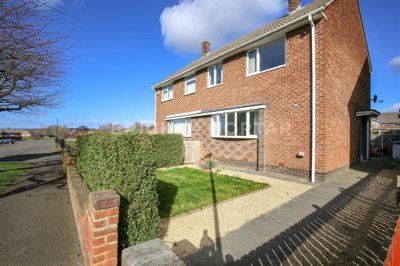
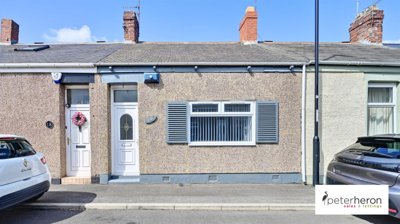
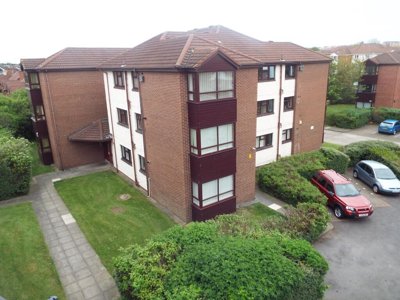
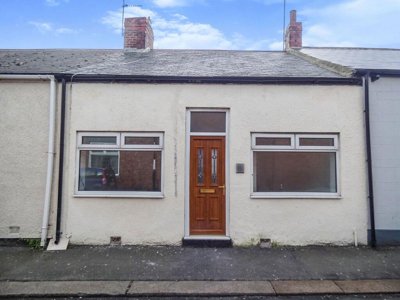
Sunderland's housing stock is predominantly semi-detached (36.1%) and terraced (32.7%), with detached properties making up 14.1% and flats accounting for 16.6% of available housing. Terraced properties offer particularly good value and are common in established areas like Hendon, Monkwearmouth, and the conservation areas of Bishopwearmouth and Ashbrooke. Semi-detached houses provide ideal family accommodation with gardens, while city centre flats serve young professionals and students seeking convenient locations. New build developments like Potter's Hill and Cherry Tree Park offer modern rental options for those preferring contemporary specifications, though these represent a smaller portion of the overall rental market.
Understanding the full costs of renting in Sunderland helps you budget accurately and avoid surprises during your property search. Security deposits are typically set at five weeks rent, capped by government regulations for properties with annual rents under £50,000. This deposit is protected in a government-approved scheme within 30 days of your tenancy start date, and you should receive information about which scheme holds your deposit. At the end of your tenancy, the deposit is returned within ten days of you both agreeing the amount, providing you leave the property in the same condition as when you moved in minus fair wear and tear.
Holding deposits, usually equivalent to one week's rent, are payable when you decide to proceed with a property and are used to remove it from the market while referencing is completed. This amount is then deducted from your first month's rent or security deposit. Many letting agents in Sunderland charge administration fees, though these have reduced following government legislation banning excessive charges. Always request a complete written breakdown of all costs before paying any money or committing to a tenancy agreement. Additional moving costs may include removal firms, utility setup fees, and contents insurance which sensible renters arrange before completing their move.
When budgeting for your rental, remember to account for council tax which varies by property band in Sunderland, with most terraced and smaller semi-detached properties falling into Bands A through C. Utility costs will depend on the property size and its energy efficiency, and requesting the EPC (Energy Performance Certificate) before signing allows you to estimate these costs. Many renters also choose to take out contents insurance to protect their belongings, and some landlords require tenants to have this cover as a condition of the tenancy. Planning for all these costs upfront ensures your move to your new Sunderland home goes smoothly without unexpected financial pressures.
From 4.5% APR
Calculate how much rent you can afford before starting your search
From £150
Complete the referencing checks required by letting agents
From £99
Document the property condition at move-in to protect your deposit
From £85
Get the energy performance certificate for your rental property
Properties to Rent In London

Properties to Rent In Plymouth

Properties to Rent In Liverpool

Properties to Rent In Glasgow

Properties to Rent In Sheffield

Properties to Rent In Edinburgh

Properties to Rent In Coventry

Properties to Rent In Bradford

Properties to Rent In Manchester

Properties to Rent In Birmingham

Properties to Rent In Bristol

Properties to Rent In Oxford

Properties to Rent In Leicester

Properties to Rent In Newcastle

Properties to Rent In Leeds

Properties to Rent In Southampton

Properties to Rent In Cardiff

Properties to Rent In Nottingham

Properties to Rent In Norwich

Properties to Rent In Brighton

Properties to Rent In Derby

Properties to Rent In Portsmouth

Properties to Rent In Northampton

Properties to Rent In Milton Keynes

Properties to Rent In Bournemouth

Properties to Rent In Bolton

Properties to Rent In Swansea

Properties to Rent In Swindon

Properties to Rent In Peterborough

Properties to Rent In Wolverhampton

Enter your details to see if this property is within your budget.
Loans, cards, car finance
Estimated property budget
Borrowing + deposit
You could borrow between
Typical borrowing
Monthly repayment
Est. at 4.5%
Loan-to-value
This is an estimate only. Your actual budget may vary depending on interest rates, credit history, and personal circumstances. For an accurate affordability assessment, speak to one of our free mortgage advisors.
This calculator provides estimates for illustrative purposes only and does not constitute financial advice. Your home may be repossessed if you do not keep up repayments on your mortgage. Estimates based on 4.5% interest rate, repayment mortgage. Actual rates depend on your circumstances.
Homemove is a trading name of HM Haus Group Ltd (Company No. 13873779, registered in England & Wales). Homemove Mortgages Ltd (Company No. 15947693) is an Appointed Representative of TMG Direct Limited, trading as TMG Mortgage Network, which is authorised and regulated by the Financial Conduct Authority (FRN 786245). Homemove Mortgages Ltd is entered on the FCA Register as an Appointed Representative (FRN 1022429). You can check registrations at NewRegister or by calling 0800 111 6768.

We use cookies to show you personalised content and improve your experience of our website. Find out more in our Privacy policy and Cookie policy.