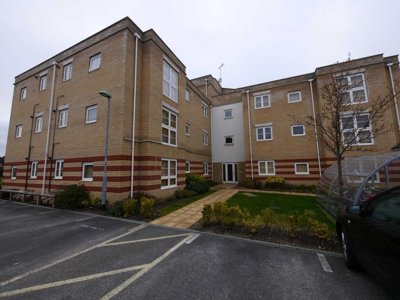
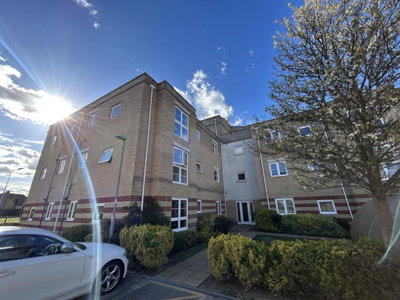
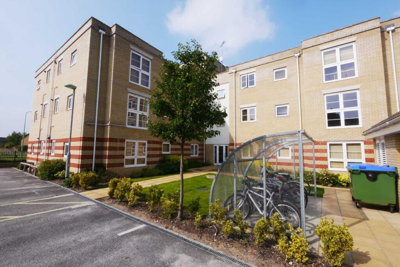
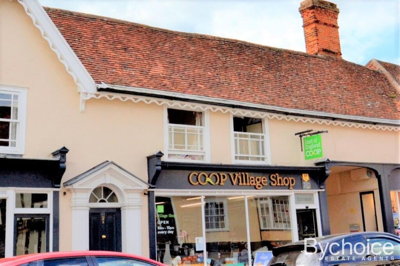
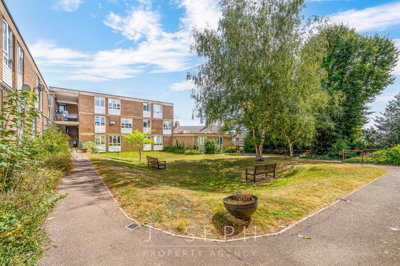
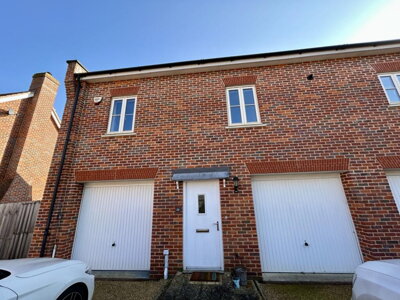
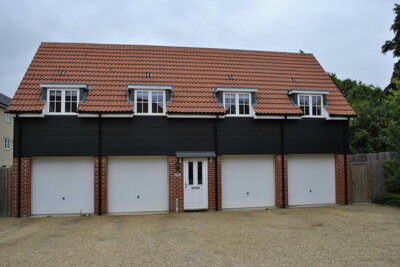
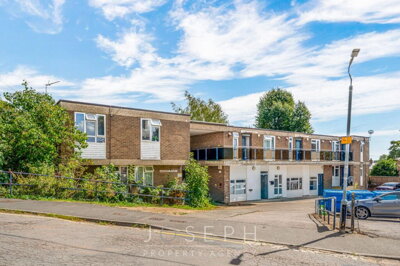
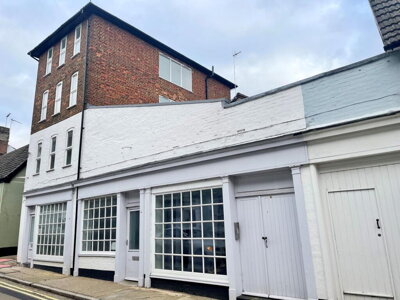
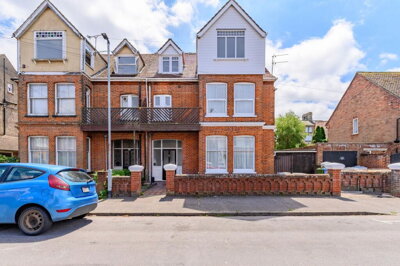
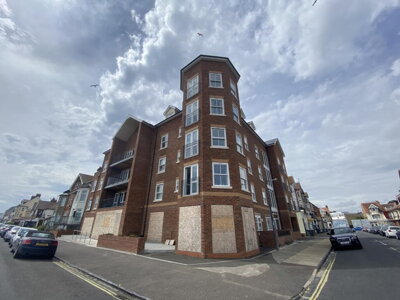
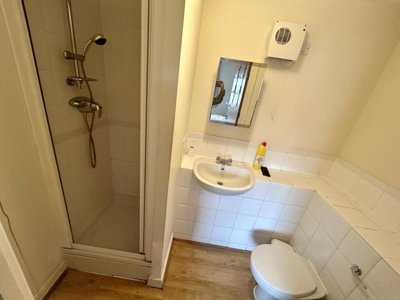
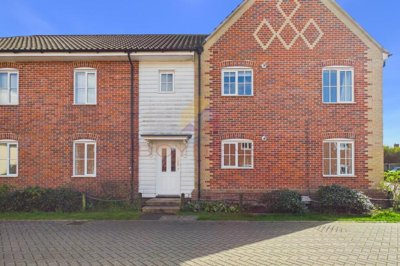
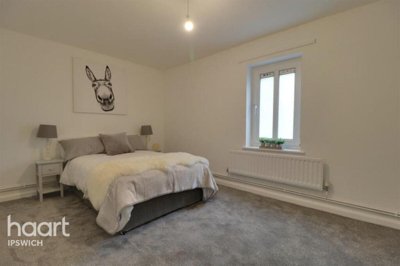
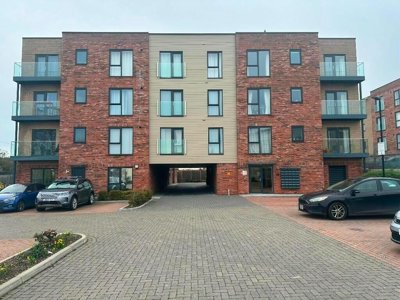
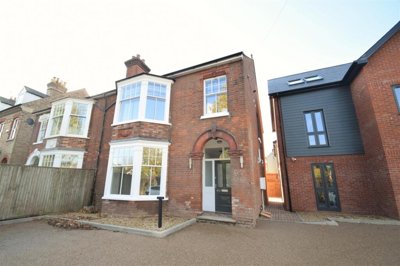
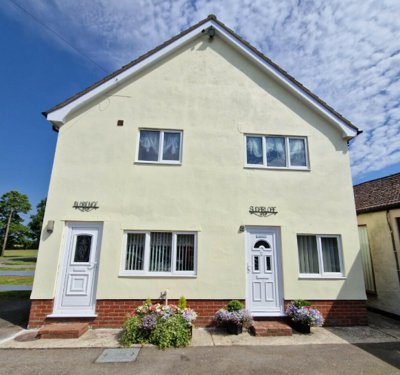
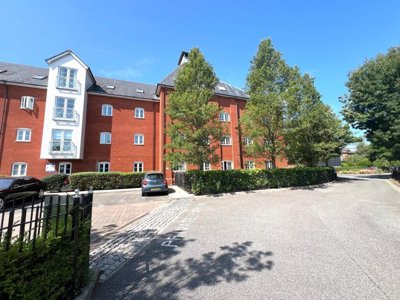
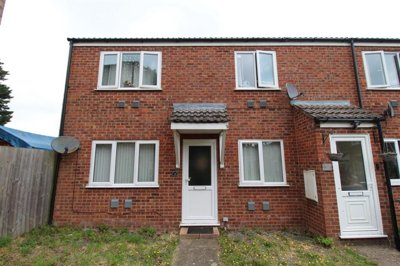
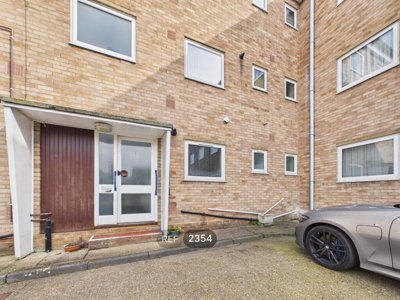
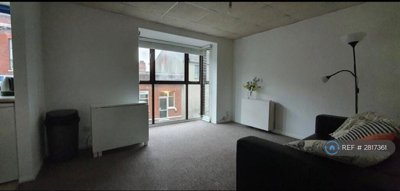
Browse 180 rental homes to rent in Suffolk, England from local letting agents.
The 2 bed flat sector typically includes two separate bedrooms, dedicated living areas, and bathroom facilities. Properties in Suffolk span purpose-built blocks, converted period houses, and modern apartment complexes on various floors.
£985/m
32
0
55
Source: home.co.uk
Showing 32 results for 2 Bedroom Flats to rent in Suffolk, England. The median asking price is £985/month.
Source: home.co.uk
Flat
32 listings
Avg £1,126
Source: home.co.uk
Source: home.co.uk
Suffolk's rental market reflects the county's broader property landscape, with the average house price standing at £341,902 as of January 2026 according to Land Registry data. Property prices have remained stable over the past twelve months, increasing by 0.5% overall, which suggests the rental market offers good value compared to neighbouring counties in the South East. This stability makes Suffolk an attractive option for renters who want to establish themselves in a desirable area without the pressure of a rapidly appreciating market. The county's housing stock is predominantly detached properties at 37.8%, with semi-detached homes comprising another 30.2% of the market, meaning renters often find more space and privacy than in more urbanised regions.
When examining property values by type, detached homes in Suffolk average £485,027, while semi-detached properties command around £302,360. Terraced properties average £258,895 and flats, maisonettes and apartments average £165,372, reflecting the more compact nature of these units. For renters, this means a wide variety of property types are available, from spacious family homes with gardens in villages like Thurston and Red Lodge to compact flats ideal for singles or couples in towns like Bury St Edmunds and Ipswich. Understanding these price differentials can help renters identify which areas and property types offer the best value for their specific requirements and budget.
New build developments are emerging across the county, with sites such as The Laurels in Bury St Edmunds offering modern homes from £299,995 and Kingfisher Place in Stowmarket providing options from £269,995, though these are primarily offered for sale rather than rent. Other notable developments include Orchard Green in Thurston, Longwood Fields in Hadleigh, and The Greenways in Red Lodge, all of which contribute to the variety of modern housing stock available in the county. Renters seeking newer properties may find new build rentals less common, as developers typically sell rather than rent, though some investors do purchase new build properties specifically to rent out. In the last twelve months up to January 2026, there have been 10,750 property sales in Suffolk, indicating an active market that also supports a healthy supply of rental properties.

Suffolk rewards its residents with an exceptional quality of life that blends rural tranquility with cultural richness. The county's population of 761,900 across 326,700 households creates friendly communities where neighbours know one another and local events bring people together throughout the year. From the medieval wool towns of Lavenham and Long Melford with their distinctive timber-framed buildings and pargeting, to the sophisticated coastal elegance of Southwold with its famous pier and brewery, Suffolk offers distinct neighbourhood characters to suit different tastes and lifestyles. The county's numerous conservation areas, including those in Kersey, Framlingham, and Bury St Edmunds, help preserve the historic character that makes Suffolk so appealing to residents and visitors alike.
The local economy benefits from diverse employment sectors including the Port of Felixstowe, Britain's busiest container port, the energy sector with Sizewell B nuclear power station and offshore wind farms, advanced manufacturing, life sciences, and tourism. The University of Suffolk in Ipswich contributes to education and research while attracting students and academics to the area. This economic diversity helps maintain a stable housing market and provides employment opportunities across various sectors, making Suffolk an attractive place to rent for professionals, families, and retirees alike. Agriculture remains significant in rural areas, while logistics and distribution benefit from the county's strategic position between London and the East Coast ports.
The cultural scene in Suffolk is remarkably vibrant for a rural county, with excellent pubs, restaurants, and theatres scattered throughout the market towns. The Latitude Festival attracts thousands of visitors each year to Southwold, while the county's numerous art galleries and museums showcase Suffolk's artistic heritage, from the Gainsborough tradition to contemporary artists drawn to the quality of light along the coast. Food lovers appreciate the county's strong tradition of local produce, from Adnams beer brewed in Southwold to Suffolk honey, cheese, and award-winning sausages. Community life remains strong, with village halls, farmers markets, and seasonal events creating regular opportunities for social connection across both coastal and rural communities.

Suffolk offers families a strong selection of educational options across all levels, making it an excellent county for those with children. Primary education is well-served through numerous village primary schools and larger primary schools in towns, many of which achieve good or outstanding Ofsted ratings. The county's rural character means many primary schools serve tight-knit communities, providing children with a supportive learning environment and strong pastoral care. Schools such as Sefton Park Primary School in Ipswich and Southwold Primary School have strong reputations among parents, though Suffolk has many primary schools performing well across both urban and rural areas. Families should research specific catchment areas for their chosen neighbourhood, as primary school admissions are typically based on geographic proximity.
Secondary education in Suffolk includes a network of comprehensive schools, academy schools, and selective grammar schools in certain areas. Notable secondary schools are found in towns such as Bury St Edmunds, Ipswich, and Colchester, offering a range of academic and vocational pathways. King Edward VI School in Bury St Edmunds is a well-regarded grammar school, while Stour Valley Community School in Clare has developed an excellent reputation for its progressive approach to education. For families considering grammar school entry, preparation for the 11-plus assessment should begin well in advance, as competition for places in selective schools can be strong. Always verify current Ofsted ratings and consider visiting schools directly when choosing where to rent with children.
For higher education, the University of Suffolk provides undergraduate and postgraduate programmes in Ipswich, contributing to the academic life of the county while offering opportunities for lifelong learning. Further education colleges across the county, including East Coast College with campuses in Lowestoft and Great Yarmouth, and Suffolk New College in Ipswich, offer vocational courses and apprenticeships that provide practical routes into various industries. Families renting in Suffolk should research specific catchment areas and school admissions policies for their chosen neighbourhood, as these can significantly impact schooling options. The proximity of the University of Cambridge and University of East Anglia in Norwich also provides additional higher education options within reasonable commuting distance for older children.

Suffolk benefits from excellent transport connections that make commuting to London and other major cities practical for many residents. The county is served by the Great Eastern Main Line, with direct trains from Ipswich and Bury St Edmunds to London Liverpool Street, typically taking around 60-90 minutes depending on the service. Colchester station provides faster services to London, with journey times of approximately 50 minutes, making it popular with commuters who work in the capital but prefer to live in a more affordable and spacious area than Greater London allows. Manningtree station, situated between Colchester and Ipswich, offers access to the East Anglian countryside while maintaining reasonable commute times to London.
Road connections are equally strong, with the A14 trunk road running through the county linking Felixstowe port to Cambridge and the Midlands. The A12 runs north-south through Suffolk, connecting the coastal towns with Colchester and onwards to London via the A14 and M25. For air travel, Stansted Airport in Essex provides international connections within reasonable driving distance of most of the county, while Norwich Airport offers some domestic and European flights. The strategic position of Suffolk between the major ports of Felixstowe and Dover makes the county attractive for those working in logistics and international trade, with excellent road access to both container ports.
Within Suffolk, bus services connect towns and villages, though car ownership remains advantageous for those living in more rural areas where service frequencies may be limited. The coastal towns of Southwold, Aldeburgh, and Lowestoft are connected by bus routes, though having a car provides greater flexibility for exploring the county's many attractions. Cycling infrastructure is developing, with several scenic routes available for recreational use and shortCommutes, particularly along the coast and through theDedham Vale Area of Outstanding Natural Beauty. For those working from home, Suffolk's improved broadband infrastructure in many areas supports remote working, reducing the need for daily commuting and making rural locations more practical than they might have been in previous decades.

Renting in Suffolk requires careful consideration of several area-specific factors that can significantly impact your tenancy experience. Flood risk is an important consideration, particularly in coastal areas such as Lowestoft, Aldeburgh, and Felixstowe, which face tidal surge risks from the North Sea, and in properties located in river valleys including those along the River Waveney, River Deben, River Stour, and River Orwell. Before committing to a rental property, ask the landlord or agent about the property's flood history and check Environment Agency flood risk maps for the specific location. Coastal erosion is also a concern along parts of the Suffolk coast, particularly near Dunwich and parts of Aldeburgh, where properties close to the coastline may face long-term risks from cliff erosion.
The county's geology presents another factor to consider, as Suffolk's clay-rich deposits create moderate to high shrink-swell risk in many areas, particularly central and western parts of the county. This can affect property foundations and lead to subsidence issues in some properties, particularly older homes built with shallow foundations on clay soils. Properties built before 1919 make up 20.1% of the housing stock and often feature traditional timber-framing, flint, and red brick construction. These historic properties can be charming but may require more maintenance and have different insulation levels compared to modern homes. Signs of subsidence or structural movement to look for include diagonal cracks wider than a few millimetres, doors and windows that stick or no longer close properly, and rippling wallpaper without obvious damp cause.
Suffolk's property age distribution means that 62.9% of homes were built before 1980, with 32.4% pre-1945, meaning most rental properties will be of some age. Older properties often feature solid walls rather than cavity walls, which can make them harder to insulate and more prone to condensation issues. Traditional construction methods including timber-framed structures with infill panels, flint walls, and clay tile roofs require different maintenance approaches than modern properties. Always request an inventory check at the start of your tenancy and document any existing issues carefully, taking photographs of any defects you notice. For rented properties, understanding your responsibilities for minor maintenance versus the landlord's obligations for structural repairs is essential before signing the tenancy agreement.

Before viewing properties, obtain a rental budget agreement in principle to understand how much you can afford each month. Most landlords prefer tenants whose annual income is at least 30 times the monthly rent, though some may accept lower figures if you have a guarantor. Having this documentation ready strengthens your application when you find the right property and demonstrates financial stability to landlords who may be choosing between multiple applicants. Consider not just the rent but also associated costs including Council Tax, utilities, and contents insurance when calculating your overall housing budget.
Explore different areas of the county to find the location that best suits your lifestyle needs. Consider commute times to work, school catchment areas, local amenities, and the character of each neighbourhood. Coastal Suffolk differs significantly from market town living, with areas like Southwold and Aldeburgh offering a more relaxed pace and premium property values, while Bury St Edmunds and Ipswich provide greater access to employment, shopping, and entertainment. Visiting areas at different times of day and on different days of the week can give a fuller picture of what living there would actually be like.
Contact local letting agents to arrange viewings of properties that match your criteria. Take notes during viewings and ask about the property's condition, any recent renovations, what's included in the rent, and the terms of the tenancy agreement. For properties in flood risk areas, ask specifically about previous flooding incidents and any flood resilience measures that have been installed. Viewing properties at least twice, and at different times of day, can reveal issues that might not be apparent on a first visit, such as noise levels, parking availability, or natural light patterns.
For older properties, particularly those built before 1980 which make up nearly two-thirds of Suffolk's housing stock, consider a RICS Level 2 Survey to identify any structural issues or defects before you commit to a lengthy tenancy. Common issues in older Suffolk properties include damp, timber defects such as woodworm or rot, and subsidence related to the county's clay geology. Survey costs in Suffolk typically range from £400 to £800 depending on property size and value, with a typical three-bedroom house costing between £500 and £700. While surveys are more commonly associated with purchases, renters can also benefit from understanding a property's condition before signing a tenancy agreement.
Once you have found your ideal rental, submit your application through the landlord or letting agent. Be prepared to provide references, proof of income, and undergo tenant referencing checks. First-time renters should also understand their deposit protection rights under the Tenant Fees Act 2019, which largely abolished most tenant fees for private renters. Having all documentation ready in advance, including bank statements, employment references, and previous landlord references if available, can help your application progress smoothly and make you more competitive compared to other applicants.
Carefully review your Assured Shorthold Tenancy agreement before signing. Ensure all terms are clear including rent amount, deposit amount and protection, maintenance responsibilities, and notice periods. Your deposit must be protected in a government-approved scheme within 30 days of receiving it. In Suffolk, with its many historic properties and conservation areas, pay particular attention to clauses relating to property maintenance, any restrictions on alterations or decorations, and procedures for reporting repairs. Understanding your rights and responsibilities as a tenant before moving in can prevent disputes at the end of your tenancy.
While specific rental price data varies by property type and location, Suffolk's property market shows an average house price of £341,902 as of January 2026, which provides a useful benchmark for understanding the broader market context. Rental prices vary significantly by property type, with flats typically commanding lower rents than detached family homes, and location plays a major role, with coastal properties in areas like Southwold and Aldeburgh commanding premium rents due to their desirable settings. Properties in towns like Bury St Edmunds, Ipswich, and Colchester often offer relatively more affordable options while still providing good access to amenities and transport connections. Contact local letting agents for current specific rental figures for properties matching your requirements, as market conditions change regularly.
Council tax bands in Suffolk vary depending on the specific local authority and property value, with properties across district councils including Babergh, West Suffolk, East Suffolk, Ipswich, and Mid Suffolk each setting council tax rates according to their annual budget requirements. The county sits within Suffolk County Council for main services such as education and highways, with district councils handling local services including waste collection and planning. To find the exact council tax band for a specific property, check the Valuation Office Agency's online property search tool using the property address, which will show both the band and provide context about how the band was determined based on property values.
Suffolk offers several highly regarded schools across all educational levels, though "best" depends on specific criteria including academic results, Ofsted ratings, and what suits your child's individual needs. For primary education, schools such as Sefton Park Primary School in Ipswich and Southwold Primary School have strong reputations among local parents. At secondary level, schools including Stour Valley Community School in Clare, noted for its innovative approach, and King Edward VI School in Bury St Edmunds, a selective grammar school, are notable for their academic performance. The county also has grammar schools in areas where the 11-plus selection system operates, and families should verify current Ofsted ratings and consider visiting schools directly when choosing where to rent with children.
Suffolk has reasonable public transport connections, though they are more limited than major urban areas and car ownership remains advantageous, particularly in rural locations. The Great Eastern Main Line provides rail services from towns including Ipswich, Bury St Edmunds, Colchester, and Felixstowe to London Liverpool Street, with Colchester offering the fastest services at around 50 minutes to the capital. Bus services operated by various providers connect towns and larger villages, though rural areas may have reduced service frequencies, particularly in the evenings and on weekends. For commuters to London, Colchester and Ipswich offer the most frequent train services, making these towns popular choices for those who need to travel to the capital regularly while enjoying the benefits of Suffolk living.
Suffolk offers an excellent quality of life for renters seeking space, character, and natural beauty without the extreme property prices found in London and the South East. The county combines thriving market towns with stunning coastal scenery and peaceful countryside villages, offering diverse lifestyle options within a single county. Major employers including the Port of Felixstowe, the energy sector around Sizewell B and the offshore wind farms, and growing advanced manufacturing industries provide diverse job opportunities across various sectors. With stable property prices showing just 0.5% growth over the past year and a welcoming community atmosphere, Suffolk represents good value for renters who want to enjoy East Anglia's charm while maintaining reasonable access to London and other major cities.
When renting in Suffolk, you will typically need to pay a security deposit equivalent to five weeks' rent, which must be protected in a government-approved deposit protection scheme within 30 days of receipt, ensuring you can recover it at the end of your tenancy provided there are no damages beyond normal wear and tear. Tenant fees were largely abolished for most private renters under the Tenant Fees Act 2019, meaning landlords cannot charge administration fees or other charges that were previously common. However, you may still need to pay for a reference check, which some letting agents coordinate, and you will need to budget for moving costs including removal services and any initial purchases for furnishing the property. First-time renters should also consider the costs of setting up utilities, internet, and contents insurance before moving into their new home.
Flood risk in Suffolk varies significantly by location and is an important consideration when choosing a rental property, particularly if you are considering properties along the coast or near rivers. Coastal areas including Lowestoft, Aldeburgh, Felixstowe, and Southwold face tidal flood risks from the North Sea, and property values and insurance costs in these areas can reflect this elevated risk. Properties in river valleys including those along the River Waveney, River Deben, River Stour, and River Orwell are susceptible to fluvial flooding during periods of heavy rainfall and snowmelt. Surface water flooding can also occur across both urban and rural areas during periods of intense rainfall, a risk that is increasing in many areas due to climate change. Always check the Environment Agency's flood risk maps for any specific property you are considering renting, and ask the landlord or agent about any historical flooding incidents at the property.
From 4.5%
Get a mortgage in principle to understand your budget before you start searching
From £30
Reference checks to strengthen your rental application
From £400
Professional property survey to identify defects before committing
From £60
Energy performance certificate for your rental property
Renting a property in Suffolk involves several costs beyond the monthly rent that first-time renters should budget for carefully. The security deposit, typically five weeks' rent, must be protected in a government-approved scheme such as the Deposit Protection Service, MyDeposits, or the Tenancy Deposit Scheme within 30 days of receipt. This protection ensures you can recover your deposit at the end of the tenancy provided there are no damages beyond normal wear and tear or unpaid rent. You should receive information about which scheme holds your deposit, and if you do not receive this within 30 days, you may be entitled to compensation.
Renting an older property in Suffolk, where 62.9% of homes were built before 1980, may require additional investment in maintaining the property to modern standards or coping with issues common in older construction. Older Suffolk properties often feature traditional construction including timber-framing, solid walls, and historic building materials that require careful upkeep and may behave differently from modern properties in terms of insulation and moisture management. When budgeting for a rental property, consider costs for contents insurance, utility connections, Council Tax, and any decorative updating you may wish to undertake, as these can add significantly to your moving-in costs.
Properties in conservation areas such as those in Lavenham, Kersey, Framlingham, and many parts of Bury St Edmunds and Southwold may have restrictions on external alterations, so clarify these with the landlord before committing to a tenancy. Internal alterations may also be restricted, particularly in listed buildings which are common throughout Suffolk's historic towns and villages. Understanding these restrictions before signing can prevent frustration later if you had planned to redecorate or make changes to the property. Your letting agent or landlord should provide information about any planning restrictions, listed building status, and conservation area designations that apply to the property.
Properties to Rent In London

Properties to Rent In Plymouth

Properties to Rent In Liverpool

Properties to Rent In Glasgow

Properties to Rent In Sheffield

Properties to Rent In Edinburgh

Properties to Rent In Coventry

Properties to Rent In Bradford

Properties to Rent In Manchester

Properties to Rent In Birmingham

Properties to Rent In Bristol

Properties to Rent In Oxford

Properties to Rent In Leicester

Properties to Rent In Newcastle

Properties to Rent In Leeds

Properties to Rent In Southampton

Properties to Rent In Cardiff

Properties to Rent In Nottingham

Properties to Rent In Norwich

Properties to Rent In Brighton

Properties to Rent In Derby

Properties to Rent In Portsmouth

Properties to Rent In Northampton

Properties to Rent In Milton Keynes

Properties to Rent In Bournemouth

Properties to Rent In Bolton

Properties to Rent In Swansea

Properties to Rent In Swindon

Properties to Rent In Peterborough

Properties to Rent In Wolverhampton

Enter your details to see if this property is within your budget.
Loans, cards, car finance
Estimated property budget
Borrowing + deposit
You could borrow between
Typical borrowing
Monthly repayment
Est. at 4.5%
Loan-to-value
This is an estimate only. Your actual budget may vary depending on interest rates, credit history, and personal circumstances. For an accurate affordability assessment, speak to one of our free mortgage advisors.
This calculator provides estimates for illustrative purposes only and does not constitute financial advice. Your home may be repossessed if you do not keep up repayments on your mortgage. Estimates based on 4.5% interest rate, repayment mortgage. Actual rates depend on your circumstances.
Homemove is a trading name of HM Haus Group Ltd (Company No. 13873779, registered in England & Wales). Homemove Mortgages Ltd (Company No. 15947693) is an Appointed Representative of TMG Direct Limited, trading as TMG Mortgage Network, which is authorised and regulated by the Financial Conduct Authority (FRN 786245). Homemove Mortgages Ltd is entered on the FCA Register as an Appointed Representative (FRN 1022429). You can check registrations at NewRegister or by calling 0800 111 6768.

We use cookies to show you personalised content and improve your experience of our website. Find out more in our Privacy policy and Cookie policy.