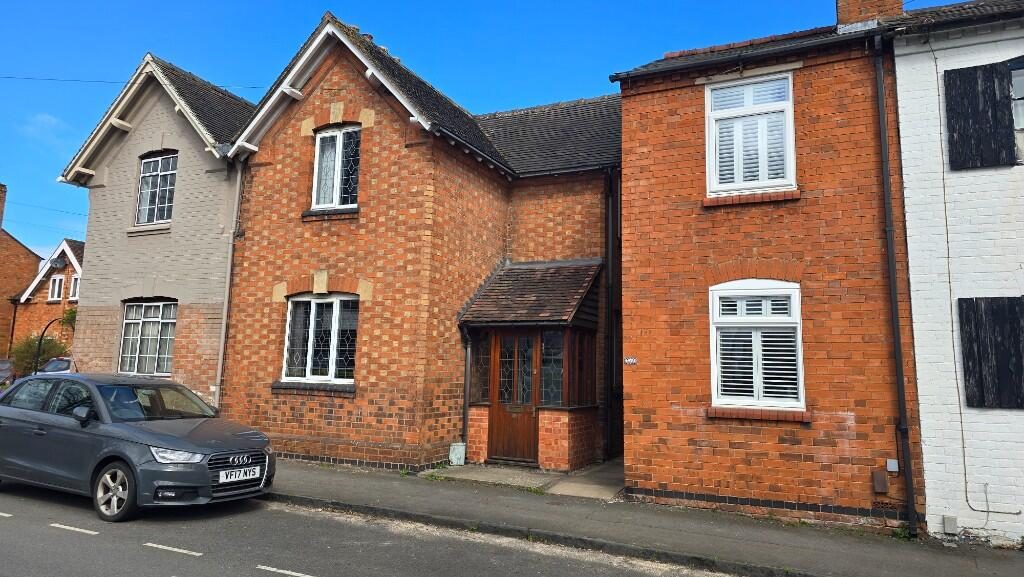
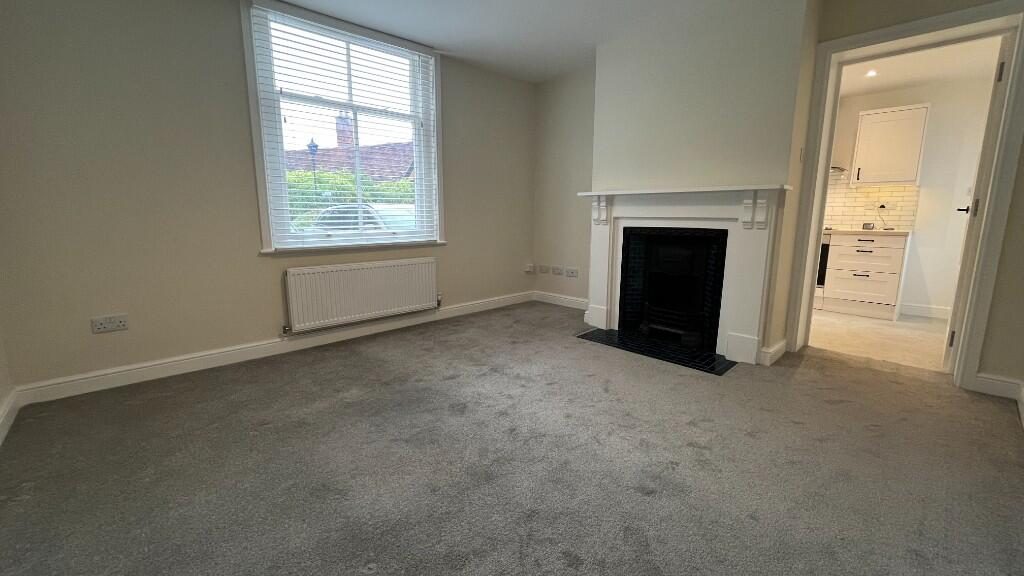
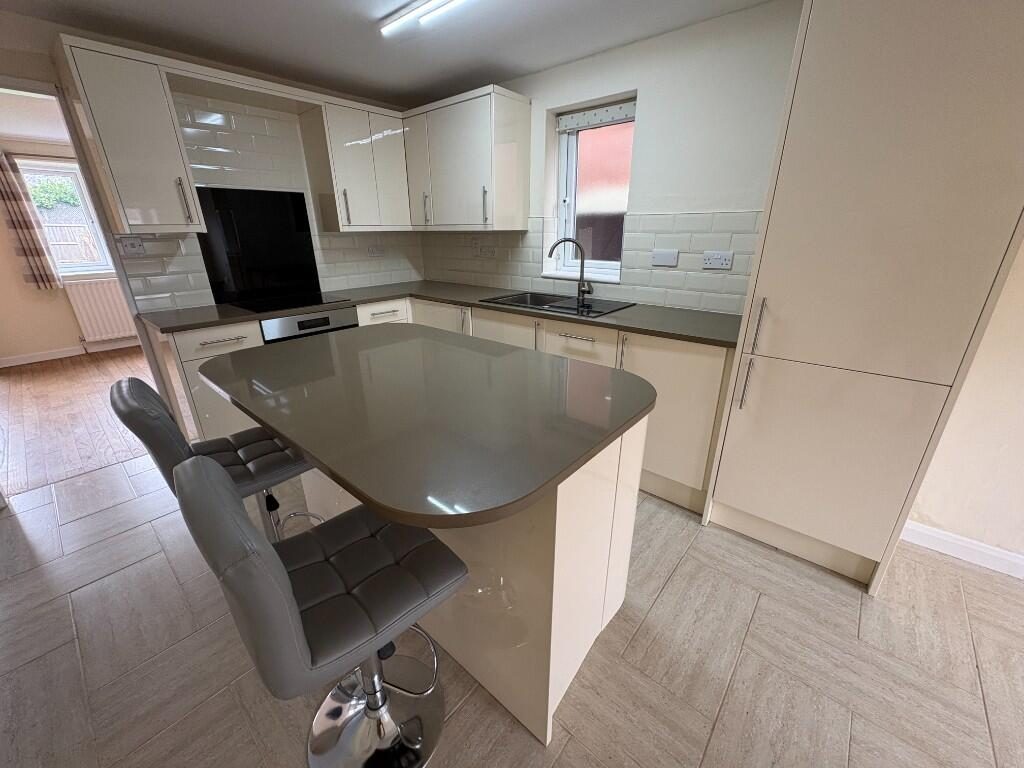
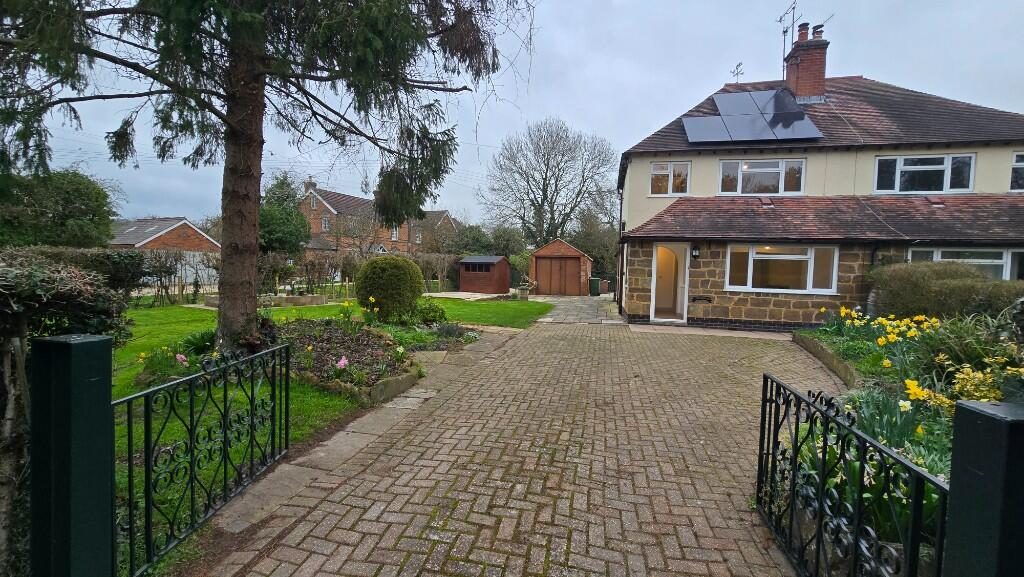
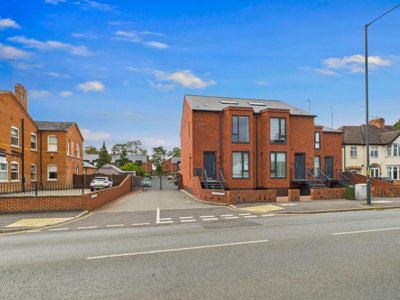
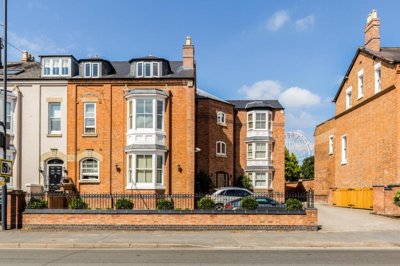
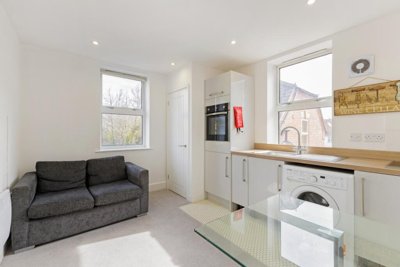
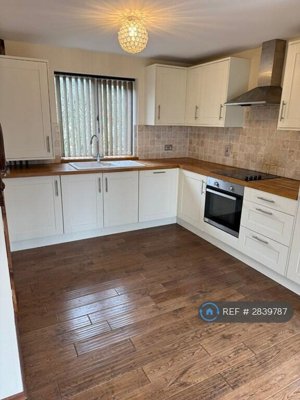
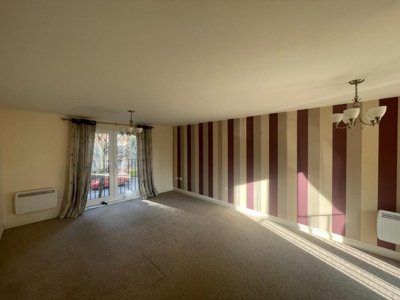
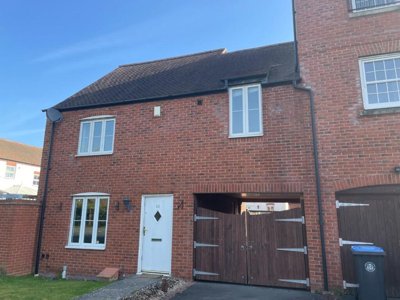
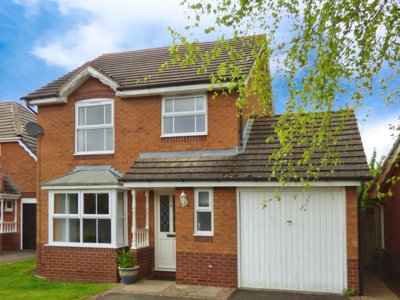
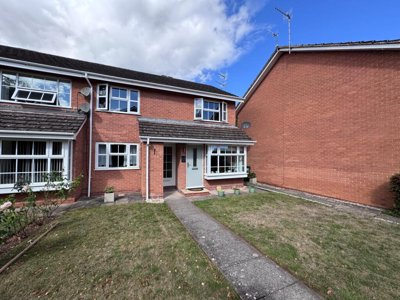
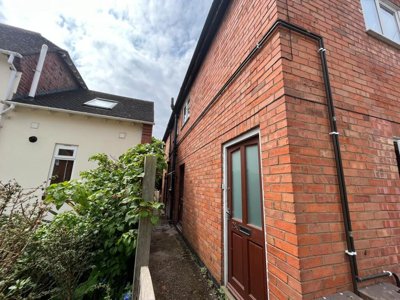
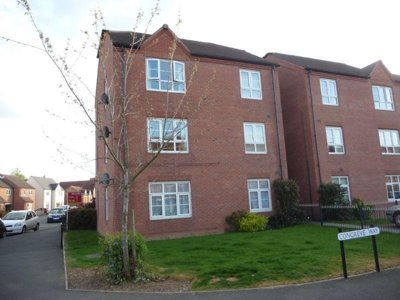
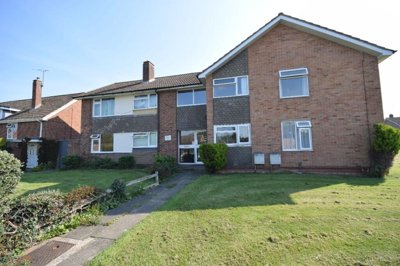
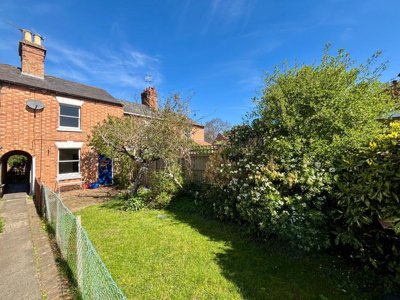
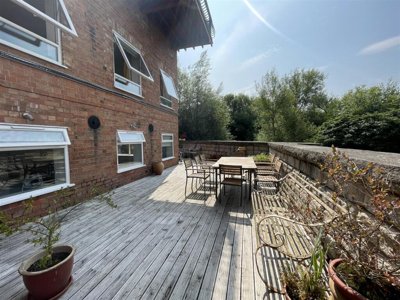
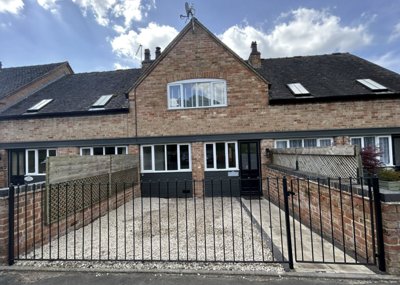
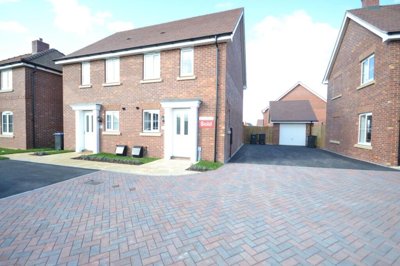
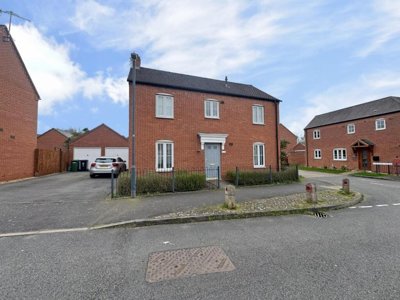
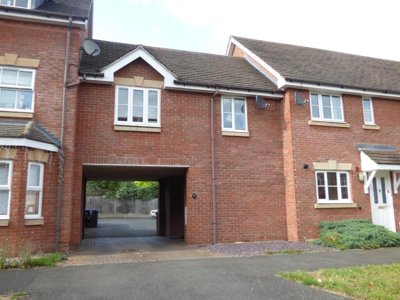
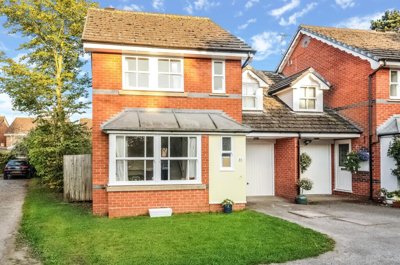
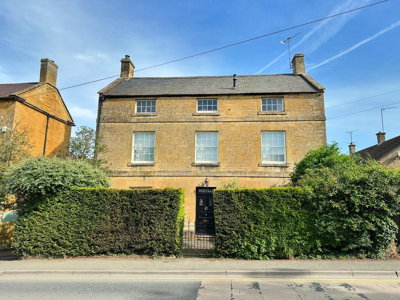
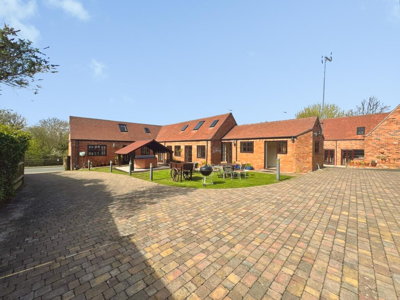
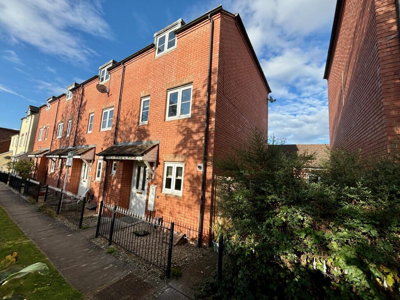
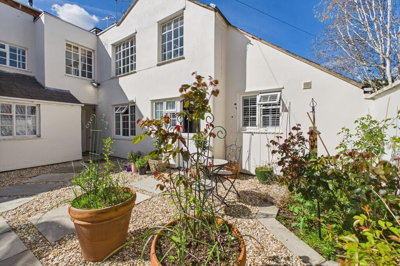
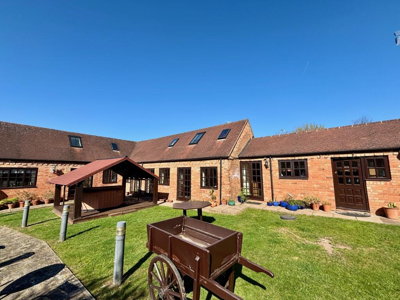
Browse 89 rental homes to rent in Stratford-upon-Avon from local letting agents.
The rental market in Stratford-upon-Avon reflects the town's desirability as both a tourist destination and a residential choice. While comprehensive rental price data for the area requires direct enquiry with local letting agents, the strong local property market provides useful context. Average house prices in Stratford-upon-Avon reached £390,000 in December 2025, representing a 5.1% increase from the previous year and outpacing the broader West Midlands region, which saw 2.0% growth. This growth signals continued demand for housing in the area, which directly influences rental values.
Detached properties command the highest values in Stratford-upon-Avon, with averages around £647,935, reflecting demand for family homes with gardens in this sought-after location. Semi-detached homes, which accounted for 31.4% of property sales, averaged £422,544 with an impressive 8.1% annual increase. Terraced properties, representing 18.3% of sales, averaged £339,752 and offer an accessible entry point to the local property market. These sale values provide a useful benchmark for rental expectations, with premium positions near the River Avon, town centre conservation areas, and good school catchments commanding higher rents.
New build developments such as Shottery View by Bloor Homes at Alcester Road offer contemporary rental options ranging from £175,000 to £545,000 for purchase, with similar quality apartments entering the rental market. Taylor Wimpey's Valiant Fields provides 1-bedroom maisonettes and 2-bedroom homes from £190,000, while Abbey Grange offers 2 and 3-bedroom semi-detached homes from £299,000. These developments represent newer stock that may offer modern fittings and energy efficiency benefits compared to period properties in the town centre.

Life in Stratford-upon-Avon revolves around the River Avon, which flows through the heart of the town and creates a picturesque setting for residents and visitors alike. The riverside areas offer charming walks, boat trips, and excellent pubs and restaurants with waterside terraces along Greenhill Street and Waterside. The town centre maintains its medieval street pattern, with Henley Street, High Street, and Wood Street forming the commercial spine. The historic Market Town character is preserved through strict conservation measures, with over 500 listed buildings creating an architectural spanning centuries of English history.
The local economy thrives on tourism, culture, and heritage, anchored by the Royal Shakespeare Company at the world-renowned Royal Shakespeare Theatre on Waterside. The cultural sector employs many residents, with additional venues including The Bear Pit Theatre on Rother Street and The Attic Theatre in its distinctive Grade 2 listed space contributing to a vibrant arts scene. The town hosts numerous festivals throughout the year, including the Stratford-upon-Avon Literary Festival and various theatrical events that draw visitors from around the world.
Residents enjoy a comprehensive range of amenities including independent shops on Sheep Street and Chapel Street, national retailers on Wood Street and Bell Court, supermarkets including Tesco on Western Road and Waitrose on Alcester Road, healthcare facilities at Stratford Hospital, and recreational spaces such as Stratford Recreation Ground and the canal basin. The Sunday Times named Stratford-upon-Avon among the best places to live in the UK, recognising its exceptional quality of life, strong community spirit, and excellent educational provision.

Stratford-upon-Avon offers excellent educational opportunities across all levels, making it particularly attractive to families seeking to rent in the area. The town is served by several well-regarded primary schools including Stratford-upon-Avon Primary School on Church Road near the historic town centre, and Shottery St. Matthew's Primary School in the neighbouring Shottery area. Other notable primaries include Trinity School and St. Mary's Catholic Primary School. These schools provide solid foundations for children aged 4-11, with dedicated teaching staff and strong community links. Parents should research individual school Ofsted ratings and admission catchment areas when considering rental properties, as these can significantly impact educational placement.
At secondary level, King Edward VI School stands as one of the region's most prestigious educational institutions. Founded in 1550 and located on Church Road, this selective grammar school serves students from ages 11 to 18 and consistently achieves excellent academic results, with strong university placement records. Stratford School is another notable secondary option providing comprehensive education on Avenue Road. Both schools are significantly oversubscribed, meaning proximity to these institutions is a major factor in rental property demand and values.
For sixth form and further education, Stratford-upon-Avon College on Longdon Road offers a wide range of vocational and academic courses. The presence of these quality educational institutions drives significant demand for rental properties in catchment areas, particularly during the summer months when families plan school-year transitions. Properties within walking distance of primary schools in areas like Shottery, Tiddington, and the town centre command premium rents, and parents should factor school placement considerations into their rental search strategy.

Stratford-upon-Avon benefits from excellent transport connections despite its market town character. Stratford-upon-Avon railway station on Station Square provides regular services to Birmingham Snow Hill and Moor Street, with journey times of approximately 50 minutes. West Midlands Railway operates these services, connecting the town to the wider West Midlands metropolitan area. For London commuters, Birmingham International station provides access to Virgin Trains services reaching Euston in under 80 minutes. The town is also served by Chiltern Railways services from Warwick Parkway station, located approximately 8 miles away.
Bus services operated by Stagecoach and other providers connect Stratford-upon-Avon to surrounding villages and towns including Warwick, Alcester, and Henley-in-Arden. The number 18 bus service runs to Warwick via the A46, while the X18 connects to Birmingham. For those driving, the A4390 and A46 roads provide direct access to Warwick and the M40 motorway, which is reachable within 15 minutes from the town centre via the A46 northern bypass. Oxford is accessible within 45 minutes via the M40.
For cyclists, National Cycle Route 5 passes through Stratford-upon-Avon, offering scenic routes along the Stratford-upon-Avon Canal and river. The canal towpaths provide flat, traffic-free commuting options into the town centre. Car parking in the town centre can be challenging during peak tourist season, with limited long-stay options on Arden Street and Bridgefoot car parks. Proximity to public transport or allocated parking becomes a valuable consideration when selecting a rental property in central locations.

Stratford-upon-Avon's diverse housing stock reflects centuries of building tradition, offering renters everything from medieval timber-framed cottages to contemporary new-build apartments. Understanding local construction can help you assess maintenance needs and potential issues when renting period properties. Early houses in the town were traditionally timber-framed, using timber from the nearby Forest of Arden, often with wattle and daub infill panels. More prestigious buildings were constructed from local stone including Arden Sandstone, Warwick Sandstone, and Blue Lias, with Blue Lias commonly used for footings and paving.
Following devastating fires between 1594 and 1641, brick construction became more prevalent, replacing thatch on many properties and providing better fire resistance. Georgian and Victorian eras saw brick become the dominant building material as the town expanded. Many old timber-framed houses were rendered with stucco to resemble stone during this period, with much of this decorative plasterwork later removed, revealing the historic frames beneath. Traditional roof coverings include plain tile, Welsh slate, straw thatch on older properties, and stone tile, each requiring different maintenance approaches.
When renting period properties in conservation areas around Chapel Street, Sheep Street, and the town centre, expect features like steeply pitched roofs, original timber windows, and solid wall construction without modern cavity insulation. The underlying Mercia Mudstone geology can create shrink-swell risk for foundations in areas with clay soil, though this primarily affects ground floor structures and is less common in well-maintained modern properties. Properties with traditional construction methods using permeable materials like earth, stone, brick, and timber require careful attention to ventilation and heating to prevent moisture-related issues.

Renting in Stratford-upon-Avon requires careful attention to several area-specific factors that could affect your tenancy. Flood risk is a primary consideration, as the town sits on the River Avon with documented history of fluvial flooding. Properties in areas including Warwick Road, Tiddington Road, Bridgefoot, Waterside, Shipston Road, Avonside, Saffron Walk, Stratford Racecourse, and Luddington Road face elevated flood risk. The Warwickshire Avon Valley creates wide floodplains through the town due to the flat, lower-lying topography. Always enquire about flood history and check current Environment Agency flood warnings before committing to a rental property.
The age of Stratford-upon-Avon's housing stock means many rental properties are period homes requiring careful consideration of maintenance issues. Traditional construction using timber frames, permeable stone, and historic building materials can be susceptible to damp if not properly maintained. Check the condition of roofs, particularly on properties with traditional coverings like Welsh slate, plain tiles, or straw thatch. Look for signs of timber decay in exposed beams, check that guttering and downpipes are functioning correctly, and assess the age and condition of heating systems before committing.
When viewing rental properties, consider the direction of aspect and natural light levels, especially in cottages that may be overshadowed by neighbouring buildings. Properties near the Royal Shakespeare Theatre on Waterside or along the canal basin can experience elevated noise levels during peak theatre seasons and summer events. The condition of double glazing, insulation standards, and boiler age will significantly impact your ongoing energy costs, particularly in older properties with solid walls that cannot be cavity insulated. Request information about recent maintenance, heating systems, and insulation standards before committing to ensure the property meets your comfort requirements and budget expectations.
Before viewing properties in Stratford-upon-Avon, arrange a rental budget agreement in principle. This documents your maximum affordable monthly rent and demonstrates to landlords that you are a serious, financially prepared tenant. Lenders and letting agents will assess your income against typical rents in the area. A budget in principle typically involves a brief credit check and income assessment, taking just a few days to arrange.
Each area of Stratford-upon-Avon offers distinct advantages. Town centre properties on streets like Henley Street and High Street provide walkability and culture but may lack parking and outdoor space. Areas like Shottery offer village character with good primary schools and easier access to the A46. Riverside locations near the Avon provide scenic views but require careful flood risk assessment. Newer developments like those near the railway station offer modern fittings and parking, though may lack the character of period properties.
Once you have identified suitable properties, arrange viewings through local letting agents. Take time to inspect the property condition thoroughly, checking for signs of damp, roof condition, window seals, and boiler age. Consider requesting a professional inventory check before moving in to document the property's condition and protect your deposit. Photographs taken during viewings can provide useful reference points.
Prepare standard tenant referencing documents including proof of identity such as passport or driving licence, proof of income or employment such as payslips or bank statements, previous landlord references, and right to rent documentation. Processing typically takes 3-5 working days. Some agents may request references from all adult occupants, and guarantors may be required for students or those with limited rental history.
Once references are approved, you will receive your tenancy agreement detailing terms, rent amount, deposit requirements, and conditions. Ensure you understand all clauses before signing, particularly those relating to maintenance responsibilities, pet policies, and termination procedures. The deposit is capped at five weeks rent for properties with annual rent below £50,000 and must be protected in a government-approved Tenancy Deposit Protection scheme within 30 days of receipt.
While specific rental price data requires direct enquiry with local letting agents, the strong local property market provides useful context. Average house prices in Stratford-upon-Avon reached £390,000 in December 2025, with 5.1% annual growth outpacing the regional average. Detached properties command the highest values at around £647,935, while terraced properties offer more accessible entry at approximately £339,752. Rental prices typically correlate with sale values, so properties near the River Avon, town centre conservation areas, and in good school catchment areas like Shottery and Tiddington command premium rents. Contact local letting agents for current specific rental figures for your preferred property type and location.
Properties in Stratford-upon-Avon fall under Stratford-on-Avon District Council. Council tax bands range from A to H based on property value, with the majority of period properties in the town centre likely falling into bands C through E. Victorian and Edwardian terraced houses on streets like Broad Street and Wood Street typically fall into bands C or D, while larger detached properties in areas like Shottery and along Warwick Road often sit in bands E or F. Exact bands depend on individual property valuations, and you can check specific council tax bands through the Stratford-on-Avon District Council website. Your rental agreement should specify council tax responsibilities and any included charges.
Stratford-upon-Avon offers excellent educational options across all levels. At primary level, Stratford-upon-Avon Primary School on Church Road and Shottery St. Matthew's Primary School serve the immediate town area, with St. Mary's Catholic Primary School providing faith-based education. King Edward VI School on Church Road is the standout secondary option, established in 1550 as a selective grammar school with outstanding academic results and strong university placement records. Stratford School provides comprehensive secondary education on Avenue Road. For further education, Stratford-upon-Avon College on Longdon Road offers vocational and A-level courses. Families should verify current Ofsted ratings and school catchment boundaries, as these can affect placement eligibility and properties in good catchments command premium rents.
Stratford-upon-Avon offers good connectivity for a market town. The railway station on Station Square provides West Midlands Railway services to Birmingham Snow Hill and Moor Street in approximately 50 minutes, with regular trains throughout the day. Stratford is well-served by bus services including Stagecoach routes connecting to Warwick, Alcester, and surrounding villages. The M40 motorway is accessible within 15 minutes via the A46, providing road connections to Birmingham, Oxford, and London. Birmingham International station, with its high-speed rail link to London Euston, is approximately 30 minutes away by car or the X60 bus service. National Cycle Route 5 passes through the town, offering traffic-free routes along the canal.
Stratford-upon-Avon consistently ranks among the best places to live in the UK, recognised by The Sunday Times for its exceptional quality of life and strong community spirit. The town offers a unique combination of historic character, cultural amenities anchored by the Royal Shakespeare Company, strong schools including the prestigious King Edward VI grammar school, and good transport links to Birmingham and London. The tourism economy creates employment opportunities in hospitality, arts, and retail sectors, with the Royal Shakespeare Theatre, Bear Pit Theatre, and numerous restaurants and hotels providing jobs. However, rental demand is high due to desirability, and properties in flood-risk areas require careful consideration. The strong property market means rents may be higher than comparable Warwickshire towns, but the quality of life benefits typically justify the premium.
As of 2024-25, tenant deposit requirements in England are capped at five weeks rent for properties with annual rent below £50,000. For a typical rental at £1,200 per month, your deposit would be capped at £2,769, rising to £3,230 for a £1,400 per month property. Most letting agents charge referencing fees of £100-£200 per applicant, with some also charging administration or inventory check fees of around £100-£200. Under the Tenant Fees Act 2019, landlords and agents cannot charge certain fees, though holding deposits and capped security deposits remain permissible. Always request a full breakdown of costs before committing to a property.
Understanding the full cost of renting in Stratford-upon-Avon extends beyond monthly rent to include various deposits and fees. As of the 2024-25 regulations, security deposits are capped at five weeks rent for properties with annual rental values under £50,000. For a typical family home in Stratford-upon-Avon renting at £1,400 per month, this means a maximum deposit of £3,230. This deposit is protected in a government-approved Tenancy Deposit Protection scheme within 30 days of receipt, giving you legal recourse if disputes arise at the end of your tenancy.
Tenant referencing typically costs between £100 and £200 per applicant and covers identity verification, credit checks, employment confirmation, and previous landlord references. Some letting agents also charge administration fees, though these are capped under the Tenant Fees Act 2019 and you should not be charged for viewing requests or tenancy negotiations. Inventory checks, conducted at the start and end of tenancy, typically cost £100-£200 and are essential for protecting your deposit against unfounded claims at move-out.
First-time renters should budget for upfront rent in advance, usually one month plus deposit, meaning moving costs can total two to three months rent. Some landlords may request three months rent in advance for tenants with limited UK rental history or non-standard employment. Consider arranging a rental budget in principle before property hunting to understand your borrowing capacity and present a strong application to landlords in this competitive market. Properties in popular areas like Shottery, near the town centre, or within good school catchments can attract multiple applicants, making financial preparedness crucial.
Get pre-approved for your rental budget before property hunting
From 4.5%
Complete your referencing before submitting your rental application
From £99
Essential survey for period properties in Stratford-upon-Avon
From £395
Check energy efficiency before renting
From £85
Properties to Rent In London

Properties to Rent In Plymouth

Properties to Rent In Liverpool

Properties to Rent In Glasgow

Properties to Rent In Sheffield

Properties to Rent In Edinburgh

Properties to Rent In Coventry

Properties to Rent In Bradford

Properties to Rent In Manchester

Properties to Rent In Birmingham

Properties to Rent In Bristol

Properties to Rent In Oxford

Properties to Rent In Leicester

Properties to Rent In Newcastle

Properties to Rent In Leeds

Properties to Rent In Southampton

Properties to Rent In Cardiff

Properties to Rent In Nottingham

Properties to Rent In Norwich

Properties to Rent In Brighton

Properties to Rent In Derby

Properties to Rent In Portsmouth

Properties to Rent In Northampton

Properties to Rent In Milton Keynes

Properties to Rent In Bournemouth

Properties to Rent In Bolton

Properties to Rent In Swansea

Properties to Rent In Swindon

Properties to Rent In Peterborough

Properties to Rent In Wolverhampton

Enter your details to see if this property is within your budget.
Loans, cards, car finance
Estimated property budget
Borrowing + deposit
You could borrow between
Typical borrowing
Monthly repayment
Est. at 4.5%
Loan-to-value
This is an estimate only. Your actual budget may vary depending on interest rates, credit history, and personal circumstances. For an accurate affordability assessment, speak to one of our free mortgage advisors.
This calculator provides estimates for illustrative purposes only and does not constitute financial advice. Your home may be repossessed if you do not keep up repayments on your mortgage. Estimates based on 4.5% interest rate, repayment mortgage. Actual rates depend on your circumstances.
Homemove is a trading name of HM Haus Group Ltd (Company No. 13873779, registered in England & Wales). Homemove Mortgages Ltd (Company No. 15947693) is an Appointed Representative of TMG Direct Limited, trading as TMG Mortgage Network, which is authorised and regulated by the Financial Conduct Authority (FRN 786245). Homemove Mortgages Ltd is entered on the FCA Register as an Appointed Representative (FRN 1022429). You can check registrations at NewRegister or by calling 0800 111 6768.

We use cookies to show you personalised content and improve your experience of our website. Find out more in our Privacy policy and Cookie policy.