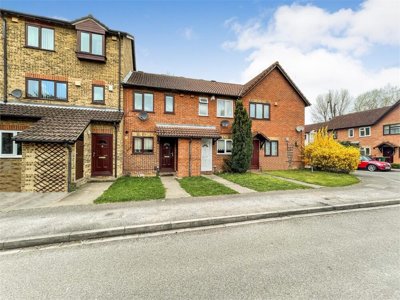
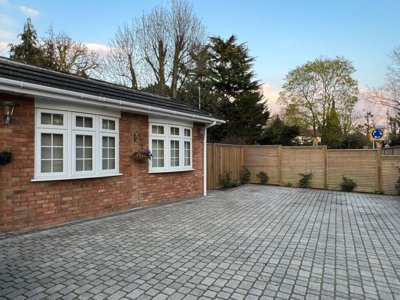
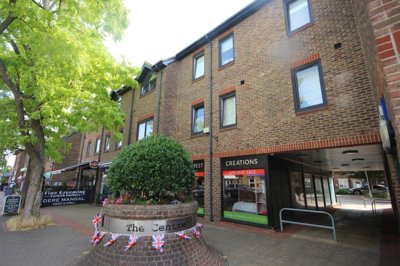
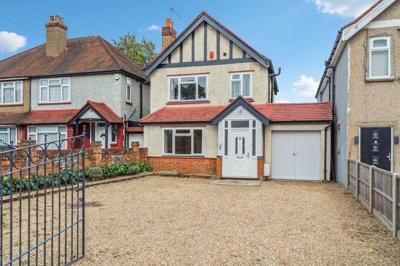
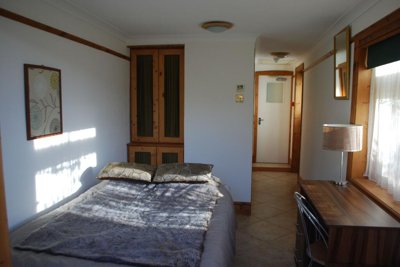
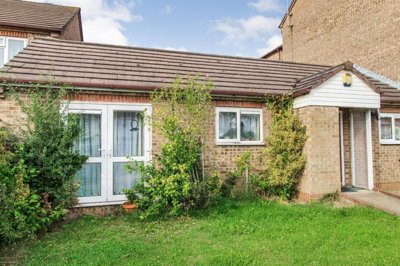
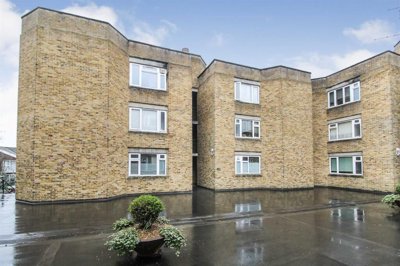
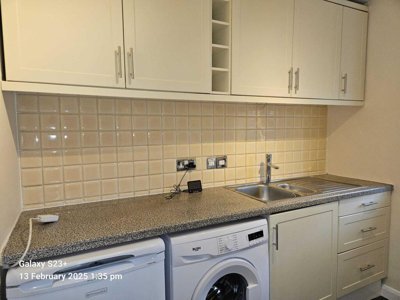
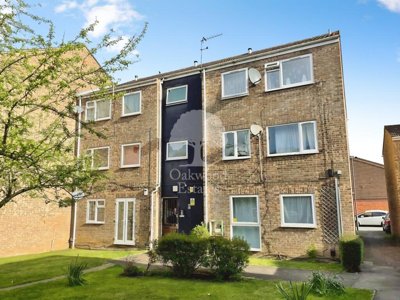
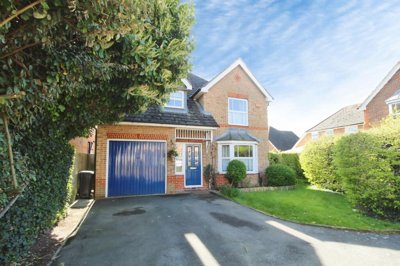
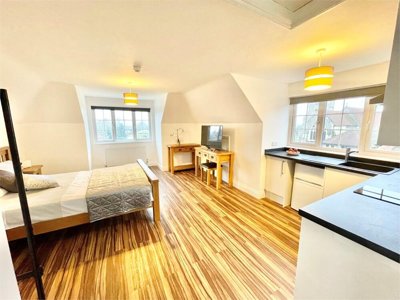
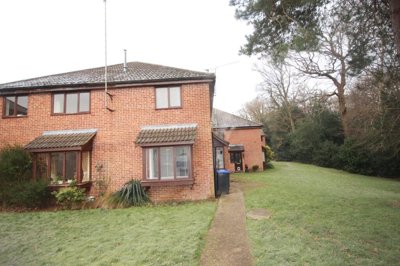
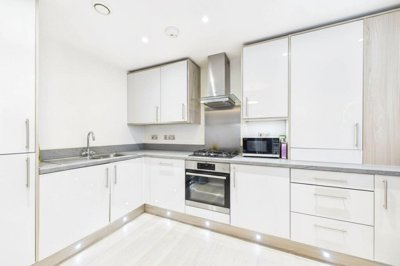
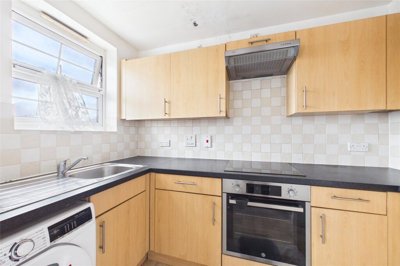
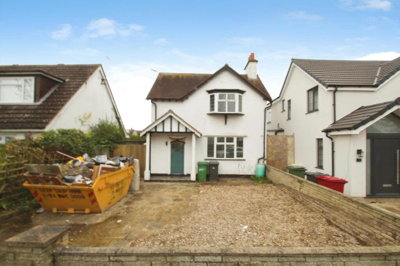
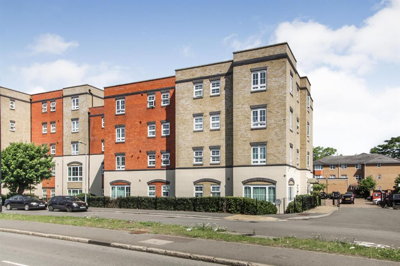
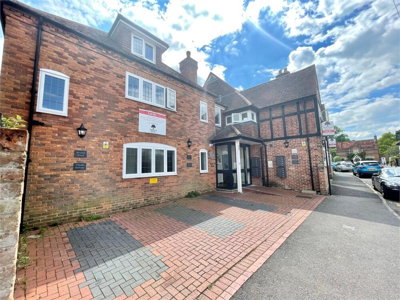
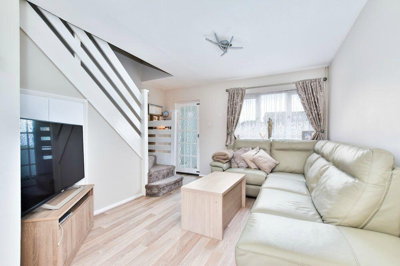
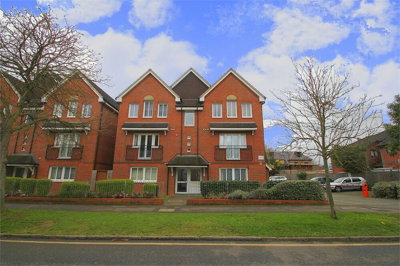
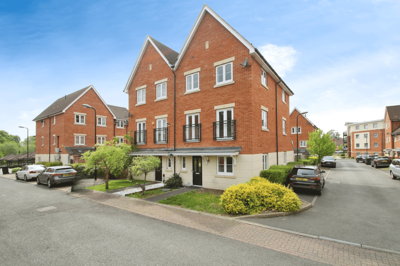
Browse 408 rental homes to rent in SL1 from local letting agents.
£1,350/m
55
0
76
Source: home.co.uk
Source: home.co.uk
Flat
19 listings
Avg £1,275
Apartment
18 listings
Avg £1,273
Maisonette
4 listings
Avg £1,413
Semi-Detached
3 listings
Avg £1,933
Studio
3 listings
Avg £968
House
2 listings
Avg £2,375
Terraced
2 listings
Avg £1,595
End of Terrace
1 listings
Avg £1,950
Flat Share
1 listings
Avg £700
Ground Maisonette
1 listings
Avg £1,300
Source: home.co.uk
Source: home.co.uk
The rental market in SL1 has shown remarkable resilience despite broader economic headwinds, with purchase prices averaging between £337,000 and £440,000 depending on property type and data source. For those seeking flats to rent in SL1, average prices sit around £223,000 to £235,000, making this property type the most accessible entry point for first-time renters or investors. Semi-detached properties, which represent approximately 25% of the housing stock, typically command prices in the £456,000 to £467,000 range, while terraced homes average around £355,000 to £394,000. Detached properties, making up about 24% of sales, reach averages of £667,000 to £686,000, reflecting their larger footprint and premium positioning.
New development activity has brought fresh options to the SL1 rental market, with schemes like Horlicks Quarter on Stoke Poges Lane offering one, two, and three-bedroom apartments from £260,000. This Berkeley Homes development exemplifies the modern living standards now available in the area, with contemporary finishes and shared amenities that appeal to young professionals. Slough Central represents another significant regeneration project near Church Street, adding to the mix of properties available in the town centre. Aspire on Farnham Road offers additional new-build options, providing modern apartments for renters seeking contemporary fixtures and efficient layouts.
Sales volumes have moderated slightly, with around 450 residential transactions in the past year, down 17% on the previous year, suggesting a market finding its balance between supply and demand. Price trends vary across SL1 sub-postcodes, with SL1 1 showing 3.2% growth and SL1 3 demonstrating stronger 6.2% increases over the previous year. This varied performance reflects the diverse nature of the SL1 market, where property types and locations within the postcode can significantly impact values and rental yields.

Slough has long been celebrated for its vibrant multicultural community, with residents from over 100 nationalities creating a genuinely diverse and welcoming atmosphere. The town centre offers an excellent mix of high street shops, independent restaurants, and cultural venues that reflect this rich heritage. Park facilities are well-distributed throughout SL1, with several green spaces providing respite from the urban environment. The combination of affordable living costs and strong employment opportunities has made Slough one of the most desirable locations for renters seeking value without sacrificing connectivity to London and Heathrow.
The character of SL1 varies significantly between its different neighbourhoods, from the quieter residential streets of Stoke Poges Lane to the busier commercial areas around the station. The underlying London Clay geology shapes much of the local landscape, with the characteristic clay soils influencing garden styles and property foundations across the area. Properties in SL1 typically feature brick construction, often red or brown brick, with cavity wall systems prevalent in homes built after 1919. Older properties from the pre-1919 period feature solid wall construction, which can present different challenges for maintenance and insulation.
Flood risk in certain parts of SL1, particularly near watercourses like the Chalvey Ditch and Salt Hill Stream, is worth considering when evaluating specific properties. Surface water flooding represents a more significant concern in the urbanised town centre areas due to extensive impermeable surfaces, though modern drainage improvements have mitigated many historic concerns. Groundwater flooding can also occur in some areas with shallow water tables. We recommend checking government flood risk maps for specific postcodes before committing to a rental property in affected areas.

Families considering renting in SL1 will find a comprehensive selection of educational establishments across all key stages. The area is served by several primary schools that have earned good and outstanding Ofsted ratings, providing strong foundations for younger children. Secondary education options include both comprehensive schools and grammar schools that serve the broader Slough area, giving families meaningful choice when selecting the right educational path for their children. The presence of established schools has made SL1 particularly popular with families seeking rental properties that combine reasonable costs with access to quality education.
For those pursuing further and higher education, Slough offers several college options within easy reach, while the excellent rail connections from Slough station put university campuses in Reading, Oxford, and central London within commuting distance. Parents with school-age children should research individual school catchment areas carefully, as admission policies can significantly impact which properties best suit family needs. The local authority has invested in school infrastructure in recent years, reflecting Slough's growing reputation as a family-friendly destination that balances urban amenities with educational excellence. Grammar school admission often requires passing the 11-plus examination, which families should factor into their timeline when relocating with children approaching secondary school age.

Transport connectivity is one of SL1's strongest assets, with the Elizabeth Line providing swift access to central London and the wider South East. Slough station offers direct services to London Paddington in approximately 40 minutes, while the Elizabeth Line has reduced journey times to key destinations including Bond Street, Liverpool Street, and Heathrow Airport. Bus services throughout Slough provide good local connections, with routes serving surrounding towns and villages that expand the practical commuting radius. The proximity to the M4 motorway makes SL1 attractive to those who drive to work, with Bristol accessible in around two hours and Reading reachable in approximately 30 minutes.
Cyclists benefit from improving infrastructure, with dedicated routes connecting residential areas to the town centre and major employment zones. The Slough Trading Estate, home to major employers including O2, Mars Wrigley, Lonza, and Amazon, is well-served by both bus routes and cycling infrastructure, making car-free commuting viable for many workers. Parking provision varies across SL1, with town centre apartments typically offering limited on-site parking while suburban streets may provide permit parking schemes. The excellent transport links have made Slough a favourite with commuters seeking to balance London salaries with more affordable living costs, a dynamic that continues to support demand in the SL1 area.
Journey time calculators and live traffic information are readily available through various apps, helping renters plan their daily commute before committing to a specific property. For those working at Heathrow Airport, the Elizabeth Line provides a direct connection, while the M4 offers road access for those preferring to drive. Regular bus services connect SL1 to surrounding areas including Windsor, Maidenhead, and Reading, expanding the practical radius for employment and leisure activities.

Before searching for properties in SL1, arrange a rental budget agreement in principle to understand how much rent you can comfortably afford. Lenders and letting agents will assess your income against potential monthly payments, typically looking for ratios around 2.5-3 times annual income. Having this documentation ready demonstrates seriousness to landlords and agents, and helps you focus your search on properties within your budget. We recommend getting agreement in principle from your bank or building society before beginning property viewings.
Spend time exploring different parts of SL1 to find the area that best matches your lifestyle needs. Consider proximity to work, schools, transport links, and local amenities. The area offers diverse neighbourhoods from the regenerated town centre to quieter residential streets like those near Stoke Poges Lane, each with distinct character and rental price points. Visit at different times of day to gauge noise levels, parking availability, and the general atmosphere. Check school catchment boundaries if you have children, as these can vary significantly between nearby streets.
Once you have narrowed down your search, arrange viewings through Homemove or directly with local estate agents. Take notes on property condition, natural light, storage space, and any potential issues. Ask about lease terms, service charges, ground rent for leasehold properties, and what is included in the rent. For flats, inquire about building management and any planned maintenance or service charge increases. We recommend viewing several properties before making decisions, as comparing options helps identify the best value in the current market.
For older properties in SL1, consider commissioning a RICS Level 2 Survey before committing to a long-term rental. Given that much of SL1's housing stock sits on London Clay, a professional survey can identify potential issues with subsidence, damp, or structural movement that might not be apparent during a standard viewing. Local survey costs for this area range from £350 for a small flat to £700 or more for a three-bedroom house. Our team can arrange surveys on your behalf, with RICS-qualified inspectors familiar with local construction types and common defects.
Once you have selected a property, you will need to pass referencing checks including credit history, employment verification, and landlord references. Budget for upfront costs including deposit typically five weeks rent, first month rent in advance, and any admin fees. Read your tenancy agreement carefully, noting the length of term, break clauses, and responsibilities for maintenance and repairs. Your deposit will be protected in a government-approved scheme within 30 days of receipt.
Renting in SL1 requires careful attention to local factors that could affect your living experience and investment. Properties constructed before modern building regulations may show signs of damp, outdated electrics, or timber defects common in older housing stock across the UK. The prevalence of London Clay beneath SL1 means properties with mature trees nearby could face foundation movement issues, particularly during periods of extreme weather. When viewing properties, check for signs of subsidence such as cracked plaster, sticking doors, or uneven floors that might indicate ground instability.
Dampness represents one of the most common issues in SL1's older housing stock. Rising damp, penetrating damp, and condensation are frequently found in properties built before modern damp-proofing standards became standard practice. Look for tide marks on walls, peeling wallpaper, and musty smells, particularly in ground floor rooms and basements. Our inspectors frequently identify timber defects including wet rot and dry rot in properties where damp has been present for some time, often affecting floorboards, window frames, and structural timbers.
Flood risk awareness is essential for certain parts of SL1, with areas near the Chalvey Ditch and Salt Hill Stream showing elevated surface water flooding risk during heavy rainfall. Review the government flood risk maps for specific postcodes and ask landlords about any previous flooding incidents or mitigation measures installed. Conservation areas like Stoke Green and Upton Court may have planning restrictions affecting what changes tenants can make to properties, so clarify any limitations before signing your agreement. Service charges on modern apartments can vary significantly, so obtain full details of what is covered and any planned increases before committing to a rental.
Electrical and plumbing systems in older SL1 properties often require attention. Properties built before the 1980s frequently have outdated fuse boards, limited socket outlets, and older plumbing that may need upgrading for safety and efficiency. Ask about the age of these systems during viewings and factor potential upgrade costs into your decision. Our surveyors can assess the condition of these systems as part of a comprehensive RICS Level 2 Survey.

While comprehensive rental price data requires checking current listings, purchase prices in SL1 range from approximately £223,000 for flats to £686,000 for detached homes, with overall averages sitting around £337,000 to £440,000 depending on property type and data source. Flats and terraced properties represent the most affordable entry point for renters, while semi-detached and detached homes command premium rents reflecting their larger size and outdoor space. The Slough rental market has shown resilience, with varied performance across sub-postcodes including SL1 1 growing 3.2% and SL1 3 demonstrating 6.2% increases year-on-year.
Council tax bands in Slough range from A to H, with most residential properties falling in bands A through D depending on their assessed value. You can check the exact council tax band for any SL1 property through the Slough Borough Council website or the Valuation Office Agency listing. Band A represents the lowest council tax liability while band H carries the highest charges. Your annual council tax payment is typically made in monthly instalments either through your rent arrangement or directly to the council.
SL1 offers good primary and secondary education options, with several schools in the Slough area receiving good or outstanding Ofsted ratings. Families should research individual school performance data and admission catchment areas, as these can significantly influence educational outcomes. Secondary school options include both comprehensive schools serving the local area and grammar schools with selective admissions that require passing the 11-plus examination. The proximity to excellent further education colleges and the option to commute to universities in Reading, Oxford, and London adds to the area's educational appeal for families at all stages of education.
SL1 benefits from excellent public transport connections, centred on Slough station which offers Elizabeth Line services to London Paddington, Bond Street, Liverpool Street, and Heathrow Airport. Journey times to central London have been significantly reduced since the Elizabeth Line opened, with trains running throughout the day at approximately 40 minutes to Paddington. Local bus services connect SL1 to surrounding towns including Windsor, Maidenhead, and Reading. The M4 motorway is easily accessible for drivers, offering connections to Reading, Bristol, and the wider motorway network.
SL1 offers excellent value for renters seeking proximity to London and Heathrow without central London rental prices. The area combines strong employment opportunities on the Slough Trading Estate with good schools, diverse amenities, and improving transport links provided by the Elizabeth Line. Major regeneration projects have enhanced the town centre, while residential areas offer family-friendly environments with parks and local services. The diverse community creates a welcoming atmosphere, and the range of property types means renters can find options suitable for singles, couples, and families alike. Major employers including O2, Mars Wrigley, Lonza, and Amazon provide stable employment prospects for local residents.
Standard deposits on rental properties in SL1 are typically five weeks rent, capped at five weeks rent for properties with annual rent below £50,000. You will also need to pay the first month rent in advance, plus any referencing or administration fees charged by the agent or landlord. These fees have been capped by law, and agents must provide a full breakdown before you commit to a property. Budget for additional costs such as moving expenses, contents insurance, and any immediate purchases needed for your new home.
Given that much of SL1's housing stock dates from the post-war period or earlier, properties may show signs of age-related wear including dampness, outdated electrics, or roof deterioration. The underlying London Clay geology means some properties could be susceptible to subsidence or heave, particularly those with shallow foundations near trees. Our inspectors frequently identify issues with penetrating damp in solid-walled properties, timber defects in older constructions, and drainage problems in areas prone to surface water flooding. Commissioning a professional survey before signing your tenancy can identify hidden defects that might require maintenance during your occupation or affect the property's habitability.
SL1 properties span several construction periods, each with characteristic features and potential issues. Pre-1919 properties typically feature solid wall construction with 9-inch brickwork, timber floors, and slate or clay tile roofs. Properties built between 1919 and 1945 introduced cavity wall construction while maintaining traditional brick exteriors. Post-war developments from 1945 to 1980 saw widespread cavity wall adoption with concrete tiled roofs, and some system-built constructions that have specific defect patterns. Modern properties post-1980 feature contemporary cavity wall insulation and varied external finishes including render and cladding. Understanding the construction type helps identify which issues are most likely to affect your potential rental property.
From 4.5%
Arrange your rental budget agreement in principle before searching
From £25
Complete referencing checks for landlords and agents
From £350
Professional survey for older properties
From £75
Energy performance certificate for rental properties
Renting a property in SL1 involves several upfront costs that first-time renters should budget for carefully. The security deposit, typically five weeks rent, is the largest upfront expense after your first month rent. This deposit is protected in a government-approved scheme within 30 days of receiving it, and should be returned at the end of your tenancy minus any legitimate deductions for damage or unpaid rent. Landlords cannot make deductions for fair wear and tear, so documenting the property condition at the start of your tenancy is essential. We recommend taking photographs throughout the property as evidence of the initial condition.
Additional fees may include referencing checks, right-to-rent verification, and administrative costs charged by letting agents. These fees have been capped by law, but it is worth asking for a full breakdown before committing to a property. As a first-time renter, you may want to explore rental guarantee schemes that allow a parent or guardian to act as guarantor instead of paying a large deposit upfront. Some landlords may also accept a higher rent in lieu of a deposit, so it is worth negotiating the terms that best suit your circumstances.
Understanding all costs involved helps you plan your move effectively and avoid any financial surprises that could derail your rental plans. Beyond the deposit and first month rent, budget for moving company fees, potential furniture purchases, and utility setup costs including deposits for gas, electricity, and internet services. Contents insurance is another essential cost that protects your belongings during the tenancy. Our team can provide a comprehensive breakdown of expected costs based on your specific rental situation in SL1.

Properties to Rent In London

Properties to Rent In Plymouth

Properties to Rent In Liverpool

Properties to Rent In Glasgow

Properties to Rent In Sheffield

Properties to Rent In Edinburgh

Properties to Rent In Coventry

Properties to Rent In Bradford

Properties to Rent In Manchester

Properties to Rent In Birmingham

Properties to Rent In Bristol

Properties to Rent In Oxford

Properties to Rent In Leicester

Properties to Rent In Newcastle

Properties to Rent In Leeds

Properties to Rent In Southampton

Properties to Rent In Cardiff

Properties to Rent In Nottingham

Properties to Rent In Norwich

Properties to Rent In Brighton

Properties to Rent In Derby

Properties to Rent In Portsmouth

Properties to Rent In Northampton

Properties to Rent In Milton Keynes

Properties to Rent In Bournemouth

Properties to Rent In Bolton

Properties to Rent In Swansea

Properties to Rent In Swindon

Properties to Rent In Peterborough

Properties to Rent In Wolverhampton

Enter your details to see if this property is within your budget.
Loans, cards, car finance
Estimated property budget
Borrowing + deposit
You could borrow between
Typical borrowing
Monthly repayment
Est. at 4.5%
Loan-to-value
This is an estimate only. Your actual budget may vary depending on interest rates, credit history, and personal circumstances. For an accurate affordability assessment, speak to one of our free mortgage advisors.
This calculator provides estimates for illustrative purposes only and does not constitute financial advice. Your home may be repossessed if you do not keep up repayments on your mortgage. Estimates based on 4.5% interest rate, repayment mortgage. Actual rates depend on your circumstances.
Homemove is a trading name of HM Haus Group Ltd (Company No. 13873779, registered in England & Wales). Homemove Mortgages Ltd (Company No. 15947693) is an Appointed Representative of TMG Direct Limited, trading as TMG Mortgage Network, which is authorised and regulated by the Financial Conduct Authority (FRN 786245). Homemove Mortgages Ltd is entered on the FCA Register as an Appointed Representative (FRN 1022429). You can check registrations at NewRegister or by calling 0800 111 6768.

We use cookies to show you personalised content and improve your experience of our website. Find out more in our Privacy policy and Cookie policy.