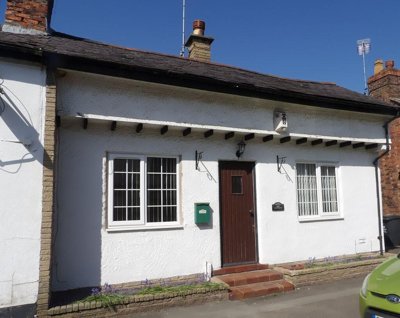
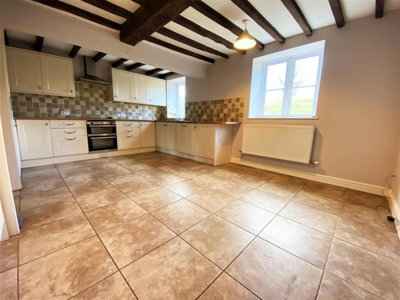
Browse 2 rental homes to rent in Sesswick, Wrexham from local letting agents.
£0/m
0
0
0
Source: home.co.uk
The rental market in Sesswick and the broader Wrexham area has demonstrated steady activity in recent years, reflecting the growing demand for homes in north-east Wales. Properties in small villages like Sesswick often include traditional terraced cottages, detached stone-built homes, and occasionally purpose-built flats in small blocks. The village setting typically attracts tenants seeking countryside living without complete isolation from urban conveniences. Rental prices in rural Wrexham villages generally offer good value compared to larger towns, though availability can be limited due to smaller stock volumes.
The wider Wrexham county borough has seen average rental prices range broadly depending on property type and location. Detached homes in desirable village locations command higher rents, often between £750 and £1,200 per month for family-sized properties, while smaller terraced cottages and one-bedroom homes may be available from £450 to £650 per month. Semi-detached family homes typically fall in the £550 to £850 range. Those searching for rental property in Sesswick should expect competition for the most desirable homes, particularly those with gardens, parking, or character features like original fireplaces or exposed beams.
The nature of village rental markets means that properties become available less frequently than in urban areas, but when they do appear, they often generate significant interest from prospective tenants. Local letting agents serving the Wrexham area typically manage most formal rental listings, though some landlords advertise directly through community noticeboards or social media groups. Setting up alerts across multiple platforms increases your chances of being among the first to view a newly listed property. Being prepared with references and documentation ready to submit can make the difference when competing with other applicants for a desirable village home.
Properties in Sesswick and similar Welsh villages tend to be older than their urban counterparts, with construction dating from various eras including pre-war, interwar, and post-war periods. This older housing stock often features character elements that newer builds lack, such as original timber floors, cast iron fireplaces, and solid brick or stone walls. However, older properties may also require more maintenance attention, and prospective tenants should factor potential repair responsibilities into their decision-making process. Understanding the condition and age of available rental properties helps you budget appropriately for your tenancy.

Sesswick embodies the character of a traditional Welsh village, where community spirit runs deep and neighbours often know one another by name. The village lies approximately three miles south-east of Wrexham town centre, positioning residents within easy reach of comprehensive amenities while enjoying the benefits of rural surroundings. The landscape around Sesswick features rolling farmland, hedgerow-lined country lanes, and the gentle topography typical of the Welsh Marches region, making it popular with walkers, cyclists, and those who appreciate natural beauty. The pace of life here allows residents to enjoy their surroundings without the pressures of urban congestion.
The local area around Sesswick offers access to essential services including village pubs where locals gather for conversation and community events, local shops for everyday necessities, and community halls where events and gatherings take place throughout the year. Wrexham town itself provides comprehensive shopping facilities including the Eagles Meadow shopping centre, restaurants spanning multiple cuisines, healthcare services including Wrexham Maelor Hospital, and entertainment options ranging from cinema complexes to theatres. All these facilities are reachable by car or local bus services, making them accessible even without private transport.
The combination of village tranquility and town accessibility makes Sesswick particularly appealing to families, retired individuals, and those working locally who prefer not to live in busier urban environments. The Welsh language and culture remain strong in this part of Wrexham, adding richness to community life through local events, chapel services, and traditional celebrations. Residents can participate in eisteddfodau, cymhorthau (harvest suppers), and other Welsh cultural traditions that strengthen community bonds. Those learning the Welsh language will find opportunities to practice and immerse themselves in the local linguistic community, adding another dimension to daily life in this part of north-east Wales.
For recreation, the surrounding countryside offers extensive footpaths, bridleways, and public rights of way that crisscross the farmland and woodland of the Welsh Marches. The River Dee is nearby, providing opportunities for fishing and riverside walks, while the Berwyn Mountains form a dramatic backdrop to the west. Local pubs often host events and serve as focal points for community gatherings, offering hearty Welsh cuisine and local ales. The proximity to the England-Wales border means residents can easily explore attractions on both sides, from Chester's historic city centre to the scenic beauty of Snowdonia National Park further west.

Families considering renting in Sesswick will find a range of educational options available within the Wrexham area, from nursery provision through to further education. Primary education is served by several local schools in surrounding villages and the outskirts of Wrexham, with admissions policies operating on geographical zones under the responsibility of Wrexham Council. Parents should research specific catchment areas, as securing a place at oversubscribed schools requires residence within the designated boundary. The catchment system means that living in Sesswick does not guarantee placement at every nearby school, so early research is essential.
Secondary education in the area includes schools within the Wrexham local authority, many of which have received positive Estyn (Welsh education inspectorate) reports in recent years. For families seeking faith-based education, Catholic secondary schools in Wrexham accept pupils from across the county borough. Post-16 students can access sixth form provision at secondary schools or pursue vocational courses at Coleg Cambria, the regional further education college with campuses in North East Wales. The college offers courses ranging from vocational qualifications to higher education programmes, providing clear progression routes for students with various career ambitions.
Welsh-medium education represents a significant strength of the local educational landscape, with several schools in the Wrexham area offering primary and secondary education through the medium of Welsh. Choosing Welsh-medium education allows children to become bilingual, a valuable skill that enhances employment prospects in Wales and demonstrates commitment to Welsh culture and heritage. Parents interested in Welsh-medium options should contact Wrexham Council's education department for the most current information on school locations, capacities, and catchment arrangements. The demand for Welsh-medium places can be high, so early enquiry is advisable when moving to the area.
Higher education opportunities are well-represented in the region, with Glyndwr University based in Wrexham offering undergraduate and postgraduate courses across various disciplines. The university has developed strong ties with local employers, providing students with work placement opportunities and career guidance. For those pursuing professional qualifications or continuing education, the university and Coleg Cambria offer flexible learning options that can accommodate working adults. Students commuting from Sesswick can access these opportunities while enjoying the benefits of village living during their studies.

Sesswick benefits from its position within north-east Wales, offering connectivity to major transport routes while retaining its village character. The A483 trunk road passes through the region, providing direct access to Wrexham town centre to the north-west and connecting south towards Oswestry and the Shropshire border. The A5, another major route, lies within easy reach, offering an alternative route towards Chester and the M53 motorway which links to the national motorway network. For those travelling further afield, the M54 and M6 provide connections to the Midlands and the North of England, with Manchester accessible within approximately 90 minutes by car.
Public transport options serving the Sesswick area include local bus routes operated by Arriva Buses Wales and other carriers, connecting villages to Wrexham bus station where comprehensive services radiate across the region. Bus services to Wrexham typically run hourly on weekdays with reduced frequencies at weekends and during evening hours, reflecting the patterns of rural transport provision. Wrexham General railway station offers mainline connections via the Wales and West route, with services to Chester, Manchester, Liverpool, and Cardiff. The Borderlands Line provides additional rail connectivity through Wrexham, linking towns along the England-Wales border region including stations towards Liverpool and the Welsh coast.
Those working in Chester or Liverpool will find commuting from the Sesswick area feasible, with journey times to Chester typically taking 30-40 minutes by car. However, parking costs in major towns should be factored into commuting budgets, as car parking in city and town centres can represent a significant ongoing expense. Rush-hour traffic on the A483 and surrounding routes can extend journey times considerably during peak periods, so commuters should plan accordingly. Rail commuting via Wrexham General to Chester offers an alternative that avoids town centre parking, with regular services making this a viable option for daily commuters.
For air travel, Liverpool John Lennon Airport and Manchester Airport are both accessible from Sesswick, typically within 60-90 minutes by car. These airports offer domestic and international flights to numerous destinations, connecting north Wales residents to broader national and international networks. Birmingham Airport is also reachable via the motorway network for those requiring flights not available from the northern airports. The accessibility of multiple airport options adds to the appeal of Sesswick as a residential location for those who travel frequently for work or leisure.

The rental housing stock in Sesswick and surrounding villages in the Wrexham area encompasses a diverse range of property types reflecting the historical development of this part of north-east Wales. Traditional Welsh cottages represent a significant proportion of available rentals, often featuring thick stone walls, slate roofs, and character features such as inglenook fireplaces and exposed ceiling beams. These properties appeal to tenants seeking authentic Welsh character and typically offer more floor space than modern apartments of similar rent levels. However, older construction methods mean these properties may have different insulation performance compared to newer builds.
Mid-twentieth century semi-detached and terraced houses form another substantial segment of the local rental market, offering practical family accommodation at moderate price points. These properties often benefit from small gardens, off-road parking, and layouts suited to modern family life while retaining some period features. The majority of these homes were constructed using traditional brick and tile methods common throughout Britain during that era. Tenants renting these properties should be aware that heating systems and windows may be original or early replacements, warranting inspection before committing to a tenancy.
Detached family homes in village locations command the highest rents in the Sesswick rental market, reflecting their relative scarcity and the appeal of space, privacy, and gardens that such properties offer. These homes typically range from three to five bedrooms, making them suitable for larger families or those requiring home office space. Many detached properties in the area were built during different eras, from Victorian manse-style houses to more recent executive developments. The variety in construction ages and styles means that detailed property inspections are advisable before signing tenancy agreements for higher-value rentals.
Purpose-built flats and apartments are less common in the immediate Sesswick village area but become more prevalent in nearby Wrexham town itself. These properties offer lower maintenance requirements and often include communal amenities such as parking areas and gardens. First-time renters or those seeking minimal property maintenance responsibilities may find apartments in Wrexham town centre more suitable for their needs. Renting in the town centre while working in the area offers a different lifestyle proposition compared to village living, and prospective tenants should consider which environment better suits their circumstances and preferences.

Before beginning your rental search in Sesswick, establish a clear budget that accounts for monthly rent, council tax (Wrexham bands range from A to H), utility bills, and moving costs. Consider obtaining a rental budget agreement in principle to demonstrate your financial standing to landlords. Creating a comprehensive budget that includes all anticipated costs helps avoid financial strain during your tenancy and demonstrates preparedness to prospective landlords. Factor in potential increases in energy costs during winter months, as older village properties can be more expensive to heat.
Browse current rental listings in Sesswick and the surrounding Wrexham villages through Homemove. Properties in small villages like Sesswick may be listed through local letting agents or direct landlord advertisements, so cast a wide net across multiple platforms. Setting up property alerts ensures you receive immediate notification when new listings match your criteria. Regularly checking local letting agent websites and community social media groups increases your chances of finding newly available properties before they attract multiple interested parties.
Schedule viewings of properties that meet your criteria, visiting several options to compare condition, location, and value. Take notes and photographs during viewings, paying attention to property maintenance, garden boundaries, parking arrangements, and heating systems. Viewing multiple properties helps calibrate your expectations and reveals the range of options available within your budget. Ask landlords or agents about any visible defects, recent repairs, or planned maintenance during viewings. Inquire about which utilities and services are included in the rent, as this affects your overall cost calculations.
Once you find a suitable property, submit a tenancy application promptly as desirable rentals in village locations can attract multiple interested parties. Be prepared to provide references, proof of income, and consent for credit checks through tenant referencing services. Having documentation ready in advance, including recent payslips, bank statements, and employer references, streamlines the application process and demonstrates professionalism. Some landlords require a guarantor, particularly for tenants without extensive rental history, so be prepared to arrange this if necessary.
Review your tenancy agreement carefully before signing, ensuring you understand the terms including rent amount, deposit protection arrangements, notice periods, and any specific conditions. In England and Wales, deposits must be protected in a government-approved scheme within 30 days of receipt. Do not hesitate to request clarification on any clauses you do not understand before committing to the agreement. Negotiate any terms that do not suit your circumstances before signing, as once the agreement is in place, changes require mutual consent.
Arrange your move date, transfer utilities into your name, and consider booking an inventory check to document the property condition at the start of your tenancy. This protects both you and the landlord should any disputes arise at the end of your tenancy. Create dated records of all utility meter readings at move-in to ensure accurate billing. Consider taking detailed photographs of every room and any existing damage as supplementary evidence for your inventory, providing additional protection when you eventually vacate the property.
Renting property in rural Welsh villages like Sesswick requires attention to specific local factors that may not be concerns in urban areas. Properties in this part of Wrexham are often older, with many homes built in the early to mid-twentieth century or earlier, meaning traditional construction features such as solid walls, single-glazed windows, and older heating systems are commonly encountered. Prospective tenants should assess the energy efficiency of properties carefully, as heating costs in poorly insulated older homes can substantially increase monthly outgoings. An EPC assessment can provide valuable information about a property's energy performance before you commit, and landlords are required to provide this certificate to new tenants under the relevant regulations.
Flood risk warrants investigation for properties in parts of the Wrexham area, particularly those near watercourses or in low-lying positions. While Sesswick itself sits away from the main flood plains of the River Dee and River Severn tributaries, local drainage patterns and surface water flooding can affect individual properties, especially those with basements or located at field boundaries. Tenants should query any history of flooding or damp issues with landlords and review any relevant documentation before signing agreements. Properties in conservation areas may carry planning restrictions that affect permitted alterations, so clarify these details during your search if you intend to make changes to the property.
The condition of heating systems deserves particular attention in older village properties, where boilers and heating plant may be approaching the end of their operational life. Ask about the age of the current boiler, whether it has been regularly serviced, and what fuel type it uses. Properties with oil-fired central heating require tenants to arrange and pay for oil deliveries, adding complexity to budgeting. Gas properties offer more straightforward fuel arrangements but may still involve significant heating costs depending on the property's insulation standards. Understanding these ongoing costs helps you budget accurately for your tenancy from the outset.
Structural considerations for village properties include checking for signs of subsidence, settlement cracking, or timber defects that can be costly to remedy. Look for cracks in plasterwork, doors and windows that stick or do not close properly, and any unevenness in floors. While minor settlement cracks are common in older properties, significant structural issues require professional assessment before you commit to a tenancy. If you have concerns about a property's condition, consider commissioning a independent survey before signing your tenancy agreement, as the cost is small compared to potential repair liabilities you might inherit.
Specific rental price data for Sesswick itself is limited due to the village's small size and low transaction volumes. Rental prices in the broader Wrexham area for similar village properties typically range from £450 to £650 per month for one and two-bedroom homes, while three and four-bedroom family homes generally command £650 to £1,200 per month. Properties with superior features, larger gardens, or particularly desirable locations within the village may exceed these ranges. Contacting local letting agents directly provides the most accurate current pricing information for available rentals in and around Sesswick.
Properties in Sesswick fall under Wrexham County Borough Council's jurisdiction, with council tax bands assigned by the Valuation Office Agency. Bands in the Wrexham area range from A through to H, with Band A applying to properties valued under £51,000 and Band H applying to properties over £651,000. Rural village properties in Sesswick often fall within bands A to D, though specific valuations depend on individual property characteristics including size, condition, and location within the village. You can check current council tax rates for Wrexham via their official website or request the information from your landlord during the application process.
Schools serving the Sesswick area include primary schools in surrounding villages and catchment zones, with secondary options including schools within the Wrexham local authority such as Ysgol Rhiwgoch. Welsh-medium education is available through schools throughout the area, providing opportunities for bilingual education. Always verify current catchment areas and admissions policies with Wrexham Council, as these can change and directly affect school placements for your children. Families are advised to confirm school places before committing to a rental property, as school admission is not guaranteed based on proximity alone.
Sesswick is served by local bus routes connecting to Wrexham town centre, with services typically running hourly on weekdays and reduced frequencies at weekends and evenings. Wrexham General and Wrexham Central railway stations provide mainline rail connections to Chester, Manchester Piccadilly, Liverpool, and other destinations via the Wales and West route. For full flexibility, car ownership remains advantageous in rural village locations, though many residents manage successfully using public transport combined with local amenities within walking or cycling distance. Planning your transport requirements before moving helps ensure the village suits your lifestyle and commuting needs.
Sesswick offers an excellent quality of life for those who value rural living within reach of urban amenities. The village provides a strong sense of community, access to beautiful countryside, and lower rental costs compared to nearby Chester or major cities. However, limited local amenities within the village itself means travel to Wrexham or other towns for shopping, healthcare, and entertainment is necessary. Those who work locally or can work remotely will find Sesswick particularly suitable, while commuters should factor travel times and costs into their decision. The peaceful environment and community spirit make it ideal for families and those seeking an escape from urban pressures.
Under current tenant fees legislation in Wales, landlords can only charge a refundable tenancy deposit capped at five weeks' rent where the annual rent is less than £50,000. This deposit must be protected in a government-approved scheme within 30 days of receipt, providing you with legal protection for its return at the end of your tenancy. Holding deposits may be charged at application stage, typically limited to one week's rent. Reference checks, credit searches, and right-to-rent verification are permitted costs landlords can pass to tenants, though many include these within their standard service charges without additional fees.
Before signing any tenancy agreement, verify the property's condition through a thorough inventory check, confirm the deposit protection scheme details, understand which bills are included in the rent, and establish responsibilities for maintenance and repairs. For older properties common in Sesswick, pay particular attention to the heating system, roof condition, damp evidence, and window insulation. Query any planned changes to rent levels during the tenancy and ensure the notice period terms favourably protect both parties. Requesting a copy of the agreement well in advance of signing gives you time to review terms carefully and seek clarification on any points that concern you.
Many villages in the Wrexham area include conservation areas where planning restrictions apply to preserve character and appearance. These restrictions can affect permissions for extensions, outbuildings, and even external paint colours or window replacements. If you are considering making alterations to a rented property, you must obtain both landlord permission and any necessary planning consents before proceeding. Your landlord should be able to confirm whether the property falls within any designated conservation area and what restrictions apply. Failure to comply with planning requirements can result in enforcement action that may affect both landlord and tenant.
Standard Assured Shorthold Tenancies typically require one month's written notice to end the agreement after any initial fixed term has expired. Notice periods must be provided in writing, and landlords have specific obligations regarding returning deposits and arranging final meter readings. Ensure you understand the notice requirements specified in your agreement, as failing to provide proper notice may result in additional rent liability. Document the property condition thoroughly at move-out and compare with your move-in inventory to prevent disputes over deposit deductions.
From 4.5%
Calculate your renting budget to demonstrate financial readiness to landlords
From £29
Comprehensive reference checks for prospective tenants
From £85
Energy performance certificate for your rental property
From £99
Protect your deposit with a professional property inventory
Understanding the financial requirements for renting in Sesswick helps you budget accurately and avoid unexpected costs. The initial outlay typically includes the first month's rent in advance, plus a security deposit equivalent to five weeks' rent (capped at this level under Welsh tenant fees legislation for rents under £50,000 annually). This deposit must be protected in a government-approved scheme such as the Deposit Protection Service, MyDeposits, or the Tenancy Deposit Scheme within 30 days of the tenancy start date, providing you with legal protection for its return at the end of your tenancy. Your landlord must provide you with written information about which scheme holds your deposit and the circumstances under which deductions may be made.
Additional move-in costs may include holding deposits (typically one week's rent, deducted from your final move-in costs if your application succeeds), referencing fees for credit checks and employment verification (though these must be reasonable under Welsh law), and costs for any specialist surveys you choose to commission. While the tenant fees ban restricts what landlords can charge, certain costs remain the tenant's responsibility including utility connections, TV licence, and contents insurance. Utility setup costs can include standing charges and deposits for electricity and gas accounts, while those in properties with oil heating must arrange oil delivery and tank deposits separately.
Obtaining an EPC assessment before committing to a longer tenancy in an older Sesswick property can reveal potential heating costs and inform your budgeting decisions, though landlords should provide this certificate to new tenants under the relevant regulations. Contents insurance is another cost that tenants should factor into their budgets, as standard landlord insurance does not cover your personal belongings. Shop around for tenant contents insurance policies that suit your needs and budget, considering factors such as cover limits, excess amounts, and specific item coverage for valuable possessions.
Properties to Rent In London

Properties to Rent In Plymouth

Properties to Rent In Liverpool

Properties to Rent In Glasgow

Properties to Rent In Sheffield

Properties to Rent In Edinburgh

Properties to Rent In Coventry

Properties to Rent In Bradford

Properties to Rent In Manchester

Properties to Rent In Birmingham

Properties to Rent In Bristol

Properties to Rent In Oxford

Properties to Rent In Leicester

Properties to Rent In Newcastle

Properties to Rent In Leeds

Properties to Rent In Southampton

Properties to Rent In Cardiff

Properties to Rent In Nottingham

Properties to Rent In Norwich

Properties to Rent In Brighton

Properties to Rent In Derby

Properties to Rent In Portsmouth

Properties to Rent In Northampton

Properties to Rent In Milton Keynes

Properties to Rent In Bournemouth

Properties to Rent In Bolton

Properties to Rent In Swansea

Properties to Rent In Swindon

Properties to Rent In Peterborough

Properties to Rent In Wolverhampton

Enter your details to see if this property is within your budget.
Loans, cards, car finance
Estimated property budget
Borrowing + deposit
You could borrow between
Typical borrowing
Monthly repayment
Est. at 4.5%
Loan-to-value
This is an estimate only. Your actual budget may vary depending on interest rates, credit history, and personal circumstances. For an accurate affordability assessment, speak to one of our free mortgage advisors.
This calculator provides estimates for illustrative purposes only and does not constitute financial advice. Your home may be repossessed if you do not keep up repayments on your mortgage. Estimates based on 4.5% interest rate, repayment mortgage. Actual rates depend on your circumstances.
Homemove is a trading name of HM Haus Group Ltd (Company No. 13873779, registered in England & Wales). Homemove Mortgages Ltd (Company No. 15947693) is an Appointed Representative of TMG Direct Limited, trading as TMG Mortgage Network, which is authorised and regulated by the Financial Conduct Authority (FRN 786245). Homemove Mortgages Ltd is entered on the FCA Register as an Appointed Representative (FRN 1022429). You can check registrations at NewRegister or by calling 0800 111 6768.

We use cookies to show you personalised content and improve your experience of our website. Find out more in our Privacy policy and Cookie policy.