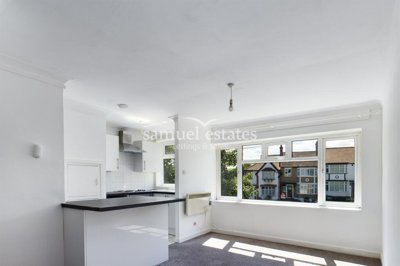
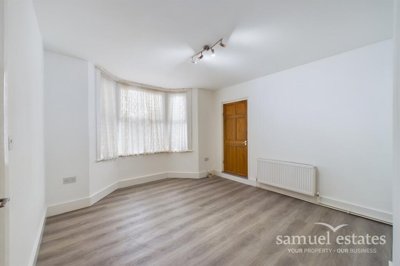
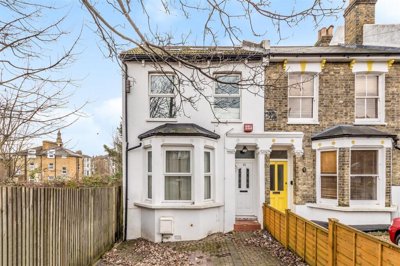
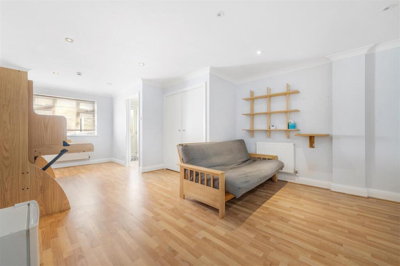
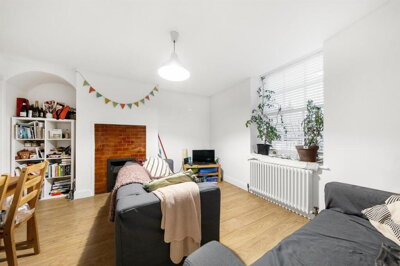
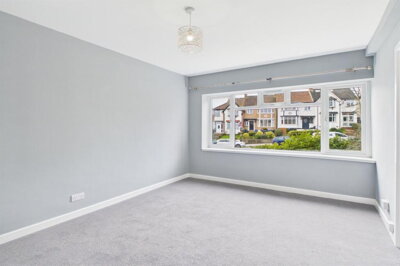
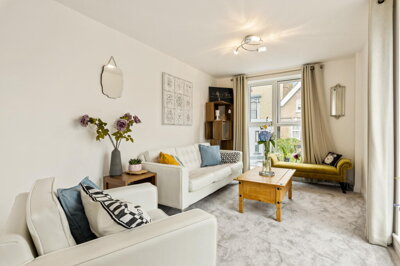
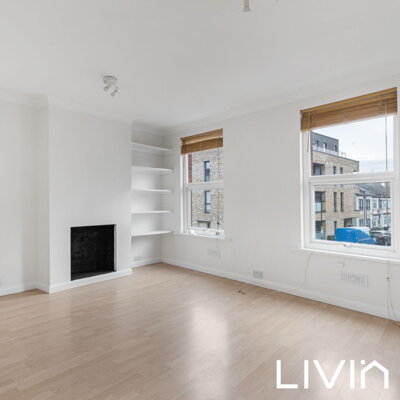
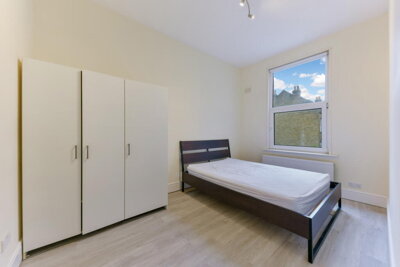
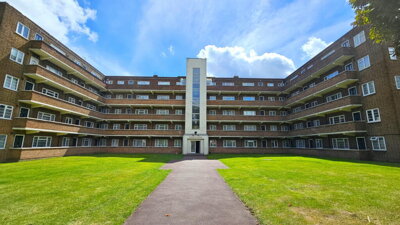
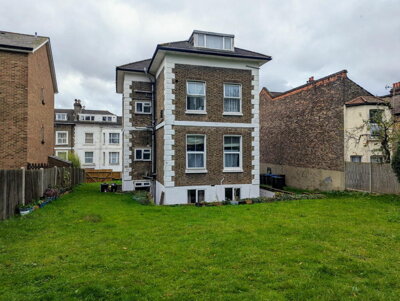
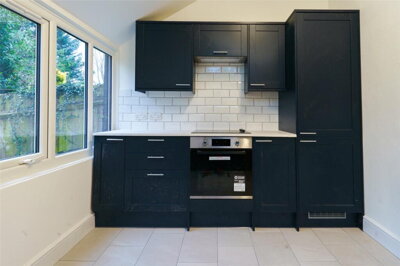
Browse 321 rental homes to rent in SE19 from local letting agents.
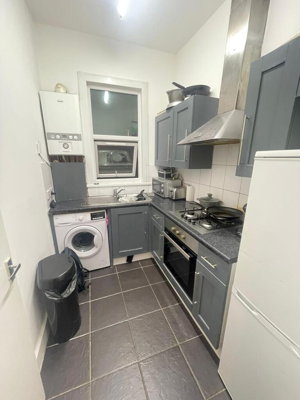
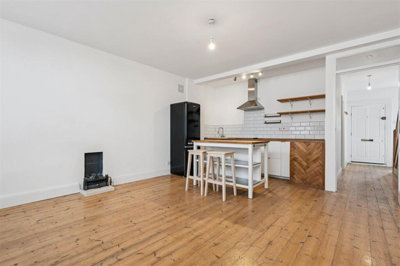
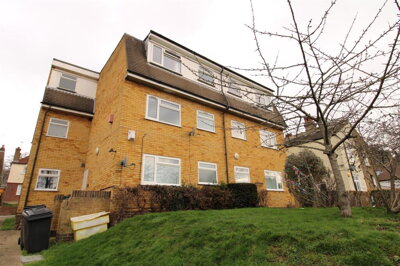
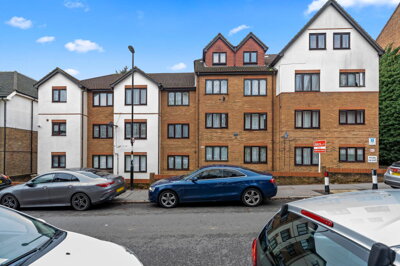
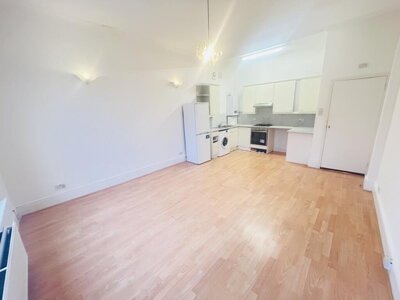
Studio apartments feature open-plan living spaces without separate bedrooms, incorporating sleeping, living, kitchen, and bathroom facilities. The SE19 studio market includes properties in modern apartment complexes, converted Victorian and Georgian buildings, and purpose-built developments.
£1,750/m
15
0
46
Source: home.co.uk
Showing 15 results for Studio Flats to rent in SE19. The median asking price is £1,750/month.
Source: home.co.uk
Flat
15 listings
Avg £1,717
Source: home.co.uk
Source: home.co.uk
The SE19 property market reflects the area's popularity among Londoners seeking quality homes without sacrificing accessibility to the city centre. Average property values in the postcode range from around £434,000 to £563,000 depending on the source, with Zoopla recording an overall average of £524,422 and Foxtons reporting £563,929. Rightmove indicates an overall average of £501,490, while Property Solvers data shows £434,785 based on HM Land Registry information. The market has experienced modest price adjustments recently, with values decreasing by approximately 0.12% over the past twelve months according to Property Solvers data, and Rightmove reporting a 3% annual decline.
Property types available for rent in SE19 span a wide spectrum to suit different budgets and lifestyles. Flats typically command lower values, with averages between £360,000 and £420,000 on Mouseprice and Zoopla respectively, while terraced properties range from £601,763 to £688,359. Larger family homes, including semi-detached properties valued between £711,875 and £839,911 and detached houses reaching around £971,382, offer substantial living space for those needing more room. This variety means renters can access everything from compact studio apartments to generous five-bedroom houses across the three main neighbourhoods.
The rental market in SE19 has shown resilience despite broader economic pressures affecting the London property sector. The area attracted 351 residential property sales over the past year, demonstrating sustained buyer interest and suggesting continued demand for rental accommodation. With monthly sales averaging six transactions, the market maintains steady activity levels. Prospective tenants should note that rental prices typically correlate with these sale values, though rental rates vary based on condition, location within SE19, and current market demand. Properties in Crystal Palace command a premium due to the neighbourhood's amenities and transport links, while South Norwood offers more affordable options.

Crystal Palace stands as the crown jewel of the SE19 postcode, renowned for its bohemian atmosphere and strong sense of community that distinguishes it from many other South London neighbourhoods. The area centres around the famous Crystal Palace Triangle, formed by the intersection of Westow Hill, Church Road, and Gipsy Hill, where independent shops, vintage boutiques, artisan cafes, and acclaimed restaurants create a vibrant everyday environment. Residents appreciate how the area maintains its village-like intimacy while offering the amenities of a larger urban centre. The Triangle remains the social heart of Crystal Palace, hosting regular events and markets that bring the community together throughout the year.
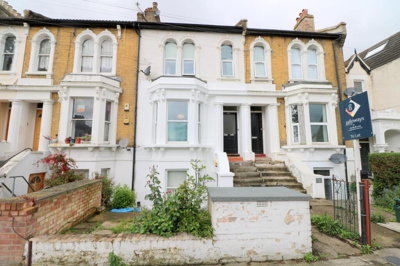
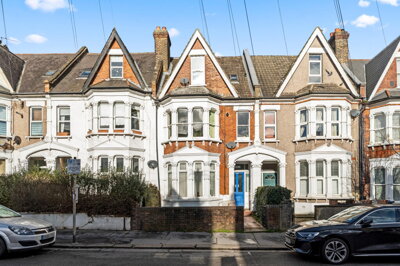
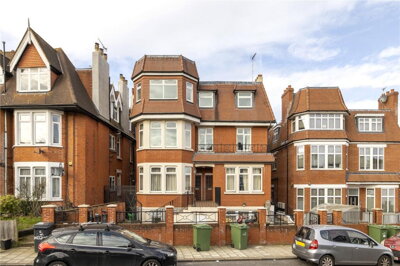
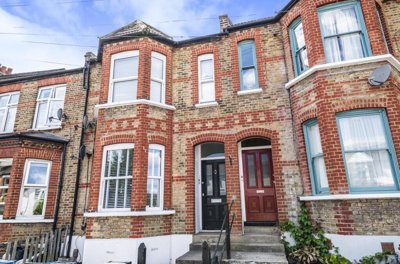
The area's Victorian and Edwardian heritage shapes much of its visual character and housing stock. Grand period properties from the pre-1919 era line the residential streets, featuring distinctive London stock brick construction, elegant sash windows, and characteristic slate or tiled roofs. These properties, many of which exceed 100 years in age, contribute to Crystal Palace's architectural richness and explain why the postcode contains several designated Conservation Areas including Central Hill, Gipsy Hill, and the Upper Norwood Triangle. Living in SE19 means residing within areas where planning controls help preserve the special historical character that makes these neighbourhoods so desirable. The presence of Listed Buildings throughout the area further testament to the architectural significance of the local built environment.
Crystal Palace Park serves as the green heart of the community, offering 200 acres of recreational space that includes lakes, gardens, and sports facilities. The park's historical significance as the site of the Great Exhibition and its Victorian dinosaur sculptures make it both a local amenity and a visitor attraction. Upper Norwood provides a more residential feel while maintaining convenient access to the park and local amenities, whereas South Norwood offers additional amenities including the historic South Norwood High Street and convenient shopping facilities. The local economy is driven by retail, hospitality, and services, particularly around the Crystal Palace Triangle which has established itself as a destination for quality independent businesses.
Families considering a move to SE19 will find a reasonable selection of educational establishments serving the area, though thorough research into current admissions criteria and Ofsted ratings remains essential. Primary education in the postcode includes several well-regarded schools, with Harris Primary Academy Crystal Palace serving the Crystal Palace area and The White Horse Primary School in nearby Gypsy Hill. Parents should verify current performance data and consider catchment areas, as these can significantly impact placement decisions in this popular residential zone. The competition for places at popular primary schools in SE19 reflects the area's family-friendly reputation and the quality of education on offer.
Secondary education options within or near SE19 include secondary schools such as Harris Academy South Norwood, which serves students from the South Norwood portion of the postcode. The landscape of secondary schooling in South London is competitive, and many families prioritise proximity to good schools when selecting rental properties. Grammar school access varies, and prospective renters should investigate whether nearby selective schools accept students from SE19 under current admissions arrangements. School performance changes regularly, and parents should consult current Ofsted reports and examination results alongside admissions criteria when evaluating educational options for their children.
For families requiring childcare or early years education, the area offers various nursery options alongside primary schools that often include nursery classes. Sixth form provision is available through secondary schools in the wider area, with Crystal Palace sixth form students sometimes travelling to institutions in neighbouring postcodes. The presence of quality educational options contributes significantly to SE19's appeal among families, though competition for places at popular schools means renters should plan their property search with school catchment areas in mind. Many families find that living in SE19 provides access to a good range of educational choices, from foundation stage through to sixth form, making the area well-suited to raising children.
Transport connectivity ranks among SE19's strongest attributes, with Crystal Palace station serving as the primary rail hub for the postcode at SE19 2AZ. From Crystal Palace station, residents can access direct rail services to London Bridge and London Victoria, with journey times to Victoria taking approximately 25 to 30 minutes. The station also connects to the London Overground network, providing additional route options through South London and onward connections to the Underground network at various interchange points. This excellent connectivity makes SE19 particularly attractive to commuters working in central London or requiring access to the wider transport network.
The area's elevated position on the ridge that once supported the Crystal Palace building means transport links extend beyond conventional rail services. Multiple bus routes serve the SE19 postcode, connecting residents to destinations across South London including Brixton, Croydon, and West Norwood. The bus network provides an important alternative for journeys where rail access is less convenient, and many residents find that combining rail and bus travel covers most commuting needs effectively. For commuters who drive, SE19 offers reasonable access to major road networks including the A212 and the South Circular Road, though traffic conditions on these routes can be challenging during peak hours.
Cycling infrastructure has improved in recent years, with dedicated cycle routes connecting Crystal Palace to surrounding areas, making sustainable commuting a viable option for those willing to brave varying weather conditions. The proximity of the South London suburbs to the city centre means many residents can choose between driving and public transport depending on their destination and schedule. Public transport connectivity represents one of SE19's strongest features, earning high ratings for accessibility from residents and transport analysts. The combination of rail, bus, and cycling options provides flexibility for commuters with different needs and preferences.

Before viewing properties, obtain a rental budget agreement in principle from a lender. This demonstrates to landlords that you can afford the monthly rent and helps streamline the application process. Most letting agents and landlords in SE19 will request evidence of your financial capacity before progressing your application. Having this documentation ready shows you are a serious applicant and can help your offer stand out in competitive situations.
Each area within SE19 offers distinct advantages. Crystal Palace provides the most amenities and social atmosphere, Upper Norwood offers a quieter residential feel closer to the park, and South Norwood delivers practical everyday conveniences. Spend time exploring different streets at various times of day to understand which neighbourhood suits your lifestyle and priorities. Consider factors such as proximity to transport links, local schools, and amenities when narrowing down your search area.
Once you have identified suitable properties, schedule viewings through local letting agents. Crystal Palace has several established agents familiar with the SE19 market. Prepare questions about the property condition, lease terms, included fixtures and fittings, and any restrictions on pets or smoking before attending viewings. Viewing multiple properties helps you understand the local market and identify which properties represent good value.
When you find a property you wish to rent, complete the application form thoroughly and provide all required documentation. This typically includes proof of identity, evidence of income or employment, references from previous landlords, and a credit check. Being organised and responsive helps your application stand out in competitive situations. Most letting agents in SE19 charge administration fees for processing applications, referencing, and tenancy agreement preparation, though regulations have restricted the types of fees agents can charge since 2019.
Once your application is approved, you will sign the tenancy agreement and complete the check-in process. A professional inventory report documents the property condition at the start of your tenancy, protecting both you and the landlord. Ensure you understand your obligations regarding rent payments, maintenance responsibilities, and notice periods before signing. The standard tenancy agreement in England is typically an Assured Shorthold Tenancy with a fixed term of six or twelve months.
The prevalence of Victorian and Edwardian properties in SE19 means many rental homes will be older constructions with characteristics that differ significantly from modern buildings. Properties built before 1919 often feature solid brick walls without cavity insulation, timber suspended floors, and original plasterwork on lath backgrounds. These features contribute to the properties' character but may also present challenges including drafts, less effective insulation, and potential damp issues that require attention from landlords. Understanding the construction methods used in period properties helps you evaluate their condition and anticipate potential maintenance requirements.
The underlying London Clay geology throughout SE19 creates specific considerations for property condition and maintenance. Properties with large trees nearby may be susceptible to subsidence or heave as the clay shrinks and swells with moisture changes. During periods of drought followed by heavy rainfall, movement in foundations can occur, manifesting as cracking in walls or distorted door and window frames. Prospective tenants should inspect properties carefully for signs of subsidence, including diagonal cracks wider than a few millimetres, doors that stick, or uneven floors. The London Clay present across SE19 has significant shrink-swell potential, making this a genuine consideration for anyone renting a property with gardens or nearby trees.
Properties within SE19's numerous Conservation Areas including Central Hill, Gipsy Hill, and Upper Norwood Triangle face additional planning restrictions that affect what modifications tenants can request. If you are considering significant changes to a rental property in these areas, understanding the planning constraints beforehand prevents future complications. Similarly, flats in converted period properties may have service charges and maintenance responsibilities that differ from purpose-built apartments, and these ongoing costs should be clarified before committing to a tenancy. Common defects in SE19's Victorian and Edwardian properties include damp issues, roof deterioration, outdated electrics, and timber defects such as wet rot and woodworm.

While comprehensive rental price data for SE19 requires checking current listings, the sales market provides useful context for the rental sector. Flats in the postcode typically sell for between £360,000 and £420,000, suggesting monthly rents might range from approximately £1,400 to £1,800 for one and two-bedroom apartments. Terraced houses with values around £600,000 to £688,000 could command rents of £1,800 to £2,500 per month, while larger family homes may exceed £2,500 monthly. Actual rental prices vary based on property condition, exact location within Crystal Palace, Upper Norwood, or South Norwood, and current market dynamics. Properties closer to Crystal Palace station or in Conservation Areas may command a premium.
Properties in the SE19 postcode fall under the jurisdiction of the London Borough of Croydon for most areas including South Norwood, with parts of Upper Norwood under Bromley or Lambeth council administration depending on the specific location. Council tax bands range from A to H and are determined by property valuation, not by the local authority area. Prospective tenants should verify the specific council tax band for any property they are considering, as this forms part of the regular monthly costs beyond rent. The band can significantly impact your annual costs, with Band A properties paying considerably less than Band H properties in the same street.
The SE19 postcode offers several primary school options, with Harris Primary Academy Crystal Palace and The White Horse Primary School serving families in different parts of the postcode. Secondary education includes Harris Academy South Norwood for students in the South Norwood area. School performance changes regularly, and parents should consult current Ofsted reports and examination results alongside admissions criteria when evaluating educational options for their children. The competition for places at popular schools in SE19 reflects the area's family-friendly reputation, so prospective renters should research catchment areas carefully before committing to a property.
Crystal Palace station provides the postcode's main rail connections, offering direct services to London Victoria and London Bridge with journey times of approximately 25 to 30 minutes. The station also connects to the London Overground network, expanding travel options across South London and providing connections to the Underground at various interchange points. Multiple bus routes serve the area, connecting SE19 to surrounding neighbourhoods including Brixton, Croydon, and West Norwood. Public transport connectivity represents one of SE19's strongest features, earning high ratings for accessibility from residents and transport analysts who regularly cite the excellent rail links as a major advantage of living in the area.
Crystal Palace and the surrounding SE19 postcode offer an exceptional combination of village character, period architecture, and urban convenience that appeals to a diverse range of renters. The area attracts young professionals, families, and creative individuals who value the independent shops, cafes, restaurants, and community events that define the Crystal Palace Triangle. Transport links to central London are excellent, while the abundance of green space including Crystal Palace Park provides recreational opportunities rarely found so close to the city. The presence of Conservation Areas preserves the neighbourhood's distinctive character, though this may limit some modification options for renters who should check planning restrictions before requesting changes to a rental property.
Standard deposits for rental properties in England are equivalent to five weeks' rent, held in a government-approved deposit protection scheme throughout the tenancy. For a property rented at £1,500 per month, the deposit would be £1,731, while a £2,000 per month property requires a £2,308 deposit. First month's rent in advance is typically required alongside the deposit, meaning tenants need to budget for two months' rent plus deposit before moving into a new property. Most letting agents in SE19 charge administration fees for processing applications, though the Tenant Fees Act 2019 has banned many previously common charges including renewal fees and check-out fees. Tenants should budget for the deposit, first month's rent in advance, and any applicable referencing fees when calculating their upfront moving costs.
Renting a property in SE19 involves several upfront costs that prospective tenants should factor into their moving budget. The standard security deposit in England is five weeks' rent, held in a government-approved deposit protection scheme throughout the tenancy. This amount is refundable at the end of the tenancy subject to any deductions for damage beyond fair wear and tear or unpaid rent. For a property rented at £1,500 per month, the deposit would be £1,731, while a £2,000 per month property requires a £2,308 deposit. If annual rent exceeds £50,000, the deposit cap increases to six weeks' rent rather than five, which may apply to higher-end properties in desirable areas of Crystal Palace.
First month's rent in advance is typically required alongside the deposit, meaning tenants need to budget for two months' rent plus deposit before moving into a new property. Additional costs may include referencing fees charged by letting agents for credit checks and employment verification, though the Tenant Fees Act 2019 has banned many previously common charges including renewal fees and check-out fees for outgoing tenants. Some landlords may request a larger deposit or additional guarantor arrangements for properties where tenant referencing raises concerns, particularly for younger applicants or those new to the UK rental market.
When calculating the total cost of renting in SE19, remember to budget for ongoing monthly expenses beyond rent and council tax. Utility bills including gas, electricity, water, and internet will vary based on property size and your consumption patterns. Older Victorian and Edwardian properties common in SE19 may have higher heating costs due to less effective insulation, so obtaining energy performance certificates before signing helps estimate these ongoing costs. Contents insurance is another worthwhile consideration, protecting your belongings against theft, fire, or accidental damage during your tenancy. Energy Performance Certificates rate properties from A to G, with older period properties in SE19 typically falling into lower bands due to their solid wall construction lacking cavity insulation.

The SE19 postcode encompasses a diverse range of property types reflecting its Victorian and Edwardian heritage alongside more modern developments. Terraced properties dominate many residential streets, particularly in Crystal Palace and Upper Norwood, with Zoopla recording average values of £688,359 for this property type. These Victorian terraces often feature two or three bedrooms spread across multiple floors, with characteristic bay windows, fireplaces, and private rear gardens that appeal to families and sharers alike. The period features combined with generous ceiling heights create living spaces that many renters find preferable to modern flat conversions.
Semi-detached properties in SE19 offer additional space for families requiring more room, with Rightmove data showing average values of £839,911. These properties often date from the Edwardian period and feature larger gardens and more substantial proportions than their terraced counterparts. Detached properties are less common in SE19 but do exist, particularly in select pockets of Upper Norwood and the areas bordering Bromley. The relative scarcity of detached housing contributes to their higher average values, with Zoopla recording around £971,382 for this property type. Renting a detached property in SE19 provides space and privacy that is difficult to find in more densely developed areas of London.
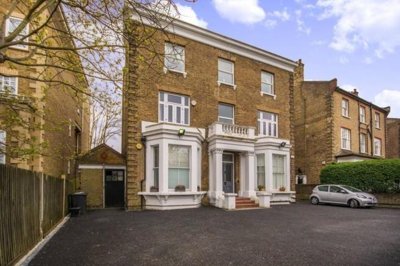
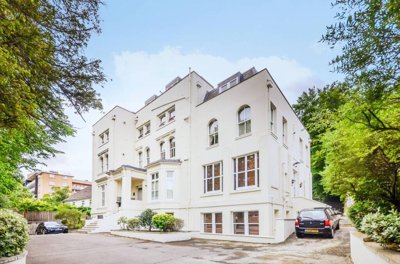
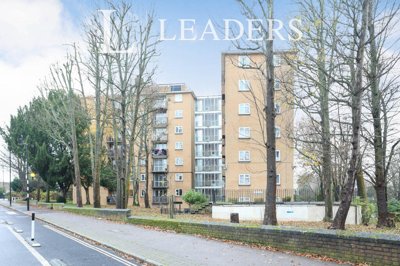
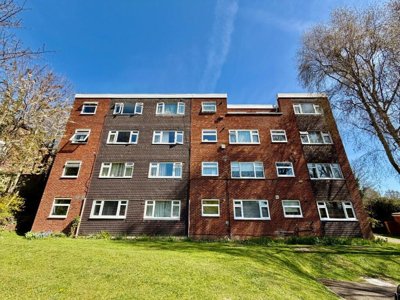
Flat accommodation in SE19 ranges from purpose-built blocks to converted period properties, offering options at various price points. Flats in converted Victorian houses often retain original features such as high ceilings and decorative cornicing, though they may come with service charges and maintenance responsibilities that differ from purpose-built apartments. Mouseprice records average flat values of £360,714, suggesting that one and two-bedroom apartments might command monthly rents in the £1,400 to £1,800 range depending on location and condition. Purpose-built blocks from the mid to late 20th century offer more modern specifications but may lack the character of their period equivalents.

Understanding the construction methods used in SE19's housing stock helps prospective renters evaluate properties and anticipate maintenance issues. The predominant building material throughout Crystal Palace and Upper Norwood is London stock brick, characterised by its distinctive yellow-brown colour and durability. Properties typically feature slate or clay tiled roofs that, while attractive and long-lasting, may require periodic maintenance and occasional replacement of individual tiles or flashings. Many Victorian and Edwardian properties also incorporate render on upper floors or extensions, which can be susceptible to cracking and moisture penetration if not properly maintained.
Traditional construction methods in SE19's period properties include solid brick walls typically 9 inches thick, timber suspended floors with floorboards supported by joists, and pitched roofs constructed with timber cut rafters. Internal walls often feature plaster on wooden lath backgrounds, a technique that can be damaged by moisture and may produce hollow sounds when tapped. These construction methods differ significantly from modern cavity wall construction and concrete floors, meaning that older properties behave differently in terms of thermal performance, moisture management, and sound insulation. Prospective renters should understand that these traditional methods require different maintenance approaches than modern buildings.
The London Clay geology underlying SE19 creates specific considerations for foundations and ground conditions across the postcode. Properties with large trees nearby may be susceptible to subsidence or heave as the clay shrinks and swells with moisture changes, particularly during prolonged drought periods or heavy rainfall. Properties with shallow foundations are most at risk, and signs of foundation movement may include diagonal cracking in walls, sticking doors or windows, and uneven floors. While subsidence is not uncommon in areas with London Clay, properly maintained properties with good drainage and manageable tree cover should not experience significant problems. A thorough inspection before committing to a tenancy helps identify any existing issues that might require attention.
From 4.5%
Get expert help understanding your rental budget and what you can afford
From £30
Comprehensive referencing services to support your rental application
From £350
Professional survey to assess property condition before you rent
From £80
Energy Performance Certificate for your rental property
Properties to Rent In London

Properties to Rent In Plymouth

Properties to Rent In Liverpool

Properties to Rent In Glasgow

Properties to Rent In Sheffield

Properties to Rent In Edinburgh

Properties to Rent In Coventry

Properties to Rent In Bradford

Properties to Rent In Manchester

Properties to Rent In Birmingham

Properties to Rent In Bristol

Properties to Rent In Oxford

Properties to Rent In Leicester

Properties to Rent In Newcastle

Properties to Rent In Leeds

Properties to Rent In Southampton

Properties to Rent In Cardiff

Properties to Rent In Nottingham

Properties to Rent In Norwich

Properties to Rent In Brighton

Properties to Rent In Derby

Properties to Rent In Portsmouth

Properties to Rent In Northampton

Properties to Rent In Milton Keynes

Properties to Rent In Bournemouth

Properties to Rent In Bolton

Properties to Rent In Swansea

Properties to Rent In Swindon

Properties to Rent In Peterborough

Properties to Rent In Wolverhampton

Enter your details to see if this property is within your budget.
Loans, cards, car finance
Estimated property budget
Borrowing + deposit
You could borrow between
Typical borrowing
Monthly repayment
Est. at 4.5%
Loan-to-value
This is an estimate only. Your actual budget may vary depending on interest rates, credit history, and personal circumstances. For an accurate affordability assessment, speak to one of our free mortgage advisors.
This calculator provides estimates for illustrative purposes only and does not constitute financial advice. Your home may be repossessed if you do not keep up repayments on your mortgage. Estimates based on 4.5% interest rate, repayment mortgage. Actual rates depend on your circumstances.
Homemove is a trading name of HM Haus Group Ltd (Company No. 13873779, registered in England & Wales). Homemove Mortgages Ltd (Company No. 15947693) is an Appointed Representative of TMG Direct Limited, trading as TMG Mortgage Network, which is authorised and regulated by the Financial Conduct Authority (FRN 786245). Homemove Mortgages Ltd is entered on the FCA Register as an Appointed Representative (FRN 1022429). You can check registrations at NewRegister or by calling 0800 111 6768.

We use cookies to show you personalised content and improve your experience of our website. Find out more in our Privacy policy and Cookie policy.