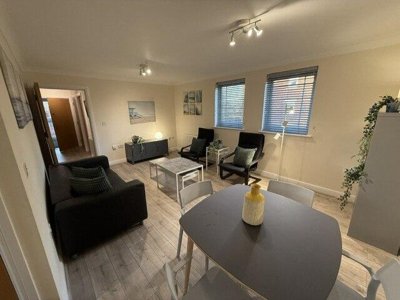
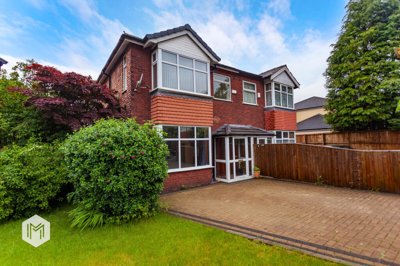
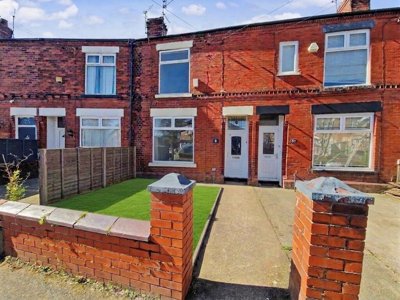
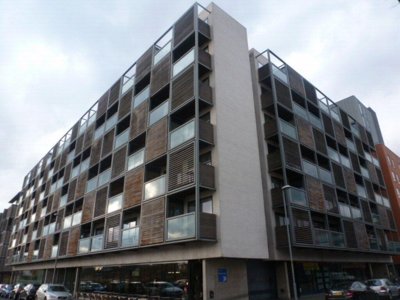
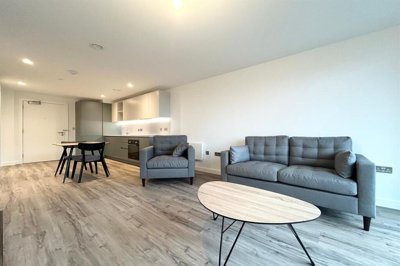
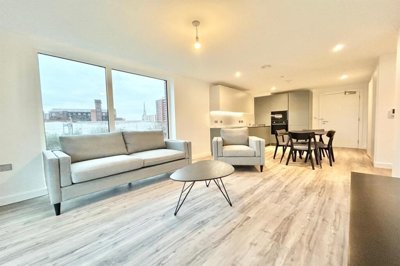
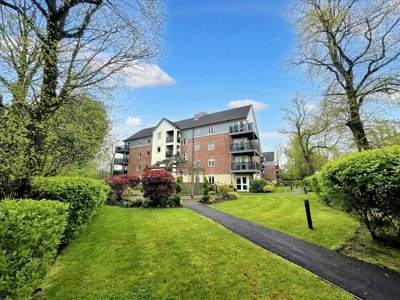
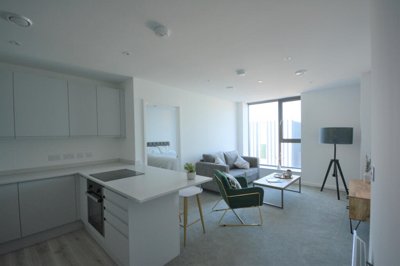
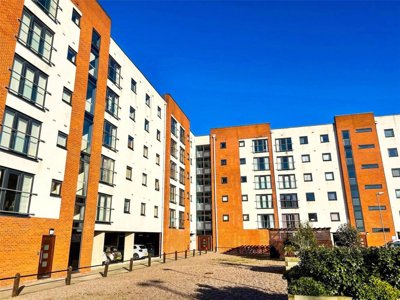
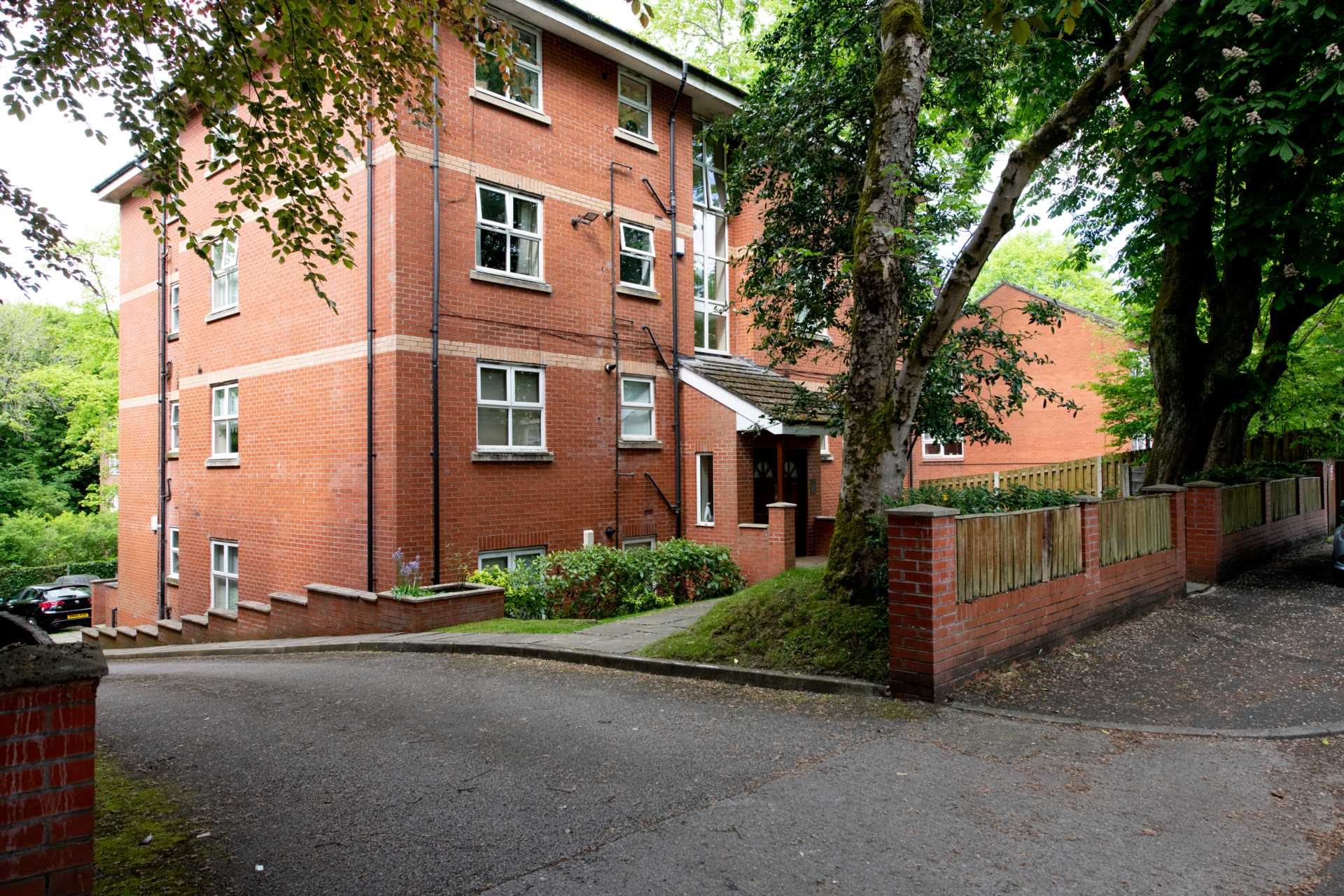
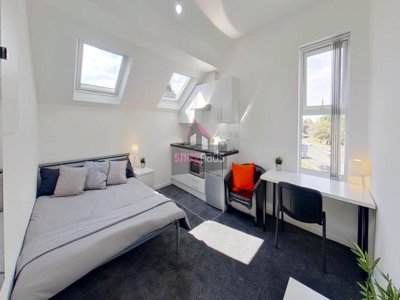
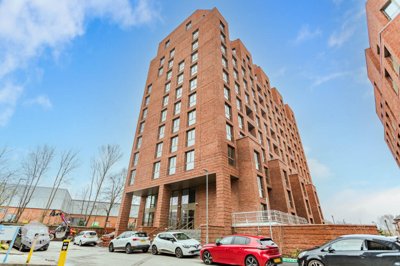
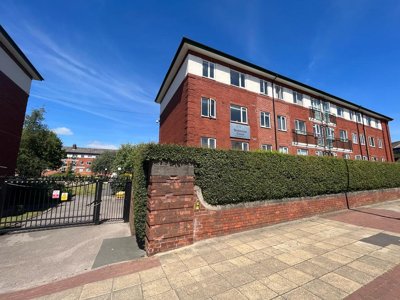
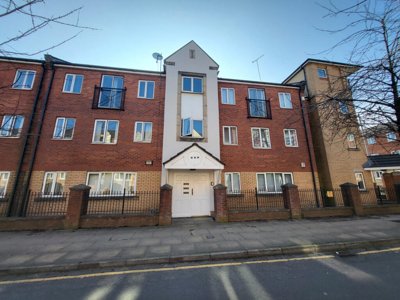
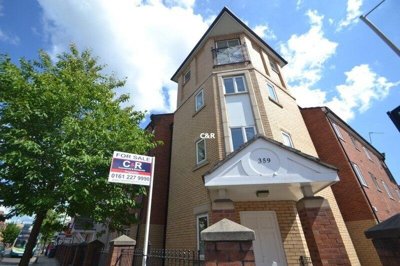
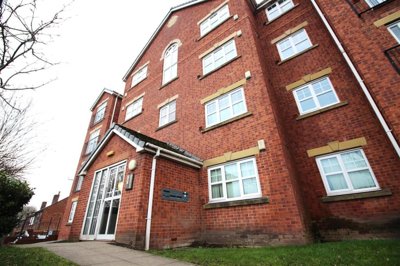
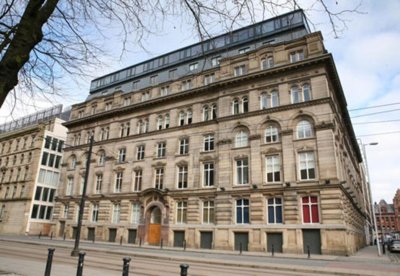
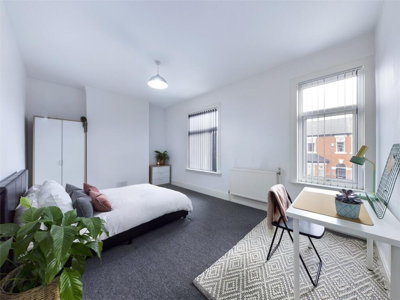
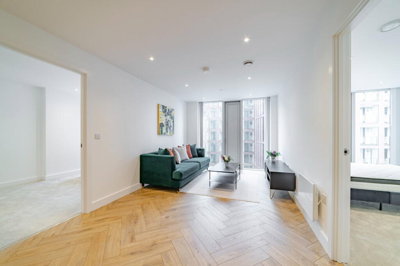
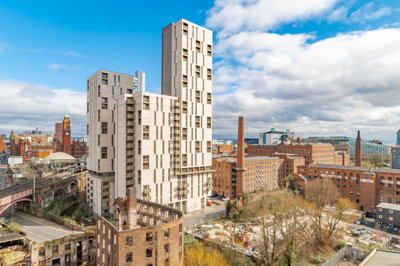
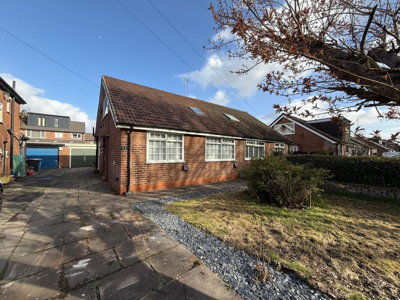
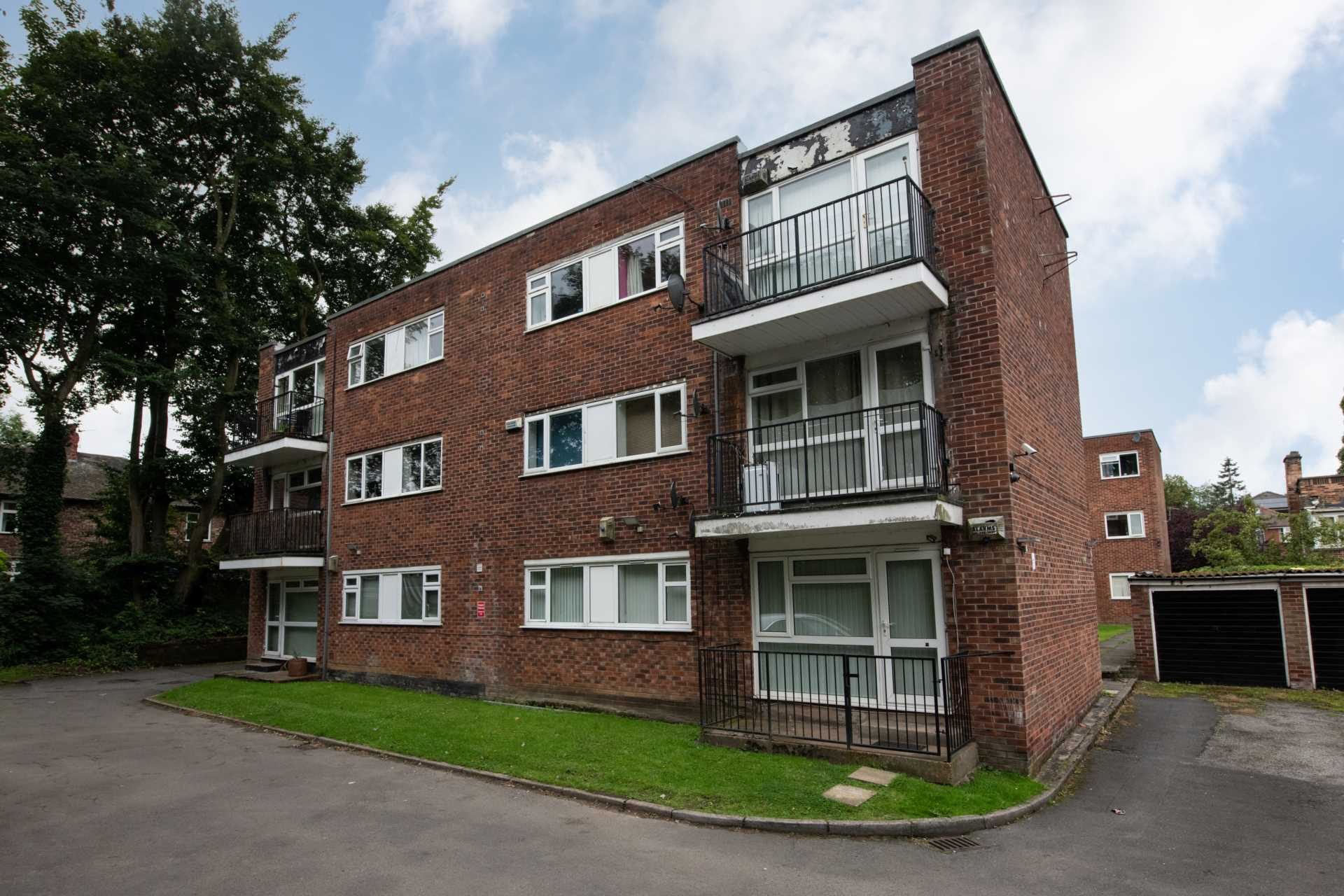
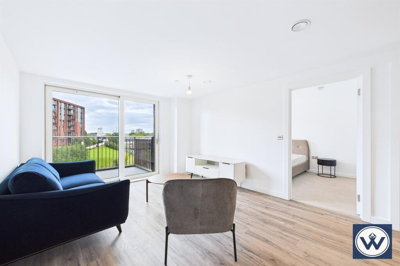
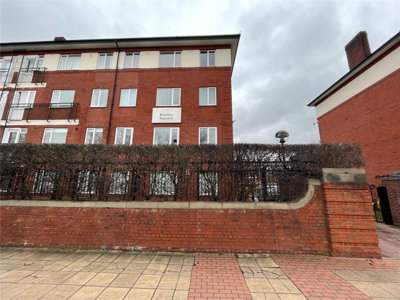
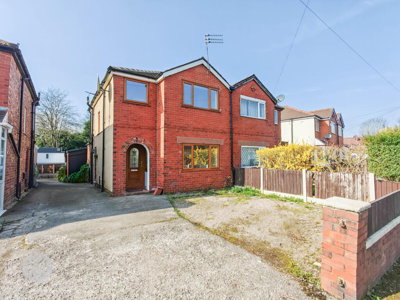
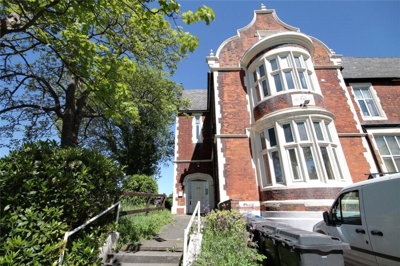
Browse 3,194 rental homes to rent in Salford, Greater Manchester from local letting agents.
£1,150/m
285
3
55
Source: home.co.uk
Source: home.co.uk
Apartment
133 listings
Avg £1,204
Flat
49 listings
Avg £1,080
Terraced
37 listings
Avg £1,196
Semi-Detached
25 listings
Avg £1,416
Studio
8 listings
Avg £825
House
7 listings
Avg £1,094
Detached
6 listings
Avg £1,625
End of Terrace
4 listings
Avg £1,713
Duplex
3 listings
Avg £1,483
House of Multiple Occupation
3 listings
Avg £733
Source: home.co.uk
Source: home.co.uk
The Salford rental market reflects the area's broader property trends, which saw average house prices increase by 13% over the twelve months to December 2025. This growth signals strong demand across the city, driven by its proximity to major employment centres and ongoing regeneration. Rental properties in Salford range from Victorian and Edwardian terraced houses priced competitively against city centre alternatives, to contemporary apartments in developments such as those along Chapel Street and near Salford Quays. The most recent data shows terraced properties averaging around £212,439 for sales, with flats in the district averaging approximately £217,518 to £219,917.
New build activity continues to shape Salford's rental landscape, with significant developments including the Crescent Salford Masterplan featuring hundreds of new homes across multiple phases. The Worrall Street development offers one and two-bedroom apartments through Shared Ownership and Rent to Buy schemes, while the Furness Quay development in Salford Quays provides options ranging from £88,375 for a 35% share. These developments add modern rental stock to the market, appealing to tenants seeking energy-efficient homes with contemporary finishes and amenities. Our platform updates daily with new rental listings across Salford, ensuring you have access to the latest properties available.
The M50 3 postcode area of Salford saw house prices grow by 7.2% in the last year, reflecting the desirability of locations close to MediaCityUK and the University of Salford. Meanwhile, the wider City of Salford recorded 1,600 property sales between January 2025 and December 2025, representing an increase of 6.1% on the previous year. This sustained activity indicates continued confidence in Salford's property market and supports the availability of quality rental properties across all neighbourhood types.

Salford's character emerges from its fascinating blend of industrial heritage and modern urban regeneration. The city grew during the Industrial Revolution as a major centre for textile manufacturing and shipping along the Manchester Ship Canal, and remnants of this legacy remain visible in the architecture and street patterns throughout the area. Today, neighbourhoods like Ordsall, Seedley, and Weaste retain their historical essence through Victorian terraces and Edwardian semis, while areas such as Salford Quays have been completely transformed into contemporary residential and commercial districts. The City of Salford had a population of approximately 245,600 according to the 2021 census, creating a diverse and vibrant community.
The local geography of Salford features the River Irwell flowing through the city, which has influenced both its development and presents certain considerations for residents. The underlying geology consists largely of glacial till and boulder clay overlying Permo-Triassic sandstones and Carboniferous coal measures, reflecting the region's geological history. This clay-heavy soil composition is characteristic of the wider Greater Manchester area and means properties may require attention to potential ground movement issues. Residents enjoy access to numerous green spaces including Peel Park, near the University of Salford, and the scenic walks around Worsley with its famous canal network. Local amenities are well distributed across the city, with shopping centres, restaurants, and cultural venues serving the community.
For renters seeking specific lifestyle characteristics, Salford offers distinct neighbourhood personalities. The streets around Regent Road and Chapel Street feature a mix of converted apartments and new developments with excellent city centre access. MediaCityUK attracts those seeking a contemporary lifestyle near major employers in creative and digital industries. Worsley provides a more suburban feel with excellent canal-side walks and family-friendly amenities. Meanwhile, the M5 postcode covering Ordsall, Seedley, and Weaste remains popular with students and young professionals due to its proximity to the University of Salford and competitive rental prices.

Salford offers families a range of educational options from primary through to further education, making it a practical choice for renters with children. The University of Salford itself is a major educational institution that attracts students from across the region and beyond, contributing significantly to the area's academic atmosphere. For younger children, primary schools across Salford serve local communities, with many institutions providing good standards of education. Secondary education options include various local schools, with some families particularly interested in grammar school provisions where available within the wider Salford area.
The presence of the University of Salford brings additional educational benefits to the community, including access to libraries, sports facilities, and cultural events that enrich the local area. Students and academic staff contribute to the rental market demand, particularly for smaller properties and apartments near the university campus in the M5 postcode area. Research indicates that property prices in the M5 area, covering Ordsall, Seedley, Weaste, and the University district, have shown significant growth across all property types including detached houses, semis, and terraced properties. For families considering rental properties in Salford, understanding local school catchment areas and Ofsted ratings will be important steps in the property search process.
Several notable secondary schools serve Salford's communities, with some attracting students from across the city due to their specialist status or academic performance. Primary school provision is distributed throughout residential areas, meaning renters should research specific catchments before committing to a tenancy in a particular street or neighbourhood. The proximity to the University of Salford campus also offers opportunities for families to access continuing education programmes and community facilities operated by the institution.

Salford provides excellent transport connections that make commuting straightforward for residents working across Greater Manchester and beyond. The Metrolink tram network serves multiple locations in Salford, providing direct links to Manchester city centre, MediaCityUK, and other key destinations across the region. Salford Crescent railway station offers rail services connecting residents to major cities including Manchester, Liverpool, and Leeds, making it practical for commuters who work further afield. The M602 motorway provides direct access to the regional road network, connecting Salford to the M6, M60, and M62 for those who travel by car.
Bus services operated by various providers create comprehensive coverage across Salford's neighbourhoods, ensuring residents without private transport can access employment centres, shopping districts, and recreational facilities. Salford Quays has developed into a significant employment hub, housing major broadcasters such as the BBC and ITV, which means many residents can reduce their commuting time significantly by living locally. The area's cycling infrastructure has improved in recent years, with dedicated routes making cycling a viable option for shorter journeys. Parking provisions vary by neighbourhood, with some newer developments offering allocated spaces while older residential areas may have on-street parking arrangements.
For tenants working in Manchester city centre, living in Salford can significantly reduce daily commute times compared to more distant suburbs. The Metrolink stops at MediaCityUK, Broadway, and Exchange Quay provide convenient access for those working in the media and creative sectors. Salford Crescent station is undergoing improvements as part of broader transport investment in the area, which will enhance connectivity for residents in the future. The Crescent Salford Masterplan includes transport improvements alongside new housing development, further enhancing the area's accessibility.

Renting a property in Salford requires attention to several area-specific considerations that can affect your living experience and financial commitments. Properties built on clay soils, which are prevalent throughout Salford due to the glacial till geology, may be susceptible to shrink-swell movement, particularly where mature trees are present nearby. This ground movement can lead to subsidence or heave issues that may manifest as cracks in walls or doors sticking. While the landlord typically maintains the structure, understanding the property's construction and any history of movement issues will help you make an informed decision.
Flood risk awareness is important when renting in Salford, given the city's proximity to the River Irwell and its history of surface water flooding in urbanised areas. Properties in lower-lying neighbourhoods or those near water features should be researched for their flood risk profile through Environment Agency mapping. Conservation areas such as parts of Chapel Street, Bexley Square, and the former docklands feature listed buildings and properties subject to planning restrictions that may limit alterations you can make. Modern apartments in developments like those in Salford Quays often come with service charges and potential ground rent considerations that should be clarified before committing to a tenancy.
Given Salford's industrial heritage as a coal mining area, some properties may be affected by historical mining activity. While active mining has ceased, legacy mining subsidence can occur in certain locations, particularly where coal seams were extracted near the surface. As a renter, you can request information about mining reports during the referencing process, and your landlord should be able to confirm whether the property is in a mining risk area. Properties in neighbourhoods like Broughton, Irlton, and Kersley may be more likely to fall within former mining zones, though mining reports can confirm the specific status of any address. Additionally, when renting older Victorian or Edwardian properties, look for signs of common defects including outdated electrical wiring, aging plumbing systems, and evidence of damp penetration through walls or floors.

Before viewing properties, obtain a rental budget agreement in principle to understand how much you can afford monthly. This document from financial providers helps you focus on properties within your price range and demonstrates your seriousness to landlords when you find the right home. Budget agreements typically consider your monthly income, existing commitments, and credit status to arrive at a sustainable rental figure.
Spend time visiting different areas of Salford to understand their character, amenities, and connectivity. Consider proximity to your workplace, schools if relevant, and the type of environment that suits your lifestyle, whether you prefer the buzz of MediaCityUK or quieter residential streets. Each neighbourhood offers different rental price points and property types, from affordable Victorian terraces in Weaste to modern apartments near Salford Quays.
Once you have identified suitable properties, schedule viewings through our platform. Take the opportunity to inspect the property thoroughly, check the condition of fixtures and fittings, and ask about the tenancy terms, deposit amount, and any additional fees involved. During viewings, check for signs of damp, the condition of windows and doors, and the age and condition of any appliances included in the tenancy.
As a tenant, you have specific rights regarding safety certificates, deposit protection, and the condition of the property. Your landlord should provide an EPC rating, gas safety certificate, and electrical safety information before you move in. Deposits must be protected in a government-approved scheme within 30 days, and landlords cannot charge fees beyond those permitted under the Tenant Fees Act 2019.
Your landlord will likely require tenant referencing to verify your identity, employment status, and rental history. Once referencing is complete and satisfactory, you will sign a tenancy agreement and pay your deposit and first month's rent. The tenancy agreement will specify the rent amount, deposit amount, tenancy start date, minimum term, and notice periods for both landlord and tenant.
After completing the administrative steps, you can collect your keys and move into your rental property. Consider arranging an inventory check at this stage to document the condition of the property and protect yourself from any disputes when your tenancy ends. Take photographs of any existing damage and ensure the landlord acknowledges the property's condition in writing before you begin moving in your belongings.
While specific rental price data varies by property type and location within Salford, the sales market shows average prices around £224,234 for all property types as of early 2026. Terraced properties average approximately £212,439, while flats in the district average £217,518 to £219,917. Semi-detached properties average around £285,406 to £291,041, and detached houses command significantly higher prices averaging £696,250. Rental prices will typically be positioned below these purchase prices and will vary based on condition, location, and amenities offered.
Council tax bands in Salford are set by Salford City Council and range from Band A for the lowest value properties through to Band H for the most expensive homes. Victorian and Edwardian terraced houses in traditional neighbourhoods often fall into Bands A to C, while modern apartments and larger properties in areas like Salford Quays may be in higher bands. You should check the specific band for any property you are considering renting, as this forms part of your monthly outgoing costs alongside rent. Salford City Council provides online tools to check council tax bands for any address in the city.
Salford offers a range of educational institutions across all levels, with the University of Salford being a major higher education provider in the area. Primary and secondary schools are distributed throughout the city's neighbourhoods, with various options available to families. The M5 postcode area covering Ordsall, Seedley, and Weaste includes schools serving those communities. When renting with children, researching specific school catchments and reviewing Ofsted ratings will help identify the best options for your family's needs. Several secondary schools in Salford have developed specialist reputations in areas such as arts, sports, and science, which may influence family decisions about where to rent within the city.
Salford benefits from excellent public transport connections including the Metrolink tram network serving multiple stops across the city, direct rail services from Salford Crescent station to Manchester and beyond, and comprehensive bus networks. The M602 motorway provides road access to the regional network, connecting to the M6, M60, and M62. Many residents working at MediaCityUK, Manchester city centre, or other employment hubs can commute conveniently without private transport. Salford Crescent station provides direct trains to Manchester Piccadilly, with journey times typically under 15 minutes, making it practical for those working in the city centre or travelling further afield to cities including Liverpool and Leeds.
Salford offers excellent value compared to Manchester city centre while maintaining superb connectivity and amenities. The area has undergone significant regeneration, with ongoing investment in new developments, improved transport links, and community facilities. Major employers including MediaCityUK, the University of Salford, Port Salford, and Salford Royal Hospital create diverse employment opportunities. The mix of Victorian housing stock, modern apartments, and new build developments means there are rental options to suit different preferences and budgets. The city's population of approximately 245,600 supports thriving local communities with good schools, shops, restaurants, and entertainment venues throughout its various neighbourhoods.
When renting a property in Salford, you will typically be required to pay a deposit equivalent to five weeks' rent, which must be protected in a government-approved scheme under the Tenant Fees Act 2019. You may also need to pay references, a holding deposit to secure the property, and potentially a change of sharer fee if applicable. Other costs include your first month's rent in advance and potential charges for utilities and council tax. Your landlord should provide an EPC, gas safety certificate, and electrical safety information at the start of your tenancy. Holding deposits are capped at one week's rent and should be deducted from your final deposit payment or returned if the tenancy does not proceed.
Salford has a historical connection to coal mining, and some areas of the city may be affected by legacy mining subsidence from past extraction activities. Properties in neighbourhoods with shallow coal seams may be at elevated risk of ground movement over time. While most residential properties in these areas remain stable, requesting a mining report during your property search provides valuable information about historical mining activity and any recorded ground movement. Landlords of properties in known mining areas typically have insurance that covers structural issues arising from mining subsidence, and you can confirm this with your landlord or letting agent before signing a tenancy agreement.
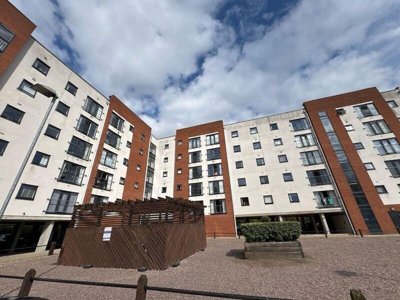
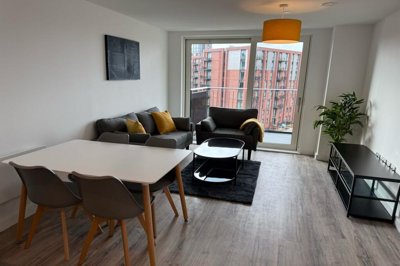
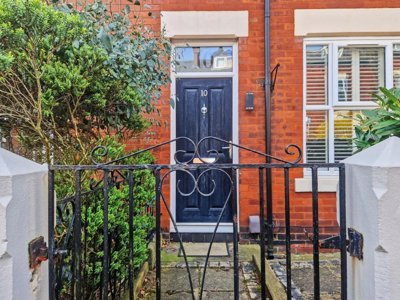
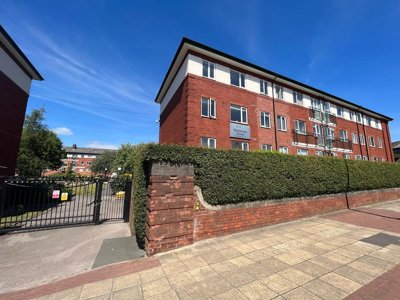
Salford's rental market offers considerable variety, from traditional Victorian and Edwardian terraced houses in neighbourhoods like Weaste, Seedley, and Broughton to contemporary apartments in developments such as those near Salford Quays and along Chapel Street. Flats make up approximately 30.7% of property sales in Salford over the past two years, indicating strong supply in the apartment sector. Newer developments including those at Worrall Street and Furness Quay provide modern rental options with contemporary fixtures and energy-efficient specifications. Semi-detached houses are also widely available, particularly in residential areas further from the city centre, offering more space for families at competitive rental prices compared to Manchester city centre.
Understanding the costs involved in renting a property in Salford helps you budget effectively and avoid surprises during the application process. The standard deposit requirement is five weeks' rent, which must be protected in a government-approved scheme such as the Deposit Protection Service, MyDeposits, or the Tenancy Deposit Scheme within 30 days of receiving it. This protection ensures you can recover your deposit at the end of your tenancy, provided there are no legitimate deductions for damage or unpaid rent. Your landlord is legally required to provide you with information about which scheme protects your deposit.
Additional fees in the rental process may include a holding deposit to reserve the property while references are being checked, typically equivalent to one week's rent. Reference checks for identity verification, credit checks, and employment confirmation are standard practice and may cost between £50 and £200 depending on the agency or landlord. If you have pets, some landlords may request a higher deposit or additional pet rent. First-time renters should note that while the deposit thresholds for purchasing property (including first-time buyer relief) apply to sales rather than rentals, budgeting for rent in advance, moving costs, and ongoing household expenses is essential for a smooth transition to your new Salford home.
Before committing to a rental property, you should also budget for ongoing costs including council tax, utility bills, contents insurance, and any service charges applicable to apartments in managed developments. Salford City Council sets council tax rates annually, and your landlord can confirm the applicable band for the property. Many modern apartments in Salford Quays and similar developments include service charges that cover building insurance, maintenance of communal areas, and sometimes utilities, so understanding exactly what is included in your rent is important for accurate budgeting.
From 4.5%
Get a rental budget agreement in principle to understand your affordability before searching for properties
From £99
Complete referencing checks to verify your suitability as a tenant
From £350
Professional survey to assess the condition of a rental property
From £75
Energy performance certificate for your rental property
Properties to Rent In London

Properties to Rent In Plymouth

Properties to Rent In Liverpool

Properties to Rent In Glasgow

Properties to Rent In Sheffield

Properties to Rent In Edinburgh

Properties to Rent In Coventry

Properties to Rent In Bradford

Properties to Rent In Manchester

Properties to Rent In Birmingham

Properties to Rent In Bristol

Properties to Rent In Oxford

Properties to Rent In Leicester

Properties to Rent In Newcastle

Properties to Rent In Leeds

Properties to Rent In Southampton

Properties to Rent In Cardiff

Properties to Rent In Nottingham

Properties to Rent In Norwich

Properties to Rent In Brighton

Properties to Rent In Derby

Properties to Rent In Portsmouth

Properties to Rent In Northampton

Properties to Rent In Milton Keynes

Properties to Rent In Bournemouth

Properties to Rent In Bolton

Properties to Rent In Swansea

Properties to Rent In Swindon

Properties to Rent In Peterborough

Properties to Rent In Wolverhampton

Enter your details to see if this property is within your budget.
Loans, cards, car finance
Estimated property budget
Borrowing + deposit
You could borrow between
Typical borrowing
Monthly repayment
Est. at 4.5%
Loan-to-value
This is an estimate only. Your actual budget may vary depending on interest rates, credit history, and personal circumstances. For an accurate affordability assessment, speak to one of our free mortgage advisors.
This calculator provides estimates for illustrative purposes only and does not constitute financial advice. Your home may be repossessed if you do not keep up repayments on your mortgage. Estimates based on 4.5% interest rate, repayment mortgage. Actual rates depend on your circumstances.
Homemove is a trading name of HM Haus Group Ltd (Company No. 13873779, registered in England & Wales). Homemove Mortgages Ltd (Company No. 15947693) is an Appointed Representative of TMG Direct Limited, trading as TMG Mortgage Network, which is authorised and regulated by the Financial Conduct Authority (FRN 786245). Homemove Mortgages Ltd is entered on the FCA Register as an Appointed Representative (FRN 1022429). You can check registrations at NewRegister or by calling 0800 111 6768.

We use cookies to show you personalised content and improve your experience of our website. Find out more in our Privacy policy and Cookie policy.