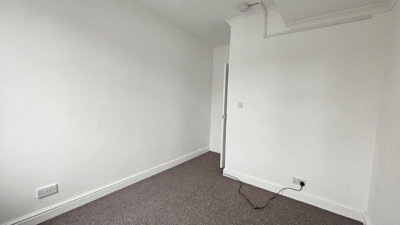
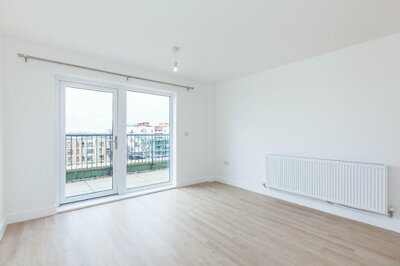
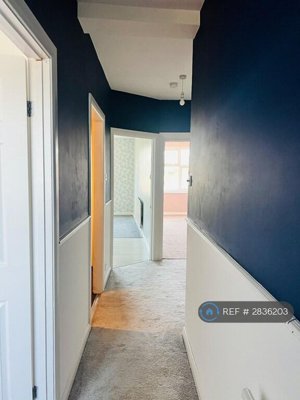
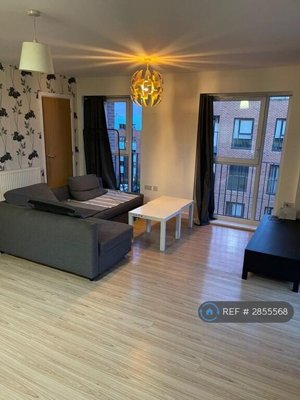
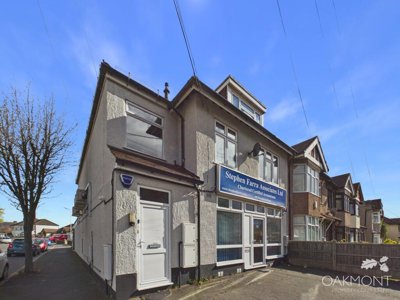
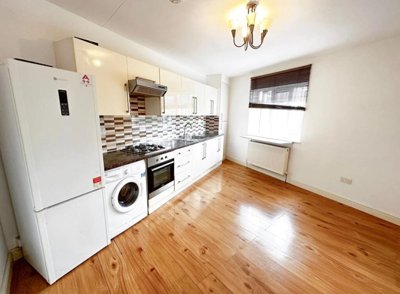
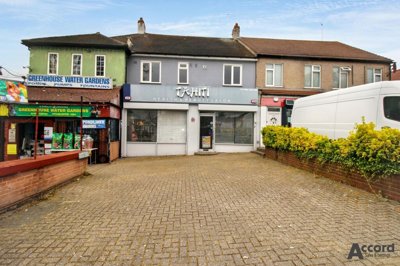
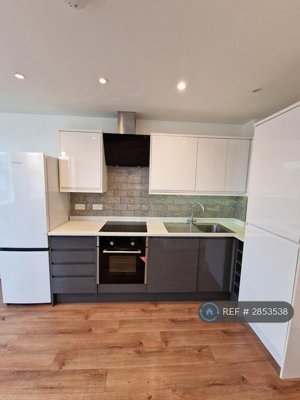
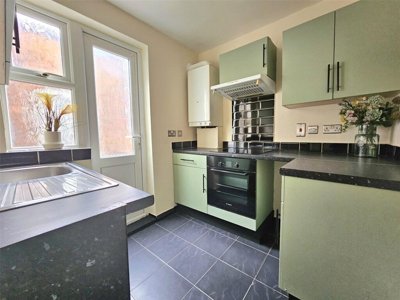
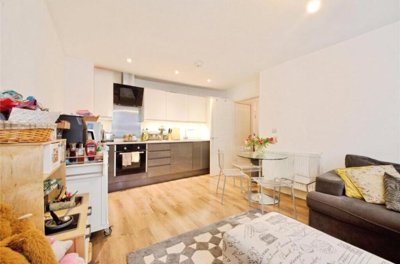
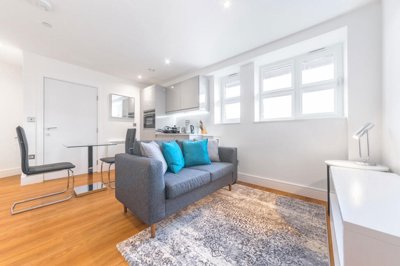
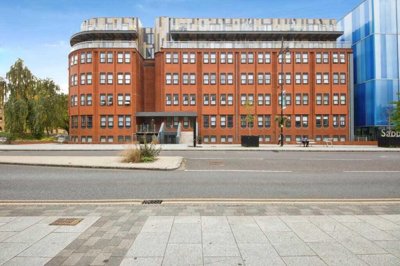
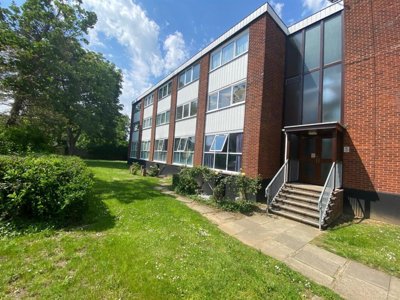
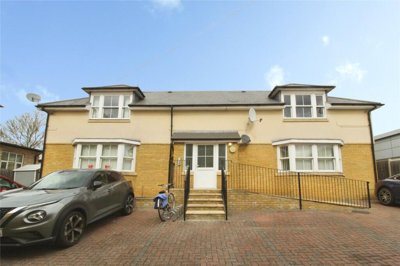
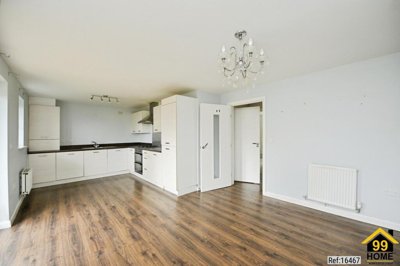
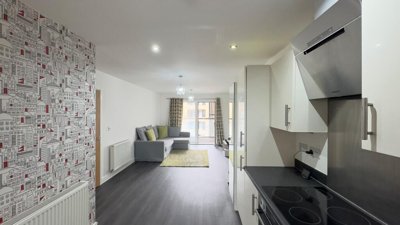
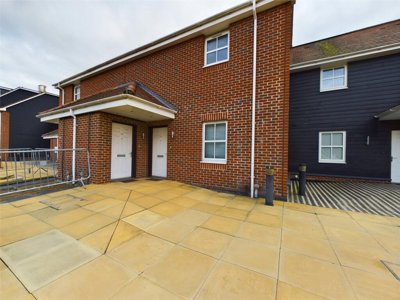
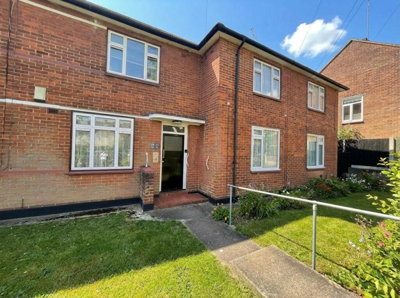
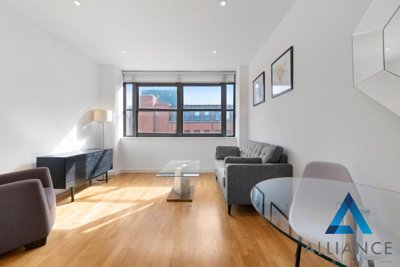
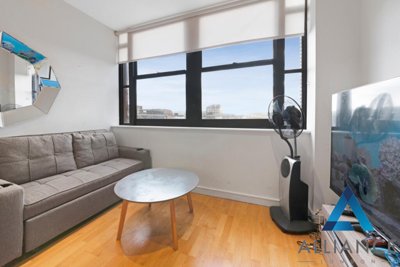
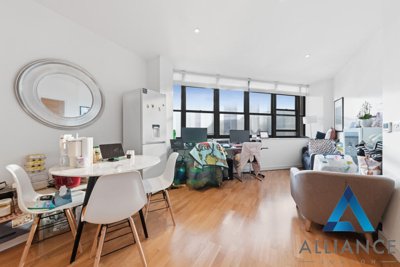
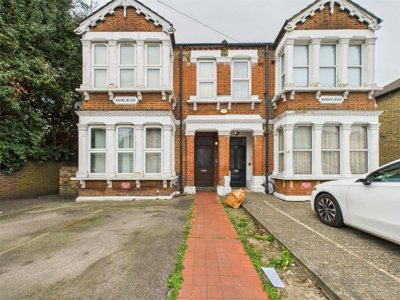
Browse 106 rental homes to rent in RM1 from local letting agents.
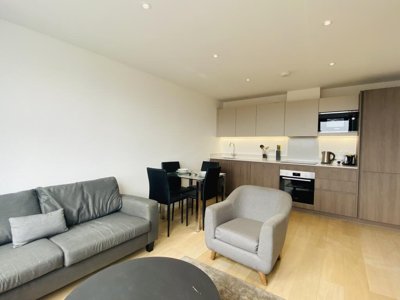
Studio apartments feature open-plan living spaces without separate bedrooms, incorporating sleeping, living, kitchen, and bathroom facilities. The RM1 studio market includes properties in modern apartment complexes, converted Victorian and Georgian buildings, and purpose-built developments.
£1,575/m
2
0
22
Source: home.co.uk
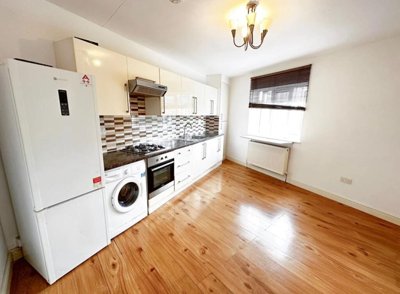
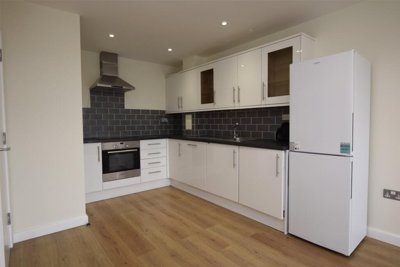
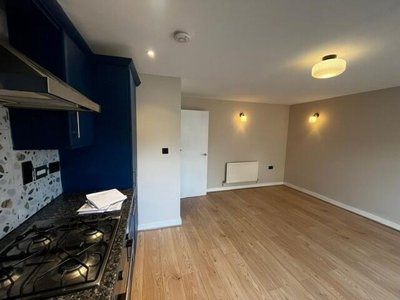
Showing 2 results for Studio Flats to rent in RM1. The median asking price is £1,575/month.
Source: home.co.uk
Flat
2 listings
Avg £1,575
Source: home.co.uk
Source: home.co.uk
The rental market in RM1 Romford has shown remarkable resilience and stability over the past two years, with demand consistently outstripping supply in key property categories. One and two-bedroom apartments represent the largest proportion of rental stock in the postcode, particularly those located within walking distance of Romford station and the town centre. Our data shows that flats in RM1 typically command rents between £1,200 and £1,800 per month depending on size, location, and specification, with premium prices achieved by properties offering modern interiors, parking, or proximity to the Elizabeth line. The median rental for a modern one-bedroom apartment in the town centre sits around £1,450 per month, while larger two-bedroom flats regularly achieve £1,700 to £2,000 per month.
Terraced and semi-detached houses suitable for families command significantly higher rents, typically ranging from £1,800 to £2,500 per month depending on the number of bedrooms and proximity to good schools. New developments like The Scene on Western Road offer contemporary apartments from £300,000 for shared ownership, with similar units available to rent at market rates. The area has seen a notable increase in rental enquiries following improved transport connections, with tenants particularly drawn to properties within a 10-minute walk of Romford station. Property values in the sales market provide an indicator of rental potential, with the overall average house price in RM1 around £385,849, suggesting strong underlying demand for both ownership and rental accommodation in this well-connected East London suburb.
When comparing rental values across different property types in RM1, the price differential between older and newer stock becomes clear. A two-bedroom flat in a 1960s-built block on Alexandra Road will typically rent for less than a similarly sized apartment in a modern development like The Scene, even if both are equidistant from the station. This reflects tenant preferences for contemporary kitchens and bathrooms, as well as the additional amenities such as concierge services and communal gardens that newer developments often provide. For renters prioritising budget over specification, older properties offer genuine value, with some well-presented one-bedroom flats available from £1,200 per month in quieter residential streets off the main town centre.
The rental market in RM1 has experienced modest price adjustments over the past year, with overall house prices in the Romford area showing a 2.0% decrease over 12 months. This cooling in the sales market has not significantly impacted rental values, which remain stable due to continued strong demand from tenants. Flats have seen slightly larger price adjustments at around 3.0%, which may reflect increased new-build supply coming onto the market. For renters, this means that now is a good time to negotiate on rents, particularly for longer-term tenancies where landlords may be willing to offer incentives to secure reliable tenants.

Romford sits within the London Borough of Havering and serves as the main commercial and cultural hub for residents across East London and West Essex. The town centre within RM1 features the intu Victoria Shopping Centre alongside historic Romford Market, which has traded from the market place since medieval times and remains a focal point for local community life. The area around the market place and St Edward the Confessor Church falls within the Romford Conservation Area, protecting the historic character of these streets while allowing for sympathetic modern development. Beyond the commercial core, RM1 encompasses tree-lined residential roads featuring a mix of Victorian, Edwardian, and inter-war housing stock, creating genuinely varied neighbourhoods within a single postcode.
Daily life in RM1 benefits from an exceptional range of amenities within easy walking distance of most residential areas. The high street hosts major supermarket chains alongside independent retailers, while South Street and the surrounding streets offer an increasingly diverse selection of cafes, bars, and restaurants. For leisure, the Romford area provides several parks and open spaces, with Raphael Park being particularly valued for its lakes, paddling pools, and sports facilities. The Mercury Theatre offers cultural programming, while the cinemas and restaurants at The Brewery complex provide evening entertainment. Local residents report high satisfaction with the balance of urban convenience and suburban calm that characterises life in RM1, particularly compared to the higher costs of living in more central London postcodes.
The population of Romford, which includes RM1 and surrounding postcodes, reached approximately 122,900 in 2021, reflecting steady growth as more renters discover the area's appeal. This population figure supports a thriving local economy with shops, restaurants, and services that continue to expand and diversify. The opening of new eateries along Market Street and the regeneration of the Brewery complex demonstrate ongoing investment in the town centre that benefits both residents and businesses. For renters, this means access to growing employment opportunities in retail, hospitality, and healthcare sectors, with Queen's Hospital on the outskirts of the area providing particularly significant employment for local residents.
Residential streets in RM1 vary significantly in character, from the quiet terraces of Alexandra Road and Cornwall Road to the larger semi-detached houses of streets bordering Raphael Park. Old colonnade properties along the main high street offer a unique living option above commercial premises, while newer apartment developments provide contemporary options for those prioritising low-maintenance living. Our platform allows you to filter properties by street type and proximity to specific amenities, helping you find a neighbourhood that matches your lifestyle preferences rather than simply showing all available rentals indiscriminately.

Families renting in RM1 Romford have access to a good selection of schools across all educational stages, with several primary schools within the postcode area performing notably well in Ofsted inspections. Among the nearest primary schools are St Joseph's Catholic Primary School, which holds a Good Ofsted rating and serves families from the surrounding residential streets, and Hylands Primary School, which has achieved strong academic results in recent years. Additional options in the wider area include St Peter's Catholic Primary School and Rush Green Primary School, both of which serve local communities with good reputations for pupil welfare and academic progress. Parents should note that many primary schools operate catchment area policies, so renting within a specific radius of a preferred school can be important for families.
Secondary education in the RM1 area includes several popular options, with comprehensive schools serving students from across the postcode and surrounding areas. Travel distances to grammar schools in nearby areas such as Chelmsford or Ilford mean that most secondary students attend their nearest comprehensive school. For families considering sixth form options, Havering Sixth Form College and other local institutions provide further education opportunities within easy reach of RM1. The presence of Queen's Hospital on the outskirts of the area also provides healthcare-related training and employment opportunities that attract families with older children considering medical careers.
For families prioritising school access, certain streets in RM1 offer particular advantages. Properties on roads such as Brentwood Road, Winged Foot, and the streets surrounding Raphael Park place children within walking distance of several popular primary schools. However, rental prices in these catchment zones typically command a premium of around 5-10% compared to equivalent properties outside the preferred radius. Our platform allows you to search for rental properties while considering school catchment areas, helping families find homes that balance transport needs with educational requirements. We recommend visiting potential schools before committing to a tenancy, as catchment boundaries can change and school performance varies year by year.

Transport connectivity represents one of RM1 Romford's strongest advantages for renters working in central London or elsewhere across the capital. Romford station sits at the eastern terminus of the Elizabeth line, offering direct services to destinations including Stratford, Liverpool Street, and Paddington without any line changes. Journey times from Romford to Liverpool Street station take approximately 25 minutes on Elizabeth line services, making daily commuting genuinely practical for city workers. The station also provides connections to the London Overground network and National Rail services, ensuring multiple options for reaching destinations across London and beyond. For renters who drive, the M25 motorway is accessible within 15 minutes, connecting to the wider motorway network.
Local bus services throughout RM1 and the surrounding Romford area are operated by Transport for London, providing frequent connections to destinations including Gidea Park, Harold Hill, Upminster, and Rainham. The bus network serves as the primary public transport option for journeys within the local area, with stops throughout the town centre and residential streets. Key bus routes include the 165, 174, and 247 services, which connect residential areas to the station and town centre throughout the day and evening. For cyclists, Romford benefits from the Quietways cycling network connecting to surrounding areas, though the terrain is relatively flat which makes cycling practical for most residents.
Those considering parking should note that permit parking schemes operate in many residential streets near the station, and some newer developments include allocated parking spaces. Properties along Western Road and the streets immediately surrounding Romford station often come with allocated parking, which can be valuable for tenants who need vehicle storage. However, parking spaces in RM1 are at a premium, and you should confirm parking arrangements before committing to a tenancy if this is important to you. The excellent transport links directly influence rental values in RM1, with properties within walking distance of the station commanding a premium of around 10-15% compared to those requiring bus connections. For tenants working in central London, this premium is often worth paying given the time saved on daily commuting.

Understanding the construction methods used in RM1 properties helps you make informed decisions about rental homes and identify potential maintenance issues before signing a tenancy agreement. The area predominantly features traditional brick construction, with many properties built using red or brown brick that gives Romford's residential streets their distinctive character. Victorian and Edwardian properties closer to the town centre typically feature solid brick walls, while properties built during the inter-war and post-war periods (1919-1980) generally use traditional cavity wall construction. Rendered finishes appear on some renovated properties and newer developments, though brick remains the dominant external material throughout RM1.
Roof construction across RM1 typically features pitched roofs covered with clay tiles or slate, reflecting the traditional building methods used throughout East London. The clay tiles commonly found on properties from the 1920s through to the 1970s have proven durable, though inspection of the roof during viewings can reveal whether tiles have been replaced or if there is evidence of slipping and water ingress. Flat roof sections, particularly on extensions and apartment block communal areas, may require more frequent maintenance and replacement compared to pitched roofs, so understanding the roof type and condition is important when evaluating any property.
Many properties in RM1 have retained original features from their construction era, including Victorian fireplaces, cornicing, and timber floorboards in older properties, or more functional features like fitted wardrobes and garages in post-war homes. These features can add character and value to a rental property, though they may also require maintenance that landlords are responsible for under the terms of a standard tenancy agreement. When viewing properties, ask the letting agent about any known issues with original features, and note any signs of deterioration that might need addressing before or during your tenancy.

Renting property in RM1 Romford requires attention to several area-specific factors that can significantly affect your experience as a tenant. The underlying London Clay geology that characterises the Romford area means that some properties, particularly older ones with shallow foundations or large trees nearby, may be susceptible to subsidence or ground movement. When viewing a property, look for signs of cracking to walls, doors that stick or fail to close properly, and any history of foundation work or structural repairs in the property's documentation. While this does not mean avoiding properties in the area, it does suggest that thorough inspection is worthwhile, especially for older terraced or semi-detached houses.
Flood risk is another consideration specific to parts of RM1, with the River Rom (also known as the River Beam) flowing through the area and certain low-lying streets presenting a potential surface water flooding risk during heavy rainfall. The Environment Agency provides flood risk maps that can help identify properties in higher-risk zones, and we recommend checking these before committing to a tenancy in a new area. Properties within the Romford Conservation Area may have planning restrictions that affect what alterations tenants can make, so understanding these constraints before signing a tenancy agreement is advisable. Service charges and maintenance fees for flats can vary considerably between developments, and understanding what is included in your rent versus what is charged separately helps avoid unexpected costs during your tenancy.
For tenants renting older properties, particularly those built before 1980, common defects to watch for include damp issues (rising damp, penetrating damp, or condensation), outdated electrical wiring, and timber defects such as woodworm or rot. Properties built before 2000 may contain asbestos-containing materials in areas such as pipe insulation, floor tiles, or roof felt, though these are generally safe if left undisturbed. Our platform recommends booking a RICS Level 2 Survey for older properties before committing to a tenancy, as the report can identify defects that might require landlord attention or affect your decision to proceed. Survey costs in RM1 range from £400 to £700 depending on property size, and this investment can save significant expense and inconvenience later.
When evaluating a flat in RM1, pay particular attention to the condition of communal areas, the age and maintenance of the building's roof, and whether the property is leasehold or freehold. Most flats in RM1 are leasehold, which means you will have limited control over major decisions affecting the building. Ask about ground rent and service charge arrangements, including what services are covered and whether there are any planned major works that might result in special charges. Newer developments like The Scene on Western Road typically have more predictable service charges, while conversions of older properties can sometimes have higher-than-expected maintenance costs.

Before viewing properties, obtain a rental budget agreement in principle from a lender or broker. This document demonstrates to landlords and letting agents that you can afford the monthly rent, typically requiring proof of income equating to around 2.5 to 3 times the monthly rental figure. In the competitive RM1 rental market, having this documentation ready can give you an advantage over other applicants who have not yet arranged their finances.
Explore different areas within RM1 to find the right balance between transport connectivity, local amenities, and rental prices. Properties closer to Romford station command higher rents but offer shorter commutes, while streets further out provide more space for the same budget. Consider factors such as school catchment areas, proximity to parks like Raphael Park, and the noise levels associated with town centre versus residential street locations.
Many rental properties in RM1 are managed directly by local estate and letting agents rather than appearing on major platforms. Registering with agents in Romford town centre, including those near the intu Victoria Shopping Centre and along South Street, ensures you see new listings as soon as they become available. Popular agents serving the RM1 area include those with offices on the high street and near the station, and registering with multiple agents maximises your exposure to available properties.
Once you have identified suitable properties, schedule viewings to assess the condition, location, and suitability of each home. Pay attention to the direction the property faces, noise levels from neighbours or nearby roads, and the general state of repair of communal areas in apartment blocks. Ask about the average utility bills for the property, the broadband speed available, and any planned maintenance or improvements the landlord has scheduled.
For older properties, particularly those built before 1980, consider booking a RICS Level 2 Survey before committing to a tenancy. Survey costs in RM1 range from £400 to £700 depending on property size, and the report can identify defects that might require landlord attention or affect your decision. This is particularly advisable for Victorian and Edwardian properties, which may have original features that require maintenance or have been altered in ways that affect their condition.
Once you have chosen a property, the referencing process typically takes one to two weeks. Be prepared to provide proof of identity, evidence of income, employment references, and a previous landlord reference if applicable. Your tenancy agreement will specify the deposit amount (typically five weeks' rent), rent payment schedule, and terms of occupation. Ensure you receive copies of all relevant documentation, including the inventory check report, gas safety certificate, and energy performance certificate, before moving in.
Average rental prices in RM1 Romford vary significantly by property type and size. One-bedroom apartments typically range from £1,200 to £1,600 per month, with two-bedroom flats ranging from £1,500 to £2,000 per month. Terraced and semi-detached houses with two to four bedrooms generally command between £1,800 and £2,500 per month. Properties within walking distance of Romford station command a premium of around 10-15% compared to those requiring bus connections. The rental market remains competitive with strong demand from commuters, so properties in good condition tend to let quickly, often within days of listing.
Properties in RM1 fall within the London Borough of Havering council area, with most residential properties in the postcode ranging from council tax bands A through D. Band A properties typically pay around £1,200 to £1,400 per year, while Band D properties pay approximately £1,600 to £1,800 annually. The exact band depends on the property's assessed value, and tenants should verify the specific band with Havering Council before budgeting for their move. Students and certain other exemptions may qualify for discounted council tax. Council tax is typically paid monthly by direct debit, and you should set up arrangements promptly upon moving in to avoid any late payment penalties.
RM1 and the surrounding Romford area offer several well-regarded schools for families with children. St Joseph's Catholic Primary School and Hylands Primary School are among the nearest options with Good Ofsted ratings. St Peter's Catholic Primary School also serves local families with a strong reputation. Secondary education options include comprehensive schools serving the local community, with Sixth Form provision available at Havering Sixth Form College and other nearby institutions. Parents should check current Ofsted ratings and catchment area policies, as these can affect placement eligibility for local schools. Properties in catchment areas for popular schools, such as those on roads near Raphael Park, often command a rental premium of around 5-10%.
RM1 Romford benefits from excellent public transport connections that make it highly attractive to commuters. Romford station provides Elizabeth line services directly to Liverpool Street, Stratford, and Paddington in around 25 to 35 minutes. The station also offers London Overground connections and National Rail services. Local TfL buses serve destinations throughout the Romford area and connect to surrounding towns. For those who drive, the M25 is accessible within 15 minutes, and the A12 provides a direct route toward East London and Essex. Cycling is practical given the relatively flat terrain, with Quietways routes connecting to surrounding areas. Properties within a 10-minute walk of the station typically achieve rental premiums of 10-15% compared to those requiring bus connections.
RM1 Romford is considered an excellent rental location for a range of tenants, from young professionals working in London to families seeking more space at reasonable prices. The Elizabeth line has significantly improved connectivity, while the town centre provides comprehensive shopping, dining, and entertainment options. Residential areas within RM1 offer a mix of housing types and price points, with good access to parks and green spaces including Raphael Park and the surrounding suburban streets. The area combines urban conveniences with suburban character, making it popular with renters who want to avoid the higher costs of central London while maintaining practical commuting options. Crime rates are broadly in line with outer London averages, and local residents report high satisfaction with community facilities and amenities.
Standard deposits on rental properties in RM1 Romford are typically five weeks' rent, which for a £1,400 per month apartment would amount to £3,500. Under the Tenant Fees Act 2019, letting agents and landlords can only charge permitted fees including the deposit, rent, and default charges for late payment. Inventory checks are usually arranged by the landlord at the start of the tenancy, with costs typically ranging from £100 to £250 depending on property size. Referencing fees may apply, though these are capped under the legislation. Before moving in, you should budget for your first month's rent in advance plus the deposit, plus any inventory or referencing fees, which together can represent around six weeks' rent equivalent.
Many properties in RM1 were built using London Clay foundations, which can be susceptible to shrink-swell movement when large trees draw moisture from the soil or during periods of drought and heavy rainfall. Watch for signs such as cracking to walls, doors that stick, or previous structural repairs when viewing older properties. Properties in flood-risk areas near the River Rom may face surface water flooding during heavy rainfall, so checking Environment Agency flood maps is advisable. Asbestos-containing materials may be present in properties built before 2000, particularly in pipe insulation, floor tiles, and roof felt, though these are generally safe if left undisturbed. Booking a RICS Level 2 Survey for older properties can identify these and other issues before you commit to a tenancy.
From 4.5% APR
Understand what rent you can afford before searching
From £99
Background checks required by landlords
From £400
Identify defects in older properties before renting
From £80
Energy performance certificate for your rental
Understanding the full cost of renting in RM1 Romford helps you budget accurately and avoid any surprises when moving into your new home. The initial move-in costs typically include your first month's rent in advance, plus a security deposit equivalent to five weeks' rent. For a typical one-bedroom apartment at £1,400 per month, this means an initial outlay of around £4,900 before accounting for any inventory check fees or referencing charges. Most landlords require rent to be paid monthly by standing order, and some may ask for quarterly payments depending on their preferred arrangements. Setting up direct debits for council tax, utilities, and contents insurance should be done promptly upon moving in to ensure continuous service.
Permitted fees under the Tenant Fees Act 2019 are limited to holding deposits, deposits, rent, and reasonable charges for late payment or replacement of lost keys. Inventory checks, which document the condition of the property at the start and end of your tenancy, typically cost between £100 and £250 depending on the size of the property and whether the landlord uses an independent inventory service. Contents insurance is advisable though not legally required, with premiums typically ranging from £10 to £30 per month depending on the value of your belongings. Before committing to any rental property in RM1, we recommend obtaining a clear breakdown of all anticipated costs from your letting agent or landlord to ensure you have sufficient funds available for a smooth move.
Ongoing costs during your tenancy will include rent (usually payable monthly in advance), council tax (bands A through D in RM1), and utility bills including gas, electricity, water, and broadband. Service charges for flats can vary significantly, with some newer developments including external maintenance and building insurance in the service charge while others require additional payments. Understanding exactly what is included in your rent versus what is charged separately helps you compare properties accurately and avoid unexpected costs. Ask your letting agent for a copy of the most recent service charge breakdown and any planned major works that might result in special charges during your tenancy.
Properties to Rent In London

Properties to Rent In Plymouth

Properties to Rent In Liverpool

Properties to Rent In Glasgow

Properties to Rent In Sheffield

Properties to Rent In Edinburgh

Properties to Rent In Coventry

Properties to Rent In Bradford

Properties to Rent In Manchester

Properties to Rent In Birmingham

Properties to Rent In Bristol

Properties to Rent In Oxford

Properties to Rent In Leicester

Properties to Rent In Newcastle

Properties to Rent In Leeds

Properties to Rent In Southampton

Properties to Rent In Cardiff

Properties to Rent In Nottingham

Properties to Rent In Norwich

Properties to Rent In Brighton

Properties to Rent In Derby

Properties to Rent In Portsmouth

Properties to Rent In Northampton

Properties to Rent In Milton Keynes

Properties to Rent In Bournemouth

Properties to Rent In Bolton

Properties to Rent In Swansea

Properties to Rent In Swindon

Properties to Rent In Peterborough

Properties to Rent In Wolverhampton

Enter your details to see if this property is within your budget.
Loans, cards, car finance
Estimated property budget
Borrowing + deposit
You could borrow between
Typical borrowing
Monthly repayment
Est. at 4.5%
Loan-to-value
This is an estimate only. Your actual budget may vary depending on interest rates, credit history, and personal circumstances. For an accurate affordability assessment, speak to one of our free mortgage advisors.
This calculator provides estimates for illustrative purposes only and does not constitute financial advice. Your home may be repossessed if you do not keep up repayments on your mortgage. Estimates based on 4.5% interest rate, repayment mortgage. Actual rates depend on your circumstances.
Homemove is a trading name of HM Haus Group Ltd (Company No. 13873779, registered in England & Wales). Homemove Mortgages Ltd (Company No. 15947693) is an Appointed Representative of TMG Direct Limited, trading as TMG Mortgage Network, which is authorised and regulated by the Financial Conduct Authority (FRN 786245). Homemove Mortgages Ltd is entered on the FCA Register as an Appointed Representative (FRN 1022429). You can check registrations at NewRegister or by calling 0800 111 6768.

We use cookies to show you personalised content and improve your experience of our website. Find out more in our Privacy policy and Cookie policy.