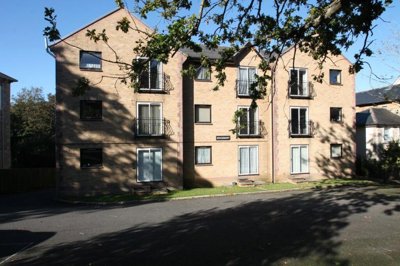
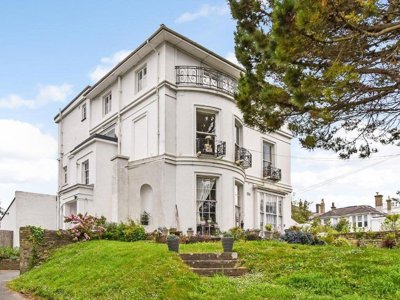
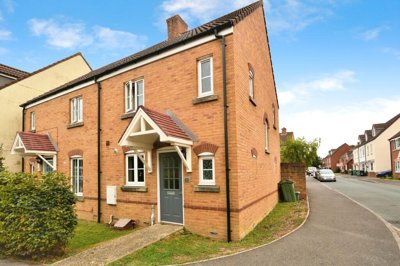
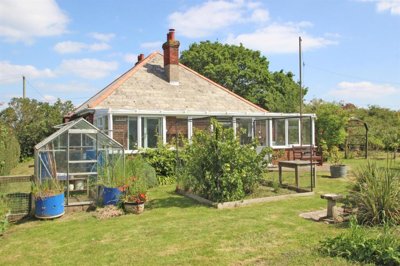
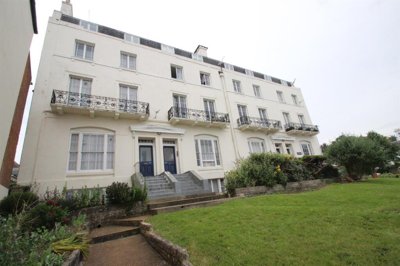
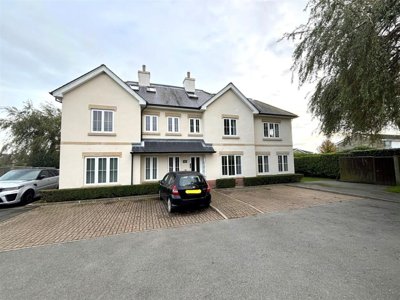
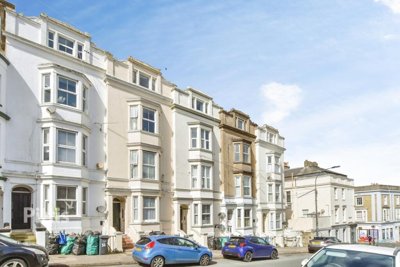
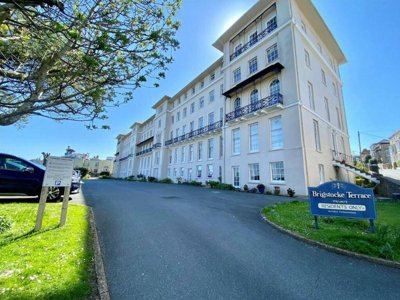
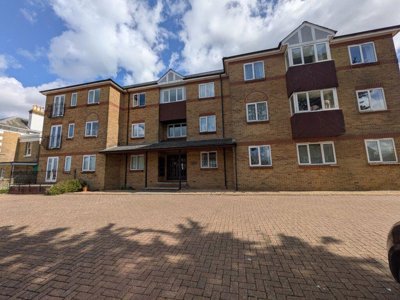
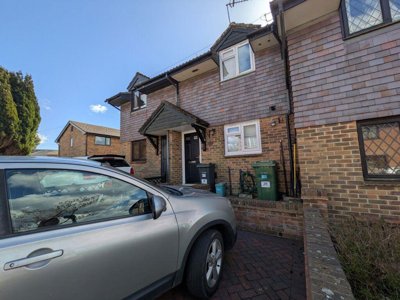
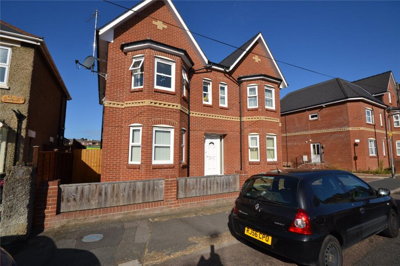
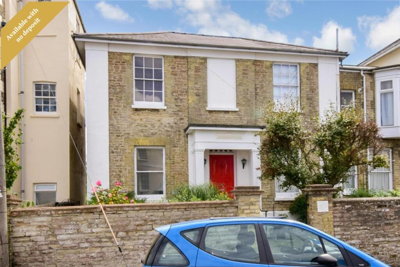
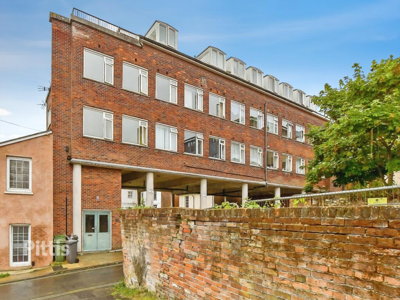
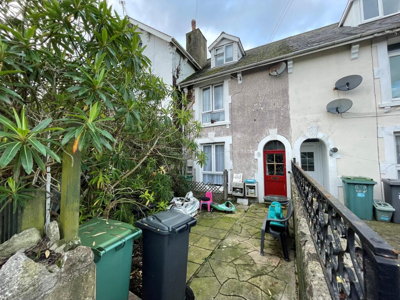
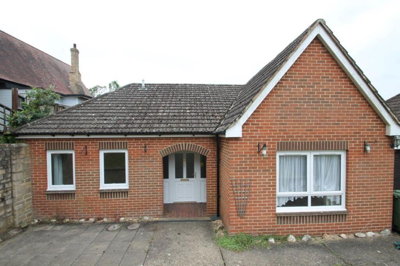
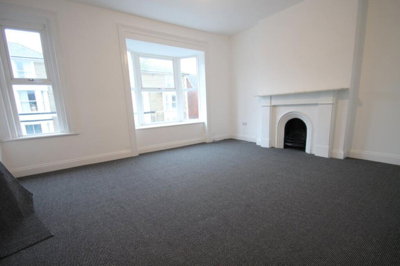
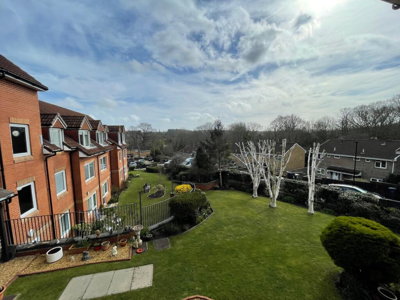
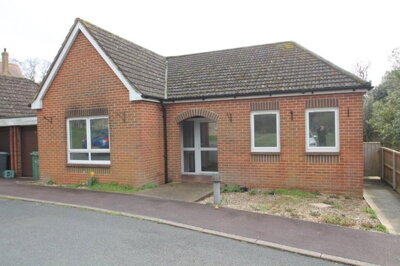
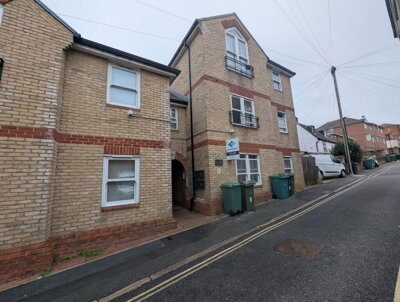
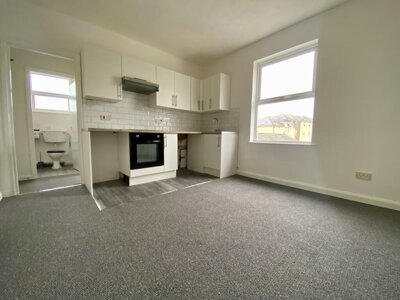
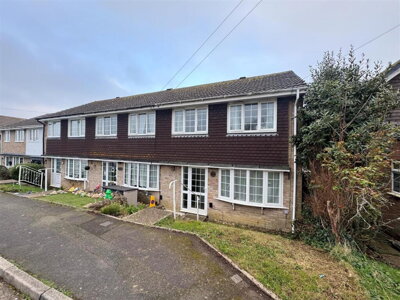
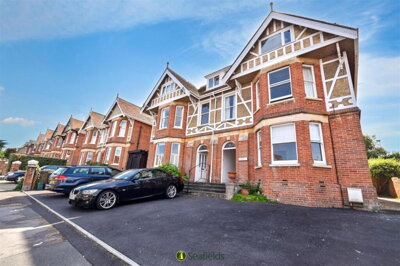
Browse 47 rental homes to rent in PO33 from local letting agents.
£863/m
16
2
33
Source: home.co.uk
Source: home.co.uk
Flat
6 listings
Avg £788
Apartment
5 listings
Avg £860
House
3 listings
Avg £1,232
Bungalow
1 listings
Avg £1,150
Maisonette
1 listings
Avg £875
Source: home.co.uk
Source: home.co.uk
The PO33 rental market offers a diverse range of property types to suit different lifestyles and budgets. Current data shows average purchase prices of £264,973 across the postcode, with significant variation between property types. Flats in Ryde average around £139,585, making them an accessible entry point for renters seeking coastal living without the higher costs associated with houses. Semi-detached properties average approximately £260,584, while detached homes command around £394,803, reflecting the premium for space and privacy that many families seek.
Recent market trends indicate that prices in PO33 have settled by 8% over the past year following a broader cooling from the 2022 peak of £298,074. This moderation creates opportunities for renters who may have been priced out during the height of the market. The area has seen new development interest, including planning applications for nine dwellings on Station Road in Wootton, which suggests ongoing investment in housing supply within the postcode. For those considering long-term rentals, properties in modern developments like the brand-new Passive (EPC A) three-bedroom homes represent rare opportunities for ultra-energy-efficient living.
The mix of older and newer housing stock in PO33 means rental options range from traditional terraced houses dating from the Victorian era to contemporary apartments in recently constructed blocks. Properties on Binstead Lodge Road and surrounding streets offer different characteristics compared to town centre flats, with more garden space and quieter surroundings. Recent listings have included opportunities such as the four-bedroom refurbished property at New Lodge on Appley Rise, demonstrating the variety available to prospective tenants. Rental demand in coastal areas like Ryde tends to be steady throughout the year, though summer months may see increased interest from those seeking holiday accommodation.
Tenants should note that the local rental market can move quickly, particularly for well-presented properties at competitive prices. Working with local letting agents or using our platform to set up alerts for new listings helps ensure you do not miss suitable properties as they become available. The average listing price currently sits at £309,174, down 16.73% from six months ago, suggesting negotiation opportunities for serious renters.

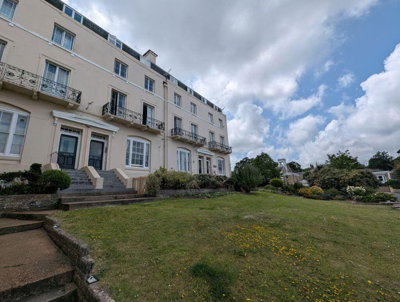
Ryde stands as the Isle of Wight's largest town, offering a vibrant community that balances seaside relaxation with practical everyday amenities. The town centre features a mix of independent shops, cafes, and restaurants along its historic streets, while the famous Esplanade stretches towards the harbour, lined with Victorian architecture that gives the town its distinctive character. The Georgian houses mentioned in property listings reflect the architectural heritage that makes Ryde's residential areas so appealing to those seeking period properties with genuine character rather than modern identikit homes.
The coastal location shapes daily life in PO33, with residents enjoying access to sandy beaches, sailing facilities, and watersports on the Solent. The area hosts walking festivals and maintains strong connections to the island's tourism economy, creating a lively atmosphere especially during summer months while retaining its year-round residential community. Villages within the PO33 postcode, including Havenstreet, Binstead, and Wootton, offer quieter residential environments while remaining within easy reach of Ryde's amenities. The community spirit is tangible, with local businesses including established practices like solicitors operating from the PO33 2LN area serving the local population.
For those considering a rental property in Ryde, understanding the distinct character of different neighbourhoods within PO33 helps inform your search. The Esplanade and seafront areas offer stunning Solent views and proximity to beaches, though properties here may experience higher exposure to coastal weather conditions. Streets around St Thomas's Square and Belvedere Street feature historic architecture in quieter residential settings. Wootton provides more semi-rural surroundings with access to local pubs and the planning-approved development site bringing additional housing to the area. Binstead Lodge Road offers residential properties with the benefit of being described as low flood risk, according to available property data.
The practicalities of island living form an important part of daily life in PO33. Ferry services from Ryde Pier Head connect residents to Portsmouth in around 20-30 minutes, making mainland access straightforward for work or leisure. Within the town, everyday amenities include supermarkets, healthcare facilities, and a range of recreational options. The island's walking festivals and sailing culture provide regular entertainment, while the relatively compact nature of the town means most amenities remain accessible without requiring a car.

Families considering a rental property in PO33 will find educational options across all levels within and near the Ryde area. The town and surrounding villages host primary schools serving the local community, with several options within the PO33 postcode itself. Secondary education is available through schools in the wider Ryde area, providing comprehensive coverage for families with children of all ages. Parents are advised to research specific catchment areas, as these can vary and directly impact which schools your children may be eligible to attend.
For those with older children considering further education, the Isle of Wight College provides further education and sixth form opportunities, though some families choose to commute to mainland colleges for specific vocational courses. The presence of Georgian and Victorian school buildings in Ryde reflects the historical commitment to education in the area, while modern educational facilities ensure children have access to contemporary learning environments. When renting in PO33, confirming school admissions criteria and any relevant admissions policies with the local education authority helps ensure a smooth transition for school-age children.
The age of housing stock in PO33 means many schools occupy historic buildings with period features, contributing to the character of the local educational landscape. Parents should verify current school performance data through Ofsted reports, as this information changes over time and directly affects property desirability in surrounding areas. Rental properties near well-performing schools often attract higher demand, so families with strong preferences regarding educational provision should prioritise locations accordingly when browsing available rentals in the postcode.

Transport connectivity defines the appeal of PO33 for commuters and those who value access to the mainland. Ryde benefits from the Isle of Wight's integrated transportation system, with Wightlink ferries providing regular crossings from Ryde Pier Head to Portsmouth, making mainland travel practical for work or leisure. The ferry crossing takes approximately 20-30 minutes, connecting island residents to the mainland rail network at Portsmouth. For those working in Portsmouth or Southampton, living in Ryde offers a viable alternative to expensive mainland property prices while maintaining regular commuting options.
Within the island itself, bus services connect Ryde with other island towns and villages, while the Island Line railway provides additional local transport options. The PO33 postcode covers areas with varying distances from Ryde town centre, meaning transport accessibility can differ depending on your specific location. Wootton and Havenstreet, for example, offer more rural settings but may require private transport for full convenience. The scenic beauty of the area makes cycling popular for shorter journeys, while the flat terrain around Ryde itself accommodates cyclists of varying abilities. Parking availability varies across the postcode, with town centre properties typically offering more limited parking than homes in surrounding villages.
Prospective tenants should factor ferry costs into their budgeting when considering a rental in PO33, as crossing to the mainland involves expenses that mainland residents would not face. Wightlink services operate throughout the day, but adverse weather conditions can occasionally disrupt schedules, requiring flexibility in commuting arrangements. For those whose work requires regular mainland travel, properties closer to the ferry terminal in Ryde town centre may prove more convenient than homes in outlying villages, despite potentially higher rental costs for central locations.
Within the local area, the Island Line railway serves connections between Ryde and other island destinations, while bus routes provide access to villages including those within the PO33 postcode. The relatively compact nature of the Isle of Wight means that even residents without private transport can access most amenities, though having a car significantly enhances flexibility for exploring the island and managing errands across different locations.

Contact lenders or mortgage brokers to obtain an agreement in principle for your rental budget before viewing properties. This shows agents and landlords you are serious and financially prepared, helping you move quickly when you find the right property. If you are planning to commute to the mainland, factor ferry costs into your budget calculations alongside rent and utility expenses.
Explore different areas within the postcode, from Ryde town centre with its amenities and beaches to quieter villages like Binstead, Wootton, and Havenstreet. Consider your commute needs, school requirements, and lifestyle preferences for each location. Properties along the Esplanade offer different advantages compared to homes on Binstead Lodge Road or in Wootton, so understanding what matters most helps narrow your search.
Contact local letting agents or use Homemove to arrange viewings of properties matching your criteria. Take notes on property condition, natural light, storage space, and any maintenance concerns during each viewing. For older properties in conservation areas, pay attention to the condition of original features and any signs of maintenance needs that might indicate higher ongoing costs.
Before signing, ensure you fully understand the tenancy terms, including deposit amount (typically five weeks rent), lease length, and responsibilities for maintenance and bills. Ask about EPC ratings given the mix of older Georgian and Victorian properties in the area, as energy costs can vary significantly between a new Passive-rated home and a period property with original single-glazed windows.
Your landlord will typically require tenant referencing, credit checks, and employment verification. Be prepared with payslips, bank statements, and references from previous landlords to expedite this process. Local letting agents in Ryde are experienced with island residents and mainland commuters, so the referencing process typically proceeds smoothly when documentation is organised.
Once referencing is complete and tenancy agreements are signed, arrange your move. Consider booking a professional inventory check to document property condition at move-in, protecting your deposit at move-out. Remember to set up utilities, internet, and contents insurance promptly, and factor in ferry costs for transporting belongings if you are moving from the mainland.
Renting in PO33 requires attention to specific local factors that can affect your quality of life and investment. The coastal environment means some properties may be affected by salt air exposure, which can accelerate wear on external fixtures and fittings. Older Georgian and Victorian properties, while full of character, often require more maintenance than modern builds and may have original features requiring careful management. When viewing properties, inspect window frames, external paintwork, and any signs of damp or weathering that might indicate higher maintenance responsibilities.
Flood risk is an important consideration in any coastal town, though available data suggests properties like those on Binstead Lodge Road report low flood risk. Still, if you are considering a property closer to the seafront or harbour areas, checking specific flood risk assessments provides valuable information before committing. Conservation areas in Ryde, including areas around Melville Street and Union Street, may impose restrictions on alterations or renovations, which could affect your plans if you hope to personalise your rental. Listed buildings, which exist along the Esplanade and High Street areas, may have specific requirements regarding maintenance and modifications that tenants should understand before committing.
The construction of older properties in PO33 raises specific considerations that differ from modern homes. Georgian and Victorian properties typically feature solid walls built with traditional lime mortar rather than the cavity wall construction found in post-war properties. This affects how the property breathes, with inappropriate modern repairs using cement-based products or synthetic paints potentially causing damp issues in solid-walled homes. When viewing period properties, ask about previous renovation work and whether traditional materials were used in any past repairs. Properties with original features like sash windows, fireplaces, and timber floors often hold significant character but may require ongoing maintenance to keep them in good condition.
Energy efficiency varies considerably across the rental stock in PO33. Newer properties with high EPC ratings, such as the Passive-rated homes available in the area, offer substantially lower running costs than older properties with poor insulation and single-glazed windows. Older Victorian and Georgian homes can be beautiful but may incur higher heating costs, particularly during winter months when the Solent exposure brings cold winds. Review the EPC certificate before committing to any rental, as this document provides clear information about expected energy costs and potential improvement recommendations.

While specific rental figures require current listing data, the PO33 market offers diverse options across price points. Purchase prices average £264,973 overall, with flats around £139,585 and detached homes reaching £394,803. Rental prices typically correlate with these purchase values, with one, two, and three-bedroom flats and houses commanding different rents. New developments like the brand-new homes in Havenstreet and modern Passive-rated properties offer premium rental opportunities for those seeking energy-efficient accommodation. Tenants should budget according to property type and location, with town centre flats offering the most affordable entry point to the local rental market.
Council tax bands in the Isle of Wight vary by property and are set by the Isle of Wight Council. The bands range from A (the lowest) to H (the highest), determined by the property's assessed value. Older properties in Ryde, including Victorian and Georgian homes, may fall into mid-range bands depending on their assessed value. Contact the Isle of Wight Council or check the council tax band on specific properties through the Valuation Office Agency website for accurate banding information. When budgeting for your rental, remember that council tax forms part of your regular monthly outgoings alongside rent and utility bills.
The Ryde area offers educational provision across primary and secondary levels, with schools serving the PO33 postcode and surrounding areas. Parents should research individual school performance through Ofsted reports and consider catchment area boundaries when choosing a rental property. The Isle of Wight College provides further education options for older students. School performance and admissions criteria change regularly, so consulting current data from the local education authority provides the most accurate guidance for families. Properties in certain streets may fall into specific catchment areas, so verifying school placements before committing to a tenancy ensures your children can attend your preferred schools.
Ryde benefits from strong transport connections for an island town. Wightlink ferries provide regular crossings from Ryde Pier Head to Portsmouth, with journey times of approximately 20-30 minutes. Bus services connect Ryde with other island destinations, while the Island Line serves local travel within the Isle of Wight. The ferry terminal connects to Portsmouth's rail network, offering access to London and the wider UK rail network. Transport links can be affected by weather conditions given the island location, so factored planning for potential disruptions helps manage expectations when relying on ferry services for commuting.
Ryde offers an attractive combination of coastal living, historical character, and practical amenities that make it appealing for renters. The town's status as the Isle of Wight's largest settlement means good access to shops, services, and employment opportunities. The variety of property types, from period homes to modern developments, accommodates different preferences and budgets. Recent price moderations in the broader market may create better rental value opportunities. The community atmosphere, sailing facilities, and access to beaches provide an enviable lifestyle for those who appreciate island living. Properties range from affordable flats near the seafront to family homes in villages like Wootton and Binstead, providing options across different life stages and budgets.
Standard practice for rentals in England requires a security deposit equivalent to five weeks' rent, held in a government-approved tenancy deposit scheme throughout your tenancy. Tenant referencing fees, checks, and contract preparation costs may apply, though regulations cap certain charges. First-time renters should budget for moving costs, potential furniture if the property is unfurnished, and utility setup fees. An EPC (Energy Performance Certificate) is provided by the landlord and must be available before you commit to a property. Budget example: a property at £1,200 per month would require a £2,769 deposit, while a family home at £1,800 monthly would need around £4,154 deposit, plus first month's rent in advance.
Several areas within PO33 fall under conservation area status, which means restrictions apply to external alterations and modifications. Properties around Melville Street, Union Street, and The Esplanade are among those in conservation areas where changes require planning permission. Listed buildings, including many along the seafront and historic streets, have additional requirements for any works that might affect their character. Tenants should understand these restrictions before committing to a rental if they anticipate wanting to make changes to the property during their tenancy.
Energy costs vary significantly across the rental stock in PO33 depending on property type and age. Modern Passive-rated properties with EPC A ratings offer exceptional energy efficiency and substantially lower running costs than older Victorian or Georgian properties. Period properties with solid walls, single-glazed windows, and older heating systems typically incur higher energy bills, particularly during winter months. Reviewing the EPC certificate before committing to any tenancy provides estimated annual energy costs, allowing you to budget accurately for utilities alongside your rent.
From 4.5% APR
Calculate your rental budget to understand what you can afford
From £30
Complete referencing checks to streamline your rental application
From £85
Energy performance certificates required for all rental properties
From £455
Professional survey for properties you are considering renting
Understanding the full cost of renting helps you budget effectively for your move to PO33. The standard security deposit in England is five weeks' rent, which must be protected in a government-approved Tenancy Deposit Scheme within 30 days of receiving it. This protects both you and your landlord by providing a clear record of the property's condition at move-in and any deductions at move-out. For example, a property renting at £1,200 per month would require a £2,769 deposit, while a higher-value family home at £1,800 monthly would need a £4,154 deposit.
Additional upfront costs include rent in advance, typically one month, and potential fees for credit checks, referencing, and contract preparation. While some landlords offer properties with no fees, others may charge administration costs. Budget for utility connections, internet installation, and contents insurance as you set up your new home. If you are moving from outside the Isle of Wight, factor in ferry costs for transporting belongings. An EPC assessment is required by law for rental properties, and while the landlord provides this, reviewing the energy rating helps you estimate future utility costs, particularly relevant given the mix of period properties and newer builds in PO33.
When calculating your total moving costs, remember to include deposits alongside the first month's rent and any agency fees that may apply. The Deposit Protection Service, MyDeposits, or the Tenancy Deposit Scheme are the three approved schemes where your deposit must be held. Your landlord has 30 days to protect your deposit and provide you with prescribed information about where it is held. If this does not happen, you may be entitled to compensation of up to three times the deposit amount, so understanding your rights protects you as a tenant.
Contents insurance is another cost that renters sometimes overlook but should factor into their budget. While buildings insurance remains the landlord's responsibility, your personal belongings and furniture require separate contents cover. Premiums vary based on the value of your possessions and the level of excess you choose, but getting quotes before you move helps establish accurate monthly budgeting for your new home.

Properties to Rent In London

Properties to Rent In Plymouth

Properties to Rent In Liverpool

Properties to Rent In Glasgow

Properties to Rent In Sheffield

Properties to Rent In Edinburgh

Properties to Rent In Coventry

Properties to Rent In Bradford

Properties to Rent In Manchester

Properties to Rent In Birmingham

Properties to Rent In Bristol

Properties to Rent In Oxford

Properties to Rent In Leicester

Properties to Rent In Newcastle

Properties to Rent In Leeds

Properties to Rent In Southampton

Properties to Rent In Cardiff

Properties to Rent In Nottingham

Properties to Rent In Norwich

Properties to Rent In Brighton

Properties to Rent In Derby

Properties to Rent In Portsmouth

Properties to Rent In Northampton

Properties to Rent In Milton Keynes

Properties to Rent In Bournemouth

Properties to Rent In Bolton

Properties to Rent In Swansea

Properties to Rent In Swindon

Properties to Rent In Peterborough

Properties to Rent In Wolverhampton

Enter your details to see if this property is within your budget.
Loans, cards, car finance
Estimated property budget
Borrowing + deposit
You could borrow between
Typical borrowing
Monthly repayment
Est. at 4.5%
Loan-to-value
This is an estimate only. Your actual budget may vary depending on interest rates, credit history, and personal circumstances. For an accurate affordability assessment, speak to one of our free mortgage advisors.
This calculator provides estimates for illustrative purposes only and does not constitute financial advice. Your home may be repossessed if you do not keep up repayments on your mortgage. Estimates based on 4.5% interest rate, repayment mortgage. Actual rates depend on your circumstances.
Homemove is a trading name of HM Haus Group Ltd (Company No. 13873779, registered in England & Wales). Homemove Mortgages Ltd (Company No. 15947693) is an Appointed Representative of TMG Direct Limited, trading as TMG Mortgage Network, which is authorised and regulated by the Financial Conduct Authority (FRN 786245). Homemove Mortgages Ltd is entered on the FCA Register as an Appointed Representative (FRN 1022429). You can check registrations at NewRegister or by calling 0800 111 6768.

We use cookies to show you personalised content and improve your experience of our website. Find out more in our Privacy policy and Cookie policy.