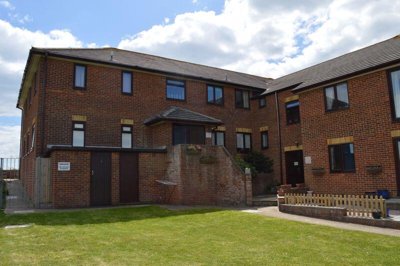
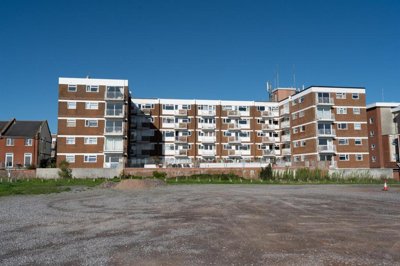
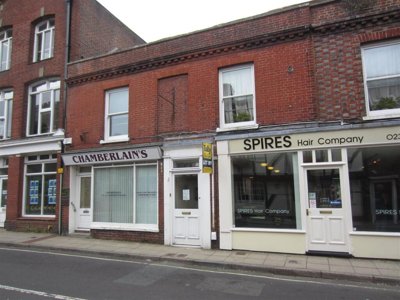
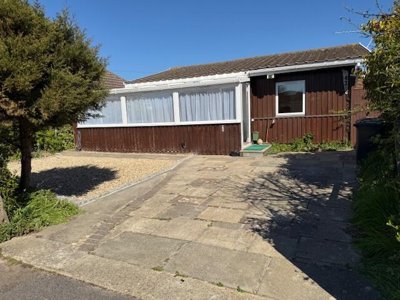
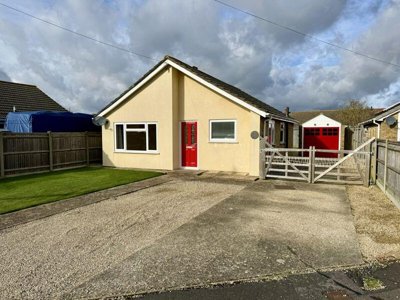
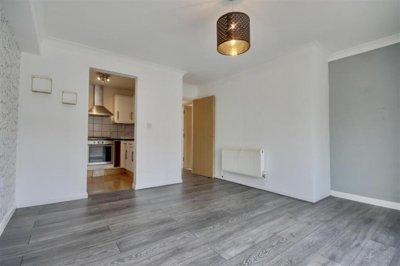
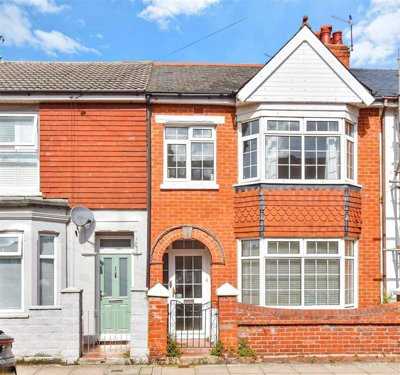
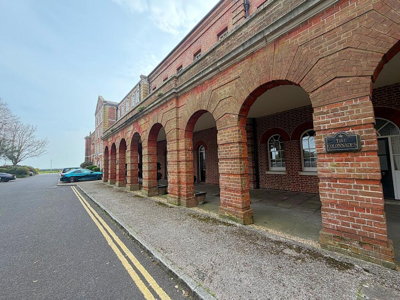
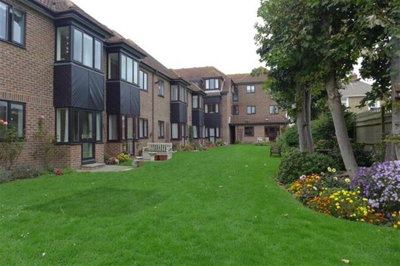
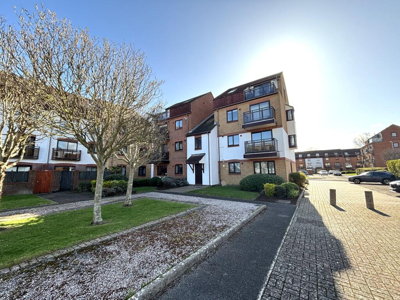
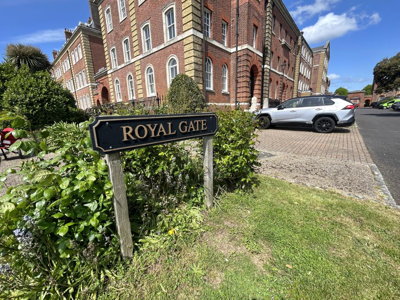
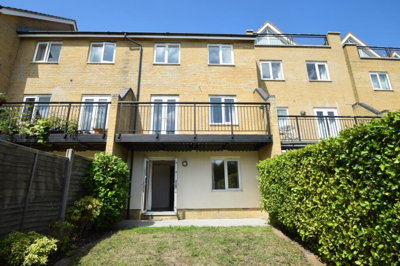
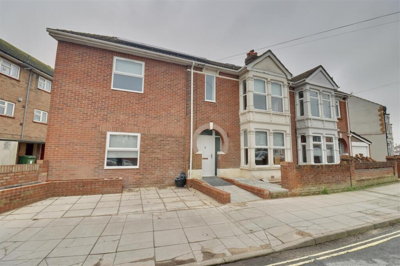
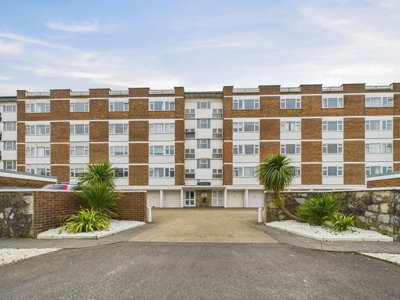
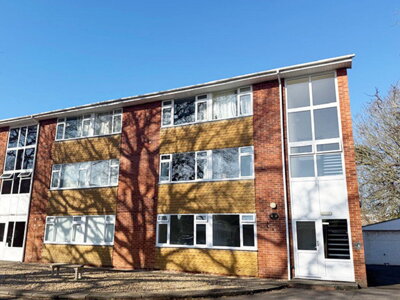
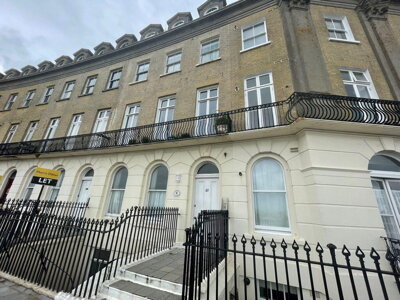
Browse 74 rental homes to rent in PO11 from local letting agents.
£1,000/m
12
0
50
Source: home.co.uk
Source: home.co.uk
Flat
8 listings
Avg £1,034
Detached
2 listings
Avg £1,735
Apartment
1 listings
Avg £700
Detached Bungalow
1 listings
Avg £1,300
Source: home.co.uk
Source: home.co.uk
The PO11 rental market benefits from a diverse housing stock that reflects Hayling Island's evolution from Victorian seaside resort to modern coastal community. Sales data shows overall average prices of £416,843, with detached properties commanding premium rates around £623,892 and terraced homes offering more accessible entry points near £339,267. This pricing structure influences the rental market, with landlords pricing properties to reflect the underlying asset values and local demand patterns. The 12-month price trends show slight decreases across most property types, with flats showing marginal growth of 0.08%, suggesting a stable market that could benefit renters seeking long-term tenancies.
Property sales activity in the past year reached 164 transactions, indicating a healthy market with steady buyer interest. New build developments at The Landings by David Wilson Homes and Hayling Gate by Barratt Homes continue to shape the local market, with three to five bedroom homes ranging from £329,995 to £769,995. While new build prices sit at the upper end of the market, these developments introduce modern rental options for tenants seeking contemporary fixtures and finishes. The Landings offers three, four, and five bedroom homes from £449,995 to £769,995, while Hayling Gate provides two, three, and four bedroom options from £329,995 to £549,995.
Flats in PO11 average £211,217, making them the most affordable route onto the island for both buyers and renters. Semi-detached homes at approximately £382,109 represent the middle market, while detached properties at £623,892 cater to families seeking generous living space and gardens. Rental prices typically track below these sale values, meaning flats offer the most accessible entry point for tenants, with family homes commanding premium rents that reflect their size and desirability. Contacting local letting agents provides the most accurate picture of current rental pricing, as the private rented sector operates with less publicly available data than the sales market.

Hayling Island offers a lifestyle that centres on coastal recreation, family activities, and community connection. The housing stock reflects this family-oriented environment, with detached properties comprising 36.4% of homes and semi-detached houses accounting for another 29.8%. This suburban character provides renters with genuine family homes rather than high-density apartment living, making PO11 particularly attractive to households seeking space both inside and out. The combination of gardens, proximity to beaches, and safe residential neighbourhoods creates an environment where children can explore freely and adults can enjoy outdoor pursuits. The beach itself stretches along the southern coast, providing opportunities for sailing, windsurfing, and kitesurfing that draw enthusiasts from across the region.
The demographic composition of Hayling Island skews towards families and established households, with tourism and leisure serving as significant economic drivers for the local economy. The island's position within Langstone Harbour and its proximity to the Solent creates opportunities for sailing, watersports, and beach activities that define daily life here. Local services, independent shops, and restaurants cluster around areas like Mengham, providing everyday conveniences without requiring trips to mainland Portsmouth or Chichester. The community atmosphere remains strong despite the seasonal influx of visitors, with residents enjoying facilities that feel genuinely local rather than tourist-oriented.
The island balances year-round residential life with seasonal tourism, particularly during summer months when visitor numbers increase significantly. Residents benefit from facilities that serve both populations, including beachfront cafes, watersports schools, and family attractions that operate seasonally. The Mengham area hosts a weekly market and selection of independent retailers, while the seafront promenade provides a focus for evening walks and community events throughout the year. Property viewing visits at different times, including weekends and evening hours, help prospective renters understand how the area transitions between quiet winter months and busier summer periods.

Families renting in PO11 benefit from access to good local schools across all educational stages. The area falls within the Portsmouth local education authority, which maintains standards across primary and secondary provision on the island. Primary schools serve the residential neighbourhoods of Mengham, South Hayling, and North Hayling, providing convenient options for families with younger children. The availability of local schooling means children can walk or cycle to school rather than relying on lengthy bus journeys, contributing to the family-friendly character that makes Hayling Island attractive to renters with children. Parents should research specific school performance data and admission policies before committing to a rental property, as catchment boundaries can affect school placement.
Secondary education options include schools with sixth form provision, preparing students for further education and university pathways. The post-1980 housing stock comprises 33.7% of properties, with significant proportions built between 1945 and 1980 (38.3%), meaning many family homes sit within established school catchment areas. Secondary schools on Hayling Island offer a range of academic and vocational pathways, with good transport connections to further education colleges in Havant and Portsmouth for older students. Those considering sixth form options should verify current provision directly with schools, as curriculum offerings can change between academic years.
Parents should verify current catchment boundaries with the local education authority before committing to a rental property, as school admission policies can affect accessibility. The Portsmouth education authority website provides current information about school admissions, catchment maps, and oversubscription criteria. For families prioritising educational outcomes, the combination of local school provision and reasonable property prices makes PO11 a compelling option compared to more expensive areas closer to Portsmouth city centre. Early application for school places is advisable, as popular schools can receive more applications than available places.

Transport connections from Hayling Island to mainland destinations rely primarily on road access via the A3023, which connects to the A3(M) and broader motorway network. Commuters working in Portsmouth can typically reach the city within 30-40 minutes by car, while journeys to Chichester take approximately 45 minutes. This makes Hayling Island viable for workers who need occasional access to larger employment centres while enjoying the benefits of coastal living. Parking availability on the island accommodates residents with cars, though weekend and summer traffic can experience significant increases due to visitor numbers converging on the beachfront areas.
Bus services connect Hayling Island to Portsmouth and surrounding areas, providing public transport options for those without cars. The Stagecoach services running through PO11 provide connections to Havant railway station, where South Western Railway and National Rail services offer routes to Portsmouth, Southampton, Brighton, and London. From Havant station, trains reach London Waterloo in approximately 1 hour 30 minutes, positioning Hayling Island within reasonable commuting distance of the capital for those working from home several days per week. The rail connection makes the island attractive to commuters who can split their working week between home and office locations.
Cyclists can access the coast road network, though the island's position means longer journeys require ferry crossings or significant detours around Langstone Harbour. The Hayling Billy coastal path provides recreational cycling and walking routes along the former railway line, connecting residential areas to beachfront attractions. Those relying on public transport should note that bus services may reduce during evening hours and on Sundays, affecting commuters with less flexible working patterns. Weekend traffic during summer months can significantly extend journey times, making remote working a practical solution for those needing to travel while avoiding peak congestion.

Renting properties on Hayling Island requires attention to specific local factors that do not affect properties in inland areas. The coastal environment creates unique considerations around flood risk, property condition, and maintenance requirements. Large areas of PO11 face significant flood risk from coastal tidal surges and Langstone Harbour, particularly during severe weather events. Renters should enquire about flood history, drainage quality, and any flood resilience measures the property may have undertaken. Properties in low-lying areas near the harbour demand extra vigilance during periods of high tides and stormy weather. The Environment Agency flood risk maps provide useful background information for any property under consideration.
The island's geology includes areas of shrinkable clay soil, which can affect properties with mature trees or those built before 1945. Quaternary deposits including sands, gravels, and clays underlie parts of Hayling Island, with clay content creating moderate to high shrink-swell risk in certain areas. Renters viewing older properties should look for signs of subsidence, cracking, or movement that might indicate ground instability. Conservation areas exist in North Hayling, South Hayling, and Mengham, meaning planning restrictions may affect what alterations tenants can request. Properties built before 1980 comprise 66.3% of the housing stock, so issues like damp penetration, outdated electrics, and timber condition appear more frequently than in newer developments.
During property viewings, prospective tenants should check the condition of roof coverings, as wind exposure can loosen tiles and slates, leading to water ingress that manifests as damp patches on ceilings and walls. Metal components including gutters, downpipes, and window fittings corrode more rapidly in saline conditions, requiring more frequent maintenance than equivalent properties several miles inland. Ask landlords about recent maintenance works, any history of damp or timber treatment, and whether the property has a modern damp-proof course where applicable. Properties without modern damp-proof courses, particularly those built before 1945 (comprising 13.5% of stock), may show signs of rising damp that requires ongoing management.

The coastal environment of Hayling Island accelerates wear on properties in ways that inland locations do not experience. Salt contamination from sea spray affects brickwork and render, leading to efflorescence and surface degradation on exposed elevations. Metal components including gutters, downpipes, and window fittings corrode more rapidly in saline conditions, requiring more frequent maintenance than equivalent properties several miles inland. Renters should inspect metal fixtures during viewings and factor potential replacement costs into their decision-making process. The prevalence of north-westerly winds in winter months means western-facing elevations often show more pronounced salt damage than sheltered aspects.
Timber defects including wet rot, dry rot, and woodworm appear more frequently in coastal properties where humidity levels run higher and salt air penetrates traditional construction. Roof conditions merit particular attention, as wind exposure can loosen tiles and slates, leading to water ingress that manifests as damp patches on ceilings and walls. Properties without modern damp-proof courses, particularly those built before 1945 (comprising 13.5% of stock), may show signs of rising damp that requires ongoing management. A thorough inventory check at the start of any tenancy protects both tenant and landlord interests by establishing the baseline condition of the property.
Older properties may have electrical systems and plumbing that do not meet current standards, requiring upgrading by landlords before new tenancies begin. Wiring in properties built before the 1960s often requires inspection and possible replacement, as older cable types can deteriorate over time. Renters should ask whether electrical and gas safety certificates are available and when they were last renewed. Properties with solid walls (common in pre-1945 construction) lack cavity wall insulation, resulting in higher heating costs and potential condensation issues during cold weather. Understanding these maintenance responsibilities before signing helps avoid disputes during the tenancy.

Contact lenders or brokers to obtain a rental budget agreement in principle before starting your property search. This demonstrates to landlords that you can afford the rental payments and positions you favourably against other applicants in competitive situations. Having documentation ready showing your income, employment status, and any guarantors strengthens your application significantly in the PO11 rental market where good family homes can attract multiple interested parties.
Explore different neighbourhoods within Hayling Island, from Mengham to North Hayling, considering proximity to schools, transport links, and coastal amenities. Visit at different times of day and on weekends to understand how the area changes when visitors arrive. Properties near the seafront offer beach access but may experience more noise during summer season, while residential areas like Mengham provide quieter environments with good local services. Understanding your priorities helps narrow the search to areas that match your lifestyle preferences.
Schedule viewings for properties matching your criteria, paying attention to signs of coastal wear, flood risk indicators, and the condition of shared areas in blocks of flats. Ask landlords about the property history, any recent works, and what is included in the rental agreement. Take photographs during viewings to help compare properties later. Viewings in different weather conditions can reveal issues that dry weather obscures, particularly regarding drainage and water ingress.
Review the tenancy agreement carefully, noting the length of term, rent amount and payment schedule, deposit amount (capped at five weeks rent for properties with annual rent under £50,000), and responsibilities for maintenance and repairs. In Portsmouth Council tax area, you will need to set up an account in your name upon moving in. Check whether the property is in a conservation area or is a listed building, as these designations affect what alterations you can request from the landlord.
Document the property condition thoroughly with dated photographs, noting any existing damage to avoid disputes at the end of your tenancy. This protects your deposit and ensures clarity about what damage you are not responsible for when you move in. Consider commissioning a professional inventory service, particularly for properties with extensive fixtures and fittings. The inventory should cover all rooms, appliances, exterior areas, and any shared facilities in blocks of flats.
Arrange mail redirection, notify utility suppliers, set up council tax accounts with Portsmouth Council, and familiarise yourself with local amenities and emergency contacts. Take meter readings on moving day and request confirmation from your landlord or letting agent. Register with local GP services and dental practices promptly, as NHS waiting lists for new registrations can be lengthy in popular areas. Introduce yourself to neighbours to establish local contacts and learn about community information that may not be available online.
While comprehensive rental price data for PO11 requires checking current listings, the sales market provides useful context with overall average prices around £416,843. Flats average £211,217, while semi-detached homes sell for approximately £382,109 and detached properties command £623,892. Rental prices typically correlate with sale values, meaning flats offer the most affordable entry point while detached family homes command premium rents. Contact local letting agents for accurate current rental pricing, as the private rented sector operates with less publicly available data than the sales market.
Properties in PO11 fall under Portsmouth Council's jurisdiction for council tax purposes. Bands range from A to H based on property value, with most family homes in the area falling into bands B through D. The 2024-25 council tax for a band B property in Portsmouth is approximately £1,600-£1,800 annually, though specific bands should be confirmed with the letting agent or landlord before signing your tenancy, as this affects your ongoing monthly costs. Portsmouth Council offers various discounts and exemptions that you may qualify for as a tenant, including single person discounts and reductions for properties where everyone is a full-time student.
Hayling Island hosts several primary schools serving local residential areas, with schools in Mengham, South Hayling, and North Hayling providing options for families. The area falls within the Portsmouth education authority, which maintains Ofsted-rated good and outstanding schools across its provision. Secondary options include institutions with sixth form provision for older students preparing for university or vocational pathways. School catchment areas can affect accessibility, so parents should verify current boundaries with the Portsmouth education authority before committing to a rental property, as admission policies and catchment zones can change between academic years.
Bus services connect Hayling Island to Portsmouth and surrounding areas, providing regular public transport options throughout the day. The nearest railway stations are in Havant, offering connections to Portsmouth, Southampton, Brighton, and London Waterloo (approximately 1 hour 30 minutes to the capital). Road access via the A3023 connects to the A3(M) for those travelling by car, with routes to Portsmouth taking around 30-40 minutes. The island's coastal position means travel to some destinations requires longer routes than equivalent distances on the mainland, particularly for journeys that would otherwise cut across Langstone Harbour.
Hayling Island offers a distinctive coastal lifestyle that appeals to families, outdoor enthusiasts, and those seeking a quieter pace of life while remaining connected to urban employment centres. The housing stock provides genuine family homes with gardens, the beach is accessible within minutes, and the community atmosphere remains strong throughout the year. The main considerations are the flood risk associated with the coastal location and the potential for higher maintenance costs on older properties affected by salt exposure. For those who value seaside living and accept these trade-offs, PO11 provides an excellent rental environment that compares favourably with more expensive coastal areas like Poole or Bournemouth.
Tenant deposit amounts are capped at five weeks rent for properties with annual rent below £50,000 under the Tenant Fees Act 2019. This means for a property renting at £1,000 per month, your deposit would be capped at £2,500. Holding deposits are typically limited to one week's rent and are refundable if the landlord decides not to proceed or if the property is not offered. Permitted payments include rent, council tax, utilities (where specified in the tenancy), and reasonable costs for amending the tenancy agreement. Request a full breakdown of any fees from your letting agent before proceeding, and remember that agents cannot charge fees beyond those legally permitted.
Hayling Island faces significant flood risk from coastal tidal surges and Langstone Harbour, particularly in low-lying areas near the water. Large areas of the island fall within flood zones 2 and 3, meaning they have a medium to high probability of flooding from the sea during severe weather events. Surface water flooding can also occur during heavy rainfall when drainage systems are overwhelmed, especially in more developed areas with impermeable surfaces. Properties near the harbour or in areas with poor drainage merit extra caution during autumn and winter months. Enquire about flood history, consider contents insurance that covers flood damage, and understand your responsibilities regarding flood prevention measures during your tenancy.
Hayling Island has designated conservation areas in North Hayling, South Hayling, and Mengham that protect architectural and historic character for future generations. If you rent a property within a conservation area, there may be restrictions on alterations, exterior changes, or certain types of exterior maintenance that require consent from Portsmouth Council. Listed buildings (which range from Grade II cottages and farmhouses to churches and historic public buildings scattered across the island) require Listed Building Consent for most works. Understanding these restrictions before signing helps avoid complications during your tenancy, as landlords cannot always accommodate requests for changes to protected properties.
When viewing rental properties in PO11, pay particular attention to signs of coastal wear including salt damage on brickwork, corroded metal fixtures, and any damp patches on walls or ceilings. Check that gutters and downpipes are intact and functioning, as these deteriorate faster in saline conditions. Look for evidence of timber defects in window frames, skirting boards, and any visible structural timbers. Properties near the harbour should be assessed for flood resilience measures and signs of previous water ingress. Ask about the age and condition of the damp-proof course, particularly for properties built before 1945. A thorough viewing helps identify maintenance issues before you commit to a tenancy.
From 4.5%
Get pre-approved for your maximum monthly rent to strengthen your application
From £50
Complete referencing checks required by most landlords before tenancy starts
From £100
Professional inventory service to protect your deposit at start and end of tenancy
From £80
Energy performance certificate required for all rental properties
Understanding the full cost of renting in PO11 extends beyond monthly rent to include deposits, fees, and ongoing household expenses. Tenant deposits are legally capped at five weeks rent for properties with annual rent below £50,000, providing important protection against arbitrary charges. First-time renters should budget for removal costs, furniture if moving from unfurnished lets, and potential connection fees for utility suppliers. The coastal location may also affect insurance premiums, particularly for contents cover that includes flood risk. Shopping around for specialist coastal insurance providers can help manage these costs while ensuring adequate cover for the unique risks of island living.
Council tax in Portsmouth for band B properties currently runs around £1,600-£1,800 annually, with bands A and C offering lower rates for less valuable properties. Energy Performance Certificates (EPCs) are required for all rental properties, and ratings affect both the landlord's legal obligations and the tenant's expected utility costs. Properties built before 1980 (66.3% of the housing stock) often lack modern insulation standards, making EPC ratings worth reviewing during your property search. Higher EPC ratings indicate lower ongoing energy costs, which can significantly affect the true cost of renting over a twelve-month tenancy, particularly during winter months when heating bills increase substantially.
Utility costs in PO11 reflect typical household consumption, though older properties with poor insulation may incur higher heating bills during winter months. Gas and electricity suppliers can provide estimates based on property size and usage patterns, and switching suppliers after moving in often yields savings. Internet connectivity varies across the island, with some areas benefiting from full fibre connections while others rely on copper-based services. Checking broadband availability and speed before committing to a tenancy helps avoid disappointment, particularly for those working from home who require reliable connectivity. Mobile phone coverage is generally good across most of PO11, though signal strength near the harbour can fluctuate depending on network provider.
Properties to Rent In London

Properties to Rent In Plymouth

Properties to Rent In Liverpool

Properties to Rent In Glasgow

Properties to Rent In Sheffield

Properties to Rent In Edinburgh

Properties to Rent In Coventry

Properties to Rent In Bradford

Properties to Rent In Manchester

Properties to Rent In Birmingham

Properties to Rent In Bristol

Properties to Rent In Oxford

Properties to Rent In Leicester

Properties to Rent In Newcastle

Properties to Rent In Leeds

Properties to Rent In Southampton

Properties to Rent In Cardiff

Properties to Rent In Nottingham

Properties to Rent In Norwich

Properties to Rent In Brighton

Properties to Rent In Derby

Properties to Rent In Portsmouth

Properties to Rent In Northampton

Properties to Rent In Milton Keynes

Properties to Rent In Bournemouth

Properties to Rent In Bolton

Properties to Rent In Swansea

Properties to Rent In Swindon

Properties to Rent In Peterborough

Properties to Rent In Wolverhampton

Enter your details to see if this property is within your budget.
Loans, cards, car finance
Estimated property budget
Borrowing + deposit
You could borrow between
Typical borrowing
Monthly repayment
Est. at 4.5%
Loan-to-value
This is an estimate only. Your actual budget may vary depending on interest rates, credit history, and personal circumstances. For an accurate affordability assessment, speak to one of our free mortgage advisors.
This calculator provides estimates for illustrative purposes only and does not constitute financial advice. Your home may be repossessed if you do not keep up repayments on your mortgage. Estimates based on 4.5% interest rate, repayment mortgage. Actual rates depend on your circumstances.
Homemove is a trading name of HM Haus Group Ltd (Company No. 13873779, registered in England & Wales). Homemove Mortgages Ltd (Company No. 15947693) is an Appointed Representative of TMG Direct Limited, trading as TMG Mortgage Network, which is authorised and regulated by the Financial Conduct Authority (FRN 786245). Homemove Mortgages Ltd is entered on the FCA Register as an Appointed Representative (FRN 1022429). You can check registrations at NewRegister or by calling 0800 111 6768.

We use cookies to show you personalised content and improve your experience of our website. Find out more in our Privacy policy and Cookie policy.