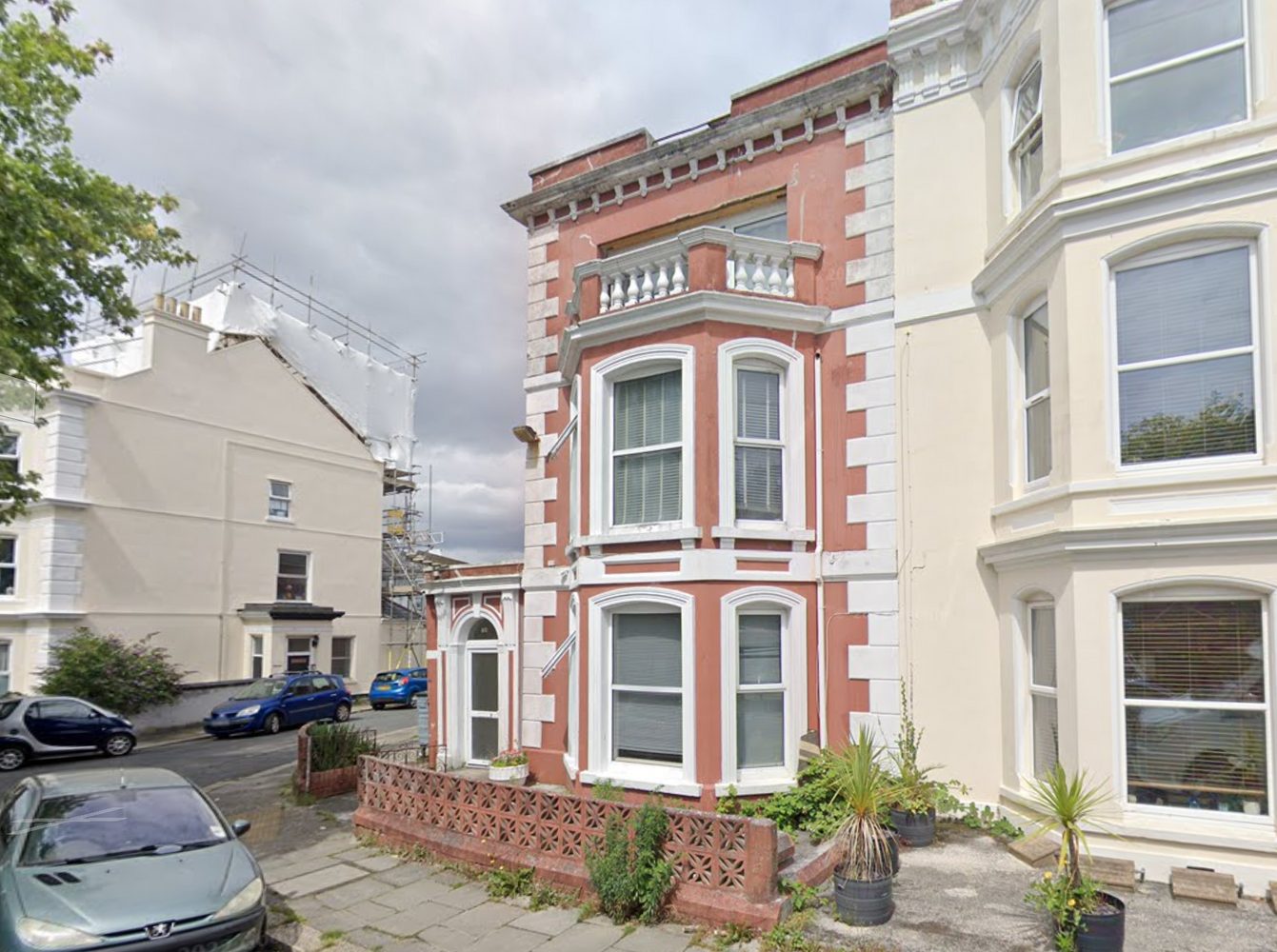
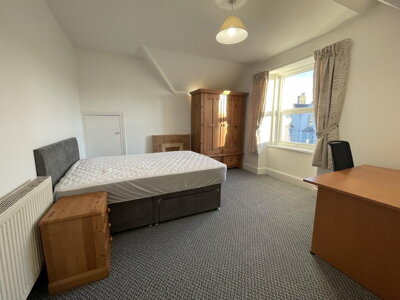
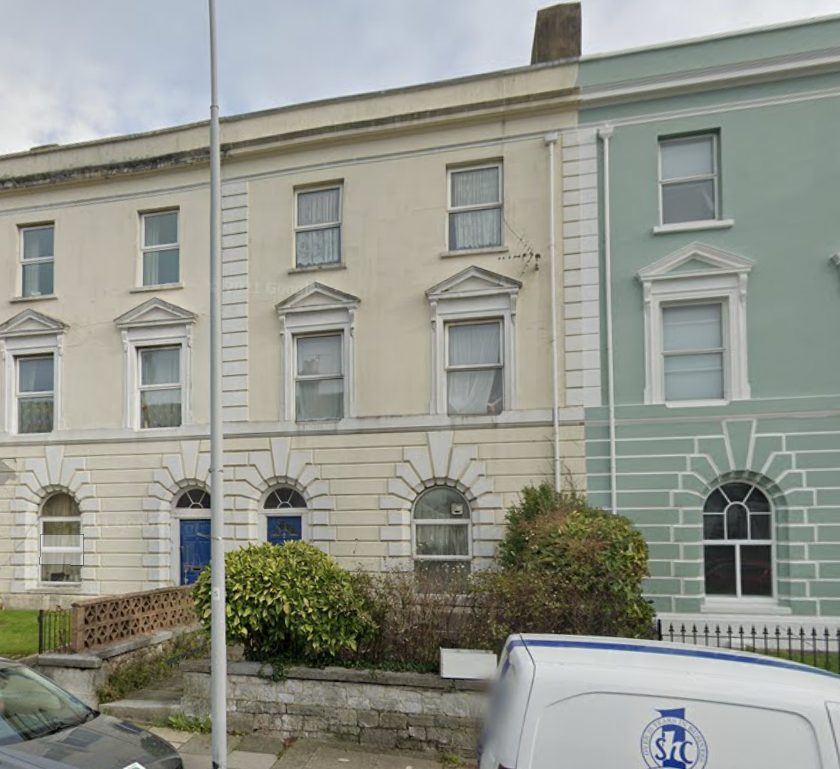
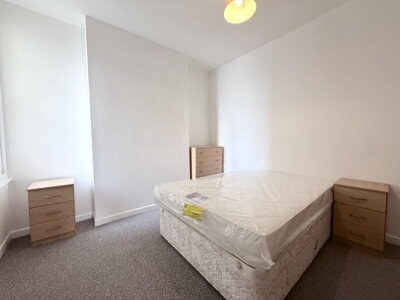
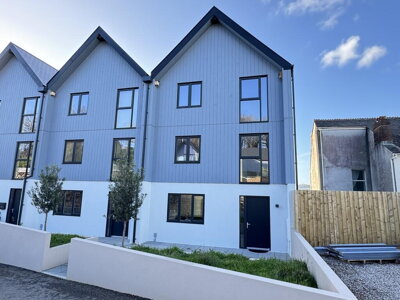
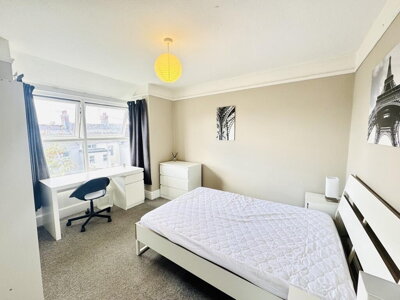
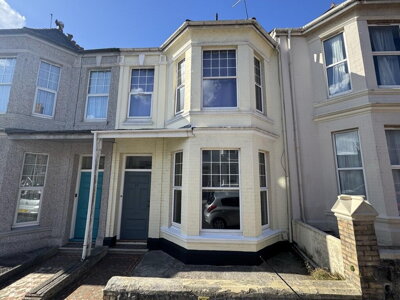
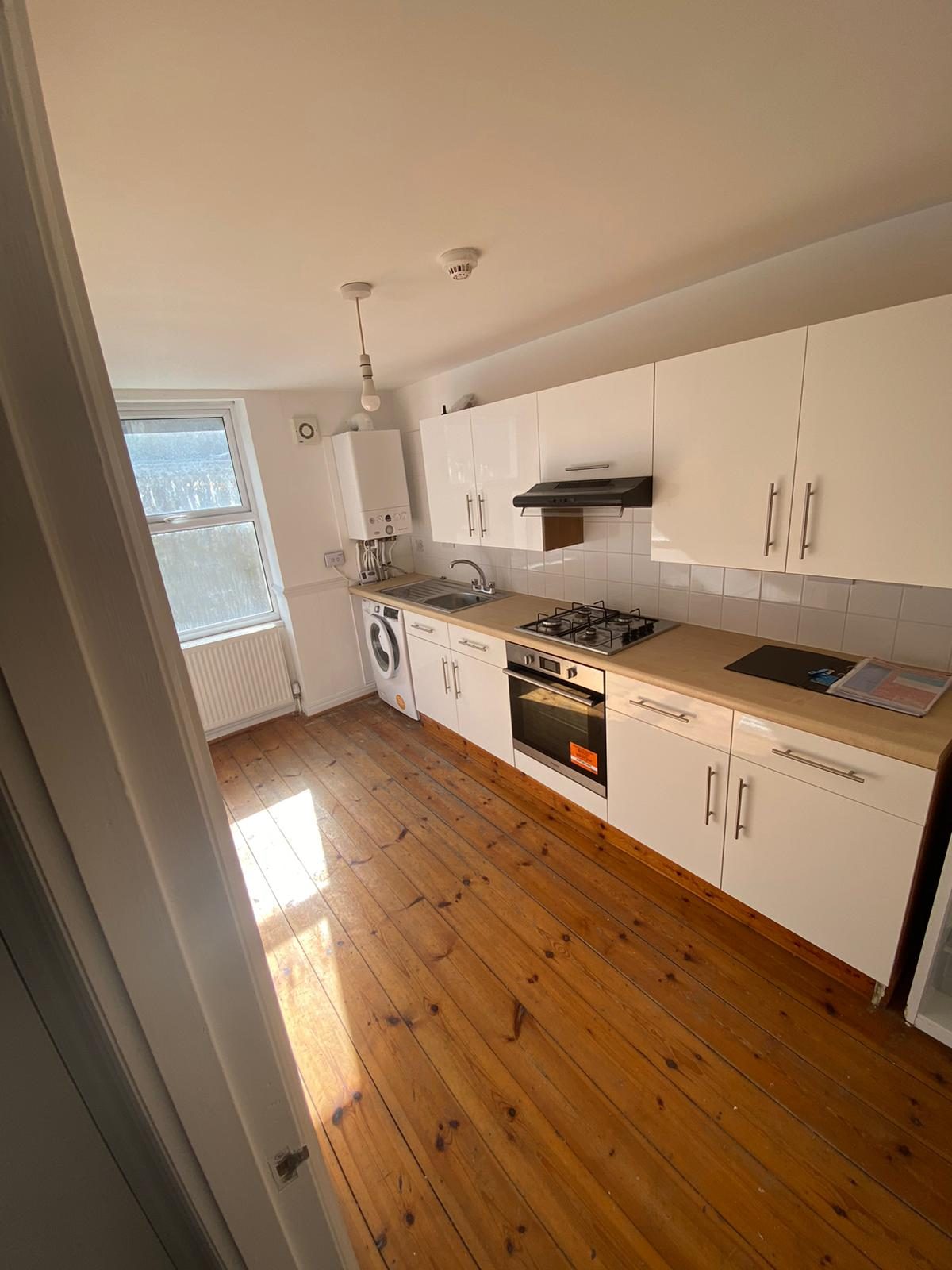
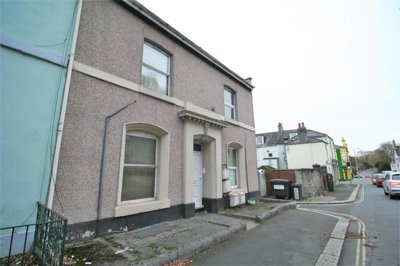
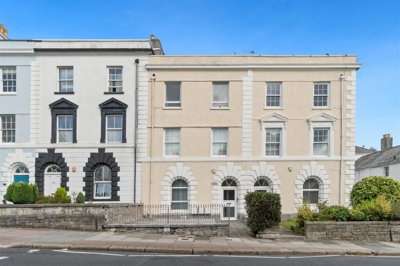
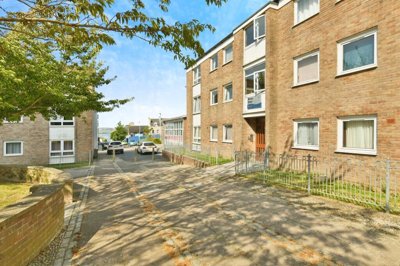
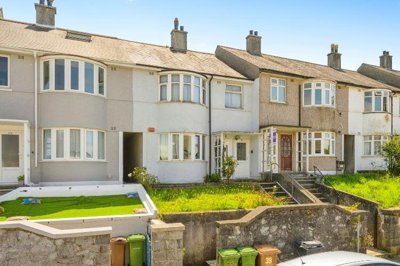
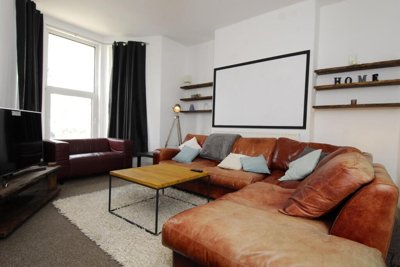
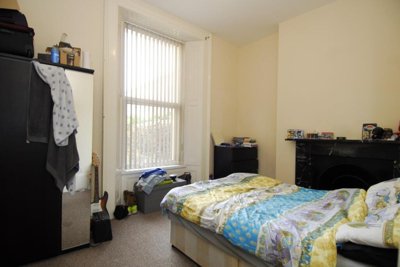
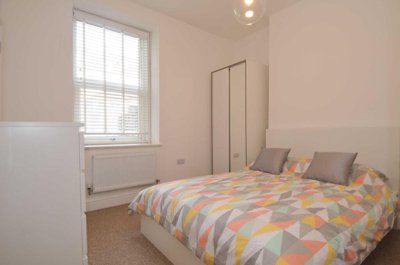
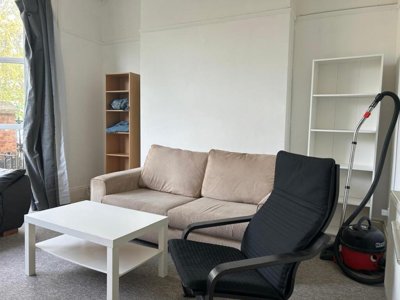
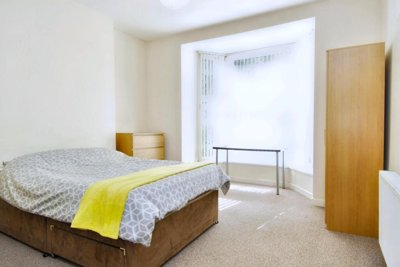
Browse 894 rental homes to rent in Plymouth, England from local letting agents.
£850/m
135
2
75
Source: home.co.uk
Source: home.co.uk
Flat
29 listings
Avg £873
Apartment
24 listings
Avg £922
House
20 listings
Avg £990
Studio
17 listings
Avg £650
Terraced
15 listings
Avg £1,140
House Share
10 listings
Avg £506
Semi-Detached
5 listings
Avg £1,289
End of Terrace
3 listings
Avg £1,633
Ground Flat
3 listings
Avg £917
Bungalow
2 listings
Avg £1,350
Source: home.co.uk
Source: home.co.uk
Rental properties in Plymouth span a wide spectrum of types and price points. One and two-bedroom flats dominate the city centre offerings, particularly around Derriford and the waterfront developments near Sutton Harbour. Terraced houses remain popular in established neighbourhoods like Stoke and Mutley, offering more space for families at competitive prices. Larger detached and semi-detached homes can be found in suburban areas such as Plympton, Plymstock, and Derriford, where rents reflect the additional bedrooms and garden space available.
The city centre has seen significant regeneration in recent years, with new developments bringing modern apartments to areas like Bretonside and the Northern Dock area. These newer properties typically command higher rents but offer contemporary finishes, improved energy efficiency, and amenities such as on-site parking and concierge services. Meanwhile, the historic terraces of Mannamead and Compton provide characterful rental options for those prioritising period features and tree-lined streets over modern conveniences.
For renters working in specific sectors, location choice often hinges on proximity to major employers. Derriford Hospital is one of the largest employers in the region, making the northern corridors of the city particularly popular with NHS staff and healthcare workers. The University of Plymouth and surrounding educational institutions attract academics and students to properties near North Hill and the city centre. Military personnel stationed at HMNB Devonport often seek accommodation in the Devonport and Keyham areas, where shorter commute times add significant value to rental properties.

Plymouth sits in Devon on the south-west coast of England, with a metropolitan population of approximately 264,000 residents. The city is built around its historic harbour, where the waters of the River Plym meet Plymouth Sound. This maritime setting has shaped the city's character for centuries, from Sir Francis Drake's historic voyages to the Royal Navy's continued presence today. The famous Hoe promenade offers sweeping views across the bay, while the Barbican maintains its cobbled streets and whitewashed cottages as a living reminder of Plymouth's Elizabethan past.
Residents of Plymouth enjoy a quality of life that blends coastal living with comprehensive urban amenities. The city centre provides excellent shopping at Drake Circus and the historic Plymouth Market, while numerous restaurants and pubs line the waterfront at Sutton Harbour. Green spaces are abundant, with Dartmoor National Park and Areas of Outstanding Natural Beauty accessible within minutes from most parts of the city. The city hosts major events throughout the year, including the annual British Fireworks Championships and the historic Plymouth Gin Festival, creating a vibrant cultural calendar that keeps the community engaged and connected.
The cost of living in Plymouth remains significantly lower than in larger UK cities, making it an attractive option for renters seeking value without compromising on quality of life. Day-to-day expenses including groceries, entertainment, and dining out tend to be more affordable than in Bristol, Exeter, or London. This financial advantage extends to housing, where renters can secure spacious properties in desirable neighbourhoods at prices that would simply not be possible in more metropolitan areas.

Plymouth's neighbourhoods each offer distinct advantages for different types of renters. City centre living suits young professionals who want walkable access to restaurants, bars, and cultural attractions. The area around Armada Way and the newly developed Bretonside provides modern apartment living with excellent transport links, while the historic Royal William Yard offers converted apartments in stunning waterfront settings. Rents in the city centre typically range from £500-900 per month for a one-bedroom flat, with two-bedroom options generally between £700-1,200 pcm.
For families seeking more space and garden access, the suburban areas of Plympton and Plymstock offer excellent value. These neighbourhoods feature a mix of semi-detached houses, bungalows, and smaller developments that cater to family needs. Plympton is particularly popular with families thanks to its strong primary schools, local shops along Ridgeway, and easy access to the A38 for commuters. Three-bedroom houses in these areas typically rent for £900-1,200 per month, making them significantly cheaper than equivalent properties in most other UK cities.
The coastal neighbourhoods of the Hoe and Mutley Bluff attract renters who prioritise sea views and proximity to Plymouth's famous promenade. These areas feature a mix of Victorian and Edwardian properties alongside modern apartments. While parking can be challenging alongNotifier Terrace and the Hoe, the lifestyle benefits of living steps from the waterfront appeal to many renters. Stoke, situated between the city centre and the northern suburbs, offers a quieter residential atmosphere with good bus connections and properties that often represent excellent value for money.

Plymouth offers comprehensive educational opportunities across all levels, making it an excellent choice for families considering renting in the area. The city hosts over 80 primary schools and numerous secondary schools, including several that consistently achieve above-average Ofsted ratings. Primary schools such as Hooe Primary Academy and Plympton St Mary's CofE Primary School serve their local communities with strong academic foundations, while secondary institutions like Tor Bridge High and Devonport High School for Boys offer excellent GCSE and A-level programmes.
For further and higher education, Plymouth College of Art provides specialist creative courses, while the University of Plymouth serves over 30,000 students across a wide range of undergraduate and postgraduate programmes. The university has established itself as a major research institution, particularly in marine science, engineering, and healthcare. Plymouth Marjon University also offers teacher training and sports courses. Families renting in Plymouth should research specific catchment areas, as school admissions in the city are determined by proximity, and properties within walking distance of high-performing schools command premium rents.
The presence of two universities creates a strong rental market for student accommodation, particularly in areas close to campus such as North Hill, Lockyer Street, and the streets surrounding Derriford Hospital. Student renters typically seek en-suite rooms in shared houses or purpose-built student accommodation, creating opportunities for landlords and investment-minded renters to understand the local market dynamics. This student population also supports a vibrant local economy with cafes, bars, and shops catering to younger residents.

Plymouth benefits from excellent transport connections despite its southwestern position. Plymouth railway station provides regular services to major destinations, with journey times of approximately 3 hours to London Paddington and 1.5 hours to Exeter. The station serves as a key hub for commuters working in Exeter or Bristol who prefer to live in Plymouth's more affordable rental market while maintaining access to larger employment centres. CrossCountry Trains operates services extending to Birmingham, Manchester, and Edinburgh, making Plymouth more accessible than many assume.
Road connectivity is equally strong, with the A38 trunk road running through the city providing direct access to Exeter and the M5 motorway. The A386 connects Plymouth to Tavistock and the northern areas of Devon. For those travelling further afield, Plymouth Ferry Terminal offers services to Santander in Spain and Roscoff in France, providing a continental link that has made the city popular with hauliers and holidaymakers alike. Locally, Plymouth Citybus operates extensive routes throughout the city and surrounding areas, while cycling infrastructure has improved significantly with the Plymouth Cycle Trail connecting major residential areas to the city centre and waterfront.
The Tamar Bridge and King Edward Bridge provide the critical road link across the River Tamar into Cornwall, opening up employment and lifestyle opportunities for those willing to consider the short commute from Cornish towns like Saltash, Torpoint, and Liskeard. Properties in these adjacent areas often rent at lower prices than equivalent Plymouth properties, making them attractive options for commuters who do not require daily access to the city centre. The ferry services from Torpoint to Devonport offer an alternative crossing for those living in southeast Cornwall.

Before searching for rental properties in Plymouth, obtain a rental budget agreement in principle from a lender. This document demonstrates to landlords and letting agents that you can afford the monthly rent and will significantly strengthen your application against competing renters. Most letting agents in Plymouth will expect to see proof of income or a budget agreement before proceeding with any application, particularly for properties priced above £1,000 per month.
Explore different areas of Plymouth to find the neighbourhood that matches your lifestyle. Consider proximity to work, schools, and amenities. City centre flats suit young professionals, while Plympton and Plymstock offer family-friendly environments with more space and gardens. Use Homemove to compare properties across different postcodes and understand the typical rental prices in each area.
Contact local letting agents or apply through Homemove to schedule viewings of properties that interest you. Inspect the property condition carefully, check for any signs of damp or structural issues, and verify what is included in the rent such as white goods or parking. Take photographs during viewings to help compare properties later, and do not hesitate to ask the agent about the EPC rating, council tax band, and any service charges that may apply.
If renting a larger property or an older home, consider booking an EPC assessment or basic property survey to understand the energy efficiency and condition of the property before committing. This helps you budget for potential heating costs and identify any maintenance issues. Properties with low EPC ratings may cost significantly more to heat during Plymouth's damp winter months.
Once your offer is accepted, the letting agent will conduct referencing checks including credit history, employment verification, and previous landlord references. Ensure you understand all terms in your tenancy agreement before signing, paying particular attention to the break clause, notice periods, and responsibilities for repairs and maintenance.
Coordinate with your letting agent to complete a thorough inventory check at move-in. Document the condition of the property with photographs and videos to protect your deposit when you eventually leave. Request a copy of the signed inventory and keep records of all correspondence with your landlord or letting agent throughout your tenancy.
Renting in Plymouth requires the same careful consideration as any major property transaction, with several local factors that prospective tenants should investigate. Properties in coastal areas of Plymouth, particularly those near the Hoe and Sutton Harbour, may be subject to higher insurance costs due to coastal exposure. Similarly, older properties in the Barbican area often have listed building status, which can restrict modifications tenants might otherwise make. Understanding these constraints before signing a tenancy agreement prevents costly misunderstandings later.
Energy efficiency varies significantly across Plymouth's diverse housing stock. Victorian and Edwardian terraced houses in areas like Stoke and Mutley offer character but may have higher heating costs if they lack modern insulation. Newer developments around Derriford and the waterfront tend to offer better EPC ratings but command higher rents to reflect their efficiency. Always request the EPC certificate before committing, as the estimated energy costs form an important part of your monthly budget calculation. Parking arrangements also require careful attention, as city centre properties frequently offer limited or no parking, while suburban rentals may include allocated spaces.
Plymouth's geography brings specific considerations that renters should understand. Properties built on the hillside areas of Peverell and Hartley can experience issues with damp in ground floor rooms, particularly during the wetter winter months. Properties near the estuary and harbour areas may occasionally experience minor flooding during severe weather events, so checking the flood risk history of any specific property is advisable. Letting agents should be able to provide information about any known issues, but we always recommend visiting the property in person before committing to a tenancy.

Renting a property in Plymouth involves several upfront costs beyond the first month's rent that new tenants should budget for carefully. The standard security deposit is five weeks' rent, which for a typical Plymouth rental at £795 per month amounts to £3,975. This deposit is protected in a government-approved scheme within 30 days of the tenancy start date, and you will receive information about which scheme holds your deposit. Holding deposits of around one week's rent may also be requested to secure a property while referencing is completed.
Additional fees in Plymouth typically include referencing charges of £150-300 per applicant, which cover credit checks, employment verification, and previous landlord references. Administration fees vary between letting agents, with some charging flat fees and others applying percentage-based charges. The check-in fee at the start of your tenancy usually ranges from £100-200, covering the inventory preparation that documents the property's condition. When leaving, ensure you budget for the check-out fee and any potential deposit deductions for cleaning or damage beyond normal wear and tear.
The Tenant Fees Act 2019 restricts the fees landlords and letting agents can charge, meaning most legitimate agents in Plymouth should not charge administration fees for standard tenancy services. However, fees for late payment, early termination, or replacement keys remain permissible. Always request a full breakdown of all potential costs in writing before proceeding with any rental application, and never pay fees to agents who are not transparent about their charges.
The average rental price in Plymouth is approximately £795 per calendar month, with properties ranging from around £295 pcm for single rooms and studios up to £2,600 pcm for large family homes with multiple bedrooms and gardens. City centre flats typically start from £500-700 pcm for a one-bedroom, while three-bedroom houses in family areas like Plympton or Plymstock generally fall between £900-1,200 pcm. Prices have remained relatively stable over the past year, with minimal fluctuation in the Plymouth rental market.
Plymouth is administered by Plymouth City Council, and council tax bands follow the standard England banding system from A to H. Most terraced houses in Plymouth fall into Band A or B, while larger semi-detached and detached properties typically sit in Bands C through E. Flats and apartments vary widely depending on their valuation. Prospective tenants should verify the specific band with the letting agent, as council tax constitutes a significant addition to monthly rental costs. You can check current Plymouth City Council tax bands online using the property address.
Plymouth has several highly-rated schools across all levels. Primary schools including Hooe Primary Academy, Plympton St Mary's CofE Primary School, and High Street Primary consistently achieve good Ofsted ratings. At secondary level, Tor Bridge High, Devonport High School for Boys, and Plympton School offer strong academic programmes. Plymouth Grammar School serves students in years 7-11, while Plymouth High School for Girls provides specialist education. For higher education, the University of Plymouth is a major institution recognised for research excellence in marine science and engineering.
Plymouth railway station offers regular services to London, Exeter, Bristol, and Birmingham, with CrossCountry Trains providing connections to major northern cities including Manchester and Edinburgh. Plymouth Citybus operates comprehensive routes throughout the city and surrounding areas, with services running from early morning until late evening. The city is also served by National Express coaches. For travel to Cornwall, the Tamar Bridge provides road access, while ferry services connect Plymouth to continental Europe via Brittany Ferries routes to Santander and Roscoff.
Plymouth offers excellent value for renters compared to many other UK cities, with rental prices significantly below the national average for comparable property types. The city provides strong employment opportunities through the University of Plymouth, Derriford Hospital, and Ministry of Defence contracts at HMNB Devonport. The quality of life benefits from coastal living, abundant green spaces including access to Dartmoor, and comprehensive amenities. Families appreciate the range of good schools, while young professionals enjoy the vibrant waterfront social scene at Sutton Harbour and the growing creative sector centred around the Barbican and Royal William Yard.
Standard deposits in Plymouth are equivalent to five weeks' rent, calculated as annual rent divided by 52, multiplied by five. For a property at the average rent of £795, this equates to approximately £3,975. Most letting agents charge referencing fees of £150-300 per applicant, along with administration charges and a check-in fee of £100-200. Since the Tenant Fees Act came into force, many agents no longer charge administration fees for standard tenancy services, though this varies by agency. Always request a full breakdown of costs before proceeding with any application.
The best area depends on your priorities and circumstances. City centre areas suit those who want walkability and access to amenities, while Plympton and Plymstock offer better value for families prioritising space and school access. Derriford remains popular with healthcare workers due to proximity to the hospital, while the Hoe and Mutley areas attract those seeking coastal living. Each neighbourhood has distinct rental characteristics, with prices typically 10-20% higher in the most desirable postcodes around the Hoe and Royal William Yard.
During viewings, check the EPC rating displayed on the wall-mounted certificate, test window locks and heating systems, and look for signs of damp particularly in basement and ground floor properties. Verify parking arrangements and whether they are included in the rent. Ask about council tax bands, broadband availability, and any planned maintenance or service charge increases. In older properties, check whether the landlord has fitted secondary glazing or updated insulation, as these improvements can significantly affect winter comfort in Plymouth's exposed coastal climate.
From 4.5%
Helps you understand what rent you can afford before starting your search
From £150
Comprehensive referencing checks required by most Plymouth letting agents
From £70
Understand energy efficiency and estimated heating costs
From £80
Protect your deposit with a thorough move-in condition report
Properties to Rent In London

Properties to Rent In Plymouth

Properties to Rent In Liverpool

Properties to Rent In Glasgow

Properties to Rent In Sheffield

Properties to Rent In Edinburgh

Properties to Rent In Coventry

Properties to Rent In Bradford

Properties to Rent In Manchester

Properties to Rent In Birmingham

Properties to Rent In Bristol

Properties to Rent In Oxford

Properties to Rent In Leicester

Properties to Rent In Newcastle

Properties to Rent In Leeds

Properties to Rent In Southampton

Properties to Rent In Cardiff

Properties to Rent In Nottingham

Properties to Rent In Norwich

Properties to Rent In Brighton

Properties to Rent In Derby

Properties to Rent In Portsmouth

Properties to Rent In Northampton

Properties to Rent In Milton Keynes

Properties to Rent In Bournemouth

Properties to Rent In Bolton

Properties to Rent In Swansea

Properties to Rent In Swindon

Properties to Rent In Peterborough

Properties to Rent In Wolverhampton

Enter your details to see if this property is within your budget.
Loans, cards, car finance
Estimated property budget
Borrowing + deposit
You could borrow between
Typical borrowing
Monthly repayment
Est. at 4.5%
Loan-to-value
This is an estimate only. Your actual budget may vary depending on interest rates, credit history, and personal circumstances. For an accurate affordability assessment, speak to one of our free mortgage advisors.
This calculator provides estimates for illustrative purposes only and does not constitute financial advice. Your home may be repossessed if you do not keep up repayments on your mortgage. Estimates based on 4.5% interest rate, repayment mortgage. Actual rates depend on your circumstances.
Homemove is a trading name of HM Haus Group Ltd (Company No. 13873779, registered in England & Wales). Homemove Mortgages Ltd (Company No. 15947693) is an Appointed Representative of TMG Direct Limited, trading as TMG Mortgage Network, which is authorised and regulated by the Financial Conduct Authority (FRN 786245). Homemove Mortgages Ltd is entered on the FCA Register as an Appointed Representative (FRN 1022429). You can check registrations at NewRegister or by calling 0800 111 6768.

We use cookies to show you personalised content and improve your experience of our website. Find out more in our Privacy policy and Cookie policy.