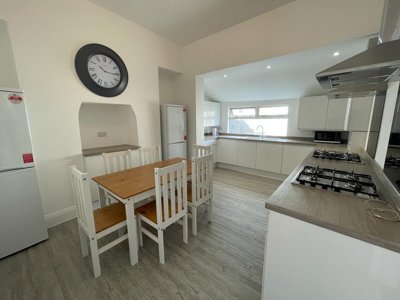
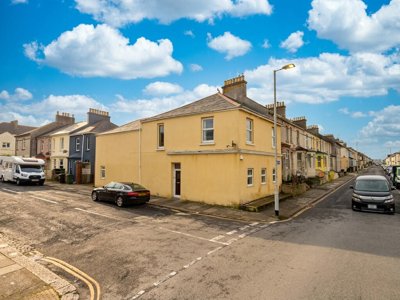
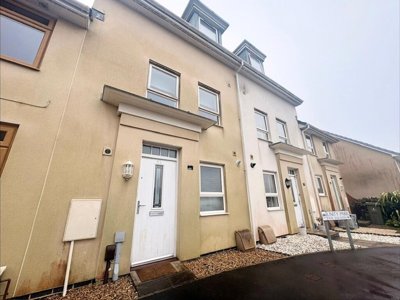
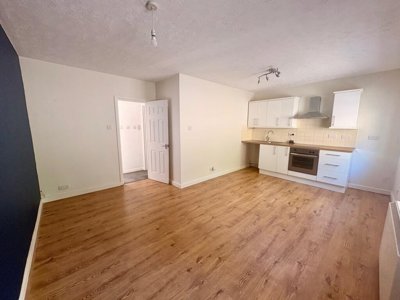
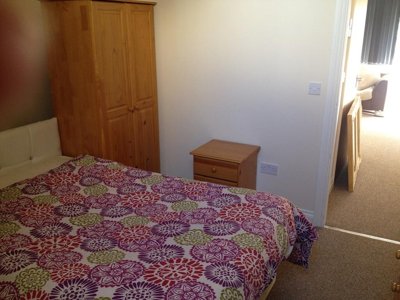
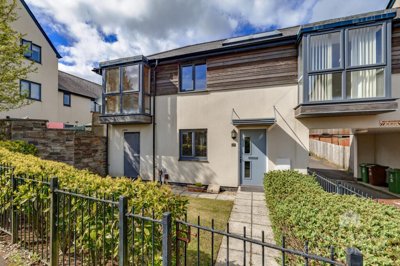
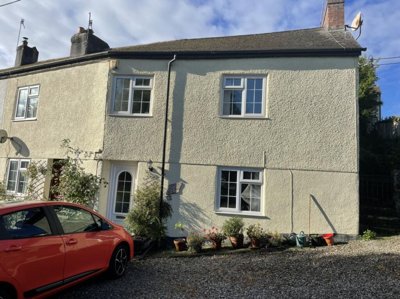
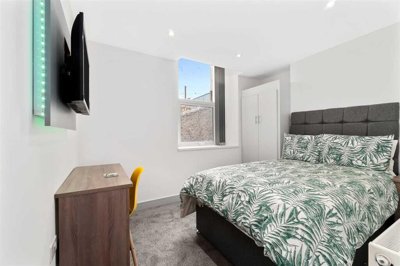
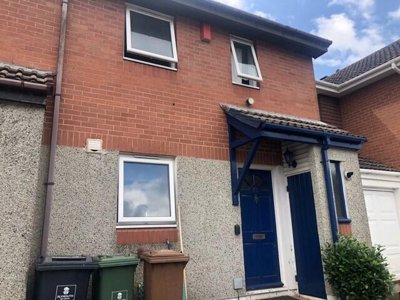
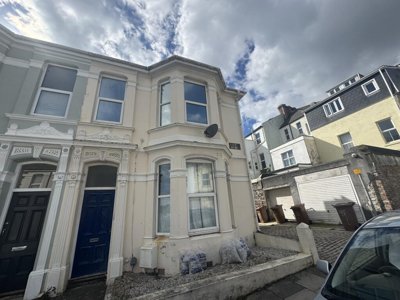
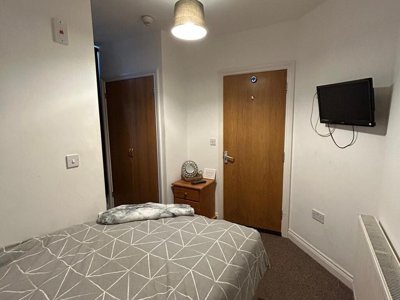
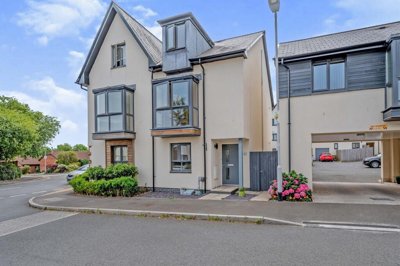
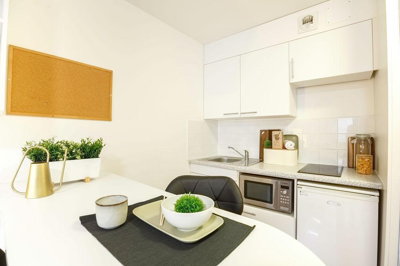
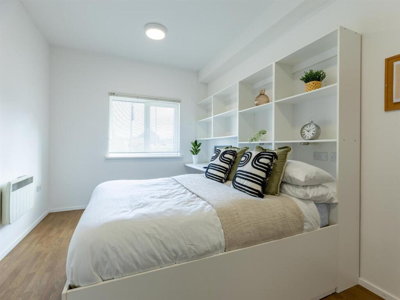
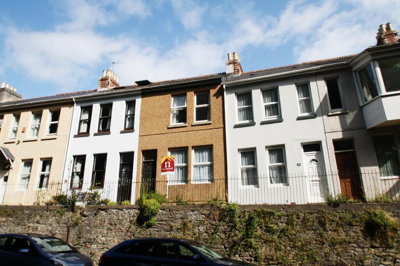
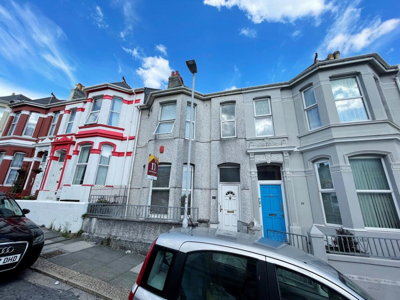
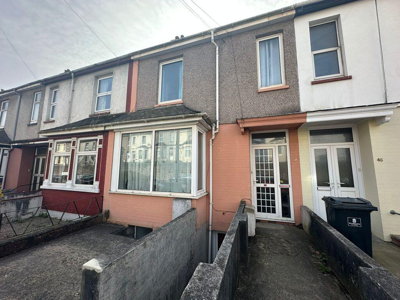
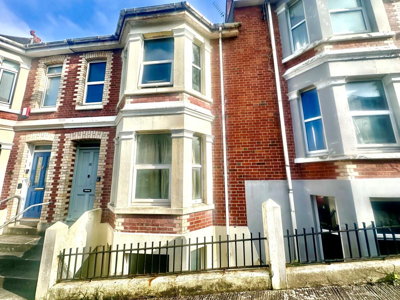
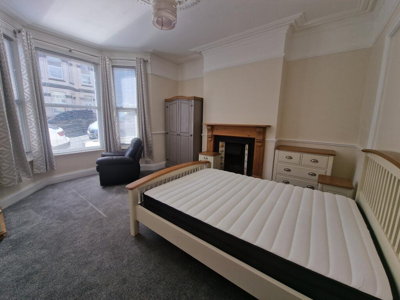
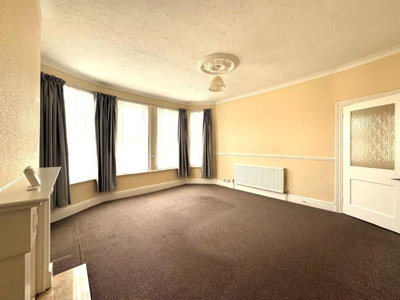
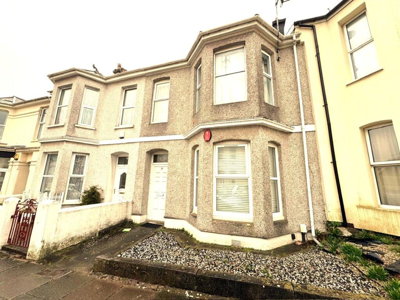
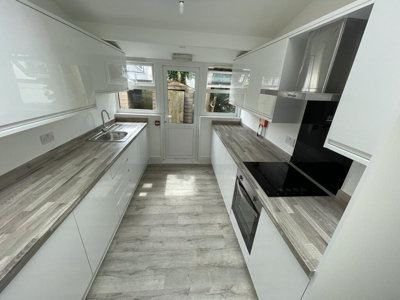
Browse 76 rental homes to rent in PL7 from local letting agents.
£1,425/m
4
0
13
Source: home.co.uk
Source: home.co.uk
Semi-Detached
2 listings
Avg £1,425
Detached
1 listings
Avg £1,550
Studio
1 listings
Avg £600
Source: home.co.uk
Source: home.co.uk
The PL7 rental market offers tenants a variety of property types to explore, ranging from purpose-built flats ideal for first-time renters to spacious detached homes suited to growing families. Our data shows that the overall average house price in PL7 stands at £278,238, representing a 2% increase on the previous year and a 1% rise compared to the 2022 peak of £274,994. This steady price appreciation indicates a resilient market that has continued to perform well despite broader economic conditions, making it an attractive area for both renters and investors. The sales market strength often translates to competitive rental pricing, so prospective tenants should act decisively when they find a suitable property.
Property types available for rent in PL7 include semi-detached houses, which form the majority of the housing stock in this area, alongside terraced properties, detached family homes, and ground-floor or upper-floor apartments. Average prices for different property types provide useful context for renters: detached properties command around £422,654 in the sales market, semi-detached homes average approximately £269,892, terraced properties sit around £227,601, and flats average £168,315. While rental prices naturally differ from these sale values, understanding the sales market helps contextualise rental demand and availability in this sought-after postcode. Over the last five years, property prices in PL7 have increased by approximately 11.48%, demonstrating sustained growth that reflects the area's enduring popularity.
The number of property transactions in PL7 reached 395 sales over the past year, with the majority of properties selling in the £218,000 to £266,000 price range. This transaction volume indicates healthy market activity and suggests that landlords purchasing investment properties here are confident in tenant demand. Prospective renters should budget accordingly, as the strong sales market often means landlords have realistic expectations around rental yields. Rental prices in the PL7 area typically sit between 4% and 6% of the property value annually, though this varies based on condition, location within the postcode, and current market demand. We recommend searching our live listings for the most accurate current rental pricing in the PL7 area, as market conditions change regularly.

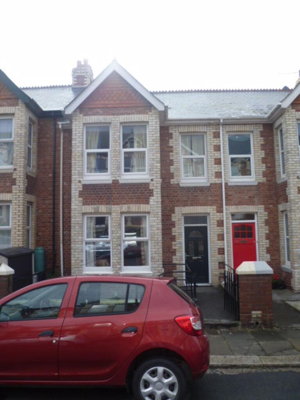
Plympton, the community the PL7 postcode covers, boasts a rich heritage dating back to medieval times, with Plympton St Maurice recognised for its historic character and architectural significance. The area features a distinctive blend of period properties and modern developments, creating a streetscape that tells the story of centuries of growth and adaptation. Many older properties in Plympton are constructed from local stone or brick with slate or tile roofs, reflecting traditional building methods that have served the community well over generations. This architectural diversity means renters can choose between characterful period homes and contemporary accommodation, depending on their preferences and requirements.
The local community in Plympton thrives around its array of independent shops, traditional Devon pubs, and essential services that cater to everyday needs without requiring a trip into central Plymouth. Residents enjoy access to several parks and green spaces, providing recreational opportunities for families, dog walkers, and those who simply appreciate outdoor environments. The River Plym flows through the area, with tributaries creating natural features that enhance the local landscape while also necessitating awareness of potential flood risk for properties located close to watercourses. The demographic profile of PL7 reflects a balanced community that includes families, professionals, and retirees, all drawn to the area's combination of amenity provision and residential quality.
Major employers within reasonable commuting distance of PL7 include HMNB Devonport, one of the largest naval bases in Western Europe, which provides significant employment for local residents in various civilian and military roles. Derriford Hospital, the major acute hospital serving Plymouth and the wider region, also attracts healthcare professionals to the area, many of whom choose to live in PL7 for its accessibility and family-friendly environment. The University of Plymouth adds further employment and student rental demand to the local housing market. This diverse economic base helps maintain consistent rental demand in PL7 throughout the year, benefiting both landlords and long-term tenants seeking stability.

Education provision in the PL7 area ranks among the key factors attracting families to this part of Plymouth, with several well-regarded primary and secondary schools located within easy reach of most properties. Primary schools in and around Plympton serve younger children with dedicated facilities and strong community links, while secondary education is available through local schools that prepare students for GCSE and A-Level examinations. Parents researching rental properties in PL7 should consult the latest Ofsted reports and school performance data to identify institutions that match their children's educational needs, as catchment areas can significantly influence school placement.
For students considering further and higher education, the University of Plymouth is accessible from PL7 via regular transport connections, offering undergraduate and postgraduate programmes across multiple disciplines. The presence of this major educational institution influences the local housing market, as university staff and postgraduate students contribute to demand for rental accommodation in surrounding areas. Plympton itself does not host larger further education colleges, but these are available within Plymouth and can be reached via the area's reliable bus services or by car. Families prioritising educational provision will find PL7 offers a solid selection of schooling options at all levels, making it a sensible choice for those with school-age children.
When renting in PL7 with school-age children, it is worth noting that some properties may fall within specific school catchment areas, and this can affect both the suitability of a location and the long-term rental value of the property. Schools serving the PL7 area include those rated Good or Outstanding by Ofsted, and we recommend verifying current catchments directly with Plymouth City Council as these can change over time. Renting near well-performing schools often means higher demand from families seeking to secure places, so properties in these locations may let more quickly and command slightly higher rents. For tenants without children, proximity to schools can still be advantageous as these areas typically benefit from good park facilities, family-oriented amenities, and strong community atmosphere.

Connectivity ranks as a major strength of the PL7 postcode area, with residents able to access multiple transport options for commuting, leisure, and daily travel needs. The area sits close to major road arteries that serve Plymouth and the wider Devon region, including the A38 which provides direct access to Exeter and the national motorway network beyond. For those working in Plymouth city centre, the journey from PL7 can be completed efficiently by car during off-peak periods, though traffic congestion during rush hours may extend journey times. Public transport options supplement road travel, with bus services connecting Plympton to central Plymouth and surrounding communities at regular intervals throughout the day.
Rail travel is available from Plymouth station, which offers services to destinations including London Paddington, Bristol, and Exeter, with journey times to the capital taking approximately three to four hours depending on the service. From PL7, reaching Plymouth station typically involves a bus connection or driving, with most residents finding the station accessible for occasional rail travel even if daily commuting by train proves less practical. Cycling infrastructure has improved in recent years, with dedicated routes making it possible for some residents to commute by bike, particularly during favourable weather conditions. Parking provision varies by specific location within PL7, with some properties offering off-street parking while others rely on available on-street parking, a consideration for those with vehicles.
For commuters working at major local employers such as Derriford Hospital or HMNB Devonport, travelling from PL7 by car is often the most practical option, though bus services do operate to these destinations. The A386 provides direct access to Derriford Hospital from the PL7 area, while reaching Devonport may involve travel via the A38 and A374. Many residents who work in Plymouth city centre find that parking at their workplace is more readily available than in central areas, making the commute from PL7 relatively straightforward by car. Those without vehicles can rely on the regular bus services that operate through Plympton, connecting to Plymouth's broader public transport network including rail services at Plymouth station.

Before viewing rental properties in PL7, obtain a rental budget agreement in principle from a lender or broker to understand how much you can afford in monthly rent and associated costs. Having your finances prepared demonstrates to landlords that you are a serious applicant, which can be particularly advantageous in competitive rental situations. Budget for not just rent but also council tax, utility bills, contents insurance, and potential moving costs.
Spend time exploring different neighbourhoods within the PL7 postcode, considering factors such as proximity to schools, transport links, local amenities, and commute times to your workplace. Our team can provide guidance on which areas of Plympton suit different lifestyles, whether you prioritised access to green spaces, proximity to shops, or quick connections to Plymouth city centre. Take time to visit at different times of day to get a genuine feel for each neighbourhood.
Once you have identified suitable rental properties, contact the relevant estate agents or landlords to schedule viewings and assess the condition and character of each home. We recommend viewing multiple properties before making a decision, as this gives you a benchmark for comparing value, condition, and location. Take notes and photos during viewings to help you compare properties later.
Consider commissioning a RICS Level 2 Survey on any property you are seriously considering, particularly for older homes where defects such as damp, roof issues, or structural concerns may be present. Properties in PL7 include many built before 1980, where issues like rising damp, timber decay, or outdated electrics are more commonly encountered. A professional survey costs from £350 and can save you significant expense and stress by identifying problems before you commit to a tenancy.
When you find your ideal rental property, submit your application promptly with references, proof of income, and identification as required by the landlord or agent. Having your documentation prepared in advance speeds up the application process and demonstrates your organisation and reliability as a potential tenant.
Upon acceptance, your references will be checked, and you will sign your tenancy agreement before receiving the keys to your new PL7 home. Ensure you understand your responsibilities for maintenance and repairs, clarify what is included in the rent, and confirm the deposit protection scheme being used. We recommend reading the tenancy agreement thoroughly before signing and asking questions about anything that is unclear.
Renting a property in PL7 requires careful attention to several area-specific factors that could influence your enjoyment and the long-term viability of your tenancy. Given the mix of property ages in this postcode, prospective tenants should be aware that older properties, particularly those in historic areas like Plympton St Maurice, may require more maintenance and could harbour issues such as damp, outdated electrics, or plumbing problems. Properties over 50 years old represent a significant portion of the housing stock, and a thorough inspection during the viewing process can help identify potential concerns before you commit. Energy efficiency also varies considerably between older and newer properties, with consequent implications for heating costs.
Environmental considerations also merit attention when renting in PL7, as some areas may be susceptible to surface water flooding during periods of heavy rainfall due to overwhelmed drainage systems in certain locations. Properties situated close to the River Plym or its tributaries face higher fluvial flood risk, so it is worth investigating the specific flood risk assessment for any property you are considering. Conservation area restrictions may apply to certain properties, limiting what alterations or improvements tenants can undertake during their tenancy. Always review your tenancy agreement carefully and clarify responsibilities for maintenance and repairs with your landlord before signing.
Our inspectors frequently encounter specific defects in PL7 rental properties that prospective tenants should watch for during viewings. In older properties, look for signs of rising damp along ground-floor walls, particularly in properties with solid rather than suspended concrete floors. Roof condition is another common concern, with worn or slipped tiles potentially leading to leaks, and defective lead flashings around chimneys often causing problems. In properties built during the post-war period, watch for potential cavity wall tie corrosion and any signs of structural movement that might indicate foundation issues. We strongly recommend arranging a RICS Level 2 Survey before committing to any rental in PL7, as this investment can reveal defects that are not visible during a standard viewing and potentially save you thousands in unexpected repair costs.

Understanding the full financial picture when renting in PL7 helps you budget effectively and avoid surprises during the application process. The standard security deposit for rental properties in England is equivalent to five weeks' rent, held in a government-approved deposit protection scheme throughout your tenancy and returned at the end, subject to any deductions for damage or unpaid rent. First-time renters may benefit from zero deposit products, which require an upfront fee but eliminate the need for a large cash deposit. Always clarify the deposit arrangements with your landlord or letting agent before committing to a property, as terms can vary between providers.
Beyond the deposit, prospective tenants should budget for several additional costs when renting in PL7. The first month's rent is typically required in advance, and holding deposits of one week's rent may be asked to secure a property while references are checked. Letting agent fees, where applicable, cover administrative tasks such as referencing and tenancy preparation, and these should be clearly explained before you submit any application. Moving costs, contents insurance, and connection fees for utilities and broadband represent further expenses to factor into your overall budget. Taking a comprehensive view of all costs ensures you can move into your new PL7 home with confidence and financial clarity.
Council tax in PL7 falls under Plymouth City Council's jurisdiction, with most residential properties here falling within council tax bands A through D. Band A represents the lowest annual charge while band H is the highest, and your specific band will be detailed in your tenancy documents. Students, individuals with disabilities, and certain other groups may qualify for council tax exemptions or discounts, so it is worth checking your eligibility. Utility costs will vary depending on the property size, insulation quality, and your usage patterns, with older properties in PL7 often requiring higher heating bills due to less effective insulation. We recommend setting up utilities as soon as your tenancy is confirmed and comparing providers to ensure you are getting the best rates available.

While specific rental price data for PL7 requires checking current listings, the sales market provides useful context with an overall average house price of £278,238. Detached properties average around £422,654, semi-detached homes approximately £269,892, terraced properties £227,601, and flats £168,315. Rental prices typically sit between 4% and 6% of the property value annually, though this varies based on condition, location, and current market demand. For example, a semi-detached property valued at £269,892 might rent for between £450 and £700 per month depending on condition and location within PL7. We recommend searching our live listings for the most accurate current rental pricing in the PL7 area.
Properties in the PL7 postcode fall under Plymouth City Council's jurisdiction for council tax purposes. Council tax bands range from A to H and are determined by the property's assessed value. Most residential properties in PL7 fall within bands A through D, with band A being the lowest charge and band H the highest. You can verify the specific band for any property through the Valuation Office Agency website or your tenancy documents. Properties in newer developments within PL7 may fall into higher bands due to their assessed value, while older period properties in areas like Plympton St Maurice are more likely to be in lower bands.
The PL7 area offers several well-regarded educational options, with primary schools serving younger children within the community and secondary schools accessible for older students. Parents should consult the latest Ofsted reports to identify the highest-performing schools, as Ofsted ratings are updated regularly and can change over time. The University of Plymouth is also accessible from PL7 for higher education, making this postcode attractive to families at all stages of their children's education. When renting in PL7, always verify school catchments directly with Plymouth City Council, as these can affect which schools your children can attend.
Public transport in PL7 primarily operates through bus services that connect Plympton to Plymouth city centre and surrounding communities at regular intervals throughout the day. The nearest railway station is Plymouth station, which offers services to London, Bristol, Exeter, and other major destinations with journey times to London Paddington taking approximately three to four hours. From PL7, you can reach Plymouth station by bus or car, with most residents finding the A38 provides convenient access for those travelling further afield. The A38 itself offers direct road connections to Exeter and the national motorway network beyond.
Plympton in the PL7 postcode represents an excellent rental location for many tenants, offering a balanced combination of residential quality, local amenities, and connectivity. The area benefits from strong local schools, comprehensive shopping facilities, and an established community atmosphere that appeals to families, professionals, and retirees alike. The steady appreciation in property values, with a 2% increase over the previous year and 11.48% growth over five years, indicates ongoing demand that supports a stable rental market. Properties range from period homes with character to modern apartments, providing options across different price points. Major local employers including HMNB Devonport, Derriford Hospital, and the University of Plymouth help maintain consistent tenant demand in this area.
When renting a property in PL7, you will typically need to pay a security deposit equivalent to five weeks' rent, held by your landlord in a government-approved deposit protection scheme throughout your tenancy and returned at the end, subject to any deductions for damage or unpaid rent. Holding deposits of around one week's rent may also be required to secure a property while referencing is completed. As a first-time renter, you may be eligible for zero deposit requirements through a deposit replacement product, though this varies by landlord. Additional costs to budget for include the first month's rent in advance, any administrative fees charged by the letting agent, moving costs, and connection fees for utilities and broadband. Council tax will also be payable monthly, with the amount depending on your property's council tax band under Plymouth City Council.
PL7 benefits from its inland location, which significantly reduces direct coastal flood risk compared to properties closer to Plymouth's waterfront. However, properties situated near the River Plym or its tributaries face higher fluvial flood risk during periods of extended rainfall. Surface water flooding can also occur in low-lying areas and those with overwhelmed drainage systems, particularly during heavy downpours. We recommend checking the Environment Agency flood risk maps for any specific property you are considering renting in PL7. Properties in historic areas may also have older drainage systems that coped less well with modern rainfall intensity, so factor this into your assessment.
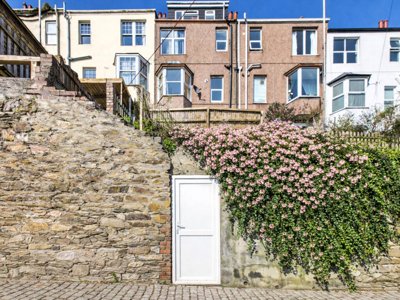
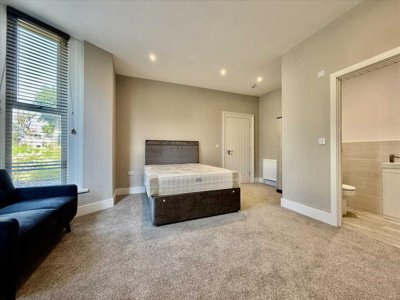
The PL7 rental market offers a diverse range of property types to suit different needs and budgets. Semi-detached houses form the majority of the housing stock in this area, making them a common rental option alongside terraced properties, detached family homes, and apartments ranging from ground-floor flats to upper-floor maisonettes. Many properties in PL7 date from the interwar period (1919-1945) or earlier, offering period features such as original fireplaces, high ceilings, and bay windows that appeal to those seeking character homes. Newer developments in parts of PL7 provide contemporary accommodation with modern insulation, double glazing, and energy-efficient heating systems.
From 4.5%
Get expert mortgage advice for your rental property purchase
From £149
Comprehensive referencing services for landlords and tenants
From £350
Professional property survey to identify defects before you commit
From £85
Energy performance certificate for your rental property
Properties to Rent In London

Properties to Rent In Plymouth

Properties to Rent In Liverpool

Properties to Rent In Glasgow

Properties to Rent In Sheffield

Properties to Rent In Edinburgh

Properties to Rent In Coventry

Properties to Rent In Bradford

Properties to Rent In Manchester

Properties to Rent In Birmingham

Properties to Rent In Bristol

Properties to Rent In Oxford

Properties to Rent In Leicester

Properties to Rent In Newcastle

Properties to Rent In Leeds

Properties to Rent In Southampton

Properties to Rent In Cardiff

Properties to Rent In Nottingham

Properties to Rent In Norwich

Properties to Rent In Brighton

Properties to Rent In Derby

Properties to Rent In Portsmouth

Properties to Rent In Northampton

Properties to Rent In Milton Keynes

Properties to Rent In Bournemouth

Properties to Rent In Bolton

Properties to Rent In Swansea

Properties to Rent In Swindon

Properties to Rent In Peterborough

Properties to Rent In Wolverhampton

Enter your details to see if this property is within your budget.
Loans, cards, car finance
Estimated property budget
Borrowing + deposit
You could borrow between
Typical borrowing
Monthly repayment
Est. at 4.5%
Loan-to-value
This is an estimate only. Your actual budget may vary depending on interest rates, credit history, and personal circumstances. For an accurate affordability assessment, speak to one of our free mortgage advisors.
This calculator provides estimates for illustrative purposes only and does not constitute financial advice. Your home may be repossessed if you do not keep up repayments on your mortgage. Estimates based on 4.5% interest rate, repayment mortgage. Actual rates depend on your circumstances.
Homemove is a trading name of HM Haus Group Ltd (Company No. 13873779, registered in England & Wales). Homemove Mortgages Ltd (Company No. 15947693) is an Appointed Representative of TMG Direct Limited, trading as TMG Mortgage Network, which is authorised and regulated by the Financial Conduct Authority (FRN 786245). Homemove Mortgages Ltd is entered on the FCA Register as an Appointed Representative (FRN 1022429). You can check registrations at NewRegister or by calling 0800 111 6768.

We use cookies to show you personalised content and improve your experience of our website. Find out more in our Privacy policy and Cookie policy.