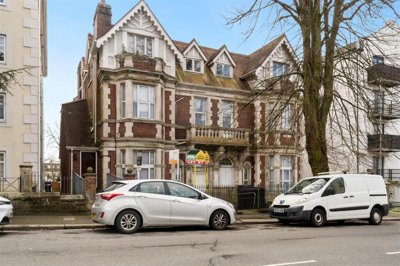
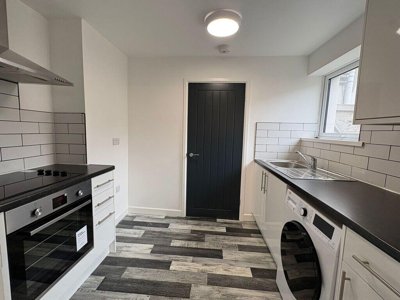
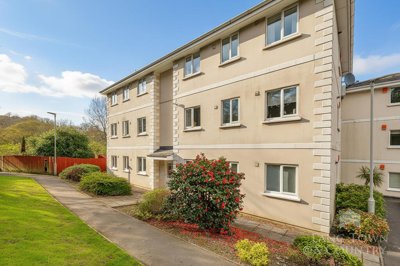
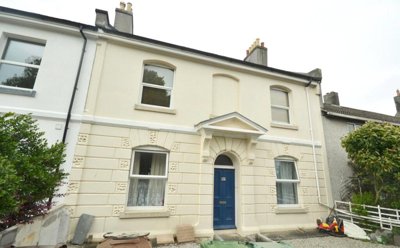
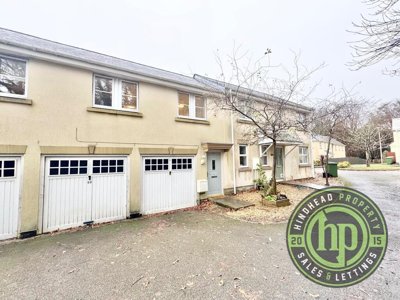
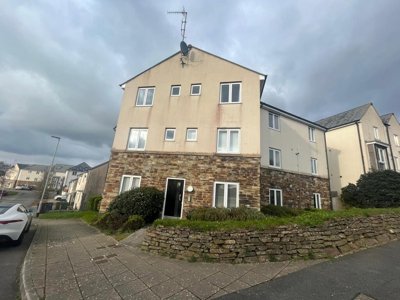
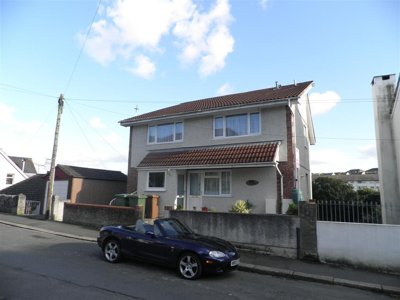
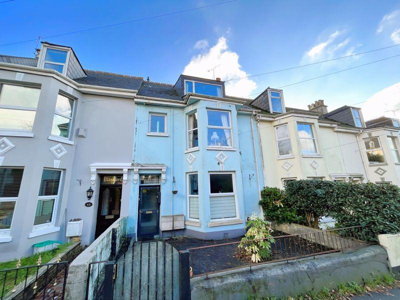
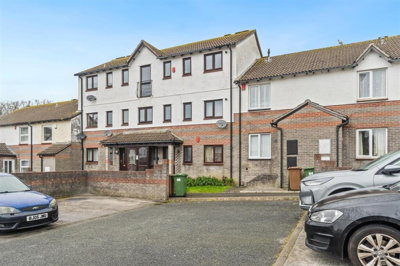
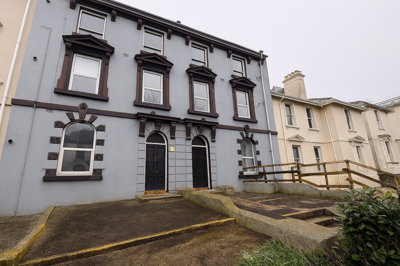
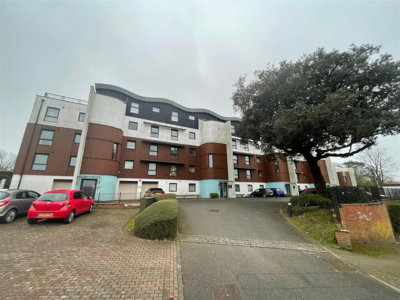
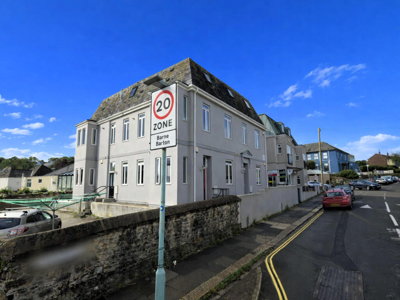
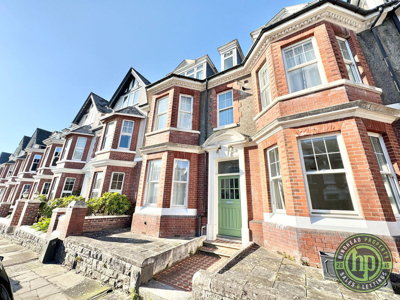
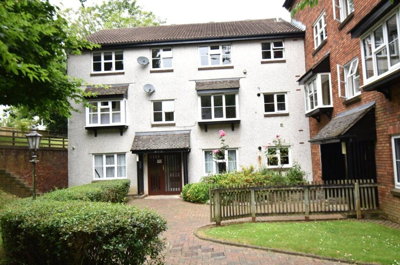
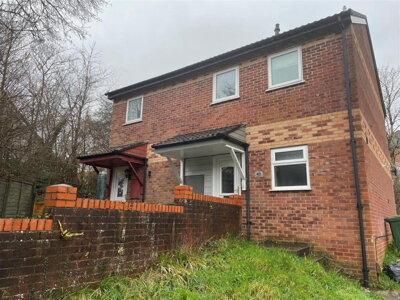
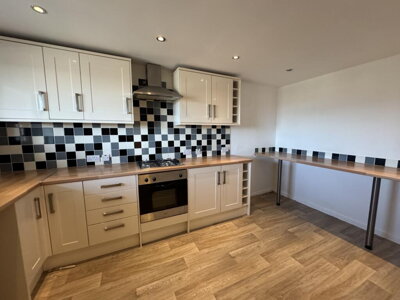
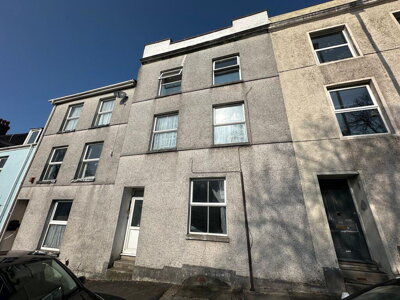
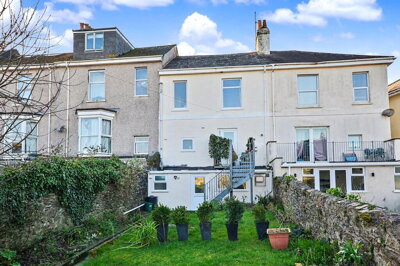
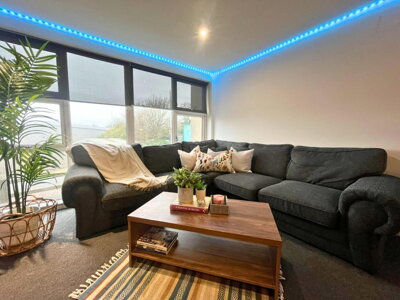
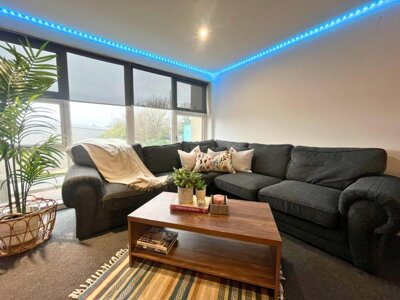
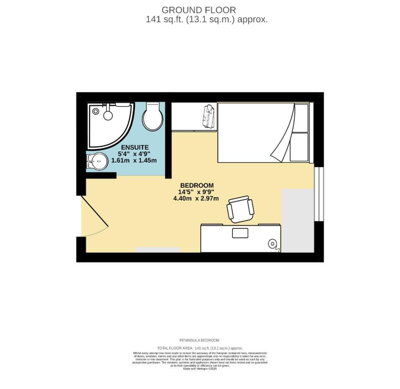
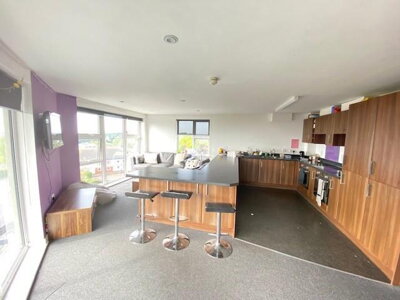
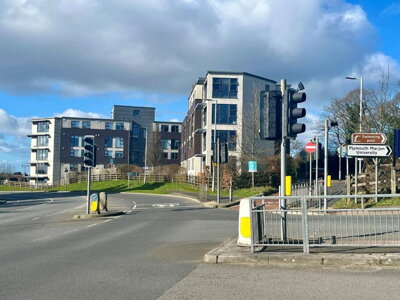
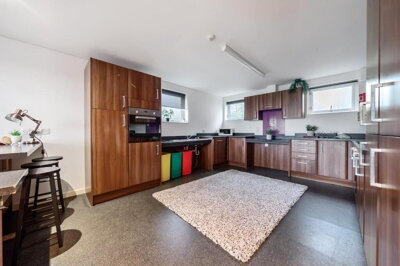
Browse 33 rental homes to rent in PL5 from local letting agents.
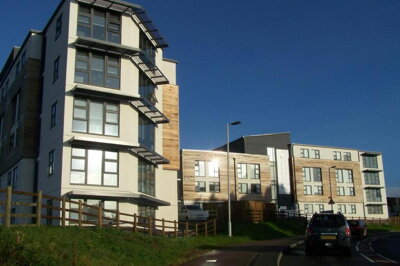
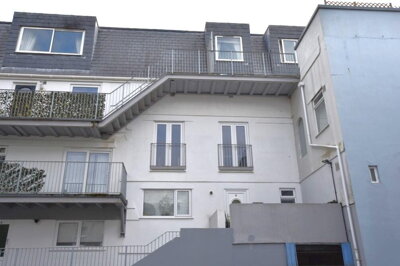
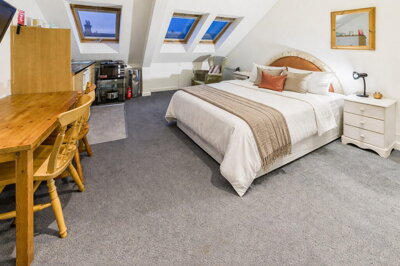
Studio apartments feature open-plan living spaces without separate bedrooms, incorporating sleeping, living, kitchen, and bathroom facilities. The PL5 studio market includes properties in modern apartment complexes, converted Victorian and Georgian buildings, and purpose-built developments.
£0/m
0
0
0
Source: home.co.uk
Showing 0 results for Studio Flats to rent in PL5.
The rental market in PL5 reflects the broader character of this working-class area of Plymouth, offering practical and affordable accommodation options that punch above their price point. Our listings show properties ranging from one-bedroom flats around £125,000 in value terms, through to spacious family homes in terraced and semi-detached configurations valued at £180,000 to £220,000. This means rental prices span a wide spectrum, typically from around £650 per month for basic studio and one-bedroom flats up to £1,100 per month for larger family homes with multiple bedrooms and gardens. The variety ensures that single occupants, couples, and families with children can all find appropriate housing within their budgets.
Understanding property values helps renters appreciate what they are getting for their money. Detached properties in PL5 average around £302,000, semi-detached homes £220,000, terraced houses £180,000, and flats £125,000. These figures inform both rental expectations and the potential for property appreciation during your tenancy. The 2.5% annual price increase demonstrates a stable market with consistent growth, meaning landlords can maintain realistic rents while tenants invest in communities likely to hold their desirability. This stability makes PL5 a sensible choice for those planning medium to long-term rentals.
The predominant housing stock in PL5 breaks down roughly as follows: terraced houses comprise 35-40% of properties, semi-detached houses account for 30-35%, detached houses represent 10-15%, and flats and apartments make up the remaining 15-20%. This composition shapes the rental landscape significantly, with terraces and semis providing the bulk of family-sized accommodation while flats serve single occupants and young couples. Many rental properties in PL5 fall within the pre-1919 or inter-war construction periods, meaning tenants should expect features typical of older housing such as original fireplaces, solid walls, and period details that add character but may require maintenance attention.

PL5 encompasses several distinct neighbourhoods, each with its own character and appeal for renters. St Budeaux retains much of its historic identity, featuring Victorian and Edwardian terraced housing that lines streets with mature trees and a genuine community atmosphere. The area has seen ongoing regeneration in recent years, with investment in public spaces and local facilities helping to maintain its appeal for families and long-term residents. Walking down Victoria Road, you will find the local shopping parade serving day-to-day needs, while the wider St Budeaux area includes amenities that support everyday life without requiring trips into Plymouth city centre.
Keyham, another core part of the PL5 postcode, offers a mix of period properties and post-war housing, with its own local shopping parade and community facilities serving day-to-day needs without requiring trips into the city centre. The area grew significantly during the post-war period, meaning much of the housing stock dates from the 1940s to 1970s, offering more modern configurations than the older Victorian terraces of neighbouring St Budeaux. Ham completes the PL5 trio, providing additional residential streets and connections to the riverside areas that characterise western Plymouth. The combination of established residential streets, local amenities, and community facilities creates a self-sufficient neighbourhood environment that many renters come to appreciate precisely because it does not require constant trips into the city centre for everyday life.
The demographics of PL5 reflect a working and mixed community with a population of approximately 35,000 to 40,000 people across 15,000 to 18,000 households. This relatively dense population supports thriving local services, from corner shops and cafes to larger supermarkets and healthcare facilities. The area includes parks and green spaces that provide recreational opportunities for families, while proximity to the River Tamar offers walking routes and views that connect residents to Plymouth's maritime heritage. Community life in PL5 remains active, with local events, sports clubs, and neighbourhood groups providing social connections that many renters find valuable when establishing themselves in a new area.

Families considering a move to PL5 will find a reasonable selection of educational options at both primary and secondary levels. The area is served by several primary schools including St Budeaux Foundation Primary School, Victoria Road Primary School, and Morale Primary School and Nursery, all of which serve their local communities with education for children aged four to eleven. These schools are generally within walking distance for most families living in the immediate vicinity, meaning younger children can attend without requiring long bus journeys. St Budeaux Foundation Primary, in particular, serves a significant catchment spanning the historic heart of the PL5 area.
Secondary education options in the wider Plymouth area include Saltash Community School, which serves students from Keyham and the surrounding area, as well as other establishments accessible via school transport arrangements. Parents should research specific catchment areas carefully when considering rental properties in PL5, as school admission policies in Plymouth operate on catchment-based systems that can significantly impact which schools children can access. The proximity to Derriford Hospital and the University of Plymouth also means that PL5 is reasonably positioned for families where parents work in education or healthcare sectors.
For students progressing beyond secondary education, Plymouth College of Art, City College Plymouth, and the University of Plymouth are all accessible via public transport from PL5, providing further and higher education pathways without requiring students to relocate to larger cities. Plymouth College of Art has developed a strong reputation in creative disciplines, while City College Plymouth offers vocational courses and apprenticeships. The University of Plymouth itself provides undergraduate and postgraduate programmes across disciplines including marine sciences, engineering, health studies, and arts, drawing students from across the region and contributing to the broader Plymouth economy.

Transport connectivity from PL5 serves the practical needs of residents who work in Plymouth city centre, commute to employment hubs like Derriford Hospital and HMNB Devonport, or travel further afield for work and leisure. The A38 trunk road passes nearby, providing direct access to the rest of Devon and Cornwall via the Tamar Bridge, making car travel to Exeter, Cornwall, and the motorway network straightforward. For those working in Plymouth itself, the journey to the city centre typically takes around fifteen to twenty minutes by car, though peak hour traffic can extend this during the morning and evening rush. The area is considered reasonably car-dependent by UK standards, with most households owning at least one vehicle.
Public transport options in PL5 include regular bus services operated by Plymouth Citybus and other providers, connecting the area to Plymouth railway station, the city centre, and surrounding neighbourhoods. Bus routes serving St Budeaux and Keyham provide practical alternatives to car travel for those working in the city centre or accessing retail and healthcare facilities. Plymouth railway station offers connections to London Paddington, Bristol, and Birmingham, with journey times to the capital taking around three and a half hours via the intercity service.
For cyclists, Plymouth has been developing its cycle infrastructure, though the hilly terrain in parts of PL5 can make cycling challenging for some residents. The estuary views from certain routes provide compensation for the physical demands, and e-bikes have made hilly commutes more manageable for increasing numbers of residents. On-street parking is generally available in residential streets, though density varies by specific location, with narrower Victorian streets presenting more challenges than wider post-war roads. Residents commuting to Derriford Hospital often find the direct bus routes particularly convenient, avoiding parking costs at the hospital site.

Before viewing any properties in PL5, arrange a rental budget agreement in principle from a lender or broker. This document confirms how much you can afford to spend on rent each month, preventing wasted time on properties outside your budget and demonstrating seriousness to landlords and letting agents when you make an offer. Many letting agents in the Plymouth area receive multiple applications for desirable properties, so having your budget confirmed upfront gives you a competitive edge in a busy rental market.
PL5 covers several distinct areas including St Budeaux, Keyham and Ham. Each has different characteristics, amenities and transport links. Spend time in your preferred neighbourhood, checking proximity to work, schools, shops and transport before committing to viewings. Weekend visits allow you to assess community atmosphere and any noise or nuisance factors. Consider visiting local shops and cafes to get a feel for the day-to-day environment before committing to a tenancy.
Contact local letting agents to arrange viewings of suitable properties. During viewings, assess the property condition, check for signs of damp or disrepair, and ask about the tenancy terms, included bills, and any restrictions. Take notes and photographs to help compare properties afterwards. In PL5, where much of the housing dates from Victorian through to post-war periods, pay particular attention to signs of damp, roof condition, and the state of original windows and doors.
Given that over 60-70% of PL5 housing stock is over fifty years old, consider commissioning a RICS Level 2 Survey before committing to a long-term rental. Survey costs in PL5 range from £400-£700 depending on property size and complexity. Common defects in PL5 properties include rising damp, roof wear on original slate or tile coverings, potential subsidence from clay shrink-swell soils, and outdated electrical systems in pre-1980s construction. While surveys are more common for purchases, they help renters understand maintenance issues and negotiate better terms on longer tenancies.
Once you choose a property, the letting process typically involves tenant referencing, credit checks, employment verification and landlord references. Budget around £100-£300 for referencing fees and ensure you have deposit funds ready. Provide all required documentation promptly to avoid delays in securing your tenancy. The referencing process typically takes three to five working days, so factor this into your moving timeline.
Before signing your tenancy agreement, read it carefully or have a solicitor review it. Check the terms regarding deposits, notice periods, rent increases and maintenance responsibilities. Once signed, conduct a thorough inventory check documenting the property condition, then collect your keys and move in. In PL5, where older properties are common, a detailed inventory protects both tenant and landlord interests given the higher likelihood of pre-existing wear and tear.
Several location-specific factors warrant attention when renting properties in PL5. Flood risk deserves careful consideration, particularly for properties close to the River Tamar or in lower-lying areas near watercourses. The Environment Agency flood risk maps provide specific information for individual postcodes within PL5, and tenants should understand their exposure to both fluvial flooding from rivers and surface water flooding during heavy rainfall. While major flooding events are relatively uncommon, being informed about the specific risk profile of your chosen property helps avoid unpleasant surprises. Properties on higher ground in areas like St Budeaux generally face lower flood risk than those in lower-lying parts closer to watercourses.
The geology of PL5 presents specific considerations for renters. The area sits on Devonian limestones, shales, and sandstones, with superficial deposits including head deposits and alluvium in lower areas. Clay-rich soils, particularly where weathered shales occur, can present moderate to high shrink-swell risk, which affects foundations, especially in older properties without modern deep foundations. Properties with large trees nearby, or those showing signs of subsidence or movement, may indicate underlying ground issues that require professional assessment before you commit to a tenancy.
Conservation area designations apply to parts of St Budeaux and Keyham, meaning certain restrictions may affect what alterations or improvements you can make to rental properties. If planning to decorate or modify a rented home, checking whether it falls within a conservation area prevents conflicts with planning regulations. The age of much of the housing stock in PL5 also means that properties may contain construction materials and systems that require specialist handling during any authorised modifications, such as asbestos in properties built between the 1950s and 1980s. Your landlord should have an asbestos management plan for any property where this material is likely present.

Rental prices in PL5 vary significantly based on property type and size. One-bedroom flats typically rent from around £650 per month, while larger family homes with three or four bedrooms can reach £1,000 to £1,100 per month. The overall rental market reflects property values averaging £210,000, with terraced houses around £180,000 and semi-detached properties around £220,000 in value terms. The Plymouth rental market has shown steady growth alongside the 2.5% annual price increase, though rents remain competitive compared to larger UK cities. Students and young professionals often target the one and two-bedroom flat market, while families typically seek the terraced and semi-detached houses that dominate the PL5 housing stock.
Council tax in PL5 is administered by Plymouth City Council. The vast majority of residential properties in the area fall within Bands A through D, reflecting the predominantly modest property values in the neighbourhood. Band A properties pay the lowest rates while Band D represents mid-range properties. You can check the specific council tax band for any property using Plymouth City Council's online lookup service or by contacting them directly. Most Victorian terraces in St Budeaux fall into Band A or B, while larger semi-detached properties may reach Band C or D.
PL5 offers several primary school options including St Budeaux Foundation Primary School, Victoria Road Primary School, and Morale Primary School and Nursery, all serving their local communities. For secondary education, Saltash Community School serves parts of the PL5 area. Parents should verify specific catchment areas as admission policies determine which schools children can access based on home address. The proximity to Derriford Hospital and University of Plymouth also positions the area well for families where parents work in education or healthcare sectors. St Budeaux Foundation Primary has served the local community for many years and maintains strong links with the surrounding neighbourhood.
PL5 is reasonably served by bus services operated by Plymouth Citybus, connecting the area to Plymouth city centre, the railway station, and surrounding neighbourhoods. The A38 trunk road provides direct road access to Exeter and Cornwall via the Tamar Bridge. Plymouth railway station offers national rail connections including services to London Paddington taking around three and a half hours. While the area is considered somewhat car-dependent by UK standards, most essential amenities are accessible by public transport for those without vehicles. Bus journey times to Derriford Hospital are typically around fifteen to twenty minutes, making healthcare employment accessible to PL5 residents without car ownership.
PL5 offers good value rental accommodation in a well-established part of Plymouth with strong community identity. The area benefits from proximity to major employment centres including Derriford Hospital, HMNB Devonport, and the University of Plymouth, providing stable job markets that support the local rental market. The variety of housing stock from Victorian terraces to modern developments means tenants can find appropriate properties at various price points. Regeneration investment in areas like Keyham continues to improve facilities and housing quality, making PL5 an increasingly attractive option for renters seeking affordable accommodation without sacrificing connectivity to city centre amenities. Community spirit remains strong in PL5 neighbourhoods, with local events and facilities that help renters feel settled quickly.
Standard deposits on rental properties in PL5 are typically five weeks rent, capped at five weeks annual rent as per national tenant fee legislation. You will also pay the first month rent in advance, plus referencing fees typically ranging from £100 to £300 depending on the letting agent and any additional checks required. Budget for around £2,000 to £3,000 in total upfront costs for a typical rental property, covering deposit, first month rent, and referencing. Some letting agents may charge admin fees, though these should be clearly advertised before you commit to a property. Your deposit must be protected in a government-approved scheme within thirty days of receiving it, and you should receive detailed information about how to recover it at the end of your tenancy.
PL5 properties span several construction eras, each with distinctive characteristics. Pre-1919 properties in St Budeaux typically feature solid wall construction using local Plymouth limestone or brick, with timber floors, slate or clay tile roofing, and original period features such as fireplaces and cornicing. Properties from the inter-war period (1919-1945) introduced cavity wall construction, though many retained traditional finishes. Post-war construction (1945-1980) dominates much of Keyham and Ham, featuring brick and block cavity walls, concrete tiles, and more practical layouts suitable for modern family life. Understanding the construction type helps you anticipate maintenance needs and potential issues during your tenancy.
The geology of PL5 includes areas with clay-rich soils that can experience shrink-swell movement, particularly affecting properties with shallow foundations or those near large trees. This can manifest as cracks in walls or doors and windows becoming stiff to operate. Properties near the River Tamar and its tributaries face some fluvial flood risk, while surface water flooding can occur in lower-lying areas during heavy rainfall. While widespread mining subsidence is not a primary concern for PL5, localised ground instability from former quarries or infill sites should be considered for specific properties. Requesting information about the property history and any previous structural issues helps you assess these risks before committing.
Budgeting for a rental property in PL5 requires understanding the full cost picture beyond monthly rent. Standard deposits are typically set at five weeks rent, capped at five weeks annual rent in line with national tenant fee regulations. This means for a property renting at £800 per month, your deposit would be £923. Your deposit must be protected in a government-approved scheme within thirty days of receiving it, and you should receive detailed information about how to recover it at the end of your tenancy, minus any legitimate deductions for damage or unpaid rent.
Beyond deposits, first-time renters should budget for several additional costs. The first month rent is payable in advance, typically due before you receive keys. Tenant referencing fees typically range from £100 to £300 depending on the letting agent and the comprehensiveness of checks included. Some agents charge administration fees, though these have been restricted since 2019 and should be clearly advertised before you commit to a property. You may also need to pay for contents insurance, which landlords generally require tenants to maintain.
For renters planning to move into older properties in PL5, setting aside a small emergency fund for immediate repairs or improvements can prove valuable, given that many homes in the area have not been recently updated. Typical additional costs include connection fees for utilities and internet, moving van hire, and potential cleaning costs at the end of tenancy. Budget around £2,000 to £3,000 in total upfront costs for a typical rental property, though larger family homes with higher rents will require correspondingly larger deposits and first-month payments. Being financially prepared helps ensure a smooth transition into your new PL5 home without unexpected shortfalls.

From 4.5%
Get expert advice on how much you can afford to spend on rent each month
From £99
Comprehensive referencing checks to support your rental application
From £400
Essential survey for PL5 properties where 60-70% of stock is over 50 years old
From £85
Energy performance certificate required for all rental properties
Properties to Rent In London

Properties to Rent In Plymouth

Properties to Rent In Liverpool

Properties to Rent In Glasgow

Properties to Rent In Sheffield

Properties to Rent In Edinburgh

Properties to Rent In Coventry

Properties to Rent In Bradford

Properties to Rent In Manchester

Properties to Rent In Birmingham

Properties to Rent In Bristol

Properties to Rent In Oxford

Properties to Rent In Leicester

Properties to Rent In Newcastle

Properties to Rent In Leeds

Properties to Rent In Southampton

Properties to Rent In Cardiff

Properties to Rent In Nottingham

Properties to Rent In Norwich

Properties to Rent In Brighton

Properties to Rent In Derby

Properties to Rent In Portsmouth

Properties to Rent In Northampton

Properties to Rent In Milton Keynes

Properties to Rent In Bournemouth

Properties to Rent In Bolton

Properties to Rent In Swansea

Properties to Rent In Swindon

Properties to Rent In Peterborough

Properties to Rent In Wolverhampton

Enter your details to see if this property is within your budget.
Loans, cards, car finance
Estimated property budget
Borrowing + deposit
You could borrow between
Typical borrowing
Monthly repayment
Est. at 4.5%
Loan-to-value
This is an estimate only. Your actual budget may vary depending on interest rates, credit history, and personal circumstances. For an accurate affordability assessment, speak to one of our free mortgage advisors.
This calculator provides estimates for illustrative purposes only and does not constitute financial advice. Your home may be repossessed if you do not keep up repayments on your mortgage. Estimates based on 4.5% interest rate, repayment mortgage. Actual rates depend on your circumstances.
Homemove is a trading name of HM Haus Group Ltd (Company No. 13873779, registered in England & Wales). Homemove Mortgages Ltd (Company No. 15947693) is an Appointed Representative of TMG Direct Limited, trading as TMG Mortgage Network, which is authorised and regulated by the Financial Conduct Authority (FRN 786245). Homemove Mortgages Ltd is entered on the FCA Register as an Appointed Representative (FRN 1022429). You can check registrations at NewRegister or by calling 0800 111 6768.

We use cookies to show you personalised content and improve your experience of our website. Find out more in our Privacy policy and Cookie policy.