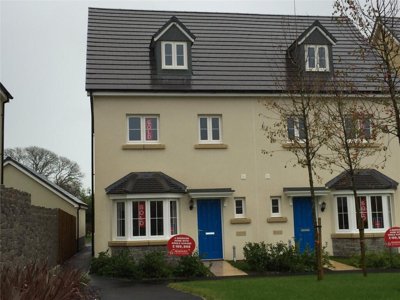
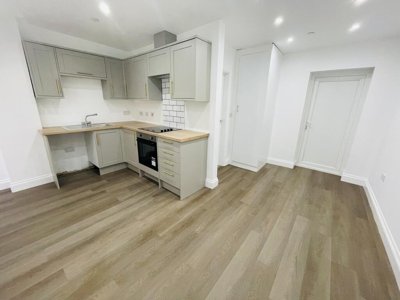
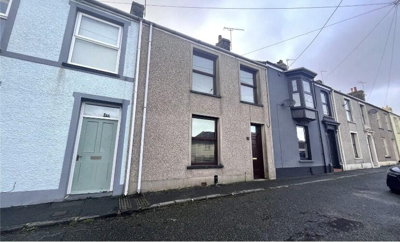
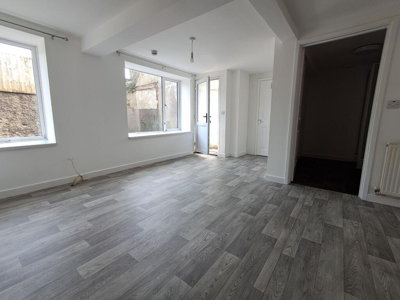
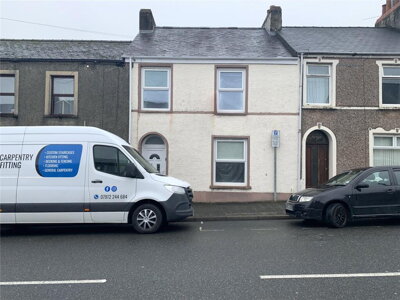
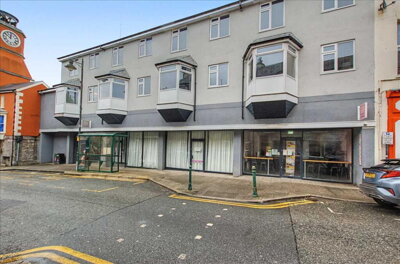
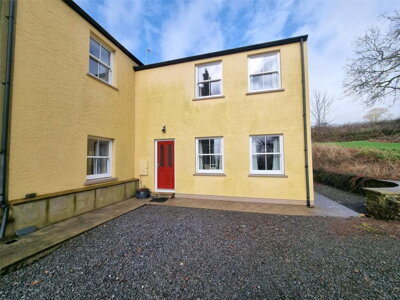
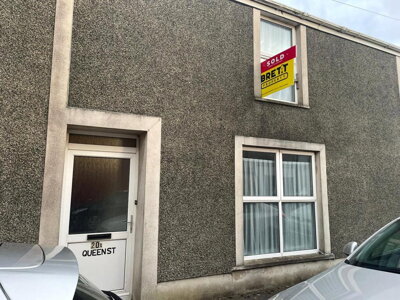
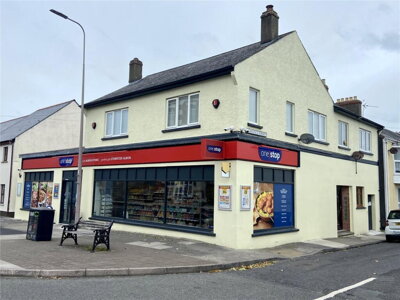
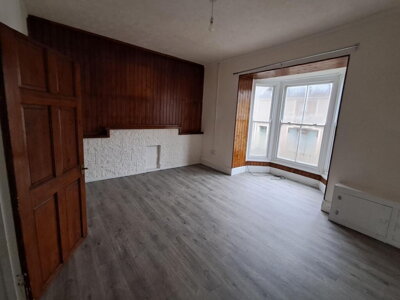
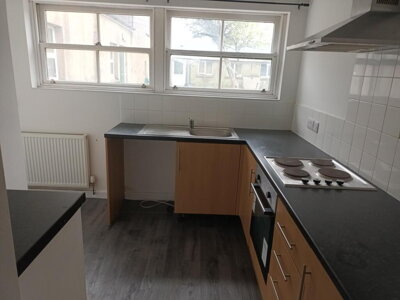
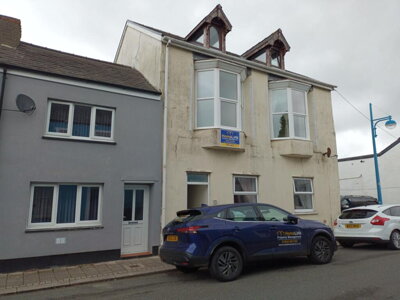
Browse 15 rental homes to rent in Pembroke, Pembrokeshire from local letting agents.
£1,050/m
1
0
23
Source: home.co.uk
Source: home.co.uk
House
1 listings
Avg £1,050
Source: home.co.uk
Source: home.co.uk
The rental market in Pembroke offers a varied selection of property types that reflect the town's rich architectural heritage and modern development. Terraced properties form a significant portion of the housing stock, particularly within the historic town centre where Victorian and Edwardian terraces line streets built from local limestone and topped with traditional slate roofs. These homes typically feature generous room sizes, original fireplaces, and period features that appeal to renters seeking character and charm. Semi-detached homes are prevalent in residential areas developed between the 1940s and 1970s, offering practical family accommodation with gardens and off-street parking that rental demand consistently high.
Detached properties in Pembroke command higher rental values, with the average detached home valued at approximately £280,333 in the sales market. These homes often feature three or four bedrooms, larger gardens, and sit on generous plots that appeal to families requiring more space. Flats and apartments are available throughout the town, including above commercial premises on Main Street and within purpose-built developments. Recent new build activity includes Pembroke Manor by Pobl Group offering two, three, and four-bedroom homes ranging from £180,000 to £280,000, and The Green development by Coastal Housing Group providing additional family housing options. With only 10 property sales recorded in the past 12 months, the rental market plays a crucial role in meeting housing demand in this desirable coastal town.
The housing stock in Pembroke spans several construction eras, from properties built before 1919 using traditional solid wall methods to post-war cavity wall construction. Much of the older housing within the conservation area requires understanding of listed building considerations and solid wall maintenance issues such as rising damp and inadequate insulation. Properties in newer developments typically offer more predictable maintenance arrangements and modern energy efficiency, while older properties provide character at the cost of potentially higher heating bills and more frequent maintenance needs.

Life in Pembroke centres around its compact town centre where independent shops, cafes, and traditional pubs create a vibrant local atmosphere. The population of the wider Pembroke area, including nearby Pembroke Dock, stands at approximately 17,800 residents across around 7,500 households, providing a community scale that allows neighbours to know one another while still offering comprehensive local amenities. The town's economy benefits from diverse employment sectors including the Milford Haven Waterway port operations, the Valero Pembroke Refinery, Dragon LNG energy facilities, and a strong tourism industry centred on Pembrokeshire Coast National Park. The presence of the Ministry of Defence installation at Brawdy and other local military establishments adds further economic stability to the area.
The character of Pembroke is defined by its Carboniferous Limestone geology, which has shaped both the landscape and the buildings throughout the region. Properties constructed from local limestone, often rendered in cream or white and featuring distinctive slate roofs, create a cohesive architectural identity throughout the town. The Pembroke River flows through the town, creating the scenic Mill Pond area that serves as a focal point for residents and visitors alike. Walking along the riverbank reveals the medieval town walls, original bridge, and glimpses of castle towers rising above the tree line. The surrounding countryside offers rolling farmland, hidden valleys, and easy access to the dramatic coastal scenery that makes Pembrokeshire one of Britain's most beloved holiday destinations.
The local economy provides stable employment across several sectors, making Pembroke attractive to renters seeking long-term tenancy security. The energy sector around Milford Haven offers well-paid positions at the oil refinery and LNG terminal, while tourism creates seasonal and year-round employment across hotels, restaurants, and attractions. Public sector roles in healthcare and education provide additional stability, and the MOD presence ensures consistent demand for housing from service personnel and civilian staff at local military installations.

Education provision in Pembroke serves families from early years through secondary level, with several well-regarded schools located within easy walking distance of the town centre. Primary education is available at several local schools, with Pembroke Primary School serving the immediate town area and providing a strong foundation for young learners. The town benefits from a range of early years settings including nursery schools and preschool facilities, ensuring families have access to childcare options that fit their working patterns. Primary schools in the area typically achieve good results in national assessments, and class sizes remain smaller than those found in larger urban centres, allowing teachers to provide individual attention to each child.
Secondary education options in Pembroke include Pembroke School, a comprehensive school serving students from age 11 through to sixth form. The school offers a broad curriculum, extracurricular activities including sports and performing arts, and strong pastoral support that helps students navigate their teenage years successfully. For families seeking grammar school education, nearby towns offer selective entry schools that attract students from across the county. Sixth form provision allows students to remain in Pembroke for their A-level studies, with subjects including sciences, humanities, and creative arts available. Higher education options are accessible via regular bus services to Haverfordwest and the university campuses of south-west Wales, making Pembroke practical for older students commuting to higher education while living at home.
Families renting in Pembroke should consider school catchment areas when choosing a property, as availability of places can be competitive in popular areas close to strong-performing schools. Properties within the SA71 postcode generally fall within Pembrokeshire County Council's education catchment, though specific school allocations depend on individual circumstances and residential address. School transport arrangements may be available for families living beyond walking distance from their allocated school, particularly in rural areas surrounding the town centre.

Transport connectivity from Pembroke balances the benefits of peaceful coastal living with practical access to employment centres and amenities further afield. The A4139 road provides direct access to Pembroke Dock and onward connections to the A40 towards Carmarthen and the M4 motorway serving Swansea, Cardiff, and beyond. For commuters working in the energy sector around Milford Haven, the journey time is approximately 20 minutes by car, making Pembroke viable for professionals in this well-paid sector. The town is well-served by bus services operated by First Cymru, with regular routes connecting Pembroke to Pembroke Dock, Haverfordwest, Tenby, and other destinations throughout Pembrokeshire.
The nearest railway station is at Pembroke Dock, approximately three miles from Pembroke town centre, offering connections on the West Wales Line to Swansea and beyond. Direct trains run to major cities including Cardiff Central, Bristol Temple Meads, and London Paddington via changes at Swansea. For those working remotely or running businesses from home, superfast broadband is available throughout most of Pembroke, though rural fringe areas may experience variable speeds. Daily commuters to Swansea typically allow 90 minutes each way by public transport or 60-75 minutes by car, a journey many residents consider worthwhile given the dramatically lower property and rental costs compared to city living. Cyclists will appreciate the scenic routes throughout the national park, though the hilly terrain requires reasonable fitness for longer journeys.
Car ownership remains advantageous for residents of Pembroke given the rural nature of much of Pembrokeshire and the limited public transport options in outlying areas. Properties with off-street parking are particularly sought after, as on-street parking can be limited in the historic town centre during busy periods. Tenants should factor vehicle costs into their budget alongside rent and utilities, considering fuel expenses, insurance, and maintenance for regular travel to amenities not available within walking distance.

Contact local mortgage brokers or use Homemove's rental budget service to understand how much rent you can afford. Lenders will assess your income, outgoings, and credit history to determine your rental budget, typically offering budgets between 3.5 and 4.5 times your annual income. Having a clear budget prevents wasted time viewing properties outside your price range and demonstrates to landlords that you are a serious, organised applicant.
Explore different areas within Pembroke to find the neighbourhood that suits your lifestyle needs. Consider proximity to schools if you have children, distance from the town centre for nightlife and amenities, and access to transport links for commuting. The conservation area around the castle offers historic character with walking access to everything, while newer developments provide modern homes with parking and gardens on quieter streets. Properties near the Mill Pond area offer scenic views but may carry flood risk considerations.
Once you have found suitable properties listed on Homemove, contact the letting agents to arrange viewings. View multiple properties before making a decision, as the rental market moves quickly in popular areas. Take notes during each viewing and photograph properties you particularly like so you can compare them afterwards. Ask about the tenure arrangements, service charges for flats, ground rent terms, and any restrictions on pets or smoking.
Before signing your tenancy agreement, consider commissioning a RICS Level 2 Survey on any property you are seriously considering, especially older properties built before 1919. Survey costs in Pembroke typically range from £450 to £750 for an average three-bedroom home. A professional survey will identify structural issues, damp problems, roof condition, and any defects that might require you to negotiate repairs with the landlord before moving in. Common defects in Pembroke's older limestone-built properties include rising damp, slipped slate tiles, and outdated electrical systems.
Once you have chosen your property, the letting agent will require references from your employer, previous landlords, and a credit check. Allow one to two weeks for referencing to complete. Your tenancy agreement should clearly state the rent amount, deposit sum (capped at five weeks rent for properties under £50,000 annual rent), term length, and responsibilities for maintenance and repairs. Ensure you receive an inventory check-in report documenting the condition of the property to protect your deposit when you eventually leave.
Renting in Pembroke requires attention to several area-specific factors that can significantly impact your tenancy experience. Flood risk is an important consideration given the town's location on the Pembroke River, with areas immediately adjacent to the river and around Pembroke Mill Pond presenting higher risk of fluvial flooding during periods of heavy rainfall. Prospective tenants should ask landlords about previous flooding incidents, check whether the property has appropriate flood resilience measures in place, and ensure their contents insurance covers flood damage. Properties on elevated ground away from watercourses offer greater regarding flood risk, though premiums for flood insurance may be higher in flood-prone postcodes.
The presence of a conservation area covering Pembroke's historic town centre brings specific planning considerations that affect property maintenance and alterations. Listed buildings require listed building consent from Pembrokeshire County Council for exterior alterations, and many internal changes also require approval. Tenants in listed properties should understand that they may face restrictions on painting exterior walls, installing satellite dishes, or making structural alterations without consent. The older housing stock throughout Pembroke, much of which was built before 1919 using traditional solid wall construction, may exhibit issues including rising damp, inadequate insulation, and older electrical and plumbing systems that require understanding and acceptance by prospective renters.
For tenants considering flats in Pembroke, service charges and ground rent terms are particularly important to clarify before committing to a tenancy. Annual service charges can vary significantly depending on the development and the facilities provided, with amounts potentially ranging from £1,000 to £3,000 or more per year for apartments in managed blocks. Ground rent terms on leasehold properties should be checked to ensure they are reasonable and not subject to excessive escalation clauses. Properties in newer developments like Pembroke Manor typically offer more predictable maintenance arrangements, while older conversions may involve shared responsibilities between freeholder and leaseholders that require careful explanation from the landlord or letting agent.
The geology of Pembroke, predominantly Carboniferous Limestone with areas of Old Red Sandstone, generally presents a low shrink-swell risk for foundations. However, localised superficial deposits of clay may introduce some ground movement risk in certain areas, particularly where drainage is poor. Properties built on clay substrates may show signs of seasonal movement, though this is not typically severe in this area. Tenants should check the property's foundations history and any documented structural issues during the viewing process.

While specific rental figures for Pembroke are not currently available in our database, the sales market provides useful context with an overall average property price of £204,453. Terraced properties typically sell for around £165,000, semi-detached homes for £190,000, and detached properties for £280,333. Flats in Pembroke average £110,000. Rental prices in Pembroke generally offer excellent value compared to UK city centres, with two-bedroom properties in the town likely ranging from £650 to £950 per month depending on condition, location, and amenities. Properties with gardens, parking, or sea views command premium rents, while compact flats near the town centre may be available at lower price points.
Properties in Pembroke fall under Pembrokeshire County Council's jurisdiction for council tax purposes. Band A properties, typically the lowest valuation band covering properties worth up to £44,000, attract annual charges of around £1,200 to £1,400. Band B properties up to £65,000 value and Band C properties up to £88,000 value are common in the terraced housing stock throughout the town. Larger detached properties and those in more desirable locations often fall into Bands D to F. Prospective tenants should request the specific council tax band from the landlord or letting agent, as this forms part of the ongoing costs of tenancy alongside rent and utility bills.
Pembroke offers good educational provision from early years through secondary level, with Pembroke Primary School serving the immediate town and several nearby primaries serving surrounding areas. For secondary education, Pembroke School provides comprehensive education from age 11 to 18, achieving solid academic results and offering a range of extracurricular activities. The school benefits from relatively small class sizes compared to urban comprehensives, allowing more individual attention for students. Parents seeking faith education or alternative approaches should note that nearby towns offer additional options, with school transport arrangements making these accessible for families willing to travel.
Pembroke is served by regular bus services operated by First Cymru, with direct routes to Pembroke Dock, Haverfordwest, Tenby, and other destinations throughout Pembrokeshire. The bus station in Pembroke Dock provides connections to the rail network, with trains on the West Wales Line running to Swansea, Cardiff, and London Paddington. Journey times to Swansea by public transport take approximately 90 minutes, while car journeys take 60 to 75 minutes depending on traffic. The A40 provides road access to Carmarthen and the M4 motorway, making day trips to larger cities practical. For local travel, car ownership remains advantageous given the rural nature of much of Pembrokeshire.
Pembroke offers an exceptional quality of life for renters seeking coastal living without city prices. The town combines historic character, with a conservation area featuring listed buildings and medieval architecture, with practical modern amenities including supermarkets, independent shops, and healthcare facilities. The surrounding Pembrokeshire Coast National Park provides world-class walking, cycling, and watersports opportunities, while the town itself hosts community events, markets, and festivals throughout the year. Employment opportunities in the energy sector, tourism, and public services provide stable income sources, and the presence of the MOD creates additional job security. The main drawbacks are limited nightlife compared to cities and the need for a car to access some facilities, but for families, retirees, or remote workers seeking beautiful surroundings, Pembroke represents outstanding value.
Under the Tenant Fees Act 2019, deposits on residential properties in England and Wales are capped at five weeks rent where the annual rent is less than £50,000. This means for a property renting at £800 per month, your deposit would be capped at approximately £1,846. For properties with annual rent of £50,000 or more, deposits are capped at six weeks rent. Holding deposits of one week's rent may be requested to secure a property while referencing is completed. Permitted payments also include rent, utility bills, council tax, and TV licence. Be cautious of any letting agent requesting payments beyond these permitted categories, and always ensure you receive written confirmation of all fees before paying anything.
Flood risk in Pembroke varies significantly depending on property location, with areas adjacent to the Pembroke River and around Mill Pond carrying higher fluvial flood risk during periods of heavy rainfall. Coastal flood risk affects low-lying areas near the estuary downstream towards Pembroke Dock. Surface water flooding can occur in various locations due to drainage capacity limitations during intense rainfall. Renters should request information about flood history from the landlord, check the property's flood resilience measures, and ensure their contents insurance covers flooding. Properties on elevated ground within the town centre generally present lower flood risk, while riverside locations require careful consideration of this environmental factor.
Properties within Pembroke's conservation area or those that are individually listed may require listed building consent from Pembrokeshire County Council for certain alterations. Renters should understand that restrictions apply to exterior changes including painting, satellite dish installation, and structural modifications. Interior alterations may also require consent depending on the property's listing grade. While tenants are generally not responsible for obtaining consent for minor changes, they should seek written permission from the landlord before making any alterations and understand that changes may be refused. Older listed properties may also carry maintenance issues typical of pre-1919 construction, including solid wall dampness and outdated services that tenants accept as part of renting historic property.
From 4.5%
Get a clear statement of how much rent you can afford based on your income
From £150
Essential referencing services for rental applications
From £450
Professional property survey identifying defects before you commit
From £85
Energy performance certificate required for rental properties
Understanding the costs involved in renting a property in Pembroke helps you budget accurately and avoids unexpected surprises during the tenancy process. The deposit, which is capped at five weeks rent under the Tenant Fees Act 2019 for properties with annual rent under £50,000, must be protected in a government-approved deposit scheme within 30 days of receiving it. As of 2025, rental prices for a typical two-bedroom terraced property in Pembroke might range from £650 to £900 per month, meaning deposits would fall between approximately £750 and £1,040. This deposit is returned at the end of the tenancy, minus any deductions for damage beyond fair wear and tear or unpaid rent, provided you have an inventory check-in report to evidence the property's original condition.
First-time renters in Pembroke may also qualify for certain exemptions from upfront costs, though these vary by landlord and letting agent policies. Some landlords accept guarantors who guarantee to cover rent if you default, which can be helpful for those with limited rental history or lower incomes. The rental budget in principle process, available through Homemove's partners, provides a clear statement of how much rent you can afford based on your income and outgoings, which letting agents and landlords will request as part of the application process. Additional costs to budget for include moving expenses, contents insurance, utility setup fees, and potential Council Tax payments, which vary by property band and household circumstances. For older properties, setting aside funds for heating costs is particularly important, as properties with solid walls and older heating systems can be more expensive to run than modern homes.
Contents insurance is essential for renters in Pembroke, particularly for properties in areas with flood risk near the river and Mill Pond. Standard policies typically cover belongings against theft, fire, and water damage, though flood coverage should be explicitly confirmed given the local flood risk profile. Tenant referencing costs, usually between £100 and £200, are generally paid by tenants and cover credit checks, employment verification, and landlord reference checks. Some agents may charge additional admin fees, though these must fall within permitted payment categories under the Tenant Fees Act to be legally chargeable.
Properties to Rent In London

Properties to Rent In Plymouth

Properties to Rent In Liverpool

Properties to Rent In Glasgow

Properties to Rent In Sheffield

Properties to Rent In Edinburgh

Properties to Rent In Coventry

Properties to Rent In Bradford

Properties to Rent In Manchester

Properties to Rent In Birmingham

Properties to Rent In Bristol

Properties to Rent In Oxford

Properties to Rent In Leicester

Properties to Rent In Newcastle

Properties to Rent In Leeds

Properties to Rent In Southampton

Properties to Rent In Cardiff

Properties to Rent In Nottingham

Properties to Rent In Norwich

Properties to Rent In Brighton

Properties to Rent In Derby

Properties to Rent In Portsmouth

Properties to Rent In Northampton

Properties to Rent In Milton Keynes

Properties to Rent In Bournemouth

Properties to Rent In Bolton

Properties to Rent In Swansea

Properties to Rent In Swindon

Properties to Rent In Peterborough

Properties to Rent In Wolverhampton

Enter your details to see if this property is within your budget.
Loans, cards, car finance
Estimated property budget
Borrowing + deposit
You could borrow between
Typical borrowing
Monthly repayment
Est. at 4.5%
Loan-to-value
This is an estimate only. Your actual budget may vary depending on interest rates, credit history, and personal circumstances. For an accurate affordability assessment, speak to one of our free mortgage advisors.
This calculator provides estimates for illustrative purposes only and does not constitute financial advice. Your home may be repossessed if you do not keep up repayments on your mortgage. Estimates based on 4.5% interest rate, repayment mortgage. Actual rates depend on your circumstances.
Homemove is a trading name of HM Haus Group Ltd (Company No. 13873779, registered in England & Wales). Homemove Mortgages Ltd (Company No. 15947693) is an Appointed Representative of TMG Direct Limited, trading as TMG Mortgage Network, which is authorised and regulated by the Financial Conduct Authority (FRN 786245). Homemove Mortgages Ltd is entered on the FCA Register as an Appointed Representative (FRN 1022429). You can check registrations at NewRegister or by calling 0800 111 6768.

We use cookies to show you personalised content and improve your experience of our website. Find out more in our Privacy policy and Cookie policy.