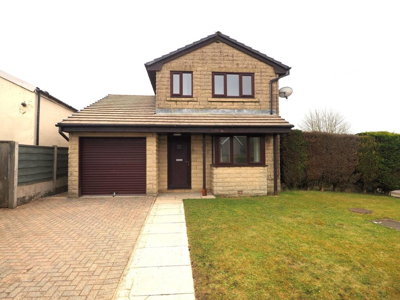
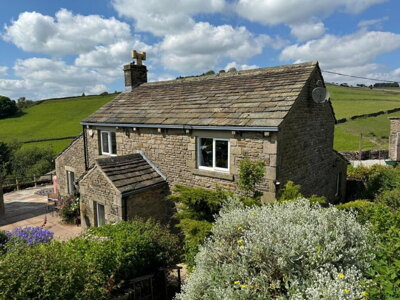
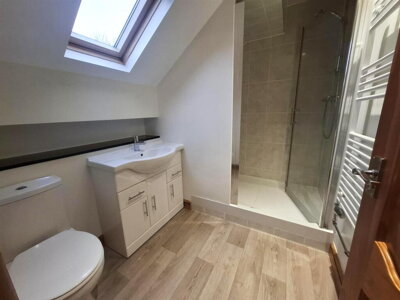
Browse 3 rental homes to rent in Peak Forest from local letting agents.
The rental market in Peak Forest reflects the unique character of this small Peak District village, where property availability tends to be limited due to the village's size and its location within a national park. Rental properties here typically consist of stone-built cottages, period farmhouses, and converted agricultural buildings, offering character and charm that modern developments rarely provide. The village's strict planning controls, governed by the Peak District National Park Authority, ensure that new development is strictly limited, preserving the area's distinctive appearance and ensuring that renting here means living in a genuinely special environment.
Property values in the broader Peak Forest area have shown interesting patterns in recent years, with the average house price standing at approximately £484,750. Detached properties command higher prices, averaging around £532,500, while semi-detached homes typically sell for approximately £437,000. These figures indicate a robust property market in the surrounding area, which influences rental values and property availability. Recent sales data for the SK17 8EH postcode shows prices rising by 5.6% over the past year, while SK17 8ED has seen increases of 6%, indicating continued demand in this desirable rural location.
Prospective renters should note that properties in Peak Forest rarely appear on the open market for extended periods, given the village's desirability and limited housing stock. Registering with local letting agents and setting up property alerts before beginning your search is strongly recommended. The SK17 8 postcode area encompasses Peak Forest and surrounding hamlets, and rental availability in this rural postcode can fluctuate significantly throughout the year.

Peak Forest is a quintessential English village that embodies the beauty and character that has made the Peak District one of Britain's most beloved national parks. The village takes its name from the ancient royal forest that once covered much of this limestone landscape, and today remnants of that historic woodland can still be found along the walking trails that radiate from the village centre. The area is famous for its dolomite limestone geology, which has shaped both the landscape and the traditional buildings constructed from local stone over several centuries. Living in Peak Forest means waking each morning to views of rolling hills, drystone walls stretching across the countryside, and the distinctive white-grey limestone buildings that give the village its timeless appearance.
The village itself centres around the historic parish church of St Mary the Virgin, a medieval building that has served the community for centuries, and the local pub, which provides a welcoming focal point for social life and an excellent base for exploring the surrounding countryside. The Peak Forest Canal, which terminates near the village, offers scenic walks along its tree-lined banks, and the nearby Bugsworth Basin provides a fascinating glimpse into the area's industrial heritage as a terminus for limestone quarrying operations. Residents enjoy access to an exceptional network of public footpaths and bridleways, with trails suitable for all abilities ranging from gentle village walks to challenging high-level routes across Kinder Scout.
The community spirit in Peak Forest is notably strong, with regular events bringing residents together throughout the year and a genuine atmosphere of mutual support among neighbours. The village hall hosts various activities and serves as a venue for community gatherings, while the primary school, though small, plays a central role in village life. For those seeking the cultural amenities, shopping, and entertainment options of a larger town, the spa town of Buxton lies approximately eight miles to the west, while Manchester can be reached in under an hour by car, providing access to major employment centres and international transport connections.

Education provision in Peak Forest reflects the village's small-scale rural character, with Peak Forest Church of England Primary School serving as the local primary school for children aged five to eleven years. This small village school prides itself on providing personalised attention to each pupil, fostering strong academic foundations within a nurturing community environment. The school benefits from its picturesque setting within the national park and offers children the opportunity to learn surrounded by the natural beauty of the Peak District. Parents considering renting in Peak Forest for family life will find the local primary education provision adequate for their needs, with small class sizes often providing educational advantages that larger schools cannot match.
For secondary education, pupils typically travel to schools in nearby towns, with Chapel-en-le-Frith being the nearest larger settlement offering comprehensive secondary schooling options. The travel distances involved mean that families renting in Peak Forest should factor school transport arrangements into their planning, whether by private vehicle, school bus services, or public transport links. Secondary schools in the surrounding area generally achieve good results and maintain positive reputations among local families, though catchment area arrangements mean that residency in Peak Forest should be confirmed before assuming placement at any particular school.
The broader High Peak area offers additional educational opportunities, with further education colleges located in Buxton and surrounding towns providing courses for older students seeking vocational qualifications or university preparation. The University of Derby's close proximity ensures that older children have access to higher education without being forced to relocate to distant cities, while the presence of sixth form colleges in nearby market towns provides options for students completing their secondary education. Families moving to Peak Forest should contact Derbyshire County Council education department directly to confirm current school admissions arrangements and catchment area details, as these can change and may significantly impact options for school-age children.

Transport connections from Peak Forest require careful consideration, as with any rural village, but the area is far more accessible than its tranquil appearance might suggest. The village sits at the intersection of several B-roads, providing reasonable driving connections to larger towns in the Peak District. The journey to Buxton takes approximately twenty minutes by car, while Sheffield can be reached in around forty minutes and Manchester in approximately one hour, making Peak Forest viable for commuters willing to travel moderate distances. The A6, which passes through nearby towns, provides direct access to Derby and the motorway network, connecting residents to the broader national and international transport infrastructure.
Public transport options in Peak Forest are limited by village-scale provision, with bus services operating on a less frequent schedule than would be found in urban areas. The nearest railway stations are located in Buxton and Chapel-en-le-Frith, both offering connections to the national rail network, though direct services to major cities may require changing at Manchester or Derby. Buxton railway station provides regular services to Manchester Piccadilly, with journey times of approximately one hour, making day commuting feasible for those working in the city. The Hope Valley line, accessible from stations further east, offers connections to Sheffield and Manchester, providing additional commuting options for residents willing to travel to nearby villages.
For commuters seeking to reduce their environmental impact, Peak Forest offers excellent cycling opportunities with quiet country lanes suitable for cycling to work in nearby towns. The cycling infrastructure in the Peak District continues to improve, with more cycle paths and safer road junctions being developed, though the hilly terrain means that cycling requires reasonable fitness levels. Many residents who work remotely or have flexible arrangements find that Peak Forest's connectivity is more than adequate for their needs, combining the benefits of rural living with the ability to reach major employment centres when required.

Before viewing properties in Peak Forest, obtain a rental budget agreement in principle to understand exactly what you can afford. Consider not just rent but also council tax bands for the High Peak area, utility costs for stone-built properties, and transport requirements. The village's location within the Peak District National Park means properties may have specific maintenance requirements that add to running costs.
Peak Forest's small village scale means that many rental properties are managed directly by local letting agents rather than appearing on major property portals. Contact letting agents operating in the High Peak area, including those based in Buxton, Chapel-en-le-Frith, and Bakewell, to register your interest and receive alerts when properties become available in the village and surrounding area.
When viewing rental properties in Peak Forest, pay particular attention to the condition of stone-built properties, checking for signs of damp, the age and condition of heating systems, and the state of roofs and external walls. Older properties in the national park often have unique characteristics that require understanding and maintenance, and a thorough viewing will help you assess whether a particular property suits your lifestyle and maintenance capabilities.
Before signing any tenancy agreement, ensure you fully understand your rights and responsibilities as a tenant. Peak Forest falls within the High Peak district, and specific regulations regarding deposits, notice periods, and property standards apply. Your letting agent should provide a comprehensive tenancy agreement that clearly outlines all terms and conditions, and you should not hesitate to seek clarification on any points that seem unclear.
Once your tenancy agreement is signed, a detailed inventory check should be conducted to document the condition of the property and its contents. This protects both you and your landlord by creating a clear record of the property's condition at the start of your tenancy. Coordinate your move carefully, as Peak Forest's rural location means that removal companies may charge premium rates for deliveries to the village, and advance booking is strongly recommended.
Renting in Peak Forest requires an understanding of the specific characteristics that distinguish this rural village within a national park from more conventional rental locations. Properties here are predominantly constructed from local limestone, often dating from the eighteenth or nineteenth centuries, and may exhibit features such as thick walls, smaller windows, and solid fuel heating systems that reflect their traditional construction. The SK17 8 postcode area contains a mix of property ages, with some homes dating from the early 1800s, meaning that much of the housing stock is over 150 years old. Prospective renters should understand that maintaining a period property requires patience and sometimes acceptance of features that modern standards might view as deficiencies, such as uneven floors, single glazing, or limited sound insulation between rooms.
Planning regulations within the Peak District National Park are particularly strict, which affects what tenants can and cannot do to rental properties. Permission from both the landlord and the National Park Authority may be required for certain alterations, exterior changes, or even significant interior modifications. This regulatory environment preserves the character of the village but means that renters should carefully consider their plans for any property before committing to a tenancy. Properties in conservation areas or those designated as listed buildings carry additional restrictions that should be fully understood before signing any agreement.
Environmental considerations for Peak Forest include the village's rural setting, which means that flood risk, while generally low in this limestone landscape, should be verified for specific properties located near watercourses or in low-lying areas. Heating costs for older stone properties can be higher than for modern homes, and prospective renters should factor these ongoing costs into their budgeting. The availability of broadband and mobile phone signal can also vary within the village, and those requiring reliable connectivity for work purposes should verify signal strength and available providers before committing to a tenancy.

Specific rental price data for Peak Forest is not publicly recorded in the same way as property sale prices, but rental values are influenced by the strong local property market where average house prices reach approximately £484,750. Rental prices in the village typically reflect property values in the surrounding High Peak area, with stone cottages and period properties commanding rents that reflect their character and limited availability. Two-bedroom cottages generally start from around £800-900 per month, while larger family homes with three or four bedrooms may rent for £1,200-1,800 per month depending on condition and location. Properties offering exceptional views or particularly desirable features may command premium rents above these typical ranges.
Properties in Peak Forest fall within the High Peak Borough Council area and are assigned council tax bands based on their value and character. The village contains a mix of property types from different eras, ranging from traditional stone cottages to converted agricultural buildings, and council tax bands will vary accordingly. Band A properties may apply for the lowest rate council tax, while larger detached homes could be assigned bands D through G. Prospective renters should request the specific council tax band for any property they are considering, as this forms a significant part of the ongoing cost of renting in Peak Forest and varies considerably between properties.
Peak Forest Church of England Primary School serves the village directly, providing education for children aged five to eleven years in a small, community-focused setting. This primary school benefits from its picturesque national park location and offers children the opportunity to learn in an environment surrounded by natural beauty. For secondary education, pupils typically travel to schools in Chapel-en-le-Frith or other nearby towns, with travel arrangements and school transport being important factors for families to consider. The quality of education provision should be verified through Ofsted reports and direct contact with schools, as specific arrangements and standards can change over time.
Public transport connections from Peak Forest reflect its status as a small rural village, with bus services operating on limited frequencies that may not suit all commuters. The nearest railway stations are in Buxton and Chapel-en-le-Frith, providing connections to the national rail network with services to Manchester and Sheffield. Many residents of Peak Forest rely on private vehicles for daily transport, though the village is accessible enough that those working locally or remotely may find the transport provision adequate for their needs. Those considering renting in Peak Forest should carefully assess their transport requirements and consider whether the village's connectivity matches their lifestyle and commuting needs.
Peak Forest offers an exceptional quality of life for those seeking a peaceful rural existence within easy reach of major cities and urban amenities. Renting here means living in one of Britain's most beautiful national park villages, with access to superb walking, cycling, and outdoor recreation opportunities. The close-knit community welcomes newcomers, and the village's small scale means that residents quickly feel part of local life. The main considerations for prospective renters include the limited availability of rental properties, the higher costs associated with maintaining older stone buildings, and the need for private transport for many daily requirements. For those whose circumstances and lifestyle suit rural village living, Peak Forest represents an outstanding choice.
Standard renting costs in Peak Forest follow national norms, with most landlords requiring a security deposit equivalent to five weeks' rent, held in a government-approved tenancy deposit scheme throughout your tenancy and returned at the end providing the property is left in good condition and no damages or unpaid rent exist. Background referencing, credit checks, and right-to-rent verification typically incur costs of between £100-300 depending on the letting agent and the complexity of your circumstances. Tenants should also budget for the first month's rent in advance, moving costs, and potential furniture or equipment purchases, as rental properties in this village may be offered without some items that tenants would expect in urban rental accommodation. First-time renters should note that government relief on rental deposits is available in certain circumstances, though eligibility criteria apply.
Rental properties in Peak Forest are predominantly traditional stone-built cottages, farmhouses, and converted agricultural buildings, as the village's location within the Peak District National Park means that modern apartment developments are extremely rare. Properties typically feature original character elements such as exposed stone walls, fireplaces, and beam ceilings that appeal to those seeking period charm. The village's limited housing stock means that rental availability is always low, and properties that do become available are often let quickly to tenants who have registered their interest in advance with local letting agents and are ready to move quickly when suitable properties arise.
From 4.5%
Get a mortgage in principle before renting in Peak Forest
From £150
Required credit and background checks for renting
From £85
Energy performance certificates for rental properties
From £120
Protect your deposit with a professional inventory
Budgeting for a rental property in Peak Forest requires consideration of costs beyond simply the monthly rent, though rent itself forms the largest ongoing expense. The typical security deposit required is five weeks' rent, held in a government-approved tenancy deposit scheme throughout your tenancy and returned at the end providing the property is left in good condition and no damages or unpaid rent exist. This deposit requirement means that for a property rented at £900 per month, you would need approximately £4,500 available for the deposit alone, in addition to the first month's rent and any fees charged by your letting agent for referencing, credit checks, and administration.
Ongoing costs of renting in Peak Forest include council tax, utility bills, and building insurance, all of which are typically the tenant's responsibility unless the tenancy agreement specifies otherwise. Council tax for properties in High Peak varies by band, with Band A properties currently paying around £1,400 per year and higher bands paying proportionally more. Utility costs in older stone properties can be higher than average due to the nature of traditional construction, and prospective renters should obtain energy performance certificate ratings for any properties they are considering to understand potential heating costs. Internet and mobile phone contracts may also cost more in this rural location, and availability should be verified before committing to a tenancy.
Getting a rental budget agreement in principle before beginning your property search is strongly recommended, as this document demonstrates to landlords and letting agents that you have been assessed by a financial institution as being able to afford rent at specified levels. This pre-approval strengthens your application in competitive situations and helps you understand your true budget before falling in love with a property you cannot afford. Budget agreements are available from most major banks and building societies, and some online services can provide these assessments quickly, giving you the confidence to proceed with viewings and applications knowing exactly what you can afford.
Properties to Rent In London

Properties to Rent In Plymouth

Properties to Rent In Liverpool

Properties to Rent In Glasgow

Properties to Rent In Sheffield

Properties to Rent In Edinburgh

Properties to Rent In Coventry

Properties to Rent In Bradford

Properties to Rent In Manchester

Properties to Rent In Birmingham

Properties to Rent In Bristol

Properties to Rent In Oxford

Properties to Rent In Leicester

Properties to Rent In Newcastle

Properties to Rent In Leeds

Properties to Rent In Southampton

Properties to Rent In Cardiff

Properties to Rent In Nottingham

Properties to Rent In Norwich

Properties to Rent In Brighton

Properties to Rent In Derby

Properties to Rent In Portsmouth

Properties to Rent In Northampton

Properties to Rent In Milton Keynes

Properties to Rent In Bournemouth

Properties to Rent In Bolton

Properties to Rent In Swansea

Properties to Rent In Swindon

Properties to Rent In Peterborough

Properties to Rent In Wolverhampton

Enter your details to see if this property is within your budget.
Loans, cards, car finance
Estimated property budget
Borrowing + deposit
You could borrow between
Typical borrowing
Monthly repayment
Est. at 4.5%
Loan-to-value
This is an estimate only. Your actual budget may vary depending on interest rates, credit history, and personal circumstances. For an accurate affordability assessment, speak to one of our free mortgage advisors.
This calculator provides estimates for illustrative purposes only and does not constitute financial advice. Your home may be repossessed if you do not keep up repayments on your mortgage. Estimates based on 4.5% interest rate, repayment mortgage. Actual rates depend on your circumstances.
Homemove is a trading name of HM Haus Group Ltd (Company No. 13873779, registered in England & Wales). Homemove Mortgages Ltd (Company No. 15947693) is an Appointed Representative of TMG Direct Limited, trading as TMG Mortgage Network, which is authorised and regulated by the Financial Conduct Authority (FRN 786245). Homemove Mortgages Ltd is entered on the FCA Register as an Appointed Representative (FRN 1022429). You can check registrations at NewRegister or by calling 0800 111 6768.

We use cookies to show you personalised content and improve your experience of our website. Find out more in our Privacy policy and Cookie policy.