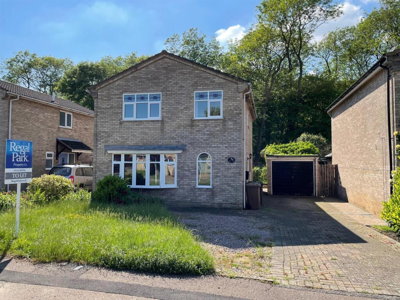
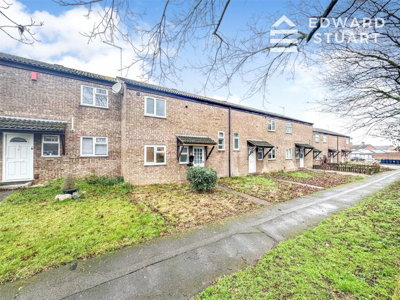
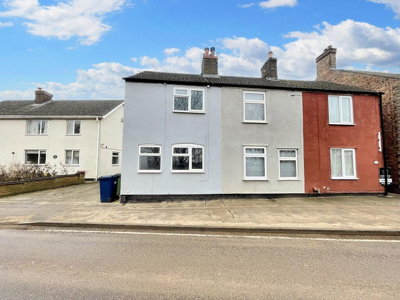
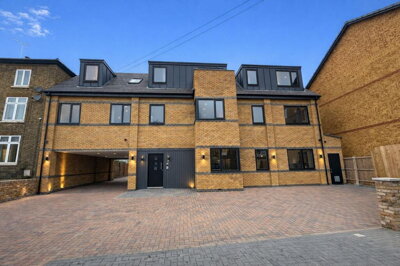
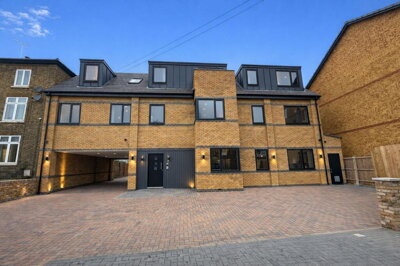
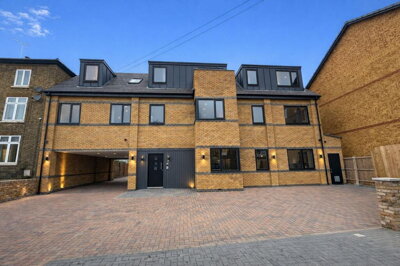
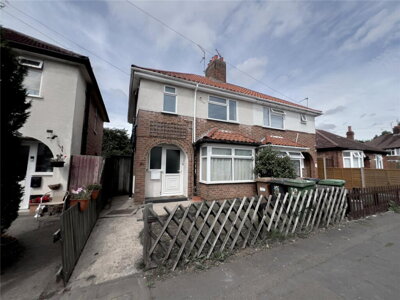
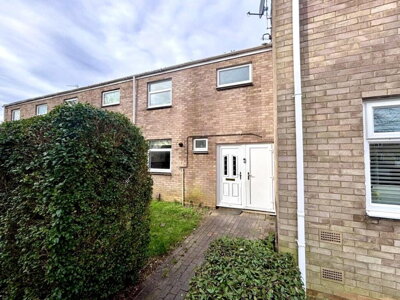
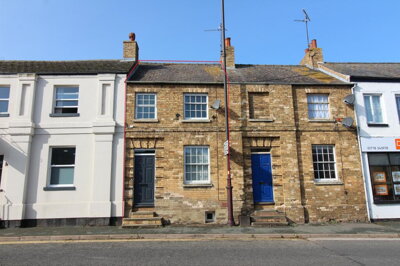
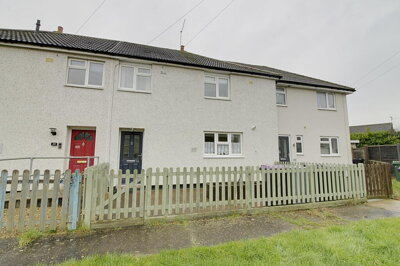
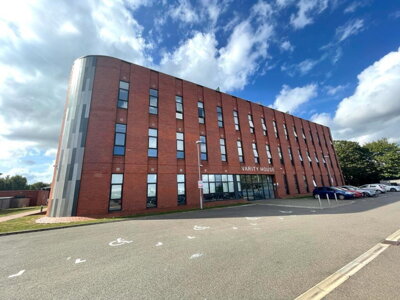
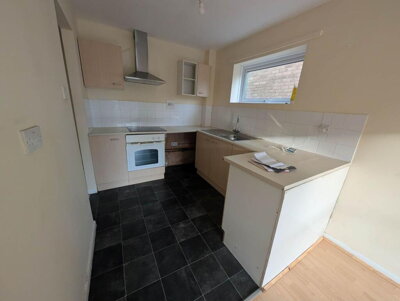
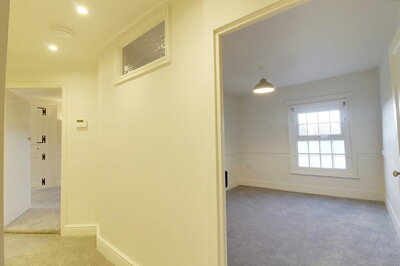
Browse 436 rental homes to rent in PE6 from local letting agents.
£950/m
15
0
85
Source: home.co.uk
Source: home.co.uk
Terraced
4 listings
Avg £894
Detached
3 listings
Avg £1,130
House
3 listings
Avg £1,083
End of Terrace
2 listings
Avg £1,000
Apartment
1 listings
Avg £650
Cottage
1 listings
Avg £995
Flat
1 listings
Avg £675
Source: home.co.uk
Source: home.co.uk
The PE6 rental market benefits from strong fundamentals driven by the area's diverse economy. With the local economy rooted in agriculture, food processing, and logistics sectors, and excellent connectivity to Peterborough's financial services and manufacturing hub via the A1(M) and A47, the region maintains stable tenant demand. Sale prices have shown a modest 1.5% decrease over the past twelve months, creating opportunities for renters to negotiate favourable terms while property values remain accessible. This market balance benefits tenants looking for quality rental homes at reasonable prices.
Property types available for rent reflect the local housing stock composition, which consists of 40.2% detached homes, 30.1% semi-detached properties, 19.8% terraced houses, and 9.9% flats and apartments. This mix means renters in PE6 can find everything from spacious family homes to compact apartments depending on their needs. Sale values provide useful benchmarks for rental expectations, with flats starting around £120,000, terraced homes averaging £215,000, semi-detached properties at £272,000, and detached houses reaching £437,429. Local rental rates typically reflect a proportion of these values, making village locations particularly attractive for budget-conscious tenants.
The village character of PE6 creates distinct rental markets within each community. Eye offers the most amenities and services, making it popular with families and commuters. Crowland provides historic character with traditional village facilities. Thorney delivers peaceful rural living with excellent road connections. Each village within PE6 has its own rental pricing dynamics based on property type availability, local demand, and proximity to schools and transport links.

The PE6 postcode serves approximately 30,000 residents across roughly 12,500 households, creating tight-knit village communities with genuine local character. The area's villages each offer distinct personalities that cater to different lifestyles. Eye provides local shops, pubs, and services including a pharmacy, post office, and several independent retailers along its high street. Crowland maintains historic connections with community facilities including churches, a village hall, and regular market gatherings. Thorney offers peaceful rural living with easy access to surrounding areas and a strong sense of village identity.
The local economy thrives on agriculture and food processing given the fertile Fenland soils, while logistics and distribution benefit from the strategic road network connecting to the A1(M) and A47. These industries provide stable employment for local residents and maintain the character of the area. Peterborough, just a short drive away, adds additional employment options in financial services, retail, and manufacturing sectors. This economic diversity supports a stable housing market where tenants can build long-term roots in communities that genuinely feel like home rather than transient dormitory settlements.
Transport connectivity makes PE6 particularly attractive for commuters. The A1(M) provides direct access to Peterborough and onward connections to London and the north, while the A47 links the area to Cambridge and the Midlands. Peterborough railway station offers regular services to London King's Cross in under an hour, making the area ideal for commuters seeking more affordable village accommodation. Bus services connect the villages with Peterborough city centre, though private transport provides significantly greater flexibility for daily commuting and accessing amenities across the wider area.
Families considering rental properties in PE6 should research local school catchments carefully. Primary schools serve each village community, while secondary education options include schools in nearby Market Deeping, Peterborough, and surrounding towns. Some families opt for grammar school options in Peterborough, which requires careful planning regarding catchment areas and admissions criteria. Early years and primary provision is well-established across the villages, but families should verify specific school zones when choosing rental properties, as these can significantly affect suitability for households with school-age children.

Properties in PE6 showcase the traditional building styles characteristic of the Fens region, predominantly constructed from brick with distinctive red brick facades reflecting local materials and heritage. Some properties incorporate render or stone elements, particularly in older or more characterful buildings. Roofs are typically tiled with clay or concrete tiles, or finished with natural slate on period properties. This traditional construction reflects the building methods used throughout the Fenland villages for generations, creating a coherent architectural character across the area.
The property age distribution reveals varied construction methods across PE6's housing stock. Approximately 15% of homes were built pre-1919, featuring solid wall construction that may lack modern cavity insulation. Properties from this era often include original features such as fireplaces, sash windows, and decorative plasterwork. The 10% built between 1919 and 1945 typically feature early cavity wall construction, while the substantial 35% from the post-war period through 1980 represents the bulk of family housing with cavity wall construction and central heating systems. The 40% of more recent construction includes both traditional brick-built properties and newer timber-frame developments.
Several villages within PE6, including Eye, Crowland, and Thorney, contain designated Conservation Areas where traditional architecture is protected. These areas feature higher concentrations of listed buildings showcasing heritage construction methods that are protected for their special architectural or historic interest. Properties in conservation areas offer unique character but may require planning permission for certain alterations, a consideration for tenants planning longer-term homes or those wishing to personalise their rental. Traditional cavity wall construction dominates post-1920s properties, while newer developments increasingly use timber-frame methods for improved energy efficiency.
The Fenland geology presents specific considerations for properties across PE6. The area is dominated by superficial deposits of alluvium, peat, and glaciofluvial materials overlying bedrock consisting of Jurassic clays and limestones including the Oxford Clay Formation. These clay deposits create a moderate to high shrink-swell risk in certain parts of PE6, particularly where properties sit on uncompacted or expansive clay soils. Properties built before 1980 may have foundations not designed to accommodate significant ground movement, making awareness of signs of subsidence or heave important when viewing rental properties.

The PE6 area has seen active new build development in recent years, offering tenants opportunities to rent modern homes with contemporary design and construction. Several notable developments provide quality housing across the area. The Quadrant in Eye, developed by Larkfleet Homes, offers 2, 3, 4, and 5 bedroom homes priced from £265,000 to £499,995. Willow Tree Gardens in Crowland, from Ashwood Homes, provides similar family accommodation starting from £229,995. The Brambles in Thorney, by Allison Homes, offers additional options starting from £249,995. These developments indicate ongoing investment in the PE6 housing stock and neighbourhood improvements.
New developments in PE6 typically feature timber-frame construction, modern insulation standards, and contemporary layouts designed for today's families. Open-plan living spaces, underfloor heating, and energy-efficient specifications are standard features in recently constructed properties. For tenants seeking rental properties in new build homes, checking with developers regarding any properties being offered on a rental basis can provide access to these modern specifications. Even where sale properties are primarily marketed, they indicate the ongoing investment in PE6's housing stock and the continued desirability of the area for quality residential development.
Tenants considering newer properties in PE6 benefit from reduced maintenance concerns and improved energy efficiency compared to older housing stock. Modern insulation standards mean lower heating costs, while contemporary construction methods reduce issues with damp and structural movement. Properties built after 1980 typically feature cavity wall insulation, loft insulation to current standards, and modern heating systems. However, rental prices for newer properties may be higher to reflect these advantages, so tenants should weigh the trade-off between monthly rent and ongoing utility costs when comparing options.

Secure a rental budget agreement before viewing properties in PE6. This document shows landlords you are serious and helps you understand exactly what you can afford across the villages. Contact local mortgage advisors or use online affordability calculators to establish your monthly rental budget, accounting for rent, council tax, utilities, and moving costs. Having this clarity prevents wasted viewings on properties outside your range and strengthens your position when making offers on competitive rentals.
Explore the different villages within PE6 including Eye, Crowland, and Thorney to find the community that best matches your work commute, family needs, and lifestyle preferences. Consider factors such as distance to your workplace, school catchment areas, proximity to local amenities including shops and pubs, and access to public transport. The government's flood risk mapping tool can help you understand surface water and river flooding potential for specific locations. Each village has its own character, so visiting at different times helps you understand which community would suit you best.
Browse available rentals in PE6 and arrange viewings to assess property condition, garden space, parking, and proximity to local amenities and transport links. When viewing, check for signs of damp on walls and ceilings, the condition of windows and doors, the age and condition of the boiler and heating system, and the overall presentation of the property. Ask the landlord or agent about the tenancy terms, including the length of the fixed term, rent payment dates and methods, and what is included in the rent. Properties in the PE6 area range from traditional cottages to modern family homes, so view several options to compare.
For older properties or longer tenancies, a RICS Level 2 Survey (£400-£700 locally) can identify defects like damp, subsidence risk, or outdated electrics before you commit. Approximately 60% of properties in PE6 were built before 1980, meaning age-related defects are common in the local housing stock. A professional survey can reveal issues not visible during a standard viewing, from rising damp due to the low-lying Fenland landscape to signs of ground movement from clay soils. This investment can save significant money and stress by identifying problems before you sign the tenancy agreement.
Expect tenant referencing, right-to-rent checks, and a signed tenancy agreement when renting in PE6. Standard deposits are capped at five weeks' rent where annual rent falls below £50,000, and must be protected in a government-approved scheme within 30 days of receiving it. Tenant referencing fees vary between letting agents, typically ranging from £100-£300 per applicant. Ensure you receive a copy of the government deposit protection certificate within 30 days and understand the terms of the tenancy agreement fully before signing. Administrative charges, inventory check costs, and early termination fees should be clearly outlined in your tenancy agreement.
Arrange your inventory check, transfer utilities, and set up council tax with Peterborough City Council on your move date. Document the property condition thoroughly during the check-in inventory, noting any existing damage or issues to protect yourself when you eventually move out. Contact your utility suppliers to set up accounts in your name from the move date, and register with Peterborough City Council for council tax. Consider contents insurance that covers flood damage given the area's flood risk from the River Nene and surface water, particularly for properties in low-lying areas or near watercourses.
Renting in the PE6 area requires awareness of specific local factors that affect properties. The Fenland geology creates a moderate to high shrink-swell risk from underlying clay deposits, which can cause foundation movement in properties with inadequate foundations or those affected by nearby trees. When viewing properties, look for signs of cracking in walls, doors that stick, or uneven floors, which may indicate ground movement issues more prevalent in this geological area. Diagonal cracking above door frames and windows often suggests foundation movement that warrants further investigation.
Flood risk deserves careful consideration given the area's position in the Fens. The River Nene and its tributaries, along with extensive drainage ditches and canals, present flood risk particularly during heavy rainfall. Low-lying areas and properties near watercourses face higher risk of surface water flooding given the flat topography and agricultural drainage systems. Ask landlords about any previous flooding history and consider taking out contents insurance that covers flood damage. Properties in identified flood zones may require specific resilience measures and may face higher insurance premiums. The government's Check Long Term Flood Risk website allows you to input specific addresses to understand flood risk.
The age of properties in PE6 varies significantly, so assessing condition relates to when the property was built. Pre-1980s properties often have solid walls or early cavity wall construction that may lack modern insulation, potentially causing condensation issues in the low-lying Fenland environment. Look for signs of damp including musty odours, mould on walls and windows, and peeling wallpaper or paint. Properties with single-glazed windows and older heating systems will have higher ongoing utility costs. Request information about the boiler age and condition, as replacing an old boiler can be expensive and may not be the landlord's immediate priority.

Approximately 60% of properties in PE6 were built before 1980, making awareness of age-related defects essential for tenants. Damp represents one of the most common issues due to the low-lying Fenland landscape and potential for high water tables. Look for evidence of rising damp at ground floor levels shown by tide marks on walls and damaged plaster, condensation on windows particularly in bedrooms and bathrooms, or signs of penetrating damp on walls where water is entering through the fabric of the building. Properties with solid wall construction common in pre-1920s buildings are particularly susceptible to damp penetration and may require improved ventilation or specialist treatment.
Roof condition requires careful inspection on older properties, where slipped tiles, damaged flashing, and deteriorated felt can lead to leaks and timber decay. Properties built during the post-war boom from 1945 to 1980 often feature roofing materials reaching the end of their serviceable life. Look for missing or slipped tiles, moss accumulation that traps moisture, and signs of water staining on ceiling timbers or in loft spaces. Flashing around chimneys, roof windows, and valleys commonly deteriorates before the main roof covering, so check these areas carefully during viewings.
Outdated electrical systems and plumbing are frequently encountered in pre-1980s properties, with wiring that may not meet current safety standards. Look for dated consumer units with fuses rather than modern circuit breakers, black rubber or fabric-covered cables that indicate older installation, and insufficient socket outlets for modern households. Outdated plumbing may show as visible rust on pipes, slow drains suggesting sediment buildup, or old boilers operating below current efficiency standards. Request the electrical safety certificate and gas safety record from your landlord before moving in, and consider negotiating improvements as part of your tenancy agreement.
Timber defects including wet rot, dry rot, and woodworm can affect structural timbers in older properties across PE6. The Fenland environment with its high water table and humid conditions creates ideal conditions for timber decay if properties are not properly maintained. Look for signs of woodworm in floorboards and structural timbers, soft spots in wooden floors, and any fungal growth indicating wet or dry rot. Properties with period features may have original timbers that require specialist treatment and ongoing maintenance. Discuss any timber concerns with the landlord before committing to a tenancy, as treatment costs can be substantial.

While specific rental figures vary by property type and condition, the PE6 market offers excellent value compared to urban centres. Sale prices provide useful context, with terraced homes averaging £215,000, semi-detached properties at £272,000, and detached houses reaching £437,429. Rental prices typically reflect a proportion of these values, with village locations generally offering lower rents than comparable properties in Peterborough itself. Contact local letting agents for current rental listings matching your requirements, as availability changes regularly across the different villages including Eye, Crowland, and Thorney.
Properties in PE6 fall under Peterborough City Council's council tax scheme. Bands range from A through H based on property valuation, with most village homes tending toward lower bands given their more modest market values compared to city centre properties. You can check specific bands via the Valuation Office Agency website using the property address, and budget accordingly alongside your rent when planning your move. Council tax payments are typically made in monthly instalments, and some tenants may qualify for discounts or exemptions depending on their circumstances.
The PE6 area serves families with a network of primary schools located within each village community. Secondary education options include schools in nearby Market Deeping, Peterborough, and surrounding towns, with some families choosing grammar school options in Peterborough. Early years and primary provision is well-established across the villages, though families should research specific catchment areas and admissions criteria when choosing rental properties in PE6. School performance data is available through Ofsted's website, and visiting schools before committing to a tenancy can provide valuable insight into local educational options.
PE6 benefits from strategic road connections via the A1(M) providing direct access to Peterborough and onward to London, while the A47 links the area to Cambridge and the Midlands. Bus services operate between villages and Peterborough city centre, though private transport offers significantly greater flexibility for commuting and accessing amenities. Peterborough railway station provides regular services to London King's Cross in under an hour, making the area attractive for commuters seeking more affordable village living. The villages of Eye, Crowland, and Thorney each have bus stops with varying service frequencies, so check local timetables for your specific location.
PE6 offers compelling advantages for renters seeking village living with good transport connections. The area provides access to genuine community spirit, village amenities, and peaceful surroundings while maintaining reasonable commuting times to Peterborough and beyond. The housing stock ranges from characterful period properties to modern developments, all at more accessible price points than larger cities. The stable local economy based on agriculture, logistics, and connections to Peterborough's employment hub supports long-term tenant demand. With approximately 30,000 residents across 12,500 households, the communities maintain genuine village character rather than feeling like dormitory settlements.
Standard deposits are capped at five weeks' rent where annual rent falls below £50,000, and must be protected in a government-approved scheme within 30 days of receiving it. Tenant referencing fees vary between letting agents, typically ranging from £100-£300 per applicant. Administrative charges, inventory check costs, and early termination fees should be clearly outlined in your tenancy agreement. Ask for a full breakdown of all costs before committing, and remember that holding deposits to reserve properties are separate from tenancy deposits. Ensure you receive written confirmation of where your deposit is protected and understand the process for getting it back at the end of your tenancy.
For older properties or longer tenancies, a RICS Level 2 Survey priced between £400-£700 locally can identify defects before you commit to a tenancy. Approximately 60% of properties in PE6 were built before 1980, making age-related defects common. Our inspectors frequently find damp issues due to the low-lying Fenland landscape, signs of ground movement from clay soils, and outdated electrical systems in pre-1980s properties. A professional survey report gives you leverage to negotiate repairs with the landlord or choose a different property if significant issues are found.
Several villages within PE6 including Eye, Crowland, and Thorney contain designated Conservation Areas where traditional architecture is protected. These areas feature higher concentrations of listed buildings that cannot be altered without Listed Building Consent. Renting a property in a conservation area means the landlord faces restrictions on alterations, which may limit your ability to make changes to the property. Our team can advise on properties in conservation areas and whether specialist surveys such as a RICS Level 3 Survey might be appropriate given the age and unique construction of heritage properties.
From 4.5%
Get pre-approved for your rental budget before searching for homes in PE6 villages.
From £99
Complete referencing checks required by landlords across PE6.
From £400
Professional survey for older properties in PE6 to identify defects before committing.
From £80
Energy performance certificate for rental properties in PE6.
Properties to Rent In London

Properties to Rent In Plymouth

Properties to Rent In Liverpool

Properties to Rent In Glasgow

Properties to Rent In Sheffield

Properties to Rent In Edinburgh

Properties to Rent In Coventry

Properties to Rent In Bradford

Properties to Rent In Manchester

Properties to Rent In Birmingham

Properties to Rent In Bristol

Properties to Rent In Oxford

Properties to Rent In Leicester

Properties to Rent In Newcastle

Properties to Rent In Leeds

Properties to Rent In Southampton

Properties to Rent In Cardiff

Properties to Rent In Nottingham

Properties to Rent In Norwich

Properties to Rent In Brighton

Properties to Rent In Derby

Properties to Rent In Portsmouth

Properties to Rent In Northampton

Properties to Rent In Milton Keynes

Properties to Rent In Bournemouth

Properties to Rent In Bolton

Properties to Rent In Swansea

Properties to Rent In Swindon

Properties to Rent In Peterborough

Properties to Rent In Wolverhampton

Enter your details to see if this property is within your budget.
Loans, cards, car finance
Estimated property budget
Borrowing + deposit
You could borrow between
Typical borrowing
Monthly repayment
Est. at 4.5%
Loan-to-value
This is an estimate only. Your actual budget may vary depending on interest rates, credit history, and personal circumstances. For an accurate affordability assessment, speak to one of our free mortgage advisors.
This calculator provides estimates for illustrative purposes only and does not constitute financial advice. Your home may be repossessed if you do not keep up repayments on your mortgage. Estimates based on 4.5% interest rate, repayment mortgage. Actual rates depend on your circumstances.
Homemove is a trading name of HM Haus Group Ltd (Company No. 13873779, registered in England & Wales). Homemove Mortgages Ltd (Company No. 15947693) is an Appointed Representative of TMG Direct Limited, trading as TMG Mortgage Network, which is authorised and regulated by the Financial Conduct Authority (FRN 786245). Homemove Mortgages Ltd is entered on the FCA Register as an Appointed Representative (FRN 1022429). You can check registrations at NewRegister or by calling 0800 111 6768.

We use cookies to show you personalised content and improve your experience of our website. Find out more in our Privacy policy and Cookie policy.