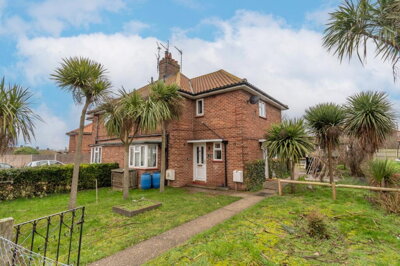
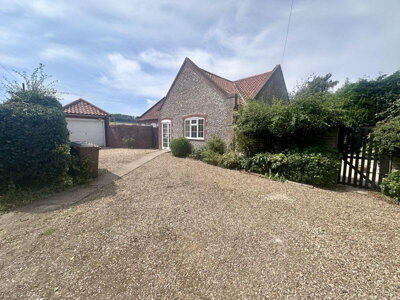
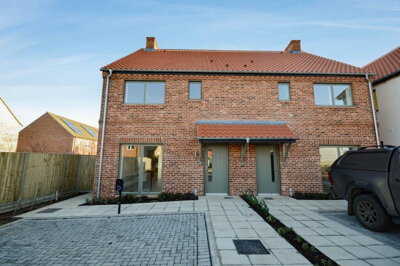
Browse 7 rental homes to rent in NR23 from local letting agents.
£848/m
2
0
56
Source: home.co.uk
Source: home.co.uk
Apartment
1 listings
Avg £895
Flat
1 listings
Avg £800
Source: home.co.uk
Source: home.co.uk
The NR23 rental market reflects the broader property landscape of Wells-next-the-Sea, where traditional seaside charm meets a strong sense of community. Rental properties in the area typically range from period cottages and terraced houses near the harbour to more modern detached homes on the outskirts of town. The average property value in NR23 stands at approximately £321,200, with detached homes averaging £431,800 and terraced properties around £250,000, providing context for the premium nature of this coastal location.
Recent market data indicates that prices in NR23 have remained relatively stable over the past twelve months, with only a marginal decrease of 0.3% overall. This stability makes the area an attractive proposition for renters who may be considering longer-term commitments. Detached properties have seen a slight decrease of 0.5%, while terraced homes have increased marginally by 0.1%, suggesting continued demand for traditional harbour-side accommodation. Flats in the area average around £170,000, making them the most accessible entry point to the local market for those seeking smaller properties or investment opportunities.
New build developments such as The Maltings and The Hedgerows, both by Norfolk Homes in Wells-next-the-Sea, offer contemporary 2, 3, and 4-bedroom homes with prices starting from £275,000, representing modern options within the local property landscape. These developments provide rental alternatives for those who prefer newer construction with modern insulation, wiring, and heating systems. However, many renters are drawn to the character of older properties in the town centre, which fall within the Conservation Area and feature Georgian and Victorian architecture that newer developments cannot replicate.

Properties in Wells-next-the-Sea (NR23) showcase distinctive construction traditions shaped by local materials and coastal conditions. Traditional Norfolk brick, sometimes featuring characteristic flint detailing, forms the walls of many period properties throughout the town. Render finishes are common, particularly on Georgian and Victorian properties, while roofs typically feature clay pantiles or slate. Understanding these building methods helps renters appreciate why properties may feel different to modern homes, with solid brick walls offering different thermal and acoustic properties compared to modern cavity wall construction.
The historic core of Wells-next-the-Sea contains numerous listed buildings dating from the Georgian and Victorian eras, many situated within the Conservation Area that covers much of the town centre. These older properties often feature solid wall construction, typically 9-inch thick brick or flint and brick combination, with timber floor joists and pitched timber roofs. While these construction methods give period properties their distinctive character, they also require specific maintenance considerations that differ from modern homes. Renters should expect features such as smaller window openings, lower ceilings, and uneven floor levels that reflect traditional building techniques rather than modern standards.
Coastal properties in NR23 face particular challenges due to their proximity to the sea. Salt contamination in masonry affects many properties built before modern damp-proof courses were introduced, leading to deterioration of brickwork and mortar joints over time. Timber elements, including floor joists, window frames, and structural components, are susceptible to both wet rot and dry rot in properties where ventilation is inadequate. Our inspectors frequently identify these issues during surveys of rental properties in the Wells-next-the-Sea area, particularly in solid-walled properties where moisture management requires careful attention.
The local geology presents additional considerations for property condition. The area around Wells-next-the-Sea features superficial deposits of tidal flats, sand, and gravel overlying chalk bedrock, with some areas showing moderate to high shrink-swell clay hazard. Properties with shallow foundations on clay soils may experience movement during prolonged dry periods, potentially leading to cracking or structural concerns. While significant subsidence is not common in the immediate NR23 area, understanding ground conditions helps renters evaluate properties more thoroughly.
Wells-next-the-Sea is a captivating coastal town with a population of approximately 2,451 residents across roughly 1,200 households, according to recent census data. The town centres around a bustling harbour where fishing boats and pleasure craft share the waters, while the iconic beach huts line the path leading to one of Norfolk's most beloved sandy shores. The combination of maritime heritage, independent shops, and welcoming pubs creates an atmosphere that resonates with those seeking a genuine coastal community experience.
The local economy thrives on tourism, hospitality, and retail sectors, with fishing and maritime industries continuing to play a traditional role in daily life. Agriculture in the surrounding rural areas provides additional employment opportunities, while the presence of second homes and holiday lets has shaped the character of the housing market significantly. This seasonal influence means that the population swells considerably during summer months, contributing to a lively atmosphere but also affecting the availability of long-term rental properties for permanent residents.
Key streets and areas within NR23 include the harbour frontage along The Quay, where terraced properties and cottages offer direct access to maritime activities. Staithe Street and Church Street lead into the historic town centre with its Conservation Area properties, while Station Road and surrounding streets provide more residential character with a mix of property ages and types. Newer residential development has extended toward the outskirts, with The Maltings and The Hedgerows providing contemporary options near the edge of town. Each neighbourhood offers distinct characteristics, from the bustle of the harbour area to quieter residential streets suitable for families.

Families considering a move to the NR23 area will find several educational options available within reasonable travelling distance. Wells-next-the-Sea itself offers primary education facilities serving the local community, with schools providing education from early years through to Key Stage 2. The presence of good schools in the wider North Norfolk area makes this postcode attractive to households with children, though parents should research specific catchment areas and admissions criteria when planning their move.
Primary schools in Wells-next-the-Sea serve the immediate community, with several settings offering wraparound care and breakfast clubs to support working families. Parents should consult current Ofsted reports and performance data when evaluating options, as these provide detailed insights into educational quality and pupil outcomes. The close-knit community means that primary schools often have strong parental involvement and extracurricular programmes that complement academic education.
Secondary education options typically require travel to nearby towns, and families should consider transport arrangements and catchment areas when choosing a rental property if school places are a priority. Schools in towns such as Fakenham and Cromer provide options for older children, with school transport services operating from Wells-next-the-Sea to various destinations. For those seeking grammar school education, the surrounding Norfolk area provides access to selective schools in towns such as King's Lynn and Norwich, though competition for places can be strong and application deadlines vary.
The local community also benefits from various preschool and childcare facilities, supporting families at different stages of their educational journey. Before and after-school clubs provide flexibility for working parents, while holiday childcare programmes operate during school breaks. Families are advised to verify current school performance data, including Ofsted ratings, and to consider transportation arrangements when evaluating educational options alongside rental property availability.
Transport connectivity from NR23 centres on road links that connect Wells-next-the-Sea to the wider Norfolk road network. The A149 coast road provides access to towns including Hunstanton to the west and Cromer to the southeast, while connections to the A1065 and A148 link the area to larger centres such as King's Lynn and Norwich. For commuters working in Norwich, the journey typically takes around one hour by car, making day commuting feasible for those whose employment allows for the distance.
Bus services provide essential connectivity for those without private vehicles, with routes connecting Wells-next-the-Sea to surrounding villages and larger towns including Fakenham, where passengers can access additional services to wider destinations. The Coastliner bus service operates along the A149, providing a scenic route connecting coastal communities and offering an alternative to car travel for commuters and visitors alike. Bus stops throughout the town provide access to these services, though timing and frequency should be checked before relying on public transport for daily commuting.
The nearest railway stations can be found in towns such as Sheringham and Cromer, offering connections to Norwich and the broader rail network. The Bittern Line runs between Norwich, Sheringham, and Cromer, providing access to East Anglia and connections to London's Liverpool Street station via Norwich. For air travel, Norwich International Airport provides domestic and limited international flights, located approximately 40 miles from Wells-next-the-Sea. Cycling infrastructure in the area has improved in recent years, with scenic routes attracting both commuters and recreational cyclists along the coast and into the surrounding countryside.

Before searching for properties in Wells-next-the-Sea, arrange a rental budget agreement in principle to understand how much rent you can afford. Most landlords require proof of income equivalent to 30 times the monthly rent, and having documentation ready strengthens your application significantly. Our team can connect you with budget agreement providers who offer clear guidance on affordability assessments.
Explore different areas within the NR23 postcode, from the harbour frontage to quieter residential streets. Consider proximity to essential amenities, schools if applicable, and your preferred commute times. Visiting at different times of day helps you understand the seasonal character of the town, particularly how tourist traffic affects daily life during summer months.
Once you have identified suitable properties, arrange viewings through local letting agents. For older properties in conservation areas or period homes featuring traditional Norfolk brick and flint construction, consider booking a professional survey to identify any potential issues before committing to a tenancy. Our inspectors regularly assess properties throughout NR23 and can provide detailed reports on construction condition.
When you find the right property, submit your application promptly with all required documentation. References, employment verification, and previous landlord references will be required. Having these prepared in advance speeds up the process considerably and positions you favourably against other applicants in a competitive market.
Upon successful referencing, you will receive your tenancy agreement for review. Ensure you understand the terms, including the deposit amount, rent payment schedule, and any special conditions. Most landlords require a security deposit equivalent to five weeks rent, protected in a government-approved scheme.
Renting properties in NR23 requires awareness of specific local factors that can affect your tenancy experience. The coastal environment means that properties near the harbour or beach may be subject to higher humidity levels, which can lead to damp issues if ventilation is inadequate. Period properties in the town centre, many of which fall within the Conservation Area, often feature traditional construction methods including solid brick walls and timber floors that require different maintenance considerations compared to modern homes. Our inspectors frequently identify issues such as rising damp, salt contamination in masonry, and timber deterioration in older coastal properties during surveys.
Flood risk is a consideration for certain areas of Wells-next-the-Sea, particularly properties close to the harbour or low-lying areas that may be affected during high tides and storm surges. The Environment Agency provides detailed flood maps that can help you assess risk for specific properties, showing areas at risk from rivers, the sea, and surface water flooding. Properties in Conservation Areas may also be subject to planning restrictions that limit certain alterations or extensions, so understanding these constraints before signing a tenancy is advisable if you have plans to modify the property.
Electrical and plumbing systems in older properties may not meet current standards, which is worth considering when evaluating rental properties in NR23. Many period properties retain original wiring and plumbing that dates from previous decades, potentially requiring updates during your tenancy or presenting safety considerations. A professional survey can identify these issues before you commit, helping you negotiate appropriate terms with landlords or factor potential costs into your decision.

While specific rental price data for NR23 varies based on property type and location, rental prices typically reflect the premium nature of this coastal location where the average property value sits around £321,000. Terraced homes and flats command different rents than larger detached properties, with harbour-frontage properties often priced higher due to their desirable locations. For accurate current rental pricing, searching listings specific to Wells-next-the-Sea provides the most reliable information, as the market changes with seasonal demand and property availability. Our platform connects you directly with letting agents holding current NR23 listings.
Council tax bands in NR23 vary by property, with bands ranging from A through to H depending on the assessed value of the home. Wells-next-the-Sea falls under North Norfolk District Council, and residents can check specific bandings through the Valuation Office Agency website using the property address. Most terraced properties and smaller flats in the area tend to fall in lower to middle bands, while larger detached homes in areas such as The Maltings or along the coast may be placed in higher bands. Council tax payments typically cover refuse collection, local services, and policing contributions to the Norfolk Constabulary.
The NR23 area offers primary education options within Wells-next-the-Sea, with several schools serving the local community. Parents should consult current Ofsted reports and performance data when evaluating options, as these provide detailed insights into educational quality. Secondary education typically requires travel to nearby towns, and families should consider transport arrangements and catchment areas when choosing a rental property if school places are a priority. Grammar schools in King's Lynn and Norwich offer selective education for those meeting entrance criteria, though competition for places can be significant.
Public transport in Wells-next-the-Sea includes bus services connecting the town to surrounding villages and larger towns including Fakenham and Cromer. The Coastliner service along the A149 provides regular connections to coastal communities, while the nearest railway stations in Sheringham and Cromer offer connections to Norwich and the broader East Anglia rail network. However, car ownership remains advantageous for those with daily commuting requirements or families needing flexibility for school transport and essential shopping trips to larger centres. Norwich, approximately 40 miles away, requires around an hour by car or longer via public transport.
Wells-next-the-Sea offers an exceptional quality of life for those who appreciate coastal living, natural beauty, and a close-knit community atmosphere. The town provides essential amenities including shops, pubs, and restaurants while maintaining a peaceful character distinct from busier seaside destinations. The main consideration for renters is the seasonal nature of the area, with tourist traffic increasing substantially during summer months and some properties used as holiday lets, which can affect long-term rental availability. Properties in the Conservation Area offer historic character, though they may require more maintenance attention than newer builds.
Standard deposits for rental properties in England are capped at five weeks rent, calculated based on your annual rent. In NR23, where rental prices reflect the desirable coastal location, this means deposits can range significantly depending on the property size and type. Deposits are protected through a government-approved tenancy deposit scheme within 30 days of receiving them. Tenants should also budget for moving costs, initial rent payments, holding deposits equivalent to one weeks rent while referencing is completed, and potentially tenant referencing fees charged by letting agents.
While surveys are not mandatory for renting, they are strongly recommended for properties in NR23 given the age and coastal location of much of the housing stock. Many rental properties are period homes featuring traditional Norfolk brick and flint construction, solid walls, and timber elements that can develop defects over time. Common issues identified in our surveys include damp (rising, penetrating, and condensation-related), salt contamination from the coastal environment, timber rot and woodworm, and roof deterioration. A professional survey report helps you understand the property condition before committing and can inform negotiations with landlords regarding maintenance or rent adjustments.
Wells-next-the-Sea is a coastal town with areas at risk of flooding from rivers and the sea, particularly during high tides and storm surges. Properties close to the harbour, on low-lying ground, or along certain coastal roads may face elevated flood risk during severe weather events. The Environment Agency provides detailed flood maps that show river, sea, and surface water flooding risk for specific locations throughout NR23. Tenants should check these maps when considering properties near the harbour or low-lying areas, and verify whether the property has appropriate flood resilience measures in place.
From 4.5% APR
Get a rental budget agreement in principle to understand your affordability before searching NR23 properties
From £35
Complete referencing checks to strengthen your rental application in the competitive NR23 market
From £400
Professional survey ideal for period properties and older homes common throughout Wells-next-the-Sea
From £85
Energy performance certificate required for rental properties, showing running costs and efficiency
Renting a property in NR23 involves several upfront costs that prospective tenants should budget for carefully. The standard security deposit is capped at five weeks rent and must be protected in a government-approved deposit scheme within 30 days of receiving it. In NR23, where rental values reflect the desirable coastal location, this means deposits can range significantly depending on the property size and type, so understanding your total commitment before signing is essential.
Additional costs may include holding deposits to secure a property while referencing is completed, typically equivalent to one weeks rent and often deducted from your final deposit. Tenant referencing fees, inventory checks, and contract preparation fees may also be charged by letting agents, though these vary between providers. First-time renters should also account for moving costs, potential furniture purchases if renting unfurnished, and ongoing expenses such as council tax, utility bills, and contents insurance.
Obtaining a rental budget agreement in principle before beginning your property search is strongly recommended, as it demonstrates financial readiness to landlords and helps you understand your true affordability. In a competitive market like Wells-next-the-Sea, where the combination of coastal appeal and limited rental stock creates strong demand, having your finances arranged in advance strengthens your application considerably. Our platform connects you with providers offering budget agreement services to help streamline your rental journey.

Properties to Rent In London

Properties to Rent In Plymouth

Properties to Rent In Liverpool

Properties to Rent In Glasgow

Properties to Rent In Sheffield

Properties to Rent In Edinburgh

Properties to Rent In Coventry

Properties to Rent In Bradford

Properties to Rent In Manchester

Properties to Rent In Birmingham

Properties to Rent In Bristol

Properties to Rent In Oxford

Properties to Rent In Leicester

Properties to Rent In Newcastle

Properties to Rent In Leeds

Properties to Rent In Southampton

Properties to Rent In Cardiff

Properties to Rent In Nottingham

Properties to Rent In Norwich

Properties to Rent In Brighton

Properties to Rent In Derby

Properties to Rent In Portsmouth

Properties to Rent In Northampton

Properties to Rent In Milton Keynes

Properties to Rent In Bournemouth

Properties to Rent In Bolton

Properties to Rent In Swansea

Properties to Rent In Swindon

Properties to Rent In Peterborough

Properties to Rent In Wolverhampton

Enter your details to see if this property is within your budget.
Loans, cards, car finance
Estimated property budget
Borrowing + deposit
You could borrow between
Typical borrowing
Monthly repayment
Est. at 4.5%
Loan-to-value
This is an estimate only. Your actual budget may vary depending on interest rates, credit history, and personal circumstances. For an accurate affordability assessment, speak to one of our free mortgage advisors.
This calculator provides estimates for illustrative purposes only and does not constitute financial advice. Your home may be repossessed if you do not keep up repayments on your mortgage. Estimates based on 4.5% interest rate, repayment mortgage. Actual rates depend on your circumstances.
Homemove is a trading name of HM Haus Group Ltd (Company No. 13873779, registered in England & Wales). Homemove Mortgages Ltd (Company No. 15947693) is an Appointed Representative of TMG Direct Limited, trading as TMG Mortgage Network, which is authorised and regulated by the Financial Conduct Authority (FRN 786245). Homemove Mortgages Ltd is entered on the FCA Register as an Appointed Representative (FRN 1022429). You can check registrations at NewRegister or by calling 0800 111 6768.

We use cookies to show you personalised content and improve your experience of our website. Find out more in our Privacy policy and Cookie policy.