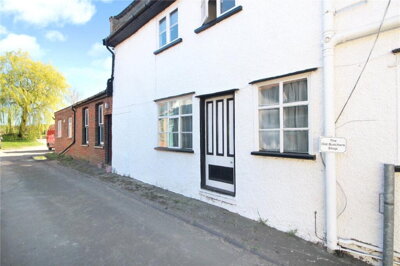
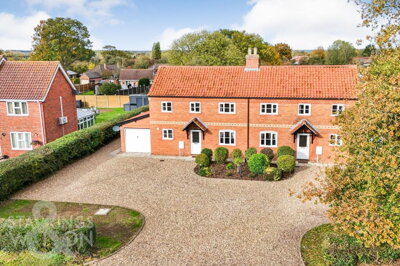
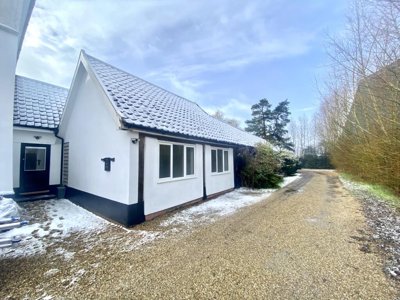
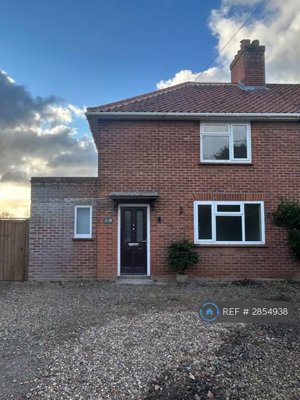
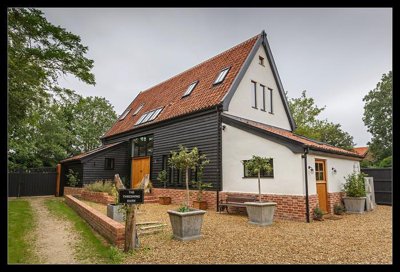
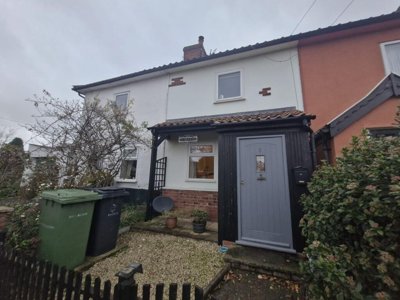
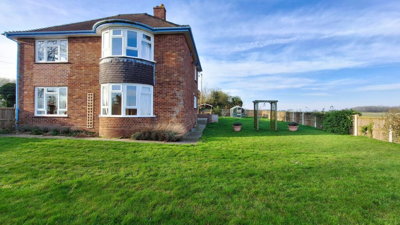
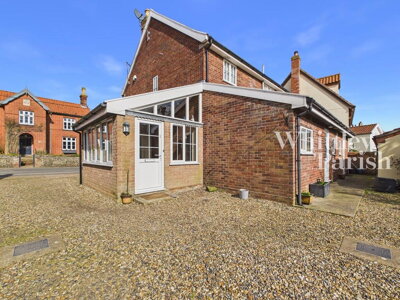
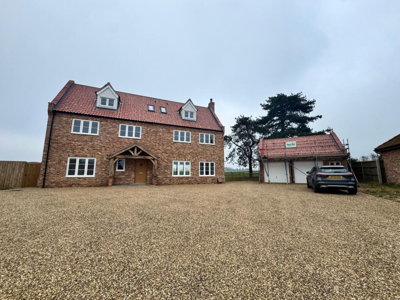
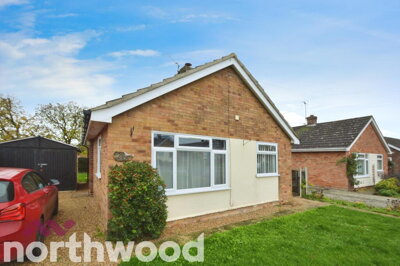
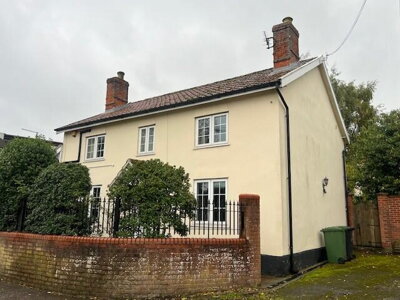
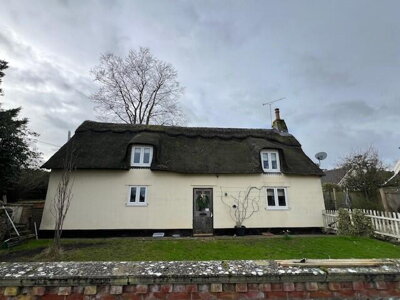
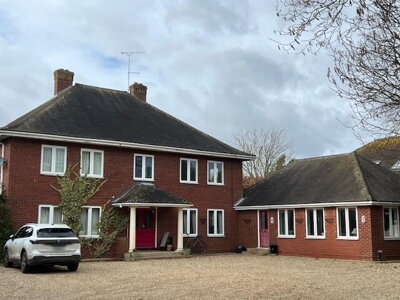
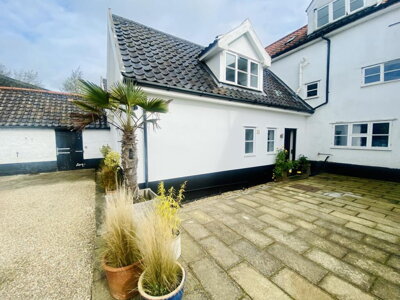
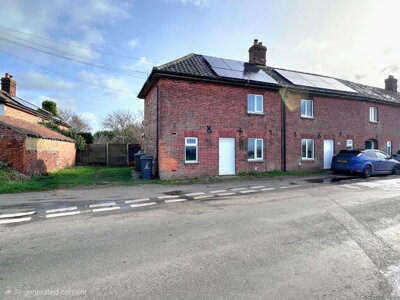
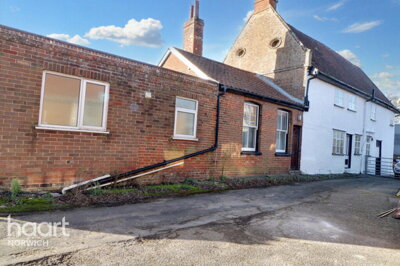
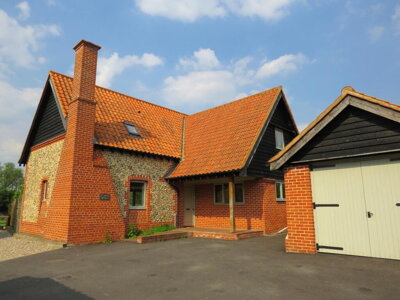
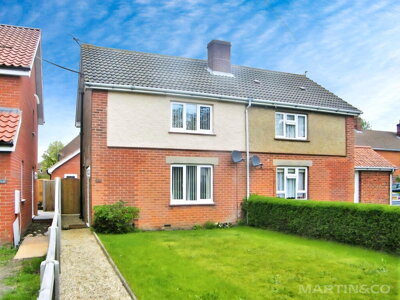
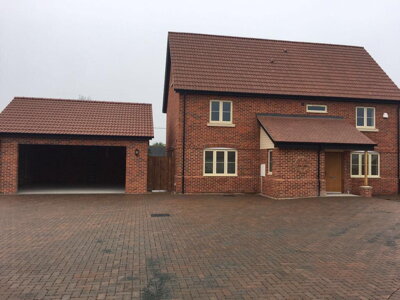
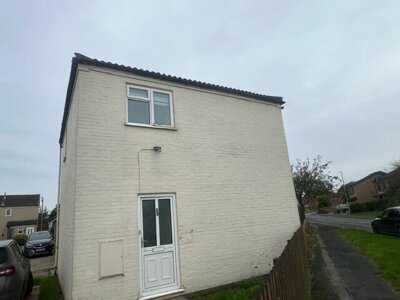
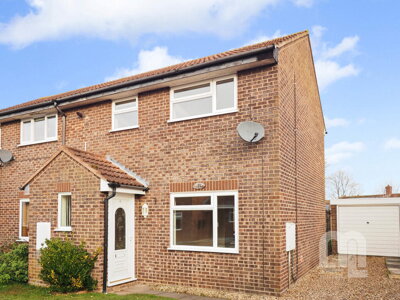
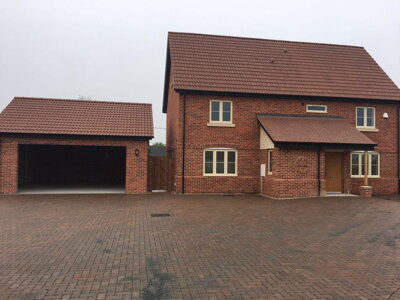
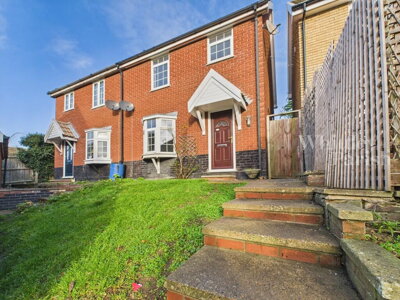
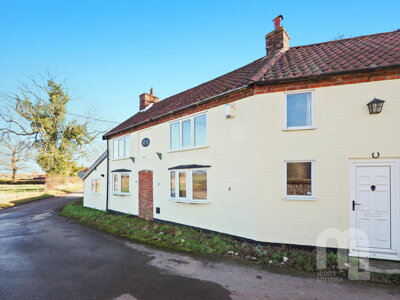
Browse 24 rental homes to rent in NR16 from local letting agents.
£825/m
3
0
41
Source: home.co.uk
Source: home.co.uk
Cottage
1 listings
Avg £1,500
End of Terrace
1 listings
Avg £825
Maisonette
1 listings
Avg £750
Source: home.co.uk
Source: home.co.uk
The NR16 rental market reflects the broader appeal of South Norfolk living, where demand consistently outstrips supply in this sought-after postcode. The sales market provides useful benchmarking for prospective tenants: currently, the average listing price across all property types stands at £469,890, having softened by 4.68% over the past six months. This price correction presents opportunities for renters, as landlords may be more negotiable on rent for well-presented properties. Recent market activity shows 127 residential sales in the area over the past year, indicating a healthy and active property market that supports stable rental values. Historical sold prices over the last year were 1% down on the previous year, suggesting a stable market that benefits both tenants and landlords seeking long-term tenancies.
Property types available to rent in NR16 include traditional period cottages, modern family homes, and bungalows suitable for retirees or those with mobility requirements. The village of East Harling has seen significant new development interest, with schemes like Three Squirrels offering contemporary homes ranging from £415,000 to £560,000 for sale. While these are primarily sale properties, the broader housing stock includes plenty of character homes perfect for rental. Terraced properties in the area typically command around £245,824 in value, suggesting monthly rents in the £900-£1,200 range for this property type, while detached homes with multiple bedrooms can achieve £1,500 or more per month depending on condition and location. The majority of properties in NR16 are detached homes, reflecting the rural nature of the postcode and the generous plot sizes common in village settings.
New build activity in NR16 continues to shape the local market, with several notable developments bringing contemporary homes to the area. Round Tower Park in Eccles offers 4-bedroom detached houses priced between £399,950 and £625,000, while Crown Street in Banham features exclusive high-quality semi-detached houses at guide prices around £525,000. For those seeking executive homes, Bridge Farm in Long Row, Tibenham, offers just two prestigious properties exceeding £900,000. These developments, though primarily for sale, indicate ongoing interest in the NR16 area and contribute to the overall character of the housing stock. Renters benefit from this active development as it brings new properties to the market and supports local amenities and infrastructure improvements.
The rental market in NR16 operates somewhat differently from urban areas, with fewer dedicated rental properties but a welcoming landlord community. Many landlords in the area own properties long-term, creating stable tenancy opportunities for renters seeking extended stays. Properties in conservation areas or those with historic features may command premium rents due to their character and limited availability. For tenants willing to accept a slightly longer commute to Norwich, the villages further from the A11 often offer better value while still providing the same countryside lifestyle benefits.
Life in NR16 embodies the best of rural Norfolk living, where close-knit village communities coexist with convenient access to urban amenities. The area encompasses several distinctive villages, each with its own character and heritage. East Harling serves as a local hub with essential shops, a primary school, and traditional pubs, while Banham offers its own community facilities including a village shop and the notable Banham Church. Bunwell has historical roots dating back to the 1400s, reflecting Norfolk's rich heritage that permeates every corner of this postcode. The predominantly agricultural landscape means sweeping countryside views, public footpaths, and farmland form the daily backdrop for residents.
The economic character of NR16 is rooted in agriculture, rural services, and the growing renewable energy sector. A notable employer in the area is the biomass plant in Quidenham, which provides skilled mechanical technician positions and reflects Norfolk's commitment to green energy. Warehouse and logistics roles in nearby Brettenham also offer employment for local residents. Despite its rural setting, NR16 maintains strong economic ties to Norwich, with many residents commuting to the city for work in healthcare, education, retail, and professional services. This blend of local employment and commuting options creates a balanced economic landscape that supports the housing market and provides diverse opportunities for working residents.
Village life in NR16 centres on community activities, local events, and the traditional pub culture that remains strong in rural Norfolk. The local pubs serve as social hubs where residents gather for meals, drinks, and community meetings. Village halls host regular events including quiz nights, craft groups, and seasonal celebrations that bring neighbours together. For families, the safe environment allows children to play outdoors and explore the countryside, while older residents appreciate the slower pace of life and familiar faces they encounter on daily walks. The strong sense of community is often cited by long-term residents as the primary reason they choose to stay in NR16 rather than relocating to more urban areas.

Education provision in NR16 centres on village primary schools that serve the local community with dedicated teaching in small class environments. The primary schools in East Harling and surrounding villages provide early years and Key Stage 1-2 education, with good Ofsted ratings typical for rural Norfolk schools. For families renting in NR16, the village school environment offers significant advantages including shorter journeys, familiar faces, and strong community ties that help children settle quickly into their new home. The intimate scale of village schools often means teachers know each pupil individually, supporting both academic progress and personal development.
Secondary education options for NR16 residents include schools in nearby market towns, with many families choosing to commute to Attleborough Academy Norfolk or Wymondham High Academy for their secondary education. These schools offer a broader curriculum including GCSEs, A-Levels, and vocational pathways, with some offering specialist subjects or sports programmes. For families with younger children, the presence of playgroups and nursery facilities in village halls across NR16 ensures childcare options are available close to home. Parents renting in the area should research specific catchment areas and admissions policies, as these can vary and may influence which school their child can attend.
Beyond formal education, NR16 offers numerous opportunities for extracurricular activities and skill development. Village halls regularly host children's activities including gymnastics, football clubs, and art classes during evenings and weekends. The countryside setting provides natural opportunities for outdoor education, with schools often arranging nature walks, farm visits, and environmental learning sessions. For teenagers, transport to external clubs and activities in nearby towns requires planning, but many families find that the benefits of countryside living outweigh the additional logistics involved in managing after-school activities.

Transport connectivity from NR16 balances the tranquility of countryside living with practical commuting options for those who need to travel further afield. The A11 trunk road runs through the southern part of the postcode area, providing direct access to Norwich (approximately 20 miles east) and Cambridge to the west, with London accessible via the M11 and A14 corridors. For residents working in Norwich, the drive typically takes around 30-40 minutes, making day commuting feasible for those based in the city. The A140 also passes through the area, connecting to the wider Norfolk road network and providing access to market towns including Long Stratton and Harleston.
Rail services are available from nearby Wymondham and Attleborough stations, both reachable within 15-20 minutes by car from most NR16 villages. Wymondham station offers direct services to Norwich, while Attleborough provides connections to Cambridge and London Liverpool Street, with journey times to the capital typically around 90 minutes. This makes occasional commuting to London viable for professionals who work in the capital but prefer to live in the Norfolk countryside. Advance booking often secures cheaper advance tickets for London services, making regular commuting more affordable for those who plan ahead.
Bus services operate between villages and market towns, though frequency is limited compared to urban routes, making car ownership practically essential for most NR16 residents. Local bus routes connect East Harling, Banham, and surrounding villages to Attleborough and Norwich for shopping and appointments. For those without cars, the limited bus service means careful planning is required for grocery shopping, medical appointments, and other essential activities. Most renters in NR16 factor car ownership into their decision to relocate, budgeting for vehicle costs alongside rent and utilities. Those working from home find the car-free lifestyle more manageable, with occasional shopping trips to nearby towns sufficient for most needs.

Properties in NR16 span several centuries of building history, from medieval cottages in villages like Bunwell to brand new detached homes in developments like Round Tower Park in Eccles. The older housing stock predominantly features traditional Norfolk construction methods, with many properties built using brick and flint walls that provide excellent thermal mass and character. These historic properties often have thick walls, high ceilings, and original features including exposed beams, fireplaces, and flagstone floors that attract tenants seeking authentic countryside character. Understanding the construction type helps renters anticipate potential maintenance issues and heating requirements.
Timber frame construction has become more common in newer properties throughout the NR16 area, particularly in recent developments and replacements for older stock. While timber frame homes offer good insulation and quicker construction times, they require specific maintenance awareness including checking for signs of damp in wall cavities and ensuring ventilation is maintained. The biomass plant in Quidenham employs mechanical technicians and reflects Norfolk's broader commitment to timber and renewable construction materials, suggesting this building method will continue featuring in local development.
Given the age of many village properties, RICS Level 2 surveys are particularly valuable for prospective tenants who want to understand the condition of their potential new home before committing to a tenancy. These surveys examine walls, roofs, plumbing, and electrical systems, identifying defects that may not be apparent during a casual viewing. For period properties featuring traditional construction methods, a thorough survey can reveal issues with damp proof courses, structural movement, or outdated services that require attention. While tenants are not responsible for major structural repairs, understanding a property's condition helps renters budget for any costs they may encounter during their tenancy.
Get a rental budget agreement in principle before viewing properties. Calculate what you can afford monthly, accounting for rent, council tax, utilities, and moving costs. Renting in rural Norfolk often requires deposits of 5 weeks rent or more, and you may need to budget for fuel or oil deliveries if your rental property is off the main gas grid.
Explore different villages within NR16 to find the community that suits your lifestyle. Consider proximity to schools, transport links, shops, and your workplace. East Harling, Banham, and Bunwell each offer distinct characters, with East Harling providing the most amenities and others offering quieter settings.
Browse available rentals across NR16 using Homemove and register with local estate agents. Schedule viewings to assess property condition, garden space, parking, and how the home suits your needs. Many village properties have period features worth noting, and viewing during different weather conditions can reveal issues not visible in dry weather.
Once you find a property, you will need to provide references, proof of income, and potentially a guarantor. Start this process early to avoid delays. Employment references and credit checks are standard landlord requirements, and some landlords may request a UK guarantor if your income is not UK-based.
Your landlord or agent will issue a tenancy agreement outlining terms, conditions, deposit amount, and rent review clauses. Ensure you understand your obligations before signing. An inventory check will document the property condition, and you should photograph any existing damage to ensure you are not charged for pre-existing issues when you leave.
Arrange buildings insurance (often landlord-provided but confirm), set up utility accounts in your name, and transfer council tax to your local authority. Welcome to life in NR16 where you can enjoy peaceful village living with Norwich accessible for city days.
Renting in rural Norfolk requires careful consideration of factors that may differ from urban property searches. Flood risk awareness is important even though no widespread flooding issues were identified in NR16 searches, as some properties near waterways or low-lying fields may warrant extra investigation. Requesting the property's flood risk assessment and checking Environment Agency maps provides before committing to a tenancy. Properties with large gardens common in village settings may also involve maintenance responsibilities depending on your tenancy agreement terms.
Building age and construction vary significantly across NR16 villages, with many period properties featuring traditional Norfolk building methods including brick and flint walls. These older homes offer tremendous character but may require more maintenance awareness, with issues like damp penetration, roof condition, and outdated electrics occasionally present. Before signing a tenancy, clarify what maintenance responsibilities fall to you versus the landlord. Properties in or near conservation areas may have restrictions on modifications, so understanding any planning limitations protects both tenant and landlord interests.
Energy efficiency varies widely across the housing stock in NR16, with older period properties often requiring more heating than modern builds. Some village properties may be off the mains gas grid, relying instead on oil, LPG, or electric heating systems that carry different operational costs. Requesting the property's Energy Performance Certificate (EPC) before committing helps you estimate utility costs and understand any improvements that may be needed. Properties with solid wall insulation or modern double glazing will be more economical to heat, while those with single glazing and older boilers may result in higher winter energy bills.

Understanding the full financial commitment of renting in NR16 helps you budget accurately and avoid surprises during the application process. The most significant upfront cost is the security deposit, typically set at five weeks rent and held in a government-approved deposit protection scheme throughout your tenancy. This protection ensures you receive your deposit back at the end of your tenancy, minus any legitimate deductions for damage or unpaid rent. The tenancy deposit scheme options include Deposit Protection Service, MyDeposits, and Tenancy Deposit Scheme, with your landlord required to provide information about which scheme protects your deposit within 30 days of receiving it.
Additional costs to budget for include the first month rent in advance, which combined with your deposit means paying approximately six weeks rent before receiving keys. Tenant referencing fees, typically £100-£200, cover credit checks, employment verification, and landlord references. Some letting agents charge administration fees though these have been capped under the Tenant Fees Act. You should also budget for moving costs, potential furniture purchases for unfurnished properties, and initial utility account setup fees. Running a home in rural Norfolk also involves council tax, water rates, and potentially oil or LPG costs for properties off the gas grid, which vary from urban gas central heating pricing.
Council tax bands in NR16 vary by property but typically range from Band B to Band E for most village homes, with larger detached properties occasionally falling into Band F or G. The area falls under South Norfolk District Council and Breckland District Council depending on exact location, with bands confirmed on individual property listings or through the Valuation Office Agency. Council tax costs typically add £150-£250 monthly to your budget alongside rent payments. Tenants are responsible for paying council tax for the duration of their tenancy, and failure to register with the local authority can result in penalties.

Specific rental price data for NR16 is not publicly tracked in the same way as sales prices, but based on property values, tenants can expect to pay approximately £900-£1,200 per month for a terraced or semi-detached home, with larger detached properties or those with extensive gardens commanding £1,300-£1,800 monthly. Village locations with excellent transport links to the A11 or near East Harling typically achieve premium rents due to their convenience. We recommend setting a realistic budget and getting mortgage in principle before searching to understand your affordability range, though renters should note that mortgage in principle relates to buying rather than renting.
Council tax bands in NR16 vary by property but typically range from Band B to Band E for most village homes, with larger detached properties occasionally falling into Band F or G. The area falls under South Norfolk District Council and Breckland District Council depending on exact location, with bands confirmed on individual property listings or through the Valuation Office Agency. Council tax costs typically add £150-£250 monthly to your budget alongside rent payments, and tenants are responsible for registering with their local authority promptly upon moving in.
Primary schools in villages like East Harling provide solid local education options with good reputations among residents, while secondary education typically involves commuting to Attleborough Academy Norfolk or Wymondham High Academy. Families should research specific school catchment areas, Ofsted ratings, and admissions policies when choosing where to rent, as school quality significantly influences family decisions in this postcode. School transport arrangements for secondary pupils should be confirmed with Norfolk County Council, as bus services may have limited routes and schedules that require careful planning for families relying on public transport.
Public transport options in NR16 are limited compared to urban areas, with bus services connecting villages to market towns but with modest frequency that requires advance planning. Rail access requires a short drive to Attleborough or Wymondham stations, both offering services to Norwich and Cambridge with London connections available from Attleborough taking around 90 minutes to Liverpool Street. Most NR16 residents rely on car ownership as essential rather than optional, so renters should factor in vehicle requirements and associated costs including insurance, fuel, and parking at your rental property when budgeting for village living.
NR16 offers an exceptional quality of life for those seeking countryside tranquility without complete isolation from urban amenities. The village communities are welcoming, crime rates are low, and countryside access for walking and recreation is excellent with public footpaths crossing farmland throughout the postcode. The main considerations for renters include the need for car ownership and potentially longer commutes, but for those working from home or with local employment, NR16 provides outstanding value compared to Norwich with generous space and community atmosphere. Property maintenance standards in older village homes can vary, so thorough viewings are advisable and we recommend requesting an EPC to understand energy costs before committing.
Standard deposits on rental properties in NR16 typically amount to five weeks rent, held in a government-approved tenancy deposit scheme for protection throughout your tenancy. First month rent is usually payable upfront along with the deposit, meaning you will need approximately six weeks rent available before moving in. Tenant referencing fees, credit checks, and administration charges may apply depending on the letting agent or landlord, with costs typically ranging from £100-£300 total. Early negotiation with landlords on fees is sometimes possible, particularly for longer-term tenancies or multiple properties managed by the same landlord seeking reliable long-term tenants.
While new build activity in NR16 includes developments like Three Squirrels in East Harling, Round Tower Park in Eccles, and Crown Street in Banham, these are primarily marketed for sale rather than rent. However, some newly built properties may become available for rent as investment landlords purchase homes in these developments. Renters interested in modern properties should register with local estate agents and monitor listings regularly, as new rental properties in the area can be competitive. Modern rentals offer benefits including energy efficiency, warranties, and contemporary fixtures that appeal to tenants seeking low-maintenance living.
Many properties in the rural NR16 postcode are not connected to the mains gas network, relying instead on alternative heating systems including oil, LPG, electric, or biomass heating. Properties with oil tanks require regular deliveries and tank maintenance, with annual costs varying depending on property size and usage patterns. Your tenancy agreement should specify who is responsible for arranging fuel deliveries and maintaining heating systems. We recommend requesting the property's EPC before signing to understand the heating system type and estimated annual energy costs, as off-grid living carries different budgeting considerations than urban properties connected to mains gas.
From 4.5%
Professional rental budget assessment to help you understand what you can afford
From £199
Complete referencing service for prospective tenants
From £350
Professional survey for any property you are considering renting
From £80
Energy performance certificate for rental properties
Properties to Rent In London

Properties to Rent In Plymouth

Properties to Rent In Liverpool

Properties to Rent In Glasgow

Properties to Rent In Sheffield

Properties to Rent In Edinburgh

Properties to Rent In Coventry

Properties to Rent In Bradford

Properties to Rent In Manchester

Properties to Rent In Birmingham

Properties to Rent In Bristol

Properties to Rent In Oxford

Properties to Rent In Leicester

Properties to Rent In Newcastle

Properties to Rent In Leeds

Properties to Rent In Southampton

Properties to Rent In Cardiff

Properties to Rent In Nottingham

Properties to Rent In Norwich

Properties to Rent In Brighton

Properties to Rent In Derby

Properties to Rent In Portsmouth

Properties to Rent In Northampton

Properties to Rent In Milton Keynes

Properties to Rent In Bournemouth

Properties to Rent In Bolton

Properties to Rent In Swansea

Properties to Rent In Swindon

Properties to Rent In Peterborough

Properties to Rent In Wolverhampton

Enter your details to see if this property is within your budget.
Loans, cards, car finance
Estimated property budget
Borrowing + deposit
You could borrow between
Typical borrowing
Monthly repayment
Est. at 4.5%
Loan-to-value
This is an estimate only. Your actual budget may vary depending on interest rates, credit history, and personal circumstances. For an accurate affordability assessment, speak to one of our free mortgage advisors.
This calculator provides estimates for illustrative purposes only and does not constitute financial advice. Your home may be repossessed if you do not keep up repayments on your mortgage. Estimates based on 4.5% interest rate, repayment mortgage. Actual rates depend on your circumstances.
Homemove is a trading name of HM Haus Group Ltd (Company No. 13873779, registered in England & Wales). Homemove Mortgages Ltd (Company No. 15947693) is an Appointed Representative of TMG Direct Limited, trading as TMG Mortgage Network, which is authorised and regulated by the Financial Conduct Authority (FRN 786245). Homemove Mortgages Ltd is entered on the FCA Register as an Appointed Representative (FRN 1022429). You can check registrations at NewRegister or by calling 0800 111 6768.

We use cookies to show you personalised content and improve your experience of our website. Find out more in our Privacy policy and Cookie policy.