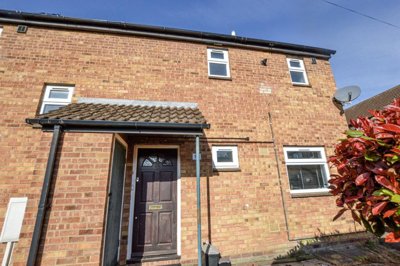
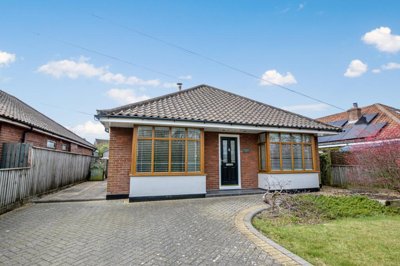
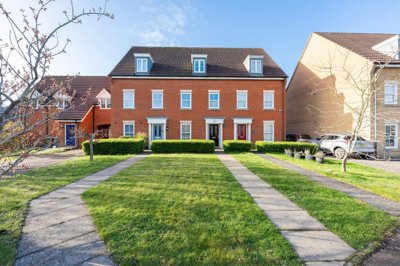
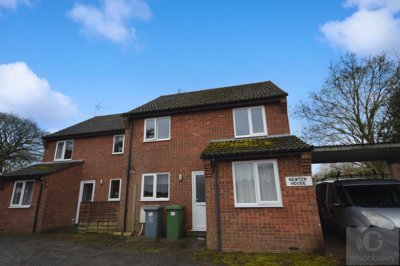
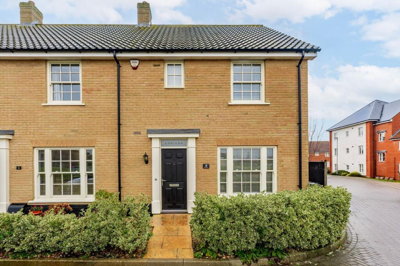
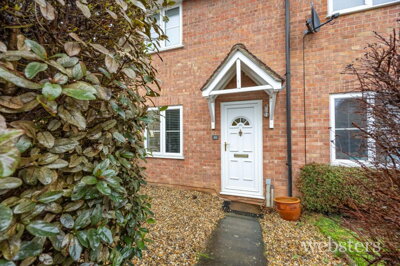
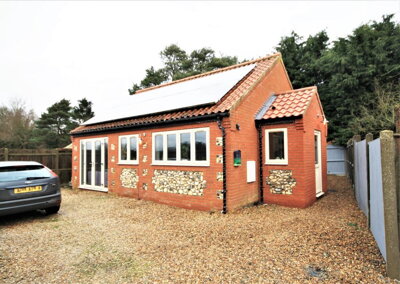
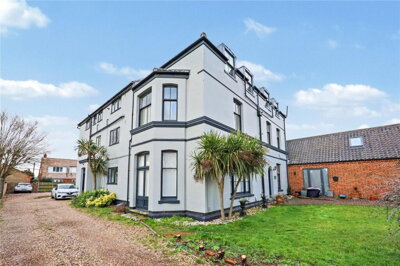
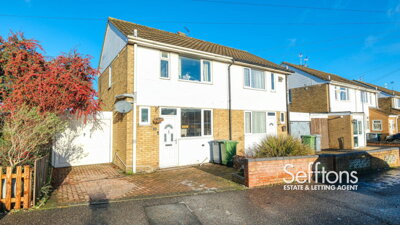
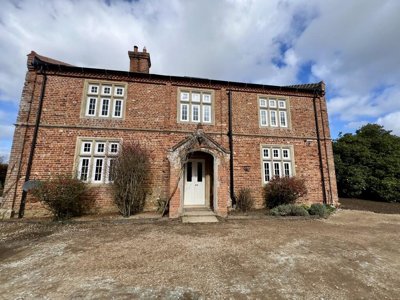
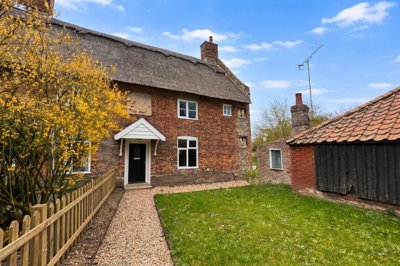
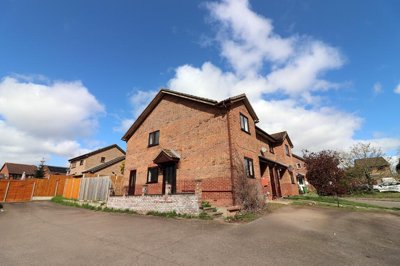
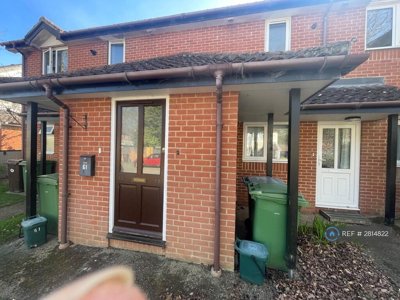
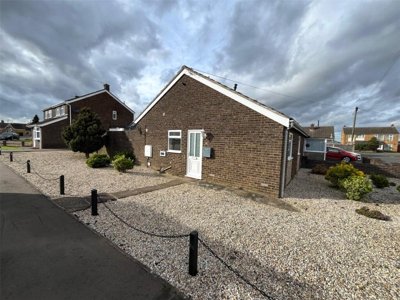
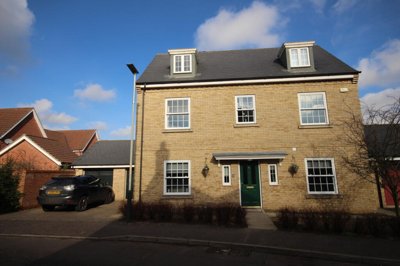
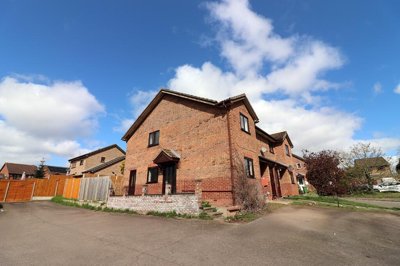
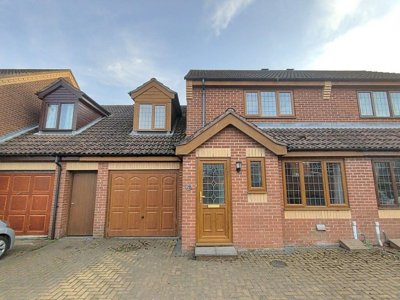
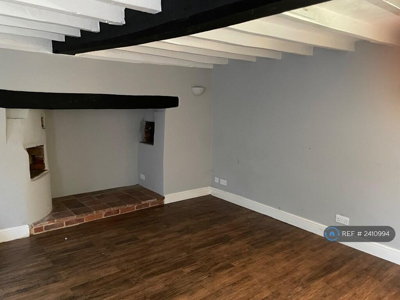
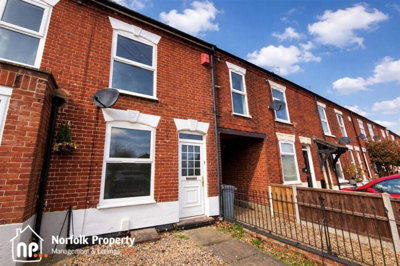
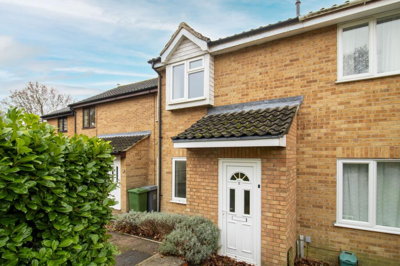
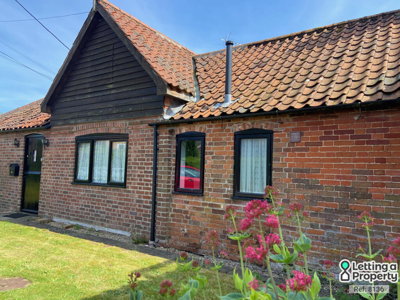
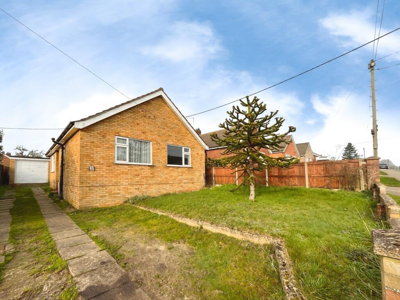
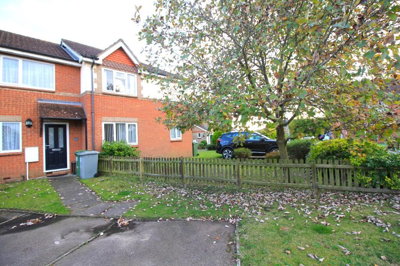
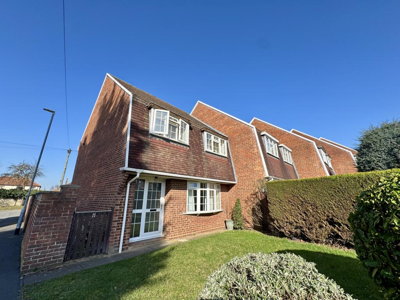
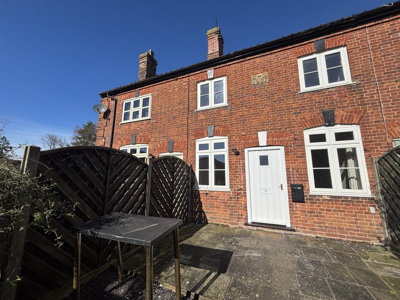
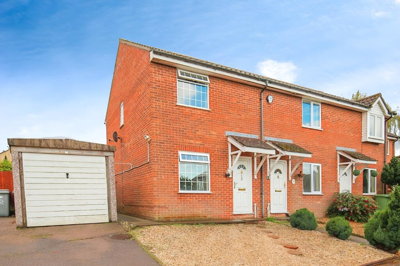
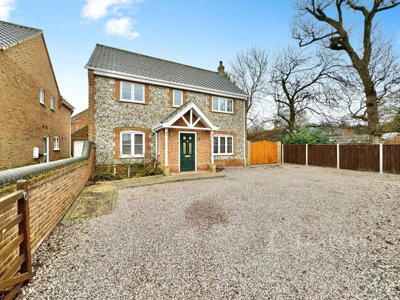
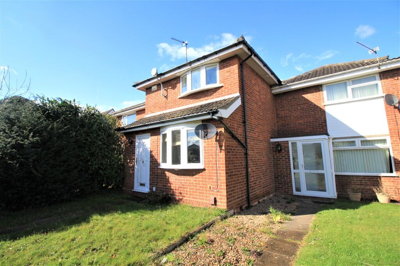
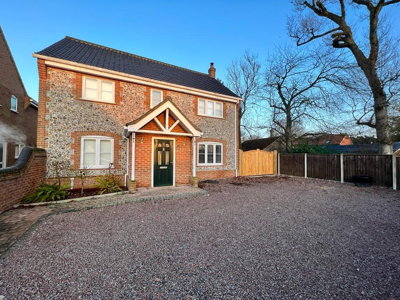
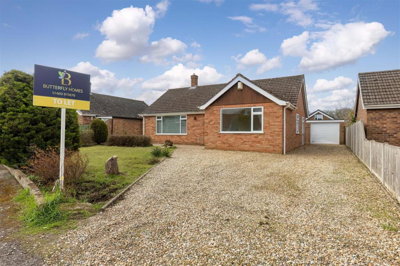
Browse 56 rental homes to rent in NR10 from local letting agents.
£1,100/m
5
0
102
Source: home.co.uk
Source: home.co.uk
Semi-Detached
2 listings
Avg £1,150
End of Terrace
1 listings
Avg £850
Farm House
1 listings
Avg £2,600
Flat
1 listings
Avg £825
Source: home.co.uk
Source: home.co.uk
The NR10 rental market benefits from its unique position as a commuter corridor north of Norwich. Our data shows that this postcode sector encompasses several distinct neighbourhoods including Old Catton, Thorpe St Andrew, Hellesdon, and the surrounding villages of Drayton, Horsford, and Hevingham. Each area offers its own character and rental price points, with properties on the edges of NR10 often providing more space for your money compared to central Norwich. The mix of older period properties, post-war housing estates, and newer developments creates a varied rental landscape catering to different tastes and requirements.
Sales data provides useful context for the rental market, with average property values in NR10 currently around £319,194 according to recent transactions. Detached properties average approximately £395,700, while semi-detached homes fetch around £260,000 to £274,000 depending on condition and location. Terraced properties typically sell for £227,000 to £229,000, and flats average £137,500. This sales data influences rental valuations, as landlords set prices relative to property values and yields. Over the past year, prices in NR10 have shown a 5% adjustment from the 2023 peak of £343,505, which has helped keep rental demands more stable as the market adapts to economic conditions.
The rental market in NR10 has seen steady activity as tenants increasingly recognise the value of living in these northern suburbs and villages. Properties in areas like Old Catton and Thorpe St Andrew tend to attract professionals working in Norwich who want to avoid city centre rental premiums. Villages such as Horsford and Hevingham appeal to those seeking more rural settings while still maintaining reasonable commute times. The variety of housing stock, from Victorian terraces to modern detached family homes, means renters can often find properties that match their specific requirements within a more affordable price range than comparable properties closer to Norwich city centre.

Life in NR10 offers a balanced blend of rural Norfolk charm and practical urban convenience. The area encompasses the northern suburbs of Norwich and extends into picturesque villages surrounded by farmland and countryside. Traditional flint-walled cottages, village greens, centuries-old churches, and historic country pubs create an atmosphere that feels genuinely English while remaining within easy reach of a major city. The communities here are welcoming and established, with local events, farmers markets, and village activities providing strong social fabric for residents.
The demographics of NR10 reflect a family-oriented population with a good mix of professionals, retirees, and long-term residents. Local amenities include supermarkets for daily essentials, family-run shops, garden centres, and popular dining options ranging from traditional carveries to contemporary cafes. Green spaces are abundant, with access to parks, public footpaths crossing farmland, and nature reserves where residents can enjoy walking, cycling, and outdoor activities. The proximity to the Norfolk Broads and coast makes NR10 an excellent base for exploring the wider region during weekends and holidays.
Norfolk's distinctive geology influences the character of properties throughout NR10. The area sits on geological formations that include chalk and glacial tills, which affect local building construction and soil conditions. Traditional Norfolk construction often features brick and flint combinations, particularly in older properties and conversions. This construction style is generally robust but may require attention to mortar pointing and potential damp penetration over time. Understanding the local construction methods helps prospective renters appreciate the character of period properties while being aware of maintenance considerations that come with older homes.

Education provision in NR10 serves families well with a good selection of primary and secondary schools within easy reach. Primary schools serving the area include Old Catton Community Primary School and St. Augustine's Catholic Primary School in nearby Norwich. These schools are generally well-regarded by local families and contribute significantly to the area's appeal for parents with school-age children. The presence of good primary education options means younger families can settle in NR10 with confidence about their children's educational foundation.
Secondary education in the NR10 area includes Hellesdon High School, which serves students from age 11 through to sixth form with comprehensive curriculum offerings. Other options include St. Francis of Assisi Catholic School and The Open Academy, both providing secondary education for local families. The nearby city of Norwich offers additional selective grammar school options for families who qualify, including Norwich School and Norwich High School for Girls, which regularly appear in performance rankings. Further education opportunities are available at the University of East Anglia and Norwich University of the Arts, both easily accessible from NR10 for older students considering higher education.
When renting in NR10 with school-age children, families should verify current catchment areas and admissions criteria with Norfolk County Council, as these can affect school placements. Properties in villages like Drayton and Horsford may fall into different admission zones than those in Thorpe St Andrew or Hellesdon, so checking school placement before committing to a tenancy is advisable. Many families specifically target NR10 for its combination of good local schools and more spacious rental properties compared to central Norwich, making the area particularly competitive during school term time.

Transport connections from NR10 make it highly practical for commuters working in Norwich or beyond. The area sits just a few miles north of Norwich city centre, with regular bus services operated by FirstGroup and other providers connecting NR10 neighbourhoods to the city. Journey times by bus typically range from 20 to 35 minutes depending on the specific village or suburb and the traffic conditions. For those driving, the Northern Distributor Road provides efficient access around the northern side of Norwich, connecting NR10 to the NDR and onwards to the A47 for travel further afield.
Norwich railway station offers direct rail services to London Liverpool Street with journey times of approximately 1 hour 50 minutes to 2 hours 15 minutes depending on the service selected. Cambridge can be reached in around 2 hours, and there are connections to Ipswich and the East Anglia coast. For air travel, Norwich Airport provides domestic flights and some European connections. Cycling infrastructure has improved in recent years with dedicated paths connecting NR10 villages to Norwich, making sustainable commuting a viable option for those who prefer pedal power over car travel.
The Northern Distributor Road has transformed access to NR10 since its completion, making previously less accessible villages more attractive to commuters. Properties along routes like the A140 heading north from Norwich benefit from this improved connectivity. Bus services operate from several points within NR10, including regular routes connecting Old Catton, Hellesdon, and Thorpe St Andrew to Norwich city centre and the hospital. For renters who work irregular hours or weekend shifts, checking late-night and weekend bus timetables before choosing a specific location is worthwhile, as service frequencies can vary significantly outside peak hours.

Before viewing properties in NR10, arrange a rental budget agreement in principle from a mortgage broker or financial advisor. This confirms your affordability and shows landlords you are a serious tenant. Budget agreements typically consider your monthly income, existing commitments, and the rent you can comfortably afford, usually up to 35-45% of gross annual income. Having this prepared before your search means you can move quickly when you find a suitable property, as competitive rentals in desirable NR10 villages can receive multiple enquiries within days of listing.
Spend time exploring the different areas within NR10 to find the neighbourhood that suits your lifestyle. Consider proximity to schools if you have children, commute times to work, access to shops and amenities, and the general character of each village or suburb. Old Catton offers a suburban feel close to Norwich, while villages like Horsford provide a more rural village atmosphere with their own community facilities. Driving or cycling through different areas at various times of day helps you understand traffic patterns and local atmosphere before committing to a tenancy.
Use Homemove to browse all available rental properties in NR10. Once you find properties that match your requirements, arrange viewings through the listed agents. View several properties to compare conditions, rental prices, and landlord requirements before making a decision. Take notes during viewings and ask about the length of tenancy, included bills, and any specific property conditions. Properties in popular areas like Old Catton and Thorpe St Andrew often generate significant interest, so being prepared to move quickly on suitable options increases your chances of securing your preferred home.
Once you choose a property, you will need to pass tenant referencing checks. This typically includes credit checks, employment verification, and landlord references if you have previous rentals. Some landlords in NR10 also require a guarantor, particularly for younger tenants or those new to rental history. Prepare payslips, bank statements, and identification in advance to speed up the process. Referencing typically takes 3-5 working days, though some agents offer rapid processing for tenants who submit complete documentation promptly.
Before moving in, your landlord will arrange an inventory check to document the property condition. Attend this personally if possible and note any existing damage or wear. Review your tenancy agreement carefully, ensuring you understand the rent amount, payment dates, deposit amount, and notice periods. Your deposit will be protected in a government-approved scheme within 30 days of receipt, and you should receive details of the scheme by email shortly after paying. Taking dated photographs of all rooms during check-in provides additional protection for both tenant and landlord.
Once paperwork is complete and keys are in hand, arrange your move to your new NR10 home. Register with local services including doctors, dentists, and local authorities for council tax. Take meter readings on moving day and set up utility accounts in your name. NR10's welcoming communities offer plenty of opportunities to meet neighbours and become part of the local area. Local village halls, pubs, and community groups often hold events where new residents can integrate quickly into the neighbourhood.
Renting in NR10 requires attention to specific local factors that can affect your tenancy experience. Properties in this semi-rural area include a mix of construction types from different eras, meaning older period properties may have different maintenance requirements compared to modern builds. Traditional Norfolk properties often feature brick and flint construction, which is generally robust but can require attention to mortar pointing and potential damp penetration in older conversions. When viewing properties, ask about the age of the boiler, the condition of the roof, and any recent maintenance or improvements the landlord has completed.
Energy efficiency is worth investigating carefully in older NR10 properties. Properties with solid walls or older insulation may have higher heating costs, so check the Energy Performance Certificate rating before committing. Modern apartments and newer houses typically offer better thermal efficiency but may come with service charges and leasehold considerations that need review. Ground rent and annual service charges vary significantly between developments, so obtain full details of all ongoing costs before signing a tenancy agreement. Rural rental properties in NR10 villages may also have different broadband connectivity compared to city properties, so verify internet speeds if working from home.
Properties in NR10 that predate 1976 often benefit from a RICS Level 2 Survey before tenancy, particularly if considering a longer-term let. These surveys identify potential issues including damp, roof condition, timber defects, and outdated services that might not be immediately visible during a standard viewing. For older flint and brick properties common throughout the area, checking foundation conditions and potential shrink-swell risk from local clay soils provides additional reassurance. While landlords maintain responsibility for structural repairs, understanding the condition of a property before moving in helps set appropriate expectations for maintenance needs and potential future costs.

While specific rental figures vary by property type and location within NR10, the sales market provides useful context for expected rent levels. Detached homes in the area sell for around £395,700, semi-detached properties for £260,000 to £274,000, and terraced homes for approximately £227,000 to £229,000. Landlords typically price rentals at around 4% to 6% of property value annually, which gives a general indication of expected rent levels. For accurate current rental pricing, search Homemove for all available properties in NR10, as rents vary based on condition, location, and included features.
Properties in NR10 fall under Broadland District Council and Norfolk County Council for council tax purposes. The area includes properties across various council tax bands from A through to H, depending on the property value and type. Most standard three-bedroom homes in NR10 fall into bands B to D, while larger detached properties may be in bands E to G. You can check the specific band for any property through the Valuation Office Agency website using the property address, which is useful information to verify before committing to a tenancy as council tax forms part of your ongoing monthly costs.
The NR10 area offers good educational options for families at all levels. Primary schools include Old Catton Community Primary School, St. Augustine's Catholic Primary School, and Hellesdon Primary School, all serving the immediate local communities. Secondary education is available at Hellesdon High School, which includes sixth form provision, and St. Francis of Assisi Catholic School for secondary students. The nearby Norwich offers additional choices including St. Christopher's School and other independent options. Families should verify current catchment areas and admissions criteria with Norfolk County Council, as these can affect school placements and change periodically.
Public transport in NR10 is reasonably good, with regular bus services connecting villages and suburbs to Norwich city centre. The bus routes through the area provide access to Norwich bus station and railway station, with journey times typically 20 to 35 minutes depending on the specific location and traffic conditions. Norwich railway station offers direct services to London Liverpool Street, Cambridge, Birmingham, and other major destinations. The Northern Distributor Road provides efficient road connections for those with vehicles, linking NR10 to the wider Norwich area and the A47 for travel beyond the city region.
NR10 offers an excellent quality of life for renters seeking space, community, and convenience. The area combines village atmosphere with easy access to Norwich city centre, making it ideal for professionals, families, and retirees alike. Rental properties range from affordable terraced homes to spacious detached houses with gardens, catering to various budgets and household sizes. The strong local community, good schools, and abundance of green spaces make NR10 particularly appealing to families and those seeking a quieter lifestyle while remaining close to urban employment and amenities. The variety of neighbourhoods from suburban streets to rural villages means most renters can find an area that matches their preferred lifestyle.
Standard deposits for rental properties in NR10 are typically five weeks rent, capped at five weeks where annual rent is below £50,000. You will also need to budget for the first month's rent in advance. Referencing fees vary by agent but typically range from £100 to £300 per applicant, covering credit checks and employment verification. Some agents may charge admin fees for processing the tenancy, though these have been capped under tenant fees legislation. Additional costs include inventory check fees, and if you have a pet, some landlords charge a higher deposit or small additional rent. Always request a full breakdown of all costs before paying any fees.
The NR10 rental market offers diverse property types to suit different needs and budgets. Traditional options include Victorian and Edwardian terraced houses in established village centres, often featuring original fireplaces, high ceilings, and period details that add character to the property. Semi-detached and detached family homes dominate newer developments on the outskirts, offering generous gardens and off-street parking that appeal to families. Flats are available in small blocks, particularly above shops in local centres. Bungalows appeal to those seeking single-level living, while barn conversions and character cottages provide unique options for those wanting something distinctive. The mix of older and newer stock means renters can often find properties to match specific aesthetic and practical preferences.
Broadband connectivity varies across NR10, with urban and suburban areas generally having access to superfast broadband speeds of 30Mbps or higher. However, some more rural villages within NR10 may still experience slower speeds, particularly those further from the main exchange. Virgin Media fibre is available in parts of NR10, while Openreach provides standard and fibre services across most of the area. Before committing to a tenancy, verify the estimated broadband speed for your specific address using comparison websites, especially if you work from home or have high data usage requirements. Properties in areas like Thorpe St Andrew and Old Catton typically have good connectivity, while more rural villages may require additional consideration.
Understanding the costs involved in renting a property in NR10 helps you budget accurately and avoid surprises. The deposit amount is typically five weeks rent, protected in a government-approved scheme within 30 days of your tenancy start date. Your landlord must provide you with information about which scheme protects your deposit, and you should receive this documentation by email or post shortly after paying. The purpose of the deposit is to cover any damage beyond normal wear and tear at the end of your tenancy, so document the property condition thoroughly at check-in using dated photographs to protect both parties.
Additional upfront costs include the first month's rent in advance, which is standard practice across NR10 and the rest of the UK. Referencing fees typically range from £100 to £300 depending on the agent and the depth of checks performed. These cover credit history searches, employment verification, and previous landlord references. Some agents also charge admin fees for drawing up the tenancy agreement, though these are increasingly included in referencing costs or capped under the Tenant Fees Act 2019. You may also need to pay for a professional inventory check, typically £100 to £200, though the landlord usually arranges and pays for this directly.
Renting with pets in NR10 may require a higher deposit, capped at five weeks rent total, or an additional weekly rent premium. Not all landlords accept pets, so discuss this upfront if you have animals. First-time renters moving to NR10 should budget for furniture if renting unfurnished, plus connection fees for utilities and internet services. Setting aside funds for removal costs and potential storage during moves also helps manage the transition smoothly. By planning for these costs in advance, you can focus on settling into your new NR10 home rather than worrying about finances.

From £350
Professional survey ideal for older properties in NR10. Identifies defects in brick, flint, and period construction common to the area.
From £500
Comprehensive building survey for older or complex properties. Recommended for period cottages and character homes.
From £85
Energy Performance Certificate required for rentals. Check property efficiency ratings.
Properties to Rent In London

Properties to Rent In Plymouth

Properties to Rent In Liverpool

Properties to Rent In Glasgow

Properties to Rent In Sheffield

Properties to Rent In Edinburgh

Properties to Rent In Coventry

Properties to Rent In Bradford

Properties to Rent In Manchester

Properties to Rent In Birmingham

Properties to Rent In Bristol

Properties to Rent In Oxford

Properties to Rent In Leicester

Properties to Rent In Newcastle

Properties to Rent In Leeds

Properties to Rent In Southampton

Properties to Rent In Cardiff

Properties to Rent In Nottingham

Properties to Rent In Norwich

Properties to Rent In Brighton

Properties to Rent In Derby

Properties to Rent In Portsmouth

Properties to Rent In Northampton

Properties to Rent In Milton Keynes

Properties to Rent In Bournemouth

Properties to Rent In Bolton

Properties to Rent In Swansea

Properties to Rent In Swindon

Properties to Rent In Peterborough

Properties to Rent In Wolverhampton

Enter your details to see if this property is within your budget.
Loans, cards, car finance
Estimated property budget
Borrowing + deposit
You could borrow between
Typical borrowing
Monthly repayment
Est. at 4.5%
Loan-to-value
This is an estimate only. Your actual budget may vary depending on interest rates, credit history, and personal circumstances. For an accurate affordability assessment, speak to one of our free mortgage advisors.
This calculator provides estimates for illustrative purposes only and does not constitute financial advice. Your home may be repossessed if you do not keep up repayments on your mortgage. Estimates based on 4.5% interest rate, repayment mortgage. Actual rates depend on your circumstances.
Homemove is a trading name of HM Haus Group Ltd (Company No. 13873779, registered in England & Wales). Homemove Mortgages Ltd (Company No. 15947693) is an Appointed Representative of TMG Direct Limited, trading as TMG Mortgage Network, which is authorised and regulated by the Financial Conduct Authority (FRN 786245). Homemove Mortgages Ltd is entered on the FCA Register as an Appointed Representative (FRN 1022429). You can check registrations at NewRegister or by calling 0800 111 6768.

We use cookies to show you personalised content and improve your experience of our website. Find out more in our Privacy policy and Cookie policy.