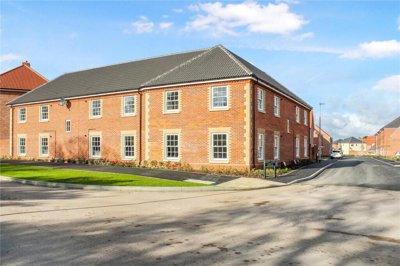
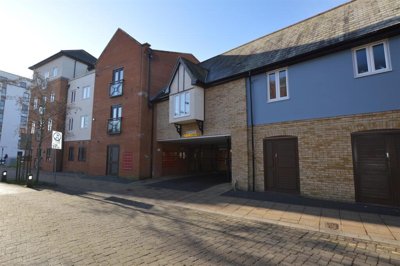
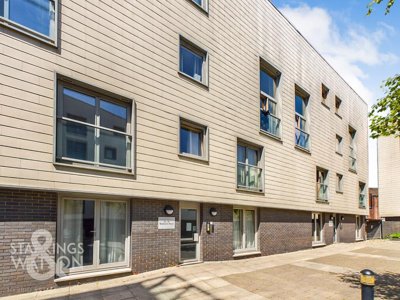
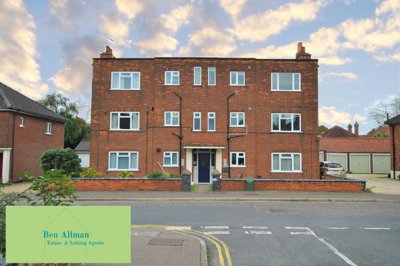
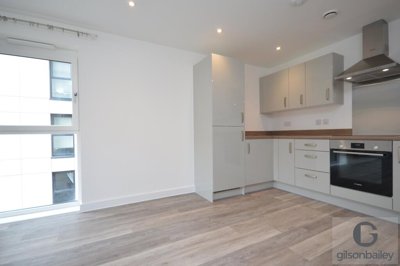
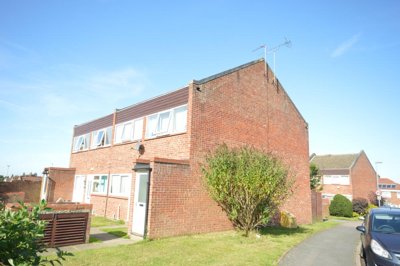
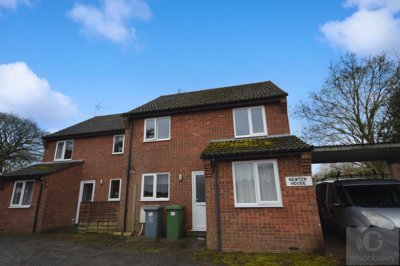
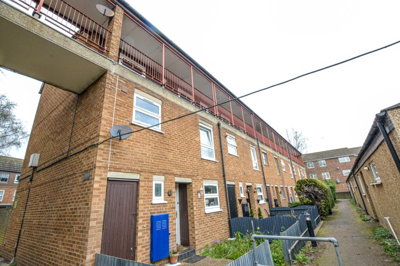
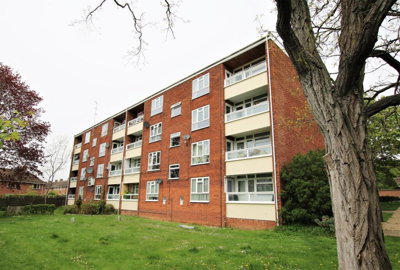
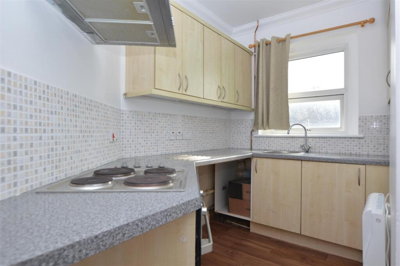
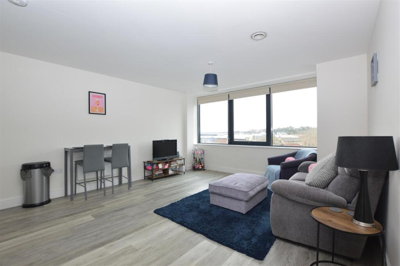
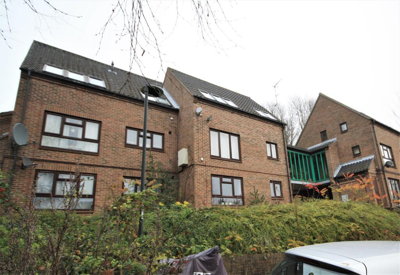
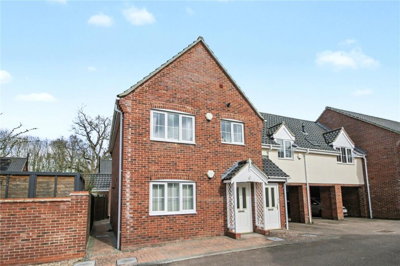
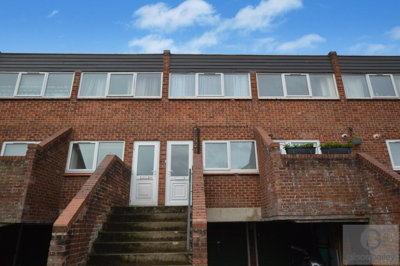
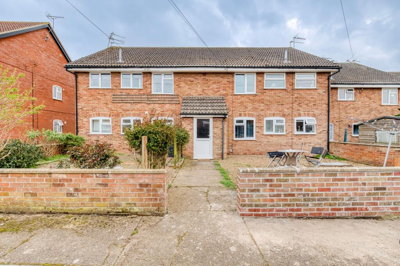
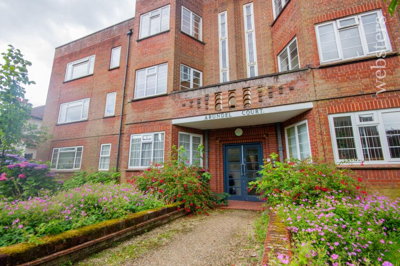
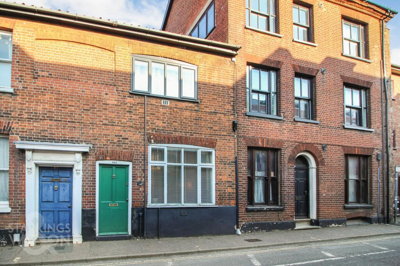
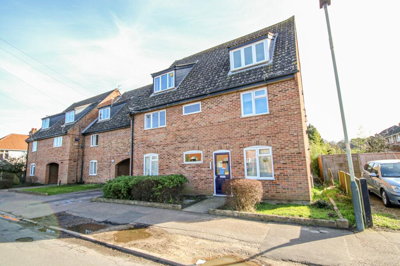
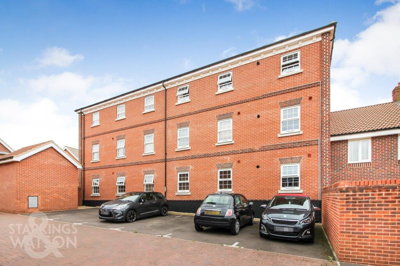
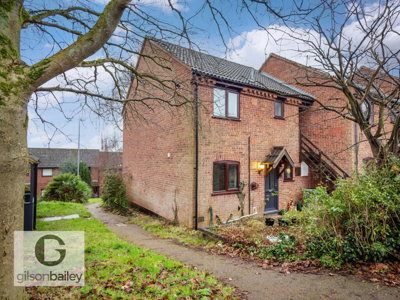
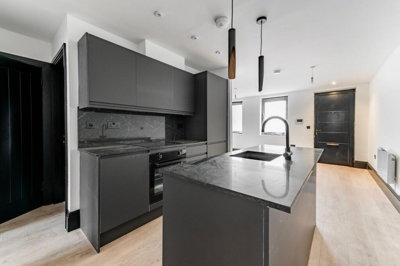
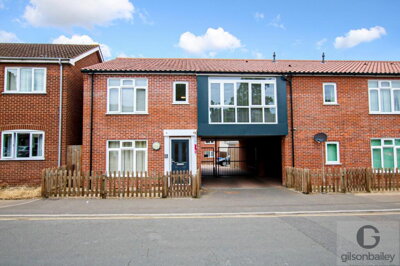
Browse 502 rental homes to rent in Norfolk, England from local letting agents.
Studio apartments feature open-plan living spaces without separate bedrooms, incorporating sleeping, living, kitchen, and bathroom facilities. The Norfolk studio market includes properties in modern apartment complexes, converted Victorian and Georgian buildings, and purpose-built developments.
£800/m
77
2
46
Source: home.co.uk
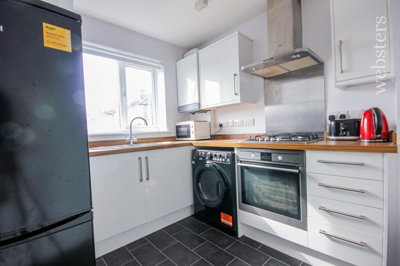
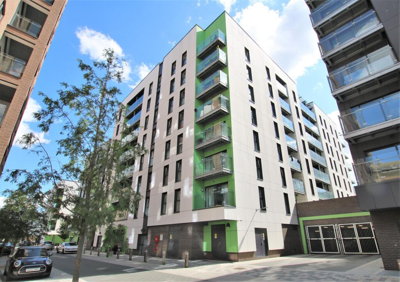
Showing 77 results for Studio Flats to rent in Norfolk, England. 2 new listings added this week. The median asking price is £800/month.
Source: home.co.uk
Flat
77 listings
Avg £849
Source: home.co.uk
Source: home.co.uk
Norfolk's rental market reflects the county's diverse property landscape, with options ranging from affordable flats to substantial family homes. The average property price across Norfolk stands at approximately £302,922, according to recent market data, with prices showing a modest decline of around 2% over the past year. This price stability makes Norfolk an attractive destination for renters who may be considering longer-term commitments in the area. Detached properties command the highest prices, averaging around £397,000 to £402,000, while semi-detached homes typically sell for £266,000 to £271,000, offering excellent value for families seeking more space.
Terraced properties in Norfolk average approximately £224,000 to £231,000, making them an accessible entry point to the county's property market. Flats remain the most affordable option at around £157,000 on average, ideal for first-time renters or those seeking low-maintenance living. The rental market benefits from active new-build development across the county, with major housebuilders including Barratt Homes, Persimmon, Taylor Wimpey, and Orbit Homes delivering new homes in locations such as Wymondham, Sprowston, Old Catton, and Holt. These new developments offer modern rental properties with contemporary fittings and energy-efficient designs, often priced in the £300,000 to £400,000 range for family homes.
Our platform aggregates listings across the full spectrum of Norfolk's property types, from charming flint-cob cottages in North Norfolk villages to contemporary apartments in Norwich's city centre. Recent data shows approximately 11,600 property sales in Norfolk over the past twelve months, indicating a healthy market with good rental availability. The county saw around 521 newly built properties sold recently, representing about 4.5% of total sales, with new-build prices averaging £349,000. Popular new-build locations include The Pastures in Hainford, Kingfisher Meadow in Horsford, and The Burrows in Sprowston, all offering two to four-bedroom homes from established developers.

Norfolk county encompasses a rich variety of landscapes and communities, from the flat agricultural plains of the west to the rolling hills of the north and the unique wetland environment of the Broads. The county is characterised by its distinctive building traditions, with properties often featuring flint walls, red brick, and render finishes under clay pantile roofs. This architectural heritage reflects Norfolk's long history as a prosperous agricultural county with strong connections to the sea. Many villages and towns retain their historic cores, protected by conservation area designations that preserve the unique character of places like Holt, Aylsham, Wymondham, and Diss.
The Norfolk coastline stretches for miles, offering dramatic scenery from the sandy beaches of Holkham and Wells-next-the-Sea to the distinctive striped cliffs at Happisburgh. Inland, the Broads National Park provides a unique landscape of interconnected waterways, marshes, and reed beds that support diverse wildlife. The county's geology presents varying conditions across different areas, with superficial deposits overlying chalk bedrock across much of the region. Clay deposits in central and eastern parts of Norfolk can create shrink-swell risks for properties with shallow foundations, particularly during periods of drought or heavy rainfall. Understanding the local geology helps renters make informed decisions about property condition and maintenance requirements.
We understand that choosing where to rent in Norfolk means balancing lifestyle preferences with practical considerations. Norwich offers the most comprehensive urban amenities, including shopping centres, restaurants, theatres, and the Norfolk and Norwich University Hospital. Historic King's Lynn provides excellent transport connections to Cambridge and London while maintaining its maritime heritage along the River Great Ouse. For those drawn to coastal living, towns like Cromer and Sheringham on the Bittern Line railway offer accessible train services alongside traditional seaside charm. The Broads towns of Wroxham, Potter Heigham, and Ludham appeal to those who value waterfront living and access to boating activities.
Norfolk's communities maintain strong local identities shaped by centuries of agricultural and fishing traditions. Market towns host weekly markets where local producers sell fresh produce, while village pubs serve as social hubs for rural communities. The county's low population density outside Norwich means that renters often enjoy spacious properties with gardens at more accessible price points than comparable homes in southern England. Our listings span these diverse communities, from the commuter-friendly villages south of Norwich to the more remote coastal settlements that require longer journeys to major services.

Norfolk offers a comprehensive range of educational options, making it an excellent choice for families seeking rental properties. The county features numerous primary and secondary schools, with several schools consistently achieving strong ratings in Ofsted inspections. Norwich in particular hosts a concentration of educational establishments, including the University of East Anglia, which ranks among the UK's top universities and provides additional cultural and sporting facilities to the local community. Parents renting in Norfolk have access to both state and independent schooling options, with grammar schools in areas like Norwich and King's Lynn offering selective education for academically able students.
Beyond primary and secondary education, Norfolk provides further education opportunities through colleges in Norwich, King's Lynn, and Great Yarmouth. These institutions offer vocational and academic courses for students progressing from secondary school. The county's primary schools are distributed throughout market towns and villages, ensuring that families renting outside major population centres can access quality education within reasonable travelling distance. When searching for rental properties in Norfolk, parents should research specific school catchment areas, as these can significantly impact property values and rental demand in particular neighbourhoods.
The quality of local schools often influences which Norfolk neighbourhoods prove most popular with families. Towns like Wymondham benefit from good primary schools and secondary options, making them attractive for renters with children. Holt serves as a regional education hub for North Norfolk, while Aylsham offers strong state primary schools feeding into the wider area. Grammar school provision in Norwich includes Norfolk Grammar School and Notre Dame High School, both with established reputations. King's Lynn grammar schools draw students from surrounding villages, meaning rental demand concentrates near bus routes serving selective schools. Our platform helps families identify properties within convenient distance of their preferred schools, with location search tools allowing filtering by school catchment areas.

Transport connectivity in Norfolk has improved significantly in recent years, with the county now offering practical commuting options to London and other major destinations. Norwich railway station provides regular services to London Liverpool Street, with journey times of approximately 90 minutes to two hours. King's Lynn offers connections to Cambridge and London King's Cross via Cambridge, while the Bittern Line serves coastal communities including Cromer and Sheringham. For renters working in Norwich, the city offers extensive bus services, while cycling infrastructure continues to improve across the county, with dedicated routes connecting residential areas to employment centres.
Road connectivity in Norfolk centres on the A11, which provides a direct route to Newmarket and London, and the A47, which runs east-west across the county connecting Norwich to King's Lynn and Peterborough. The M11 motorway is accessible via Cambridge for connections to London and the south. Norwich International Airport offers domestic flights and limited European destinations, providing an alternative for business travellers. For renters considering properties along the coast or in more rural locations, access to a vehicle remains advantageous, though many coastal villages have good bus services during summer months when tourism peaks.
We know that commuting considerations often determine where renters choose to live within Norfolk. The Norwich suburbs of Sprowston, Old Catton, and Bowthorpe offer particularly convenient access to the city centre while maintaining more competitive rental prices than central locations. The A47 provides reliable road access for those working in King's Lynn or commuting towards Peterborough, making towns like Swaffham and Dereham viable options for renters who work outside Norwich. The Bittern Line railway connecting Norwich to Sheringham via Salhouse, Hoveton and Wroxham, and Cromer makes coastal living practical for those with flexible or hybrid working arrangements. Our search filters allow renters to prioritise properties within easy reach of railway stations or major road connections based on their specific commuting needs.

Before searching for properties in Norfolk, establish a clear budget that accounts for monthly rent, council tax, utilities, and moving costs. Getting a rental budget agreement in principle from a lender helps you understand your financial position and demonstrates to landlords that you are a serious, qualified tenant. Norfolk's property prices averaging around £302,000 influence rental values across the county, so understanding how purchase prices translate to rental expectations in different areas will help you set realistic budgets.
Norfolk encompasses diverse communities from the city life of Norwich to rural villages and coastal towns. Research specific areas that match your lifestyle needs, considering commute times, school access, local amenities, and the character of different neighbourhoods before focusing your search. Norwich offers urban convenience with excellent cultural amenities, while market towns like Holt and Aylsham provide character with more relaxed atmospheres. Coastal locations like Sheringham and Cromer appeal to those prioritising lifestyle over commute convenience.
Once you have identified suitable properties, schedule viewings to assess the condition, location, and suitability of each home. Pay attention to the property's maintenance history, the behaviour of any shared neighbours, and the overall condition of the building and its fixtures. We recommend viewing properties at different times of day to assess noise levels, lighting conditions, and traffic patterns. For apartments in Norwich or purpose-built flats in towns like King's Lynn, check communal areas and any service charge implications.
Before committing to a rental property, carefully review the tenancy agreement, paying particular attention to the deposit amount, lease length, notice periods, and any restrictions on pets, smoking, or modifications. Ask for clarification on anything you do not understand before signing. Norfolk's older property stock includes many listed buildings and properties within conservation areas where restrictions may apply to modifications or pets. Understanding these terms upfront prevents issues during your tenancy.
Landlords will require references, proof of income, and right to rent documentation. Arrange for tenant referencing services to streamline this process and provide landlords with confidence in your application. Ensure you have all required documents ready to avoid delays. First-time renters moving to Norfolk from outside the area should allow extra time for referencing if previous landlords or employers are difficult to contact.
Upon moving into your new Norfolk home, complete a thorough inventory check documenting the condition of all rooms and fixtures. This protects you from incorrect charges when your tenancy ends and ensures any existing issues are recorded before you take responsibility. We recommend photographs alongside written descriptions, particularly for older properties with natural wear or character features that might otherwise be disputed at checkout.
Renting in Norfolk requires careful consideration of several county-specific factors that can impact your enjoyment and security as a tenant. Flood risk is an important consideration across Norfolk, with the county's low-lying topography, extensive river network, and long coastline creating multiple flood risk areas. Properties near the Broads, along rivers like the Wensum and Yare, or in coastal areas like Great Yarmouth require particular attention to flood risk and appropriate insurance. Before committing to a rental property, research flood risk assessments and consider whether the property has appropriate flood resilience measures in place.
Norfolk's rich architectural heritage means that many rental properties are located within conservation areas or are listed buildings, which can restrict permitted development rights and require specific maintenance standards. These properties often offer character and charm but may come with additional responsibilities regarding upkeep and modifications. Norwich contains extensive conservation areas protecting its historic core, while market towns like King's Lynn, Holt, Aylsham, Wymondham, and Diss each have designated areas preserving their unique characters. For properties in areas with clay geology, watch for signs of subsidence or movement that can manifest as cracking in walls, sticking doors, or uneven floors. Understanding these local factors helps you make informed decisions and negotiate appropriate terms with landlords.
Energy efficiency varies significantly across Norfolk's diverse property stock, from poorly insulated Victorian terraces to modern new-build homes meeting current standards. Properties in older buildings may feature single-glazed windows, solid walls without cavity insulation, or aging heating systems that increase running costs. New-build developments in locations like Wymondham, Sprowston, and Postwick offer contemporary energy efficiency with modern heating systems and insulation. When evaluating rental properties, request information about Energy Performance Certificate ratings and consider how heating costs might affect your overall budget, particularly during Norfolk's cold winters when the coast can experience harsh weather conditions.

While specific rental prices vary by property type and location, Norfolk's overall property prices average around £302,922, which influences rental values across the county. Detached properties command higher rents, typically reflecting their sale values of £397,000 to £402,000, while flats offer more affordable rental options consistent with their lower purchase prices of around £157,000. Norwich city centre commands premium rents for apartments, while rural and coastal locations offer varying rental scales depending on proximity to amenities and transport connections. Our platform allows you to filter listings by price range, property type, and number of bedrooms to find options matching your budget.
Council tax bands in Norfolk vary by property and local authority, with the county falling under several district councils including Norwich City Council, Broadland District Council, North Norfolk District Council, South Norfolk Council, and King's Lynn and West Norfolk Borough Council. Bands range from A to H, with most residential properties falling in bands A through D. Prospective tenants should confirm the specific council tax band and associated costs for any property they are considering, as this forms a significant part of the overall rental cost. Council tax varies between Norfolk local authorities, so a property in North Norfolk may have different charges than an equivalent property in the South Norfolk district.
Norfolk offers excellent educational options across all levels, with notable secondary schools including Norfolk Grammar School in Norwich, King Edward VII School in King's Lynn, and Ormiston Venture Academy in Great Yarmouth. Primary schools across the county consistently achieve strong Ofsted ratings, with schools in market towns like Holt, Aylsham, and Wymondham particularly popular with families. The University of East Anglia in Norwich provides higher education opportunities, while colleges in Norwich, King's Lynn, and Great Yarmouth offer further education courses. School catchment areas in Norfolk can be competitive, so families should research specific schools before committing to a rental property in a particular neighbourhood.
Norfolk benefits from increasingly comprehensive public transport options, with Norwich railway station offering regular services to London Liverpool Street in approximately 90 minutes to two hours. Bus services operate throughout the county, connecting market towns and villages, while the Bittern Line provides rail access to coastal communities including Cromer and Sheringham. For daily commuting, Norwich Park and Ride services offer convenient access to the city centre. However, renters considering properties in more rural locations should note that car ownership remains advantageous for accessing some amenities and employment opportunities. The county's bus network has faced some cuts in recent years, making properties near regular bus routes more desirable for those without vehicles.
Norfolk offers an exceptional quality of life for renters, combining beautiful natural landscapes including the Broads National Park and stunning coastline with practical urban amenities in Norwich and market towns. The county provides good value compared to southern England, with average property prices around £302,000 making it accessible for a range of budgets. Strong community spirit, excellent schools, and improving transport links make Norfolk particularly suitable for families and those seeking a balanced lifestyle. The county's diverse property stock, from historic cottages to modern apartments, ensures options to suit different preferences and requirements. Renters should note that some coastal and Broads locations experience seasonal tourism increases during summer months, which can affect parking availability and village services.
Standard deposits for rental properties in Norfolk typically amount to five weeks' rent, calculated based on the monthly rental value of the property. Under the Tenant Fees Act 2019, landlords and letting agents can only charge permitted fees including holding deposits, security deposits, and modification or termination charges in specific circumstances. First-time renters should budget for the deposit plus the first month's rent in advance, along with potential costs for tenant referencing, inventory checks, and any moving expenses. Getting a rental budget agreement in principle helps you understand your full financial commitment before viewing properties. We recommend requesting a detailed breakdown of all costs from landlords or letting agents before committing to view any property.
Norfolk's geography creates significant flood risk considerations for renters, with the county's low-lying landscape, extensive river systems, and exposed coastline all contributing to potential flooding. Areas within the Broads National Park, including properties along the River Bure, River Wensum, and River Yare, face regular fluvial flood risk during periods of heavy rainfall and high tides. Coastal properties in Great Yarmouth, Happisburgh, and along the North Norfolk coast require assessment of tidal flood risk and storm surge potential. Surface water flooding can affect urban areas like Norwich during extreme weather events when drainage systems become overwhelmed. We recommend requesting flood risk information from landlords and checking Environment Agency flood maps before committing to any rental property in Norfolk.
Renting in Norwich offers the advantages of comprehensive urban amenities, excellent public transport, diverse employment opportunities, and vibrant cultural venues including theatres, restaurants, and the Norwich Lanes shopping district. Rental prices in Norwich city centre typically command a premium compared to rural locations, reflecting the convenience of city living with access to the Norfolk and Norwich University Hospital, multiple universities, and major employers. Rural Norfolk provides more spacious properties with gardens at lower rental prices, but residents typically need vehicles for daily activities and may face longer journey times to access specialist services. The Bittern Line railway serving North Norfolk coastal towns like Sheringham and Cromer offers a viable commuting option for those who can work flexibly, connecting these communities to Norwich in around 45 minutes.
From 4.5% APR
Get a rental budget agreement in principle to understand your affordability before searching
From £49
Complete referencing checks to streamline your rental application
From £85
Check energy efficiency ratings before committing to a rental property
From £99
Document property condition at move-in to protect your deposit
Understanding the costs associated with renting in Norfolk helps you budget effectively and avoid unexpected expenses during your tenancy. The standard security deposit for a rental property is capped at five weeks' rent, held in a government-approved tenancy deposit scheme for the duration of your tenancy. This deposit protects both parties, ensuring you can claim back the full amount at the end of your tenancy if the property is returned in the same condition as when you moved in, accounting for fair wear and tear. An inventory check conducted at the start of your tenancy provides crucial documentation of the property's condition, protecting you from incorrect deductions when you leave.
Additional costs to budget for include the first month's rent in advance, typically paid before receiving the keys to your new home. Tenant referencing fees, though capped under the Tenant Fees Act, cover background checks including credit history, employment verification, and landlord references. If you are moving to Norfolk from another area, factor in removal costs, which can vary significantly depending on the distance and volume of belongings. Utility setup costs, council tax contributions, and contents insurance should also form part of your moving budget. By planning these costs carefully, you can approach your Norfolk rental with confidence and focus on settling into your new community.
Norfolk's property condition varies considerably across its diverse housing stock, making inventory checks particularly valuable for renters. Older properties with original features may have wear that could be mistaken for damage caused during your tenancy, while new-build homes should arrive in pristine condition. We recommend requesting copies of all inventory documentation before signing your tenancy agreement and raising any discrepancies immediately. For properties in flood-risk areas, consider whether contents insurance covers flood damage and whether the property has appropriate flood resilience measures such as raised electrics or water-resistant flooring. Planning for these practical considerations alongside your financial commitments ensures a smooth transition into your new Norfolk home.
Properties to Rent In London

Properties to Rent In Plymouth

Properties to Rent In Liverpool

Properties to Rent In Glasgow

Properties to Rent In Sheffield

Properties to Rent In Edinburgh

Properties to Rent In Coventry

Properties to Rent In Bradford

Properties to Rent In Manchester

Properties to Rent In Birmingham

Properties to Rent In Bristol

Properties to Rent In Oxford

Properties to Rent In Leicester

Properties to Rent In Newcastle

Properties to Rent In Leeds

Properties to Rent In Southampton

Properties to Rent In Cardiff

Properties to Rent In Nottingham

Properties to Rent In Norwich

Properties to Rent In Brighton

Properties to Rent In Derby

Properties to Rent In Portsmouth

Properties to Rent In Northampton

Properties to Rent In Milton Keynes

Properties to Rent In Bournemouth

Properties to Rent In Bolton

Properties to Rent In Swansea

Properties to Rent In Swindon

Properties to Rent In Peterborough

Properties to Rent In Wolverhampton

Enter your details to see if this property is within your budget.
Loans, cards, car finance
Estimated property budget
Borrowing + deposit
You could borrow between
Typical borrowing
Monthly repayment
Est. at 4.5%
Loan-to-value
This is an estimate only. Your actual budget may vary depending on interest rates, credit history, and personal circumstances. For an accurate affordability assessment, speak to one of our free mortgage advisors.
This calculator provides estimates for illustrative purposes only and does not constitute financial advice. Your home may be repossessed if you do not keep up repayments on your mortgage. Estimates based on 4.5% interest rate, repayment mortgage. Actual rates depend on your circumstances.
Homemove is a trading name of HM Haus Group Ltd (Company No. 13873779, registered in England & Wales). Homemove Mortgages Ltd (Company No. 15947693) is an Appointed Representative of TMG Direct Limited, trading as TMG Mortgage Network, which is authorised and regulated by the Financial Conduct Authority (FRN 786245). Homemove Mortgages Ltd is entered on the FCA Register as an Appointed Representative (FRN 1022429). You can check registrations at NewRegister or by calling 0800 111 6768.

We use cookies to show you personalised content and improve your experience of our website. Find out more in our Privacy policy and Cookie policy.