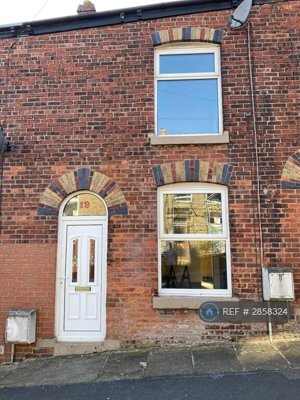
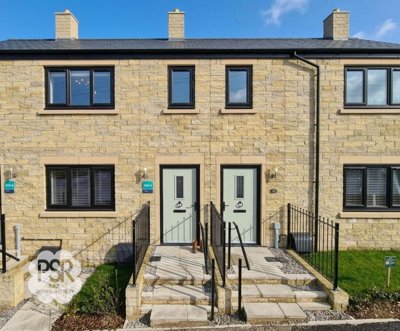
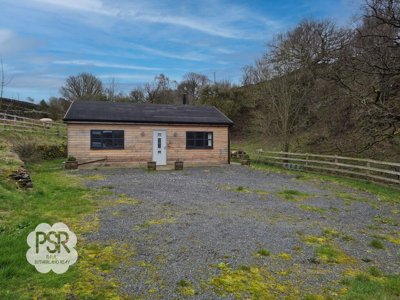
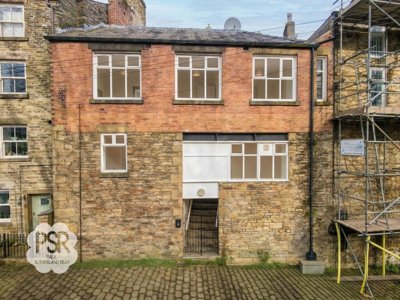
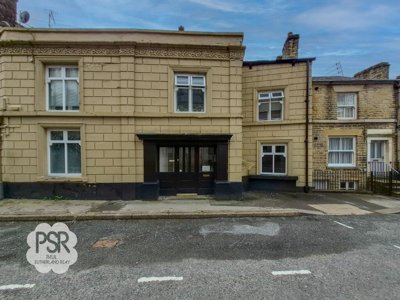
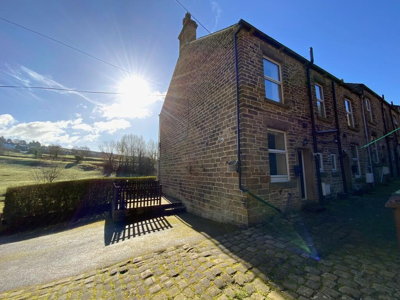
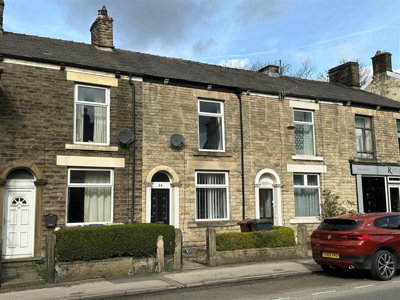
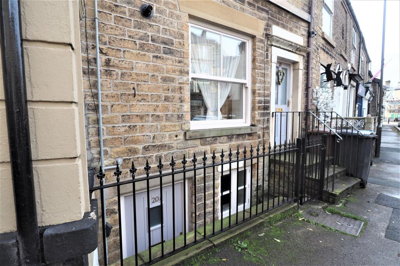
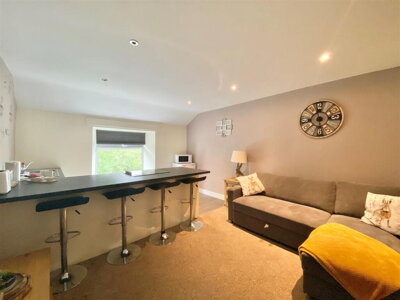
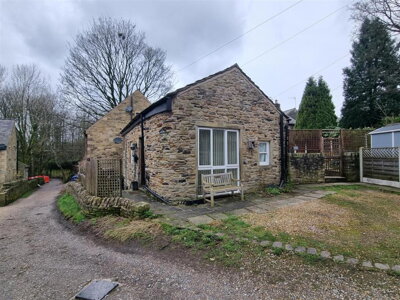
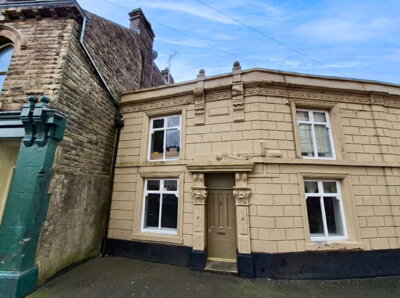
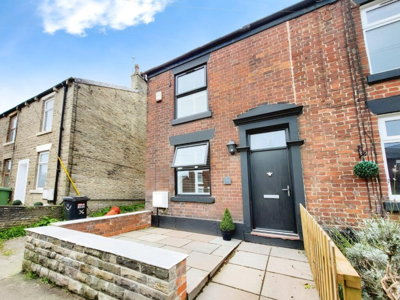
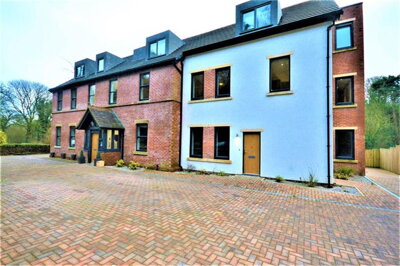
Browse 18 rental homes to rent in New Mills from local letting agents.
The rental market in New Mills has shown remarkable resilience in recent years, driven by strong commuter demand and limited stock. While our focus here is on properties to rent, understanding the broader sales market provides useful context for tenants. The average property price in New Mills stands at approximately £300,462, based on 126 residential sales in the last year alone. Terraced properties typically fetch around £242,857 to £243,641, while semi-detached homes average between £206,669 and £314,251 depending on condition and location. This sales data helps prospective tenants understand the investment landlords have made in their properties and the rental values those investments might support.
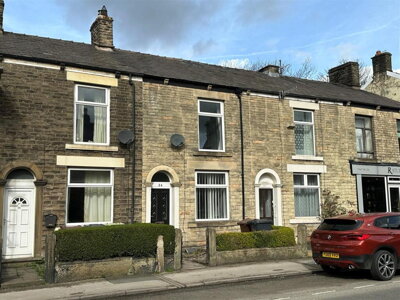
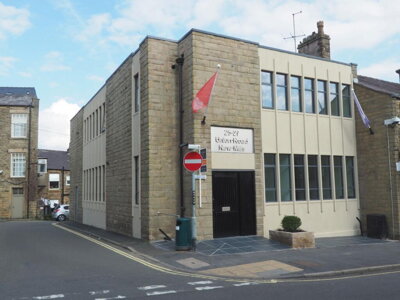
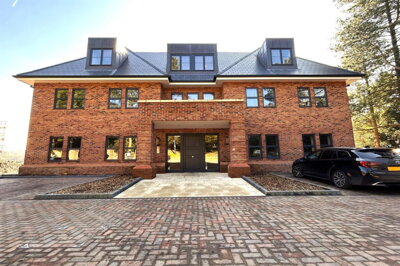
For those seeking rental accommodation, property types available include traditional Pennine stone terraces, some dating back to the late 18th century when the town was a thriving centre for cotton spinning and calico printing. Dwellings were often built back-to-back, tall and narrow, and sometimes with houses-on-top-of-houses on steep slopes along Station Road and Meal Street. Flats converted from former industrial buildings offer characterful living spaces with original features, while purpose-built apartments provide more modern amenities. The High Hill View development on Hayfield Road offers contemporary apartments from £179,950 for those considering shared ownership routes onto the property ladder, with Corn Mill Court on Albion Road providing larger townhouses from £425,000 and Moorland Gardens on Moorland Road offering eco homes from £525,000 to £550,000.

New Mills earned its name from the numerous mills that once dominated the valley, and remnants of this industrial heritage remain visible throughout the town today. The striking gritstone buildings constructed from local quarries give New Mills its characteristic Pennine urban vernacular appearance, with simply dressed stone walls, semi-circular headed doorways, and distinctive splayed stone lintels adorning windows. This architectural heritage has been formally recognised through the designation of a Conservation Area in 1985, now protected by Article 4 Directions confirmed in 1992 and 1995, ensuring the unique character of the town is preserved for future generations. The conservation area encompasses notable buildings around Hyde Bank Mill, Salem Mill, Market Street, Union Road, and Spring Bank Road, protecting the distinctive streetscapes that define New Mills.
The town centre features an eclectic mix of independent retailers, cosy cafes, and traditional public houses that serve the local community. Torr Vale Mill, designated a Grade II* listed building, stands as New Mills' most significant industrial legacy and has been imaginatively converted into residential apartments. The River Sett and River Goyt confluence creates natural walking routes along the water's edge, while the surrounding moorland provides immediate access to the Peak District's renowned trails. Swizzels Matlow, the sweet manufacturer, remains a significant local employer and adds a touch of industrial continuity to the town's economy, having bought up redundant mills in the mid-20th century. With 65 listed buildings throughout the civil parish, New Mills offers a rich architectural environment for those who appreciate historic properties.
The local economy benefits from New Mills' excellent transport connections, with residents able to access employment opportunities in Manchester and Sheffield while maintaining a semi-rural lifestyle. Independent shops and cafes cluster around Market Street and the historic core, while community facilities serve families and retirees alike. The presence of two railway stations provides flexible commuting options, and the A6 corridor connects the town to Stockport and the M60 orbital motorway. This combination of employment accessibility, affordable property values compared to the city, and strong community spirit makes New Mills an increasingly popular choice for renters at various life stages.

Families considering renting in New Mills will find a reasonable selection of educational establishments serving the local community and surrounding villages. Primary education is well-represented with several schools providing essential schooling for younger children within easy walking distance of most residential areas. The presence of schools reflects the settled family nature of the community and the town's appeal to households at various life stages. Researching specific school performance data and admission policies before committing to a rental property is essential, as catchment areas can significantly influence educational placement for both primary and secondary phases.
Secondary education options in the area include establishments serving the High Peak borough, with pupils typically allocated according to catchment area boundaries. The historic New Mills School, built in 1912 and constructed from distinctive uncoursed polygonal rubble gritstone with ashlar dressings, continues to serve the local community with its distinctive architectural character. For families prioritising academic excellence, understanding current Ofsted ratings and admission criteria is crucial before signing a tenancy agreement. Schools in the High Peak area generally perform well, and proximity to good schools can influence rental demand in specific neighbourhoods, making early enquiries about school places advisable when planning a move to New Mills.

One of New Mills' most significant advantages is its excellent rail connectivity, with direct services connecting residents to major employment centres throughout the North West and beyond. The town's railway stations provide regular services to Manchester city centre in under 30 minutes, making it particularly attractive to commuters who wish to avoid the higher rental costs of living closer to the city. Sheffield is also readily accessible, opening up employment opportunities in South Yorkshire while maintaining the lifestyle benefits of Derbyshire countryside living. Over the last two years, 232 property transactions have occurred in the SK22 4 postcode area, suggesting continued demand from commuters who recognise the value New Mills offers.
For those who prefer road travel, New Mills sits within easy reach of major trunk routes connecting the Peak District to the wider motorway network. The A6 provides direct access to Stockport and the M60 orbital motorway, linking to the national motorway system for travel further afield. Bus services operate throughout the town and connect to neighbouring communities, including routes serving surrounding villages in the High Peak. Cyclists benefit from scenic routes through the gorge and surrounding moorland, though the steep terrain characteristic of the Torrs area requires appropriate fitness levels for commuting by bike. Many residents combine cycling with train travel for an eco-friendly commute, parking bikes at the station before boarding direct services to Manchester.

Before viewing any properties, obtain a rental budget agreement in principle from a lender or financial provider. This demonstrates to landlords that you are a serious candidate with verified financial standing, giving you a competitive edge in New Mills' active rental market where quality properties attract multiple enquiries. Having your budget confirmed helps narrow your search to realistic options and prevents wasted viewings of properties beyond your means.
Explore New Mills thoroughly before committing to a rental, considering proximity to railway stations if commuting is essential. Check flood risk for properties near the River Goyt or River Sett, given the town's documented history of significant flooding. Verify conservation area restrictions if you plan to make alterations to traditional stone property, as Article 4 Directions limit permitted development rights throughout the town centre. Understanding these factors before committing prevents costly surprises during your tenancy.
Contact local estate agents to arrange viewings of suitable properties. Given New Mills' character as a historic mill town, many rental properties will be Victorian or Edwardian stone terraces or converted apartments, so assess condition carefully and note any maintenance concerns during viewings. Pay particular attention to signs of damp in solid-walled properties, roof condition, and the age of electrical and plumbing systems in older buildings. Properties around Market Street, Union Road, and Spring Bank Road often feature the traditional gritstone construction that defines the conservation area.
Once you find a suitable property, complete the tenant referencing process promptly to avoid losing the property to competing applicants. Landlords in New Mills typically require proof of income, employment verification, and references from previous landlords. Be prepared to provide identification and authorise credit checks as part of the standard referencing procedure. First-time renters should ensure they have appropriate documentation ready to expedite the process.
Review the tenancy agreement carefully before signing, paying attention to deposit protection arrangements, notice periods, and any restrictions on pets or modifications. New Mills properties in conservation areas may have additional restrictions on external alterations under Article 4 Directions, requiring planning permission for changes that would be permitted elsewhere. Understanding these restrictions before signing prevents disputes later and ensures compliance with heritage protection requirements that affect both landlords and tenants.
Before moving in, participate in a thorough inventory check documenting the condition of the property and its contents. This protects both you and the landlord by establishing a clear baseline for the deposit return at the end of your tenancy. In older New Mills properties with traditional features, documenting existing wear and tear is particularly important given the age of many properties and their original construction methods.
Renting a property in New Mills requires attention to several area-specific factors that may not be immediately apparent to those unfamiliar with the town. Properties built from local gritstone and those predating modern building regulations often feature solid walls without cavity insulation, meaning heating costs may be higher than in newer construction. The Pennine climate, with its higher rainfall and exposure, can accelerate wear on traditional stone properties, so inspecting roof conditions and exterior maintenance during viewings is advisable. Many New Mills properties date from the late 18th and 19th centuries, when houses were sometimes built back-to-back and tall and narrow on steep slopes, resulting in unusual layouts and potential ventilation challenges.
Flood risk deserves careful consideration given New Mills' position at the confluence of two rivers and its documented history of significant flooding, including the devastating events of June 1930 when the River Sett rose over twenty feet following heavy rain and a cloudburst. The narrowing of the river's course around the old New Mills Bridge concentrated the waters and caused extensive damage to properties in low-lying areas. Properties near the watercourse or in low-lying areas may face higher insurance premiums and potential disruption during extreme weather events. Prospective tenants should enquire about any flood resilience measures the property may have undertaken and review insurance implications before committing to a tenancy.
For properties within the New Mills Conservation Area, landlords and tenants should be aware that Article 4 Directions restrict permitted development rights, limiting the scope for external alterations or modifications. Any plans to change windows, doors, or exterior features may require planning permission from High Peak Borough Council. Properties around Hyde Bank Mill, Salem Mill, and the Market Street conservation area are subject to these restrictions, which protect the town's distinctive character but require additional consideration when planning modifications. Understanding these restrictions before signing a tenancy agreement prevents disputes later and ensures compliance with heritage protection requirements.

While specific rental figures for New Mills vary according to property type, size, and condition, rental prices generally reflect a proportion of the sales market values in this area. The average property price stands at approximately £300,462, with terraced properties typically selling for around £242,857 to £243,641 and semi-detached homes between £206,669 and £314,251. One-bedroom and two-bedroom properties in converted mill apartments or Victorian terraces command the most interest from tenants seeking New Mills' excellent commuter links to Manchester in under 30 minutes. Properties near railway stations and those with parking or outdoor space typically achieve premium rents within the local market.
Council tax bands in New Mills are set by High Peak Borough Council and vary according to property value and type. Most traditional stone terraces built from local gritstone and converted mill apartments fall into bands A through C, reflecting their smaller scale and historic construction. Larger detached properties on the outskirts of town, particularly those on newer developments such as High Hill View on Hayfield Road, may be categorised in higher bands. Prospective tenants should verify the specific band with the letting agent or landlord before committing to a tenancy, as council tax forms a significant part of monthly rental costs.
New Mills offers several primary schools serving the local community, with secondary education provided by establishments accessible according to catchment area boundaries throughout the High Peak borough. The town features educational institutions reflecting its heritage, including the historic New Mills School built in 1912 from distinctive uncoursed polygonal rubble gritstone with ashlar dressings. Families should research current Ofsted ratings and admission criteria for specific schools, as catchment boundaries can influence placement decisions for secondary education. Early enquiries about school places are advisable when planning a move, as demand for properties in good school catchments can be competitive among renting families.
New Mills benefits from excellent public transport connections, with direct rail services to Manchester city centre in under 30 minutes and regular connections to Sheffield. Two railway stations serve the town, providing flexible options for commuters to access employment throughout the North West. Local bus services connect New Mills to surrounding High Peak communities, while the A6 provides straightforward road access to Stockport and the M60 motorway network. For cyclists, scenic routes through the Torrs gorge and surrounding moorland offer pleasant alternatives to car travel, though the steep terrain requires appropriate fitness levels.
New Mills offers an attractive combination of semi-rural Derbyshire character, excellent commuter connections, and strong community spirit that appeals to a diverse range of tenants. The town features 65 listed buildings and a designated Conservation Area with Article 4 Directions, preserving its distinctive Pennine architectural heritage of traditional gritstone construction. With Swizzels Matlow providing local employment and Manchester accessible within 30 minutes by train, the town successfully balances employment opportunities with quality of life considerations. The variety of property types, from Victorian terraces to converted mill apartments, ensures options to suit different budgets and preferences within the rental market.
Standard deposits on rental properties in New Mills are typically equivalent to five weeks' rent, protected in a government-approved deposit protection scheme within 30 days of receipt. Tenant referencing fees, credit checks, and administration costs may apply, though regulations limit the amounts landlords and agents can charge for standard tenancy costs. First-time renters should budget for the first month's rent in advance plus deposit, along with potential moving costs and setting up utilities in a new property. For traditional stone properties with solid walls, budgeting for higher heating costs than modern insulated homes is advisable.
Given New Mills' position at the confluence of the River Goyt and River Sett, flood risk is a genuine consideration for prospective tenants evaluating properties in the area. The town has historical precedent for significant flooding, most dramatically in June 1930 when the River Sett rose over twenty feet following heavy rainfall. Properties near watercourses or in low-lying areas require careful evaluation of flood risk and potential insurance implications. Tenants should discuss any flooding history with landlords and verify appropriate insurance coverage before committing to a tenancy, particularly for properties along the river corridors or in the valley floor areas of the town.
From 4.5%
Get your budget in principle before renting
From £499
Complete referencing checks for landlords
From £395
Professional survey for any property purchase
From £85
Energy performance certificate
Understanding the full cost of renting in New Mills extends beyond the monthly rent figure to encompass various upfront and ongoing expenses that prospective tenants should budget for carefully. Standard practice requires tenants to pay a security deposit equivalent to five weeks' rent before receiving the keys to their new home, protected in a government-approved scheme within 30 days of receipt. Tenants should receive written confirmation of the protection arrangement along with details of how to retrieve their deposit at the end of the tenancy. This deposit safeguards landlords against unpaid rent or damage beyond normal wear and tear, providing security for both parties.
Additional costs to budget for include tenant referencing fees covering credit checks, employment verification, and previous landlord references as part of the standard application process. Some letting agents charge administration fees for processing the tenancy, though tenant fee bans limit charges for most standard costs and provide protections for renters. First-time renters moving into the private sector should also consider upfront costs for setting up utility accounts, internet connections, and contents insurance, particularly for properties in flood-risk areas where appropriate coverage is essential. Budgeting for these additional costs prevents financial strain during the moving process and ensures a smooth transition into your new home.
Properties in New Mills may carry specific cost considerations related to their age and character that differ from modern rental properties. Traditional stone properties with solid walls often have higher heating requirements than modern insulated homes, particularly given New Mills' exposed Pennine position, so budgeting for energy costs accordingly is advisable. Properties within the Conservation Area may require specialist tradespeople for any permitted alterations under Article 4 Directions, adding to the cost of modifications tenants wish to make during their tenancy. Understanding these ongoing costs helps tenants make informed decisions about which properties to pursue and ensures they can comfortably afford all aspects of renting in this historic mill town.
Properties to Rent In London

Properties to Rent In Plymouth

Properties to Rent In Liverpool

Properties to Rent In Glasgow

Properties to Rent In Sheffield

Properties to Rent In Edinburgh

Properties to Rent In Coventry

Properties to Rent In Bradford

Properties to Rent In Manchester

Properties to Rent In Birmingham

Properties to Rent In Bristol

Properties to Rent In Oxford

Properties to Rent In Leicester

Properties to Rent In Newcastle

Properties to Rent In Leeds

Properties to Rent In Southampton

Properties to Rent In Cardiff

Properties to Rent In Nottingham

Properties to Rent In Norwich

Properties to Rent In Brighton

Properties to Rent In Derby

Properties to Rent In Portsmouth

Properties to Rent In Northampton

Properties to Rent In Milton Keynes

Properties to Rent In Bournemouth

Properties to Rent In Bolton

Properties to Rent In Swansea

Properties to Rent In Swindon

Properties to Rent In Peterborough

Properties to Rent In Wolverhampton

Enter your details to see if this property is within your budget.
Loans, cards, car finance
Estimated property budget
Borrowing + deposit
You could borrow between
Typical borrowing
Monthly repayment
Est. at 4.5%
Loan-to-value
This is an estimate only. Your actual budget may vary depending on interest rates, credit history, and personal circumstances. For an accurate affordability assessment, speak to one of our free mortgage advisors.
This calculator provides estimates for illustrative purposes only and does not constitute financial advice. Your home may be repossessed if you do not keep up repayments on your mortgage. Estimates based on 4.5% interest rate, repayment mortgage. Actual rates depend on your circumstances.
Homemove is a trading name of HM Haus Group Ltd (Company No. 13873779, registered in England & Wales). Homemove Mortgages Ltd (Company No. 15947693) is an Appointed Representative of TMG Direct Limited, trading as TMG Mortgage Network, which is authorised and regulated by the Financial Conduct Authority (FRN 786245). Homemove Mortgages Ltd is entered on the FCA Register as an Appointed Representative (FRN 1022429). You can check registrations at NewRegister or by calling 0800 111 6768.

We use cookies to show you personalised content and improve your experience of our website. Find out more in our Privacy policy and Cookie policy.