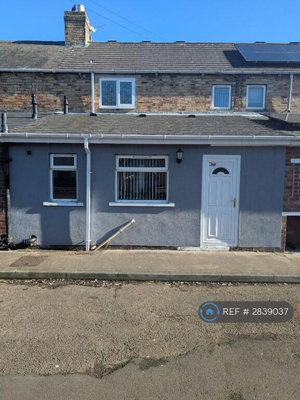
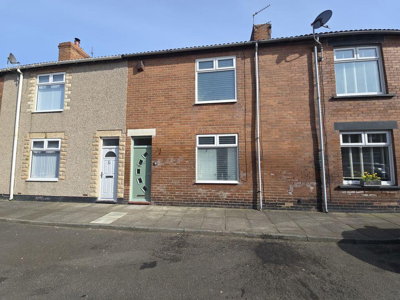
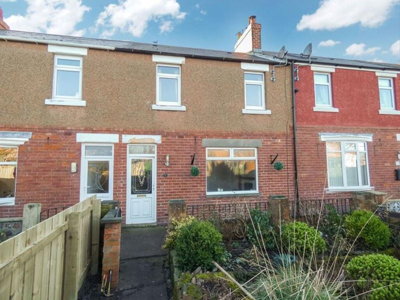
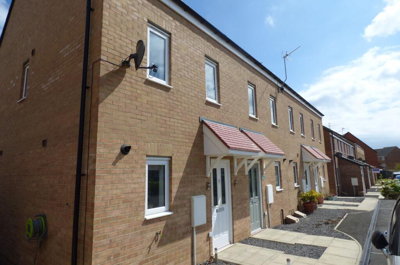
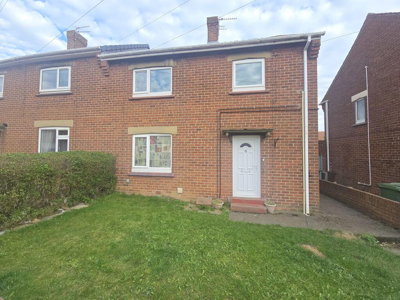
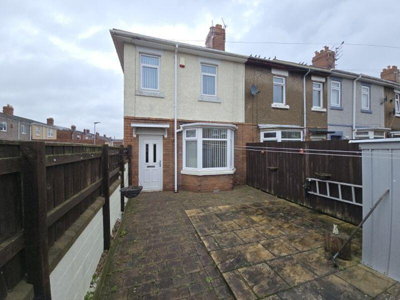
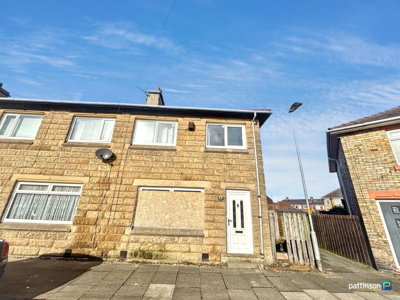
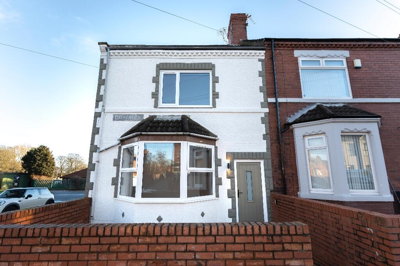
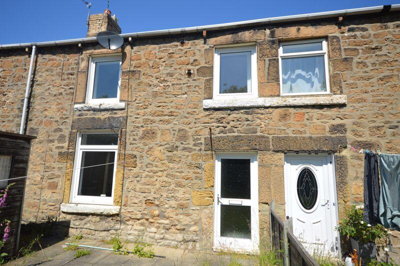
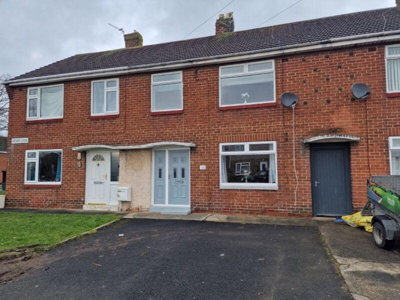
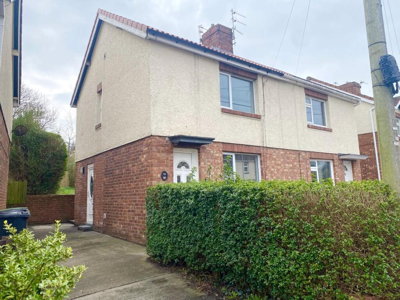
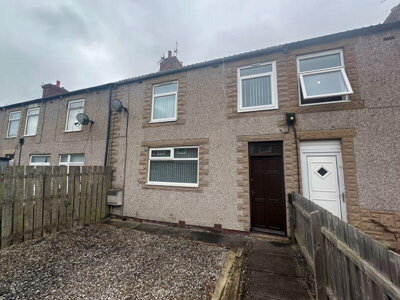
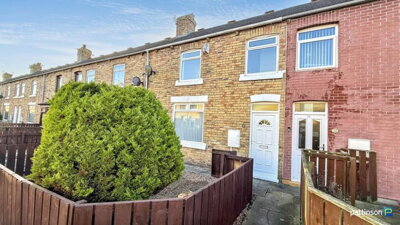
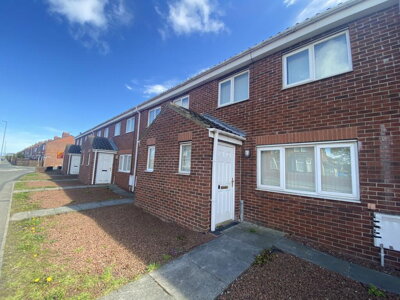
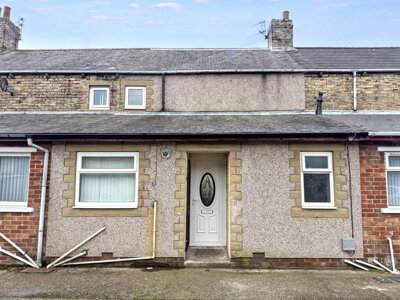
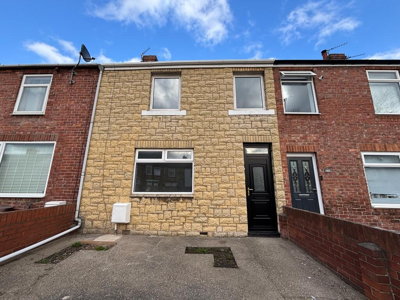
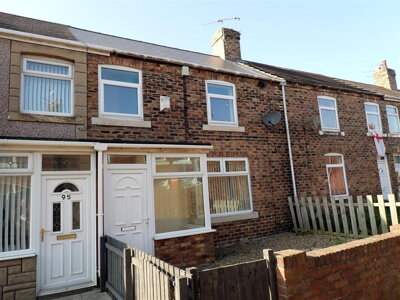
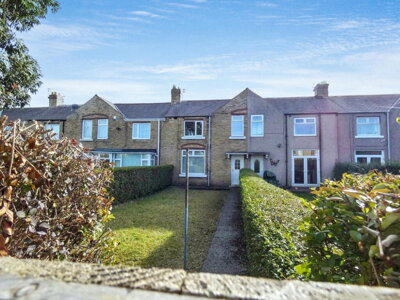
Browse 59 rental homes to rent in NE63 from local letting agents.
£613/m
10
0
39
Source: home.co.uk
Source: home.co.uk
Terraced
5 listings
Avg £650
Flat
4 listings
Avg £538
Town House
1 listings
Avg £800
Source: home.co.uk
Source: home.co.uk
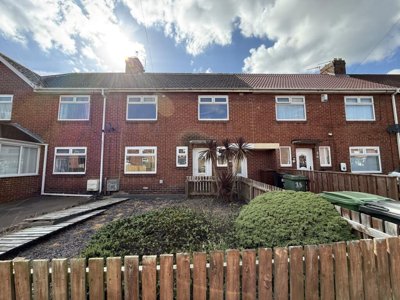
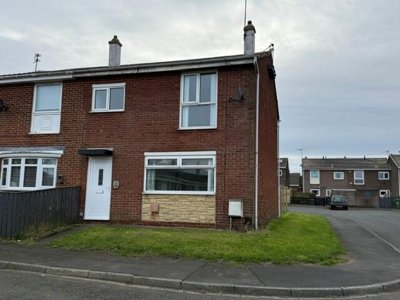
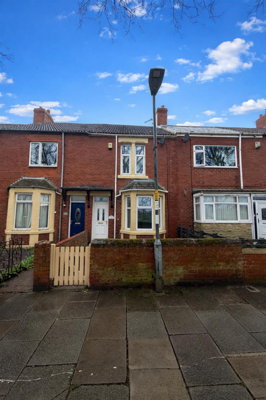
The NE63 rental market reflects the broader property trends in Ashington, where terraced properties dominate the housing stock and typically offer the most affordable entry point for renters. Recent data shows terraced properties selling at an average of £106,063, which translates to competitive monthly rents for those seeking traditional mining-era homes with generous room sizes and private gardens. Semi-detached homes, averaging around £167,939 in sale value, provide additional space for growing families and command modestly higher rental rates, often featuring two or three bedrooms plus a separate dining room typical of early 20th-century construction.
Detached properties remain relatively rare in the NE63 rental market but offer premium accommodation for those seeking more space and privacy. With average sale values reaching £263,278, detached homes to rent are less common but available for families requiring multiple bathrooms, garages, or larger plots. Flats in NE63 represent the most affordable rental category, with sale values around £43,833-60,643, making them ideal for singles, couples, or investors seeking buy-to-let opportunities. Our listings include new-build style properties featuring modern insulation and energy-efficient fixtures, particularly in developments that reference popular designs like the two-bedroom Epping or four-bedroom Hastings layouts.
Property prices in NE63 have shown resilience despite broader market fluctuations, with recent figures indicating a 3.65% increase over the past 12 months. The NE63 9 sub-postcode area has seen particularly strong growth at 11.6% year-on-year, while NE63 8 has experienced 8.8% growth. This stability in sale values supports consistent rental yields, making the area attractive for both tenants seeking long-term homes and landlords investing in quality rental stock. With 335 property sales recorded in the last year, the market demonstrates healthy activity levels despite a 20% reduction in transactions compared to the previous year.

Ashington holds a special place in British industrial history as one of the world's largest coal mining towns, and this heritage shapes the character of the area today. The town's wide Victorian and Edwardian streets, lined with traditional brick terraced houses, create a distinctive urban landscape that has been carefully maintained by generations of residents. Our local knowledge shows that the community takes great pride in its history, commemorated at the acclaimed Woodhorn Museum, which attracts visitors from across the region and serves as an educational resource for schools studying the industrial revolution's impact on working-class communities.
The town centre offers practical amenities including supermarkets, independent shops, healthcare centres, and leisure facilities, while the surrounding Northumberland countryside provides stunning natural beauty just minutes from residential areas. Druridge Bay and the nearby coastal stretches offer beaches and coastal walks that draw families throughout the year, offering a quality of life that urban dwellers in larger cities often struggle to access. The demographic mix in Ashington includes long-standing families who have lived in the area for generations alongside newcomers drawn by affordable housing and the friendly atmosphere. Crime rates remain notably low compared to urban centres, giving residents confidence when raising children or walking through residential streets after dark.
The River Wansbeck flows near Ashington, contributing to the area's green corridors and providing pleasant walking routes along its banks. These natural features, combined with local parks and play areas, make NE63 an excellent choice for renters who value outdoor activities and family-friendly environments. The town also hosts regular community events, markets, and social gatherings that help new residents integrate quickly and feel at home in their neighbourhood. Wansbeck General Hospital provides healthcare services for residents, while local sports clubs and community centres offer recreational activities for all ages.

Transport connectivity from NE63 has improved significantly in recent years, with the reopening of Ashington railway station transforming local travel options. The station, closed to passengers for decades before its restoration, now provides regular rail services connecting Ashington to Newcastle and other major destinations in the North East. Commuters can access the vibrant employment opportunities in Newcastle city centre while returning to the more affordable and peaceful residential environment that Ashington provides. The rail station serves the communities along the Northumberland Coast Line, offering scenic journeys through the countryside while connecting residents to the broader national rail network via Newcastle Central Station.
For those who drive, the A197 and A196 roads provide direct routes to Cramlington, Blyth, and onwards to the A1 trunk road, giving access to Edinburgh to the north and Newcastle to the south. Bus services operated by Arriva and local operators connect Ashington to neighbouring towns, though service frequency may be reduced on evenings and weekends, so residents should check current timetables. The proximity to the A189 gives convenient access to the Silverlink retail parks and industrial estates in North Tyneside, expanding employment options beyond Newcastle city centre. Cycling infrastructure has been developed in parts of NE63, with dedicated paths connecting residential areas to the town centre and local employment zones.
Parking provision varies by neighbourhood, with terraced streets sometimes offering limited on-street parking while newer developments and flats may include dedicated spaces. The hilly terrain in some areas may challenge less experienced cyclists, particularly during winter months when daylight hours are limited. Commuters working in Newcastle typically find the train journey takes around 35-45 minutes, making day-to-day commuting feasible for those unwilling to face daily driving through congested urban routes. The restored rail link has proved particularly popular with commuters seeking to avoid A1 traffic bottlenecks during peak hours.

Families considering a move to NE63 will find a reasonable selection of primary and secondary schools within reasonable distance, though the specific Ofsted ratings and catchment areas should be verified directly with Northumberland County Council before committing to a rental property. The town's historical population has supported educational infrastructure for over a century, meaning many schools occupy established buildings with extensive grounds and strong community ties. Primary schools in the Ashington area serve children from ages 5 to 11, providing foundational education within walking distance for most residential areas.
Secondary education options include comprehensive schools that feed into further education colleges in the region, offering A-levels and vocational qualifications for students progressing beyond GCSE. Parents should research individual school performance tables and recent Ofsted inspections, as these can vary year by year and significantly impact property demand in specific catchment areas. The proximity to Northumberland College and easy transport links to Newcastle's universities make NE63 practical for families with teenage children considering higher education options, while primary school-aged children benefit from the town's established educational infrastructure.
For renters with children, understanding school catchment boundaries is essential, as properties in NE63 may fall into different admission zones depending on exact location. We recommend contacting schools directly to confirm eligibility before signing a tenancy agreement, particularly if your child has specific educational needs or you require before and after-school care facilities. The availability of nursery and preschool placements also varies by neighbourhood, so families with very young children should investigate local options alongside primary school availability. School admissions can be highly competitive in certain catchments, so we suggest beginning enquiries well before your planned move date.

Understanding the construction types common in NE63 helps prospective tenants identify properties that match their needs and avoid potential issues. The majority of housing stock in Ashington dates from the late 19th and early 20th centuries, constructed to house workers in the coal mining industry. Traditional brick-built terraced houses feature solid walls rather than modern cavity construction, which affects insulation performance and moisture management. These properties were built to last with thick walls and substantial timber joists, but their age means certain maintenance issues are more likely than in newer builds.
Given Ashington's coal mining heritage, properties in NE63 may be built on ground affected by historical mining activity. The underlying geology of the Northumberland Coalfield includes shale, sandstone, and clay, which can contribute to ground movement in some locations. Clay soil conditions are particularly relevant as they can cause shrink-swell movement during dry spells and wet periods, potentially affecting foundations over time. We recommend requesting a mining report (Con29M) for any property you are considering renting long-term, as this identifies any recorded mining features that might affect the stability of the building.
Common defects in NE63's older housing stock include damp arising from inadequate damp-proof courses or poor ventilation, roof deterioration requiring maintenance or replacement, outdated electrical systems that may not meet current standards, and plumbing issues in aging pipework. Properties with solid walls often experience higher heat loss than modern cavity-insulated buildings, resulting in increased heating costs during winter months. When viewing properties, look for signs of cracking in plasterwork, sticking doors or windows, and any musty odours that might indicate damp problems. A professional survey can identify concerns that are not immediately obvious during a standard viewing.

Contact local letting agents or use Homemove's rental budget service to establish how much rent you can afford. Landlords typically require proof of income equating to 2.5 to 3 times the monthly rent, and having a budget agreement in principle strengthens your application against other potential tenants. This pre-approval demonstrates to landlords that you are a serious candidate and can help you narrow your search to properties within your means.
Before committing to a tenancy, spend time in NE63 at different times of day and week to understand noise levels, parking availability, and community atmosphere. Visit local shops, check public transport connections, and verify the proximity to schools if you have children. The difference between neighbouring streets can be significant in terms of noise from pubs, industrial sites, or main roads. Walk the area after dark if possible to assess lighting and security.
Once you have identified suitable properties, schedule viewings through Homemove or directly with local letting agents. Take photos and notes during each viewing, checking the condition of fixtures, the presence of damp or mould, the age and condition of appliances, and any signs of deferred maintenance that might indicate a problematic landlord. Ask about the tenure type, service charges, and any planned maintenance or improvements to the property.
Before signing, ensure you fully understand the terms of your Assured Shorthold Tenancy, including the deposit amount (capped at five weeks' rent), the notice period required by both parties, any break clause provisions, and who is responsible for maintenance and repairs. Consider having a solicitor review the agreement if you are unsure about any clauses. Pay particular attention to clauses relating to pets, redecorating, and subletting.
Your landlord must place your deposit in a government-approved Tenancy Deposit Protection scheme within 30 days of receiving it. Ensure you receive the prescribed information about which scheme is being used and understand the procedure for reclaiming your deposit at the end of the tenancy. Inventory checks should be conducted thoroughly at the start and end of your tenancy, with detailed photographs and written notes to protect both parties from disputes.
Understanding the full cost of renting in NE63 requires budgeting beyond simply the monthly rent, and forward-planning helps prevent financial surprises during the application process. The initial deposit equivalent to five weeks' rent must be paid before receiving the keys to your new home, and this amount is legally protected in a Tenancy Deposit Protection scheme throughout your tenancy. For a typical property rented at £700 per month, this initial outlay amounts to approximately £3,115 on top of your first month's rent, meaning you should have around £4,815 available for moving costs before furnishing your new home.
Holding deposits are permitted under the Tenant Fees Act 2019, capped at one week's rent to reserve a property while references and paperwork are processed. This amount is deducted from your final deposit or first month's rent upon successful tenancy commencement, though landlords can retain it if you provide false information or withdraw without good reason. Application fees were banned in England from June 2019, so you should not be asked to pay any fee for the referencing process itself, though you may need to cover the referencing company's charges directly if using a private landlord who does not include this in their service.
Renting costs continue throughout your tenancy, including council tax (typically £100-170 per month for band A-B properties in Northumberland), buildings insurance (usually arranged by the landlord but sometimes passed to tenants), and contents insurance to protect your belongings. Utility bills for gas, electricity, water, and internet require budgeting based on property size and your usage patterns, with older terraced properties in NE63 potentially featuring higher heating costs due to solid wall construction and single glazing. We recommend requesting copies of recent utility bills from the current or previous tenants when viewing properties, as this provides a realistic estimate of ongoing running costs that should be factored into your rental budget. Setting up a rental budget agreement in principle before house-hunting ensures you know exactly what you can afford and prevents the disappointment of applying for properties beyond your means.

Rental prices in NE63 vary considerably by property type, with terraced houses typically offering the most affordable option for renters. Based on current market activity and typical rental yields from sale values around £106,063 for terraced properties, monthly rents generally range from £500-700 for standard two-bedroom terraced homes. Semi-detached properties with three bedrooms typically command £650-900 per month, while detached family homes may reach £900-1,200 or more depending on condition and location. Flats and maisonettes offer the lowest entry point, often available from £450-650 per month for one or two-bedroom units. Market conditions fluctuate regularly, so we recommend setting up instant alerts on Homemove to monitor new listings and price changes in real time.
Properties in NE63 fall under Northumberland County Council's jurisdiction, and council tax bands range from A to H depending on the property's assessed value. The majority of terraced properties in Ashington typically fall into bands A or B, which represent the lowest council tax charges in the area. Prospective tenants should verify the specific band with the landlord or letting agent before committing, as this monthly cost is in addition to rent and will affect your overall housing budget. Band A properties in Northumberland currently pay around £1,200-1,400 per year, while band D properties may pay around £1,800-2,000 annually. Council tax bills are typically paid over ten months, though instalment arrangements vary.
Ashington hosts several primary schools serving children aged 5-11, with specific options varying by exact location within the NE63 postcode. Secondary education is provided through comprehensive schools in the area, and parents should research current Ofsted ratings directly on the Ofsted website or through Northumberland County Council's school admissions portal. The proximity to quality schools can significantly impact property demand and rental values in specific neighbourhoods, so we recommend verifying catchment areas and admission criteria before choosing a rental property. Northumberland College provides further education options locally, while Newcastle's universities are accessible via the improved rail services for older students.
The reopening of Ashington railway station has transformed public transport options in NE63, providing direct connections to Newcastle and the wider rail network with journey times of around 35-45 minutes to Newcastle Central. Bus services operated by Arriva and local providers connect Ashington to neighbouring towns including Blyth, Cramlington, and Morpeth, though frequencies may be reduced during evenings and weekends. For commuters working in Newcastle, the train service provides a reliable alternative to driving, particularly during peak traffic periods on the A1 and surrounding roads. Check current timetables with Nexus and individual operators for the most up-to-date service information.
Ashington offers excellent value for renters seeking affordable accommodation in a friendly community with strong local amenities. The town scores well for low crime rates, community spirit, and access to both urban facilities and beautiful Northumbrian countryside. Transport connections to Newcastle make it practical for commuters while avoiding the significantly higher rents charged in the capital. The housing stock is predominantly traditional terraced properties built to the high standards of the early 20th century, offering generous room sizes and solid construction. However, prospective tenants should be aware of the mining heritage and check for any ground stability concerns, particularly if renting older properties in areas close to former colliery sites.
Under current tenant fee legislation, deposits in England are capped at five weeks' rent where the annual rent is less than £50,000. For a typical rental at £700 per month, this means a deposit of around £3,115. Your deposit must be protected in a government-approved Tenancy Deposit Protection scheme within 30 days, and you should receive clear documentation about how to retrieve it at the end of your tenancy. Permitted fees are limited to holding deposits (capped at one week's rent), charges for defaulting on the tenancy agreement, and early termination costs where you request to leave before the fixed term ends. Request a full breakdown of any fees from your letting agent before paying anything, as illegal fees should be reported to your local authority.
Properties in NE63 near the River Wansbeck may face elevated flood risk during periods of heavy rainfall or river spate conditions. We recommend checking the Environment Agency's flood risk maps for the specific location you are considering, and ask the landlord or letting agent about any history of flooding at the property. Surface water flooding can affect low-lying areas throughout urban environments, and older properties may have drainage systems that struggle during extreme weather events. Tenants should verify their belongings are covered by appropriate contents insurance that includes flood damage, and consider the potential disruption and costs associated with flood events when evaluating properties in higher-risk areas.
While surveys are more commonly associated with property purchases, renters can benefit from professional inspections particularly for longer-term tenancies in older properties. A RICS Level 2 Survey can identify structural concerns, damp, roof condition issues, and outdated electrical or plumbing systems that might not be visible during a standard viewing. Given NE63's mining heritage and the prevalence of pre-1919 housing stock, understanding the property's condition before committing provides valuable negotiating leverage and prevents unexpected repair costs during your tenancy. Survey costs typically range from £300-600 depending on property size, representing a worthwhile investment for tenancies of two years or more.
From 4.5% APR
Get pre-approved for your rental budget to strengthen your application.
From £25
Professional referencing to speed up your rental application.
From £350
Expert inspection of the property condition before you commit.
From £80
Energy performance certificate to understand running costs.
Properties to Rent In London

Properties to Rent In Plymouth

Properties to Rent In Liverpool

Properties to Rent In Glasgow

Properties to Rent In Sheffield

Properties to Rent In Edinburgh

Properties to Rent In Coventry

Properties to Rent In Bradford

Properties to Rent In Manchester

Properties to Rent In Birmingham

Properties to Rent In Bristol

Properties to Rent In Oxford

Properties to Rent In Leicester

Properties to Rent In Newcastle

Properties to Rent In Leeds

Properties to Rent In Southampton

Properties to Rent In Cardiff

Properties to Rent In Nottingham

Properties to Rent In Norwich

Properties to Rent In Brighton

Properties to Rent In Derby

Properties to Rent In Portsmouth

Properties to Rent In Northampton

Properties to Rent In Milton Keynes

Properties to Rent In Bournemouth

Properties to Rent In Bolton

Properties to Rent In Swansea

Properties to Rent In Swindon

Properties to Rent In Peterborough

Properties to Rent In Wolverhampton

Enter your details to see if this property is within your budget.
Loans, cards, car finance
Estimated property budget
Borrowing + deposit
You could borrow between
Typical borrowing
Monthly repayment
Est. at 4.5%
Loan-to-value
This is an estimate only. Your actual budget may vary depending on interest rates, credit history, and personal circumstances. For an accurate affordability assessment, speak to one of our free mortgage advisors.
This calculator provides estimates for illustrative purposes only and does not constitute financial advice. Your home may be repossessed if you do not keep up repayments on your mortgage. Estimates based on 4.5% interest rate, repayment mortgage. Actual rates depend on your circumstances.
Homemove is a trading name of HM Haus Group Ltd (Company No. 13873779, registered in England & Wales). Homemove Mortgages Ltd (Company No. 15947693) is an Appointed Representative of TMG Direct Limited, trading as TMG Mortgage Network, which is authorised and regulated by the Financial Conduct Authority (FRN 786245). Homemove Mortgages Ltd is entered on the FCA Register as an Appointed Representative (FRN 1022429). You can check registrations at NewRegister or by calling 0800 111 6768.

We use cookies to show you personalised content and improve your experience of our website. Find out more in our Privacy policy and Cookie policy.