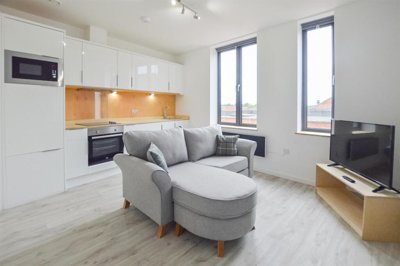
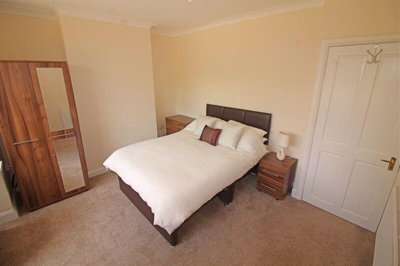
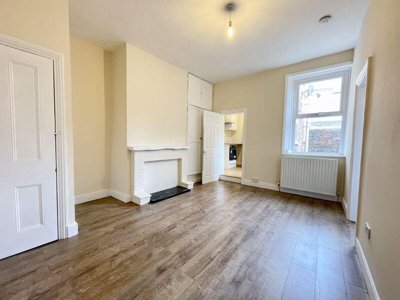
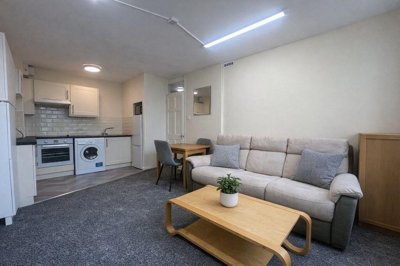
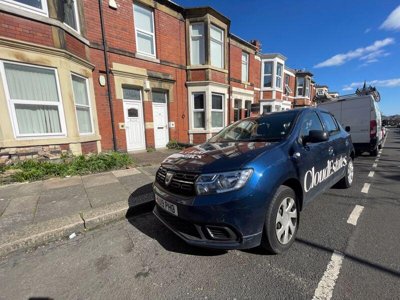
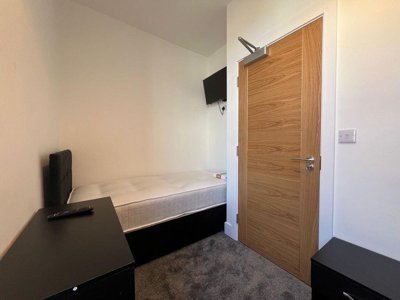
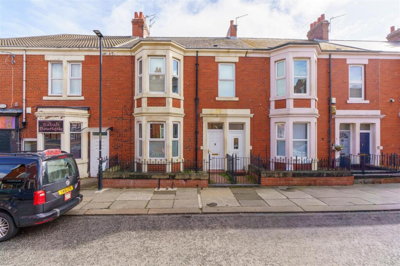
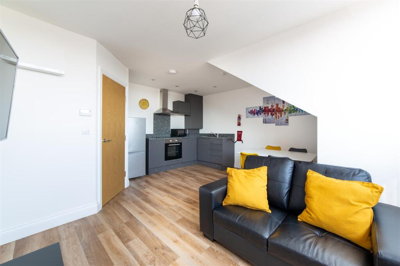
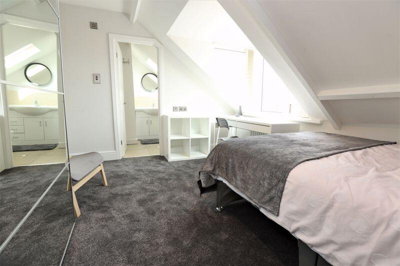
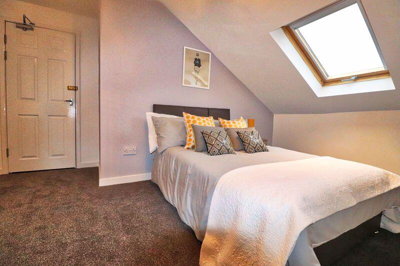
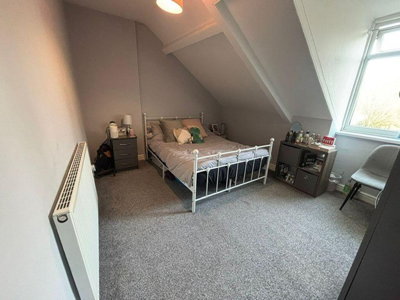
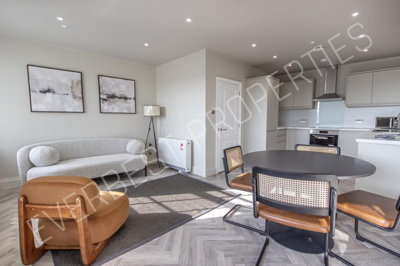
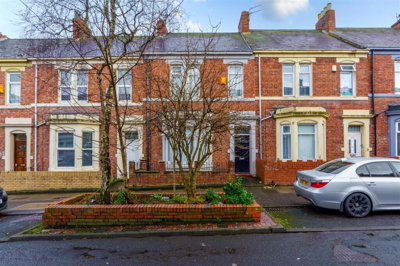
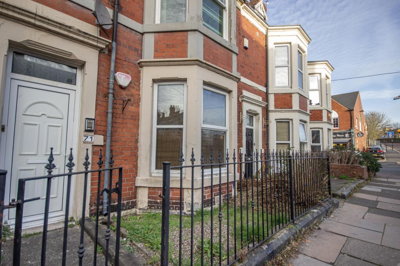
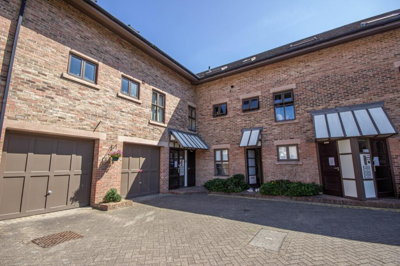
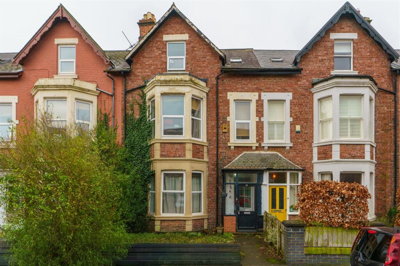
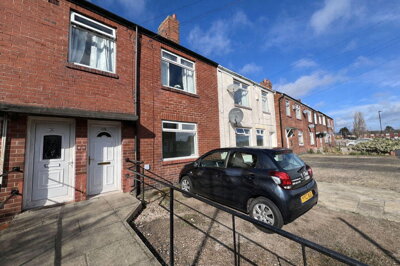
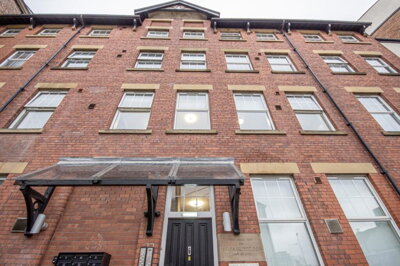
Browse 2,583 rental homes to rent in NE1 from local letting agents.
£1,050/m
49
0
90
Source: home.co.uk
Source: home.co.uk
Apartment
36 listings
Avg £1,184
Flat
7 listings
Avg £933
Maisonette
3 listings
Avg £1,690
House Share
1 listings
Avg £595
Penthouse
1 listings
Avg £1,600
Studio
1 listings
Avg £725
Source: home.co.uk
Source: home.co.uk
The rental market in NE1 reflects the unique character of Newcastle's city centre, where flats and apartments dominate the housing stock. According to Rightmove, the overall average property price in NE1 sits at approximately £174,365, with flats averaging around £169,777. Terraced properties in the area command higher prices, with an average of £390,000, reflecting the scarcity of traditional housing in this dense urban environment. The asking price average of £158,076 provides a useful benchmark for those looking to understand current market positioning in this sought-after postcode.
Recent market activity shows some interesting price movements across different sectors of NE1. Data from Property Solvers indicates a 3.4% decrease in average property prices over the last 12 months, while Rightmove reports sold prices were 4% up on the previous year. More granular analysis reveals significant variations between postcode sectors, with NE1 3 seeing a 13% fall and NE1 5 experiencing a steeper 26.4% decline. Despite these fluctuations, the city centre remains attractive to renters, with property sales numbering 52 over the past year across the postcode. Zoopla reports sold prices averaging £163,058, while Compare Estate Agents lists the average asking price at £158,076.
For those renting rather than buying, the market offers excellent variety across all price points. Flats and apartments typically range from £600 to £1,200 per month for standard one and two-bedroom properties, while premium units with Quayside views or luxury specifications can command significantly higher rents. The Quayside area, particularly developments like Mariners Wharf where a 3-bedroom purpose-built flat sold for £320,000 in December 2024, tends to attract tenants seeking riverside living with easy access to restaurants and cultural venues.
Property availability in NE1 can move quickly due to high demand from students, professionals, and those drawn to urban convenience. Properties at developments such as The Bruce Building and Galen House in the city centre are particularly sought after by students attending Newcastle University and Northumbria University, as well as healthcare workers commuting to the Royal Victoria Infirmary. The Bruce Building offers luxury studio apartments with easy access to universities and the RVI Hospital, making it a popular choice for this demographic.

Life in NE1 revolves around the vibrant energy of Newcastle's city centre, where the historic grandeur of the Grainger Town Conservation Area meets contemporary urban living. The area is characterised by magnificent Georgian streets, most notably Grey Street, which showcases the finest examples of Newcastle's architectural heritage. The predominant housing stock consists of flats and apartments, many occupying converted commercial buildings that retain their original sandstone or brick facades while offering modern interior specifications. The population includes a diverse mix of young professionals, students, academics, and families drawn to the convenience and cultural richness of city centre living.
The local economy thrives on retail, hospitality, education, and healthcare sectors, creating excellent employment opportunities for residents. Eldon Square shopping centre anchors the retail landscape, while the Quayside comes alive with bars, restaurants, and cultural venues including the Sage Gateshead and BALTIC Centre for Contemporary Art. Healthcare facilities, most notably the Royal Victoria Infirmary (RVI), provide essential services and employment, while proximity to both Newcastle University and Northumbria University makes NE1 particularly attractive to students and academics seeking easy access to campus facilities.
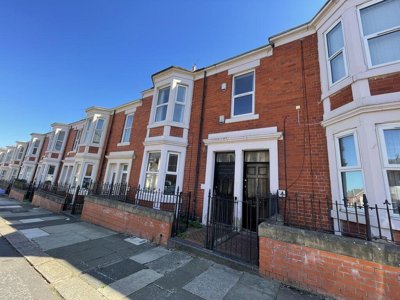
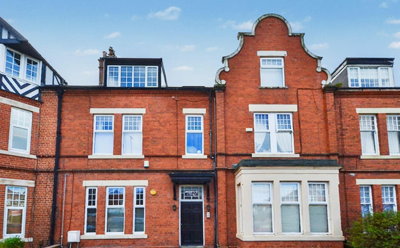
The architectural character of NE1 reflects its Georgian and Victorian heritage, with buildings predominantly constructed from local sandstone and red brick. Properties in Grainger Town and along Grey Street often feature the pale yellow and grey sandstone unique to the region, while Victorian and Edwardian buildings across the city centre use traditional brick construction with slate roofing. Many of these historic structures have been sympathetically converted into apartments, retaining original features such as high ceilings, ornate cornicing, and large sash windows while incorporating modern insulation and services.
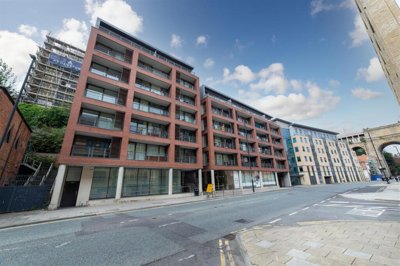
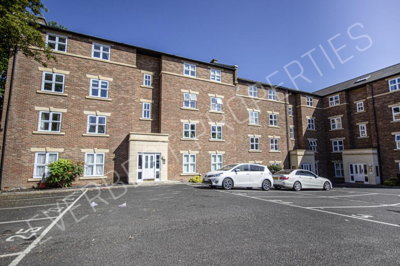
For renters, the mix of old and new construction brings both charm and considerations. Older sandstone and brick properties with solid walls may have different insulation properties compared to modern developments, affecting heating costs and comfort levels. Newer conversions and purpose-built apartments in developments such as Hanover Mill on Hanover Street offer contemporary specifications including en-suite bathrooms, open-plan living spaces, and secure parking, appealing to those prioritising modern conveniences over period character.

Education provision in NE1 benefits from the presence of two major universities that shape the character and demographics of the city centre. Newcastle University, located in the nearby NE2 postcode but easily accessible from NE1, ranks among the UK's leading institutions and attracts students and academic staff from around the world. Northumbria University, with its city campus in NE1, offers a wide range of undergraduate and postgraduate programmes and contributes significantly to the youthful atmosphere of the city centre. Both universities provide extensive library facilities, student services, and vibrant campus communities that extend into the surrounding areas.
For families with school-age children, NE1 offers access to several primary and secondary schools within reasonable travelling distance. The city centre location means that parents should research catchment areas carefully, as school placements can be competitive in popular areas. Primary schools serving NE1 include St Mary's Catholic Primary School and Westgate Hill Primary Academy, both of which provide solid educational foundations for younger children. Secondary options include comprehensive schools and academies in adjacent postcodes, with many families choosing to rent in NE1 for the excellent transport connections that make commuting to schools across Newcastle straightforward.
Student renters in NE1 benefit from proximity to campus facilities, libraries, and the social amenities that university life provides. Developments such as The Glassworks on Coquet Street offer purpose-built student accommodation, while conversions throughout the city centre provide alternative options for those seeking more independent living. The concentration of student population in NE1 supports a thriving local economy of cafes, bookshops, and entertainment venues that cater to the academic community.
Academic staff and university employees often choose to rent in NE1 for the convenient commute to both universities. The city centre location provides easy access to Northumbria University's city campus without the need for suburban travel, while Newcastle University's main campus in Jesmond is reachable via the Metro system or a short bus journey. The variety of rental options, from compact studios to spacious apartments, accommodates the diverse needs of university workers at different career stages.

Transport connectivity is one of NE1's strongest assets, making it an ideal base for commuters and those who travel regularly for work or leisure. Newcastle Central Station, located within the postcode, provides direct rail connections to major UK destinations including London (approximately 3 hours), Edinburgh (1.5 hours), and Manchester (3 hours). The Tyne and Wear Metro system offers convenient urban transport links across Newcastle, Gateshead, and the wider Tyneside area, with stations throughout the city centre providing access to suburbs, the airport, and coastal areas.
For those who drive, the city centre location provides easy access to major road networks including the A1(M), which runs north-south along the eastern side of England. The Central Motorway system connects NE1 to the Tyne Tunnel and the wider regional road network. Daily commuters should note that city centre parking can be limited and expensive, making public transport an attractive option for many residents. Newcastle Airport, reachable via the Metro, offers domestic and international flights, positioning NE1 as an excellent base for frequent travellers.
Local transport within NE1 is exceptionally well-developed, with the Tyne and Wear Metro providing efficient connections to surrounding areas including the coast, Newcastle Airport, and suburban towns. The Metro's central stations serve the city centre, Quayside, and major employment hubs, making car ownership optional for many residents. Local bus services operated by Stagecoach and other providers offer additional routes throughout Newcastle and the wider region.
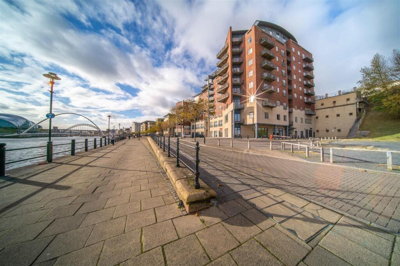
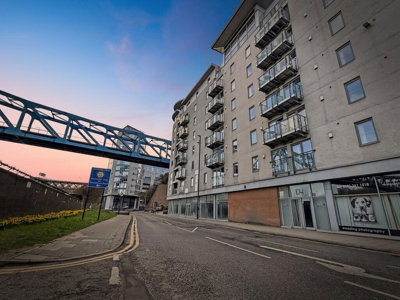
Cyclists benefit from dedicated bike lanes on major routes and the relatively flat terrain of the city centre, while the extensive pedestrianised areas in Grainger Town make walking a practical option for daily activities. The Quayside walkway provides a scenic route along the River Tyne, popular with commuters and recreational cyclists alike. For those renting near the river, the proximity to these active travel routes enhances the appeal of locations such as Mariners Wharf and Milk Market on the Quayside.

Before viewing properties in Newcastle's competitive city centre rental market, arrange a rental budget agreement in principle. This document from a mortgage broker or financial adviser demonstrates your affordability to letting agents and landlords, giving you a competitive edge when applying for properties. Having your budget agreed in advance signals to agents that you are a serious applicant, which is particularly important in high-demand areas like NE1 where properties can receive multiple enquiries within hours of listing.
Explore different areas within NE1 to find the neighbourhood that suits your lifestyle. Consider proximity to your workplace, universities, schools if applicable, and favourite amenities. The Quayside offers riverside living with excellent bars and restaurants, while Grainger Town provides historic architecture and easy access to shopping. Each development has its own character, from the converted sandstone buildings around Grey Street to the purpose-built apartments at Hanover Mill on Hanover Street.
Once you have identified suitable properties, arrange viewings through local letting agents. In Newcastle city centre, properties can let quickly, so be prepared to act promptly. Take notes during viewings and ask about lease terms, included amenities, and any restrictions on pets or smoking. When viewing flats in converted buildings, pay particular attention to the quality of conversion work, sound insulation, and the condition of communal areas.
Before committing to a rental property, consider booking a professional survey to identify any potential issues with the property. A RICS Level 2 Survey can reveal defects in conversions, older properties, or properties with unusual construction that might require attention. Given the prevalence of converted buildings and historic properties in NE1, a professional inspection can identify issues such as damp, structural movement, or outdated electrics that may not be apparent during a standard viewing.
When you find your ideal property, submit your rental application promptly with all required documentation. This typically includes proof of identity, income verification, employment references, and previous landlord references if applicable. Your rental budget in principle will support your application. In NE1's competitive rental market, having all documentation ready in advance can make the difference between securing your preferred property and missing out.
Once your application is approved, review the tenancy agreement carefully before signing. Ensure you understand the terms, deposit amount, notice period, and any additional fees. Your deposit will be protected in a government-approved scheme within 30 days of the tenancy commencing. For properties in converted buildings or those with historic fabric, document the condition of the property thoroughly at check-in.
Renting in NE1 requires careful consideration of several area-specific factors that differ from suburban or rural locations. The city's rich architectural heritage means many rental properties occupy converted buildings, often with unique layouts and features that require specialist attention. The Grainger Town Conservation Area and surrounding historic districts contain numerous listed buildings and properties of architectural significance, which can affect what modifications tenants can request and how the property must be maintained. When viewing converted properties, ask about the date of conversion and any recent renovations that may have updated the building's systems and specifications.
Flood risk is a genuine consideration for properties near the River Tyne, particularly in the Quayside area. While modern developments often incorporate flood resilience measures, prospective renters should investigate the specific flood risk of any property they are considering. Surface water flooding can also occur in urban environments during periods of heavy rainfall due to extensive hard surfacing and drainage capacity. Buildings insurance and contents insurance are essential considerations, and tenants should clarify landlord responsibilities regarding these matters. Properties at Mariners Wharf and other Quayside developments should be researched using Environment Agency flood maps before committing to a tenancy.
The construction of many city centre buildings involves sandstone and brick from the Victorian and Georgian eras, often with solid walls rather than cavity insulation. This can affect thermal efficiency and heating costs, so prospective tenants should examine the energy performance certificate (EPC) rating carefully. Older properties may also have electrical and plumbing systems that do not meet current standards, and any concerns should be documented before signing a tenancy agreement. Properties in converted commercial buildings may have unusual room configurations, exposed ducting, or steelwork that affects furniture placement and room usage.
Newcastle upon Tyne's coal mining history means that properties in some areas may be affected by historical mining subsidence, though the extensively developed city centre generally has robust foundations. Properties built on superficial deposits including glacial till and river alluvium along the Tyne may experience ground movement, and any signs of subsidence such as cracking or uneven floors should be noted. When renting older properties, particularly those in buildings predating the 1920s, a professional survey can identify potential structural concerns that might require future maintenance or affect your decision to proceed.
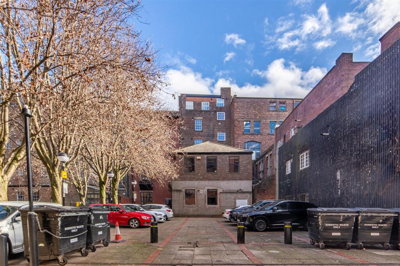
For renters with vehicles, parking availability varies significantly across NE1. Developments such as Hanover Mill on Hanover Street offer secure parking, while older converted properties may have no parking provision. City centre parking is expensive, with limited permit availability in residential zones. Consider whether proximity to Metro stations and public transport routes affects your need for a car, and factor parking costs into your overall budget when comparing rental prices across different areas of NE1.

Rental prices in NE1 vary significantly depending on property type, size, and location within the postcode. Flats and apartments typically range from £600 to £1,200 per month for one and two-bedroom properties, while larger apartments or those with premium features such as Quayside views can command higher rents. The overall average property price in NE1 is approximately £174,365 according to Rightmove data, which influences rental values in the context of buy-to-let investments. For accurate current rental pricing, we recommend searching our listings which are updated daily with properties across all price points in Newcastle city centre, from compact studios in student developments to luxury duplex apartments at locations such as Pandongate House on City Road.
Council tax in NE1 falls under Newcastle City Council's jurisdiction, with properties assigned bands A through H based on their assessed value. City centre apartments and flats typically fall into bands A to D, with the average property price of approximately £174,365 suggesting many properties would be in lower bands. Prospective tenants should verify the specific council tax band with the letting agent or landlord before committing to a tenancy, as this will affect monthly outgoings alongside rent. Band A properties in Newcastle currently pay approximately £1,400 annually, while band D properties pay around £2,100, making this a significant factor in total housing costs for renters.
NE1's city centre location means that families should look to nearby postcodes for primary and secondary education options. Primary schools serving the area include St Mary's Catholic Primary School and Westgate Hill Primary Academy, both of which provide solid educational foundations for younger children. Secondary options in surrounding areas include academies and comprehensives, with many families benefiting from the excellent transport connections that make commuting to schools across Newcastle straightforward. For higher education, both Newcastle University and Northumbria University are easily accessible from NE1, with Northumbria's city campus located directly within the postcode.
NE1 boasts excellent public transport connectivity, making it one of the most accessible areas in the North East for commuters. Newcastle Central Station provides direct rail services to London (approximately 3 hours), Edinburgh (1.5 hours), and Manchester (3 hours). The Tyne and Wear Metro system operates multiple stations throughout the city centre, offering convenient connections to Newcastle Airport, the coast, and surrounding towns. Local bus services provide additional options for getting around the city and reaching wider destinations, with the city centre location making car ownership optional for many residents.
NE1 offers an exceptional urban living experience with excellent transport links, cultural attractions, and employment opportunities. The area is particularly suitable for young professionals, students, and academics who value proximity to universities, city centre amenities, and vibrant nightlife. The Quayside and Grainger Town provide distinctive neighbourhood characters within the postcode, with riverside living at developments like Mariners Wharf contrasting with the Georgian architecture of Grey Street. Potential renters should consider factors such as noise levels in certain areas, parking availability, and the specific characteristics of individual buildings when deciding whether NE1 suits their lifestyle.
When renting a property in NE1, tenants typically pay a security deposit equivalent to five weeks' rent, which is protected in a government-approved deposit scheme under the Tenancy Deposit Protection legislation. Holding deposits may also be required to secure a property while references are checked, usually equivalent to one week's rent. Other potential costs include admin fees charged by letting agents (which must be clearly disclosed under the Tenant Fees Act 2019), upfront rent payments, and moving costs. First-time renters should budget for these costs alongside any furniture or household items they may need for unfurnished properties.
While surveys are not legally required for rented properties, a professional inspection can be valuable given NE1's housing stock. Many rental properties occupy converted buildings from the Victorian and Georgian eras, which may have hidden defects such as damp, structural movement, or outdated electrics. A RICS Level 2 Survey can identify issues that might require maintenance during your tenancy or affect your decision to proceed. This is particularly relevant for properties in converted commercial buildings, older sandstone structures in Grainger Town, or any property showing signs of wear during viewing.
Properties near the River Tyne, particularly in the Quayside area, carry some flood risk from river flooding during periods of high water levels. Surface water flooding can also occur across urban NE1 during heavy rainfall due to extensive hard surfacing and drainage systems under pressure. Prospective renters should check Environment Agency flood maps for specific properties and ask letting agents about any history of flooding. Modern developments may incorporate flood resilience measures, but insurance implications and potential disruption should be considered when evaluating properties in higher-risk locations.
From 4.5%
A rental budget agreement demonstrates your affordability to letting agents and landlords
From £50
Comprehensive referencing checks for rental applications
From £75
Professional check-in and check-out reports to protect your deposit
From £75
Energy performance certificate for rental properties
Understanding the full cost of renting in NE1 requires careful budgeting beyond simply the monthly rent figure. The security deposit, typically set at five weeks' rent under the Tenant Fees Act 2019, must be protected in a government-approved scheme within 30 days of the tenancy start date. This protection ensures you can recover your deposit in full at the end of the tenancy, provided there are no damages beyond normal wear and tear or unpaid rent. The three approved schemes are Deposit Protection Service, MyDeposits, and Tenancy Deposit Scheme.
Holding deposits may be requested by landlords to take a property off the market while references are checked, usually equivalent to one week's rent. If you proceed with the tenancy, this amount is typically credited against your first rent payment or deposit. However, if you provide false information or withdraw without a valid reason, the landlord may retain the holding deposit. Given the competitive nature of NE1's rental market, being prepared to pay a holding deposit quickly can help secure sought-after properties.
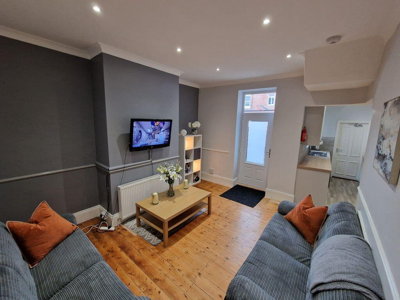
Practical moving costs can add significantly to the upfront expense of renting in NE1. Removal van hire, professional cleaning before moving in (and potentially before moving out), and any furniture or household items needed for an unfurnished property should all be factored into your budget. Many city centre apartments in NE1 come furnished or part-furnished, which can reduce initial outlay but may limit personalisation of the space. Compare the furnished versus unfurnished options carefully when budgeting, considering both upfront costs and monthly rent differences.
For renters in converted properties or older buildings, additional costs may arise from documenting the property condition at check-in. An independent inventory report prepared by a professional service can protect both tenant and landlord by providing an objective record of the property's condition at the start and end of the tenancy. This is particularly valuable in properties where wear and tear may be subjective, helping to ensure deposit disputes are resolved fairly and efficiently.

Properties to Rent In London

Properties to Rent In Plymouth

Properties to Rent In Liverpool

Properties to Rent In Glasgow

Properties to Rent In Sheffield

Properties to Rent In Edinburgh

Properties to Rent In Coventry

Properties to Rent In Bradford

Properties to Rent In Manchester

Properties to Rent In Birmingham

Properties to Rent In Bristol

Properties to Rent In Oxford

Properties to Rent In Leicester

Properties to Rent In Newcastle

Properties to Rent In Leeds

Properties to Rent In Southampton

Properties to Rent In Cardiff

Properties to Rent In Nottingham

Properties to Rent In Norwich

Properties to Rent In Brighton

Properties to Rent In Derby

Properties to Rent In Portsmouth

Properties to Rent In Northampton

Properties to Rent In Milton Keynes

Properties to Rent In Bournemouth

Properties to Rent In Bolton

Properties to Rent In Swansea

Properties to Rent In Swindon

Properties to Rent In Peterborough

Properties to Rent In Wolverhampton

Enter your details to see if this property is within your budget.
Loans, cards, car finance
Estimated property budget
Borrowing + deposit
You could borrow between
Typical borrowing
Monthly repayment
Est. at 4.5%
Loan-to-value
This is an estimate only. Your actual budget may vary depending on interest rates, credit history, and personal circumstances. For an accurate affordability assessment, speak to one of our free mortgage advisors.
This calculator provides estimates for illustrative purposes only and does not constitute financial advice. Your home may be repossessed if you do not keep up repayments on your mortgage. Estimates based on 4.5% interest rate, repayment mortgage. Actual rates depend on your circumstances.
Homemove is a trading name of HM Haus Group Ltd (Company No. 13873779, registered in England & Wales). Homemove Mortgages Ltd (Company No. 15947693) is an Appointed Representative of TMG Direct Limited, trading as TMG Mortgage Network, which is authorised and regulated by the Financial Conduct Authority (FRN 786245). Homemove Mortgages Ltd is entered on the FCA Register as an Appointed Representative (FRN 1022429). You can check registrations at NewRegister or by calling 0800 111 6768.

We use cookies to show you personalised content and improve your experience of our website. Find out more in our Privacy policy and Cookie policy.