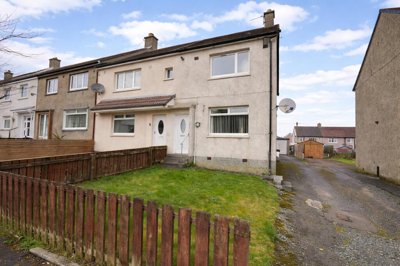
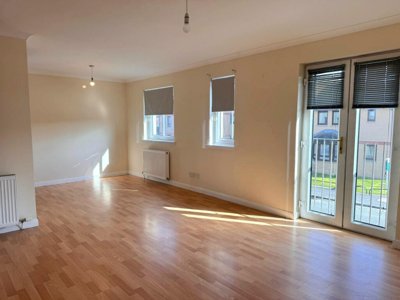
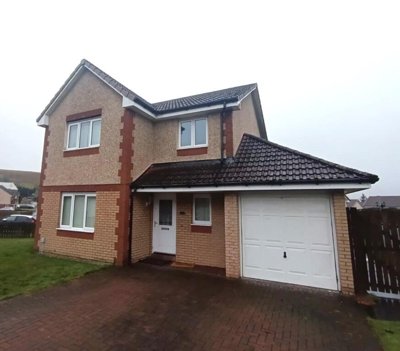
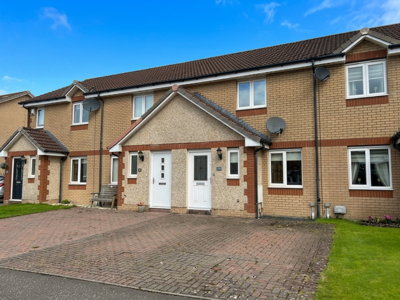
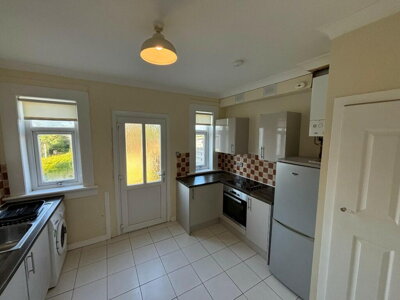
Browse 9 rental homes to rent in ML7 from local letting agents.
£0/m
0
0
0
Source: home.co.uk
The ML7 postcode area has established itself as a practical choice for renters prioritising value and quality of life. House prices in the area average around £151,860 according to recent market data, which compares favourably to neighbouring postcodes and reflects the broader affordability that makes North Lanarkshire attractive to buyers and renters alike. While specific rental price data for the area requires individual enquiry, the sales market provides useful context - terraced properties typically sell for approximately £114,510, semi-detached homes around £150,214, and flats from £81,495. These figures suggest that rental prices in ML7 will be competitive compared to Glasgow or Edinburgh commuter belts.
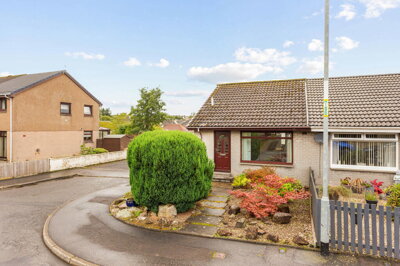
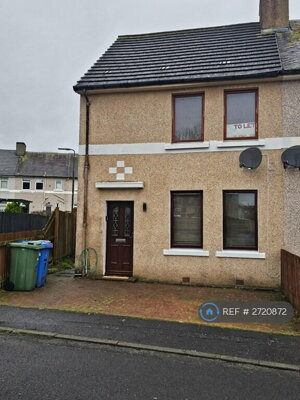
Property types available for rent in ML7 predominantly include traditional stone-fronted terraces common throughout Scottish mining towns, as well as semi-detached family homes built during the post-war expansion period. Flats above commercial premises can be found in village centres, while detached properties are less common but available for families seeking more space. The market has remained relatively stable over recent years, with prices sitting approximately 2% below the 2022 peak of £155,253, creating stable conditions for renters who want confidence in their housing costs over the medium term.
For those considering a longer-term rental commitment, the stability of the local market offers reassurance. Unlike areas that have seen significant price volatility, ML7 has maintained consistent values that translate to predictable rental costs. This makes budget planning more straightforward for tenants, whether you are renting for six months or several years. The proportion of terraced properties in the area means there is good availability of family-sized accommodation at reasonable price points, while the semi-detached stock provides options for those seeking additional space or garden access.

The ML7 postcode covers a collection of communities in North Lanarkshire, with Shotts serving as one of the principal towns in the area. Historically rooted in coal mining and heavy industry, the region has transformed significantly since the decline of traditional manufacturing, developing into a residential hub that attracts workers from across the Central Belt. The local economy benefits from employers including Story Contracting, which maintains operations in nearby Salsburgh, while North Lanarkshire Council represents another significant public sector employer in the area. These employers provide stable employment foundations that support the local housing market and give renters confidence in their ability to meet ongoing costs.
Day-to-day life in ML7 offers practical amenities without the bustle of a major city centre. Local shopping provision includes convenience stores and independent retailers in Shotts town centre, with larger supermarkets accessible in Motherwell and surrounding towns. Green spaces feature throughout the area, with local parks providing recreational facilities for families and individuals. Community facilities include libraries, health centres, and leisure facilities that serve the day-to-day needs of residents. The semi-rural setting means many properties benefit from gardens and proximity to countryside, appealing to those who value outdoor space and a quieter lifestyle while remaining within reasonable distance of urban employment and entertainment.
The sense of community in ML7 remains strong despite the area's proximity to larger towns. Local events, sports clubs, and community organisations provide opportunities for new residents to integrate quickly. For renters moving to the area from elsewhere, this established community fabric offers a pathway to building social connections, which can sometimes be more challenging in larger urban centres. The availability of affordable housing means families can often secure larger properties than they might manage in city centre locations, contributing to a more settled domestic situation.

Families considering a move to ML7 will find a range of educational options across all levels within reasonable travelling distance. Primary school provision in the Shotts area includes schools serving the immediate community, with children typically assigned to their nearest catchment school based on residential address. Parents should verify current school catchments and any enrollment policies directly with North Lanarkshire Council, as these boundaries can affect which schools children can access. The council maintains detailed information on school performance, admission policies, and transport arrangements for pupils living beyond walking distance of their assigned school.
Secondary education in the area is served by schools within North Lanarkshire, with pupils progressing from primary to secondary based on catchment arrangements. The Scottish education system operates a different structure from England, with National Qualifications (Nationals) at secondary stage followed by options for Higher and Advanced Higher study. Parents researching schools should consult the Care Inspectorate for early years provision ratings and the Scottish Education Inspection Framework for school assessment data. For families with specific educational preferences, including faith schools or those with particular curricular strengths, advance research into admissions criteria and catchment requirements is essential before committing to a rental property in a particular street or area.
Beyond school-age education, further and higher education options are accessible from ML7 through commuting or digital learning. Colleges and universities in Glasgow and Edinburgh are within reasonable travel distance for those pursuing further qualifications while working or raising a family. The semi-rural location does not therefore represent a barrier to educational progression for adult learners or those considering career changes that require additional qualifications.

Connectivity from the ML7 area benefits from its position within the Central Belt of Scotland, providing access to major road and rail networks. The M8 motorway runs nearby, linking Glasgow to Edinburgh and providing the primary route for those commuting by car to either city. Journey times to Glasgow city centre typically fall within 30-40 minutes by car depending on traffic conditions, while Edinburgh is accessible via the M8 or M9 routes in approximately 50-60 minutes under normal conditions. This makes ML7 a viable option for workers in either city who are priced out of closer commuter areas but willing to accept longer travel times in exchange for more affordable housing costs.
Public transport options include bus services connecting Shotts and surrounding villages to Motherwell, where interchange with rail services provides access to broader destinations. Motherwell station sits on the West Coast Main Line, offering direct services to Glasgow, Edinburgh, and further afield. For those working in Glasgow specifically, the train journey from Motherwell to Glasgow Central takes approximately 25-30 minutes, placing ML7 within practical commuting distance for city workers when combined with the bus connection to the station. Local bus services operate throughout the area, though frequency may be more limited on evenings and weekends, so renters who rely on public transport should research specific routes and timetables for their intended area of residence.
The accessibility of ML7 via major road networks also supports car ownership as a practical choice for many residents. Unlike more remote rural areas where car dependency represents a significant burden, the proximity to the M8 means that weekend trips to Glasgow or Edinburgh for shopping, entertainment, or family visits remain straightforward. For renters who work irregular hours or shift patterns, the flexibility of car travel may be particularly valuable, and the lower property values in ML7 mean that parking availability and costs are generally less of a concern than in urban centres.

Understanding the predominant property types in ML7 helps prospective renters set realistic expectations about what is available in the local market. The area features a significant proportion of traditional stone-fronted terraces that were constructed using methods common throughout Scottish mining communities. These properties typically offer two or three bedrooms across multiple floors, with original features such as fireplaces, timber floors, and high skirting boards that contribute to their character. The solid wall construction of these properties means they behave differently from modern cavity-wall builds, and renters should be aware of how this affects heating and ventilation.
Post-war semi-detached houses represent another substantial segment of the rental market in ML7. Built during the housing expansion of the 1950s and 1960s, these properties typically offer three bedrooms, a separate bathroom, and ground-floor living spaces with relatively generous gardens. The construction quality of this era is generally sound, though properties may require updating of fixtures, fittings, and services. Flats in the area are found both in converted period properties and above commercial premises in village centres, offering options for those seeking lower-maintenance living or single-level accommodation.
Newerbuild properties are less prevalent in ML7 compared to some neighbouring areas, meaning that renters are more likely to encounter older housing stock that requires appropriate consideration during viewings. The relative scarcity of recent construction also means that rental prices for newer properties may command a premium when available. For renters prioritising modern specification, energy efficiency, or contemporary design, the ML7 market may offer more limited choices than areas with higher new-build activity.

Renting in the ML7 area requires the same practical considerations as any other location, with a few local factors worth bearing in mind. Properties in this part of North Lanarkshire include older stone-built terraces that were constructed using traditional methods, meaning features like solid walls, original timber windows, and period fireplaces are common. While these characteristics add charm and can contribute to a property's character, they also require appropriate maintenance. When viewing properties, check the condition of pointing on stonework, the operation of windows, and signs of damp or condensation that can affect older construction types.
For flats within the area, investigate the terms of the leasehold or commonhold arrangement carefully. Understanding the ground rent obligations, service charge amounts, and what maintenance responsibilities fall on the leaseholder versus the management company protects you from unexpected costs. Properties in converted buildings may share responsibilities between multiple owners, so clarify how decisions about building maintenance and insurance are made. If considering a newly constructed or recently renovated property, request information about the specification, guarantees that may be in place, and any snagging issues that might still need resolution.
Energy efficiency varies significantly across the housing stock in ML7, with older properties sometimes presenting higher heating costs due to less effective insulation. Request the Energy Performance Certificate during your viewing to understand the property's current energy rating, and factor potential heating costs into your budget calculations. Properties with solid walls may benefit from specific insulation approaches, while those with loft space should be checked for adequate insulation depth. These considerations affect both your comfort and your monthly outgoings as a tenant in the area.
Electrical and plumbing systems in older properties warrant particular attention during viewings. Properties constructed before the 1970s may still contain original wiring that has not been fully updated, and signs of flickering lights, frequently tripping circuit breakers, or outdated socket designs should prompt questions about recent electrical work. Similarly, plumbing in older properties may show evidence of repairs, corrosion, or low water pressure that affects daily comfort. Taking a methodical approach to viewing properties, noting both positive features and potential concerns, helps build a clear picture of which properties represent genuine value in the ML7 rental market.

Before viewing properties in ML7, arrange a rental budget agreement in principle from a specialist lender or broker. This document demonstrates to landlords and letting agents that you can afford the monthly rent, typically requiring evidence of income typically 2.5-3 times the monthly rental amount. Having this paperwork ready puts you in a stronger position when competing for popular properties. Budget agreements are particularly valuable in the ML7 market where demand for well-priced family homes can be steady throughout the year.
Spend time exploring different neighbourhoods within the ML7 postcode to find the right fit for your circumstances. Consider commute times to your workplace, proximity to schools if you have children, local amenities that matter to you, and the type of property that suits your household size. Driving or walking the area at different times of day gives a genuine feel for noise levels, parking availability, and neighbourhood character. The communities within ML7 each have distinct characteristics, from the town centre of Shotts to quieter residential streets in surrounding villages.
Once you have your budget agreement in principle and have identified suitable properties, contact local letting agents to arrange viewings. Be prepared to view several properties before finding the right match, as competition for the best-priced homes can be strong. Take notes and photos during viewings to help compare properties afterward, and do not hesitate to ask questions about the condition of the property, what is included in the rent, and any upcoming changes to the building or area. In the ML7 market, properties in good condition at competitive prices tend to let quickly, so being ready to act when you find the right property is important.
When you find a property you want, your letting agent will guide you through the application process. This typically involves completing an application form, providing identification and proof of income, and agreeing to credit and referencing checks. Tenants in Scotland have specific rights under the Private Housing (Tenancies) (Scotland) Act 2016, and you should receive a copy of the proposed lease and How to Rent guide before committing. The referencing process in Scotland is standardised, and letting agents should provide clear information about what is required and how long the process typically takes.
Once your references have been approved, you will receive your tenancy agreement for signature. Scottish private residential tenancies have moved away from fixed-term arrangements, with most now being periodic tenancies. Read the agreement carefully, noting the rent amount, payment dates, deposit amount (capped at five weeks rent), and any specific conditions or restrictions. Ensure you receive a copy of the signed agreement for your records. In the ML7 area, tenancy agreements typically run on a monthly basis unless specific arrangements are documented otherwise.
Before taking keys, conduct a thorough inventory check with your letting agent or landlord, documenting the condition of every room and any existing damage. Your deposit must be protected in a government-approved scheme within 30 days of receiving it. Arrange contents insurance, set up utility accounts in your name, and register with local services. The moving-in process represents the start of your tenancy, so taking care of these practicalities ensures a smooth transition to your new ML7 home. We recommend dating any photographs or video taken during the move-in inspection, as this provides a clear record of the property condition at the start of your tenancy.
Understanding the full cost of renting in ML7 extends beyond simply budgeting for monthly rent. The initial outlay when starting a tenancy typically includes rent in advance, a security deposit, and potentially letting agent fees. In Scotland, security deposits for private residential tenancies are capped at five weeks rent when the annual rent is below £50,000, providing important protection for tenants against excessive upfront costs. Your deposit must be protected in an approved scheme within 30 working days of the landlord receiving it, and you should receive written confirmation of which scheme is being used and the circumstances under which deductions may be made at the end of your tenancy.
When moving out, ensure you leave the property in the condition documented in your original inventory check, accounting for fair wear and tear. Disputes about deposit deductions can be resolved through the deposit protection scheme's free adjudication service if you and your landlord cannot agree. Budgeting for professional cleaning at the end of your tenancy can help ensure you receive your full deposit back, though your landlord cannot unreasonably withhold amounts for cleaning if the property was clean when you moved in. Taking dated photographs throughout your tenancy provides evidence of the property's condition should any dispute arise about the return of your deposit.
Letting agent fees in Scotland are generally more transparent than in the past, with most agents now charging clearly advertised fees rather than hidden administrative charges. Before committing to work with a particular agent, request a full breakdown of all fees that may apply, including referencing fees, administration charges, and any costs associated with renewing your tenancy. In the ML7 area, agents serving the Shotts and Allanton communities typically provide this information as standard practice, and we recommend comparing fee structures between agents when deciding who to work with for your rental search.
Specific rental price data for ML7 varies based on property type, size, and condition. The sales market provides useful context, with average house prices around £151,860, terraced properties at approximately £114,510, semi-detached homes around £150,214, and flats from £81,495. Rental prices typically sit in proportion to these values, with one-bedroom flats starting from around £400-500 per month and family homes potentially reaching £800-1,000 per month depending on size and location. Contact local letting agents for current rental listings that match your requirements, as market conditions change regularly and local knowledge provides the most accurate picture of what is available at any given time.
The ML7 postcode falls within North Lanarkshire Council area, where council tax is charged across bands A through H based on property valuation. Properties in this area span all council tax bands depending on their assessed value, with the majority of terraced properties and smaller semis typically falling into bands A through C. Your actual council tax liability depends on which band your specific property has been assigned and whether you qualify for any exemptions or discounts, such as single person discount or student exemption. We recommend checking the North Lanarkshire Council website or contacting them directly for current banding information relevant to any property you are considering renting.
School quality and ratings should be researched directly through the Scottish Education Inspectorate (Education Scotland) rather than the English Ofsted system used south of the border. Primary schools serving ML7 include establishments in Shotts and surrounding villages, while secondary education is provided through schools within North Lanarkshire catchment areas. When choosing a rental property, verify the specific school catchment boundaries as these determine which school your children can attend, and consider visiting schools directly to assess their facilities and ethos. The Scottish education system provides performance data through Parentzone Scotland, which allows parents to compare schools across various metrics before making decisions about where to live.
The ML7 area has reasonable public transport connections, with bus services linking the various communities to Motherwell where mainline rail services operate. Trains from Motherwell reach Glasgow Central in approximately 25-30 minutes and Edinburgh in around 50 minutes, making the area viable for commuters to either city. Local bus frequency varies by route and time of day, with services typically more frequent during weekday peak hours. For those working irregular hours or relying entirely on public transport, checking specific routes and timetables for your intended address is advisable before committing to a rental. Journey planning apps and websites can provide real-time information about bus and train services relevant to specific locations within the ML7 postcode.
ML7 offers an attractive proposition for renters seeking affordable housing in a convenient location with good access to Scotland's Central Belt. The area combines residential tranquility with practical connectivity to major employment centres, making it popular among commuters, young families, and those seeking more space than city centre rentals can provide. The local community has strong roots, and the availability of amenities in nearby towns means most daily needs can be met locally. For renters who prioritise affordability, space, and access to both Glasgow and Edinburgh, ML7 represents a sound choice within the North Lanarkshire housing market. The stability of the local property market also means that rental prices tend to be predictable, allowing for straightforward budgeting over the duration of a tenancy.
Under Scottish private residential tenancy regulations, deposits are capped at five weeks rent for properties with annual rent below £50,000. Your deposit must be protected in a government-approved scheme within 30 working days of receipt, and you should receive information about which scheme is being used. Letting agent fees in Scotland are generally more regulated than in England, with most agents now charging transparent fees rather than costly administrative charges. Expect to pay a holding deposit (typically one week's rent) to secure a property, which becomes your first month's rent upon signing the tenancy agreement, along with the security deposit and any referencing or admin fees charged by your chosen agent. We recommend requesting a written breakdown of all fees before submitting any application, as this allows you to budget accurately for the full cost of starting your tenancy.
When viewing rental properties in ML7, pay particular attention to the condition of older construction features common in the area. Check for signs of damp or condensation on solid walls, the operation of original timber windows, and the condition of pointing on stone facades. Request the Energy Performance Certificate to understand current heating costs, and ask about the age and condition of heating systems, electrical wiring, and plumbing. In stone-built terraces and post-war semis, these elements are often original and may require updating. Taking a systematic approach to viewings, noting both positive features and potential concerns, helps identify properties that represent genuine value and avoid those where repair costs might outweigh any rental savings.
While Shotts and surrounding communities in ML7 have historical connections to mining, the area has undergone significant regeneration since the decline of the coal industry. No specific mining-related risks such as subsidence or ground instability were identified in current property surveys for the ML7 postcode. The traditional construction methods used in local housing stock are generally well understood by surveyors and property professionals, and any concerns about ground conditions would be flagged during standard property assessments. For tenants, the main considerations are the same as for any older housing stock: ensuring appropriate maintenance of traditional features and addressing issues like damp or condensation promptly to prevent long-term damage.
Properties to Rent In London

Properties to Rent In Plymouth

Properties to Rent In Liverpool

Properties to Rent In Glasgow

Properties to Rent In Sheffield

Properties to Rent In Edinburgh

Properties to Rent In Coventry

Properties to Rent In Bradford

Properties to Rent In Manchester

Properties to Rent In Birmingham

Properties to Rent In Bristol

Properties to Rent In Oxford

Properties to Rent In Leicester

Properties to Rent In Newcastle

Properties to Rent In Leeds

Properties to Rent In Southampton

Properties to Rent In Cardiff

Properties to Rent In Nottingham

Properties to Rent In Norwich

Properties to Rent In Brighton

Properties to Rent In Derby

Properties to Rent In Portsmouth

Properties to Rent In Northampton

Properties to Rent In Milton Keynes

Properties to Rent In Bournemouth

Properties to Rent In Bolton

Properties to Rent In Swansea

Properties to Rent In Swindon

Properties to Rent In Peterborough

Properties to Rent In Wolverhampton

Enter your details to see if this property is within your budget.
Loans, cards, car finance
Estimated property budget
Borrowing + deposit
You could borrow between
Typical borrowing
Monthly repayment
Est. at 4.5%
Loan-to-value
This is an estimate only. Your actual budget may vary depending on interest rates, credit history, and personal circumstances. For an accurate affordability assessment, speak to one of our free mortgage advisors.
This calculator provides estimates for illustrative purposes only and does not constitute financial advice. Your home may be repossessed if you do not keep up repayments on your mortgage. Estimates based on 4.5% interest rate, repayment mortgage. Actual rates depend on your circumstances.
Homemove is a trading name of HM Haus Group Ltd (Company No. 13873779, registered in England & Wales). Homemove Mortgages Ltd (Company No. 15947693) is an Appointed Representative of TMG Direct Limited, trading as TMG Mortgage Network, which is authorised and regulated by the Financial Conduct Authority (FRN 786245). Homemove Mortgages Ltd is entered on the FCA Register as an Appointed Representative (FRN 1022429). You can check registrations at NewRegister or by calling 0800 111 6768.

We use cookies to show you personalised content and improve your experience of our website. Find out more in our Privacy policy and Cookie policy.