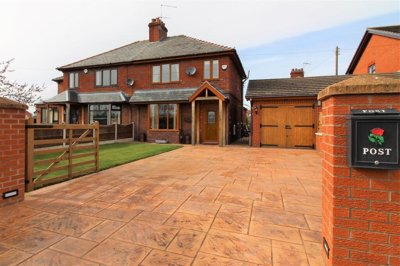
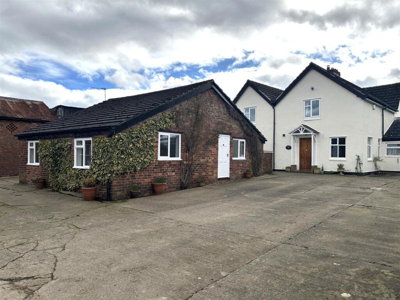
Browse 4 rental homes to rent in Maelor South from local letting agents.
The rental market in Maelor South reflects the broader patterns seen across the Clwyd county region, where the average property price stands at approximately £231,000 with a median of £200,000 according to recent Land Registry data. While specific rental pricing for this intimate community is not separately tracked, the wider Wrexham rental market provides useful context for prospective tenants. Property prices in the wider Clwyd area have shown resilience, increasing by around £3,900 (approximately 2%) over the twelve-month period ending December 2025. The housing stock in Maelor South itself is characterised by a significant proportion of older, traditional properties, with the presence of numerous listed buildings indicating construction dating back to the early nineteenth century and beyond.
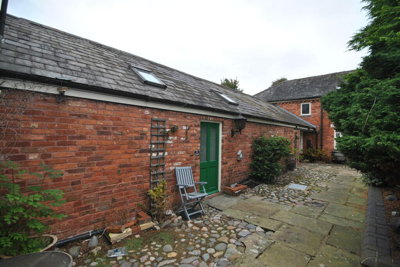
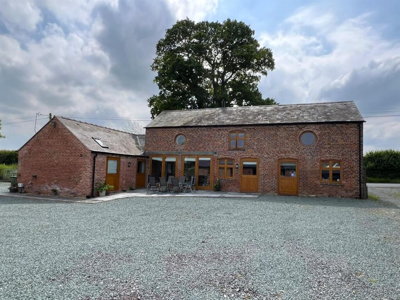
Rental demand in this rural community tends to focus on traditional cottages, converted farm buildings, and family homes situated within generous plot sizes. The older housing stock in Maelor South, much of which was built using traditional methods with Flemish-bond brickwork and natural slate roofing, appeals to renters seeking period character alongside modern conveniences. Those searching for rental property here should note that the community's heritage status means many homes have been carefully maintained to preserve their historic character, potentially requiring specialist surveys due to their age and construction methods. The broader Wrexham area has experienced some softening in transaction volumes, with sales dropping by approximately 14.9% year-on-year, though rental demand remains steady given the area's desirability for families and those seeking countryside living.

Maelor South offers a distinctive lifestyle rooted in the agricultural traditions of the Welsh Marches, where the rhythm of rural life blends with the convenience of proximity to larger towns. The community sits within the Maelor Saesneg historic landscape, an area renowned for its patchwork of pastoral fields, hedgerow boundaries, and scattered farmsteads that have characterised this corner of northeast Wales for centuries. With a population density of approximately 82.80 persons per square kilometre, the area maintains a genuinely spacious feel that contrasts sharply with urban living. The estimated 2024 population of 1,546 residents creates a close-knit community atmosphere where neighbours often know one another, and local events foster the village spirit that defines life here.
The villages of Bettisfield and Penley serve as the primary residential centres within the community, each offering essential amenities for daily life alongside the unspoiled character that makes rural Maelor South so appealing. The area's geology, dominated by Triassic New Red Sandstone overlaid with glacial till deposits, has created the rich red loams and clayey soils that make this landscape so productive for farming. These same clay-rich soils give the local environment its characteristic red earth tones, visible in the fields and lane banks throughout the area. Local attractions include the historic Llangollen Canal with its distinctive stone bridges, and the remnant of Bettisfield Windmill which stands as the area's agricultural heritage. For renters with children or those planning families, understanding the local school provision and community facilities will be important considerations when choosing a property in this area.

The distinctive character of Maelor South's housing stock reflects centuries of building tradition shaped by local materials and the agricultural needs of the community. Our platform showcases properties ranging from early nineteenth-century farmhouses constructed of hand-moulded Flemish-bond brickwork with hipped slate roofs, to more modest cottages that once housed agricultural workers on the surrounding farms. The presence of 21 Grade II listed buildings within the community indicates a significant heritage stock that requires careful maintenance and specialist knowledge any alterations or improvements. Properties like Blackhurst Farmhouse and Rhyd-y-cyffin Farmhouse exemplify the quality of traditional construction found throughout the area, featuring thick solid walls, original timber windows, and the craftsmanship of local builders who worked with materials quarried or mined locally.
Understanding the construction methods used in these historic properties is essential for prospective tenants, as many feature solid brick walls built without modern damp-proof courses and timber elements that require regular maintenance. The natural slate roofing seen on listed buildings throughout Bettisfield and Penley represents a traditional Welsh building material that offers exceptional durability when properly maintained, though individual slates may require replacement following severe weather. The Llangollen Canal, which forms part of the community's western boundary, influenced local building practices as its construction in the early nineteenth century brought both materials and tradespeople to the area. Properties constructed during this period often feature the characteristic red brick tones derived from the local New Red Sandstone geology, creating the warm hues that define the village streetscapes.
The rural setting of Maelor South means that many properties sit on generous plots with original outbuildings that may have been converted to additional accommodation or home offices over the years. Renters viewing properties here should examine the condition of boundary walls, fences, and garden structures, as these may also be listed or subject to specific maintenance requirements. The agricultural heritage of the area is evident in the layout of many properties, which often feature large rear gardens extending to former farm fields or paddocks. For tenants planning to keep pets or requiring outdoor space, these larger plot sizes represent a significant advantage of renting in rural Maelor South compared to more urban settings.

Families considering a rental property in Maelor South will find that the area is served by a network of primary schools within easy reach, reflecting the rural character of the community where village schools play a central role in local life. The wider Wrexham County Borough offers a range of educational establishments from Foundation Phase through to secondary education, with several primary schools located in neighbouring communities that serve the Maelor South catchment area. The nearest primary schools are typically found in surrounding villages such as Bangor-on-Dee, Ellesmere, and the smaller communities that dot this section of the Welsh Marches. While specific performance data for schools directly serving Maelor South was not available in the research data, Wrexham's educational provision generally receives regular assessment through the Welsh education framework, providing parents with publicly available progress information to inform their choices.
Secondary education options in the region include schools in nearby Wrexham town and the surrounding market towns, with pupils typically travelling reasonable distances to access their chosen establishment. The proximity to Wrexham's secondary schools means that families renting in Maelor South can access a broader range of educational options including grammar schools and faith schools that serve pupils from across the county borough. Families should research specific school catchment areas and admission arrangements, as these can significantly affect which schools serve particular addresses and villages within the Maelor South community. Those considering sixth-form or further education will find provision at nearby colleges and schools, with Wrexham offering a comprehensive range of post-16 options including vocational courses and A-level programmes. The daily journey to secondary school will typically involve transport arrangements, and families should factor this into their decision when choosing a rental property location within the area.

Transport connectivity from Maelor South combines the peaceful isolation of rural living with practical access to the regional transport network, making the area suitable for commuters who work in nearby towns while enjoying countryside residence. The community's position within the Welsh Marches means that the A5 trunk road and the A483 provide reasonable access to larger centres including Wrexham itself, Oswestry, and Shrewsbury, though a vehicle is generally considered essential for daily commuting. The proximity to the England-Wales border means that some residents may commute to employment in Cheshire or the Manchester region, taking advantage of the excellent motorway connections available from the Chester and Warrington corridor. For those working in Wrexham itself, the journey takes approximately 20-30 minutes by car under normal traffic conditions, though morning and evening rush hours may extend this slightly.
For those relying on public transport, bus services connect the villages of Maelor South with nearby towns, though frequencies may be limited compared with urban routes, making advance journey planning advisable. The 42 bus service provides connections between Wrexham and surrounding villages, though passengers should check current timetables as rural services may operate on reduced frequencies. The nearby town of Wrexham offers railway connections on the Borderlands Line, providing services to Liverpool and Wrexham General Station with connections to the national rail network. The Llangollen Canal, which passes through the area with its historic bridges and towpaths, provides an attractive recreational route for walking and cycling rather than a transport corridor, offering pleasant routes for weekend exploration of the local countryside.
Parking provision in the villages is generally adequate given the low-density residential nature of the area, with most properties offering off-road parking, a significant advantage for families with multiple vehicles. The generous plot sizes typical of properties in Maelor South often accommodate multiple vehicles, garages, or storage for equipment associated with rural living. Those considering rental properties in Maelor South should verify specific parking arrangements with landlords and assess the impact of any seasonal conditions on local road accessibility. During periods of sustained rainfall, the clayey soils prevalent in the area can make unmade tracks and farm lanes muddy and difficult to traverse, so those without four-wheel-drive vehicles may wish to check access arrangements carefully.

Renting a property in Maelor South requires careful consideration of the area's unique characteristics, from the age and construction of properties to the local geology and flood risk factors that may affect your tenancy. The significant number of listed buildings in the community means that many rental properties will be period homes constructed using traditional methods, potentially featuring solid brick walls without modern damp-proof courses, original timber-framed windows, and aging infrastructure systems. These characteristics contribute enormously to the charm and character of homes here but also require careful assessment before committing to a tenancy, as maintenance needs in older properties can be substantial and may be subject to restrictions under listed building consent requirements. Our platform provides guidance on identifying properties with these characteristics and understanding what to look for during viewings.
The geology of Maelor South, dominated by clay-rich glacial till deposits overlying New Red Sandstone, creates potential ground movement risks that warrant professional consideration during the renting process. Clay soils are susceptible to shrink-swell movement in response to moisture changes, which can affect foundations and lead to structural movement in properties built on these substrates. The presence of historical coal mining activity in the broader Wrexham area introduces additional subsidence considerations, with some properties potentially sitting above former mine workings that may require specific investigation. Renters should ask landlords about the history of the property, any previous structural issues, and what maintenance has been carried out to address any ground movement concerns. For properties in areas where mining reports are available, reviewing these before committing to a tenancy can prevent unexpected issues later.
Properties located in proximity to the River Dee floodplain to the north may face periodic waterlogging during winter months or following sustained rainfall, and renters should investigate the flood history and current flood risk assessment for any property under consideration. The flat floodplain of the broader Maelor Saesneg area is subject to periodic flooding and waterlogging, with gleyed alluvial soils indicating the potential for surface water accumulation. Checking the Environment Agency flood maps and speaking with local residents about their experiences during particularly wet periods can provide valuable insight into flood risk for specific properties or locations. Engaging a professional surveyor to assess any rental property before committing is strongly recommended, particularly for older homes where defects may be concealed behind traditional finishes. For tenants renting older properties, understanding your responsibilities for reporting maintenance issues promptly will help preserve the landlord-tenant relationship and ensure problems are addressed before they escalate.
Before beginning your property search in Maelor South, obtain a rental budget agreement in principle to understand how much you can afford monthly. Factor in rent, council tax (check Wrexham County Borough Council bands), utilities, and the initial costs of setting up a new home. Research the villages of Bettisfield and Penley individually, as they offer different amenities and commuting distances to your likely workplace.
Browse available rental listings in Maelor South through Homemove, filtering by property type, number of bedrooms, and price range. Consider whether you need a garden, parking, or proximity to specific schools or transport links. The rural nature of Maelor South means properties often include larger gardens and outbuildings that may not be available in urban rentals.
Once you have identified suitable properties, arrange viewings to assess the condition of the home, check for signs of damp or structural issues, and get a feel for the neighbourhood. Take measurements and photos for comparison, and where possible view properties at different times of day to assess lighting and noise levels. For properties near the Llangollen Canal, consider weekend footfall from visitors using the towpath.
For older properties, particularly those with listed status or traditional construction, consider commissioning a thorough property survey to identify any defects or maintenance issues that may affect your tenancy or require landlord attention before you move in. Given the age of much of the housing stock in Maelor South, a detailed survey can reveal issues with solid walls, historic timber, or potential structural movement that may not be apparent during a standard viewing.
When you find your ideal rental property, submit your referencing application promptly. Be prepared to provide proof of identity, employment references, previous landlord references, and right-to-rent documentation. In this rural community, landlords often value long-term tenants who appreciate the character of traditional properties, so demonstrating your commitment to rural living can strengthen your application.
Carefully review your tenancy agreement, ensuring all terms are clear regarding deposit amount, rent payment schedule, maintenance responsibilities, and the duration of your tenancy before signing. For listed properties, check whether the agreement includes provisions for listed building consent requirements that may affect any alterations you wish to make during your tenancy.
Understanding the financial commitments involved in renting a property in Maelor South is essential for budgeting effectively and avoiding unexpected costs during your tenancy application. The initial costs of renting typically include a security deposit, which is usually equivalent to five weeks' rent and must be protected in a government-approved tenancy deposit scheme under the Housing Act 2004. In addition to the deposit, tenants should budget for the first month's rent in advance, and some landlords may request additional holding deposits to secure the property while referencing is completed. Reference checks, including credit searches and employment verification, are standard practice and may incur fees charged by the referencing agency.
Ongoing costs beyond rent include council tax, which varies according to the property's valuation band as set by the Valuation Office Agency, with bands ranging from A through to H based on the property's estimated value. Properties in Maelor South tend to include a mix of bands reflecting both modest village cottages and larger detached homes, with most residential properties falling into bands A through D. Utility bills including gas, electricity, water, and telecommunications services will need to be set up in your name, and for properties in rural areas like Maelor South, it is worth checking the availability and speed of broadband services before committing to a tenancy. Rural properties may rely on slower connections or require satellite broadband, which can affect both working from home arrangements and everyday entertainment needs.
For tenants with pets, some landlords may request a higher deposit or additional pet insurance, and those renting period properties should budget for the possibility of higher heating costs given the potential for solid-wall construction and less effective insulation in older homes. The traditional construction of many properties in Maelor South, while offering excellent thermal mass and period character, may result in longer heating-up times and higher energy consumption compared to modern properties. First-time renters should also factor in the costs of setting up a new household, including furnishings, appliances, and moving expenses. The larger plot sizes common in the area may also involve garden maintenance costs, either for professional services or equipment purchase, particularly for tenants unused to managing larger outdoor spaces.
Specific rental price data for Maelor South as an individual community is not tracked separately, but rental prices in the wider Wrexham area generally reflect the local property market. With average property prices in Clwyd county standing at approximately £231,000 (median £200,000), monthly rents typically range from £600 to £1,200 depending on property type, size, and condition. Detached family homes with gardens command higher rents than flats or smaller terraced properties, and properties offering character features such as original fireplaces, exposed beams, or period features may achieve premium rents in this sought-after rural area. Traditional cottages in Bettisfield and Penley with their characteristic Flemish-bond brickwork and natural slate roofing often attract renters seeking authentic period homes.
Council tax bands in Maelor South follow the Valuation Office Agency classification system used across England and Wales, with bands assigned based on property values as of April 1991. The specific band for any individual property can be found on the Valuation Office Agency website or your council tax bill from Wrexham County Borough Council. Properties in this area tend to include a mix of bands reflecting both modest village cottages and larger detached homes, with most residential properties falling into bands A through D. The heritage properties in the village centres, including some of the 21 listed buildings, may have been valued according to their historic status and traditional construction methods.
Maelor South is served by primary schools in the surrounding villages, with the nearest options typically located in communities such as Bangor-on-Dee, Ellesmere, or the smaller settlements that serve the local catchment areas. Secondary schools in the wider Wrexham area offer a range of educational options, and families should research specific school catchment areas and admission criteria, as these can significantly affect which schools serve particular addresses. Wrexham's secondary schools include both comprehensive and grammar school options, providing families with educational choice within reasonable travelling distance. The village school tradition remains strong in this part of Wales, with smaller class sizes often providing individual attention that parents find valuable for their children's early education.
Public transport connectivity in Maelor South reflects its rural character, with bus services linking the community to nearby towns including Wrexham, although service frequencies are typically lower than in urban areas. The nearest railway stations are located in Wrexham, offering connections on the Borderlands Line to Liverpool and access to the wider national rail network. Residents without private vehicles may find the limited public transport options challenging for daily commuting, making a car an essential consideration for most renters in this area. For those working in Wrexham town centre, the bus journey provides a relaxing alternative to driving, though journey times should be factored into daily planning.
Maelor South offers an exceptional quality of life for renters seeking a peaceful rural environment with strong community connections and access to beautiful countryside. The area is particularly suited to families, retirees, or those who work from home and can accommodate the limited public transport options. Properties here often feature traditional construction and period character that is increasingly rare, and the proximity to the Welsh Marches and English border regions provides excellent access to recreational opportunities including canal walks along the Llangollen Canal, cycling routes through the pastoral landscape, and historic sites including Bettisfield Hall and the surrounding listed buildings. The community hosts regular events and activities that welcome newcomers, making it easy to integrate into local life.
Tenants renting in Maelor South should expect to pay a security deposit equivalent to five weeks' rent, which must be protected in a government-approved scheme under the Housing Act 2004. Additional upfront costs typically include the first month's rent in advance, referencing fees for credit and employment checks, and potentially a holding deposit to secure the property while references are processed. Those with pets should budget for potentially higher deposits or pet insurance requirements, and first-time renters should factor in the costs of setting up a new household including furnishings and utility connection fees. For tenants renting traditional properties with solid walls, additional costs may include higher heating bills during the initial months as the property reaches comfortable temperatures.
When viewing rental properties in Maelor South, pay particular attention to the condition of traditional features such as original windows, fireplaces, and timber elements that may require specialist maintenance. Check for signs of damp in solid-walled properties, examine the roof for missing or damaged slates, and look for evidence of structural movement particularly in properties built on clay soils. For listed properties, ask the landlord what consents are in place and whether recent maintenance has addressed any heritage requirements. The larger gardens common in the area may require assessment of boundary walls, fencing, and any outbuildings included with the tenancy.
From 4.5%
Expert guidance on understanding what you can afford to spend on rent each month
From £149
Comprehensive referencing services to support your rental application
From £85
Energy performance certificates required for rental properties
From £450
Detailed survey for traditional and older properties in Maelor South
Properties to Rent In London

Properties to Rent In Plymouth

Properties to Rent In Liverpool

Properties to Rent In Glasgow

Properties to Rent In Sheffield

Properties to Rent In Edinburgh

Properties to Rent In Coventry

Properties to Rent In Bradford

Properties to Rent In Manchester

Properties to Rent In Birmingham

Properties to Rent In Bristol

Properties to Rent In Oxford

Properties to Rent In Leicester

Properties to Rent In Newcastle

Properties to Rent In Leeds

Properties to Rent In Southampton

Properties to Rent In Cardiff

Properties to Rent In Nottingham

Properties to Rent In Norwich

Properties to Rent In Brighton

Properties to Rent In Derby

Properties to Rent In Portsmouth

Properties to Rent In Northampton

Properties to Rent In Milton Keynes

Properties to Rent In Bournemouth

Properties to Rent In Bolton

Properties to Rent In Swansea

Properties to Rent In Swindon

Properties to Rent In Peterborough

Properties to Rent In Wolverhampton

Enter your details to see if this property is within your budget.
Loans, cards, car finance
Estimated property budget
Borrowing + deposit
You could borrow between
Typical borrowing
Monthly repayment
Est. at 4.5%
Loan-to-value
This is an estimate only. Your actual budget may vary depending on interest rates, credit history, and personal circumstances. For an accurate affordability assessment, speak to one of our free mortgage advisors.
This calculator provides estimates for illustrative purposes only and does not constitute financial advice. Your home may be repossessed if you do not keep up repayments on your mortgage. Estimates based on 4.5% interest rate, repayment mortgage. Actual rates depend on your circumstances.
Homemove is a trading name of HM Haus Group Ltd (Company No. 13873779, registered in England & Wales). Homemove Mortgages Ltd (Company No. 15947693) is an Appointed Representative of TMG Direct Limited, trading as TMG Mortgage Network, which is authorised and regulated by the Financial Conduct Authority (FRN 786245). Homemove Mortgages Ltd is entered on the FCA Register as an Appointed Representative (FRN 1022429). You can check registrations at NewRegister or by calling 0800 111 6768.

We use cookies to show you personalised content and improve your experience of our website. Find out more in our Privacy policy and Cookie policy.