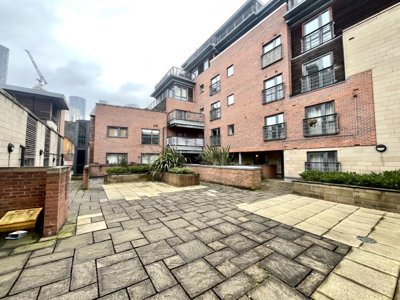
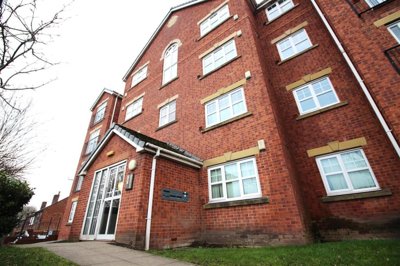
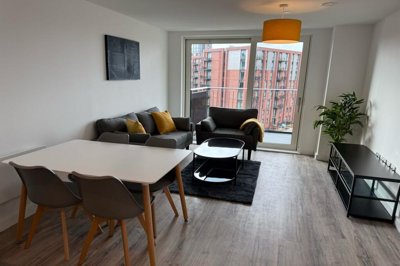
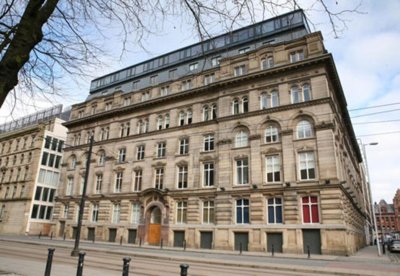
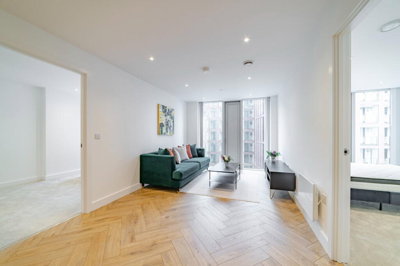
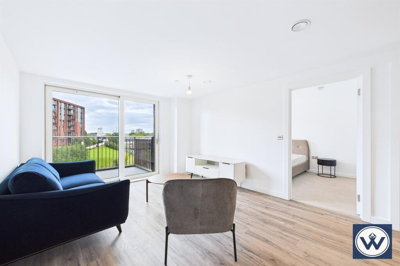
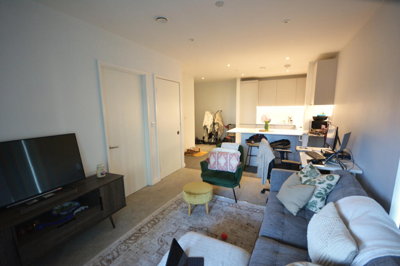
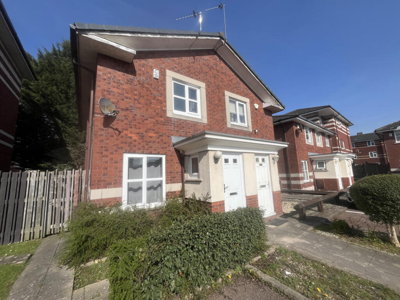
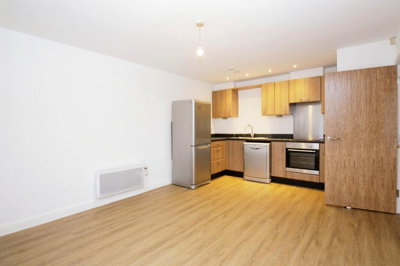
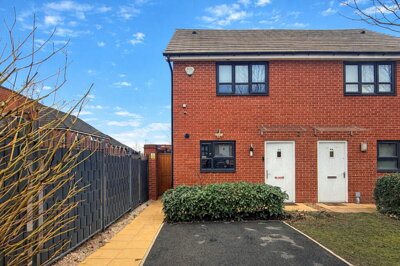
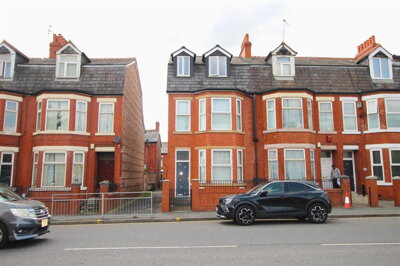
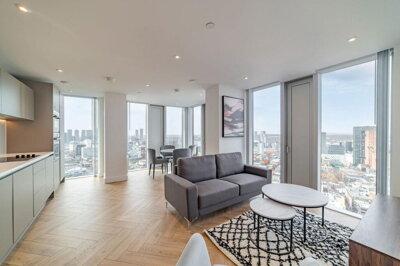
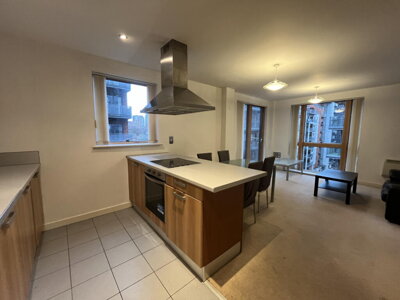
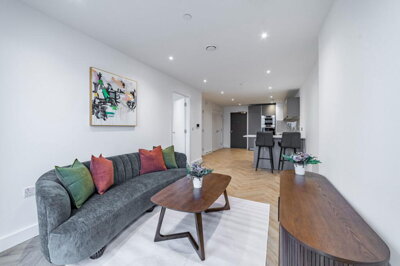
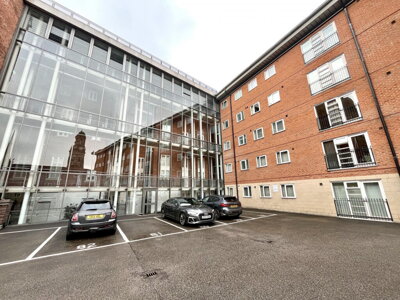
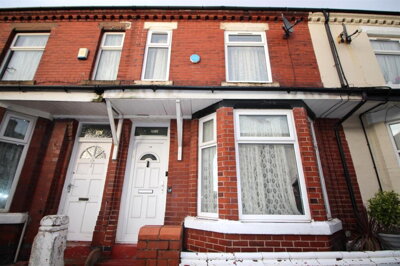
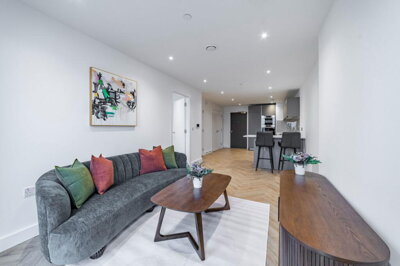
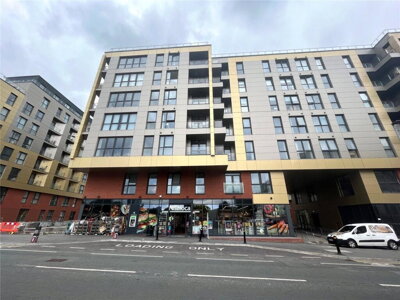
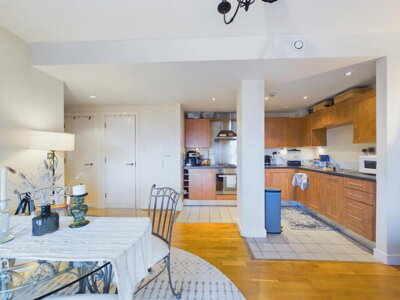
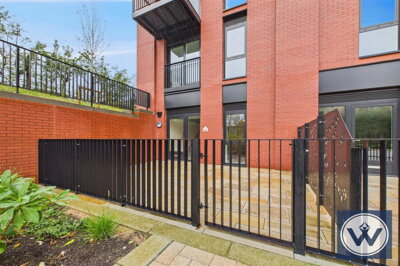
Browse 1,539 rental homes to rent in M99 from local letting agents.
£0/m
0
0
0
Source: home.co.uk
The M99 postcode designation covers an administrative area associated with Manchester's postal system, primarily functioning as a centralised mail processing code rather than representing a traditional neighbourhood. Properties listed under or near this postal district therefore encompass the full spectrum of Manchester's residential rental stock, from new-build city centre apartments to established family homes in surrounding districts like Salford, Salford Quays, and the inner-ring suburbs that fall within the M3 to M8 postcode range.
Manchester's rental market has demonstrated considerable resilience and growth over recent years, driven by sustained demand from professionals, students, and families seeking the city's blend of employment opportunity and cultural amenities. The average monthly rent for a one-bedroom city centre apartment typically ranges from £900 to £1,400, while two-bedroom properties generally command between £1,100 and £1,800 depending on location, specification, and proximity to transport links. Larger three-bedroom homes in popular suburban areas can reach £1,500 to £2,500 per month.
New build rental developments have proliferated across Manchester's city centre and surrounding regeneration zones, offering contemporary living with amenities such as concierge services, gym facilities, and rooftop terraces. These purpose-built rental properties often appeal to professionals seeking low-maintenance accommodation in prime locations, though tenants should carefully compare service charges and lease terms against traditional letting arrangements. Several major developers including Renaker, Embed, and Select Property Group have delivered thousands of purpose-built rental units to the city in recent years.
The private rented sector in Manchester continues to attract institutional investment, with global funds acquiring rental portfolios and new build-to-rent developments. This trend has increased professional management standards across many rental properties while also introducing longer, more flexible tenancy arrangements that suit tenants who prefer stability over short-term contracts. Before signing any rental agreement, understanding the difference between a traditional private landlord and a professionally managed build-to-rent development helps you set appropriate expectations for maintenance response times and community policies.

Manchester punches well above its weight as a place to live, offering a combination of cultural richness, economic opportunity, and lifestyle variety that consistently attracts new residents. The city region combines a thriving urban core with surprisingly accessible green spaces, from the manicured gardens of Heaton Park to the waterways of the Manchester Ship Canal and the rolling hills of the Peak District accessible within an hour's drive. The M99 designation, while administratively unique, connects renters to this broader Manchester ecosystem that encompasses both city centre energy and suburban calm.
The Greater Manchester area home to approximately 2.8 million residents, making it the second-most populous metropolitan area in the UK outside London. This scale brings considerable advantages for renters, including diverse employment sectors spanning finance, technology, creative industries, healthcare, and education. Major employers including the NHS, the University of Manchester, Manchester Metropolitan University, the Co-operative Group, and a growing cluster of tech startups and digital agencies provide job security and career progression opportunities that sustain healthy rental demand. The city has attracted significant tech investment, with companies establishing northern headquarters in areas like MediaCityUK at Salford Quays.
Manchester's cultural scene deserves particular mention, with the city consistently ranked among the UK's premier destinations for arts, music, dining, and nightlife. The Northern Quarter district has earned particular renown for its independent cafes, craft beer bars, and vintage boutiques, while Deansgate and Spinningfields offer a more cosmopolitan dining and retail experience. For renters seeking a balanced lifestyle, Manchester delivers urban excitement alongside genuine community spirit in its various neighbourhoods. The city has also invested heavily in cultural infrastructure, with the recently expanded HOME arts centre, the Whitworth Hall gallery, and the new Factory International venue providing year-round cultural programming.

Families searching for rental properties in the Manchester area will find a comprehensive selection of educational establishments spanning all levels. The city is home to several highly-regarded secondary schools, including the Manchester Grammar School (independent, boys-only entry at 11-plus), William Hulme's Grammar School (partially selective), and the comprehensive but oversubscribed Whalley Range High School. State secondary options in surrounding areas include prestigious grammar schools in Trafford, such as Altrincham Grammar School for Boys and Altrincham Grammar School for Girls, both accessible from central Manchester.
Primary education in Manchester varies considerably by neighbourhood, with outstanding schools including St Mary's CofE Primary School in the city centre, Abraham Moss Community School in Crumpsall, and the popular ring-school approach offered by the East Manchester Academy. Parents should note that catchment areas significantly influence school placement, making it essential to research specific addresses before committing to a rental property if school admissions are a priority factor. Trafford generally offers some of the highest-performing state schools in the country, though this drives strong rental demand in the area.
Higher education options are particularly strong, with the University of Manchester consistently ranked among the UK's top institutions and Manchester Metropolitan University offering excellent vocational and creative courses. This concentration of academic excellence draws a substantial student population, influencing the rental market particularly in areas close to university campuses such as Fallowfield, Whitworth Park, and the Oxford Road corridor. Students and young professionals sharing rental properties has become a defining feature of these neighbourhoods, which tends to push up rents for larger family homes while keeping smaller flats competitive.

Manchester offers excellent transport connectivity that makes commuting from various neighbourhoods highly practical. Manchester Piccadilly station provides regular services to major UK destinations including London Euston (journey time approximately two hours), Birmingham, Liverpool, Leeds, and Sheffield. The High Speed 2 (HS2) rail link, when fully operational, will reduce London journey times to around one hour, further enhancing Manchester's appeal as a place to live and work. Virgin Trains currently operates the fastest services to London, while Northern and TransPennine Express provide regional connections.
The Metrolink tram network serves as Greater Manchester's backbone public transport system, with lines extending from Manchester city centre to destinations including Altrincham, Bury, Rochdale, Ashton-under-Lyne, and the Trafford Centre. This coverage makes commuting from suburban rental properties highly feasible without car ownership. The recently completed Second City Crossing has improved tram frequency and reliability, particularly benefiting those travelling from the southern parts of the city. Further expansion plans continue to extend the network to new areas, improving accessibility for tenants in previously underserved neighbourhoods.
For those requiring road access, the M60 orbital motorway encircles Greater Manchester, connecting to the M6, M62, and M61 for travel to Liverpool, Leeds, Hull, and Preston respectively. Manchester Airport, located in the southern reaches of the city region, provides extensive domestic and international flight connections. Tenants without cars should factor transport connectivity into their rental location decisions, as journey times and access to trams or train stations significantly impact daily quality of life. Park and ride facilities at several Metrolink stops offer cost-effective options for those who occasionally need to drive into the city centre.

Before searching for properties, obtain a rental budget agreement in principle from a lender or broker. This documents how much rent you can afford and demonstrates your financial credibility to landlords and letting agents. Most agents will ask for proof of income showing annual earnings at least 30 times the monthly rent.
Explore Manchester's diverse areas to find the right fit for your lifestyle and commute. Consider factors including transport links, local amenities, school catchment areas, and the character of different neighbourhoods from vibrant Northern Quarter apartments to family-friendly Salford suburbs. Visiting areas at different times of day helps you understand noise levels, parking conditions, and community atmosphere.
Once you have identified suitable properties, schedule viewings through Homemove or directly with letting agents. Attend prepared with questions about lease terms, maintenance responsibilities, utility arrangements, and any applicable community charges or service fees. Taking photos during viewings helps you compare properties later and note any concerns to raise with the landlord.
When you find a property you wish to rent, complete the application process promptly. This typically involves providing identification, proof of income or employment, references from previous landlords, and authorisation for credit and background checks. Strong references and stable employment history significantly improve your chances of being accepted ahead of other applicants in competitive areas.
Before signing your tenancy agreement, carefully review the terms including rent amount, deposit protection arrangements, lease duration, notice periods, and any restrictions on pets, smoking, or alterations. Upon agreement, arrange your deposit (capped at five weeks rent for properties with annual rent under £50,000) and inventory check before receiving keys. Document existing damage thoroughly during the inventory to protect your deposit when you eventually leave.
Renting in Manchester requires the same due diligence as any UK rental market, with particular attention to certain local factors. Older properties in Manchester's Victorian and Edwardian terraces, common throughout the Northern Quarter, Ancoats, and Hulme, may require more maintenance attention than newer builds. Common issues in period properties include damp penetration, outdated electrical wiring predating current regulations, and windows and doors that have settled over decades of use. Over 38% of homes in England were built before 1945, meaning many Manchester rental properties fall into categories where accumulated defects become more likely.
Energy efficiency deserves particular scrutiny, as Manchester's older housing stock includes many properties with poor thermal insulation and draughty features. An Energy Performance Certificate (EPC) rating below C indicates potentially high heating costs, something particularly relevant given recent energy price volatility. Ask landlords about recent improvements such as double glazing, cavity wall insulation, or upgraded central heating systems. Properties with solid walls (common in pre-war terraces) may have limited insulation options without structural intervention.
Before committing to a rental property, verify whether it falls within a conservation area, as this affects permissions for alterations, extensions, or significant exterior changes. Manchester has numerous conservation areas including the Castlefield heritage zone, the Northern Quarter's historic core, and various suburban areas with listed buildings. Understanding these restrictions helps you assess whether the property can accommodate your future plans or whether the landlord is open to reasonable modification requests. Listed buildings require consent for most changes and may need specialist surveys.
Electrical safety and gas safety certificates should be provided by landlords, and tenants have the right to see these documents before committing. Older wiring in Victorian and Edwardian properties may not meet current standards, particularly if the property has not undergone recent rewiring. Properties built before 2000 may contain asbestos in artex coatings, pipe lagging, or floor tiles, which should be managed appropriately by the landlord rather than disturbed by tenants. If you have concerns about property condition, a professional survey can identify issues that might not be immediately apparent during a standard viewing.

While surveys are typically associated with property purchases, tenants in Manchester can also benefit from professional property assessments before committing to a tenancy. A thorough inspection of the property condition helps identify potential maintenance issues, structural concerns, or safety hazards that might not be visible during a standard viewing. This proves particularly valuable for longer-term rentals where minor issues could develop into significant problems during your tenancy.
Common defects found in Manchester's diverse housing stock include penetrating damp in solid-walled Victorian properties, roof defects such as missing tiles or damaged flashing on period terraces, and structural movement that may indicate subsidence in areas with clay soil conditions. Timber decay and woodworm can affect properties with aging wooden elements, while outdated electrical systems in older rentals may not comply with current safety regulations. Understanding these potential issues before signing your tenancy agreement allows you to negotiate repairs with the landlord or make an informed decision about whether the property represents good value.
For rental properties over 50 years old, which make up a significant proportion of Manchester's housing stock, professional assessments become especially valuable. These older properties often lack modern insulation, may have original single-glazed windows, and frequently require ongoing maintenance that newer builds do not. A detailed condition report provides documented evidence of the property's state at the start of your tenancy, which proves invaluable when negotiating the return of your deposit at the end of your stay. This documentation protects both parties and reduces the potential for disputes over wear and tear versus damage.
Average rental prices in Manchester vary considerably by property type and location. City centre one-bedroom apartments typically range from £900 to £1,400 per month, while two-bedroom properties command £1,100 to £1,800. Three-bedroom houses in popular suburban areas generally start from £1,400 and can exceed £2,500 depending on specification and proximity to schools or transport. Manchester remains more affordable than London despite strong demand, making it attractive to renters from the southeast who may find their budget stretches significantly further in the north.
Council tax in Manchester is set by Manchester City Council and varies by property valuation band. Band A properties (the lowest value) currently pay around £1,400 annually, while Band H properties (highest value) can exceed £4,200 per year. Tenants should verify the council tax band before renting, as this forms a significant part of monthly outgoings alongside rent and utility bills. Students are exempt from council tax, while those on low incomes may qualify for discounts or exemptions.
Manchester and surrounding Trafford offer several highly-regarded educational establishments. Secondary options include Manchester Grammar School and the Trafford grammar schools, while primary schools such as St Mary's CofE Primary and Abraham Moss Community School have achieved outstanding Ofsted ratings. Families should research specific catchments as school admission areas significantly influence placement, and Trafford's consistently high-performing state schools often command premium rents in that borough.
Manchester boasts excellent public transport connectivity through the Metrolink tram network covering most of Greater Manchester, plus Virgin Trains services from Piccadilly and Victoria stations to major UK cities. The M60 orbital motorway and proximity to Manchester Airport further enhance accessibility. Transport links make commuting from suburban rental areas highly practical without car ownership, and the upcoming HS2 high-speed rail will further improve connectivity to London and Birmingham.
Manchester consistently ranks as one of the UK's strongest rental markets, combining robust tenant demand with diverse property options and a lifestyle offering that attracts professionals, students, and families alike. The city's expanding economy, cultural amenities, and relative affordability compared to London make it particularly attractive. However, competitive demand in popular areas means tenants should act quickly on desirable properties and maintain good references to improve their chances of securing sought-after rentals.
For properties with annual rent below £50,000, deposits are capped at five weeks rent and must be protected in a government-approved scheme within 30 days. Tenants also typically pay a holding deposit (capped at one week's rent) to remove a property from the market while references are checked. Other costs may include background and credit check fees (usually £50-£150 total), and first month's rent in advance. As a first-time renter you may qualify for reduced upfront costs under certain schemes.
While surveys are more commonly associated with property purchases, tenants committing to longer rental agreements can benefit from professional property assessments. Surveys identify defects such as damp, structural movement, roof issues, and outdated electrics that may not be apparent during viewings. This proves particularly valuable for older Victorian and Edwardian properties common in Manchester, where accumulated maintenance issues are more likely. A condition report also provides documented evidence of the property's state when you move in, protecting your deposit when you leave.
Understanding the full financial commitment when renting in Manchester helps you budget accurately and avoid surprises. The government cap on security deposits for properties with annual rent below £50,000 limits deposits to five weeks rent, providing important consumer protection. Your deposit must be protected in a government-approved scheme (Tenancy Deposit Protection) within 30 days of receiving it, and you should receive written confirmation of which scheme holds your money. The three approved schemes are the Deposit Protection Service, MyDeposits, and the Tenancy Deposit Scheme.
Beyond the deposit, anticipate several upfront costs when securing a rental property. The holding deposit, capped at one week's rent, secures the property while referencing checks proceed. If your application succeeds, this typically converts to part of your first month's rent or deposit. Reference checks involving credit searches, employment verification, and landlord references generally cost between £50 and £150 total, though some agents include these within admin fees. First month's rent in advance is standard, meaning tenants typically need around six to seven weeks rent available upfront.
As a first-time renter, you may benefit from reduced upfront costs through certain schemes that spread move-in expenses or offer deposit replacement products. However, always calculate whether monthly premium payments on deposit replacement schemes represent better value than a traditional deposit, considering how long you plan to stay. Professional inventory documentation, typically arranged by the letting agent, provides important protection for both parties and should be reviewed carefully before signing to note any existing damage or wear. Disputes at the end of tenancy regarding deposit deductions are resolved through the relevant protection scheme's free resolution service if parties cannot agree directly.
Properties to Rent In London

Properties to Rent In Plymouth

Properties to Rent In Liverpool

Properties to Rent In Glasgow

Properties to Rent In Sheffield

Properties to Rent In Edinburgh

Properties to Rent In Coventry

Properties to Rent In Bradford

Properties to Rent In Manchester

Properties to Rent In Birmingham

Properties to Rent In Bristol

Properties to Rent In Oxford

Properties to Rent In Leicester

Properties to Rent In Newcastle

Properties to Rent In Leeds

Properties to Rent In Southampton

Properties to Rent In Cardiff

Properties to Rent In Nottingham

Properties to Rent In Norwich

Properties to Rent In Brighton

Properties to Rent In Derby

Properties to Rent In Portsmouth

Properties to Rent In Northampton

Properties to Rent In Milton Keynes

Properties to Rent In Bournemouth

Properties to Rent In Bolton

Properties to Rent In Swansea

Properties to Rent In Swindon

Properties to Rent In Peterborough

Properties to Rent In Wolverhampton

Enter your details to see if this property is within your budget.
Loans, cards, car finance
Estimated property budget
Borrowing + deposit
You could borrow between
Typical borrowing
Monthly repayment
Est. at 4.5%
Loan-to-value
This is an estimate only. Your actual budget may vary depending on interest rates, credit history, and personal circumstances. For an accurate affordability assessment, speak to one of our free mortgage advisors.
This calculator provides estimates for illustrative purposes only and does not constitute financial advice. Your home may be repossessed if you do not keep up repayments on your mortgage. Estimates based on 4.5% interest rate, repayment mortgage. Actual rates depend on your circumstances.
Homemove is a trading name of HM Haus Group Ltd (Company No. 13873779, registered in England & Wales). Homemove Mortgages Ltd (Company No. 15947693) is an Appointed Representative of TMG Direct Limited, trading as TMG Mortgage Network, which is authorised and regulated by the Financial Conduct Authority (FRN 786245). Homemove Mortgages Ltd is entered on the FCA Register as an Appointed Representative (FRN 1022429). You can check registrations at NewRegister or by calling 0800 111 6768.

We use cookies to show you personalised content and improve your experience of our website. Find out more in our Privacy policy and Cookie policy.