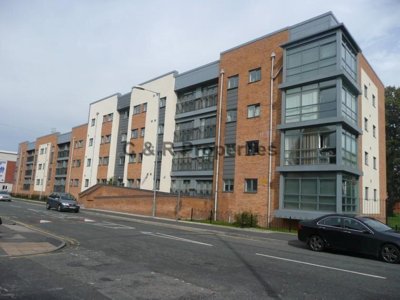
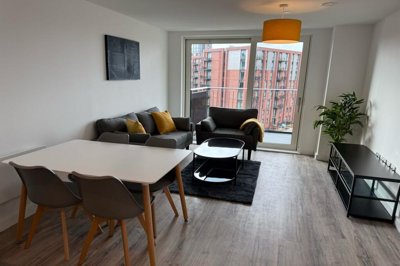
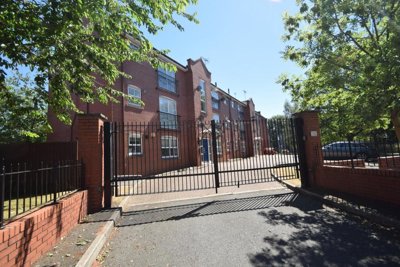
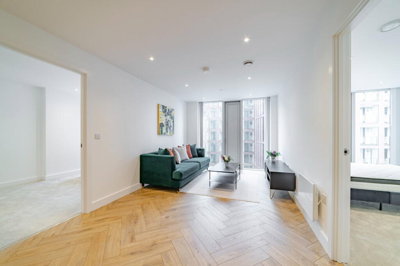
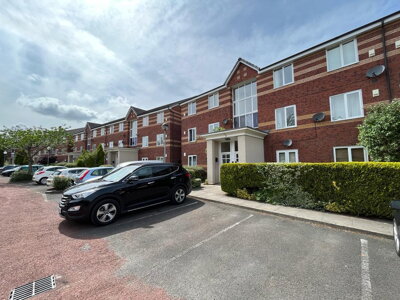
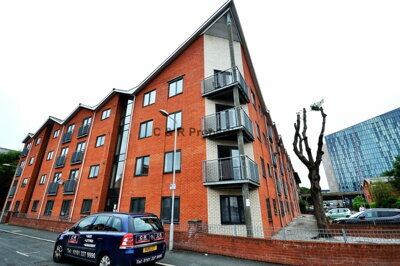
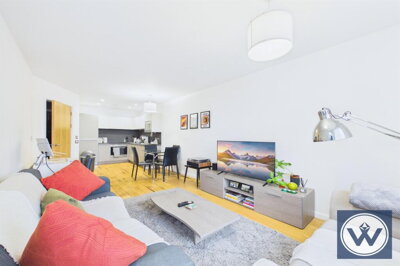
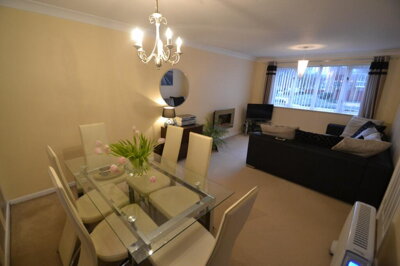
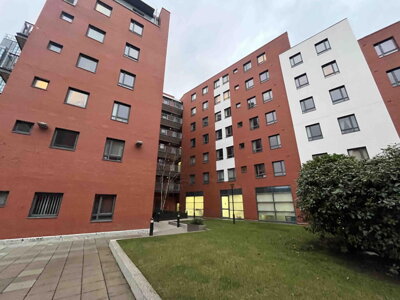
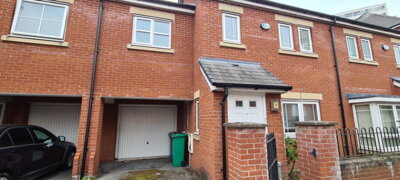
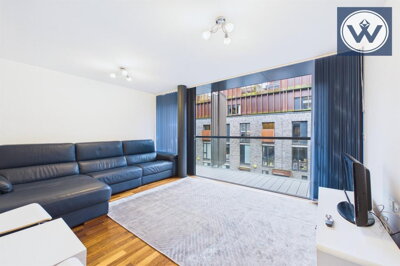
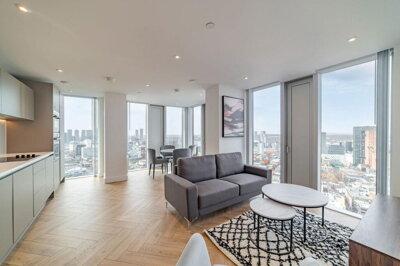
Browse 2,388 rental homes to rent in M1 from local letting agents.
£1,400/m
65
1
69
Source: home.co.uk
Source: home.co.uk
Apartment
47 listings
Avg £1,389
Flat
12 listings
Avg £1,504
Penthouse
3 listings
Avg £2,532
Duplex
2 listings
Avg £1,450
Terraced
1 listings
Avg £1,500
Source: home.co.uk
Source: home.co.uk
The M1 rental market reflects Manchester's position as a premier UK destination for renters. With sale prices averaging £255,040 for all property types and terraced properties reaching around £353,648, buying in this area requires significant investment. For renters, this translates to a competitive market where quality apartments command premium rents. The average price per square foot stands at £346, indicating strong property values that support robust rental yields. Historical sold prices in M1 over the last year were down 19% on the previous year and 10% down on the 2023 peak of £281,969, suggesting some price correction that may impact rental values going forward.
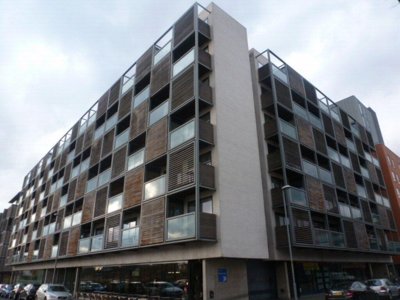
New build developments continue to reshape the M1 skyline, with several major projects completing in 2024-2025. Viadux on Albion Street offers stunning penthouses with guide prices from £2,550,000 for 2-bedroom units. Vita Living at Circle Square on Oxford Road provides fully furnished 1, 2 and 3-bedroom premium apartments in the heart of Manchester's education district. Oxygen Towers on Store Street features luxury 1 and 2-bedroom apartments, while One Port Street in the Northern Quarter offers 2-bedroom apartments with concierge, gym, and co-working spaces due for completion by Q4 2025. These developments cater to professionals seeking modern city centre living with excellent amenities.
For investors, M1 presents compelling opportunities. The area's predominantly leasehold housing stock (96.9% flats) means most rental properties are apartments within managed developments. With strong rental demand from the city's thriving tech and media sectors, gross yields in the region of 5-7% are achievable for well-positioned apartments. Properties on Whitworth Street West, such as those at the W3 development, and along Chorlton Street at Lexington attract tenants seeking the character of city centre living with modern specifications.

M1 encompasses some of Manchester's most distinctive neighbourhoods, each with its own character and appeal. The Northern Quarter is renowned for its independent spirit, featuring converted Victorian warehouses now housing trendy bars, artisan cafes, and boutique shops. Areas like Chapeltown Street host several converted mill developments including Crusader Mill and Phoenix, offering characterful apartments in historic buildings. Piccadilly serves as the city's main gateway, while Canal Street forms the heart of Manchester's LGBTQ+ community with its vibrant nightlife and inclusive atmosphere.
Ancoats, though technically on the M4 boundary, offers stunning converted mills and the acclaimed Cutting Room Square, popular with young professionals seeking a slightly quieter residential feel while remaining close to city centre amenities. The area around Whitworth Street, including developments like Whitworth House at 53 Whitworth Street, provides excellent options for those wanting residential character away from the busiest commercial zones. Manchester's economy has grown at 2.8% annually over the past decade, more than double the UK national average, driving ongoing regeneration across the city centre.
The cultural scene is exceptional, from the Manchester Art Gallery to the Whitworth Hall, and the city hosts world-class music venues including the AO Arena. With excellent restaurants, green spaces like Piccadilly Gardens, and year-round events, living in M1 offers an unrivalled urban lifestyle. The population growth of nearly 10% since 2011 reflects Manchester's growing appeal as a place to live and work. Major investments in innovation hubs like Manchester Science Park have cemented the city's reputation as a tech and media centre, attracting young professionals who drive rental demand in M1.

While M1 is predominantly a young professional and student area, families renting in or near the postcode have access to several educational options. Primary schools serving the city centre include St Mary's Catholic Primary School on Mulberry Street, rated Good by Ofsted, and St Patrick's Catholic Primary School in the Northern Quarter area. These schools serve communities within reasonable commuting distance of M1. For secondary education, Manchester Grammar School on Old Hall Lane and William Hulme's Grammar School on Spring Bridge Road are notable options, though admission depends on catchment areas and entrance criteria.
Manchester's education sector extends to higher education institutions that significantly impact the M1 rental market. The University of Manchester, Manchester Metropolitan University, and the University of Salford all have campuses within easy reach of M1. Vita Living at Circle Square specifically targets students and academics with its premium fully furnished apartments in the education district along Oxford Road. The Manchester College also provides further education options, with multiple sites across the city accessible from M1.
The concentration of universities creates year-round rental demand and supports a diverse, intellectually vibrant community. Students frequently seek apartments in areas like the Northern Quarter, where converted Victorian buildings on Tib Street and Dale Street offer characterful options within walking distance of campus facilities. University accommodation offices often partner with local letting agents, and many students prefer the independence of private rented apartments over university halls, creating sustained demand for quality rentals across M1 throughout the academic year.

Transport connectivity from M1 Manchester is exceptional, making it ideal for commuters and those working across the region. Manchester Piccadilly station, located within M1, offers direct rail services to major cities including London Euston (2 hours 8 minutes), Birmingham New Street (1 hour 40 minutes), Leeds (approximately 1 hour), and Liverpool Lime Street (45 minutes). Manchester Victoria station provides services to the north, while the Metrolink tram network offers convenient access across Greater Manchester. The recently opened Metrolink Second City Crossing has improved capacity and frequency of tram services through the city centre.
For those travelling by car, M1 benefits from proximity to major road networks including the A57, A635, and connections to the M60 orbital motorway. However, parking in M1 can be challenging and expensive, with many apartments offered without dedicated parking spaces. If you require vehicle storage, look for developments with underground parking such as Oxygen Towers on Store Street or One Port Street in the Northern Quarter, where secure parking can be negotiated separately.
Manchester Airport, the UK's largest regional airport, is accessible via the Metrolink or by road in approximately 30 minutes, offering international connections across Europe and beyond. Within the city centre, cycling infrastructure has improved significantly with dedicated cycle lanes on major routes including Oxford Road and Whitworth Street, and the relatively compact nature of central Manchester makes walking a viable option for most journeys. Bus services operated by Stagecoach and other providers offer additional options for getting around the city and beyond.

Contact local mortgage advisors or brokers to obtain an Agreement in Principle for your rental budget. This strengthens your position when applying for properties in competitive areas like M1 where demand often exceeds supply. While renters do not need mortgages, having a clear understanding of your affordability and, for those planning to buy eventually, a mortgage agreement in principle demonstrates financial commitment to landlords.
Browse listings on Homemove and other platforms to understand the range of apartments and prices available. Consider factors like proximity to your workplace, preferred amenities, and whether you need parking facilities, which can be limited in city centre locations. Pay attention to service charges and ground rent amounts for leasehold apartments, as these ongoing costs vary significantly between developments and can affect your overall affordability.
Schedule viewings of shortlisted properties. In M1's competitive market, be prepared to act quickly on properties you like. Take notes on the property condition, ask about service charges, ground rent for leasehold properties, and any restrictions such as pet policies or commercial usage limitations. Many landlords in M1 use letting agents, so be prepared to complete referencing through services like Goodlord or Velocity.
Once you find your ideal property, submit your application with references, proof of income, and your rental budget agreement. Landlords in M1 often receive multiple applications, so having your finances pre-arranged gives you an advantage. Ensure your right to rent documentation is ready, as landlords are legally required to verify this before tenancies begin.
Your chosen referencing service will verify your identity, credit history, employment status, and previous landlord references. Upon successful referencing, you will sign your tenancy agreement and pay the deposit and first month's rent. In Manchester, deposits must be protected in a government-approved scheme within 30 days, and you should receive the prescribed information about where your deposit is held.
Renting an apartment in M1 comes with specific considerations unique to city centre living and Manchester's property stock. The overwhelming majority of properties are leasehold flats (96.9% of the housing stock), so understanding the terms of your lease is essential. Enquire about the length of the lease remaining (anything below 80 years may affect mortgageability and value), the annual ground rent amount, and any escalation clauses. Service charges can vary significantly between developments, so always ask for a breakdown of these costs before committing. Buildings with premium facilities like concierge services and gyms at developments such as One Port Street will have higher service charges reflected in the rent.
The mix of older converted buildings and new high-rise developments in M1 brings different considerations for renters. Older Victorian and Edwardian conversions in areas like the Northern Quarter may feature original character features but could have maintenance issues such as damp penetration through aging brickwork, faulty roofs, or poorly sealed windows. Manchester's clay geology means older properties with shallow foundations on streets like those in the Northern Quarter can be susceptible to subsidence movement, particularly where there is historic mining activity. Look for signs of cracking or structural movement when viewing older properties.
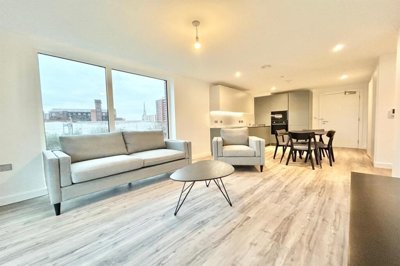
Modern apartments offer contemporary styling and typically lower maintenance concerns but may have higher service charges to cover extensive communal facilities. Buildings like Vita Living at Circle Square are fully managed with amenities included, while others may have separate charges for gym membership or parking. Always request information about planned major works or service charge increases before signing. Flood risk in M1 is worth considering given the urban environment and proximity to the River Irwell. Surface water flooding can occur in city centre areas with impermeable surfaces, and properties near waterways should be researched using Environment Agency flood maps.

Rental prices in M1 vary significantly by property type, size, and development. One-bedroom apartments in modern developments typically start from around £900-1,200 per month, while larger 2-3 bedroom premium apartments in developments like Vita Living or Oxygen Towers can command £1,400-2,000+ per month. Premium units at new developments such as One Port Street in the Northern Quarter, with facilities including concierge and co-working spaces, attract higher rents still. Given the competitive market and high demand from professionals and students, it is advisable to budget for potential rent increases when renewing your tenancy.
Council tax in Manchester is set by Manchester City Council. City centre apartments typically fall into bands A-C for smaller flats, with larger properties and penthouses potentially in higher bands. The average band for flats in central M1 is likely to be Band A or B given the property values. The council tax rates for 2024-25 can be confirmed by checking Manchester City Council's website or contacting them directly. Students are exempt from council tax, and there are various discounts available for single occupants and other qualifying circumstances.
Primary schools in the M1 area include St Mary's Catholic Primary School on Mulberry Street and St Patrick's Catholic Primary School, both rated Good by Ofsted. Secondary options include Manchester Grammar School on Old Hall Lane and William Hulme's Grammar School on Spring Bridge Road, though admission is subject to catchment areas and entrance exams. The University of Manchester and Manchester Metropolitan University are both accessible from M1 for higher education, with the University of Manchester ranking among the UK's top institutions. Families should note that competition for places at popular schools near the city centre can be intense due to the urban location.
M1 benefits from excellent public transport links. Manchester Piccadilly station offers direct trains to London (2h 8m), Birmingham (1h 40m), Leeds, and Liverpool. The Metrolink tram network provides frequent services across Greater Manchester, with stops throughout the city centre including Piccadilly Gardens, Market Street, and Deansgate-Castlefield. Multiple bus services operate throughout the city centre, and Manchester Airport is accessible in approximately 30 minutes by tram or road, offering international flights across Europe and beyond.
M1 is an excellent location for renters, particularly young professionals, students, and anyone seeking vibrant city centre living. The area offers diverse housing options ranging from converted Victorian warehouses on streets like Tib Street to modern high-rise apartments at Oxygen Towers on Store Street. Exceptional transport connectivity and proximity to major employers in Manchester's thriving economy make it ideal for professionals. With 62% of Manchester households already renting, the area has established infrastructure supporting tenants. The main considerations are the predominantly leasehold nature of properties, potential for competitive applications, and higher costs associated with city centre living compared to suburban areas.
Standard deposits for renting in England are capped at 5 weeks' rent, calculated at the annual rental amount divided by 52 and multiplied by 5. With average rents for a 2-bedroom apartment around £1,400-1,800 per month, expect a deposit of approximately £1,600-2,100. Additional costs include the first month's rent in advance and potentially a holding deposit to secure the property while referencing is completed. Holding deposits are capped at 1 week's rent and should be deducted from your final deposit or first month's rent. Under the Tenant Fees Act, most referencing fees can no longer be charged to tenants, though you may still pay for TV licensing and utility transfers yourself.
The M1 rental market offers an exceptional range of apartment types to suit different preferences and budgets. Converted Victorian and Edwardian warehouses in the Northern Quarter provide spacious apartments with original features like exposed brickwork and high ceilings. Modern high-rise developments such as those along Oxford Road and Store Street offer contemporary studio, 1, and 2-bedroom apartments with on-site facilities. Premium developments including One Port Street and Vita Living cater to professionals seeking hotel-style amenities including gyms, concierge services, and co-working spaces. Heritage buildings like Whitworth House and Crusader Mill offer character apartments in converted industrial spaces that blend historic architecture with modern living standards.
Living in the heart of Manchester city centre means adapting to urban noise levels. Properties near major roads like Oxford Road, Store Street, and Whitworth Street West may experience traffic noise, while those in the Northern Quarter can be affected by weekend nightlife from bars and restaurants on Tib Street and Dale Street. When viewing properties, visit at different times of day including evenings to assess noise levels. Many modern developments have double glazing and adequate insulation, but converted older buildings may transmit more sound. Top-floor apartments often have less footfall noise from neighbours, while those overlooking internal courtyards may benefit from reduced street noise.
Understanding the full cost of renting in Manchester M1 goes beyond simply budgeting for monthly rent. The initial outlay can be substantial, so preparation is key. A security deposit is capped at 5 weeks' rent under the Tenant Fees Act 2019, meaning for a property renting at £1,500 per month, your deposit would be £1,730. This deposit is protected in a government-approved Tenancy Deposit Protection scheme within 30 days of receiving it. You should receive details of which scheme is being used and information about how to get your deposit back at the end of your tenancy, subject to any legitimate deductions for damage or unpaid rent.
Additional upfront costs include the first month's rent in advance (always required) and potentially a holding deposit to secure the property while referencing is completed. Holding deposits are capped at 1 week's rent and should be deducted from your final deposit or first month's rent. Referencing fees are now largely prohibited for tenants under the Tenant Fees Act, though some landlords may still pass on reasonable costs for additional references. When viewing properties, request a breakdown of all costs in writing before committing, and remember that the cheapest monthly rent may not represent the best value once service charges and other costs are factored in.
For those renting apartments in M1's modern developments, budget for potential service charge contributions. While these are typically paid by the landlord in a rental situation, they can influence your landlord's decisions about rent increases and property maintenance. Buildings with concierge services, gyms, and communal facilities like those at One Port Street will have higher service charges, which landlords recoup through rent. Always ask for estimated annual service charges and ground rent amounts before signing your tenancy agreement, as these costs can surprise unwary renters and affect your long-term affordability calculations.

Properties to Rent In London

Properties to Rent In Plymouth

Properties to Rent In Liverpool

Properties to Rent In Glasgow

Properties to Rent In Sheffield

Properties to Rent In Edinburgh

Properties to Rent In Coventry

Properties to Rent In Bradford

Properties to Rent In Manchester

Properties to Rent In Birmingham

Properties to Rent In Bristol

Properties to Rent In Oxford

Properties to Rent In Leicester

Properties to Rent In Newcastle

Properties to Rent In Leeds

Properties to Rent In Southampton

Properties to Rent In Cardiff

Properties to Rent In Nottingham

Properties to Rent In Norwich

Properties to Rent In Brighton

Properties to Rent In Derby

Properties to Rent In Portsmouth

Properties to Rent In Northampton

Properties to Rent In Milton Keynes

Properties to Rent In Bournemouth

Properties to Rent In Bolton

Properties to Rent In Swansea

Properties to Rent In Swindon

Properties to Rent In Peterborough

Properties to Rent In Wolverhampton

Enter your details to see if this property is within your budget.
Loans, cards, car finance
Estimated property budget
Borrowing + deposit
You could borrow between
Typical borrowing
Monthly repayment
Est. at 4.5%
Loan-to-value
This is an estimate only. Your actual budget may vary depending on interest rates, credit history, and personal circumstances. For an accurate affordability assessment, speak to one of our free mortgage advisors.
This calculator provides estimates for illustrative purposes only and does not constitute financial advice. Your home may be repossessed if you do not keep up repayments on your mortgage. Estimates based on 4.5% interest rate, repayment mortgage. Actual rates depend on your circumstances.
Homemove is a trading name of HM Haus Group Ltd (Company No. 13873779, registered in England & Wales). Homemove Mortgages Ltd (Company No. 15947693) is an Appointed Representative of TMG Direct Limited, trading as TMG Mortgage Network, which is authorised and regulated by the Financial Conduct Authority (FRN 786245). Homemove Mortgages Ltd is entered on the FCA Register as an Appointed Representative (FRN 1022429). You can check registrations at NewRegister or by calling 0800 111 6768.

We use cookies to show you personalised content and improve your experience of our website. Find out more in our Privacy policy and Cookie policy.