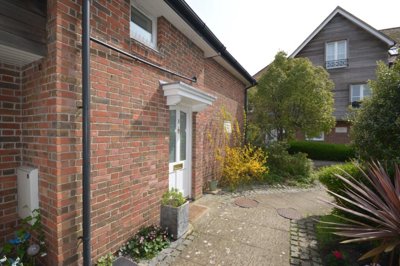
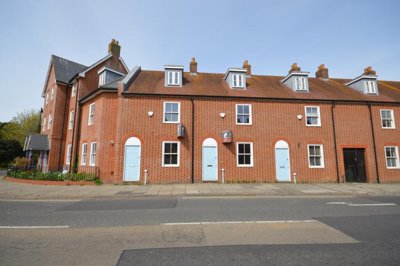
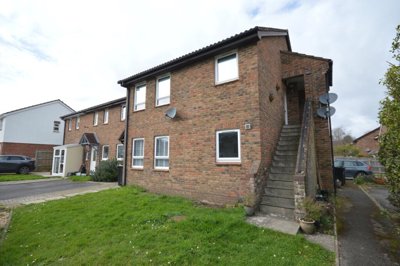
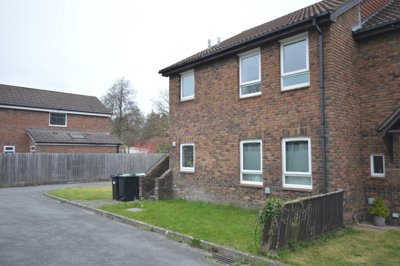
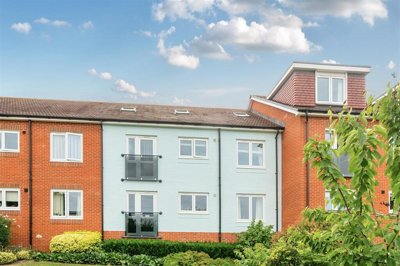
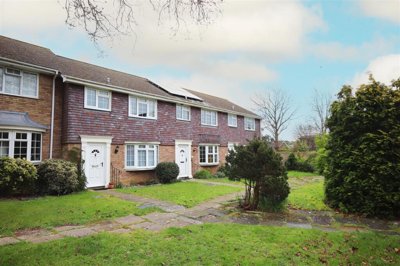
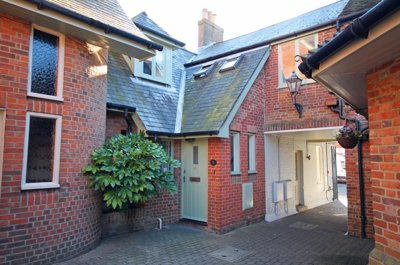
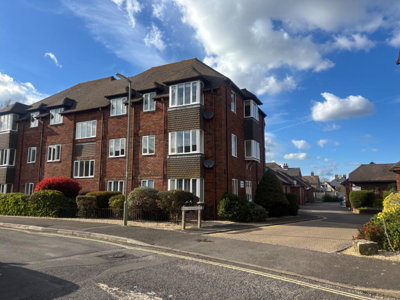
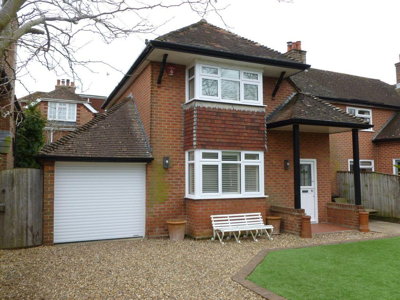
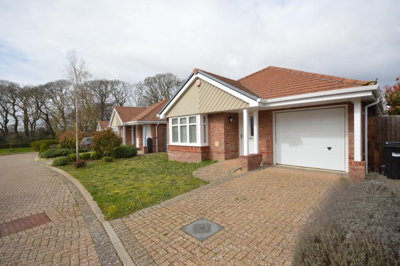
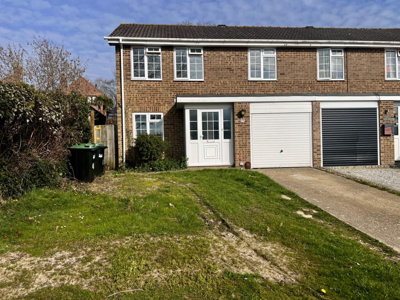
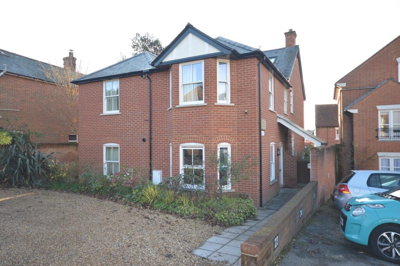
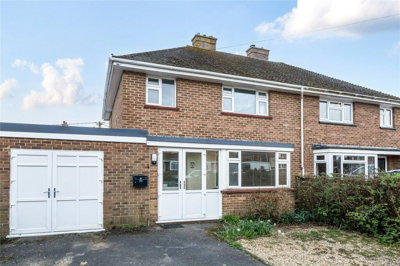
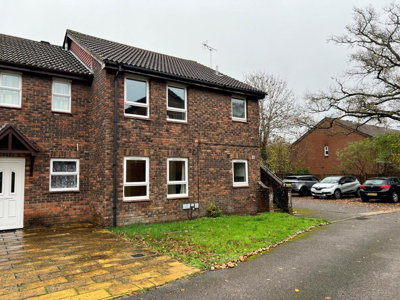
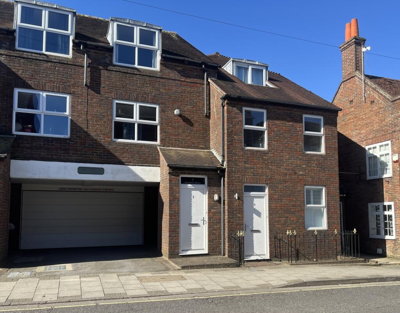
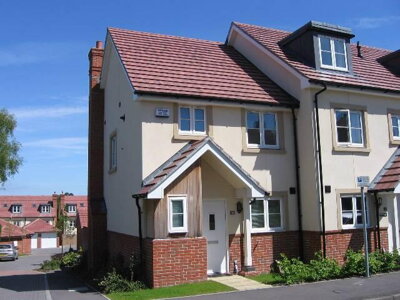
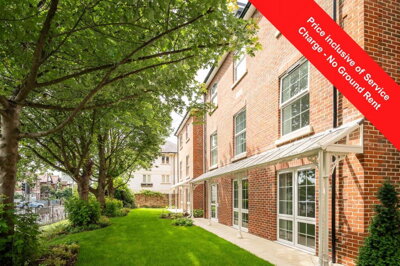
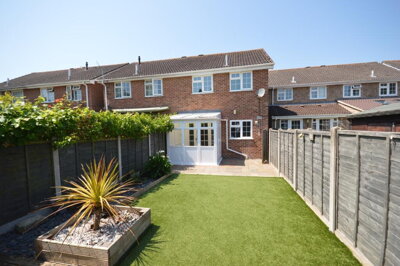
Browse 46 rental homes to rent in Lymington and Pennington from local letting agents.
The rental market in Lymington and Pennington reflects the broader property trends in this desirable New Forest coastal location, with sales data providing useful context for understanding the local housing landscape. Average property prices in Lymington currently sit around £533,000, while Pennington averages approximately £430,000, with both areas experiencing downward pressure over recent months following peaks in 2022. The Lymington postcode area (SO41) saw house prices fall by 1.9% in the last year, and Pennington experienced a more significant 18% decline over the same period. These price adjustments have created opportunities for both buyers and renters, with landlords potentially adjusting rental expectations in response to market conditions and tenant demand.
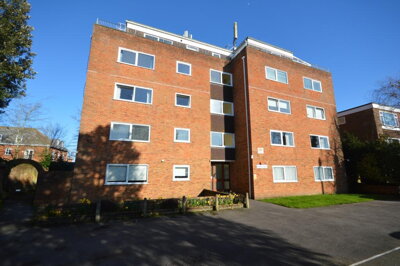
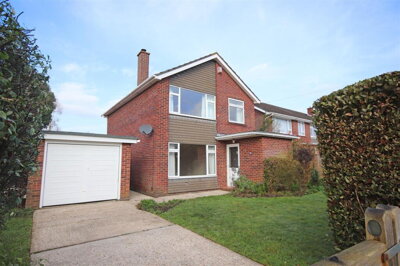
Property types available for rent span an attractive range, from detached family homes commanding premium rents to more accessible terraced properties and apartments suitable for first-time renters or those seeking a low-maintenance lifestyle. Detached properties in Lymington average around £796,000 in asking price, reflecting the premium nature of this housing type, while terraced properties average approximately £436,000. Semi-detached homes in Lymington average £494,000, and flats in the area have an average asking price of around £205,000. This diversity in property types means the rental market can accommodate various household sizes and budgets, from singles looking for a compact apartment to families seeking spacious detached accommodation near good schools and outdoor spaces.
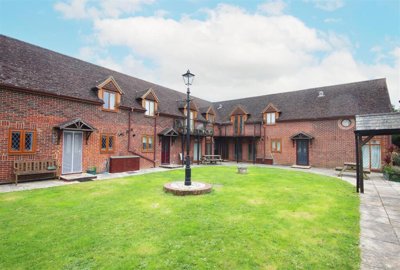
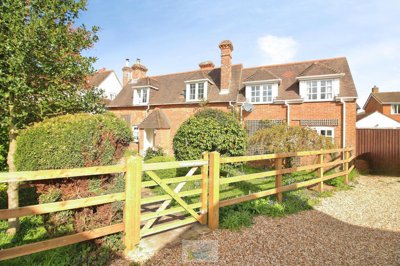
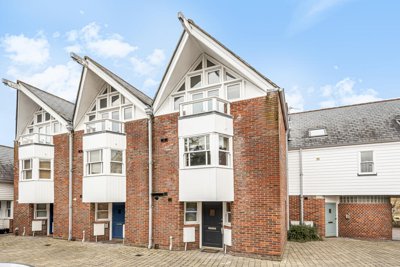
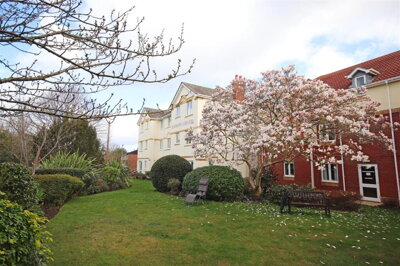
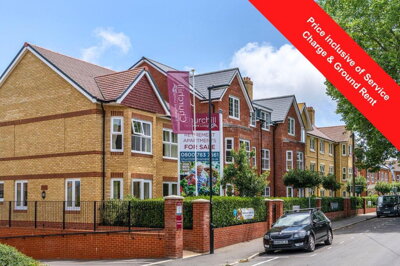
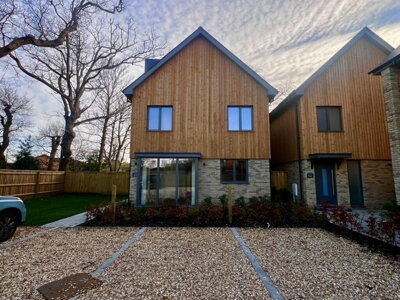
Several new build developments have emerged in the area in recent years, including Nursery Grove in Pennington featuring detached properties, Pegasus Lymington Gate offering retirement apartments for over 60s, and smaller bespoke developments by local builders. These new homes add variety to the rental stock and often come with modern fixtures, energy-efficient ratings, and reduced maintenance requirements compared to older properties. However, the character properties that define much of Lymington and Pennington's appeal, including Georgian townhouses and period cottages with exposed beams and original features, remain a significant part of the rental offering and attract tenants who appreciate historic architecture and traditional building techniques.

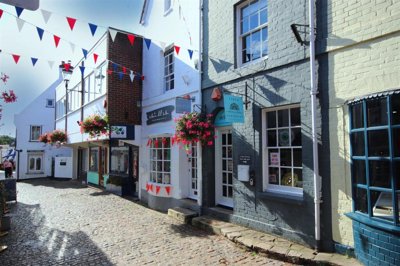
Lymington and Pennington occupy a distinctive position in Hampshire, merging the conveniences of a bustling market town with the natural beauty of the New Forest National Park. Lymington's historic centre features cobbled streets dating back to the early 19th-century shipbuilding era, when the town flourished as a centre of maritime trade and boat building. Today, the legacy of this maritime heritage is evident in the town's architecture, its thriving yacht harbour, and the continued presence of sailing as a central part of local life. The High Street hosts a mix of upscale boutiques, traditional family shops, and welcoming cafes where residents gather throughout the year. This blend of historic character and contemporary amenity creates an environment that feels both established and dynamic, appealing to renters who appreciate heritage alongside practical convenience.
The Lymington River flows through the town centre, creating an attractive waterway that contributes significantly to the area's charm and recreational opportunities. Properties with views of the river are particularly prized, and the riverside area provides pleasant walking routes connecting different parts of the town. From your rental home in Lymington or Pennington, you can easily access the Solent Way coastal path, explore the salt marshes and heathland of the New Forest, or simply stroll to one of the many waterside pubs and restaurants that line the river banks. The town's proximity to the Solent means sailing, kayaking, and other water sports are readily available, while the New Forest offers excellent walking, cycling, and horse riding opportunities across ancient woodland and open heathland.
Pennington, while more residential in character than Lymington, shares the same community spirit and provides excellent day-to-day amenities including shops, schools, and easy access to Lymington's town centre facilities. The community atmosphere in Lymington and Pennington blends the friendliness typical of smaller communities with the cultural vitality usually associated with larger towns. Regular farmers markets, community events, and local festivals throughout the year create opportunities for neighbours to connect and newcomers to feel quickly at home. The town attracts a diverse mix of residents, from retired individuals enjoying their sea change to young families seeking good schools and outdoor space, creating a balanced demographic that supports thriving local services and maintains a strong sense of community.

Families considering a rental property in Lymington and Pennington will find a good selection of educational options serving the local community. Primary education is well-represented in the area, with several schools providing education for children from Reception through to Year 6. The primary schools in and around Lymington and Pennington serve the local residential areas and typically offer extended before and after-school care to support working parents. Many families specifically target rental properties within particular school catchment areas, so understanding local school boundaries is an important consideration when searching for family accommodation in this area. The New Forest generally maintains strong educational standards, with many schools receiving positive ratings from Ofsted.
Secondary education in the area is served by schools in Lymington and the surrounding New Forest towns, with several options available within reasonable travelling distance. The town's location on the edge of the New Forest means some students may travel to schools in Brockenhurst, which is accessible via the efficient rail connection or by car. For families with older children considering further education, the proximity to colleges in Southampton and Bournemouth provides additional options, with sixth form provision available at several local secondary schools. Grammar school provision exists in Hampshire, and families wishing to access these selective schools should research catchment areas and entry requirements carefully when planning their rental property search.
Early years childcare facilities are plentiful in Lymington and Pennington, with a range of nurseries and pre-schools operating throughout the area. These cater for children from infancy through to school age and are scattered across both towns to serve different residential areas. The availability of quality childcare is an important factor for working families, and the New Forest area generally offers good provision across both private and maintained settings. For families renting property in this area, registering with local childcare providers well in advance of needing a place is advisable, as popular settings can have waiting lists.

Lymington and Pennington benefit from excellent transport connections that make commuting feasible for those working in larger cities along the south coast. Lymington railway station provides regular services to Brockenhurst, where passengers can connect to the main South Western Railway line running between Bournemouth, Southampton, and London Waterloo. The journey from Brockenhurst to London Waterloo takes approximately two hours, making day commuting possible for those with roles in the capital, though the length of this journey means many commuters based in Lymington and Pennington work locally or adopt hybrid working patterns. The train service also connects to Bournemouth and Southampton, providing access to broader employment opportunities without the need to drive.
For those who drive, the A337 runs through Lymington, connecting to the A31 and providing access to the M27 motorway via Southampton. This route makes commuting to Southampton city centre and the port facilities achievable within around 45 minutes in normal traffic conditions, though rush hour congestion can extend journey times. The journey to Bournemouth takes approximately 30-40 minutes, while access to the New Forest's attractions and villages is straightforward via the network of country roads that radiate from the town. Parking in Lymington town centre can be challenging during peak periods, so renters working locally should consider parking provision when choosing a property.
Local bus services operated by Bluestar and other providers connect Lymington and Pennington with surrounding villages and towns, providing an alternative to car travel for daily commuting and local journeys. The comprehensive bus network serves key destinations including Brockenhurst, Beaulieu, and Hythe, where the ferry across the Solent provides access to the Isle of Wight. For cyclists, the New Forest offers scenic cycling routes, and Lymington is on the National Cycle Network. Many residents choose to combine cycling with train travel for longer commutes, particularly for journeys to Southampton where secure cycle parking is available at the station.

Before you begin searching for rental properties in Lymington and Pennington, arrange a rental budget agreement in principle from a lender or broker. This document confirms how much rent you can afford and demonstrates to landlords that you are a serious, financially prepared applicant. Having this ready speeds up the application process and strengthens your position when competing for popular properties in this desirable New Forest location.
Spend time exploring Lymington and Pennington to understand the different neighbourhoods, from the historic streets around the High Street to quieter residential areas in Pennington. Consider factors such as distance to schools, transport links, and access to New Forest walks when narrowing your search. The area offers diverse property types, including period cottages, modern apartments, and family homes, so understanding what each location offers helps you target properties that genuinely match your lifestyle requirements.
Once you have identified suitable properties, schedule viewings to assess their condition, location, and suitability. During viewings, check for signs of damp, the state of fixtures and fittings, and any evidence of deferred maintenance. If you are considering an older property, particularly a listed building or one in a conservation area, ask the landlord about planned maintenance and any restrictions that might apply to modifications or decorations.
Before committing to a rental property, carefully review the tenancy agreement, including the length of the tenancy, rent amount and payment schedule, deposit amount and protection scheme, and responsibilities for maintenance and repairs. In Lymington and Pennington, many rental properties are period homes where tenants may be responsible for garden maintenance, so clarifying these arrangements upfront prevents misunderstandings later.
Once your application is accepted, your chosen referencing service will verify your identity, credit history, employment status, and previous landlord references. This process typically takes a few days for standard applications. After successful referencing, you will pay your deposit (capped at five weeks rent for properties with annual rent under £50,000) and sign your tenancy agreement. Arrange an inventory check at move-in to document the property's condition and protect your deposit when you eventually leave.
Renting a property in Lymington and Pennington requires attention to several area-specific considerations that may not apply in other locations. Flood risk is an important factor to investigate, given Lymington's position as a coastal town on the Lymington River. Properties near the river or in low-lying areas may be more susceptible to flooding, and renters should ask about previous flooding incidents, check flood risk indicators, and ensure their contents insurance covers flood damage. The New Forest District Council can provide detailed flood risk information for specific addresses.
Conservation areas and listed buildings are prevalent in Lymington, particularly in the historic town centre and older parts of Pennington. If you rent a listed property, you will face restrictions on modifications, redecoration, and sometimes even the placement of nails for pictures, due to listed building consent requirements. These properties often come with unique features such as exposed beams, original fireplaces, and traditional construction techniques that require careful maintenance and may have associated quirks. Landlords of listed properties are responsible for maintaining the structural elements and exterior, but tenants are typically expected to treat the property with appropriate care and report any maintenance issues promptly.
The New Forest itself brings specific considerations for renters, including the potential presence of commoning livestock (ponies, cattle, and donkeys) that roam freely across the area's roads and heathland. New residents should familiarise themselves with the New Forest Code, which includes guidance on driving carefully, keeping dogs under control around livestock, and respecting the rights of commoners. For renters with pets, finding a landlord willing to accept them can be more challenging in rural and semi-rural areas, so beginning your search early and being prepared to pay a higher deposit or pet rent is advisable. Properties with enclosed gardens are particularly valuable for pet owners, given the extensive walking opportunities the New Forest provides.

Specific rental price data for Lymington and Pennington varies significantly by property type and location within the combined area. Based on sales data providing context, terraced properties in Lymington average around £436,000 and semi-detached homes around £494,000, while Pennington's terraced stock averages approximately £372,000 and semi-detached properties around £339,000. Rental prices typically run at a fraction of these purchase prices, with one and two-bedroom apartments in Lymington town centre generally commanding between £900 and £1,400 per month, while larger family homes with three or four bedrooms can range from £1,500 to £2,500 per month depending on condition, location, and amenities. The market remains competitive, particularly during summer months when demand from those relocating to the area increases.
Properties in Lymington and Pennington fall under New Forest District Council, which sets council tax rates based on the valuation bands prescribed by the Valuation Office Agency. Council tax bands in the New Forest range from Band A for the lowest valued properties to Band H for the most expensive homes. The actual band for any specific property depends on its assessed value, and new residents can check the council tax band for any address using the gov.uk website. Properties with higher values, such as the detached homes prevalent in certain areas of Lymington and Pennington, will be placed in higher bands and consequently incur higher annual council tax charges.
Lymington and Pennington are served by several well-regarded primary schools, with local families often citing proximity to good schools as a key factor in choosing where to rent. The area's secondary schools provide good educational provision, and families should research individual school performance data and Ofsted ratings when planning their rental search. For families with specific educational requirements or preferences, including grammar school access, understanding catchment areas and admissions criteria is essential before committing to a rental property, as school places are allocated based on proximity in many cases.
Lymington and Pennington are well-connected by public transport despite their semi-rural location. Lymington railway station offers connections to Brockenhurst, where you can access the main line to Southampton, Bournemouth, and London Waterloo. Local bus services operated by Bluestar connect the towns with surrounding New Forest villages and provide access to ferries at Hythe for travel to the Isle of Wight. The train journey to London Waterloo takes approximately two hours from Brockenhurst, making this a viable option for commuters willing to adopt a hybrid working pattern. Daily commuters to Southampton can also use the train connection from Brockenhurst or drive, with the journey taking around 45 minutes in normal traffic.
Lymington and Pennington offer an excellent quality of life for renters, combining the character and convenience of a historic market town with direct access to the New Forest National Park and the Solent coastline. The area attracts diverse residents, from young professionals to families and retirees, all drawn by the combination of natural beauty, good local amenities, and strong community spirit. The rental market offers good variety, from compact apartments suitable for singles to spacious family homes, though competition for the most desirable properties can be intense, particularly during the summer months when relocation activity increases. Those considering renting here should be prepared to move quickly on suitable properties and ensure their referencing and financial documentation is ready to support a swift application.
When renting a property in Lymington and Pennington, you will typically pay a security deposit equivalent to five weeks rent for properties with annual rent under £50,000, which is capped at this amount under the Tenant Fees Act 2019. This deposit must be protected in a government-approved scheme within 30 days of receipt. Permitted fees are limited to holding deposits (capped at one week's rent), default charges for late payment, and replacement of lost keys or security devices. Before viewing properties, obtaining a rental budget in principle helps you understand your borrowing capacity and demonstrates financial readiness to landlords. Your tenant referencing service will guide you through the process of gathering required documentation, including proof of identity, evidence of employment, and references from previous landlords.
Understanding the financial requirements for renting in Lymington and Pennington helps you budget accurately and avoid surprises during your property search. The security deposit, which is the largest upfront cost, is capped at five weeks rent for properties with annual rent below £50,000 under the Tenant Fees Act 2019. This means if you are renting a three-bedroom family home for £1,800 per month, your deposit would be £2,077. The deposit must be protected in a government-approved scheme within 30 days of the start of your tenancy, and you should receive information about which scheme is being used. At the end of your tenancy, provided there is no damage beyond normal wear and tear and all rent is paid, you are entitled to the full deposit amount returned.
Holding deposits, which reserve a property while referencing is completed, are capped at one week's rent and are deductible from your first payment if your application proceeds. If your application is unsuccessful, the holding deposit should be returned within seven days. Permitted payments during a tenancy are limited to rent, council tax, utilities (if you are responsible under your tenancy agreement), and reasonable replacement costs for lost keys or damaged security devices. Any other fees, including administration charges, check-in fees, or cleaning fees at the end of your tenancy, were banned by the Tenant Fees Act unless you are moving out and choose to use the landlord's preferred provider.
Beyond rent and deposit, renters should budget for moving costs, contents insurance (which is distinct from the landlord's buildings insurance), and potential costs for setting up utilities and services at your new home. If you are renting a period property in Lymington or Pennington, you may wish to arrange a professional inventory at the start of your tenancy to document the condition of fixtures and fittings, protecting both you and the landlord from disputes at move-out. Getting your rental budget in principle before you begin searching for properties is strongly recommended, as it confirms your affordability to landlords and strengthens your application for competitive properties in this desirable New Forest location where demand regularly exceeds supply for the most popular rentals.
Properties to Rent In London

Properties to Rent In Plymouth

Properties to Rent In Liverpool

Properties to Rent In Glasgow

Properties to Rent In Sheffield

Properties to Rent In Edinburgh

Properties to Rent In Coventry

Properties to Rent In Bradford

Properties to Rent In Manchester

Properties to Rent In Birmingham

Properties to Rent In Bristol

Properties to Rent In Oxford

Properties to Rent In Leicester

Properties to Rent In Newcastle

Properties to Rent In Leeds

Properties to Rent In Southampton

Properties to Rent In Cardiff

Properties to Rent In Nottingham

Properties to Rent In Norwich

Properties to Rent In Brighton

Properties to Rent In Derby

Properties to Rent In Portsmouth

Properties to Rent In Northampton

Properties to Rent In Milton Keynes

Properties to Rent In Bournemouth

Properties to Rent In Bolton

Properties to Rent In Swansea

Properties to Rent In Swindon

Properties to Rent In Peterborough

Properties to Rent In Wolverhampton

Enter your details to see if this property is within your budget.
Loans, cards, car finance
Estimated property budget
Borrowing + deposit
You could borrow between
Typical borrowing
Monthly repayment
Est. at 4.5%
Loan-to-value
This is an estimate only. Your actual budget may vary depending on interest rates, credit history, and personal circumstances. For an accurate affordability assessment, speak to one of our free mortgage advisors.
This calculator provides estimates for illustrative purposes only and does not constitute financial advice. Your home may be repossessed if you do not keep up repayments on your mortgage. Estimates based on 4.5% interest rate, repayment mortgage. Actual rates depend on your circumstances.
Homemove is a trading name of HM Haus Group Ltd (Company No. 13873779, registered in England & Wales). Homemove Mortgages Ltd (Company No. 15947693) is an Appointed Representative of TMG Direct Limited, trading as TMG Mortgage Network, which is authorised and regulated by the Financial Conduct Authority (FRN 786245). Homemove Mortgages Ltd is entered on the FCA Register as an Appointed Representative (FRN 1022429). You can check registrations at NewRegister or by calling 0800 111 6768.

We use cookies to show you personalised content and improve your experience of our website. Find out more in our Privacy policy and Cookie policy.