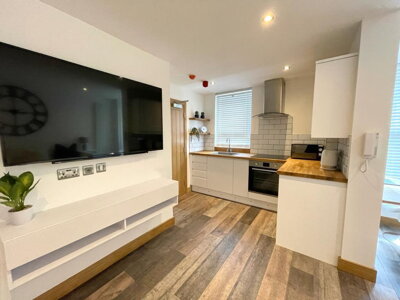
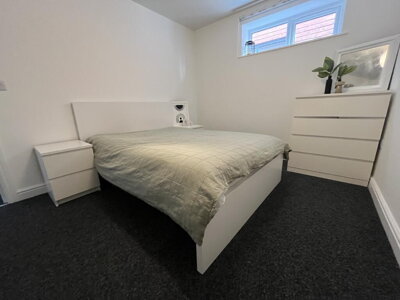
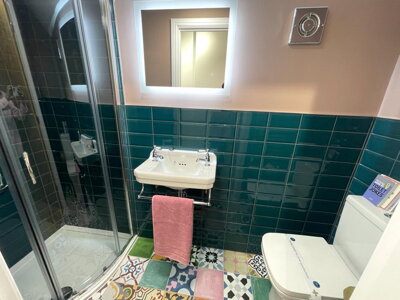
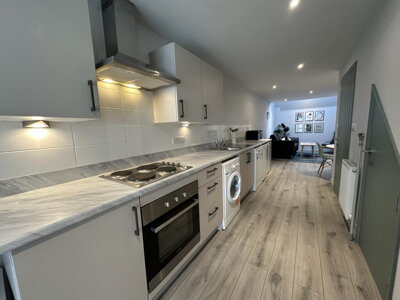
Browse 737 rental homes to rent in LN1 from local letting agents.
£998/m
46
0
115
Source: home.co.uk
Source: home.co.uk
Terraced
17 listings
Avg £894
Apartment
10 listings
Avg £958
Semi-Detached
7 listings
Avg £1,111
Detached
6 listings
Avg £1,267
Flat
4 listings
Avg £950
Detached Bungalow
1 listings
Avg £995
House Share
1 listings
Avg £563
Source: home.co.uk
Source: home.co.uk
Lincoln's property market has demonstrated consistent growth over recent years, with property values across the LN1 postcode area reflecting the city's enduring popularity. Current average sale prices stand at approximately £226,381 for all property types, with detached homes averaging £318,624, semi-detached properties at £223,845, terraced houses around £200,920, and flats at £164,696. While these figures represent sale values, they provide useful context for understanding the broader Lincoln property landscape and the investment landlords have made in their rental portfolios.
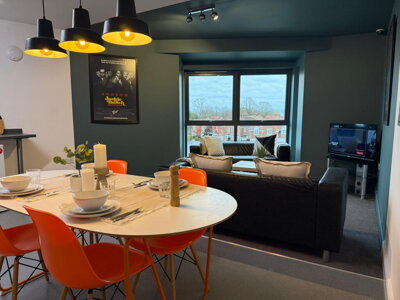
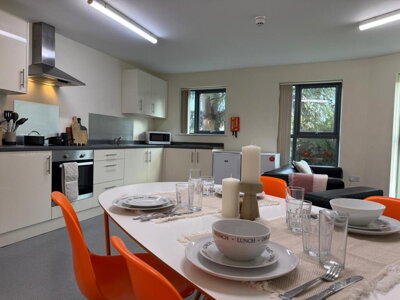
The rental market in Lincoln benefits from strong underlying demand driven by the city's diverse economy. Healthcare and social care represent significant employment sectors, alongside education, retail, and tourism centred on Lincoln's cathedral and castle. The University of Lincoln attracts thousands of students annually, creating consistent demand for smaller apartments and shared houses. New developments such as College Mews on Holmes Road demonstrate ongoing investment in the area, offering modern rental options for those seeking contemporary living spaces within the historic city environment.
For tenants considering longer-term arrangements, understanding local property values helps you assess whether asking rents represent fair market value. Terraced properties in popular areas like the Cathedral Quarter command premium rents due to their historic character and central location, while more affordable options exist in peripheral neighbourhoods where newer housing stock provides modern amenities at competitive prices. Our platform allows you to compare rental listings against current market conditions, giving you the information needed to negotiate confidently with landlords and letting agents.

Lincoln unfolds across a landscape shaped by Roman origins, medieval grandeur, and Victorian prosperity, creating a city where centuries of architectural heritage coexist with modern conveniences. The historic Cathedral Quarter and Bailgate area showcase cobbled streets, independent shops, and architectural treasures that draw visitors from across the UK, while the city centre offers contemporary shopping, restaurants, and cultural venues. The Brayford Waterfront area has transformed former industrial buildings into popular bars and restaurants, providing Lincoln with a vibrant evening economy along the River Witham.
The Lincoln district recorded a population of 103,813 in the 2021 census, with the broader urban area home to approximately 127,540 residents. The city's travel-to-work catchment area serves around 300,000 people from surrounding settlements, reflecting Lincoln's role as the primary economic hub for Central Lincolnshire. Parks and green spaces punctuate the urban landscape, with Hartsholme Country Park offering lakeside walks and open meadows, while Swanpool Park provides a natural escape close to residential neighbourhoods. Community events throughout the year, including the famous Christmas market held in the shadow of the cathedral, foster a strong sense of local identity and belonging among Lincoln's residents.
Different neighbourhoods within LN1 offer distinct living experiences suited to varying lifestyles. The St Mary's area provides practical everyday conveniences with good transport links, making it popular among commuters and young professionals. New Boultham features more modern housing developments with contemporary amenities, attracting families seeking newer construction without sacrificing access to the city centre. The Canwick and Burton roads areas offer a balance of period properties and local shops, providing that established residential feel many renters seek when putting down roots in a new city.

Families renting in Lincoln benefit from a comprehensive education system spanning primary through higher education, with several schools demonstrating strong academic performance. Primary options in the LN1 area include Bishop's Primary School and The St Faith's Children Centre, while Christchurch CofE Primary School serves families seeking a faith-based foundation. Secondary education options include St Mary's Catholic Voluntary Academy and Lincoln Christ's Endowed Factory School, an institution with roots dating back centuries that continues to serve students across the city and surrounding areas.
Lincoln Christ's Endowed Factory School, established through historical endowment, exemplifies the city's educational heritage while offering modern curriculum delivery. The Priory Academy LSST provides secondary education with a strong reputation for academic achievement, serving families across Lincoln and beyond. For older students, Lincoln College offers Further Education programmes across a wide range of vocational and academic subjects, while the University of Lincoln provides Higher Education to approximately 12,000 students, contributing significantly to the city's economy and cultural life. The presence of the university creates year-round demand for rental properties near campus, making the university area particularly attractive for buy-to-let investment.
When searching for rental properties near schools in Lincoln, consider that proximity to good schools can significantly impact your daily routine and family life. Properties in catchments for highly-performing primary schools like Bishop's Primary School tend to attract family tenants, which can mean competitive rental markets in these areas. Renting in Lincoln gives families flexibility to experience different neighbourhoods and assess school fit before committing to longer-term arrangements or purchasing property in the area.

Lincoln offers reliable transport connections that make commuting straightforward for residents working across the city or travelling to major employment centres. Lincoln Central station provides regular rail services connecting the city to Nottingham with a journey time of approximately 45 minutes, while direct trains reach London St Pancras in around two hours. The East Midlands Railway services connect Lincoln to Sheffield and Nottingham, making Leeds accessible with a single change. For those travelling by car, the A46 bypass provides connections to Newark and the A1, while the A158 heads east towards the coast.
Local bus services operated by Stagecoach and other providers connect Lincoln's residential neighbourhoods with the city centre, retail parks, and University of Lincoln campus. A park-and-ride scheme operates from several sites around the city perimeter, offering convenient access to the shopping district and employment areas without city centre parking concerns. Cyclists benefit from developing infrastructure including the Tritton Road cycle route, while the predominantly flat terrain makes cycling a practical option for daily commuting. For air travel, East Midlands Airport sits approximately 40 miles south, accessible via the M1 motorway for international travel.
For renters working in healthcare, the Lincoln County Hospital on Greetwell Road is readily accessible from most LN1 neighbourhoods, while the NHS Trust offices in the city centre benefit from those living in central locations. The Science and Innovation Park near the university attracts professional workers who often seek homes with good connectivity to this employment hub. Understanding your typical commute route when choosing where to rent in Lincoln helps ensure your daily travel remains manageable and cost-effective.

Contact a mortgage broker or use Homemove's rental budget service to obtain a written agreement confirming your maximum affordable monthly rent. This document demonstrates your financial credibility to landlords and agents, giving you a competitive edge when applying for properties in desirable areas of Lincoln where multiple applicants may be competing. Landlords in popular areas like the Cathedral Quarter frequently receive multiple applications, so having your budget confirmed in advance speeds up the process.
Explore the different areas within LN1 to find the neighbourhood that matches your lifestyle requirements. Consider proximity to your workplace, schools if you have children, transport connections, and the character of local amenities. The Cathedral Quarter offers historic charm but comes with conservation restrictions, while areas like New Boultham provide more modern housing stock with contemporary conveniences. Renting gives you the flexibility to test different areas before committing to a longer-term home.
Once you have identified suitable properties, schedule viewings through Homemove's platform or directly with local letting agents. Lincoln's rental market moves at a steady pace, so booking viewings promptly and being flexible with viewing times helps you secure properties before competing applicants. Prepare questions about the property condition, included appliances, and the landlord's preferred tenancy terms. Many Lincoln letting agents use online systems for viewing scheduling, so registering your interest quickly gives you an advantage.
When you find a property you wish to rent, complete the application process promptly. This typically involves completing referencing forms, providing proof of identity, evidence of income or employment, and authorising credit checks. Some landlords require a guarantor who will be responsible for rent if you encounter financial difficulties. Our referencing service processes applications efficiently, helping you move quickly when you find your ideal Lincoln rental.
If your application is successful, you will pay a deposit (usually equivalent to five weeks' rent) which must be protected in a government-approved scheme within 30 days of the tenancy start date. Review your tenancy agreement carefully before signing, paying attention to the start date, length of tenancy, rent amount and due date, and any break clauses that may allow early termination. Your deposit protection certificate must be provided within 30 days of receiving it from your landlord.
Arrange your move-in date, transfer utility accounts into your name, and set up council tax with Lincoln City Council. Completing a thorough check-in inventory with photographic evidence protects you from disputes when you eventually vacate the property, ensuring you receive your full deposit back at the end of your tenancy. Register with local doctors and dentists early, as Lincoln's NHS services can have waiting lists for new patients.
Lincoln's varied housing stock means renters encounter properties across different construction eras, from Victorian terraces near the city centre to modern apartments in converted warehouses and contemporary new-build developments. Older properties often feature high ceilings and original architectural details that appeal to those seeking character homes, but they may also present challenges including single-glazed windows, outdated heating systems, and solid walls with limited insulation. Understanding the condition and age of the property helps you budget appropriately for energy costs and any repairs you may need to request from your landlord.
Flood risk represents a practical consideration for renters in Lincoln, where multiple watercourses including Salt Creek, Stevens Creek, Oak Creek, and various tributaries create potential for surface water flooding during periods of heavy rainfall. Properties in low-lying areas near water features warrant particular attention to drainage and the condition of basements or ground-floor accommodation. The Environment Agency publishes detailed flood maps showing historical flood extents and probability ratings that help renters assess risk for specific properties. When viewing properties, ask the landlord or agent about any history of flooding and what flood resilience measures are in place.
Conservation areas affect many properties in Lincoln's historic core, where the Cathedral Quarter and Bailgate area fall within designated zones that restrict external alterations and require planning approval for significant changes. Renters planning to personalise their accommodation should understand these limitations, which extend to restrictions on satellite dishes, external painting, and structural modifications. Listed buildings in Lincoln require additional consents for any works that might affect their special architectural or historic interest, creating obligations for both landlords and tenants. Always request the property's Energy Performance Certificate to understand expected heating costs before committing.

Renting a home in Lincoln involves several upfront costs beyond your first month's rent that require careful budgeting. The security deposit represents the largest initial outlay, typically set at five weeks' rent and capped at that level under the Tenant Fees Act 2019. This deposit protects landlords against unpaid rent or property damage and must be protected in a government-approved deposit protection scheme within 30 days of your tenancy start. At the end of your tenancy, assuming no disputes over condition, you receive this deposit back in full.
Referencing and administration fees cover credit checks, employment verification, and the landlord's costs in assessing your suitability as a tenant. These typically range from £100-300 depending on the provider and the depth of checks conducted. Some letting agents charge holding fees to take a property off the market while your application processes, though these charges must be reasonable and credited towards your first month's rent if your application succeeds. Always request a full breakdown of fees before committing to a property, as transparency protects you from unexpected costs.
Your monthly rental payment represents the largest ongoing cost, and Lincoln's market offers strong value compared to most UK cities. When calculating your true housing costs, remember to include council tax (your responsibility as a tenant unless your tenancy agreement specifies otherwise), utility bills for gas, electricity, and water, plus internet and mobile phone services. Properties with poor energy efficiency ratings may incur significantly higher heating costs, particularly in older Victorian and Edwardian terraces common across Lincoln's residential streets. An Energy Performance Certificate (EPC) rating provides useful guidance on expected energy costs before you commit to a tenancy.
Beyond monthly costs, budget for one-off moving expenses including removal van hire or professional moving services, mail redirection from your previous address, and potential connection fees for utilities at your new Lincoln property. If you are moving into a furnished property, you may save significantly on furniture costs, though unfurnished lets offer greater freedom to personalise your space. Our platform helps you understand the full cost of renting in Lincoln so you can budget accurately and avoid financial surprises.

While specific rental price data for Lincoln requires checking current listings, the sales market provides useful context for the rental landscape. Average property values in LN1 start from around £164,696 for flats, rising to approximately £200,920 for terraced houses, £223,845 for semi-detached properties, and £318,624 for detached homes. Rental prices typically fall within a range that makes Lincoln significantly more affordable than major UK cities, attracting tenants seeking value without sacrificing access to employment, education, and amenities. One-bedroom apartments near the city centre typically rent from around £595 per calendar month, with larger family homes commanding higher figures.
Lincoln properties fall within council tax bands A through H, determined by the Lincoln City Council valuation based on property value as of April 1991. The specific band depends on the individual property, with flats and smaller terraced houses often falling in bands A or B, while larger detached properties may attract higher bands. As a tenant, you are responsible for paying council tax unless your tenancy agreement specifies otherwise, so check this cost against your monthly budget when calculating your total housing expenditure. Band A properties in Lincoln currently pay approximately £1,400 per year, while band D properties pay around £2,000 annually.
Lincoln offers strong educational options at all levels, with primary schools including Bishop's Primary School and Christchurch CofE Primary School serving younger children well. Secondary options include Lincoln Christ's Endowed Factory School, a historic institution with centuries of educational tradition, and The Priory Academy LSST known for academic achievement. Lincoln College provides Further Education opportunities, while the University of Lincoln attracts students nationally for undergraduate and postgraduate programmes. When renting near schools, always verify current catchment areas with Lincoln City Council as these can change.
Lincoln benefits from excellent rail connections via Lincoln Central station, with direct services to Nottingham in approximately 45 minutes, Sheffield, and London St Pancras in around two hours. Local bus services operated by Stagecoach connect residential neighbourhoods with the city centre, university campus, and out-of-town shopping destinations. A park-and-ride scheme operates from several sites around the city perimeter, offering convenient access to the city centre without the hassle of parking. For cycling, the flat terrain and developing cycle infrastructure make bikes a practical daily transport option throughout the year.
Lincoln offers an excellent quality of life for renters, combining historic character with practical modern amenities at prices significantly below those in major UK cities. The city's diverse economy centred on healthcare, education, retail, and tourism provides stable employment prospects that support consistent rental demand. Lincoln's compact city centre means most amenities remain accessible by foot or bicycle, while strong transport connections to Nottingham and the wider East Midlands expand employment and leisure options. Community events throughout the year, including the renowned Christmas market, foster a strong local identity that makes Lincoln feel welcoming to new residents.
When renting in Lincoln, you will typically pay a security deposit equivalent to five weeks' rent, capped at five weeks' worth of your monthly rental amount. This deposit must be protected in a government-approved deposit protection scheme such as the Deposit Protection Service within 30 days of your tenancy start date. Referencing fees typically range from £100-300 depending on the provider, covering credit checks, employment verification, and right-to-rent checks. Some landlords require a UK-based guarantor who will undergo separate referencing, and you may also need to pay a holding fee to take a property off the market while your application processes. Always request a written receipt for any fees paid.
Lincoln has several watercourses including Salt Creek, Stevens Creek, and Oak Creek that create potential flood risk in low-lying areas, particularly during periods of heavy rainfall. Properties near these watercourses or in areas with poor drainage require careful consideration before renting. The Environment Agency provides flood risk maps showing historical flood extents and probability ratings for specific postcodes in LN1. When viewing properties, ask about any flood history and whether the property has flood resilience measures such as raised sockets or non-return valves on drainage.
The Cathedral Quarter attracts renters seeking historic character and proximity to Lincoln's cultural attractions, though conservation restrictions limit what changes tenants can make to properties. The Brayford Waterfront area appeals to young professionals due to its vibrant atmosphere and proximity to the university. Families often prefer residential areas like Hartsholme and Boultham where larger properties and good schools are available. Our platform allows you to search rentals by specific neighbourhoods within LN1 to find the area that best matches your priorities.
From 4.5%
Get a written agreement confirming your maximum affordable monthly rent to strengthen your rental application
From £99
Comprehensive referencing including credit checks, employment verification, and right-to-rent checks
From £85
Energy Performance Certificate to understand expected heating costs and property efficiency
From £350
Professional survey assessment identifying defects and maintenance issues in Lincoln properties
Properties to Rent In London

Properties to Rent In Plymouth

Properties to Rent In Liverpool

Properties to Rent In Glasgow

Properties to Rent In Sheffield

Properties to Rent In Edinburgh

Properties to Rent In Coventry

Properties to Rent In Bradford

Properties to Rent In Manchester

Properties to Rent In Birmingham

Properties to Rent In Bristol

Properties to Rent In Oxford

Properties to Rent In Leicester

Properties to Rent In Newcastle

Properties to Rent In Leeds

Properties to Rent In Southampton

Properties to Rent In Cardiff

Properties to Rent In Nottingham

Properties to Rent In Norwich

Properties to Rent In Brighton

Properties to Rent In Derby

Properties to Rent In Portsmouth

Properties to Rent In Northampton

Properties to Rent In Milton Keynes

Properties to Rent In Bournemouth

Properties to Rent In Bolton

Properties to Rent In Swansea

Properties to Rent In Swindon

Properties to Rent In Peterborough

Properties to Rent In Wolverhampton

Enter your details to see if this property is within your budget.
Loans, cards, car finance
Estimated property budget
Borrowing + deposit
You could borrow between
Typical borrowing
Monthly repayment
Est. at 4.5%
Loan-to-value
This is an estimate only. Your actual budget may vary depending on interest rates, credit history, and personal circumstances. For an accurate affordability assessment, speak to one of our free mortgage advisors.
This calculator provides estimates for illustrative purposes only and does not constitute financial advice. Your home may be repossessed if you do not keep up repayments on your mortgage. Estimates based on 4.5% interest rate, repayment mortgage. Actual rates depend on your circumstances.
Homemove is a trading name of HM Haus Group Ltd (Company No. 13873779, registered in England & Wales). Homemove Mortgages Ltd (Company No. 15947693) is an Appointed Representative of TMG Direct Limited, trading as TMG Mortgage Network, which is authorised and regulated by the Financial Conduct Authority (FRN 786245). Homemove Mortgages Ltd is entered on the FCA Register as an Appointed Representative (FRN 1022429). You can check registrations at NewRegister or by calling 0800 111 6768.

We use cookies to show you personalised content and improve your experience of our website. Find out more in our Privacy policy and Cookie policy.