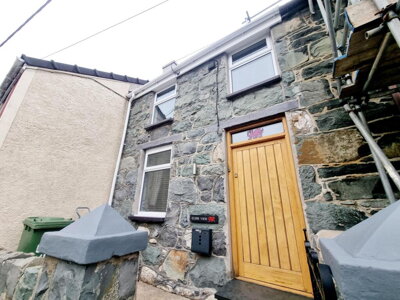
Browse 1 rental home to rent in Llanrug, Gwynedd from local letting agents.
£0/m
0
0
0
Source: home.co.uk
The rental market in Llanrug reflects the broader trends affecting Gwynedd and North Wales, where demand has intensified particularly among those seeking more space and access to natural beauty. Our current listings show rental properties spanning different property types, from traditional terraced cottages typical of the village's heritage to more modern semi-detached homes that have been built or renovated in recent years. The village has also seen new affordable housing developments emerge, with Adra housing association progressing plans for seventeen affordable homes near Ffordd Glanffynnon, demonstrating ongoing investment in the local rental supply. A development of three and four-bedroom detached homes is also underway adjacent to Llanberis Road, providing additional options for families seeking newer construction within the village boundary.
Property prices in Llanrug have demonstrated resilience and growth, with the overall average sitting around £231,000 according to recent market data from OnTheMarket. Detached properties command higher values at approximately £299,600, while terraced homes offer more accessible entry points around £168,786 and semi-detached properties typically fetch £212,786. For renters, this price context helps explain rental valuations, as landlords set rents based on the capital appreciation of their assets and comparable rental yields in the area. The local economy benefits from tourism related to Snowdonia, the presence of Welsh-speaking communities, and growing remote working opportunities that have drawn new residents to Gwynedd.
The local economy benefits from tourism related to Snowdonia, the presence of Welsh-speaking communities, and growing remote working opportunities that have drawn new residents to Gwynedd. The village sits within the Seiont catchment area, and the River Seiont flows nearby, contributing to the scenic landscape that attracts visitors throughout the year. Second homes make up approximately 7.5% of the housing stock in Gwynedd, a factor that influences the local rental market and community dynamics, particularly in villages like Llanrug where the housing landscape includes both permanent residences and holiday properties. Understanding these dynamics helps prospective renters gauge the character of different neighbourhoods within the village.

Llanrug embodies the warmth and character of a traditional Welsh village, where neighbours know each other by name and community events bring residents together throughout the year. The village centre features essential amenities including two village stores, a post office, a butchers and delicatessen, a traditional bakery, a fish and chip shop, and a welcoming public house where locals gather for evening drinks and weekend meals. These conveniences mean that everyday shopping needs can be met without travelling to larger towns, though the proximity to Caernarfon provides access to supermarkets, high street retailers, and specialist services when required. The Glyntwrog Inn remains a popular gathering point for both locals and visitors, offering traditional fare in a historic setting near the village centre.
The surrounding landscape plays a significant role in shaping daily life for Llanrug residents, with the village positioned near the River Seiont and at the foot of stunning Snowdonia terrain. Outdoor activities including hiking, cycling, and climbing are readily accessible, with the Glyntwrog Inn serving as a local landmark that has anchored the community for generations. The wider Gwynedd area boasts 64.4% of residents speaking Welsh, reflecting the strong cultural heritage that permeates daily life and making Llanrug an excellent choice for those wishing to immerse themselves in Welsh language and traditions. Families renting in Llanrug often find that the bilingual environment provides valuable educational opportunities for children growing up with exposure to both Welsh and English.
The village contains numerous listed buildings and properties of historical significance, including Grade II and Grade II* structures such as Bryn Bras Castle and the Church of St Michael with its associated lych-gate and churchyard walls. Renting a listed building or a property within a conservation area carries additional responsibilities, as landlords require consents for certain alterations and maintenance work may need to adhere to strict preservation guidelines. The traditional construction methods used in older Llanrug properties, often featuring locally sourced stone and rubblestone construction with slate roofing, can present maintenance challenges including damp penetration, roof deterioration, and outdated electrical or plumbing systems. A thorough property survey before committing to a tenancy can identify these issues and provide leverage for negotiating repairs or adjusted terms.
The presence of historic buildings throughout the village adds architectural interest and character to the streetscape, with properties like Plas Tirion and its associated walled garden, stables, and coach house representing the architectural heritage of the area. These historic structures contribute to the distinctive character that makes Llanrug an attractive place to rent, though prospective tenants should be aware that living in a property with listed status may involve additional constraints on alterations and improvements.

Families considering renting in Llanrug will find reputable educational options available within the village itself, reducing the need for lengthy commutes for school-age children. The village hosts both primary and secondary schools, serving the local community and surrounding rural areas with educational provision that has been valued by generations of local families. Understanding school catchment areas is essential for parents, as admission policies typically prioritise children living within designated boundaries, and renting a property in the right catchment zone can significantly influence educational opportunities for young people. We recommend verifying current catchment boundaries directly with Cyngor Gwynedd, as these can change and may not align exactly with village boundaries.
Gwynedd local authority maintains educational standards across North Wales, with schools in the area working within the broader Welsh education framework that promotes bilingualism and cultural awareness alongside academic achievement. For families requiring secondary education options beyond what Llanrug offers, Caernarfon provides additional secondary school choices accessible via the regular bus services connecting the two communities. The journey from Llanrug to secondary schools in Caernarfon typically takes fifteen to twenty minutes by bus, making it practical for families who may need to travel for specific school placements or specialist subjects not available locally.
Parents should research specific school performance data and admission policies directly through Cyngor Gwynedd or the individual school websites, as these details can change and vary between institutions. Estyn, the education and training inspectorate for Wales, publishes performance reports for all schools that can help parents make informed decisions about educational provision. The presence of quality schools within a village setting is often a key factor in rental demand, as working parents appreciate the convenience of local education without lengthy daily journeys. Properties in school catchment areas in Llanrug often attract premium rental interest, particularly during term time when demand from families peaks.

Llanrug enjoys convenient transport connections that link residents to Caernarfon and the wider North Wales region, making it practical for commuting and accessing services beyond the village. Regular bus services operate between Llanrug and Caernarfon, with the journey taking approximately fifteen to twenty minutes depending on stops and traffic conditions. The bus route passes through scenic countryside and provides a reliable option for those without private vehicles, with stops throughout the village including near the Glyntwrog Inn and the village stores. We recommend checking current timetables with local operators as rural services can be limited on weekends and bank holidays.
Caernarfon itself offers a wider range of transport options including bus stations serving longer-distance routes across Gwynedd and beyond, while the nearby A487 provides road connections to Bangor, the M53 motorway corridor, and the ferry ports at Holyhead for those travelling to Ireland. For residents who drive, the road network from Llanrug provides access to major destinations including the university city of Bangor approximately twelve miles away and the coastal town of Caernarfon just three miles distant. The A4086 connects Llanrug to Llanberis and the heart of Snowdonia, opening up access to the national park's extensive footpaths and outdoor recreation opportunities.
The proximity to Snowdonia means that scenic routes into the national park are easily accessible, though rural roads can present challenges during peak tourist seasons when additional traffic flows through the area. Cyclists and walkers benefit from numerous footpaths and bridleways that radiate from the village into the surrounding countryside, with routes following the River Seiont offering particularly pleasant walks. Parking availability within Llanrug is generally good compared to larger towns, with most residential areas offering off-street or on-street parking options that accommodate resident vehicles without the competition often found in urban areas.

Renting a property in Llanrug requires careful consideration of several factors specific to this village location, from flood risk awareness to understanding the implications of renting historic properties. Llanrug falls within the Seiont catchment area, and receptors of flood risk from surface water and small watercourses are present throughout the village. A specific flood risk management project for Glanfynnon in Llanrug is included in the Flood and Coastal Erosion Risk Management Programme, indicating that certain properties may be more susceptible to water ingress during periods of heavy rainfall. Prospective tenants should enquire about flood history with landlords and consider arranging appropriate surveys that assess drainage and water management before committing to a tenancy.
The village contains numerous listed buildings and properties of historical significance, including Grade II and Grade II* structures such as Bryn Bras Castle and the Church of St Michael. Renting a listed building or a property within a conservation area carries additional responsibilities, as landlords require consents for certain alterations and maintenance work may need to adhere to strict preservation guidelines. Properties like Prysgol farmhouse, Plas Tirion with its associated walled garden, and Capel Tan-y-coed represent the architectural heritage that characterises parts of Llanrug. Any work affecting the character of a listed building, including demolition, alterations, or extensions, requires Listed Building Consent, and even minor repairs may require consent if they involve changes to style, material, or finish.
The traditional construction methods used in older Llanrug properties, often featuring locally sourced stone and slate roofing, can present maintenance challenges including damp penetration, roof deterioration, and outdated electrical or plumbing systems. Common defects in older North Wales properties include rising damp due to failed damp-proof courses, penetrating damp from leaks in roofs or walls, and timber decay from wet rot or woodworm infestations. Outdated electrical systems in older properties may not meet modern safety standards, posing fire risks that should be assessed before tenancy. A thorough property survey before committing to a tenancy can identify these issues and provide leverage for negotiating repairs or adjusted terms.
For properties of non-standard construction or those over fifty years old, we recommend considering a more detailed survey than a standard inspection, as the unique construction methods used in traditional Welsh buildings require specialist knowledge to assess properly. Properties near the River Seiont or in areas with poor drainage may benefit from particular attention to damp and moisture issues, while those in the village centre should consider the potential impact of passing traffic and seasonal tourism on daily life.

Before viewing any properties, obtain a rental budget agreement in principle from a lender to understand how much you can afford monthly. This document demonstrates your financial credibility to landlords and agents, typically requiring evidence of income, employment status, and credit history. In Llanrug's competitive rental market, having your finances arranged before viewing properties gives you a significant advantage over less prepared applicants. Many landlords in the village receive multiple enquiries quickly, particularly for properties near good schools or with character features, so being ready to proceed immediately can make the difference between securing your preferred home and missing out.
Spend time exploring the village to understand neighbourhood character, proximity to amenities, school catchment zones, and transport options. Consider factors like flood risk areas near watercourses, the condition of local roads, and whether nearby properties are owner-occupied or include holiday lets that might affect street character. Visiting at different times of day and on weekends provides a fuller picture of what living in a particular street would actually be like. Take time to walk the village centre, visit local shops, and speak to residents if the opportunity arises to get genuine insights into daily life in different parts of Llanrug.
Once you have identified suitable rental properties, schedule viewings through estate agents or directly with landlords. Take measurements and photographs during viewings, check the condition of appliances, fixtures, and fittings, and ask about the tenancy terms including deposit amount, contract length, and notice periods. Properties in Llanrug with character features or proximity to good schools tend to attract multiple interested parties, so being prompt and decisive works in your favour. Prepare a checklist covering property condition, maintenance responsibilities, utility arrangements, and any restrictions that might affect your lifestyle.
Before finalising your tenancy, consider commissioning a survey to assess the property condition, particularly for older properties where defects may not be immediately visible. RICS Level 2 surveys in the North Wales region typically cost between £400 and £600 depending on property value and size, with prices for Llanrug properties falling within this range based on typical property values in the village. For properties above £200,000, expect costs around £500, while larger homes above £300,000 may cost £550 or more. This investment can reveal structural issues, damp problems, roof condition, or outdated electrics that might require the landlord to address before you move in, potentially saving significant expense and hassle during your tenancy.
Once you have agreed terms, your landlord or agent will require referencing checks including credit history, employment verification, and landlord references if you have previously rented. Prepare necessary documentation including proof of identity, recent payslips, bank statements, and employment contracts well in advance to avoid delays. Review the tenancy agreement carefully before signing, ensuring you understand your rights and responsibilities regarding rent, deposits, maintenance, and ending the tenancy. The Renting Homes (Wales) Act has introduced simplified tenancy agreements and enhanced rights for tenants in Wales, so make sure you understand how these apply to your situation.
While specific rental price data for Llanrug is not publicly aggregated in the same way as sales figures, rental valuations in the area are influenced by the local sales market where the average property price sits around £231,000 according to recent data from OnTheMarket. Detached properties command higher rents reflecting their capital values at approximately £299,600, while terraced homes offer more accessible rental rates around £168,786 and semi-detached properties typically fetch around £212,786. For accurate current rental pricing, we recommend searching our live listings which are updated daily with properties across all price ranges available in Llanrug and the surrounding Gwynedd area. Rental prices can vary significantly based on property condition, location within the village, and whether the property includes gardens or parking.
Properties in Llanrug fall under Cyngor Gwynedd council jurisdiction, with council tax bands ranging from A through to H depending on property value and type as determined by the Valuation Office Agency. Band A typically applies to lower-value properties and results in lower annual charges, while higher-value detached homes may attract Band D or above. Prospective tenants should ask landlords or check the Valuation Office Agency website to confirm the specific band for any property they are considering, as council tax costs form part of the regular monthly budget alongside rent. Council tax in Gwynedd supports local services including education, waste collection, and road maintenance that benefit residents daily.
Llanrug offers both primary and secondary educational facilities within the village, serving local families without requiring daily travel to larger towns. The village schools have served the community for generations and are supported by Gwynedd local authority's educational framework that promotes bilingualism and cultural awareness alongside academic achievement. For families requiring specific information about school performance, admission policies, or catchment area boundaries, we recommend contacting Cyngor Gwynedd's education department or reviewing individual school performance data published by Estyn, the education and training inspectorate for Wales. Properties in school catchment areas in Llanrug often see higher rental demand, particularly during the autumn term when families seek to establish residency before the school year begins.
Llanrug benefits from regular bus services connecting the village to Caernarfon, approximately three miles away, where additional public transport options become available for journeys further afield to Bangor, Holyhead, and beyond. Bus journeys to Caernarfon typically take fifteen to twenty minutes, providing practical access to shopping, healthcare, and other services in the main town. The Glyntwrog Inn and village centre serve as key stops for local bus routes, making public transport accessible from most residential areas. For commuting to larger employment centres such as Bangor or Holyhead, private vehicle ownership remains advantageous, though the A487 road provides reasonable driving connections to these destinations including the ferry port for travel to Ireland.
Llanrug offers an excellent quality of life for renters seeking a village environment with good amenities and proximity to Snowdonia National Park. The strong Welsh-speaking community creates a distinctive cultural atmosphere, with 64.4% of Gwynedd residents speaking Welsh, while local shops, pubs, and schools mean everyday needs can be met without travelling far. The main considerations for prospective renters include the relatively limited public transport options compared to urban areas, the presence of flood risk in certain locations near watercourses including areas near Glanfynnon, and the prevalence of older properties that may require maintenance. Overall, for those who value rural character, outdoor lifestyle access, and a genuine sense of community, Llanrug represents an attractive renting destination.
Standard practice for renting in Wales involves a security deposit equivalent to five weeks' rent, capped at five weeks' worth of rent where the annual rent exceeds £50,000, held in a government-approved tenancy deposit scheme for the duration of your tenancy. In addition to rent in advance, tenants typically pay referencing fees, administration charges, and potentially inventory check costs at the start of a tenancy. First-time renters in Wales may benefit from certain protections under the Renting Homes (Wales) Act, which introduced simplified tenancy agreements and enhanced rights including the requirement for landlords to install smoke alarms and carbon monoxide detectors. We recommend requesting a full breakdown of all fees from your landlord or letting agent before committing to any property.
Llanrug falls within the Seiont catchment area, and flood risk from surface water and small watercourses is present throughout parts of the village. A specific flood risk management project for Glanfynnon in Llanrug is included in the Welsh Government's Flood and Coastal Erosion Risk Management Programme, indicating recognised flood risk in this area that prospective tenants should investigate before committing to a tenancy. Properties near the River Seiont or in low-lying areas may be more susceptible to water ingress during periods of heavy rainfall, particularly during autumn and winter months. We recommend asking landlords about flood history and considering a property survey that assesses drainage and water management before signing your tenancy agreement.
Understanding the full financial commitment of renting in Llanrug extends beyond the monthly rent figure to include deposits, fees, and ongoing costs that form part of your household budget. The standard security deposit for renting in Wales is five weeks' rent, capped at five weeks' worth of rent where the annual rent exceeds £50,000. This deposit must be protected in a government-approved scheme within thirty days of receipt, providing you with recourse if disputes arise at the end of your tenancy regarding property condition or unpaid rent. Your landlord must provide you with information about which scheme protects your deposit, and you should receive prescribed information within this timeframe.
Additional upfront costs when starting a tenancy in Llanrug may include rent in advance, referencing fees to verify your suitability as a tenant, inventory check fees to document the property condition at move-in, and potentially small administration charges levied by letting agents. First-time renters should budget for moving costs, potential furniture purchases if renting unfurnished, and connection fees for utilities and internet services. Council tax, set by Cyngor Gwynedd, will be due monthly and varies based on property band, typically ranging from around £100 to £200 per month for most residential properties in the village.
For properties in Llanrug, particularly older stone-built homes or listed buildings, setting aside funds for emergency repairs or improvements not covered by landlord responsibilities represents prudent financial planning. The Renting Homes (Wales) Act places specific repair obligations on landlords, but disputes can arise over what constitutes fair wear and tear versus damage. Commissioning a rental budget agreement in principle before beginning your property search helps establish a realistic budget that accounts for all these costs while ensuring your monthly rent remains affordable within your overall financial situation.
From 4.5% APR
Get pre-approved for your rental budget to demonstrate your affordability to landlords.
From £50
Complete referencing checks quickly to secure your tenancy ahead of other applicants.
From £450
Identify defects in older Llanrug properties before committing to your tenancy.
From £80
Check the energy efficiency of rental properties to understand running costs.
Properties to Rent In London

Properties to Rent In Plymouth

Properties to Rent In Liverpool

Properties to Rent In Glasgow

Properties to Rent In Sheffield

Properties to Rent In Edinburgh

Properties to Rent In Coventry

Properties to Rent In Bradford

Properties to Rent In Manchester

Properties to Rent In Birmingham

Properties to Rent In Bristol

Properties to Rent In Oxford

Properties to Rent In Leicester

Properties to Rent In Newcastle

Properties to Rent In Leeds

Properties to Rent In Southampton

Properties to Rent In Cardiff

Properties to Rent In Nottingham

Properties to Rent In Norwich

Properties to Rent In Brighton

Properties to Rent In Derby

Properties to Rent In Portsmouth

Properties to Rent In Northampton

Properties to Rent In Milton Keynes

Properties to Rent In Bournemouth

Properties to Rent In Bolton

Properties to Rent In Swansea

Properties to Rent In Swindon

Properties to Rent In Peterborough

Properties to Rent In Wolverhampton

Enter your details to see if this property is within your budget.
Loans, cards, car finance
Estimated property budget
Borrowing + deposit
You could borrow between
Typical borrowing
Monthly repayment
Est. at 4.5%
Loan-to-value
This is an estimate only. Your actual budget may vary depending on interest rates, credit history, and personal circumstances. For an accurate affordability assessment, speak to one of our free mortgage advisors.
This calculator provides estimates for illustrative purposes only and does not constitute financial advice. Your home may be repossessed if you do not keep up repayments on your mortgage. Estimates based on 4.5% interest rate, repayment mortgage. Actual rates depend on your circumstances.
Homemove is a trading name of HM Haus Group Ltd (Company No. 13873779, registered in England & Wales). Homemove Mortgages Ltd (Company No. 15947693) is an Appointed Representative of TMG Direct Limited, trading as TMG Mortgage Network, which is authorised and regulated by the Financial Conduct Authority (FRN 786245). Homemove Mortgages Ltd is entered on the FCA Register as an Appointed Representative (FRN 1022429). You can check registrations at NewRegister or by calling 0800 111 6768.

We use cookies to show you personalised content and improve your experience of our website. Find out more in our Privacy policy and Cookie policy.