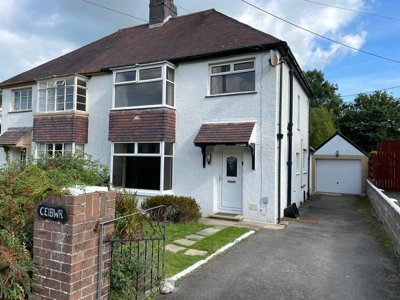
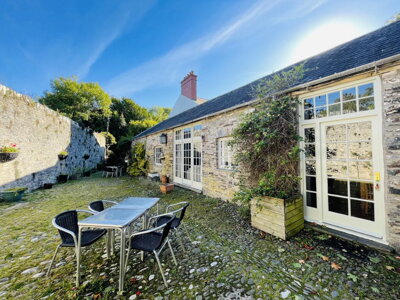
Browse 2 rental homes to rent in Llangoedmor, Ceredigion from local letting agents.
£0/m
0
0
0
Source: home.co.uk
The rental market in Llangoedmor and the surrounding Ceredigion area operates within a broader Welsh property landscape where demand has remained steady over recent years. Sales data indicates an overall average property price of £230,000 across the area, with detached properties commanding around £320,000 and semi-detached homes averaging £190,000. This sales data provides useful context for the rental market, as property values influence landlord pricing strategies and the overall balance between supply and demand. The market has experienced a positive 3.5% price movement over the past twelve months, with detached properties showing stronger growth at 4.2% compared to semi-detached properties at 2.8%, suggesting continued confidence from both buyers and sellers in the local property sector. Approximately 45 property sales have been recorded in the Llangoedmor area over the past year, indicating reasonable market activity for a rural village setting.
Property types available for rent in Llangoedmor reflect the area's traditional housing stock, which consists predominantly of detached homes at approximately 40% of the housing mix. Semi-detached properties represent around 30% of available homes, while terraced properties make up 20% and flats account for approximately 10% of the rental stock. The majority of properties in the area were constructed before 1980, with roughly 30% dating from the pre-1919 period and a further 35% built between 1945 and 1980. Renters should note that these older properties often feature traditional construction methods including solid wall builds without cavity insulation, original timber windows, and period features that may require ongoing maintenance or careful upkeep. Understanding the age and construction of a property before committing to a tenancy can help prospective renters avoid unexpected repair costs during their occupation.
The rental market in Ceredigion benefits from the region's strong appeal as a destination for remote workers and those seeking a better quality of life away from major cities. Properties in Llangoedmor that offer home office spaces, reliable broadband, and gardens have become increasingly attractive to tenants who work remotely or have flexible employment arrangements. The village's position makes it practical for those who need occasional access to larger towns for meetings or services, while the peaceful setting supports focused work from home. Landlords who have invested in improving properties to meet contemporary standards for insulation, heating efficiency, and digital connectivity are generally able to command competitive rental prices that reflect the quality of their accommodation.

Life in Llangoedmor offers a quintessentially Welsh rural experience, where community connections run deep and the landscape provides a constant backdrop of natural beauty throughout the seasons. The village sits within Ceredigion, a county celebrated for its dramatic coastline along Cardigan Bay, medieval heritage including Cardigan Castle, and the strong Welsh language and culture that remains central to daily life in the area. Residents enjoy access to the surrounding countryside immediately on their doorstep, with rolling farmland, hedgerow-lined lanes, and woodland walks creating an idyllic setting for daily life. The local economy draws strength from agriculture, with livestock farming prevalent in the surrounding hills, tourism centred on the coastline and outdoor activities, and public services including education and healthcare that provide stable employment in the region.
Traditional building materials in Llangoedmor reflect the regional character, with many properties constructed using local Welsh stone, slate extracted from nearby quarries, and rendered finishes that harmonise with the natural landscape. The village architecture includes historic farmsteads with traditional barns, charming cottages with original sash windows and fireplaces, and more modern developments that have been sensitively integrated into the existing fabric. Properties dating from the pre-1919 period often feature thicker walls, higher ceilings, and architectural details that reflect the building practices of their era, while post-war properties may incorporate different construction techniques and more contemporary layouts. The broader Ceredigion area is home to numerous listed buildings, and while no specific conservation areas have been designated within Llangoedmor itself, individual properties may hold listed status requiring careful maintenance by owners and understanding by tenants.
Cultural attractions within easy reach of Llangoedmor include Cardigan Castle, which has been restored as a cultural centre hosting events and exhibitions, local artisan studios in surrounding villages, and regular village hall events that showcase Welsh music, food, and traditions. The coastal towns of Aberporth and New Quay offer beaches, pubs serving locally caught seafood, and opportunities to observe marine wildlife including dolphins and seals that are frequently spotted in Cardigan Bay. The annual Ceredigion agricultural shows and eisteddfodau provide insight into local traditions and community spirit, while the various pubs and community venues throughout the area offer regular social occasions for residents to meet neighbours and enjoy the hospitality that characterises rural Welsh communities.

Families considering a move to Llangoedmor will find educational provision available through a network of primary and secondary schools across the Ceredigion local authority area, which maintains a strong commitment to educational standards throughout the region. The village falls within the catchment area for primary schools serving the surrounding rural communities, with several well-regarded establishments within a reasonable commuting distance including Ysgol Gyfun Aberaeron and Ysgol Gyfun Cardigan for secondary education. Secondary education is typically accessed through schools located in nearby towns such as Cardigan, which offer a broader curriculum and specialist facilities for older students across a range of academic and vocational subjects. Parents are encouraged to verify specific catchment areas and admission arrangements directly with Ceredigion County Council, as these can vary based on individual circumstances and school capacity throughout the year.
The Ceredigion area hosts several schools that have achieved positive outcomes in Estyn inspections, reflecting the local commitment to educational standards in this part of Wales where Welsh-medium education is particularly strong. Many primary schools in the area provide bilingual education or Welsh-medium instruction from the early years, supporting children in developing fluency in both Welsh and English which is highly valued in this cultural region. Post-16 education options include sixth form provision at secondary schools in Cardigan and Aberystwyth, along with further education courses available through Coleg Ceredigion and other providers in the region. For families with younger children, nursery and reception provision may be available through both maintained schools and independent settings in the surrounding area, with some offering extended hours to support working parents.
The strong Welsh language heritage of Ceredigion means that education in the area often integrates Welsh language and culture throughout the curriculum, preparing young people for life in a bilingual community where Welsh is spoken as a first language by a significant proportion of the population. Families moving to Llangoedmor from outside Wales may wish to consider language support options and encourage their children to embrace the opportunity to learn Welsh, which opens doors to employment in public services, education, and media throughout Wales. The community atmosphere in rural schools often provides a supportive learning environment where children benefit from smaller class sizes and strong relationships between teachers, pupils, and families. Extra-curricular activities including sports, music, and drama are commonly available, complementing academic education with opportunities for personal development and social engagement.

Transport connections from Llangoedmor reflect its rural character, with residents typically relying on private vehicles as the primary means of daily travel to work, school, and essential services. The village sits within reach of the A487 trunk road, which runs along the Ceredigion coast and provides connections to larger towns including Aberystwyth to the north, where the university and hospital provide additional services, and Carmarthen to the south with its larger shopping centres and rail station. For commuting or accessing wider rail connections, the nearest railway stations can be found in towns such as Fishguard Harbour with ferries to Ireland, or Carmarthen offering direct services to major Welsh cities and connections to the national rail network including routes to London Paddington. Bus services operated by local providers including First Cymru connect Llangoedmor with surrounding villages and towns, though frequencies may be limited compared to urban areas with services often running hourly or less frequently on certain routes.
The scenic quality of the surrounding road network makes driving in the area an enjoyable experience, with views across the Teifi Valley and rolling countryside creating pleasant journeys throughout the year. However, potential renters should consider that rural lanes can be narrow in places, particularly the B roads and lanes connecting the village to surrounding communities, and may require confident driving skills and patience when meeting other vehicles. Journey times to nearby towns vary depending on route and destination, with Cardigan approximately 5 miles away, Aberaeron around 20 miles to the north, and the larger centre of Aberystwyth approximately 35 miles distant. For those working from home, superfast broadband coverage in Ceredigion has improved significantly in recent years through government investment in digital infrastructure, though speeds can vary by specific location within the village and rural areas may still experience slower connections than urban locations.
Cyclists and walkers will appreciate the extensive network of public footpaths, bridleways, and quiet country lanes that traverse the local countryside, providing sustainable options for local journeys and leisure activities throughout the seasons. The Wales Coast Path passes through nearby coastal villages, offering spectacular walking opportunities along the cliffs and beaches of Cardigan Bay, while inland routes traverse farmland, woodland, and hilltops with panoramic views across mid Wales. Parking provision at individual rental properties varies, and those with vehicles should confirm arrangements with landlords before committing to a tenancy, as some properties offer designated parking while others may require street parking or access to a shared yard. For commuters to larger towns, car sharing schemes operate in some areas of Ceredigion, and cycling for shorter journeys is practical for those who are able, particularly during the longer daylight hours of spring and summer months.

Contact mortgage brokers or financial advisors to establish how much you can afford in monthly rent based on your income, existing commitments, and lifestyle costs. Obtaining a rental budget agreement in principle before searching for properties strengthens your position with landlords and estate agents, demonstrating that you are a serious and financially prepared tenant. Factor in not just the monthly rent but also council tax, utilities, insurance, and potential travel costs, as these ongoing costs can significantly affect your overall affordability assessment for the area.
Explore the village and surrounding Ceredigion communities to understand local amenities, transport options, and the character of different neighbourhoods before committing to a tenancy. Visit at different times of day and week to get a genuine feel for living in the area, and speak to existing residents about their experiences of local services, community facilities, and any practical considerations for daily life. Check broadband speeds at potential properties using online comparison tools, as these can vary considerably even within small areas, and consider the proximity of schools, shops, and transport links if these are important for your circumstances.
Contact local estate agents or search property portals to arrange viewings of available rental homes in Llangoedmor and the surrounding area. Take notes during viewings and ask about the property condition, included appliances, any specific tenant requirements or obligations, and the landlord's history with the property. Where possible, view properties at different times of day to assess natural light, noise levels, and the general atmosphere of the neighbourhood and surrounding area.
Given that many properties in the Llangoedmor area are over 50 years old with traditional solid wall construction, arranging a survey before committing to a tenancy can identify potential issues with damp, roofing, electrical systems, or timber defects that are common in older Welsh homes. Survey costs for a typical 3-bedroom semi-detached property range from £450 to £650, while larger 4-bedroom detached properties may cost between £550 and £800 depending on size and complexity. A RICS Level 2 Survey provides a detailed assessment of the property condition and can inform your decision about whether to proceed with the tenancy or negotiate terms with the landlord.
Landlords typically require tenant referencing including credit checks, employment verification, and references from previous landlords if you have rented before. Allow time for references to be processed, as this can take several days to a week depending on the responsiveness of employers and previous landlords, and be prepared to provide supporting documentation including proof of identity, proof of address, and evidence of income. Some landlords may require a guarantor who owns property or has substantial assets, particularly if you are new to renting or have limited rental history.
Once references are approved, you will receive a tenancy agreement detailing the terms, rent amount, deposit requirements, and your responsibilities as a tenant along with the landlord's obligations for maintenance and repairs. Read carefully through all terms and seek clarification on any points before signing, particularly regarding maintenance responsibilities, notice periods, and procedures for reporting issues during the tenancy. Ensure you receive a copy of the signed agreement and any inventory documentation, and understand how your deposit will be protected under a government-approved tenancy deposit scheme as required by Welsh regulations.
Renting a property in Llangoedmor requires careful consideration of factors specific to this rural Welsh location, where traditional construction methods and regional geology can influence property condition and ongoing maintenance requirements. The local geology consists predominantly of Silurian and Ordovician mudstones and shales, which generally present low shrink-swell clay risk compared to some other parts of the UK where reactive clay soils cause subsidence problems. However, localised areas of glacial till or alluvium may exist near watercourses including the River Teifi and its tributaries, and potential renters should inquire about ground conditions in specific locations and consider a ground stability assessment for properties near water or sloping ground. Properties built on or near former mining areas in the broader Ceredigion region, which has a history of lead and silver mining activity, may warrant additional investigation regarding ground stability and potential for historical mine workings.
Flood risk assessment is an important consideration for renters in Llangoedmor, as the village sits near the River Teifi and its tributaries with the Teifi Valley creating a landscape where surface water and river flooding can occur during periods of heavy rainfall. While the village itself is located inland and faces lower direct coastal flood risk than properties closer to the Ceredigion shoreline at locations like Borth or Aberystwyth, surface water flooding can affect low-lying areas, properties near drainage channels, and homes at the bottom of slopes during intense storms. Prospective tenants should ask landlords about any previous flooding incidents and consider the drainage characteristics of specific property locations, including the gradient of surrounding land, the capacity of local drains, and the position of the property relative to watercourses and natural drainage paths.
The age of much of the housing stock in Llangoedmor means that properties may exhibit common issues found in older Welsh homes, and understanding these typical defects helps renters assess properties and negotiate appropriate terms. Common issues include rising damp or penetrating damp due to solid wall construction lacking modern cavity insulation, deteriorating slate roofs requiring periodic maintenance and occasional replacement of slipped or damaged slates, timber defects such as woodworm or rot particularly in properties with poor ventilation or existing damp problems, and electrical or plumbing systems that may not meet contemporary standards and could require updating by the landlord. Renters should document the condition of the property thoroughly at the start of the tenancy through photographs and a detailed inventory, and report any maintenance issues promptly to their landlord using written communication to create a record of requests and responses throughout the tenancy.

Specific rental price data for Llangoedmor itself is not published separately in national rental indices, but the sales market provides useful context with an overall average property price of £230,000 across the area. Detached properties average around £320,000 in sales value while semi-detached homes fetch approximately £190,000, and these values give an indication of what landlords may seek in rent for similar properties in the village and surrounding countryside. Rental prices in the Ceredigion area are influenced by property type, condition, location within the village or nearby parishes, and included amenities such as gardens, parking, or modern heating systems. Prospective renters should search current listings on property portals and contact local estate agents to obtain accurate rental figures for specific properties, as prices can vary considerably based on the number of bedrooms, garden provision, parking facilities, and whether the property is furnished or unfurnished.
Properties in Llangoedmor fall under Ceredigion County Council's jurisdiction for council tax purposes, and bands follow the standard England and Wales council tax banding system from Band A through to Band H based on assessed property values. The specific band for any property was determined by its value as of April 1991 under the Local Government Finance Act 1992, and this banding remains with the property regardless of subsequent changes in value or condition. Properties in this rural area tend to span the range of bands depending on their size, type, and character, with many traditional cottages and smaller homes falling in lower bands while larger detached properties may occupy higher bands. Prospective renters should confirm the council tax band for any specific property before committing to a tenancy, as this forms part of the regular monthly costs alongside rent and utilities.
Education provision for Llangoedmor residents is accessed through schools within the Ceredigion local authority area, with primary schools serving the surrounding rural communities including establishments in nearby villages and towns. Ceredigion maintains a network of primary schools across the region, several of which have received positive reports from Estyn, the education inspectorate for Wales, reflecting the authority's commitment to educational standards. Secondary school options in towns such as Cardigan, approximately 5 miles from Llangoedmor, offer broader curriculum choices, specialist teaching facilities, and opportunities for Welsh-medium or bilingual education that reflects the strong linguistic heritage of Ceredigion. Parents should verify current catchment areas and admission arrangements with Ceredigion County Council, as these are subject to change based on school capacity and local authority planning.
Public transport connections from Llangoedmor reflect its rural character, with bus services providing the primary alternative to private vehicle travel for residents without cars or those who prefer not to drive. Local bus routes operated by providers including First Cymru connect the village with surrounding communities and the market town of Cardigan, though service frequencies may be limited compared to urban areas with weekday services typically more frequent than weekend or evening provision. The nearest railway stations are located in Fishguard Harbour, approximately 25 miles away with ferry connections to Ireland, and Carmarthen, around 35 miles distant, providing access to the national rail network for travel to larger cities including Cardiff, Swansea, and Birmingham. Residents without cars should factor transport options carefully into their decision-making when considering a rental property in this location, and those who work in towns or cities may find that access to a vehicle is practically essential for daily commuting.
Llangoedmor offers a high quality of life for renters seeking a peaceful Welsh village setting within easy reach of coastal and countryside amenities along the Ceredigion coastline and the Teifi Valley. The community benefits from strong local character, with regular events at the village hall and a welcoming atmosphere that helps new residents integrate quickly into community life. Access to outdoor pursuits including walking, cycling, fishing, and wildlife watching is excellent, while the nearby towns of Cardigan and Aberaeron provide shopping, dining, and cultural attractions throughout the year. The rental market is relatively small due to the village's modest size and the limited number of rental properties available at any given time, which means prospective tenants may need to act quickly when suitable properties become available and should consider broader searches across surrounding villages if specific requirements are not met in Llangoedmor itself.
Standard deposits for rental properties in Wales are equivalent to five weeks rent, subject to the annual rent amount and any specific terms agreed with the landlord, and this cap is set by the Tenant Fees Act 2019 which applies to Welsh tenancies. In addition to the deposit, renters should budget for tenancy agreement fees in some cases, referencing costs for credit checks and employment verification, and potentially a holding deposit to secure a property while references are checked and the tenancy agreement prepared. First-time renters should also consider moving costs, furniture purchases if the property is unfurnished, ongoing utility costs including electricity, gas or oil heating, water rates, and council tax, as well as contents insurance to protect personal belongings from damage or theft during the tenancy.
The majority of properties in Llangoedmor were built before 1980, with approximately 30% dating from before 1919 and a further 35% constructed between 1945 and 1980, meaning traditional solid wall construction and period features are prevalent throughout the village. Common issues in these older properties include damp penetration through solid walls that lack cavity insulation, deterioration of slate roofs requiring periodic maintenance or replacement of individual slates and leadwork, timber defects such as woodworm or wet rot in properties with existing damp problems or poor ventilation, and electrical or heating systems that may not meet current safety standards and could require upgrading by the landlord. Given the age of the housing stock, arranging a RICS Level 2 Survey before committing to a tenancy is a sensible precaution that can identify defects and help negotiate appropriate terms, while thorough documentation of the property condition at the start of the tenancy protects both tenant and landlord regarding deposit returns at the end of the agreement.
The Ceredigion region has a historical association with lead and silver mining, particularly in areas further inland and at higher elevations, though Llangoedmor itself is not typically identified as being directly over former mine workings. Properties in certain locations within the broader Ceredigion area may be affected by historical mining activity, and potential renters should inquire about ground stability and any mining reports or surveys that may have been conducted for specific properties. The local geology predominantly consists of Silurian and Ordovician mudstones and shales which are generally stable, though localised areas of glacial deposits or alluvium near watercourses may present different ground conditions. Where concerns exist, a specialist ground stability investigation or mining report can provide reassurance about the suitability of a property for occupation and any implications for maintenance responsibilities.
From 4.5%
Get your rental budget in place before searching for properties in Llangoedmor
From £30
Complete referencing checks to strengthen your rental application
From £450
Professional survey for properties over 50 years old common in Llangoedmor
From £85
Energy performance certificate for rental properties
Understanding the costs associated with renting a property in Llangoedmor is an essential part of planning your move and avoiding unexpected expenses that could strain your budget during the tenancy. The security deposit for a rental property in Wales is typically capped at five weeks rent, held by the landlord or their agent in a government-approved tenancy deposit scheme throughout the duration of the tenancy as required by the Housing Act 2004. At the end of the tenancy, the deposit should be returned within ten days of both parties agreeing to the final amount, minus any deductions for damage beyond fair wear and tear or unpaid rent, and deposit protection certificates must be provided to tenants within 30 days of the start of the tenancy. Prospective renters should photograph the property thoroughly at the start of the tenancy, complete a detailed inventory, and keep copies of all correspondence with their landlord to protect themselves in the event of any deposit dispute.
Additional costs to budget for include the first month's rent in advance, which is standard practice alongside the security deposit, and potentially a holding deposit to secure the property while references are checked and the tenancy agreement prepared. Tenant referencing fees, background checks including credit searches, and employment verification are common, though regulations restrict the fees landlords can charge in Wales under the Renting Homes (Fees etc.) Wales Regulations 2019. Some properties may be offered furnished, partially furnished, or unfurnished, which significantly affects the initial outlay required for furniture and appliances if you need to kit out a completely empty property. Utility bills including electricity, gas or oil for heating, water rates, and council tax are typically the tenant's responsibility unless specifically stated otherwise in the tenancy agreement, and these costs can vary considerably depending on property size, insulation quality, and personal usage patterns.
Given that many properties in Llangoedmor are older homes with traditional features including solid wall construction and older heating systems, renters should consider budgeting for higher energy costs during winter months when heating requirements are greater. Those moving from other areas should consider removal company costs, which can vary significantly based on distance and volume of belongings, with quotes from several local firms advisable for comparison. Buildings insurance is typically the landlord's responsibility, but contents insurance to protect your personal belongings against damage, theft, or flooding is worth arranging before moving day, and premiums may be higher for properties in areas with any flood history or in rural locations where theft from outbuildings can occur. By planning thoroughly for all these costs and understanding your financial obligations throughout the tenancy, you can approach your rental in Llangoedmor with confidence and avoid financial surprises during your occupation of the property.
Properties to Rent In London

Properties to Rent In Plymouth

Properties to Rent In Liverpool

Properties to Rent In Glasgow

Properties to Rent In Sheffield

Properties to Rent In Edinburgh

Properties to Rent In Coventry

Properties to Rent In Bradford

Properties to Rent In Manchester

Properties to Rent In Birmingham

Properties to Rent In Bristol

Properties to Rent In Oxford

Properties to Rent In Leicester

Properties to Rent In Newcastle

Properties to Rent In Leeds

Properties to Rent In Southampton

Properties to Rent In Cardiff

Properties to Rent In Nottingham

Properties to Rent In Norwich

Properties to Rent In Brighton

Properties to Rent In Derby

Properties to Rent In Portsmouth

Properties to Rent In Northampton

Properties to Rent In Milton Keynes

Properties to Rent In Bournemouth

Properties to Rent In Bolton

Properties to Rent In Swansea

Properties to Rent In Swindon

Properties to Rent In Peterborough

Properties to Rent In Wolverhampton

Enter your details to see if this property is within your budget.
Loans, cards, car finance
Estimated property budget
Borrowing + deposit
You could borrow between
Typical borrowing
Monthly repayment
Est. at 4.5%
Loan-to-value
This is an estimate only. Your actual budget may vary depending on interest rates, credit history, and personal circumstances. For an accurate affordability assessment, speak to one of our free mortgage advisors.
This calculator provides estimates for illustrative purposes only and does not constitute financial advice. Your home may be repossessed if you do not keep up repayments on your mortgage. Estimates based on 4.5% interest rate, repayment mortgage. Actual rates depend on your circumstances.
Homemove is a trading name of HM Haus Group Ltd (Company No. 13873779, registered in England & Wales). Homemove Mortgages Ltd (Company No. 15947693) is an Appointed Representative of TMG Direct Limited, trading as TMG Mortgage Network, which is authorised and regulated by the Financial Conduct Authority (FRN 786245). Homemove Mortgages Ltd is entered on the FCA Register as an Appointed Representative (FRN 1022429). You can check registrations at NewRegister or by calling 0800 111 6768.

We use cookies to show you personalised content and improve your experience of our website. Find out more in our Privacy policy and Cookie policy.