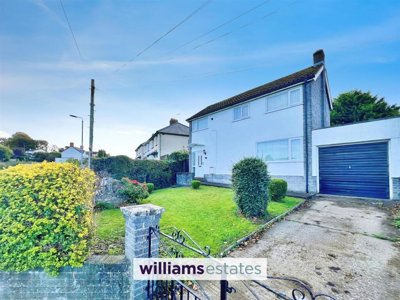
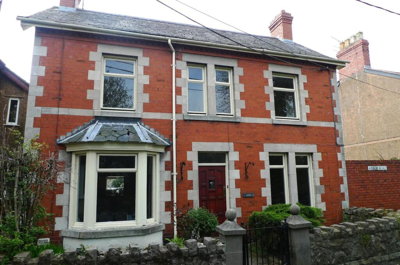
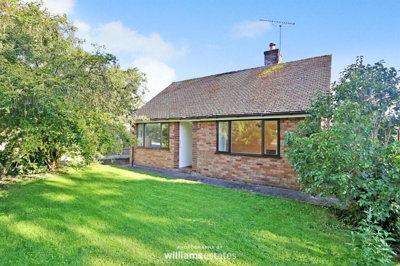
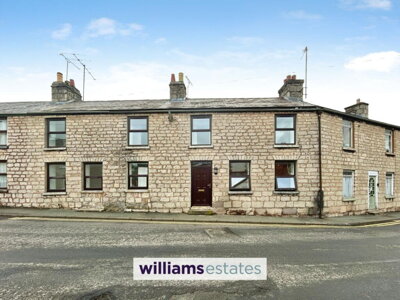
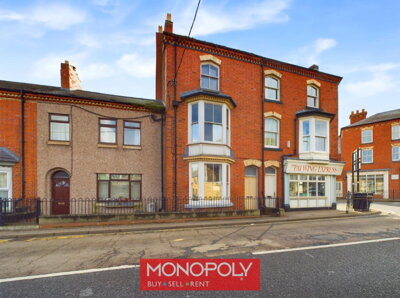
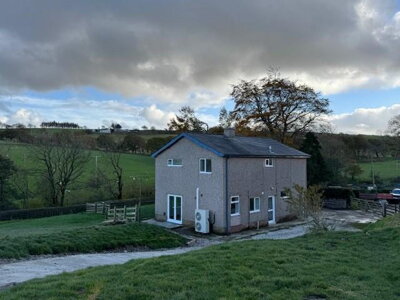
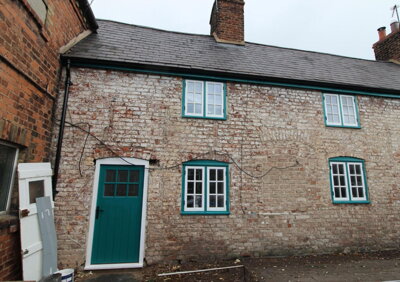
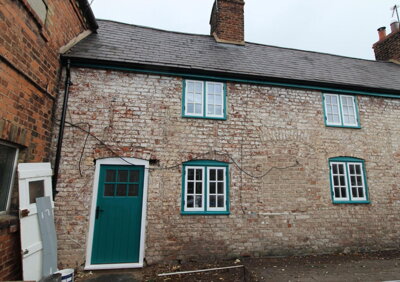
Browse 8 rental homes to rent in LL16 from local letting agents.
£1,200/m
1
0
15
Source: home.co.uk
Source: home.co.uk
Terraced
1 listings
Avg £1,200
Source: home.co.uk
Source: home.co.uk
The rental market in LL16 reflects the broader Denbighshire property landscape, with average house prices standing at approximately £246,743 according to recent market data. Property types across the area are predominantly detached and semi-detached homes, comprising around 60% of local housing stock, which means renters have access to generous living spaces with gardens and private parking. The terraced properties in Denbigh town centre represent excellent value for money, typically priced from £165,000 in equivalent purchase value, while larger detached family homes command premium rates reflecting their size and rural settings. Flats in the area, though less common, provide affordable entry-level options particularly suitable for young professionals or those seeking low-maintenance living.
Recent market trends show stable conditions across LL16, with overall prices experiencing a modest 1% adjustment over the past twelve months, indicating a balanced market that benefits both landlords and tenants. This stability makes the area particularly attractive for renters who may be considering longer-term arrangements or who want to establish themselves in the community before committing to a property purchase. The area has also seen new housing development activity, with schemes such as Maes-y-Dderwen and Parc Bwthyn bringing contemporary homes to the market. While these are currently offered for sale, they contribute to the overall character and evolution of the local housing market. For those interested in renting older properties, Denbigh's historic housing stock includes numerous buildings constructed from local limestone, many dating back to the pre-1919 period, offering character and charm that modern developments cannot replicate.
The housing stock breakdown in Denbighshire shows approximately 30.6% detached properties, 29.5% semi-detached homes, 20.8% terraced properties, and 10.8% flats or maisonettes, with the remaining percentage comprising other accommodation types. This diverse mix provides options across different price points and lifestyle preferences, from spacious family homes with private gardens to compact apartments suitable for single occupants or couples. The proportion of older properties in the area means that many rental homes will have been built using traditional construction methods, including solid stone or brick walls, timber floors, and slate roofing, which bring unique characteristics but may also require more maintenance than newer builds.

Life in LL16 revolves around the market town of Denbigh, a place where Welsh heritage and contemporary living blend seamlessly against a backdrop of rolling hills and the impressive silhouette of Denbigh Castle. The town serves as a local hub for surrounding villages and farms, offering a weekly market where local producers sell fresh Welsh produce alongside crafts and household goods. Residents appreciate the strong sense of community that permeates the town, with numerous local events, fairs, and festivals celebrating Denbigh's cultural heritage throughout the year. The population of approximately 8,983 creates a town that feels active and welcoming without the anonymity of larger urban centres.
The economic foundation of Denbigh rests primarily on agriculture, local services, healthcare, education, and public administration, with tourism playing an increasingly important role thanks to the town's historic attractions. The presence of Denbigh Castle, a Scheduled Ancient Monument and Grade I listed building, draws visitors throughout the year and contributes to the town's distinctive character. Local employers include healthcare facilities, schools, retail businesses, and public sector organisations, providing diverse employment opportunities for residents. The proximity to the A55 expressway has also opened up commuting possibilities to larger towns and cities across North Wales, including Rhyl, St Asaph, and the university city of Bangor, making Denbigh increasingly attractive to those who work further afield but prefer to live in a more relaxed rural setting.
The surrounding Denbighshire landscape offers exceptional natural beauty, with the Clwydian Range and Dee Valley Area of Outstanding Natural Beauty accessible within a short drive. Residents enjoy easy access to the Wales Coast Path, mountain biking trails, and numerous walking routes that showcase the region's varied geology and wildlife. The River Clwyd flows through the town, providing scenic walks along its banks although residents should be aware of potential flood risk in areas close to the river and its tributaries, particularly during periods of heavy rainfall. Surface water flooding can also affect urbanised areas during intense storms, so prospective renters should enquire about the flood history of any property they are considering, particularly those in low-lying locations near watercourses.

Families considering renting in LL16 will find a reasonable selection of educational establishments serving the Denbigh area, from primary schools through to further education provision. Denbigh itself hosts several primary schools catering to children from Reception through to Year 6, with additional primary schools in surrounding villages serving more rural communities. The town has historically maintained good educational standards, with schools in the area working to provide comprehensive academic and extracurricular opportunities for pupils of all abilities and interests. Parents are advised to research individual school performance data and catchment area arrangements, as these can significantly influence educational placement.
Secondary education in LL16 is served by schools in Denbigh and the surrounding area, with pupils typically attending establishments within a reasonable travelling distance from their homes. The town provides access to sixth form education for older students, with courses available across a range of academic and vocational subjects. For families requiring alternative educational settings, the wider Denbighshire area offers various options including faith schools and establishments with specialist provision. When searching for rental property in LL16, families should carefully consider school transport arrangements and journey times, particularly if children will be travelling to schools in neighbouring towns.
Higher education provision is readily accessible through daily commuting or weekend travel to universities in Bangor, Chester, and other North West England and North Wales locations. Denbigh's strategic position along the A55 corridor makes university attendance from home a realistic option for many students, particularly those studying subjects where their chosen university offers particularly strong provision. The town's library and community facilities also support lifelong learning and adult education opportunities for residents of all ages seeking to develop new skills or pursue personal interests. Students renting in LL16 may find shared housing arrangements in the town centre offer cost-effective options, particularly given the range of amenities and transport connections available within easy walking distance of most residential areas.

Transport connectivity from LL16 has improved significantly in recent years, with the area benefiting from its position relative to the A55 North Wales Expressway, which runs parallel to the North Wales coast and provides fast connections to major employment centres. Commuters can reach Chester in approximately 45 minutes by car, making day trips and regular travel to that historic city feasible for those working there. The expressway also provides access to the motorway network connecting North Wales with Manchester, Liverpool, and the wider UK motorway system, opening up employment opportunities across a much wider geographic area. However, reliance on private vehicles remains significant given the rural nature of many surrounding communities.
Public transport options within LL16 include bus services connecting Denbigh with surrounding towns and villages, though frequencies are typically more limited than those found in urban areas. The nearest railway stations are located in larger towns along the A55 corridor, with services to Chester, Manchester, Birmingham, and London available from stations such as Rhyl and Colwyn Bay. Residents planning to commute by rail should factor in journey times to reach these stations, which can add significant time to overall commute durations. Taxis and community transport services provide additional options for those without access to private vehicles, particularly for appointments and shopping trips to larger centres.
For cyclists and pedestrians, Denbigh town centre offers relatively compact and navigable streets, with some dedicated cycle routes connecting residential areas to key amenities. The surrounding countryside provides popular routes for recreational cycling, while the Wales Coast Path and numerous public footpaths offer extensive walking opportunities. Parking availability in Denbigh town centre is generally reasonable, with public car parks serving the main shopping and commercial areas, which is beneficial for residents who need to drive for work or regular activities. Those considering renting properties in the town centre should note that parking arrangements vary between properties, with some Victorian and Georgian terraced houses lacking dedicated off-street parking, while suburban and newer developments typically offer driveways or garages.

Renting property in LL16 requires careful consideration of several area-specific factors that may not be immediately apparent to those unfamiliar with Denbigh and its surrounding countryside. Properties in the town centre and conservation areas may be subject to specific planning restrictions and regulations due to Denbigh's historic status and the concentration of listed buildings. Before committing to a tenancy, prospective tenants should clarify with their landlord or letting agent whether the property is a listed building or falls within the designated Conservation Area, as this can affect permissions for alterations, modifications to the exterior, and even restrictions on certain types of decoration or improvement work.
The geological characteristics of Denbighshire present specific considerations for renters, with areas featuring clay-rich superficial deposits in valley locations potentially experiencing shrink-swell behaviour that affects foundations over time. The local geology includes Carboniferous Limestone, Silurian mudstones and sandstones, which influence ground conditions across different parts of the LL16 area. Properties in these areas, particularly older buildings with potentially shallow foundations, may show signs of movement or cracking that tenants should be aware of before taking on a tenancy. While significant structural issues are not widespread throughout LL16, the age of much of the local housing stock means that minor settlement cracks are relatively common in older properties and do not necessarily indicate serious problems. A thorough inspection before committing is always advisable, and renters should document any existing cracks or defects during the check-in process.
The predominant building materials in LL16 reflect the area's geology and history, with local limestone and a mix of brick being common construction materials, alongside rendered finishes particularly on older properties and slate roofing. Properties built before 1919 typically feature solid stone or brick walls, timber floors and roofs constructed using lime mortar, while mid-century properties from 1919-1980 generally use cavity wall construction with brick or rendered blockwork. Newer properties post-1980 employ modern cavity wall construction with insulation, and some newer developments may even feature timber frame construction methods. Understanding the construction era and materials of a rental property helps tenants anticipate common issues such as damp, outdated electrics, or timber defects that may affect older properties.
Flood risk awareness is essential when considering rental properties in LL16, especially those located near the River Clwyd or its tributaries. Properties in flood-prone areas may face insurance complications and potential disruption during periods of heavy rainfall, so understanding the flood history and drainage characteristics of a specific location is important. Tenants should discuss flood risk with landlords and review any flood resilience measures that may have been implemented. Additionally, given that much of Denbigh's housing stock dates from periods before modern building regulations, issues such as damp penetration, outdated electrical systems, and older plumbing are encountered more frequently than in newer developments, making a detailed property inspection particularly valuable before signing a tenancy agreement.

Start by understanding what LL16 has to offer, from Denbigh town centre amenities to village communities and transport connections. Obtain a rental budget agreement in principle before viewing properties, as this demonstrates your financial readiness to landlords and letting agents. Consider factors such as proximity to schools if you have children, access to public transport if you commute, and the type of property that suits your household's needs and lifestyle preferences.
Browse our comprehensive listings of rental properties across LL16 and arrange viewings with local letting agents or landlords. When viewing, assess the property's condition carefully, considering proximity to schools and transport, and ask about any works recently completed or planned. Take photographs during viewings and note any visible defects or areas of concern that you may want to investigate further or discuss with the landlord before committing.
Given Denbigh's historic housing stock, arrange for a property inspection or survey if significant repairs or maintenance are evident. Many LL16 properties are over 50 years old, and understanding the condition of key elements like roofs, damp-proofing, electrics, and plumbing is essential before committing. Pay particular attention to signs of damp, the condition of slate roofing on older properties, and the age of electrical and heating systems. While a formal RICS survey is typically arranged by buyers rather than tenants, renters can still benefit from a thorough visual inspection and should not hesitate to request information about recent maintenance or planned improvements.
Confirm all fees, deposit amount (typically five weeks rent for properties in this price range), and the terms of the tenancy agreement. Ensure you understand what is included in the rent and what maintenance responsibilities fall to the landlord versus the tenant. Under the Tenant Fees Act 2019, many fees have been restricted or banned, making the process more transparent for renters, but you should still clarify all potential costs before submitting an application to avoid unexpected expenses.
Your letting agent or landlord will typically require referencing, employment verification, and proof of identity. Allow time for these checks to be completed, particularly if using external referencing services. Having documentation ready, including proof of income, bank statements, and identification, will help expedite the process and strengthen your application for competitive rental properties in LL16.
Before taking occupation, complete a detailed inventory check documenting the property's condition, fixtures, and fittings. Photograph all rooms and any existing damage to protect yourself when the tenancy ends and your deposit is due for return. This documentation is particularly important in older properties where minor wear and tear may be more visible, and having a clear record of the property's condition at the start of your tenancy will help resolve any disputes over deposit deductions at the end of your stay.
Renting in LL16 involves several upfront costs that prospective tenants should budget for before beginning their property search. The deposit amount, typically capped at five weeks rent under current Tenant Fees Act regulations, is the largest initial outlay and is held in a government-approved deposit protection scheme throughout the tenancy. This deposit is returned at the end of the tenancy, subject to any deductions for damage beyond fair wear and tear or unpaid rent. Rent in LL16 varies according to property type and location, with one and two-bedroom apartments generally offering more affordable options while larger family homes command premium rents reflecting their size and garden access.
Additional fees when renting may include referencing fees charged by letting agents, administration costs, and charges for services such as inventory reports and check-out procedures. Since the introduction of the Tenant Fees Act 2019, many fees have been restricted or banned, making the process more transparent for renters. However, tenants should still clarify all potential costs before submitting an application to avoid unexpected expenses. Utility bills, council tax, and internet services are typically the responsibility of the tenant and should be factored into the overall monthly budget alongside rent payments.
First-time renters or those unfamiliar with the local area may benefit from obtaining a rental budget agreement in principle before viewing properties, which provides a clear indication of what rent levels they can sustainably afford. This financial preparedness also strengthens your application when competing for popular rental properties in LL16, where well-presented homes in good locations can attract multiple interested parties. Council tax in Denbighshire varies by property band, with most properties in the area falling across bands A through D, and tenants should verify the specific band and associated costs for any property they are considering renting. For a property in band A, the annual charge is among the lowest available, while band D properties carry higher charges that should be included in monthly budgeting calculations.

While specific rental price data for LL16 varies according to property type, size, and condition, the equivalent purchase values in the area provide useful context for understanding relative costs. Detached properties command the highest values at around £319,250, with semi-detached homes averaging approximately £200,000 and terraced properties around £165,000. Flats in the area typically have average values of around £100,000, making them the most affordable option for those on tighter budgets. Rental prices typically reflect a percentage return on these values, with larger family homes commanding premium monthly rents while one and two-bedroom apartments offer more affordable entry-level options. For accurate current rental pricing, browsing our live listings or contacting local letting agents directly will provide the most up-to-date information on available properties and their associated costs.
Council tax bands in Denbighshire, including the LL16 postcode area, vary according to property value and type, with most residential properties falling within bands A through D. Denbigh town centre and surrounding residential areas contain properties across the full range of bands, from smaller apartments in lower bands to larger detached family homes in higher bands. Prospective tenants should verify the specific council tax band for any property they are considering, as this directly affects the monthly cost of living in that property and is the tenant's responsibility to pay throughout the tenancy period. The council tax charge can represent a significant monthly cost, so including this in your budget calculations before committing to a tenancy is essential.
The LL16 area around Denbigh offers educational provision from primary through to further education level, with several primary schools serving the town and surrounding villages. Families should research individual school performance data, Ofsted ratings, and catchment area arrangements, as these factors significantly influence placement decisions and can affect which properties are most suitable for their needs. Secondary education is available in Denbigh itself and neighbouring towns, with sixth form provision enabling students to continue their studies locally without the need to travel further afield. The proximity to the A55 corridor also provides access to a wider range of educational establishments across North Wales, including specialist schools and colleges in larger towns.
Public transport connections in LL16 are focused primarily on bus services linking Denbigh with surrounding communities and neighbouring towns, though frequencies are more limited than in urban areas. The nearest railway stations are located along the A55 corridor in towns such as Rhyl and Colwyn Bay, providing connections to Chester, Manchester, Birmingham, and London. For commuters relying on public transport, journey planning should account for connection times and service frequencies, particularly outside peak hours and at weekends. Many residents find that access to a private vehicle is beneficial for daily life in this area, though those working locally or studying from home may find the limited public transport options are sufficient for their needs.
LL16, centred on the historic market town of Denbigh, offers an excellent quality of life for renters seeking a balanced lifestyle in a Welsh community with strong local character. The area combines the convenience of local shops, pubs, and weekly markets with access to beautiful North Wales countryside and outdoor recreation opportunities including the Clwydian Range and Wales Coast Path. Good transport connections via the A55 make commuting to larger employment centres feasible, while stable property prices and a balanced rental market create favourable conditions for tenants. The town's historic heritage, including its castle and conservation area, provides a distinctive and attractive environment that appeals to those seeking something different from typical urban living.
The standard deposit when renting in LL16 is capped at five weeks rent under the Tenant Fees Act 2019, and this amount must be protected in a government-approved scheme within 30 days of the tenancy commencement. Additional permitted fees are limited and should be clearly explained by your letting agent before you commit to a property. Reference checks, right to rent verification, and check-out inventory fees are among the costs you may encounter, though many charges that were previously common have now been banned. Budgeting for the first month's rent plus deposit, along with these administrative costs, represents the typical upfront commitment when starting a tenancy in the area.
Parts of LL16, particularly areas close to the River Clwyd and its tributaries, carry a risk of river flooding during periods of heavy rainfall or prolonged wet weather. Surface water flooding can also affect urbanised areas during intense storms, so prospective tenants should not focus solely on river proximity when assessing flood risk. Before committing to a rental property, prospective tenants should inquire about the property's flood history and any flood resilience measures that have been implemented. Properties in designated flood risk areas may face higher insurance premiums and potential disruption, so understanding these factors is an important part of the decision-making process when choosing a rental property in this area.
The rental market in LL16 offers a diverse range of property types to suit different household sizes and preferences. Detached and semi-detached family homes make up the majority of the local housing stock, offering generous living spaces with gardens and private parking that appeal to families and those seeking more space. Terraced properties in Denbigh town centre provide character homes often featuring traditional construction with local stone and slate roofing, typically offering good value compared to detached properties. Flats and apartments are less common in the area but provide affordable entry-level options, particularly suitable for young professionals, students, or those seeking low-maintenance living without the responsibilities of garden maintenance or exterior upkeep.
While formal RICS surveys are typically arranged by property buyers rather than tenants, renters in LL16 can still benefit from a thorough inspection before committing to a tenancy, particularly given the age of much of the local housing stock. Many properties in the area are over 50 years old and may have issues such as damp, outdated electrical systems, or roof defects that would be identified in a building survey. Tenants cannot typically require landlords to carry out surveys, but you can request information about the property's condition, recent maintenance history, and any known issues before signing a tenancy agreement. Documenting the property's condition thoroughly during check-in remains important regardless, and any concerns should be raised with the landlord or letting agent before occupation.
Denbigh has a significant concentration of listed buildings due to its historic status as a medieval market town, and prospective renters should be aware of the implications of renting such properties. Listed buildings are protected under special regulations that control alterations, modifications, and sometimes even redecoration, and tenants should clarify with the landlord what permissions exist for making changes during the tenancy. Older properties, whether listed or not, may have construction characteristics such as solid stone walls, traditional lime mortar, and original timber features that require different maintenance approaches than modern buildings. If you are considering renting a listed building, discuss with the landlord what restrictions apply and ensure you understand your responsibilities regarding the property's upkeep and any limitations on how you may use or modify the property during your tenancy.
From 4.5%
Get expert guidance on what you can afford to rent, helping you set realistic expectations for your LL16 property search
From £30
Complete referencing checks required by landlords and letting agents before your tenancy begins
From £400
Comprehensive survey ideal for older properties and those with visible defects, helping you understand condition before committing to rent
From £85
Energy performance certificate required for rented properties, showing energy efficiency ratings and potential improvement suggestions
Properties to Rent In London

Properties to Rent In Plymouth

Properties to Rent In Liverpool

Properties to Rent In Glasgow

Properties to Rent In Sheffield

Properties to Rent In Edinburgh

Properties to Rent In Coventry

Properties to Rent In Bradford

Properties to Rent In Manchester

Properties to Rent In Birmingham

Properties to Rent In Bristol

Properties to Rent In Oxford

Properties to Rent In Leicester

Properties to Rent In Newcastle

Properties to Rent In Leeds

Properties to Rent In Southampton

Properties to Rent In Cardiff

Properties to Rent In Nottingham

Properties to Rent In Norwich

Properties to Rent In Brighton

Properties to Rent In Derby

Properties to Rent In Portsmouth

Properties to Rent In Northampton

Properties to Rent In Milton Keynes

Properties to Rent In Bournemouth

Properties to Rent In Bolton

Properties to Rent In Swansea

Properties to Rent In Swindon

Properties to Rent In Peterborough

Properties to Rent In Wolverhampton

Enter your details to see if this property is within your budget.
Loans, cards, car finance
Estimated property budget
Borrowing + deposit
You could borrow between
Typical borrowing
Monthly repayment
Est. at 4.5%
Loan-to-value
This is an estimate only. Your actual budget may vary depending on interest rates, credit history, and personal circumstances. For an accurate affordability assessment, speak to one of our free mortgage advisors.
This calculator provides estimates for illustrative purposes only and does not constitute financial advice. Your home may be repossessed if you do not keep up repayments on your mortgage. Estimates based on 4.5% interest rate, repayment mortgage. Actual rates depend on your circumstances.
Homemove is a trading name of HM Haus Group Ltd (Company No. 13873779, registered in England & Wales). Homemove Mortgages Ltd (Company No. 15947693) is an Appointed Representative of TMG Direct Limited, trading as TMG Mortgage Network, which is authorised and regulated by the Financial Conduct Authority (FRN 786245). Homemove Mortgages Ltd is entered on the FCA Register as an Appointed Representative (FRN 1022429). You can check registrations at NewRegister or by calling 0800 111 6768.

We use cookies to show you personalised content and improve your experience of our website. Find out more in our Privacy policy and Cookie policy.