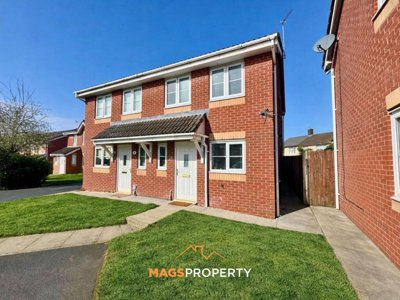
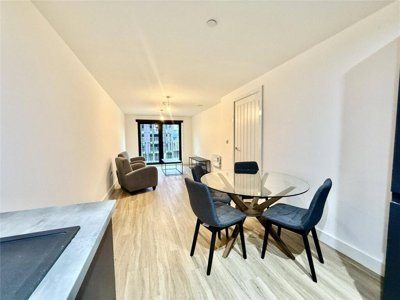
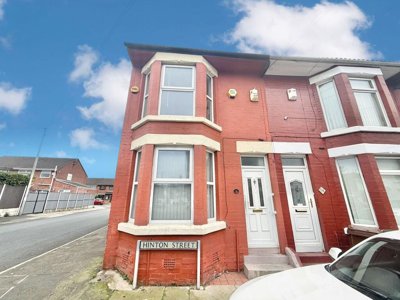
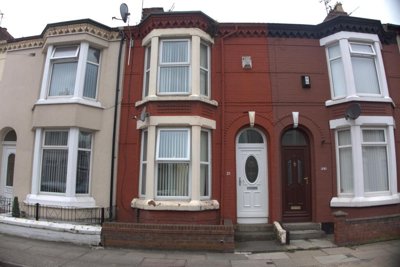
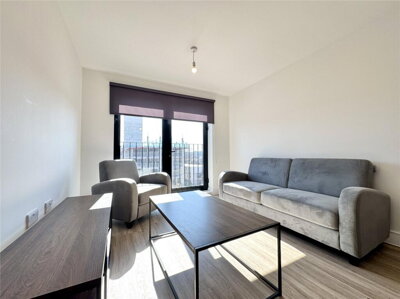
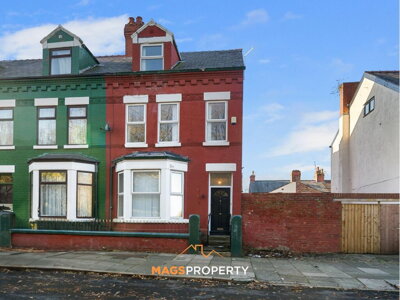
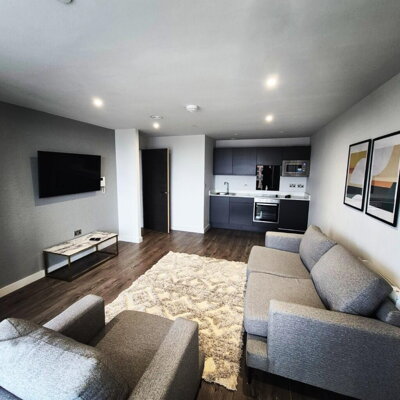
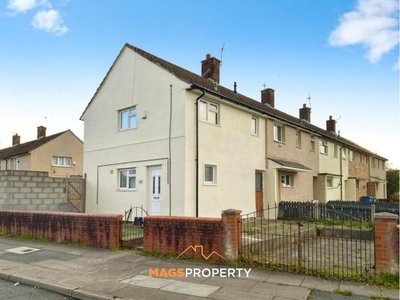
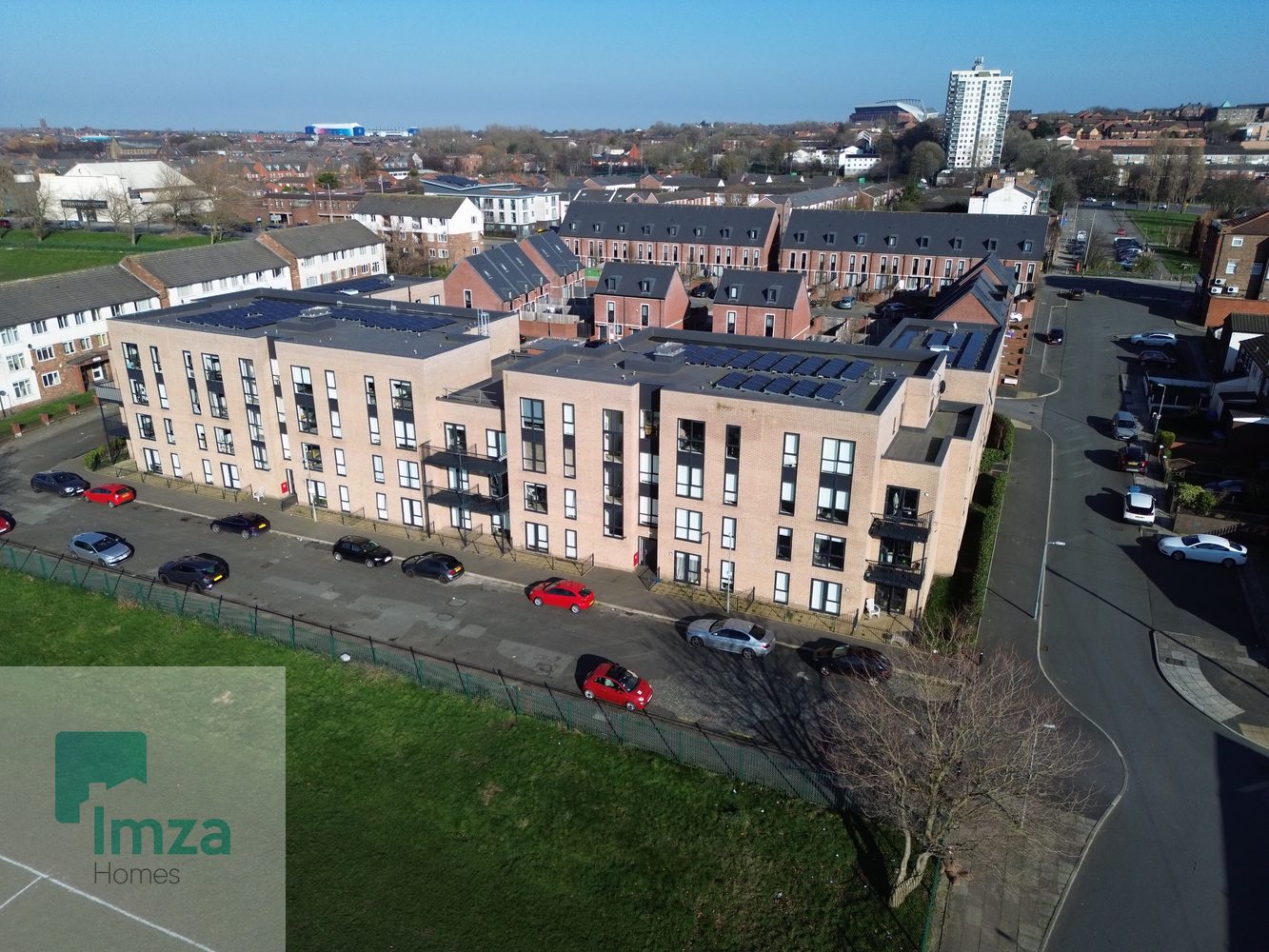
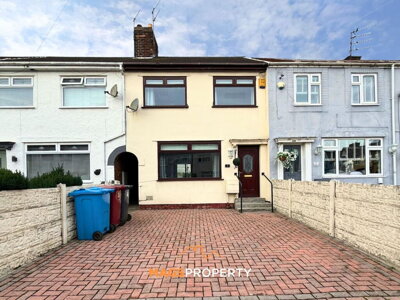
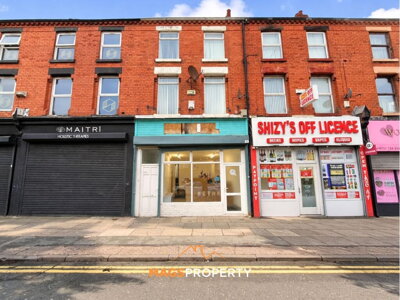
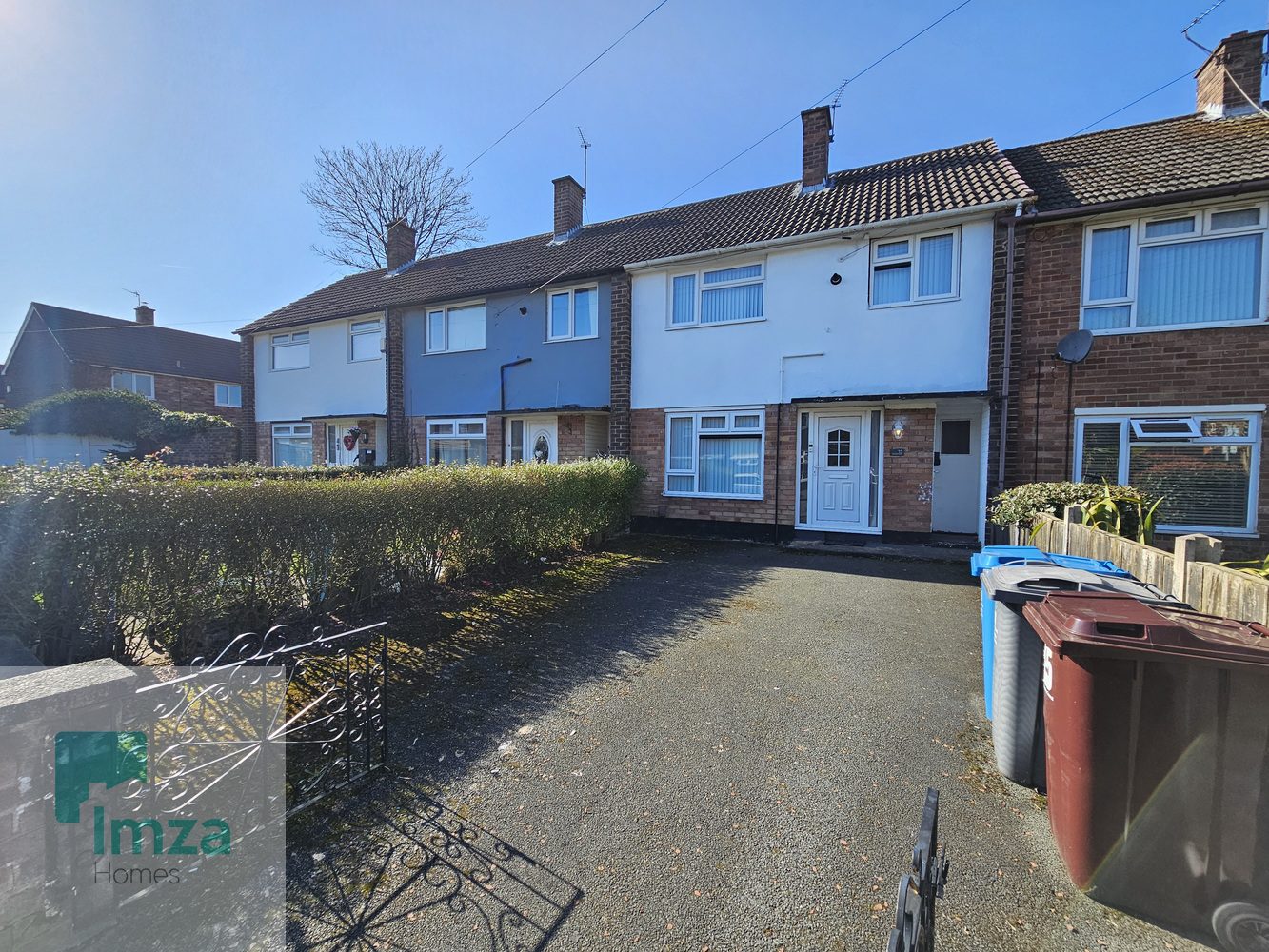
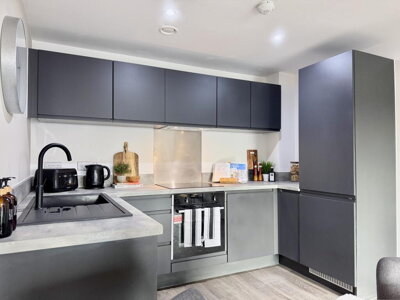
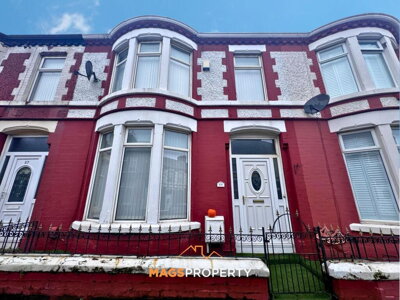
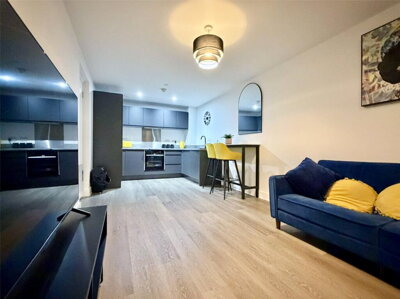
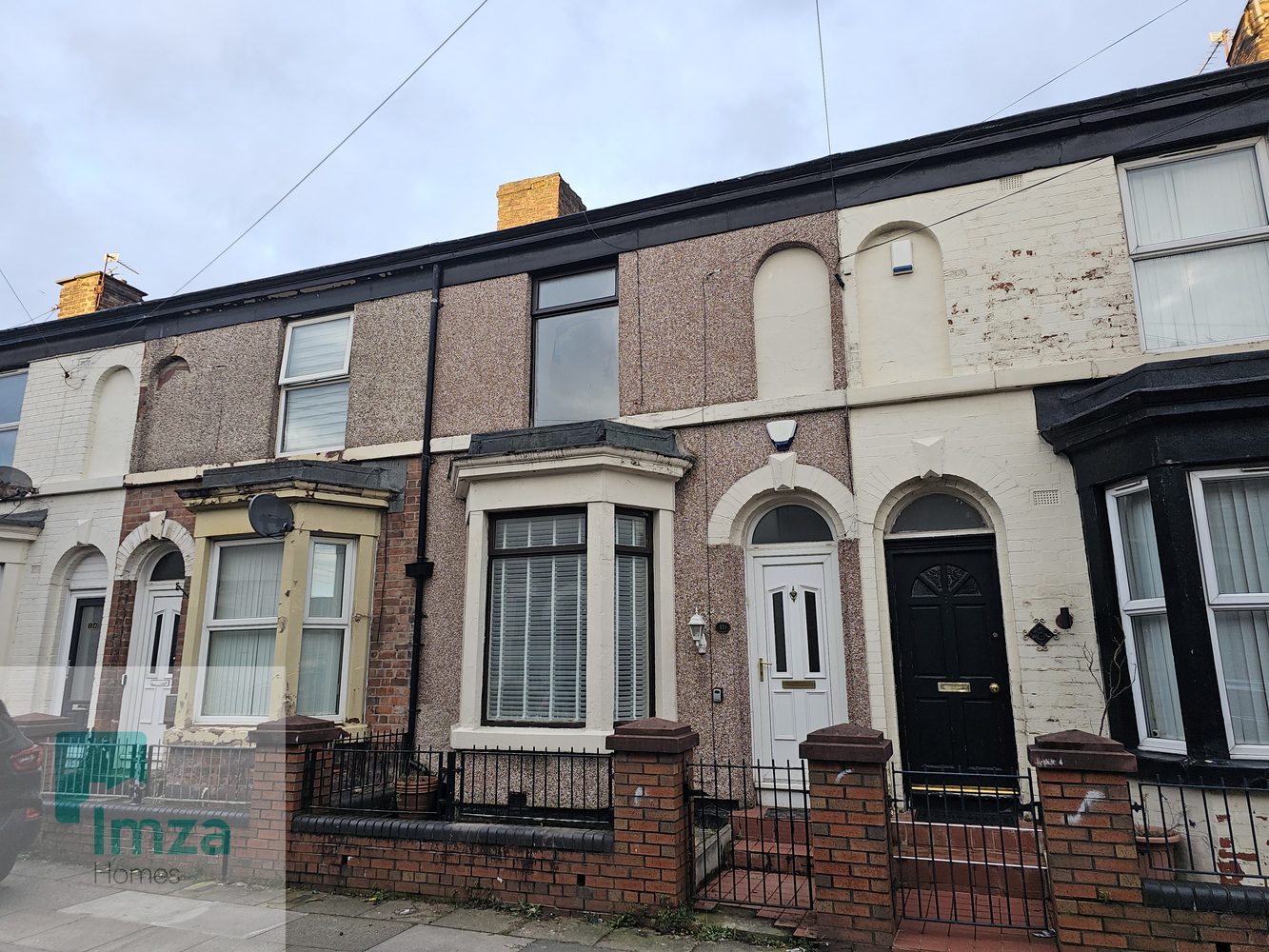
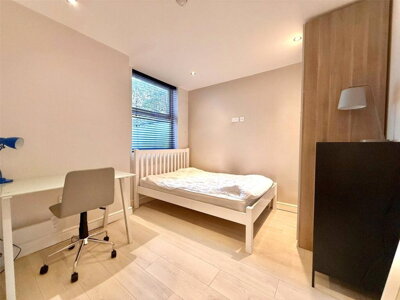
Browse 2,380 rental homes to rent in Liverpool, Merseyside from local letting agents.
£850/m
281
3
81
Source: home.co.uk
Source: home.co.uk
Apartment
87 listings
Avg £964
Terraced
67 listings
Avg £807
Flat
43 listings
Avg £840
House
25 listings
Avg £886
House Share
18 listings
Avg £1,019
Studio
16 listings
Avg £659
Semi-Detached
13 listings
Avg £1,066
End of Terrace
2 listings
Avg £850
Ground Flat
2 listings
Avg £948
Not Specified
2 listings
Avg £938
Source: home.co.uk
Source: home.co.uk
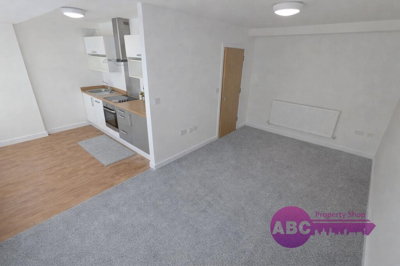
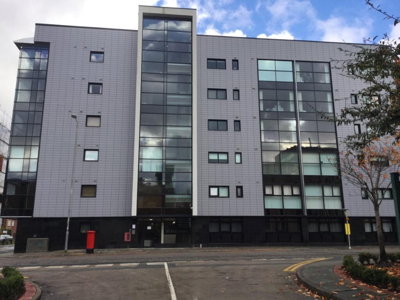
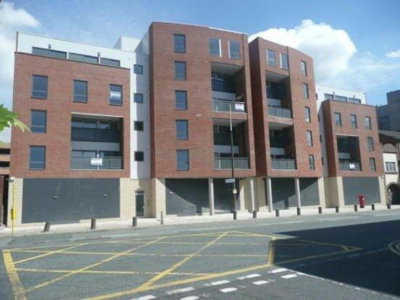
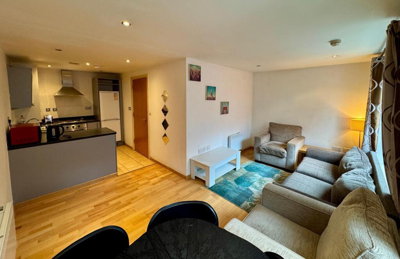
The Liverpool rental market has demonstrated remarkable resilience and steady growth over recent years, driven by the city's expanding economy, its renowned universities, and an increasing number of professionals choosing to call this waterfront city home. Current data shows that one-bedroom apartments in the city centre typically command rents ranging from £595 to £850 per calendar month, while two-bedroom flats in prime locations such as the Baltic Triangle and King's Dock can reach £900 to £1,200 per month. These prices represent excellent value when compared to equivalent properties in Manchester, Leeds, or Birmingham, making Liverpool particularly attractive to young professionals and graduates entering the workforce.
Beyond the city centre, Liverpool's residential suburbs offer even greater affordability without sacrificing accessibility. Victorian terraces in areas like Wavertree, Edge Hill, and Anfield start from around £550 to £750 per month for a two-bedroom property, while larger family homes with three or four bedrooms can be found from £850 to £1,200 per month depending on the neighbourhood and condition. The city has seen significant investment in new build developments in recent years, with modern apartment complexes along the waterfront and in regenerated districts providing contemporary living options for those seeking newer properties.
The rental market in Liverpool varies considerably by neighbourhood, with distinct micro-markets offering different value propositions for tenants. The Knowledge Quarter district around Mount Pleasant attracts researchers and university staff with its proximity to the University of Liverpool campus, while the Baltic Triangle draws creative professionals to its converted warehouse spaces. Families often gravitate toward the Crosby and Formby areas to the north of the city, where semi-detached homes with gardens provide more space at competitive rents, though commuting costs to the city centre must be factored into the overall budget.

Liverpool is a city of distinct and characterful neighbourhoods, each offering its own unique atmosphere and lifestyle. The city centre is a vibrant hub of activity, home to an eclectic mix of restaurants, bars, galleries, and shops that line the streets around Bold Street and the Cavern Quarter. The historic Georgian Quarter retains much of its architectural grandeur with elegant townhouses and tree-lined avenues, while the regenerated Baltic Triangle has emerged as a creative enclave filled with independent cafes, street food markets, and contemporary art studios housed in converted warehouses. This diversity means that no matter where you choose to rent in Liverpool, you will find a neighbourhood that resonates with your personal style and preferences.
For families and those seeking a quieter pace of life, Liverpool's suburban areas provide an ideal balance of residential calm and convenient city access. South Liverpool neighbourhoods like Aigburth and Mossley Hill are particularly popular, offering spacious period properties, excellent local schools, and direct rail connections to the city centre. The Georgian suburb of Woolton, made famous by John Lennon's childhood home, retains a village-like charm with its independent shops and cafes clustered around the village green. Sefton Park, one of England's most impressive public parks, anchors the Aigburth and Otterspool area with its 235 acres of landscaped grounds, lakes, and palm houses, providing residents with an invaluable green oasis for recreation and relaxation.
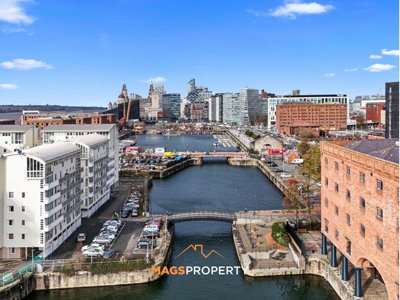
The city offers particularly strong rental options for different demographics, with distinct areas catering to specific lifestyles. Students and young professionals gravitate toward the city centre and the university district around Upper Parliament Street and Myrtle Street, where multiple university campuses cluster. The waterfront regeneration has created a new residential district around King's Dock and Princes Dock, with modern apartment complexes appealing to those who want contemporary living with city centre amenities. Meanwhile, the Victorian terraces of Everton, Anfield, and Kirkdale in the north of the city offer authentic Liverpool living at accessible price points, with strong community bonds and good local shops along Stanley Road and Bootle high streets.

Liverpool's education landscape is one of the city's most significant strengths, making it an ideal location for families considering a rental property. The city is home to several outstanding primary schools, including Liverpool Primary School which serves the city centre and waterfront areas, as well as numerous highly-rated faith and community schools across the suburbs. Among the standout primary institutions are St Nicholas Catholic Primary in the Catholic tradition and Outwood Primary School in the Knotty Ash area, both of which consistently achieve above-average results in national assessments. Parents renting in Liverpool should research individual school catchments carefully, as admission policies can be competitive in the most desirable neighbourhoods.
At secondary level, Liverpool offers a strong selection of grammar schools, specialist academies, and comprehensive schools. The Liverpool Grammar School and the all-boys St Francis Xaverian College are among the most prestigious educational institutions in the area, though grammar school admission requires passing the eleven-plus examination. Other notable secondary schools include the Belvedere Academy for girls, the City of Liverpool College which provides excellent further education opportunities, and the University of Liverpool's sixth form which offers A-level courses alongside university preparation programmes. The University of Liverpool itself ranks among the UK's top 30 universities, and the presence of this world-class institution brings significant cultural and economic benefits to the city while creating a demand for student housing across multiple neighbourhoods.
Families renting in Liverpool should consider the north of the city for its particularly strong concentration of good schools. The Crosby area offers access to some of Merseyside's most sought-after primary schools, including Crosby Primary School and St Mary's Catholic Primary, while nearby Formby provides additional options with excellent Ofsted ratings. The Liverpool College cluster around the Aigburth and Otterspool area benefits from proximity to Sefton Park and the excellent schools that serve those postcodes. For those prioritising education in their rental search, targeting specific school catchment areas will significantly influence which neighbourhood proves most suitable for your family's needs.

Liverpool enjoys excellent transport connections that make commuting and exploring the region highly convenient for residents. The Merseyrail network provides frequent and reliable train services across the city region, with direct lines connecting Liverpool Central and Liverpool Lime Street stations to destinations including Southport, Ormskirk, and the Wirral Peninsula. Journey times from Liverpool Lime Street to Manchester Piccadilly take approximately one hour and ten minutes, while the high-speed service to London Euston reaches the capital in just over two hours. The upcoming Northern Powerhouse Rail project promises to reduce journey times to Manchester to just 30 minutes, further enhancing Liverpool's connectivity with the north of England's economic heartlands.
For those who prefer driving, Liverpool is well-served by the motorway network with direct access to the M62 which connects the city to Leeds, Hull, and the port facilities at Liverpool John Lennon Airport. The M57 and M58 provide orbital routes around the city, facilitating travel to surrounding towns in Merseyside and Lancashire. Within the city centre, Liverpool's well-established bus network operated by Stagecoach and Arriva offers extensive coverage, while the popular Mersey Ferry provides a scenic and distinctive way to cross the River Mersey to Seacombe and Woodside terminals. Cyclists benefit from dedicated bike lanes along major routes and the flat terrain that characterises most of the city, making cycling a practical and enjoyable option for daily commuting.
Public transport season tickets in Liverpool offer significant savings for regular commuters, with Merseytravel annual passes providing unlimited travel across the Merseyrail network and most bus services. Workers commuting to Manchester or London will find that Liverpool's transport links make day commuting feasible, though the rental savings compared to living in those cities can be substantial enough to justify the longer journey times. For tenants working in the city centre, living in suburbs with direct rail connections like Aigburth, Mossley Hill, or West Allerton can eliminate the need for car ownership entirely, reducing overall living costs considerably.

Before beginning your property search in Liverpool, obtain a rental budget agreement in principle to understand how much you can realistically afford to spend on monthly rent. This document, available through Homemove's partner services, demonstrates to landlords and letting agents that you are a serious and financially-viable applicant, which can be particularly valuable in competitive rental areas like the city centre and popular university neighbourhoods.
Spend time getting to know the different areas of Liverpool to find the neighbourhood that best matches your lifestyle requirements. Consider factors such as proximity to your workplace, the quality of local schools if you have children, available transport links, and the general character of each area. The city centre suits those who prioritise vibrant nightlife and cultural amenities, while suburbs like Aigburth, Mossley Hill, and Crosby offer more residential character with excellent family facilities.
Once you have identified suitable properties, schedule viewings through the listing agents or directly via Homemove. Attend viewings with questions prepared about the property's condition, the terms of the tenancy, what is included in the rent, and the process for reporting maintenance issues. Take photographs during viewings to help you compare properties later and identify any potential concerns about the property's condition or location.
When you find a property that meets your requirements, move quickly to secure it. You will typically need to pay a holding deposit equivalent to one week's rent while referencing checks are completed. Your landlord or letting agent will require proof of identity, evidence of income or employment, and may request references from previous landlords. Tenant referencing services through Homemove can help streamline this process and ensure all necessary checks are completed efficiently.
Once referencing is successfully completed, you will receive the tenancy agreement for review. Ensure you understand all terms including the length of the tenancy, the monthly rent amount and due date, the deposit amount and how it will be protected, and any restrictions on pets, smoking, or alterations. The deposit will be capped at five weeks' rent for properties with annual rent below £50,000, and must be protected in a government-approved scheme within 30 days of receipt.
Before taking possession of the property, complete a detailed inventory check documenting the condition of all rooms, fixtures, and fittings. This protects both you and your landlord by providing an agreed record of the property's condition at the start of your tenancy. Consider booking an independent inventory service through Homemove to ensure the check is conducted professionally and comprehensively, which will serve as crucial evidence when it is time to recover your deposit at the end of your tenancy.
Renting a property in Liverpool requires careful attention to several local-specific considerations that can significantly impact your experience as a tenant. Flood risk is an important factor to research, particularly for properties located near the River Mersey, Leeds and Liverpool Canal, or in low-lying areas of the city. While major flooding events are relatively rare, checking the Environment Agency's flood risk maps and asking landlords about any previous flooding or flood mitigation measures is advisable. Properties in the King's Dock and Canal Corridor areas warrant particular scrutiny in this regard, though modern developments typically incorporate robust flood prevention measures into their design.
Many areas of Liverpool are designated as conservation zones, which can restrict certain alterations to properties and affect planning permission for extensions or modifications. If you are renting a Victorian or Edwardian property in a conservation area such as the Georgian Quarter or the William Brown Street conservation zone, be aware that changes to the exterior appearance, installation of double glazing, or modifications to period features may require consent from the local planning authority. These restrictions are designed to preserve Liverpool's outstanding architectural heritage and are generally beneficial for maintaining property values, but they are worth understanding before committing to a tenancy.
For those renting apartments in Liverpool's numerous converted buildings, pay close attention to the terms of the lease and any provisions regarding ground rent, service charges, and building maintenance responsibilities. Ground rent clauses in older leases can sometimes include escalator clauses that increase charges significantly over time. Service charges for communal areas, lift maintenance, and building insurance can add substantial amounts to your monthly outgoings on top of the basic rent. Always request a breakdown of all costs associated with the property before signing a tenancy agreement, and consider whether the total monthly commitment represents good value for the accommodation and amenities provided.
Energy efficiency is another important consideration for Liverpool renters, particularly in older properties with solid walls or single glazing. Properties with poor energy ratings will result in higher utility bills during Liverpool's often chilly winters, and some landlords may be reluctant to install insulation or double glazing in period properties. Request the EPC certificate before committing to a tenancy and factor the estimated running costs into your budget. Liverpool's older Victorian and Edwardian housing stock, while characterful, often requires more heating than modern equivalents, making energy efficiency ratings a practical concern as well as an environmental one.

Average rental prices in Liverpool vary considerably depending on property type and location. City centre one-bedroom apartments typically range from £595 to £850 per calendar month, while two-bedroom flats in prime waterfront locations command £900 to £1,200 per month. In suburban areas such as Wavertree, Aigburth, and Childwall, two-bedroom Victorian terraces can be found from £550 to £800 per month, and family homes with three or four bedrooms range from £850 to £1,300 per month. The Liverpool rental market offers excellent affordability compared to other major UK cities, making it particularly attractive to first-time renters and young professionals who would struggle to find equivalent accommodation in London or Manchester.
Properties in Liverpool are assessed by Liverpool City Council for council tax purposes, with bands ranging from A to H based on property value. Most one and two-bedroom apartments in the city centre fall into Band A or B, while larger Victorian terraces and family homes typically fall into Bands C to E. Current Liverpool City Council rates for Band A properties start from approximately £1,400 per year, with higher bands proportionally more. Students are exempt from council tax, while certain other exemptions and discounts may apply depending on your circumstances, including single-person discounts and reductions for disability adaptations.
Liverpool offers several highly-regarded educational institutions across all levels. At primary level, Outwood Primary School, St Nicholas Catholic Primary, and Matthew Arnold Primary School consistently receive positive Ofsted ratings. For secondary education, the Liverpool Grammar School, St Francis Xavierian College, and Belvedere Academy are among the most sought-after schools. The city's Catholic schools network is particularly strong, with St Mary's College and the Sacred Heart Catholic College both achieving excellent results. Families should verify current Ofsted ratings and admission catchment areas, as these can change and vary between properties, and should note that school quality can vary considerably between different parts of the city.
Liverpool benefits from an integrated public transport network that makes car-free living highly practical. The Merseyrail network provides frequent train services from Liverpool Central and Lime Street stations to destinations across Merseyside and beyond, with direct connections to Southport, the Wirral, and the wider north-west region. Liverpool John Lennon Airport offers flights to destinations across the UK and Europe, accessible via the Merseyrail Airlink bus service. Within the city, an extensive bus network operated by Stagecoach and Arriva covers all major neighbourhoods, while the Mersey Ferry provides a scenic river crossing to the Wirral. The city is compact and largely flat, making cycling a viable option for many commuters who prefer to avoid peak-hour congestion.
Liverpool consistently ranks as one of the UK's most liveable cities and offers an excellent environment for renters. The city combines affordable housing, a thriving cultural scene, strong employment prospects driven by the port, creative industries, and the university sector, and an outstanding array of amenities including world-class museums, theatres, and restaurants. The city has invested heavily in regeneration in recent years, transforming former industrial areas into desirable residential neighbourhoods while preserving its remarkable architectural heritage. Rental demand is steady but not as overheated as in London or Manchester, meaning tenants typically have more negotiating power and a wider selection of properties to choose from at any given time.
When renting a property in Liverpool, you will typically need to pay a holding deposit equivalent to one week's rent to secure the property while referencing checks are completed. The main security deposit is capped at five weeks' rent for properties with annual rent below £50,000, and must be protected in a government-approved deposit protection scheme within 30 days. Additional fees to budget for include tenant referencing costs, which typically range from £100 to £200 per applicant, and an inventory check fee of approximately £100 to £200. Under the Tenant Fees Act 2019, landlords and agents are prohibited from charging fees beyond these permitted categories, so be wary of any agent requesting payment for additional services that fall outside the statutory exemptions.
Understanding the full financial picture of renting in Liverpool is essential before you begin your property search. The initial costs of moving into a rental property can be substantial, so being prepared helps avoid any surprises. The holding deposit, typically equivalent to one week's rent, is payable when you decide to proceed with a property and is held while referencing checks are completed. This amount is usually deducted from your final security deposit or returned to you if the referencing is successful and you proceed with the tenancy. If you withdraw from the application unnecessarily, the landlord may retain the holding deposit, so ensure you are committed before paying this amount.
The main security deposit, capped at five weeks' rent under the Tenant Fees Act 2019 for properties with annual rent below £50,000, must be paid prior to the start of your tenancy. This deposit is legally required to be protected in one of three government-approved schemes: the Deposit Protection Service, MyDeposits, or the Tenancy Deposit Scheme, within 30 days of receiving it. Your landlord must provide you with prescribed information about where your deposit is held, and you are entitled to receive this information within the same 30-day timeframe. At the end of your tenancy, the deposit should be returned within ten days of you and your landlord agreeing on the amount to be deducted, if any.
Tenant referencing fees in Liverpool typically range from £100 to £200 per applicant and cover identity verification, credit checks, right to rent verification, and employment or income confirmation. Some landlords use comprehensive referencing services that include guarantor checks, which can be useful for students or those with limited rental history. An independent inventory check, costing between £100 and £200, provides a detailed record of the property's condition at the start and end of your tenancy, which is crucial for resolving any disputes about deposit deductions fairly. While these upfront costs may seem significant, they represent a worthwhile investment in protecting your interests as a tenant throughout your tenancy in Liverpool's vibrant and diverse rental market.
Beyond the standard fees, renters in Liverpool should budget for additional moving costs including letting agent fees if applicable, removal company charges, and the first month's rent in advance. Some landlords may request additional months' rent in advance, particularly for tenants with limited credit history or those receiving housing benefit. Our team can provide guidance on negotiating tenancy terms and understanding exactly what costs you will be expected to pay before signing any agreement, helping you plan your move with full financial clarity.

From 4.5% APR
Get pre-approved for your rental budget before you search. Essential for competitive Liverpool rental areas.
From £99
Complete referencing checks required by Liverpool landlords and letting agents.
From £85
Professional inventory service to protect your deposit at end of tenancy.
From £85
Energy performance certificates for Liverpool rental properties.
Properties to Rent In London

Properties to Rent In Plymouth

Properties to Rent In Liverpool

Properties to Rent In Glasgow

Properties to Rent In Sheffield

Properties to Rent In Edinburgh

Properties to Rent In Coventry

Properties to Rent In Bradford

Properties to Rent In Manchester

Properties to Rent In Birmingham

Properties to Rent In Bristol

Properties to Rent In Oxford

Properties to Rent In Leicester

Properties to Rent In Newcastle

Properties to Rent In Leeds

Properties to Rent In Southampton

Properties to Rent In Cardiff

Properties to Rent In Nottingham

Properties to Rent In Norwich

Properties to Rent In Brighton

Properties to Rent In Derby

Properties to Rent In Portsmouth

Properties to Rent In Northampton

Properties to Rent In Milton Keynes

Properties to Rent In Bournemouth

Properties to Rent In Bolton

Properties to Rent In Swansea

Properties to Rent In Swindon

Properties to Rent In Peterborough

Properties to Rent In Wolverhampton

Enter your details to see if this property is within your budget.
Loans, cards, car finance
Estimated property budget
Borrowing + deposit
You could borrow between
Typical borrowing
Monthly repayment
Est. at 4.5%
Loan-to-value
This is an estimate only. Your actual budget may vary depending on interest rates, credit history, and personal circumstances. For an accurate affordability assessment, speak to one of our free mortgage advisors.
This calculator provides estimates for illustrative purposes only and does not constitute financial advice. Your home may be repossessed if you do not keep up repayments on your mortgage. Estimates based on 4.5% interest rate, repayment mortgage. Actual rates depend on your circumstances.
Homemove is a trading name of HM Haus Group Ltd (Company No. 13873779, registered in England & Wales). Homemove Mortgages Ltd (Company No. 15947693) is an Appointed Representative of TMG Direct Limited, trading as TMG Mortgage Network, which is authorised and regulated by the Financial Conduct Authority (FRN 786245). Homemove Mortgages Ltd is entered on the FCA Register as an Appointed Representative (FRN 1022429). You can check registrations at NewRegister or by calling 0800 111 6768.

We use cookies to show you personalised content and improve your experience of our website. Find out more in our Privacy policy and Cookie policy.