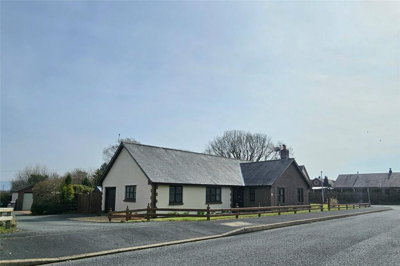
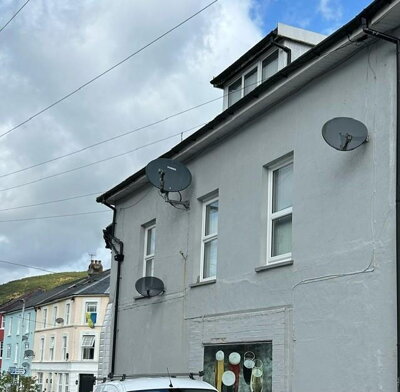
Browse 2 rental homes to rent in LD5 from local letting agents.
£0/m
0
0
0
Source: home.co.uk
The rental market in the LD postcode area and the wider Powys region offers excellent value compared to many parts of England and Wales. Rental properties in this postcode district typically include traditional stone cottages, period farmhouses, semi-detached family homes, and terraced properties in small towns and villages. Many properties date from the Victorian or Edwardian periods, featuring characteristic Welsh construction methods including stone walls, slate roofs, and open fireplaces that require consideration when renting.
Rental prices in mid-Wales are generally more affordable than in major cities or southern England, making it an attractive option for first-time renters and those looking to reduce their monthly outgoings. Properties with multiple bedrooms, gardens, and outbuildings are common in this area, offering renters substantial living space for their money. A typical three-bedroom family home in a mid-Wales market town might rent for between £600 and £900 per month, while smaller cottages and flats may be available from around £450 per month depending on location and condition.
The seasonal nature of the market means that availability can fluctuate, with more properties typically coming onto the market in spring and summer months. This is particularly true for rural properties with land or outbuildings, which tend to attract interest from those looking to relocate from urban areas. The market tends to attract tenants who work remotely, those seeking retirement properties, families looking for more space, and individuals who appreciate rural living and outdoor recreation.
Local property types vary significantly across the region. In towns like Llandrindod Wells, Llandrindod Wells, you will find Victorian and Edwardian terraces alongside larger detached villas from the spa town era. Villages in the Cambrian Mountains area typically feature stone cottages and converted farm buildings, while the Abergavenny border areas offer properties with more varied construction including some post-war housing. Understanding the local housing stock helps prospective tenants identify properties that match their needs and budget.

The LD postcode area and surrounding Powys region offers an exceptional quality of life for renters who value natural beauty, open spaces, and strong community connections. This part of mid-Wales is characterised by rolling hills, river valleys, historic market towns, and scattered villages with traditional pubs, local shops, and community facilities. Residents enjoy easy access to the Cambrian Mountains, the River Wye, and numerous walking trails and outdoor recreation areas that draw visitors from across the UK.
Demographically, the LD postcode area tends to have an older population average compared to urban areas, reflecting its appeal to retirees and those seeking a quieter lifestyle. However, increasing numbers of young families and remote workers are discovering the area, attracted by lower property prices, reduced cost of living, and improved broadband connectivity. The Welsh language and culture remain strong in many communities, with local eisteddfodau, chapels, and cultural events providing community connections that newer residents are welcomed into.
Local communities are known for their friendliness and welcoming nature, with regular events including farmers markets in towns like Llandrindod Wells, Builth Wells, and Knighton throughout the year. The area hosts various festivals and events including the Royal Welsh Show near Builth Wells, the Elan Valley attracts visitors with its dramatic dams and walking routes, and local villages maintain traditional summer fetes and concerts. For renters considering a move to the area, visiting at different times of year helps understand the seasonal rhythm of rural Welsh life.
Employment opportunities in the LD postcode area are more limited than in urban centres, with key sectors including agriculture, tourism, small businesses, and public services. Remote working has become increasingly viable thanks to improved broadband infrastructure across Powys, with many residents now working for employers based elsewhere while enjoying the benefits of rural living. Healthcare facilities are centred in market towns with larger hospitals in Brecon and Bronglais Hospital in Aberystwyth accessible for specialist care.

Families renting in the LD postcode area have access to a network of primary schools serving local villages and towns, with secondary education typically provided at schools in nearby market towns. Primary schools in the surrounding area are generally small, community-focused institutions with good pupil-to-teacher ratios that allow for individual attention and a supportive learning environment. Many primary schools are Welsh-medium, offering education through the Welsh language which parents should consider when evaluating options for their children.
Secondary education options include comprehensive schools in towns such as Brecon, Llandrindod Wells, and Newtown, with some students travelling to attend grammar or specialist schools in surrounding areas. Brecon County Secondary School serves families in the southern LD3 area, while pupils in the Llandrindod Wells area attend Llandrindod Wells High School. The distance to secondary schools can be significant in rural areas, and families should carefully consider school transport arrangements which are coordinated by Powys County Council.
For older students, further education colleges in Brecon and Newtown offer vocational and academic courses, while universities in Wales and England are accessible via good road connections. The University of Wales Trinity Saint David has campuses in Carmarthen and Lampeter, while the University of Aberystwyth is reachable for students interested in studying in mid-Wales. When renting in the LD postcode area, families should confirm school transport arrangements and catchment boundaries with local education authorities before committing to a tenancy, as these can affect daily routines and logistics significantly.
Estyn, the Welsh education inspectorate, provides reports on all schools in Wales, and parents should review these alongside examination results when evaluating educational options. Some rural primary schools in the LD postcode area have achieved excellent Estyn reports despite their small size, demonstrating that class sizes and individual attention can be advantages of rural education. Welsh-medium education is available at various levels across the area, and families interested in Welsh language education should research specific provision in their target location.

Transport connectivity in the LD postcode area is primarily road-based, with the A483 running east-west through mid-Wales and the A44 providing routes to the east. The A470 forms the main north-south spine of the region, connecting to the M4 corridor in the south near Pontardawe and continuing north to Dolgellau and the North Wales coast. Journey times by car to larger centres such as Hereford, Shrewsbury, and Swansea typically range from one to two hours depending on exact location and destination.
Public transport options are more limited than in urban areas, with bus services operating on main routes but with reduced frequencies particularly on evenings and weekends. The Traws Cymru bus network provides some cross-country connections, but service levels in rural Powys remain constrained by funding and passenger demand. The nearest railway stations are in Hereford and Shrewsbury to the east, and to the west stations like Aberystwyth and Caerphilly offer connections to major UK cities including London, Birmingham, and Manchester via changes.
For those working remotely, improved broadband infrastructure across Powys has made home working increasingly viable, reducing the need for daily commuting for many renters in the LD postcode area. Superfast broadband rollout has continued across the region, though some rural villages may still experience slower speeds than towns. Mobile coverage varies, with some valley locations having limited signal for certain networks. Prospective renters should check broadband speed and mobile coverage for specific properties before committing to a tenancy if reliable connectivity is essential for their work or personal circumstances.
The geography of mid-Wales, with its valleys, hills, and winding roads, means that journey times by road can be longer than distances might suggest. A property only 20 miles away might require a 45-minute drive due to the road network. Winter driving conditions should also be considered, as rural roads in the Cambrian Mountains and surrounding areas can be affected by snow and ice between November and March. Many residents find that a reliable vehicle is essential for daily life in this part of Wales.

Renting properties in the LD postcode area requires consideration of several factors specific to rural mid-Wales. Many properties are older constructions, often dating from the Victorian or Edwardian periods, with traditional features such as stone walls, slate roofs, and open fireplaces. These properties offer character and charm but may require more maintenance than newer builds, and renters should check the condition of heating systems, insulation, and roof structures before committing to a tenancy.
The geology of mid-Wales includes areas with clay soils that can be prone to shrink-swell movement, particularly in the lower Wye Valley areas. Properties built on such ground may show signs of subsidence or structural movement over time, and a thorough inspection before renting is advisable. The British Geological Survey provides information on ground conditions across Wales, and prospective tenants can check this alongside any local knowledge about ground movement in specific areas.
Flood risk should be investigated for properties near rivers or in valley locations, as the area includes regions with histories of flooding along the River Wye and its tributaries. The Environment Agency and Natural Resources Wales provide detailed flood risk maps showing areas at risk from rivers, surface water, and groundwater flooding. Prospective tenants should request information about previous flooding incidents, check the property for signs of damp or water damage, and review the relevant flood risk data for the specific location before signing a tenancy agreement.
Rural properties in the LD postcode area commonly have private water supplies, septic tanks or cess pits, and oil-fired or solid fuel heating systems, which involve different ongoing costs and maintenance responsibilities compared to urban properties with mains services. Oil deliveries must be arranged and paid for, typically several hundred pounds per fill depending on tank size. Septic tanks require emptying by specialist contractors at least annually, with costs of around £150 to £300 per service. These ongoing costs should be factored into the overall budget when considering a rural property.
Conservation areas and listed buildings are common in the LD postcode area, with many towns and villages having designated conservation status that protects their historic character. Renting a listed building or a property in a conservation area may involve restrictions on modifications, planning permission requirements, and higher standards of maintenance. Landlords of such properties have additional responsibilities, and prospective tenants should understand what changes they can and cannot make during their tenancy.

Contact lenders or use Homemove's rental budget service to understand how much you can afford in monthly rent. Having a rental budget agreement in principle strengthens your position when applying for properties and demonstrates to landlords that you are a serious tenant. For mid-Wales properties, remember to factor in additional rural costs such as oil heating, septic tank maintenance, and potential heating costs for older properties with solid wall construction.
Explore the local villages, towns, and neighbourhoods within and around the LD postcode area including Llandrindod Wells, Brecon, Knighton, Builth Wells, and the surrounding villages. Consider commute times to employment, school catchments, local amenities, and community atmosphere. Drive or visit at different times of day and in different weather conditions to get a genuine feel for what living in the area would be like.
Browse our listings for properties to rent across the LD postcode area and surrounding areas. Schedule viewings promptly as quality rental properties in desirable rural locations can attract multiple applicants quickly. Prepare questions about the property condition, heating system type, water supply, maintenance responsibilities, and any restrictions that might apply to tenants.
Before signing your tenancy agreement, ensure you understand all upfront costs including deposit which is typically five weeks rent, first month's rent, and any admin or referencing fees. In England and Wales, deposits must be protected in a government-approved scheme within 30 days of receiving them. Additional costs to budget for include inventory fees, moving costs, utility connection charges, and potential furniture purchases if the property is unfurnished.
Your landlord will require referencing checks including credit history, employment verification, and previous landlord references. Some landlords in the rural market accept DSS tenants or those without extensive rental history, so discuss your circumstances early. Once satisfactory references are received, you will sign your Assured Shorthold Tenancy agreement and pay your deposit and first month's rent to secure the property.
Before receiving keys, walk through the property with your landlord or agent and document the condition of all rooms, fixtures, and fittings. Take photographs and videos of any existing damage, and request a copy of the inventory if one is prepared. This documentation protects you from disputes about deposit deductions when you come to vacate, particularly important in older properties where wear and tear can be subjective.
When renting a property in the LD postcode area, you will need to budget for several upfront costs beyond your first month's rent. The most significant cost is usually the tenancy deposit, which is capped at five weeks rent for properties with annual rent below £50,000. This deposit must be protected in a government-approved scheme by your landlord within 30 days of receiving it, and you should receive information about which scheme holds your money along with prescribed information about how to dispute any deductions at the end of your tenancy.
Additional costs may include referencing fees charged by the landlord or letting agent, which cover credit checks and employment verification. These typically range from £50 to £200 per applicant depending on the agent and depth of checks required. Some landlords also charge admin fees for processing the tenancy, though these have been restricted in recent years and many agents now waive such fees to remain competitive in the rental market.
First-time renters should factor in the cost of moving, potential furniture purchases if the property is unfurnished, and connection fees for utilities and internet services. Rural properties may have connection charges for telephone and broadband services, particularly if the property has not been let recently. Setting aside funds for these costs before starting your property search will prevent financial surprises later. As a guide, moving costs for a mid-Wales relocation might include removal van hire, temporary accommodation if needed, and utility connection deposits.
For properties with private water supplies or septic tanks, there may be no standing charge for water but ongoing maintenance costs will apply. Oil or solid fuel heating systems require regular purchases of fuel, and it is advisable to arrive at a new property with sufficient fuel to see you through the first few weeks until you establish supply arrangements. Electricity costs should also be checked, and some rural properties have economy tariffs or off-peak heating tariffs that require careful management.

LD5 is not a recognised UK postcode district. The LD postcode area covers mid-Wales and includes valid districts such as LD1, LD2, LD3, LD6, LD7, and LD8 serving various parts of Powys. If you are searching for properties in this region, please check that you have the correct postcode. Our listings cover the wider LD postcode area and surrounding Powys region, helping you find rental properties across this beautiful part of Wales.
Rental prices in mid-Wales are generally lower than in urban areas of England and Wales, making it an attractive location for renters seeking value. Properties in the LD postcode area typically range from £450 to £700 per month for standard one and two-bedroom cottages and flats, with three-bedroom family homes commanding between £650 and £950 per month. Larger properties with land, extensive gardens, or multiple outbuildings may command higher rents. Prices vary significantly based on property type, size, location, condition, and whether the property includes character features or modern fittings.
Properties in the LD postcode area fall under Powys County Council's jurisdiction and council tax bands range from A through to H. Many properties in this rural area are valued lower than urban equivalents and are therefore rated in Bands A, B, or C, which means lower annual council tax bills than comparable properties in cities. Exact bands depend on the specific property valuation, and prospective tenants should check the banding with Powys County Council or the Valuation Office Agency to budget accurately for this ongoing cost.
The LD postcode area has several well-regarded primary schools serving local communities, with secondary education provided at schools in market towns such as Brecon, Llandrindod Wells, and Newtown. School performance should be checked via Estyn reports and recent examination results, available on the Estyn website. Welsh-medium education options exist across Powys for parents seeking bilingual education for their children. School transport arrangements and catchment areas should be confirmed with Powys County Council education department before committing to a tenancy, as distances to schools can be significant in rural areas.
Public transport connectivity in the LD postcode area is limited compared to urban areas, with bus services operating on main routes between towns and villages with reduced frequencies on evenings and weekends. Train services are accessible via stations in Hereford and Shrewsbury to the east, offering connections to major UK destinations including London, Birmingham, and Manchester. Many residents in this rural area rely on private vehicles for daily travel, so prospective renters should consider the need for a car when evaluating properties in mid-Wales.
The LD postcode area of mid-Wales offers an excellent quality of life for renters who value rural living, natural beauty, and community spirit. Properties generally offer good value for money with more space than urban equivalents, and the area is particularly suitable for families, retirees, remote workers, and anyone seeking to escape the pressures of city life. The Cambrian Mountains, River Wye valley, and Brecon Beacons National Park provide outstanding outdoor recreation opportunities. However, limited public transport, fewer employment opportunities, and reduced amenities compared to larger towns should be considered carefully before making a decision.
When renting in the LD postcode area, you will typically pay a deposit equivalent to five weeks rent plus one month's rent in advance. Referencing fees may apply, usually ranging from £50 to £200 depending on the letting agent and depth of checks. Your deposit must be protected in a government-approved scheme, and you should receive this information within 30 days of moving in. First-time renters should also budget for moving costs, utility connection deposits, potential septic tank servicing, and oil deliveries if the property has private water or oil heating systems.
Before renting a rural property in the LD postcode area, you should check the heating system type and its condition, the water supply source and quality, the septic tank or cess pit arrangement and maintenance history, and any flood risk from the Environment Agency or Natural Resources Wales flood maps. Broadband speed and mobile phone coverage should be verified for the specific location, and you should understand any conservation area or listed building restrictions that might affect modifications to the property. An inventory check should be completed before move-in with thorough photographic evidence.
From 4.5%
Understand your renting budget before you start your property search. Our rental budget calculator helps you understand what you can afford including additional costs.
From £50
Complete referencing checks required by landlords including credit history, employment verification, and previous landlord references.
From £85
Energy Performance Certificate assessment required for all rental properties, showing the energy efficiency rating of the property.
From £100
Professional inventory report documenting the condition of a property at the start of a tenancy, protecting both landlord and tenant.
Properties to Rent In London

Properties to Rent In Plymouth

Properties to Rent In Liverpool

Properties to Rent In Glasgow

Properties to Rent In Sheffield

Properties to Rent In Edinburgh

Properties to Rent In Coventry

Properties to Rent In Bradford

Properties to Rent In Manchester

Properties to Rent In Birmingham

Properties to Rent In Bristol

Properties to Rent In Oxford

Properties to Rent In Leicester

Properties to Rent In Newcastle

Properties to Rent In Leeds

Properties to Rent In Southampton

Properties to Rent In Cardiff

Properties to Rent In Nottingham

Properties to Rent In Norwich

Properties to Rent In Brighton

Properties to Rent In Derby

Properties to Rent In Portsmouth

Properties to Rent In Northampton

Properties to Rent In Milton Keynes

Properties to Rent In Bournemouth

Properties to Rent In Bolton

Properties to Rent In Swansea

Properties to Rent In Swindon

Properties to Rent In Peterborough

Properties to Rent In Wolverhampton

Enter your details to see if this property is within your budget.
Loans, cards, car finance
Estimated property budget
Borrowing + deposit
You could borrow between
Typical borrowing
Monthly repayment
Est. at 4.5%
Loan-to-value
This is an estimate only. Your actual budget may vary depending on interest rates, credit history, and personal circumstances. For an accurate affordability assessment, speak to one of our free mortgage advisors.
This calculator provides estimates for illustrative purposes only and does not constitute financial advice. Your home may be repossessed if you do not keep up repayments on your mortgage. Estimates based on 4.5% interest rate, repayment mortgage. Actual rates depend on your circumstances.
Homemove is a trading name of HM Haus Group Ltd (Company No. 13873779, registered in England & Wales). Homemove Mortgages Ltd (Company No. 15947693) is an Appointed Representative of TMG Direct Limited, trading as TMG Mortgage Network, which is authorised and regulated by the Financial Conduct Authority (FRN 786245). Homemove Mortgages Ltd is entered on the FCA Register as an Appointed Representative (FRN 1022429). You can check registrations at NewRegister or by calling 0800 111 6768.

We use cookies to show you personalised content and improve your experience of our website. Find out more in our Privacy policy and Cookie policy.