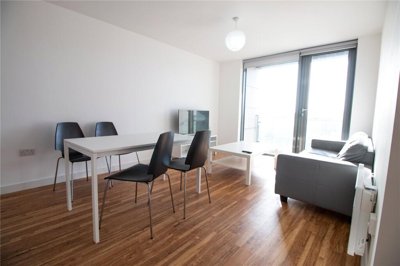
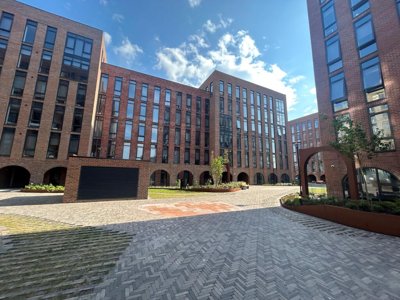
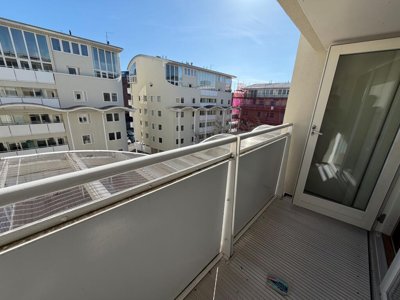
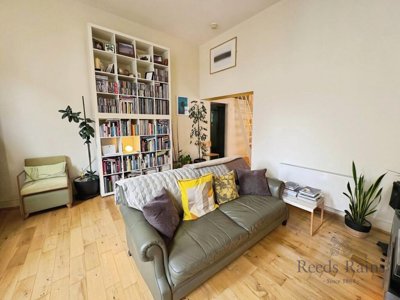
Browse 706 rental homes to rent in L7 from local letting agents.
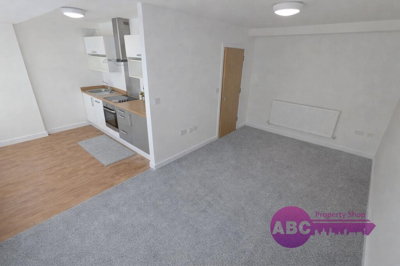
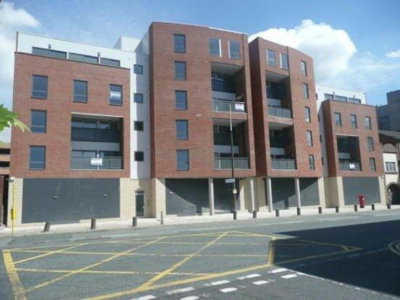
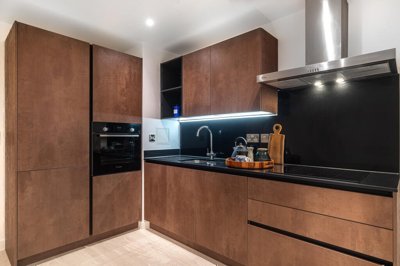
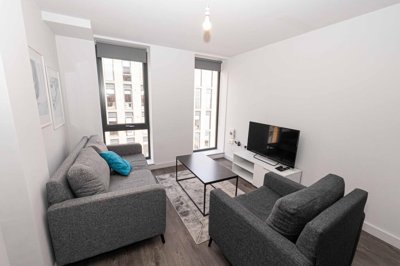
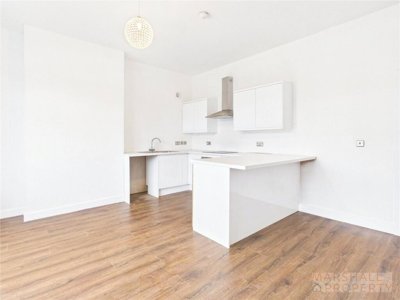
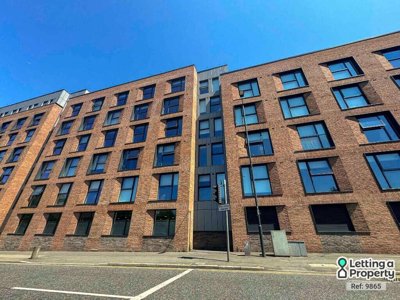
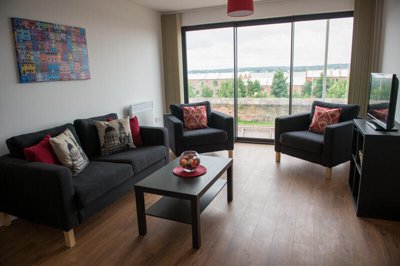
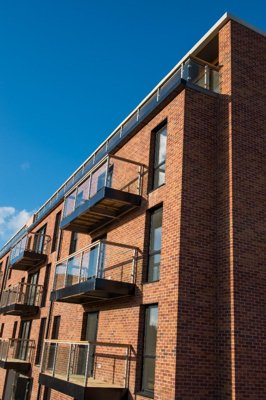
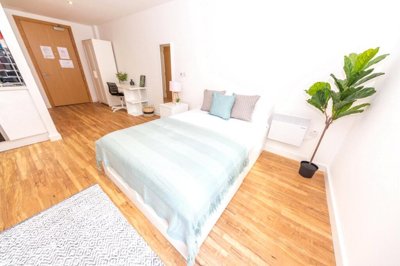
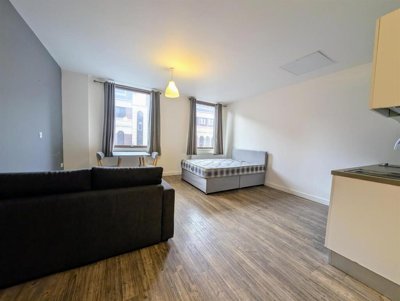
Studio apartments feature open-plan living spaces without separate bedrooms, incorporating sleeping, living, kitchen, and bathroom facilities. The L7 studio market includes properties in modern apartment complexes, converted Victorian and Georgian buildings, and purpose-built developments.
£838/m
2
0
50
Source: home.co.uk
Showing 2 results for Studio Flats to rent in L7. The median asking price is £838/month.
Source: home.co.uk
Flat
2 listings
Avg £838
Source: home.co.uk
Source: home.co.uk
The L7 rental market in Liverpool presents excellent opportunities for tenants seeking accommodation in one of the city's most dynamic postcodes. Recent data indicates that property prices in L7 have increased by approximately 3.04% over the last year, with Rightmove reporting sold prices standing 9% higher than the previous year, though still 11% below the 2023 peak of £174,586. This modest price growth reflects a stable market that offers good value for renters compared to some neighbouring Liverpool postcodes. The average property value in L7 currently sits at £154,867, according to HM Land Registry data, with other sources reporting figures between £155,757 and £168,336.
The L7 8 sector, covering the Kensington area, has shown particularly strong price growth of 11.1% over the past year, driven by continued demand for family housing near the university district. In contrast, the L7 7 sector experienced a significant decline of 18.4% year-on-year, reflecting a cooling of the student rental market in that particular zone. There were 83 residential property sales recorded in L7 over the past twelve months, representing a decrease of 18 transactions compared to the previous year, indicating a tightening of available housing stock that may influence rental pricing and availability in the coming months.
When examining property types available for rent in L7, terraced houses dominate the housing stock, reflecting the Victorian and Edwardian heritage of areas like Kensington Fields and Fairfield. Average purchase prices for terraced properties stand at around £146,486 to £154,466, making them the most affordable route into homeownership and keeping rental values competitive. Semi-detached properties also feature prominently, particularly in the L7 7 postcode sector, with average values of £173,057 to £184,125, offering families additional space and gardens at rental rates that typically exceed terraced equivalents by 20-30%. Flat and apartment options are plentiful, with average values between £108,794 and £111,646, catering to students and young professionals seeking lower-cost accommodation close to campus.
The diversity of housing stock in L7 means that rental prices vary considerably depending on property type, size, and condition, making the postcode accessible to renters across different budget brackets. Detached properties, though less common, command the highest rental values at around £216,222 to £218,500 equivalent purchase prices, typically appealing to professional couples or families seeking premium accommodation near good school catchments. New build developments in the immediate L7 area remain limited, with most available rental properties consisting of traditional Victorian conversions, purpose-built student accommodation, or period properties that have been modernised by private landlords.

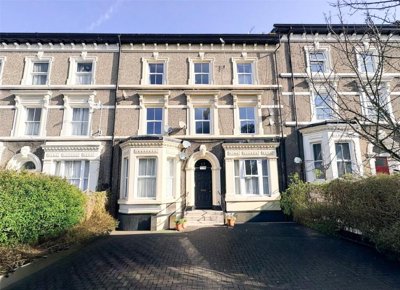
L7 encompasses several distinctive neighbourhoods that together create a rich of urban living in Liverpool. Kensington Fields stands out as one of the most sought-after areas within the postcode, famous for its annual festival and its strong community spirit that draws residents from across the city. The area features an eclectic mix of Victorian terraced houses, many of which have been lovingly restored by landlords to offer modern living spaces whilst retaining their original period features such as high ceilings, bay windows, and cast iron fireplaces. The tree-lined streets and proximity to the University of Liverpool campus make Kensington Fields particularly popular among students and academic staff, creating a vibrant atmosphere that comes alive throughout the academic year.
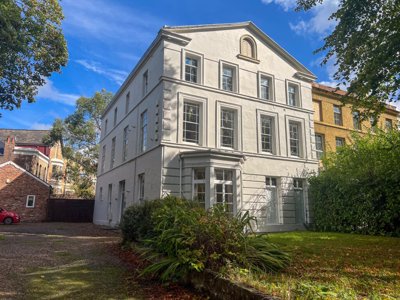
The Georgian Quarter borders L7, bringing architectural elegance and cultural significance to the area. This neighbouring district influences the character of parts of L7, particularly around Stowell Street where you will find listed buildings like The Symphony Building, a Grade II listed conversion offering unique apartment living at 2 Stowell Street, L7 7DL. Many properties in this transitional zone benefit from the architectural heritage of the broader Georgian Quarter whilst remaining subject to L7's more accessible rental market. The presence of these historic buildings contributes to an streetscape that combines period character with practical modern living requirements.
Fairfield, another key neighbourhood within L7, provides a more residential feel with good local amenities including shops, pubs, and primary schools that serve the local community. The population in this area includes a diverse mix of students, young professionals, healthcare workers from the nearby Royal Liverpool University Hospital, and families who appreciate the combination of affordable housing and excellent connectivity to the city centre. Local parks and green spaces offer welcome respite from urban living, while the Edge Lane Retail Outlets provide convenient shopping opportunities for residents who appreciate having retail options within easy reach.
The broader L7 area sits on Triassic sandstone geology, which is characteristically permeable, influencing how properties handle groundwater and drainage in the local environment. This geological context is worth noting for renters considering older properties, as the underlying ground conditions can affect basement conversions, damp penetration patterns, and the overall maintenance requirements of period housing stock. Understanding the local geology helps explain why certain construction methods were adopted historically and what potential issues may arise in properties built on this type of ground.

Education facilities play a crucial role in making L7 an attractive postcode for renters, particularly families with school-age children and students pursuing higher education. The proximity to the University of Liverpool and Liverpool John Moores University makes L7 one of Liverpool's most education-focused postcodes, with thousands of students commuting to campus from accommodation within the L7 boundaries each day. Students choosing to rent in L7 benefit from incredibly short commutes to campus, often less than 15 minutes by foot or bicycle, whilst enjoying lower rental costs compared to more central postcodes like L1 or L2. The student rental market has shaped much of the housing stock in areas like Kensington Fields, with landlords converting larger Victorian properties into Houses in Multiple Occupation specifically designed to meet student housing demand.
The presence of the Royal Liverpool University Hospital also means that healthcare workers and medical students frequently seek rental accommodation in L7, valuing the easy commute to one of the city's major NHS trusts. Many junior doctors and nurses choose L7 specifically because the 15-minute journey to the hospital allows them to work irregular shift patterns without lengthy commutes from more distant postcodes. This healthcare workforce creates year-round demand for rental properties that complements the student rental market, providing landlords with reliable income streams even during summer vacation periods when student demand traditionally softens.
For families with school-age children, L7 offers access to several primary and secondary schools within reasonable distances. Local primary schools in the surrounding area provide good educational foundations, though parents should research current catchment areas and admission criteria when choosing where to rent within L7. The L7 7 sector in particular has access to several primary schools that serve the residential streets around Fairfield and the university district, with some schools rated Good or Outstanding by Ofsted according to recent inspection data. Secondary education options in the broader Liverpool area include various academies and comprehensives, with some families choosing schools further afield that may offer specialist subjects or particular educational approaches.
Parents renting in L7 should always verify school placements and transport arrangements before committing to a tenancy, as admission policies can be competitive in popular areas. The demand for places at popular secondary schools often exceeds supply, meaning that simply living within the L7 postcode does not guarantee a place at the nearest school. We recommend contacting Liverpool City Council's education admissions team directly to confirm catchment school placements and any transportation support that may be available for families living in the L7 area.

Transport connectivity ranks among L7's strongest attributes, making it an excellent choice for renters who need to commute across Liverpool or beyond for work, study, or leisure. The postcode sits adjacent to major road arteries including Edge Lane (A5047) and the A5052, providing straightforward access to Liverpool city centre which lies approximately two miles away. The M62 motorway is easily reachable via the A5047, connecting L7 residents to Manchester, Leeds, and the wider motorway network within around 30 minutes. For those commuting by car, the strategic position of L7 means that destinations across Merseyside and beyond are accessible without necessarily entering the city centre's congestion zones during peak hours.
Public transport options from L7 are comprehensive, with multiple bus routes operating through the postcode to destinations including Lime Street Station, Liverpool ONE bus interchange, and the Albert Dock cultural quarter. Key routes serving the L7 area include services that connect Kensington Fields and Fairfield directly to the university campus, the hospital district, and the retail heart of Liverpool city centre. These bus services typically run at 10-15 minute intervals during peak hours, making car-free commuting a practical option for residents who work in the city centre or study at the university campuses.
For rail travel, Lime Street Station provides intercity services to Manchester, London, Birmingham, Edinburgh and other major UK cities, with regular departures throughout the day. Liverpool's well-connected rail network also offers local services to destinations across Merseyside and beyond, making L7 a practical base for professionals who travel regularly for work. The relatively quick access to Lime Street Station from L7 via the A5047 or direct bus routes means that residents can reach the station within 10-15 minutes in normal traffic conditions, which compares favourably to many other Liverpool postcodes.
For cyclists, L7 benefits from improving cycle infrastructure, with dedicated lanes along some main routes and relatively flat terrain making cycling a viable option for daily commuting. The university campus area offers particularly good pedestrian and cycle connections, with the main routes between Kensington Fields and the University of Liverpool designed to accommodate significant volumes of student cyclists. Parking availability varies by specific location within L7, with some streets offering permit parking schemes whilst others may present challenges during peak hours, a consideration worth noting for those planning to rent without access to dedicated off-street parking.

Renting property in L7 requires careful consideration of several local-specific factors that can significantly impact your tenancy experience and ongoing costs as a tenant. The predominant Victorian and Edwardian housing stock in areas like Kensington Fields and Fairfield brings characteristic features that many renters find desirable, but also potential issues that prospective tenants should investigate thoroughly before committing to a tenancy agreement. Older terraced properties often feature solid wall construction rather than modern cavity wall insulation, which can lead to condensation and damp problems if ventilation is inadequate during Liverpool's damp winters.
We recommend requesting a thorough inventory check at the start of your tenancy and documenting any existing damage with dated photographs to protect your deposit when the tenancy ends. This documentation proves invaluable when disputing any deductions at the end of your tenancy, particularly given that older properties may have pre-existing issues that could otherwise be attributed to your occupation. The age of many L7 properties means that electrical wiring and plumbing systems may date back several decades, so understanding the condition of these utilities before signing a tenancy agreement is essential. We suggest asking specifically when the wiring was last inspected and whether any upgrading work has been completed recently.
The presence of conservation areas and listed buildings within and around L7 introduces planning considerations that affect what modifications tenants can make to properties during their tenancy. Properties like The Symphony Building at 2 Stowell Street, with its Grade II listing, will have restrictions on alterations that require Listed Building Consent from Liverpool City Council, meaning tenants cannot simply redecorate or make structural changes without prior approval. If you are renting a flat in L7, understanding the terms of your lease becomes important, particularly regarding ground rent provisions and service charge obligations that can vary significantly between properties and developments.
Student housing in the area often takes the form of HMOs (Houses in Multiple Occupation), which must meet specific safety and licensing requirements under Liverpool's selective licensing scheme. All HMOs accommodating five or more tenants from more than one household require mandatory licensing from Liverpool City Council, with landlords required to demonstrate compliance with fire safety standards, adequate amenity provision, and proper management arrangements. Prospective tenants should verify that their landlord holds the appropriate HMO licence and that the property meets all current fire safety and amenity standards before committing to a rental agreement.

Understanding the financial commitments involved in renting property in L7 helps you budget effectively and avoid unwelcome surprises during your tenancy search and at the start of your tenancy. Standard deposits in the private rental sector are typically equivalent to five weeks' rent, capped at five weeks' rent where the annual rent exceeds £50,000. For renters in L7, deposit amounts will vary according to property type and size, with one-bedroom flats typically requiring deposits of £600 to £900 per calendar month, whilst larger three-bedroom terraced houses in Fairfield may demand deposits of £1,000 to £1,200 depending on monthly rental values.
This deposit must be protected in a government-approved Tenancy Deposit Protection scheme within 30 days of receiving it, and your landlord must provide you with prescribed information about where your money is held and the conditions under which it may be withheld at the end of your tenancy. We strongly recommend confirming the deposit protection details before moving in, as this is a legal requirement that some landlords unfortunately overlook. The three approved schemes are the Deposit Protection Service, MyDeposits, and the Tenancy Deposit Scheme, each of which offers free dispute resolution services if disagreements arise about deductions at the end of your tenancy.
Beyond the deposit, renters in L7 should budget for additional upfront costs including the first month's rent in advance, referencing fees (though these were largely abolished for tenants under the Tenant Fees Act 2019), and potentially a holding fee to secure a property whilst referencing checks proceed. If you are a first-time renter in England, you may benefit from first-time buyer style reliefs, though these generally apply to purchasing rather than renting. Our recommended approach is to obtain a rental budget agreement in principle before beginning your property search, as this demonstrates to landlords that you are a serious and financially verified applicant in what can be a competitive rental market.
Utility setup costs, contents insurance, and moving expenses should also be factored into your overall renting budget for L7. Council tax in Liverpool varies by property band, with the majority of Victorian terraced properties in L7 falling into Band A or B, meaning lower council tax bills than properties in higher bands. Students are generally exempt from council tax if they meet the full-time study criteria, which is particularly relevant given L7's high student population. We recommend requesting the specific council tax band from any landlord or letting agent before signing a tenancy, as this ongoing cost should be factored into your monthly budgeting alongside rent and utility payments.

Contact mortgage brokers or financial advisors to obtain a rental budget agreement in principle before viewing properties in L7. This document shows landlords that you are financially secure and helps you understand exactly what rent you can afford based on your income and existing commitments. For the L7 market specifically, where rental prices for a standard one-bedroom flat typically start from around £600 per month, knowing your upper limit prevents wasted time viewing properties outside your budget range.
Explore different areas within the L7 postcode including Kensington Fields, Fairfield, and the University of Liverpool surrounds. Consider factors such as proximity to your workplace or university, local amenities, transport links, and the typical character of housing stock in each neighbourhood. The L7 8 sector tends to attract more families seeking terraced and semi-detached properties near good schools, whilst the L7 7 sector closer to the university is dominated by student accommodation and HMO properties.
Browse available rental listings in L7 and arrange viewings with estate agents or landlords. Take notes during viewings about property condition, any red flags such as damp or structural issues, and the overall feel of the neighbourhood at different times of day. Given Liverpool's student population, many properties in Kensington Fields will be marketed specifically to students, so non-student renters should clarify with agents whether all residents would be students before proceeding.
Once you find a property that meets your requirements, carefully review the tenancy agreement before signing. Check the tenancy length, rent amount and payment schedule, maintenance responsibilities, and any clauses regarding pets, smoking, or modifications. For properties in L7's Victorian housing stock, pay particular attention to clauses about keeping the property adequately heated and ventilated, as failing to do so can result in condensation damage that landlords may seek to recover from your deposit.
Ensure your landlord protects your deposit in a government-approved Tenancy Deposit Protection scheme within 30 days of the tenancy start date. You should receive prescribed information about where your money is held and the conditions under which it may be withheld at the end of your tenancy. For L7 properties, where the average rental for a two-bedroom terraced house is around £800-1,000 per month, your deposit of approximately £1,000-1,200 represents a significant sum worth protecting properly.
Complete your move into your new L7 home, taking detailed dated photographs and completing the inventory check thoroughly. Register with local services, set up utilities in your name, and explore your new neighbourhood to start building your life in Liverpool. Remember to set up your council tax account promptly, and if you are a student, ensure you obtain the necessary exemption certificate from your university to avoid unnecessary bills.
Average rental prices in L7 vary considerably depending on property type and size, reflecting the diversity of housing stock across the postcode. Flats typically offer the most affordable entry point to the rental market, with one-bedroom units often available from around £600 to £800 per calendar month, making them popular among young professionals and students seeking independent living. Terraced houses with two to three bedrooms generally range from £800 to £1,200 per month, whilst larger semi-detached family homes may command £1,200 to £1,600 per month in the L7 7 and L7 8 sectors. The student-heavy areas of Kensington Fields offer more competitive pricing for shared accommodation and HMO rooms, often ranging from £350 to £500 per month including bills for individual rooms in shared houses. Purchase prices in L7 average around £154,867, which helps contextualise rental values relative to the wider property market and explains why many residents choose renting over buying in this postcode.
Liverpool City Council sets council tax bands for all properties within the L7 postcode area based on the valuation office agency's assessment of property values. Band A properties are the most common in L7, particularly among the many Victorian terraced houses that dominate the housing stock in areas like Kensington Fields and Fairfield, though some larger properties may fall into Band B or C. To determine the exact council tax band for a specific property, tenants should check the Liverpool City Council valuation office agency listing or request this information from the landlord or letting agent before signing a tenancy agreement. Students are generally exempt from council tax if they meet the full-time study criteria, which is particularly relevant given L7's high student population concentrated around the university campus and hospital district.
L7 is primarily known for its proximity to higher education institutions including the University of Liverpool and Liverpool John Moores University, which lie within easy reach of the postcode and make L7 one of Liverpool's most education-focused areas. Students renting in L7 can reach campus on foot in under 15 minutes, making this postcode particularly attractive for those studying at these institutions. For primary education, several local primary schools serve the residential streets of L7, with families advised to research current Ofsted ratings and admission catchment areas before committing to a tenancy. Secondary school options in Liverpool include various academies and comprehensives, with some parents seeking places at faith schools or specialist institutions that may require travel from the L7 area. The Royal Liverpool University Hospital nearby also attracts healthcare professionals who may have specific school needs for their children in other areas of the city, making school research particularly important for families relocating to the area.
L7 enjoys excellent public transport connections, with multiple bus routes operating through the postcode to destinations across Liverpool including Lime Street Station, Liverpool ONE bus station, and the Albert Dock cultural quarter. The strategic position of L7 near Edge Lane (A5047) means easy access to the M62 motorway for those travelling by car to Manchester, Leeds, and the wider motorway network, typically within 30 minutes of the postcode. For rail travel, Lime Street Station provides intercity services to Manchester, London, Birmingham, Edinburgh and other major cities, reachable from L7 within 10-15 minutes by bus or car. Cycling infrastructure continues to improve in the area, with relatively flat terrain making bicycles a practical option for commuting to the university campus and city centre, particularly along the main routes between Kensington Fields and the university district.
L7 offers an attractive combination of affordability, connectivity, and character that makes it a popular choice for renters in Liverpool seeking value without sacrificing location quality. The postcode appeals particularly to students due to its proximity to the University of Liverpool and Liverpool John Moores University, young professionals seeking affordable city access, and families looking for spacious period properties at reasonable rental rates compared to more central Liverpool postcodes. The strong student rental market has encouraged many landlords to maintain and improve their properties over recent years, though prospective tenants should always inspect thoroughly before committing to ensure they understand the property's current condition. The area's Victorian and Edwardian architecture adds significant character, with high ceilings, bay windows, and original fireplaces features that many renters find highly desirable.
Standard deposits for rental properties in L7 are typically five weeks' rent, capped at five weeks' rent where annual rent exceeds £50,000, representing significant upfront costs that renters should budget for carefully. For a typical one-bedroom flat in L7 renting at £700 per month, the deposit would be approximately £807, whilst a three-bedroom terraced house at £1,000 per month would require a deposit of around £1,150. This deposit must be protected in a government-approved scheme within 30 days of the tenancy start date, and you should receive prescribed information about where your money is held. Rent is usually payable monthly in advance, with the first month often due upon signing the tenancy agreement alongside the deposit. Under the Tenant Fees Act 2019, most letting fees to tenants were banned, though landlords may still charge reasonable costs for things like replacing lost keys or late rent payments. First-time renters should budget for the deposit, first month's rent, and potentially a holding fee whilst referencing checks complete.
Properties to Rent In London

Properties to Rent In Plymouth

Properties to Rent In Liverpool

Properties to Rent In Glasgow

Properties to Rent In Sheffield

Properties to Rent In Edinburgh

Properties to Rent In Coventry

Properties to Rent In Bradford

Properties to Rent In Manchester

Properties to Rent In Birmingham

Properties to Rent In Bristol

Properties to Rent In Oxford

Properties to Rent In Leicester

Properties to Rent In Newcastle

Properties to Rent In Leeds

Properties to Rent In Southampton

Properties to Rent In Cardiff

Properties to Rent In Nottingham

Properties to Rent In Norwich

Properties to Rent In Brighton

Properties to Rent In Derby

Properties to Rent In Portsmouth

Properties to Rent In Northampton

Properties to Rent In Milton Keynes

Properties to Rent In Bournemouth

Properties to Rent In Bolton

Properties to Rent In Swansea

Properties to Rent In Swindon

Properties to Rent In Peterborough

Properties to Rent In Wolverhampton

Enter your details to see if this property is within your budget.
Loans, cards, car finance
Estimated property budget
Borrowing + deposit
You could borrow between
Typical borrowing
Monthly repayment
Est. at 4.5%
Loan-to-value
This is an estimate only. Your actual budget may vary depending on interest rates, credit history, and personal circumstances. For an accurate affordability assessment, speak to one of our free mortgage advisors.
This calculator provides estimates for illustrative purposes only and does not constitute financial advice. Your home may be repossessed if you do not keep up repayments on your mortgage. Estimates based on 4.5% interest rate, repayment mortgage. Actual rates depend on your circumstances.
Homemove is a trading name of HM Haus Group Ltd (Company No. 13873779, registered in England & Wales). Homemove Mortgages Ltd (Company No. 15947693) is an Appointed Representative of TMG Direct Limited, trading as TMG Mortgage Network, which is authorised and regulated by the Financial Conduct Authority (FRN 786245). Homemove Mortgages Ltd is entered on the FCA Register as an Appointed Representative (FRN 1022429). You can check registrations at NewRegister or by calling 0800 111 6768.

We use cookies to show you personalised content and improve your experience of our website. Find out more in our Privacy policy and Cookie policy.