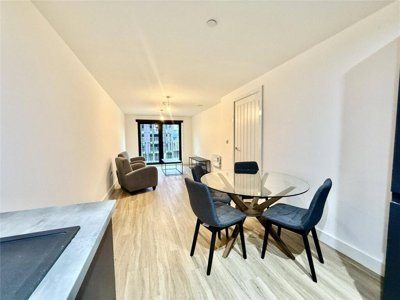
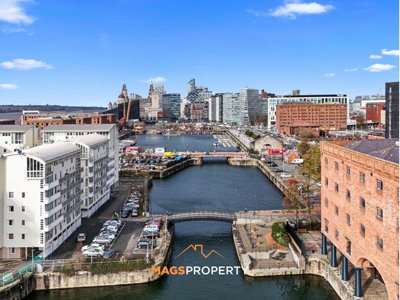
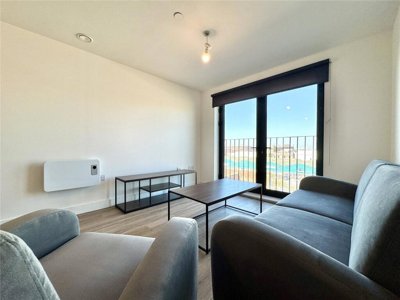
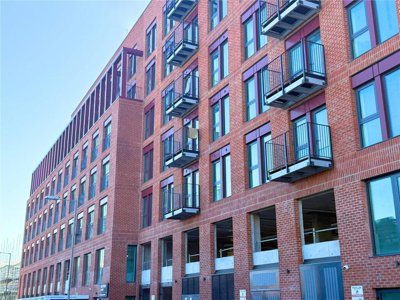
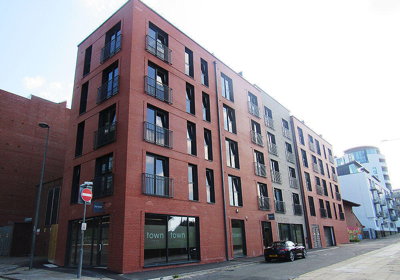
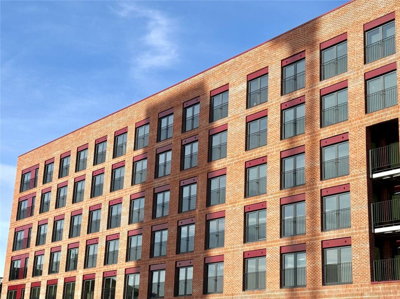
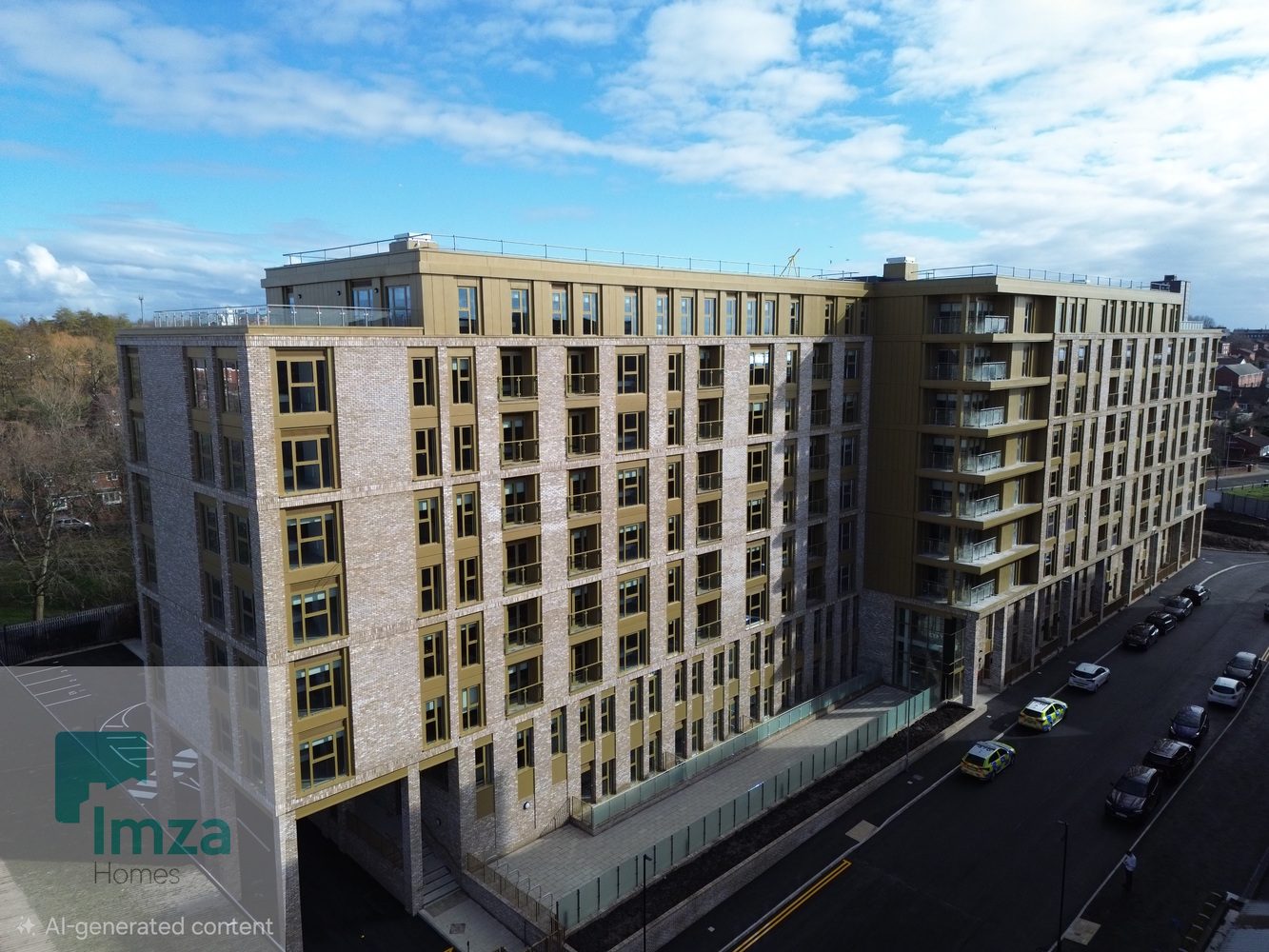
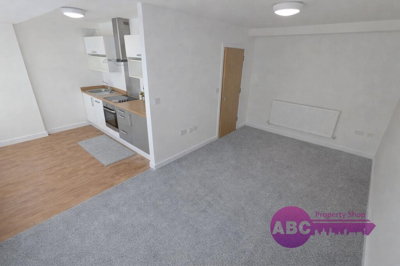
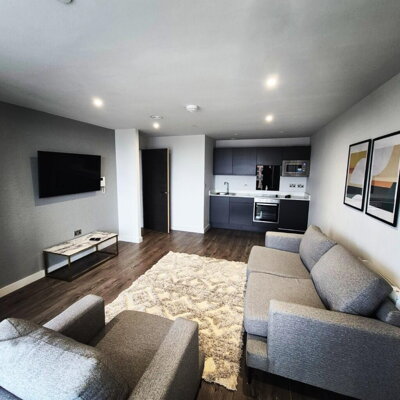
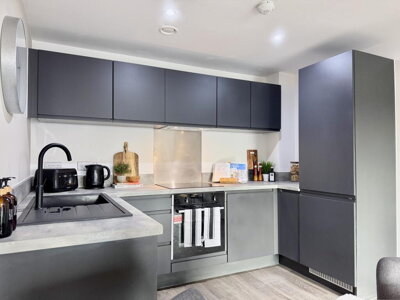
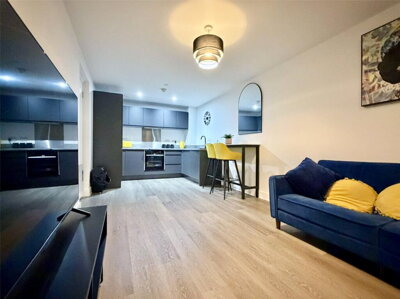
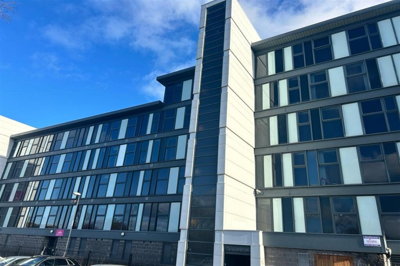
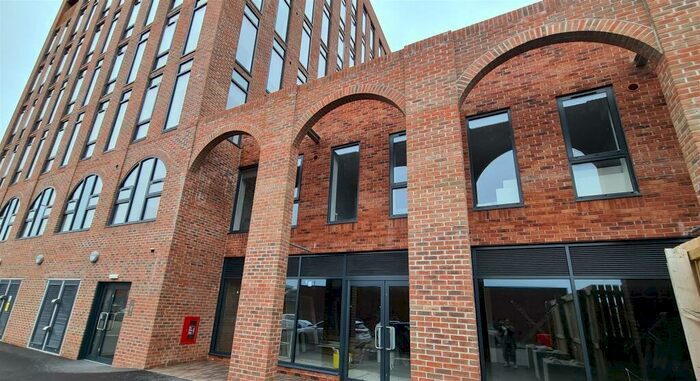
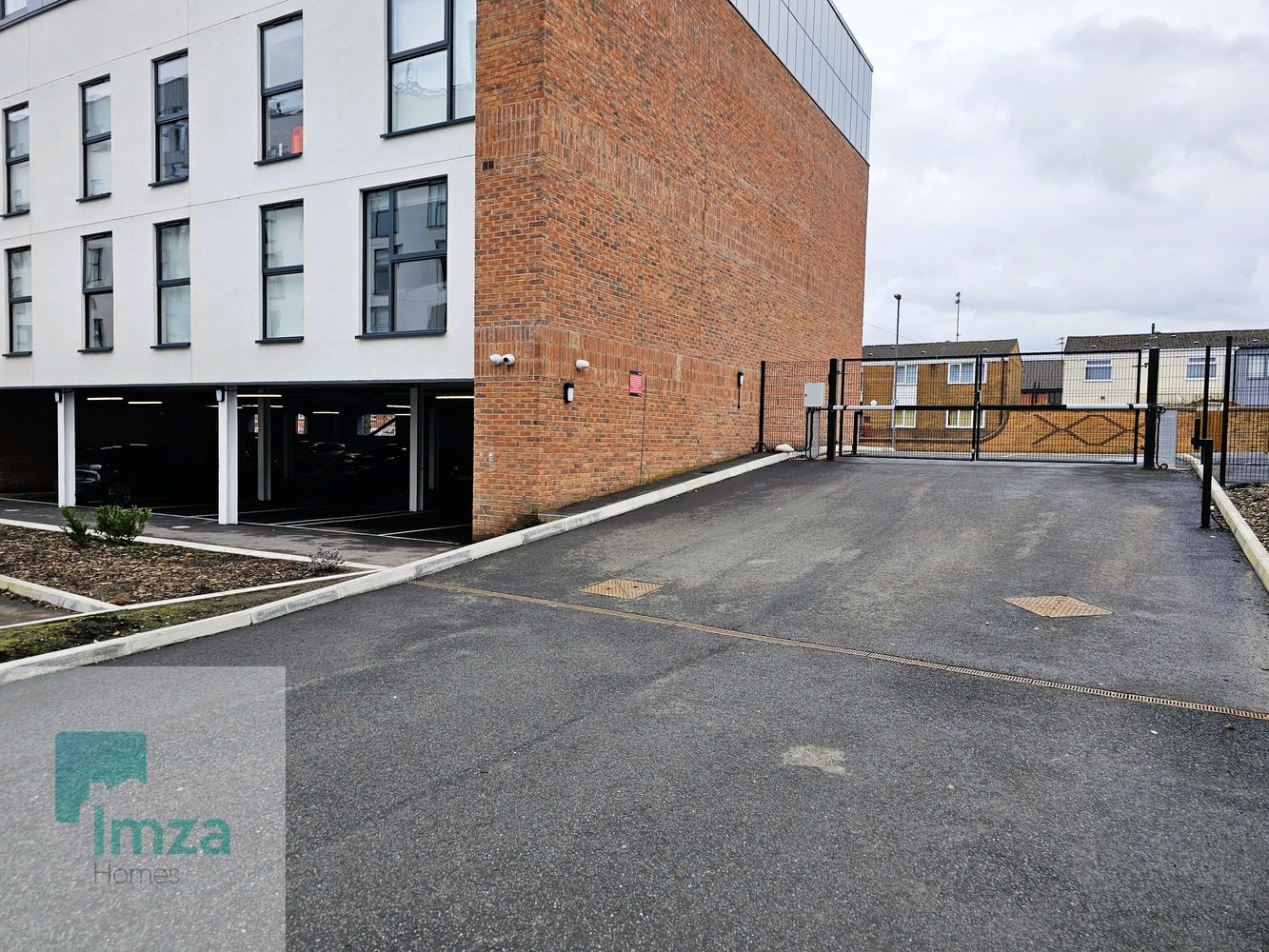
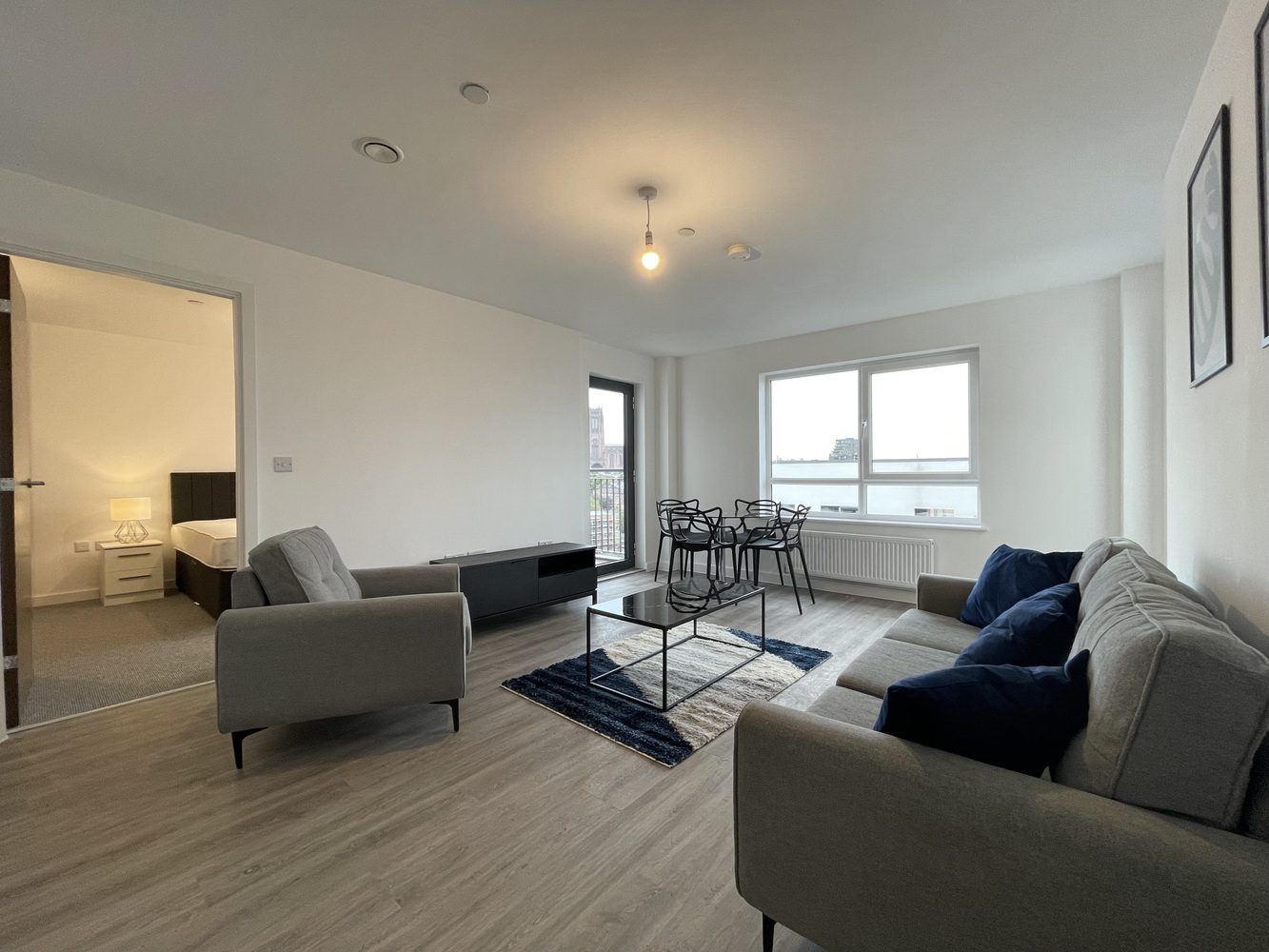
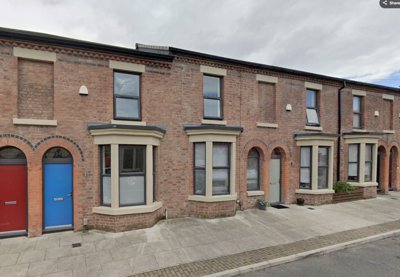
Browse 1,369 rental homes to rent in L69 from local letting agents.
£0/m
0
0
0
Source: home.co.uk
Liverpool's rental market offers excellent variety for prospective tenants, with property types ranging from traditional Victorian and Georgian terraces to contemporary waterfront apartments. Average prices by property type in Liverpool (December 2025) show detached homes at around £385,000, semi-detached properties at £232,000, terraced houses at £174,000, and flats and maisonettes at approximately £130,000. For renters, this diversity means options across all price points, whether you are seeking a compact city centre studio or a spacious family home in a residential suburb. The terraced property sector has shown particularly strong growth, with prices rising by 10.8% in the year to December 2025, indicating sustained demand for this popular housing type.
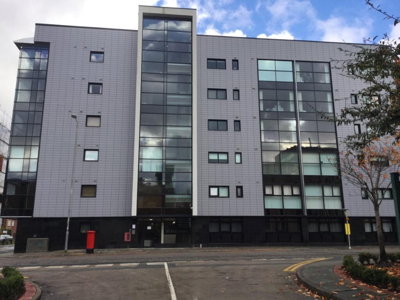
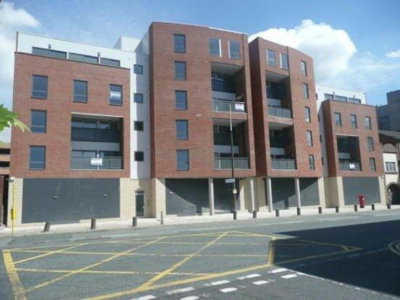
The city centre has witnessed significant regeneration in recent years, with new build developments adding to the stock of rental properties, particularly flats and apartments. However, the wider Liverpool area still has a significant proportion of older housing stock, with Victorian and Georgian properties forming the backbone of many residential neighbourhoods. Most properties sold in Liverpool over the past twelve months fell within the £100,000 to £150,000 price range, representing 22.2% of all transactions, followed by properties in the £150,000 to £200,000 bracket at 19.5%. This data suggests that rental properties in similar price ranges remain readily available across the city. We regularly update our listings to reflect the latest market conditions and new properties coming available.
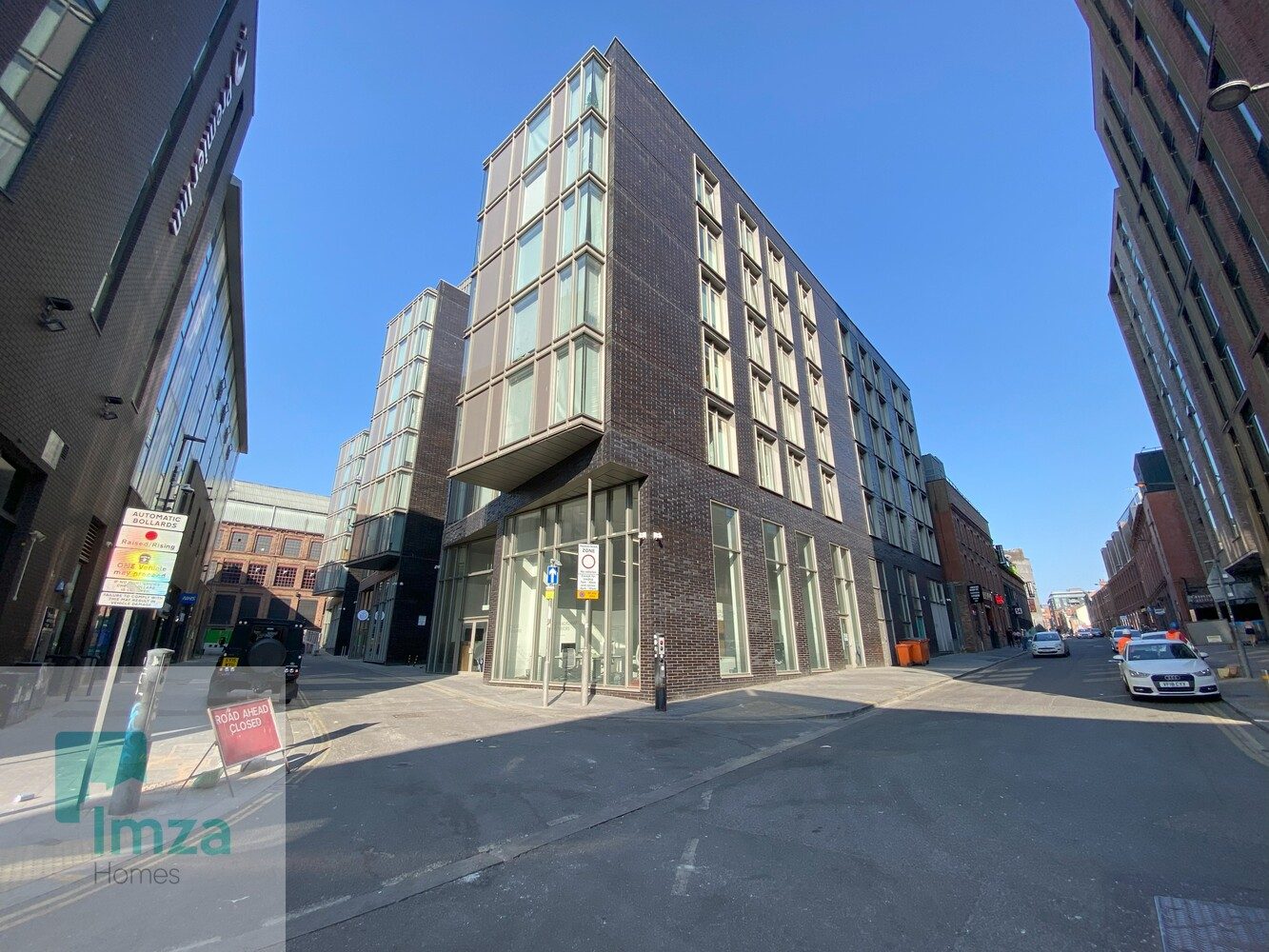
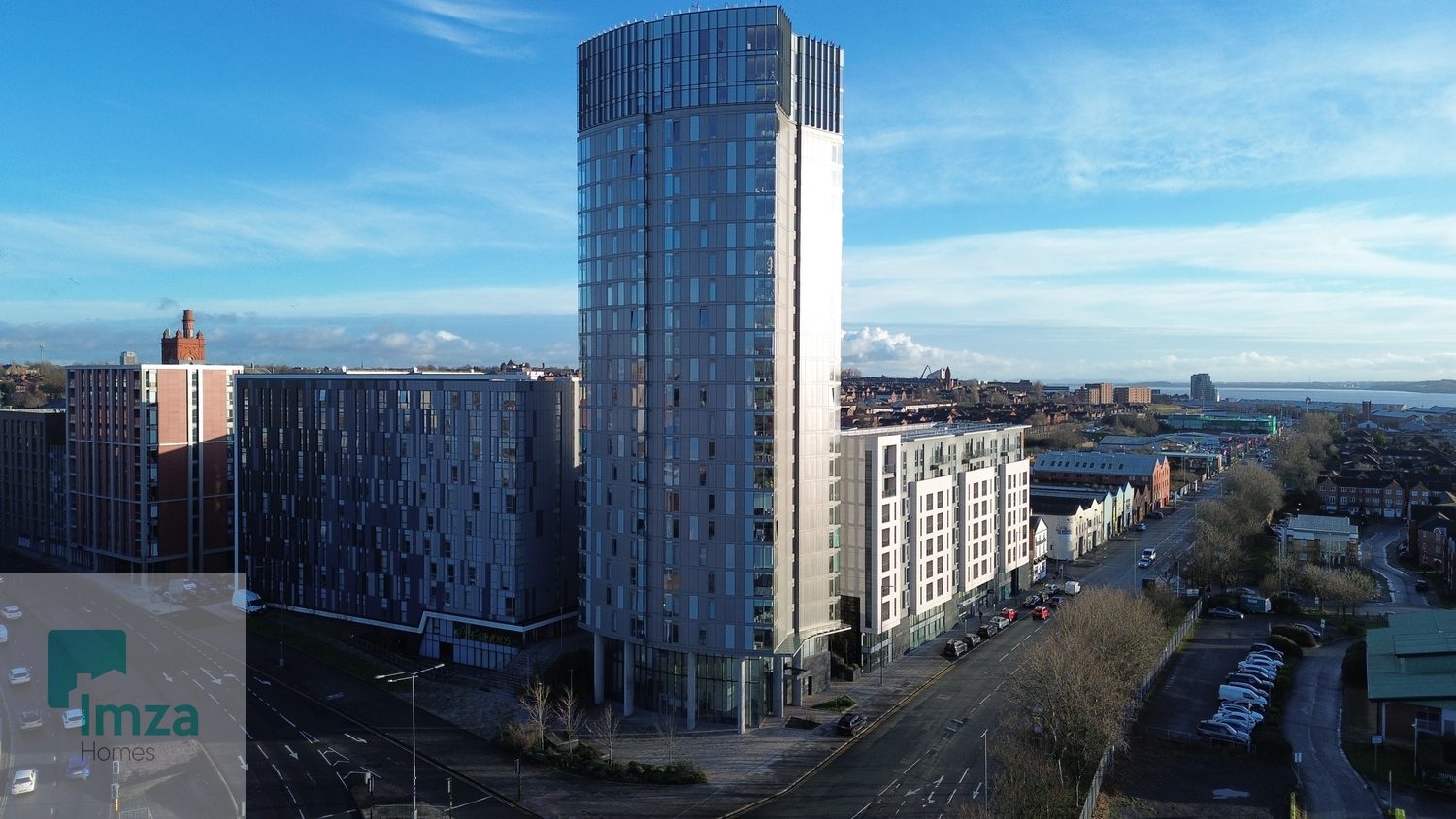
For those specifically interested in the L69 area, our search results connect to Liverpool's broader market, encompassing neighbourhoods within easy reach of the city centre. Areas like the Albert Dock, the Baltic Triangle, and the Cavern Quarter offer contemporary living options, while suburbs such as Aigburth, Mossley Hill, and Formby provide more traditional residential environments. The waterfront developments have been particularly popular with young professionals, offering modern amenities and proximity to entertainment venues. Flats in Liverpool have seen price increases of 7.0% year-on-year, reflecting continued demand for city centre living.

Liverpool is one of the most culturally vibrant cities in the UK, with a population of approximately 486,100 residents and a median age of 35, reflecting its appeal to young professionals, students, and families alike. The city has over 2,500 listed buildings, including 27 Grade I and 105 Grade II* designations, testament to its extraordinary architectural heritage spanning Georgian, Victorian, and twentieth-century styles. The Royal Albert Dock area represents the largest collection of heritage buildings in Liverpool and has been transformed into a thriving cultural and residential hub. The city centre offers an unparalleled mix of restaurants, bars, galleries, and theatres, while residential suburbs provide quieter, family-friendly environments with excellent local amenities.
The Liverpool City Region has a distinctive housing profile, with semi-detached housing being the most common type at 39% of the stock, and terraced properties also prevalent at 38% - significantly higher than regional and national averages. The city has a lower proportion of owner-occupied households at 47%, but compensates with the highest percentage of private rented properties at 26% among local authorities in the region. This means renters have a robust selection of properties managed by experienced landlords and letting agents. The city's two universities - University of Liverpool and Liverpool John Moores - contribute to a dynamic, youthful atmosphere that keeps the rental market active throughout the year. We have built relationships with letting agents across all major Liverpool neighbourhoods to ensure you have access to the widest possible selection of rental properties.
Liverpool's economy extends beyond its famous cultural attractions, with significant employment in sectors including healthcare, education, port and logistics, and the creative industries. The Liverpool City Region is home to major employers such as the Royal Liverpool University Hospital, Jaguar Land Rover's Halewood plant, and numerous financial services companies. This diverse economic base supports a steady demand for rental properties across all sectors. The city has invested heavily in regeneration projects, particularly along the waterfront and in areas like the Knowledge Quarter, creating new housing opportunities and improving existing neighbourhoods. For renters, this ongoing investment means properties in Liverpool continue to offer excellent value compared to other major UK cities while benefiting from ongoing improvements to local infrastructure and amenities.

Liverpool offers a comprehensive range of educational options, making it an attractive location for families with children of all ages. The city is home to two major universities - the University of Liverpool and Liverpool John Moores University - both consistently ranked among the UK's top institutions. For younger children, parents have access to a wide network of primary schools, many of which serve established residential neighbourhoods with strong community ties. Secondary education includes both comprehensive schools and grammar schools, providing families with choices depending on their preferences and catchment areas. The Liverpool City Region has invested significantly in educational facilities in recent years, with several schools undergoing improvements and expansions.
Primary schools in Liverpool include well-regarded options such as Liverpool Infant School, St Nicholas Catholic Primary, and St Mary's Catholic Primary, each serving established communities with strong parental involvement. For secondary education, Liverpool Blue Coat School is a selective grammar school with an excellent academic reputation, while schools like Archbishop Beck Catholic College and Gateacre School offer comprehensive education with diverse curriculum offerings. The city's grammar schools, including Liverpool College and the Liverpool Blue Coat School, admit students based on academic selection, making early preparation advisable for families targeting these institutions. Our team recommends researching specific catchment areas before committing to a rental property, as school admissions can be competitive in popular neighbourhoods.
Beyond state education, Liverpool offers excellent independent school options, including Liverpool College, which has a long-established reputation for academic excellence. For students pursuing further education, the Liverpool Institute for Performing Arts (LIPA) and Liverpool Community College provide vocational and artistic courses. The presence of universities also means postgraduate and research opportunities are readily available, contributing to the city's intellectual atmosphere. Families moving to Liverpool should research specific school catchments, as admissions policies can be competitive in popular areas, and early registration is often advisable for preferred placements. The University of Liverpool's campus, located on Brownlow Hill near the historic Victoria Building, is surrounded by residential streets popular with academics and postgraduate students.

Liverpool is exceptionally well-connected for a city of its size, offering comprehensive public transport options and excellent road links. Liverpool Lime Street station provides direct rail services to major UK cities including London (approximately 2 hours 15 minutes), Manchester (around 50 minutes), and Birmingham (roughly 1 hour 45 minutes). Merseyrail services connect the wider city region, making commuting from surrounding areas convenient for those who prefer suburban living while working in the city centre. The Liverpool City Region has invested heavily in its transport infrastructure, with ongoing improvements to station facilities and service frequencies. For commuters to Manchester, the frequent train services make day-to-day travel practical and manageable.
By road, Liverpool is accessed via the M62 motorway which connects to the national motorway network, providing routes to Leeds, Hull, and Birmingham. The M57 and M58 serve the northern areas of the city, while the Kingsway and Queensway tunnels connect Liverpool to the Wirral Peninsula. For those who drive, parking in the city centre can be challenging and expensive, making public transport or cycle commuting attractive alternatives. The city has been investing in cycling infrastructure, with dedicated lanes and bike-sharing schemes making green commuting increasingly viable. Liverpool John Lennon Airport offers domestic and international flights, providing convenient travel options for business and leisure travellers. We always advise renters to consider their commute requirements when choosing a neighbourhood, as travel times can vary significantly depending on location and transport mode.
Merseyrail provides frequent services across the city region, with stations including Liverpool Central, Moorfields, and Liverpool South Parkway connecting passengers to destinations across Merseyside. The Liverpool City Region's integrated ticketing system makes it easy to switch between bus, rail, and ferry services, encouraging sustainable travel choices. For rental properties in suburbs like Southport, Crosby, and St Helens, Merseyrail connections make city centre commuting practical without the costs and stresses of city centre parking. The Liverpool City Region's investment in its active travel network has seen new cycling routes connecting residential areas to major employment centres, making cycling a viable option for more residents than ever before.

Before you start searching for rental properties, we recommend obtaining a rental budget agreement in principle from a financial provider. This document shows landlords and letting agents that you can afford the rent, typically requiring proof of income and a credit check. Having this ready before you begin your property search demonstrates your seriousness as a potential tenant and can help you move quickly when you find a suitable property. Many letting agents in Liverpool will not consider applications without evidence of affordability, so obtaining this document early gives you a competitive advantage in the busy rental market.
Exploring different areas of Liverpool is essential to finding the neighbourhood that best suits your lifestyle and budget. We suggest considering factors such as commute times to your workplace, local schools if you have children, available amenities, and the type of property you need, whether a city centre flat or a suburban house. Popular rental areas include the city centre for its vibrant nightlife and cultural attractions, the Albert Dock for waterfront living, and suburbs like Allerton and Woolton for family-friendly environments with good schools. Each neighbourhood offers different advantages, and understanding these differences will help you narrow your search effectively.
Use Homemove to browse available rental properties in Liverpool and the L69 area. Create a shortlist of properties that meet your criteria and contact letting agents to arrange viewings at convenient times. Our platform aggregates listings from multiple letting agents across Liverpool, giving you access to a comprehensive view of the market. We recommend shortlisting around five to ten properties to ensure you have enough options while allowing enough time to thoroughly research and view each one. Set up property alerts to be notified when new listings matching your criteria become available.
Visiting your shortlisted properties in person is essential to assess their condition, location, and suitability. We advise taking note of any maintenance issues, the neighbourhood atmosphere, and proximity to essential services and transport links. During viewings, ask the landlord or agent about the property's history, any recent renovations, and what is included in the rent. Many Liverpool properties are older buildings with character features, so understanding their condition is important before committing. Take photographs and notes during each viewing to help you compare properties later.
Once you find your ideal property, submit a rental application through the letting agent or landlord. This typically involves providing references, proof of identity, employment verification, and consent to credit checks. Our experience shows that having all required documents prepared in advance can significantly speed up the application process and improve your chances of securing the property. Landlords in Liverpool's competitive rental market often receive multiple applications for popular properties, so being prepared to move quickly is advantageous. Ensure your references are current and your employer can confirm your employment status promptly.
If approved, review your tenancy agreement carefully before signing. We recommend ensuring all terms are clear, including rent amount, deposit amount, lease length, and any specific conditions. Your deposit will be protected in a government-approved scheme within 30 days of the start of your tenancy, as required by law. Pay particular attention to clauses regarding repairs, maintenance responsibilities, and any restrictions on pets or modifications. Once you are satisfied with the terms, sign the agreement and arrange to pay your first month's rent and deposit to secure your tenancy.
When renting in Liverpool, we advise understanding the different types of properties available and their specific considerations. Given Liverpool's significant stock of older properties, including Victorian and Georgian buildings, prospective tenants should pay particular attention to the condition of roofs, plumbing, and electrical systems. A thorough inspection during viewing can reveal signs of damp, subsidence, or structural movement that might require attention. Properties near the waterfront, such as those in the Albert Dock area, may carry specific considerations regarding flood risk due to Liverpool's position on the Mersey Estuary. Always ask the landlord or agent about any history of flooding or insurance implications.
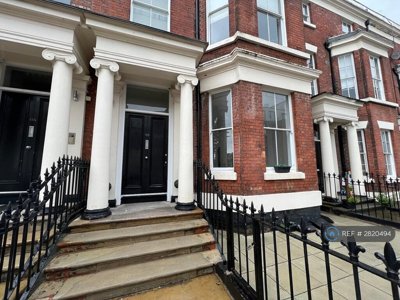
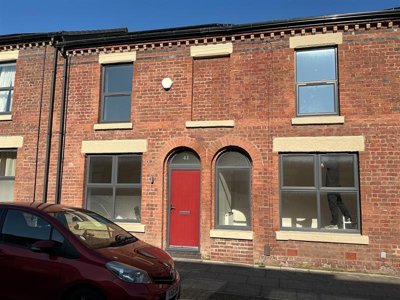
Liverpool's architectural heritage means many properties are constructed from traditional materials that require specific maintenance considerations. Red brick is the predominant building material for walls in most Victorian and Edwardian properties, while sandstone features are common in more prestigious buildings and often used for door frames, window lintels, and decorative elements. Properties near the University of Liverpool, particularly those along Oxford Street and Abercromby Square, often feature Triassic sandstone construction typical of late 19th-century academic buildings. We recommend checking the condition of original features like sash windows, fireplaces, and floorboards, as these can be expensive to repair or replace.
Many Liverpool properties are situated within conservation areas or are listed buildings, which can impose restrictions on modifications and renovations. If you plan to personalise your rental, check the property's status before signing the tenancy agreement. For flats and apartments, review the lease terms carefully, paying attention to service charges and ground rent clauses, as these can significantly impact your total monthly costs. Liverpool's private rented sector represents 26% of all households, the highest proportion in the Liverpool City Region, meaning competition for quality properties can be strong in popular areas. Starting your search early and being prepared to move quickly can help you secure your preferred home ahead of other applicants.

While specific rental prices fluctuate based on property type and location, Liverpool's overall property market shows average prices around £217,000 for sales as of December 2025. Terraced properties average £174,000, semi-detached homes £232,000, and flats approximately £130,000. Rental prices typically correlate with these sale values, with city centre flats commanding premium rents while suburban terraces offer more affordable options. The market has seen consistent growth, with prices rising by 9.5% from December 2024 to December 2025, indicating sustained demand for rental properties across Liverpool.
Council tax in Liverpool is set by Liverpool City Council and varies based on property valuation bands A through H. Most residential properties in Liverpool fall within bands A through D, reflecting the city's mix of affordable housing, though larger Victorian and Georgian properties in areas like Sefton Park and the Georgian Quarter often fall into higher bands. Prospective tenants should ask about the specific council tax band for any property they are considering, as this forms part of the monthly outgoings alongside rent and utility bills. Liverpool's relatively high proportion of lower-band properties reflects the city's commitment to maintaining affordable housing options across different neighbourhoods.
Liverpool offers excellent educational options at all levels, from primary schools like Liverpool Infant School and St Nicholas Catholic Primary to secondary institutions including Liverpool College and the Liverpool Blue Coat School. The University of Liverpool and Liverpool John Moores University are highly regarded higher education establishments, both ranking among the UK's top institutions for research and teaching. Families should research specific catchments and admission criteria, as popular schools can be oversubscribed in certain areas. The Liverpool City Region has invested significantly in school facilities, with several institutions undergoing improvements and expansions in recent years to accommodate growing demand.
Liverpool boasts excellent public transport links, with Liverpool Lime Street providing direct trains to London Euston, Manchester Piccadilly, Birmingham New Street, and other major cities. Merseyrail services connect the wider city region through stations including Liverpool Central, Moorfields, and South Parkway, making suburban living viable for city centre workers. The city has comprehensive bus networks operated by Arriva and Stagecoach, and Liverpool John Lennon Airport offers domestic and international flights from its location in Speke. The M62 motorway provides road access to the national motorway network, connecting Liverpool to Leeds, Hull, and Birmingham.
Liverpool is considered an excellent place to rent, offering good value compared to other major UK cities. The city has the highest proportion of private rented properties in the Liverpool City Region at 26%, indicating a mature and professional rental market with experienced landlords and established letting agents. With over 2,500 listed buildings and diverse architecture ranging from Georgian townhouses to contemporary waterfront apartments, renters can choose from historic terraces in the city centre, modern flats in the Baltic Triangle, or spacious family homes in suburbs like Allerton and Childwall. The vibrant cultural scene, excellent transport links, strong employment opportunities, and ongoing regeneration projects make Liverpool attractive to a wide range of renters.
Standard deposits for rental properties are typically five weeks' rent, capped at five weeks' rent where the annual rent is less than £50,000. As of April 2024, banned fees under the Tenant Fees Act mean landlords and agents cannot charge renewal fees, check-out fees, or administrative charges. You should expect to pay the first month's rent in advance plus your deposit at the start of the tenancy, with your deposit protected in a government-approved scheme within 30 days. Holding deposits of up to one week's rent may be requested to secure a property while references are processed, and this is typically deducted from your move-in costs or returned if the tenancy does not proceed.
When viewing rental properties in Liverpool, we recommend checking the condition of the building's structure, particularly in older properties which may show signs of damp, subsidence, or structural movement. Examine the plumbing and electrical systems, as Victorian and Edwardian properties may have outdated wiring that could require modernisation. For properties near the waterfront, such as those in the Albert Dock or King's Dock area, ask about flood history and insurance implications given Liverpool's position on the Mersey Estuary. Check whether the property is in a conservation area or is a listed building, as this may restrict modifications and affect your ability to personalise the space.
Renting a property in Liverpool involves several upfront costs that prospective tenants should budget for carefully. The standard security deposit is five weeks' rent, which must be protected in a government-approved deposit protection scheme within 30 days of the start of your tenancy. As of April 2024, the Tenant Fees Act bans landlords and letting agents from charging certain fees, meaning you should not be asked to pay renewal fees, check-out fees, or administrative charges. However, you may still need to pay for a copy of your tenancy agreement and any reasonable costs for replacing keys or similar items if you lose them during the tenancy.
Before you can move into a rental property, most landlords and letting agents will require the first month's rent in advance plus the security deposit. A holding deposit of up to one week's rent may also be requested to secure the property while references and credit checks are processed. This holding deposit is typically deducted from your move-in costs or returned if the tenancy does not proceed. Additionally, you should factor in moving costs, contents insurance, and utility setup fees when calculating your total moving budget. Liverpool's competitive rental market means being prepared with funds readily available can help you secure your preferred property ahead of other applicants.
When budgeting for your rental property, consider all associated costs beyond rent and deposit. Council tax varies by property band and can range from around £1,200 to £2,400 per year depending on the property's valuation. Utility bills including gas, electricity, and water should be estimated based on property size and energy efficiency. Contents insurance is advisable to protect your belongings, while internet and TV services may require installation fees. Our platform provides information about council tax bands where available, helping you budget accurately for all monthly outgoings when considering rental properties across Liverpool's diverse neighbourhoods.
From 4.5%
Get pre-approved for your rental budget to strengthen your application
From £49
Complete referencing checks to speed up your rental application
From £445
Expert property survey for buyers in the Liverpool area
Properties to Rent In London

Properties to Rent In Plymouth

Properties to Rent In Liverpool

Properties to Rent In Glasgow

Properties to Rent In Sheffield

Properties to Rent In Edinburgh

Properties to Rent In Coventry

Properties to Rent In Bradford

Properties to Rent In Manchester

Properties to Rent In Birmingham

Properties to Rent In Bristol

Properties to Rent In Oxford

Properties to Rent In Leicester

Properties to Rent In Newcastle

Properties to Rent In Leeds

Properties to Rent In Southampton

Properties to Rent In Cardiff

Properties to Rent In Nottingham

Properties to Rent In Norwich

Properties to Rent In Brighton

Properties to Rent In Derby

Properties to Rent In Portsmouth

Properties to Rent In Northampton

Properties to Rent In Milton Keynes

Properties to Rent In Bournemouth

Properties to Rent In Bolton

Properties to Rent In Swansea

Properties to Rent In Swindon

Properties to Rent In Peterborough

Properties to Rent In Wolverhampton

Enter your details to see if this property is within your budget.
Loans, cards, car finance
Estimated property budget
Borrowing + deposit
You could borrow between
Typical borrowing
Monthly repayment
Est. at 4.5%
Loan-to-value
This is an estimate only. Your actual budget may vary depending on interest rates, credit history, and personal circumstances. For an accurate affordability assessment, speak to one of our free mortgage advisors.
This calculator provides estimates for illustrative purposes only and does not constitute financial advice. Your home may be repossessed if you do not keep up repayments on your mortgage. Estimates based on 4.5% interest rate, repayment mortgage. Actual rates depend on your circumstances.
Homemove is a trading name of HM Haus Group Ltd (Company No. 13873779, registered in England & Wales). Homemove Mortgages Ltd (Company No. 15947693) is an Appointed Representative of TMG Direct Limited, trading as TMG Mortgage Network, which is authorised and regulated by the Financial Conduct Authority (FRN 786245). Homemove Mortgages Ltd is entered on the FCA Register as an Appointed Representative (FRN 1022429). You can check registrations at NewRegister or by calling 0800 111 6768.

We use cookies to show you personalised content and improve your experience of our website. Find out more in our Privacy policy and Cookie policy.