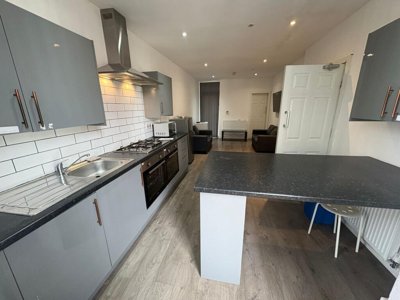
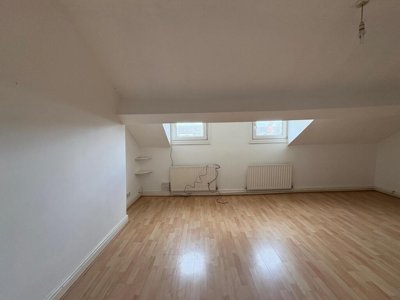
Browse 514 rental homes to rent in L4 from local letting agents.
£788/m
14
0
53
Source: home.co.uk
Source: home.co.uk
Terraced
5 listings
Avg £680
House
3 listings
Avg £817
Flat
2 listings
Avg £723
Apartment
1 listings
Avg £550
Not Specified
1 listings
Avg £900
Semi-Detached
1 listings
Avg £900
Studio
1 listings
Avg £450
Source: home.co.uk
Source: home.co.uk
£133,364
Average House Price
£123,790
Terraced Property Price
£78,375
Flat Price
+20.1%
Annual Price Growth (L4 4)
36 years
Average Resident Age
A - D
Council Tax Bands
The L4 rental market reflects the broader Liverpool property landscape, which has shown consistent growth in recent years. Historical sold prices in L4 over the last year averaged £133,364 according to Rightmove data, with terraced properties averaging £123,790 and flats at £78,375. Property Solvers indicates a 4.87% increase in property prices in L4 over the last 12 months and a 30.27% increase over the last five years, demonstrating sustained growth across this north Liverpool postcode. While these figures relate to sales prices, rental values in the area have similarly reflected growing demand, with terraced properties and flats commanding steady monthly rents that appeal to a wide range of tenants looking for value in north Liverpool.
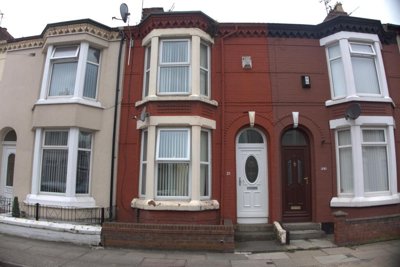
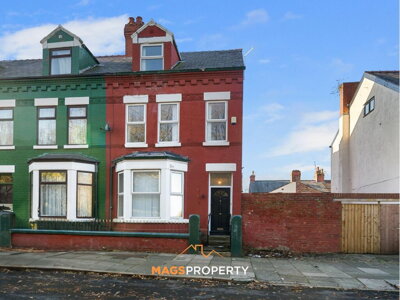
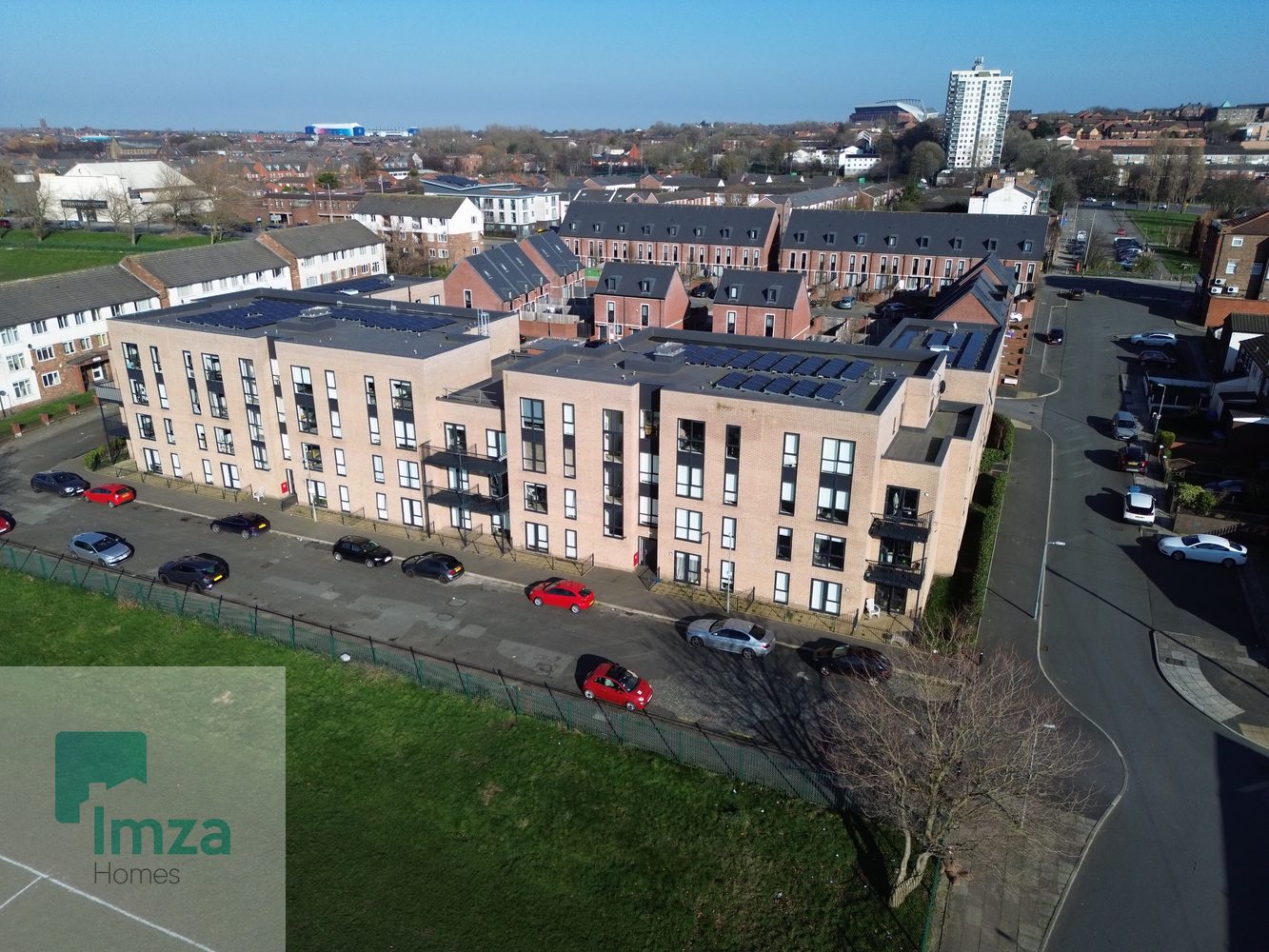
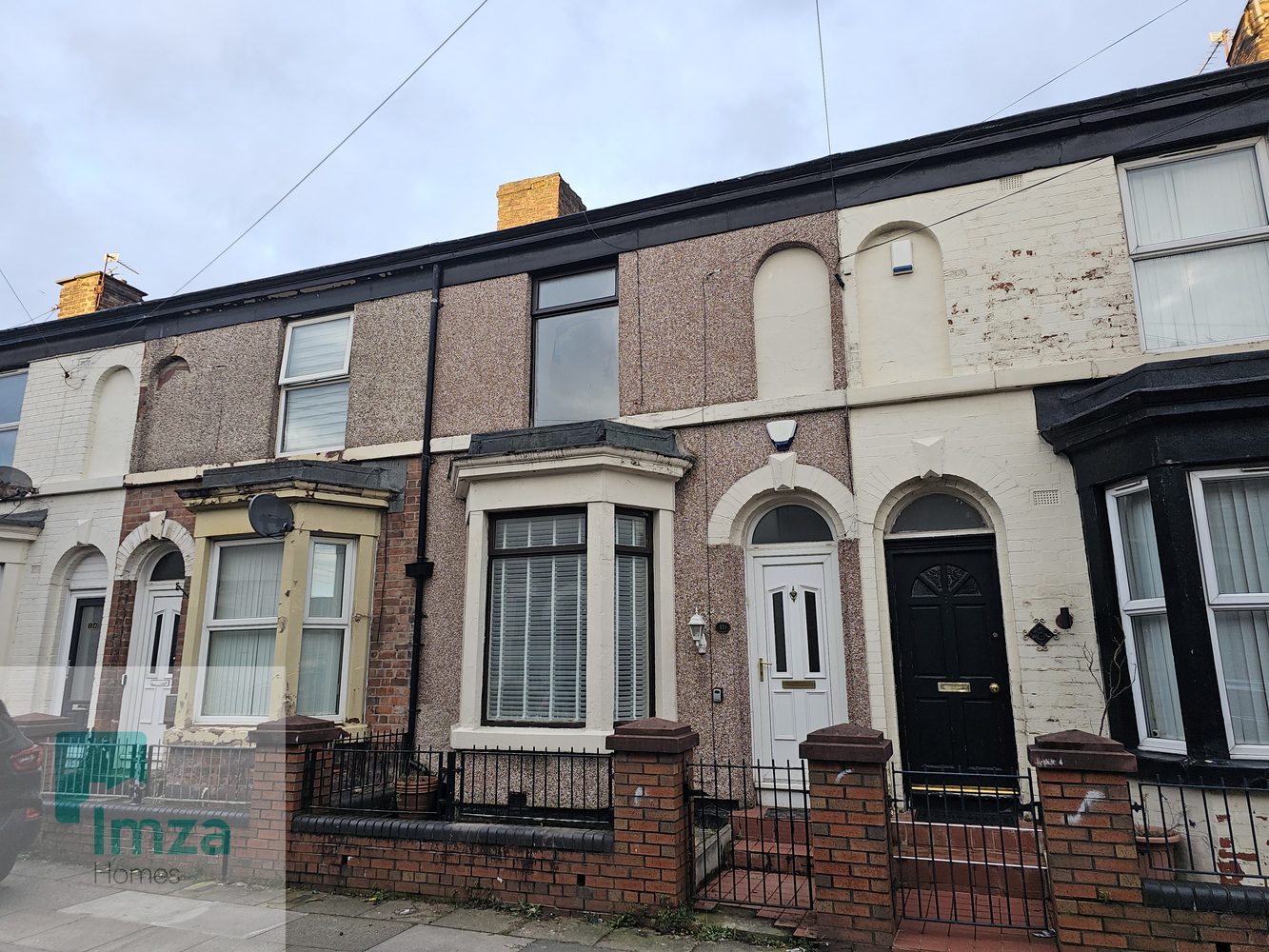
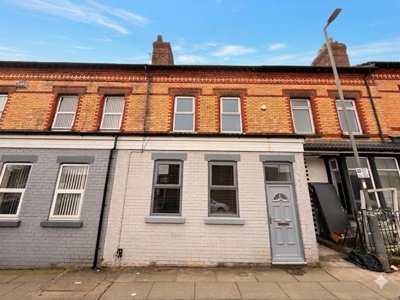
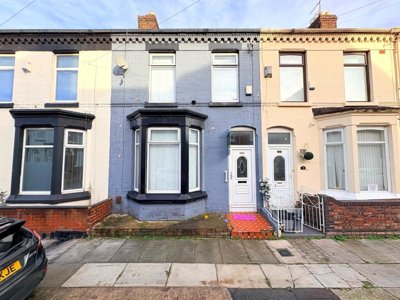
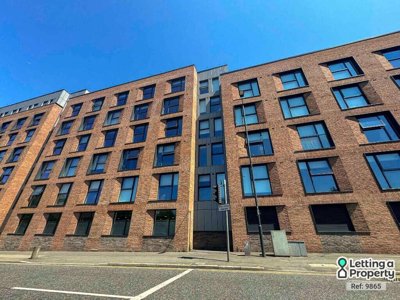
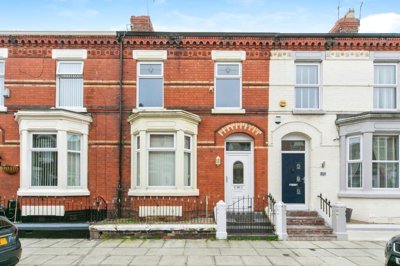
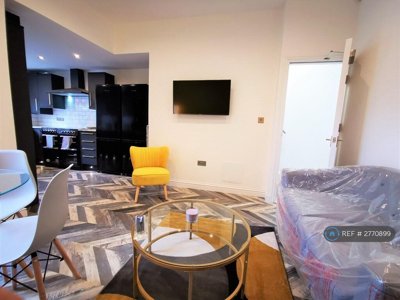
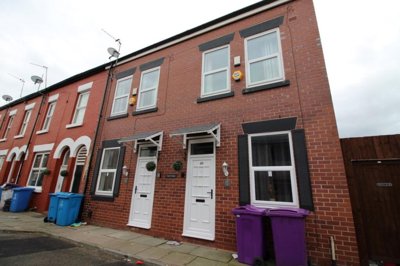
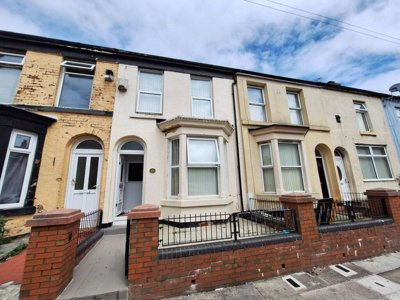
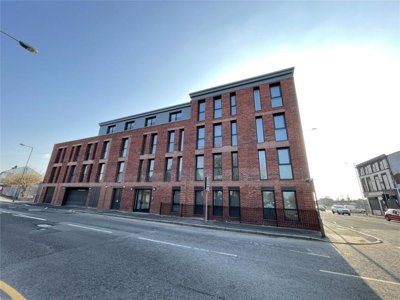
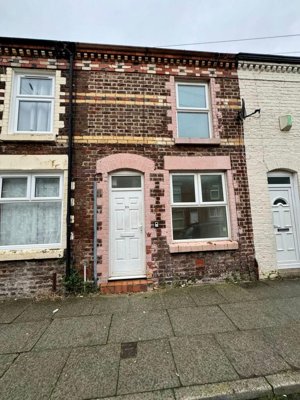
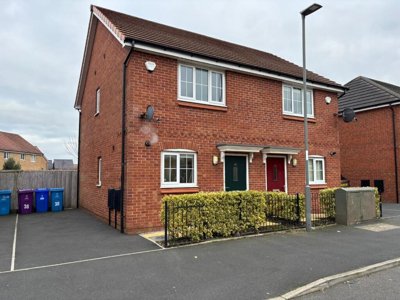
Property types available for rent in L4 include traditional Victorian and Edwardian terraced houses, semi-detached family homes, and purpose-built flats. The majority of housing stock in L4 consists of terraced properties, which offer characterful living spaces often featuring high ceilings, original fireplaces, and bay windows typical of north Liverpool architecture. Semi-detached homes provide more outdoor space and are popular with families seeking gardens and multiple bedrooms. Flats in L4 range from converted period properties above shops on busy thoroughfares to more modern developments, catering to different preferences and rental budgets. The L4 4 and L4 2 sectors have shown particularly strong price growth recently, indicating active buyer and tenant interest in these areas.
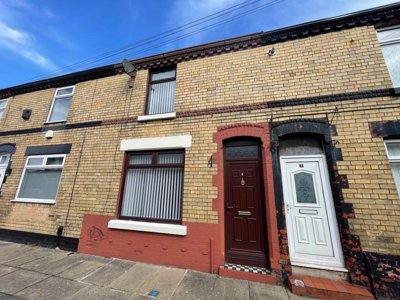
Construction in L4 predominantly uses brick, with many properties featuring yellow brick or red brick dressings and slate roofs. This traditional building approach has served the area well in Liverpool's maritime climate, though older properties may require more maintenance than modern builds. Properties dating from the Victorian and Edwardian periods make up a significant proportion of the housing stock, and this heritage is reflected in the numerous Grade II listed structures found throughout the area, particularly around Stanley Park and Anfield Cemetery.

The L4 postcode encompasses several distinctive neighbourhoods, with Anfield and Breckfield standing out as the most recognizable communities within this area. Anfield is world-famous as the home of Liverpool Football Club, and the surrounding streets buzz with energy on match days, creating a unique atmosphere that residents come to appreciate. The neighbourhood has a strong working-class heritage that remains evident in its terraced streets, local pubs, and community spirit. The average age of residents in L4 sectors such as L4 4LT and L4 1XX is 36 years old, indicating a balanced demographic mix of young professionals, families, and longer-term residents who have deep roots in the area.
Beyond football, L4 offers practical everyday amenities that make daily life convenient for residents. Breckfield Road North serves as a local high street, hosting a variety of shops, supermarkets, pharmacies, and takeaways that serve the surrounding community. The area features several parks and green spaces, including the historic Stanley Park which is registered in the National Register of Historic Parks and Gardens at Grade II. Stanley Park provides a significant green oasis, with its Victorian-era bridges, walls, shelters, and pavilions adding character to the landscape. Anfield Cemetery, another Grade II registered historic park, offers peaceful walking routes through grounds featuring stone entrances, lodges, catacombs, a chapel, and a crematorium.
The local economy in L4 benefits from proximity to the broader Liverpool City Region, which has a diversifying economy with innovation-intensive clusters in advanced manufacturing, contributing £3 billion to the economy and employing 22,000 people. The LCR also benefits from strong smart logistics infrastructure and the UK's third-largest Port, creating employment opportunities within commutable distance of L4. Residents frequently work in human health activities, retail, hospitality, and the growing digital and creative sectors in central Liverpool. The combination of local employment, affordable housing, and strong community networks makes L4 an attractive place to call home for those who value authenticity and connectivity.

Families considering renting in L4 will find a selection of educational establishments serving the local community across all age groups. The area contains several primary schools serving the Anfield, Breckfield, and Everton neighbourhoods, with options both state-funded and faith-based. When researching schools, checking current Ofsted ratings directly on the Ofsted website provides the most up-to-date performance data for each establishment. Secondary schools in the wider north Liverpool area serve students from L4, with some offering specialist subjects or enhanced facilities. Parents are advised to research specific catchment areas and admissions criteria when selecting a rental property, as school placements can significantly impact family relocation decisions.
Several primary schools in the L4 area have established reputations for creating nurturing learning environments, with faith-based options providing an alternative for families seeking religious education for their children. When evaluating schools for your children, consider not just academic performance but also Ofsted ratings, after-school clubs, and transport arrangements from your potential rental address. The Liverpool city centre also offers excellent grammar schools and independent schools within reasonable commuting distance for older students seeking specialist subjects or enhanced academic pathways. Visiting schools during open days and speaking directly with staff can provide invaluable insight beyond published statistics.
Sixth form and further education options are available within easy commuting distance in Liverpool city centre, providing clear progression pathways for older students. Liverpool College, Liverpool Institute for Performing Arts, and Liverpool John Moores University are all accessible via regular bus services from L4, opening doors to vocational and academic qualifications at various levels. Families should factor school transport costs and journey times into their decision when choosing a rental property, as these ongoing expenses add to the overall cost of living in any given location.

Transport connectivity ranks among L4's strongest attributes, offering residents excellent links across Liverpool and beyond. The postcode sits just two miles from Liverpool city centre, making commuting straightforward whether by public transport, car, or bicycle. Regular bus services operate along major routes through L4, connecting Anfield and Breckfield to the city centre, Liverpool Lime Street station, and other key destinations including Liverpool John Moores University and the Royal Liverpool Hospital. Bus journey times to the city centre typically range from 15 to 25 minutes depending on traffic conditions and specific route, with services running throughout the day and into the evening.
For rail commuters, Liverpool Lime Street station provides intercity connections to major UK cities including Manchester, Birmingham, and London Euston. The journey to Manchester takes approximately one hour, making L4 viable for professionals working in the northern powerhouse while living in more affordable Liverpool. The Merseyrail network offers local rail services from nearby stations, while the Mersey Ferry provides an iconic commuting option across the river to Sefton. Motorway access via the A580 (East Lancs Road) connects L4 to the M6 and broader motorway network for those who drive to work.
Cycling infrastructure has improved in recent years, with dedicated routes making car-free commuting feasible for those living close enough to major employment areas. The flat terrain of Liverpool makes cycling accessible for most fitness levels, and secure bike storage at rental properties is worth discussing with landlords. For residents working in central Liverpool, cycling represents both an economical and healthy commuting option that avoids parking costs and traffic congestion. The city council continues to invest in cycling infrastructure, making this an increasingly practical choice for L4 residents.

Before viewing properties in L4, obtain a rental budget agreement in principle from a financial provider. This document demonstrates to landlords and letting agents that you can afford the monthly rent, typically calculated as being no more than 40% of your gross monthly income. Having this in place shows financial credibility and helps you focus your search on properties within your budget, saving time and avoiding disappointment when viewing properties above your affordability threshold.
Spend time exploring different streets and estates within the L4 postcode, including Anfield, Breckfield, and Walton. Consider proximity to work, schools, transport links, shops, and parks. The area has distinct micro-neighbourhoods, so finding the right street matters as much as finding the right property type. Visit at different times of day and on different days of the week to get a genuine feel for noise levels, traffic patterns, and community atmosphere before committing to a tenancy.
Contact local letting agents and schedule viewings for properties that match your criteria. In L4, expect to find a mix of terraced houses, semi-detached homes, and flats. Ask about the length of the current tenancy, property condition, and any upcoming maintenance planned by the landlord. Take photographs during viewings to help remember property details when comparing multiple options, and don't hesitate to ask about specific issues spotted during the visit.
Before signing your tenancy agreement, consider booking a RICS Level 2 survey, especially for older properties. Given that much of L4's housing stock dates from the Victorian and Edwardian periods, a professional survey can identify issues such as damp, roof condition, or outdated electrics that may not be visible during a standard viewing. The national average cost for a RICS Level 2 survey is around £455, typically ranging between £416 and £639 depending on property size and value.
Once your offer is accepted, carefully review the tenancy agreement, checking the length of the tenancy, rent amount and payment dates, deposit amount and protection scheme, and responsibilities for repairs and maintenance. In L4, typical tenancies run for 12 months initially with monthly rent payable in advance. Do not sign until you fully understand all terms and conditions, and consider seeking advice if any clauses seem unclear or unusual.
Arrange contents insurance for tenants, set up utilities and council tax accounts, and conduct a thorough inventory check at the property. Your deposit will be protected in a government-approved scheme within 30 days of the tenancy start date. Document the property condition with dated photographs to protect yourself against any disputed deductions when you eventually move out, and keep copies of all correspondence with your landlord or letting agent throughout your tenancy.
Renting in L4 presents unique considerations shaped by the area's architectural heritage and local characteristics. Much of the housing stock consists of Victorian and Edwardian terraced properties, which offer genuine period charm but may also come with maintenance issues common to older buildings. When viewing properties, pay close attention to signs of damp, which can appear in ground floor rooms or properties without modern damp-proof courses. Roof condition deserves particular attention on terraced houses, as repair responsibilities can become contentious between landlords and tenants if not clearly documented.
The L4 postcode contains several conservation considerations that renters should understand. Stanley Park and Anfield Cemetery are Grade II registered historic parks, and the surrounding area features numerous Grade II listed structures including bridges, walls, shelters, and Victorian-era buildings. While these heritage designations do not directly impact your tenancy, they reflect the area's character and explain why planning restrictions may affect external alterations. If you are renting a flat in a converted period property, ask about the building's construction materials and any recent renovations to the electrics, plumbing, and insulation.
Flood risk in L4 warrants consideration, and checking with the Environment Agency for any flood zone designations before committing to a tenancy is prudent, particularly for ground floor properties. The area's proximity to the River Mersey and local drainage patterns should be investigated, especially during periods of heavy rainfall. Property construction in L4 predominantly uses brick with slate roofs, which generally performs well in Liverpool's maritime climate but may require more maintenance than modern builds. Understanding these local factors helps you make an informed decision and negotiate confidently with landlords and letting agents.

Understanding the upfront costs of renting in L4 helps you budget effectively for your move. The most significant initial expense is the security deposit, typically set at five weeks' rent for properties in this area. This deposit must be protected in one of three government-approved schemes within 30 days of your tenancy start date, and you should receive information about which scheme holds your deposit. At the end of your tenancy, the deposit is returned minus any deductions for damage beyond normal wear and tear or unpaid rent.
Beyond the deposit, most tenants in L4 pay their first month's rent in advance, meaning your initial outlay often covers one month rent plus five weeks deposit. Letting agent fees may apply for processing your application, referencing, or drawing up the tenancy agreement, though regulations have limited these charges in recent years. When calculating your total moving costs, remember to factor in removal expenses, utility connection fees, council tax registration, and contents insurance for tenants. First-time renters should note that Stamp Duty Land Tax relief applies to residential purchases, not rentals, so this does not affect your renting costs.
Before committing to a rental property in L4, it makes financial sense to obtain a rental budget agreement in principle. This document confirms how much you can afford in monthly rent, typically calculated as being no more than 40% of your gross monthly income. Having this in place demonstrates financial credibility to landlords and helps you focus your search on properties you can genuinely afford. Taking time to understand all costs upfront prevents financial stress during your tenancy and ensures a smooth moving experience into your new L4 home.

While specific rental price data for L4 was not included in available research, the area offers more affordable rents compared to central Liverpool postcodes. Terraced houses typically rent from around £700 to £950 per month depending on condition and location, while flats and apartments range from £500 to £750 monthly. The L4 rental market provides good value for those seeking proximity to Liverpool city centre without paying premium city centre rents. Actual prices vary based on property size, condition, number of bedrooms, and whether bills are included, so comparing similar properties across multiple letting agents gives the most accurate picture of current market rates.
Council tax in L4 falls under Liverpool City Council's jurisdiction. Properties in the area typically fall within council tax bands A through D, with the majority of terraced houses and smaller properties in band A or B. Liverpool City Council sets annual charges for each band, with Band A properties paying the lowest rates and Band H paying the highest. You can verify the specific band for any property through the Liverpool City Council website or by contacting the council directly, and your monthly rent quote should clarify whether council tax is included or excluded from the rental figure.
L4 and the surrounding north Liverpool area offer several educational options for families. The area hosts primary schools serving the local community, with secondary schools in the wider L4, L5, and L6 postcodes accepting students from this area. When evaluating schools, check current Ofsted ratings directly on the Ofsted website, examine recent GCSE performance data, and consider school transport options from your potential rental address. The Liverpool city centre also offers excellent grammar schools and independent schools within reasonable commuting distance for older students seeking specialist subjects or enhanced academic pathways.
L4 enjoys excellent public transport connectivity, making it highly practical for commuters. Regular bus services operate through the area connecting to Liverpool city centre, Liverpool Lime Street station, and destinations across Merseyside. The city centre is reachable within 15 to 25 minutes by bus, while rail services from Liverpool Lime Street provide intercity connections to Manchester, Birmingham, and London. The Merseyrail network and Mersey Ferry services are accessible from nearby stations, offering additional travel options for residents who prefer rail or water-based commuting.
L4 offers excellent value for renters seeking affordable accommodation in a well-connected Liverpool neighbourhood. The area combines genuine community spirit with convenient access to city centre employment, education, and entertainment. Properties range from characterful Victorian terraces to purpose-built flats, catering to various household types and budgets. The proximity to Anfield Stadium creates a unique local atmosphere during football season, while Stanley Park provides green space for recreation. For first-time renters or those relocating to Liverpool, L4 represents a sensible choice balancing affordability, connectivity, and quality of life.
Standard practice in L4 requires a security deposit equivalent to five weeks' rent, which must be protected in a government-approved deposit scheme within 30 days of your tenancy start date. Your landlord must provide information about which scheme protects your deposit, and you can verify this through the scheme's website. Most letting agents and landlords also require references, which may include a credit check, employment verification, and previous landlord reference. Some properties require a holding deposit to secure the property while references are processed. Budget for moving costs, initial rent in advance, and potential agency fees when planning your move to L4.
Most residential areas in L4 have access to superfast broadband, though actual speeds vary by specific street and property. When renting a property in L4, ask the landlord or letting agent about current broadband providers and typical speeds available in that location. Virgin Media, BT, Sky, and other major providers serve the Liverpool area, with fibre-to-the-cabinet connections common in the more established neighbourhoods. For those working from home or with high bandwidth requirements, verifying available speeds before committing to a tenancy can prevent significant inconvenience.
L4 provides practical everyday amenities through local centres like Breckfield Road North, which hosts convenience shops, supermarkets, pharmacies, and takeaways serving the surrounding community. Everyday shopping needs are well-catered for within walking distance of most residential streets. The nearby city centre offers extensive retail, dining, and entertainment options accessible via regular bus services in 15 to 25 minutes. Green spaces including Stanley Park and Anfield Cemetery provide recreational opportunities, while Walton's local centre offers additional shopping options for those in the northern reaches of L4.
Properties to Rent In London

Properties to Rent In Plymouth

Properties to Rent In Liverpool

Properties to Rent In Glasgow

Properties to Rent In Sheffield

Properties to Rent In Edinburgh

Properties to Rent In Coventry

Properties to Rent In Bradford

Properties to Rent In Manchester

Properties to Rent In Birmingham

Properties to Rent In Bristol

Properties to Rent In Oxford

Properties to Rent In Leicester

Properties to Rent In Newcastle

Properties to Rent In Leeds

Properties to Rent In Southampton

Properties to Rent In Cardiff

Properties to Rent In Nottingham

Properties to Rent In Norwich

Properties to Rent In Brighton

Properties to Rent In Derby

Properties to Rent In Portsmouth

Properties to Rent In Northampton

Properties to Rent In Milton Keynes

Properties to Rent In Bournemouth

Properties to Rent In Bolton

Properties to Rent In Swansea

Properties to Rent In Swindon

Properties to Rent In Peterborough

Properties to Rent In Wolverhampton

Enter your details to see if this property is within your budget.
Loans, cards, car finance
Estimated property budget
Borrowing + deposit
You could borrow between
Typical borrowing
Monthly repayment
Est. at 4.5%
Loan-to-value
This is an estimate only. Your actual budget may vary depending on interest rates, credit history, and personal circumstances. For an accurate affordability assessment, speak to one of our free mortgage advisors.
This calculator provides estimates for illustrative purposes only and does not constitute financial advice. Your home may be repossessed if you do not keep up repayments on your mortgage. Estimates based on 4.5% interest rate, repayment mortgage. Actual rates depend on your circumstances.
Homemove is a trading name of HM Haus Group Ltd (Company No. 13873779, registered in England & Wales). Homemove Mortgages Ltd (Company No. 15947693) is an Appointed Representative of TMG Direct Limited, trading as TMG Mortgage Network, which is authorised and regulated by the Financial Conduct Authority (FRN 786245). Homemove Mortgages Ltd is entered on the FCA Register as an Appointed Representative (FRN 1022429). You can check registrations at NewRegister or by calling 0800 111 6768.

We use cookies to show you personalised content and improve your experience of our website. Find out more in our Privacy policy and Cookie policy.