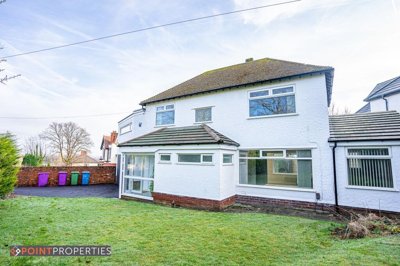
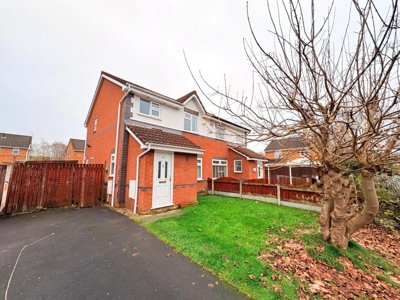
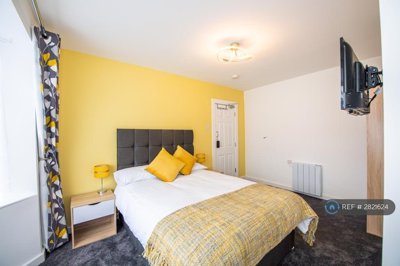
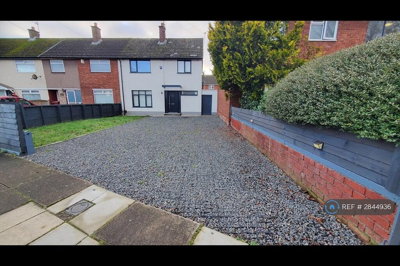
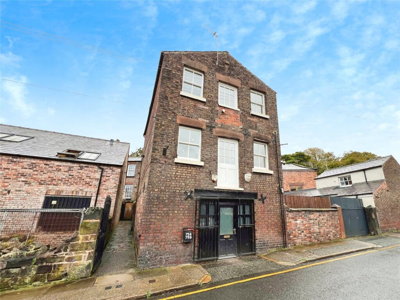
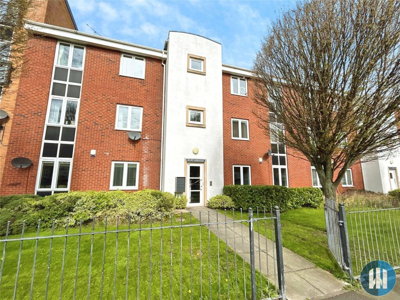
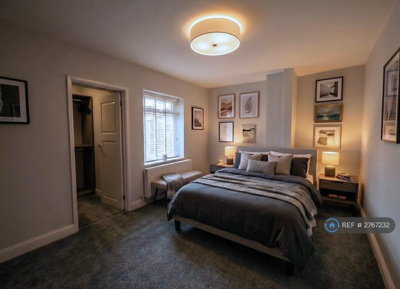
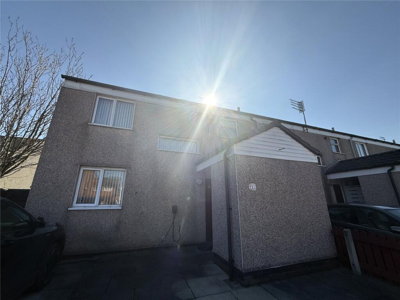
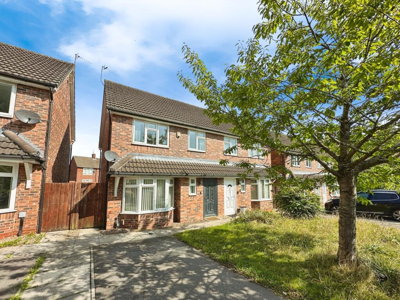
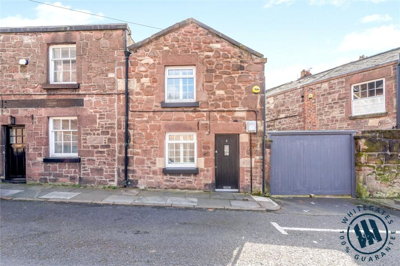
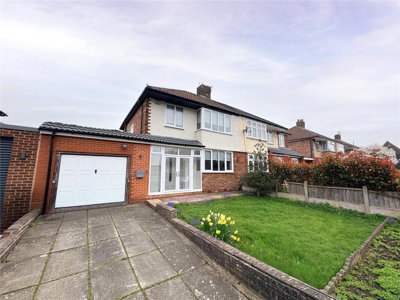
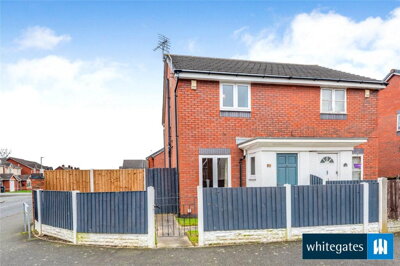
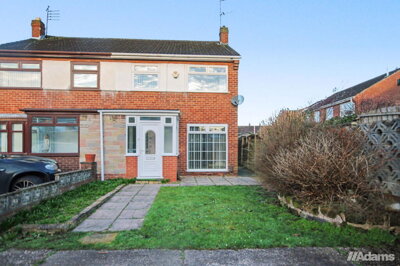
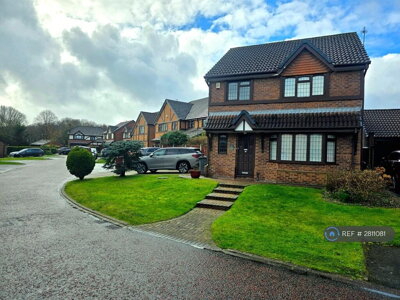
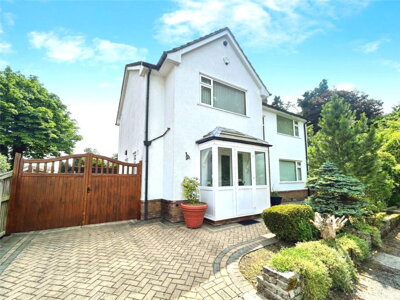
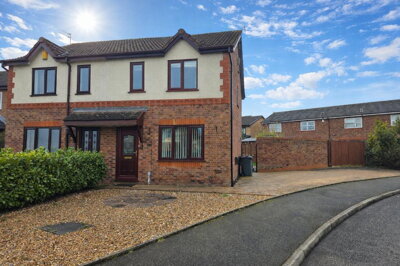
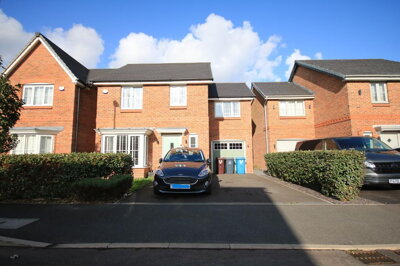
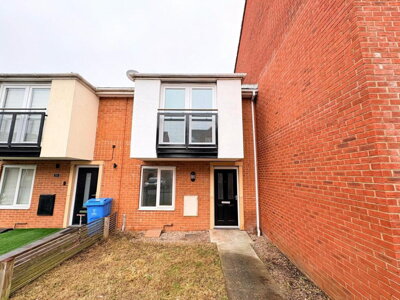
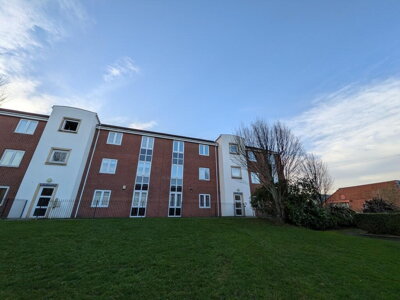
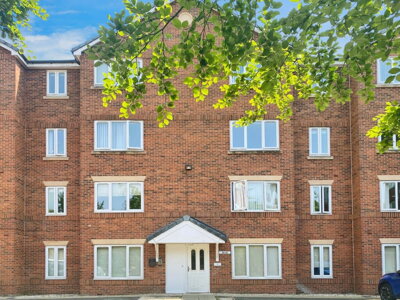
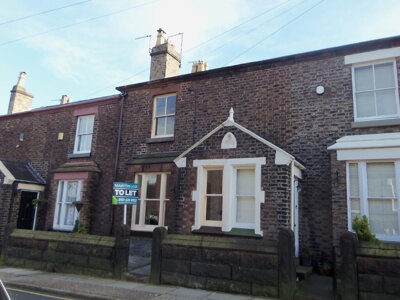
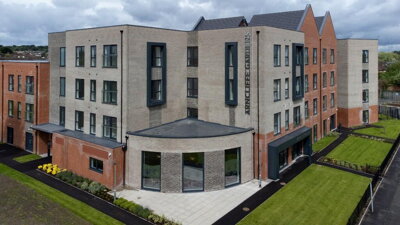
Browse 26 rental homes to rent in L26 from local letting agents.
£1,575/m
2
0
47
Source: home.co.uk
Source: home.co.uk
Detached
1 listings
Avg £1,850
Semi-Detached
1 listings
Avg £1,300
Source: home.co.uk
Source: home.co.uk
The rental market in L26 presents opportunities for tenants seeking suburban living with excellent connectivity to Liverpool city centre. Our platform showcases a range of rental properties, from modern apartments to spacious family houses. The area's mix of property types means renters can find accommodation to suit various budgets and lifestyle requirements. Average rental prices in L26 reflect the broader Liverpool market, which has seen strong growth with terraced properties rising 10.8% and flats increasing 7.0% in the year to December 2025. This consistent upward trend in values underscores the area's desirability among tenants and investors alike.
Property availability in L26 has attracted renters looking for more space than city centre living typically offers. Semi-detached and detached houses form the backbone of the local housing stock, providing gardens, off-street parking and family-friendly environments. Rightmove data confirms that the majority of properties sold in L26 during the last year were detached properties, indicating that this housing type dominates the local market. For tenants seeking similar accommodation to rent, these spacious homes offer the room and outdoor space that families particularly value. The L26 postcode encompasses several neighbourhoods, each with its own character, from established residential streets to newer developments.
Tenants searching in this area benefit from a community atmosphere while maintaining easy access to Liverpool's extensive amenities, shopping centres and employment opportunities. The M57 motorway provides direct access to Liverpool city centre, while local bus routes connect residents to Liverpool ONE shopping centre and surrounding suburbs. The 187 property sales in the last year indicates active market conditions that also support the rental sector, with landlords maintaining properties to attract quality tenants. For those considering renting in L26, the combination of suburban charm and urban accessibility makes this postcode area particularly compelling.

The L26 postcode area offers a suburban lifestyle that appeals to families, professionals and retirees alike. The area around Halewood provides essential amenities including supermarkets, independent shops, healthcare facilities and restaurants, all within walking distance of residential neighbourhoods. Community spirit runs strong in this part of south Liverpool, with local events, sports clubs and neighbourhood associations fostering connections among residents. The area combines residential quietness with practical convenience, making it an attractive option for those seeking a balance between city access and suburban calm.
Green spaces contribute significantly to quality of life in L26, with parks, playing fields and nature reserves offering outdoor recreation opportunities. These spaces provide venues for walking, cycling, sports and family activities throughout the year. The residential character of L26 means streets are generally quieter than central Liverpool, with more room for children to play and families to enjoy their homes. The area's population of 15,321 creates a close-knit community atmosphere where neighbours often know each other and local businesses enjoy loyal patronage. This neighbourhood cohesion makes renting in L26 particularly appealing for those prioritising community connection.
The broader Liverpool postcode area shows diverse property sales activity, with terraced properties accounting for 39% of sales, semi-detached for 32.7%, detached for 12.7%, and flats for 15.6% according to sales data from January to December 2025. However, in L26 specifically, detached properties dominate the market, reflecting the suburban character of this south Liverpool postcode. Tenants can therefore expect a good selection of spacious family homes with gardens, rather than the apartment-heavy stock found closer to Liverpool city centre.
Local economic factors in the Liverpool area have shown positive trends, with property prices rising 9.5% across the city in the year to December 2025. This growth reflects Liverpool's ongoing regeneration and its appeal as a major northern city with strong employment prospects. For renters in L26, this economic stability translates into a secure environment where property values and rental demand remain robust, making it a sound choice for medium to long-term rental arrangements.

Families considering a move to L26 will find a range of educational options available within the postcode and surrounding areas. The suburb hosts several primary schools serving the local community, with parents able to choose from various options depending on their preferences and catchment areas. Secondary schools in the broader south Liverpool area provide additional choices for families with older children, with many institutions offering specialist subjects and extracurricular programmes. Researching school performance data and admission criteria is advisable when choosing a rental property, as catchment boundaries can influence placement significantly.
For families prioritising educational quality, the L26 area offers access to schools across various performance tiers. Understanding Ofsted ratings and examination results helps parents make informed decisions about where to rent. The proximity to good schools often influences rental decisions for families, as properties near high-performing schools command premium rents and experience higher tenant demand. Parents should visit potential schools, speak with headteachers and connect with local parent groups to gather insights beyond official statistics.
Sixth form colleges and further education establishments in Liverpool provide pathways for older students pursuing higher education or vocational qualifications. The proximity of the University of Liverpool and Liverpool John Moores University makes L26 convenient for students commuting to higher education, while the presence of good schools makes it practical for families at all stages of the education journey. With Liverpool's major universities within easy reach, families renting in L26 can plan for the long term, knowing their children have access to quality education from primary school through to university level.

L26 enjoys excellent transport connections that make commuting and travelling straightforward for residents. The area sits close to major road routes including the M57 motorway, which provides direct access to Liverpool city centre and connections to the national motorway network beyond. Bus services operate throughout the L26 postcode, linking residents to Liverpool ONE shopping centre, the commercial districts and surrounding suburbs. These public transport options make car-free living feasible for many residents, particularly those working in the city centre.
For rail travel, nearby stations offer connections to Liverpool Lime Street and beyond, with services reaching Manchester and other northern cities. The proximity of Liverpool John Lennon Airport adds international connectivity for business travellers and holidaymakers alike. Commuters working in Liverpool city centre can typically reach their workplace within 30 minutes by car or public transport, depending on traffic conditions. The excellent road and rail infrastructure surrounding L26 makes it a practical choice for those who need to travel regularly for work or leisure, while local bus routes serve daily errands without requiring vehicle ownership.
The M57 motorway serves as a crucial artery connecting L26 to the wider motorway network, linking residents to the M6, M62 and destinations across the North West and beyond. For those working in Liverpool city centre, the direct road connection via the M57 provides a straightforward commute, while public transport alternatives reduce the need for vehicle ownership. Liverpool Lime Street station offers rail services to major UK cities including London, Birmingham and Edinburgh, with Manchester accessible in under an hour. This connectivity makes L26 attractive to professionals who need access to major employment centres while enjoying suburban living.

Before starting your property search, obtain a rental budget agreement in principle from a lender or financial provider. This document demonstrates to landlords and letting agents that you have the financial capacity to afford monthly payments, strengthening your application against competing tenants in the competitive L26 rental market. Having this documentation ready upfront signals professionalism and can make your application stand out when landlords receive multiple enquiries.
Spend time exploring different neighbourhoods within the L26 postcode, from the residential streets around Halewood to the quieter cul-de-sacs that characterize parts of this south Liverpool suburb. Consider proximity to your workplace, schools, public transport and local amenities when narrowing your search. Each area has distinct characteristics, so finding the right fit depends on understanding your priorities and visiting potential locations in person. Drive or walk around neighbourhoods at different times of day to get a genuine feel for the area.
Browse available rental listings on Homemove and arrange viewings with letting agents. Take notes during viewings and ask about lease terms, included appliances, maintenance responsibilities and any restrictions on pets or smoking. In L26, many properties are family homes with gardens, so consider whether outdoor space is important to you and your household. View multiple properties before making a decision, as the area offers diverse options across different price points and property types.
Once you find a property you want, submit your application promptly as desirable properties in L26 can receive multiple applications quickly. Landlords typically require references, employment verification, credit checks and previous landlord references. Having these documents ready speeds up the process considerably. Ensure your credit history is accurate before applying and have payslips, bank statements and reference contact details prepared in advance.
Review the tenancy agreement carefully before signing. Pay attention to the deposit amount, lease length, notice periods and any clauses regarding rent increases or property alterations. Your deposit will be protected in a government-approved scheme within 30 days under the Tenant Fees Act 2019. Ask the letting agent to explain any clauses you do not understand before committing to the tenancy.
Schedule your move-in date and complete a detailed inventory check with the letting agent. Document the condition of all rooms, fixtures and fittings with photographs and written descriptions. This record protects you from incorrect charges when your tenancy ends. In L26, many rental properties include gardens, outbuildings and parking areas that should be thoroughly documented. Take meter readings on moving day and notify utility providers promptly to ensure seamless service.
Renting a property in L26 requires understanding local factors that can affect your tenancy experience. The predominant housing types in the area include detached and semi-detached houses, many of which feature gardens and off-street parking. When viewing properties, check the condition of roofs, windows and insulation, particularly for older properties that may require more maintenance. Energy performance certificates provide useful information about heating efficiency and potential utility costs, helping you estimate ongoing expenses. Given that L26 properties command prices averaging £283,843 for sales, landlords typically maintain their rentals to high standards, but thorough inspections remain important.
Understanding lease terms is essential before committing to a rental property. Most tenancies start as Assured Shorthold Tenancies of six to twelve months, with provisions for renewal or termination. Ask about the process for requesting repairs, who is responsible for garden maintenance and whether you can make decorative changes to the property. Building and contents insurance is typically the tenant's responsibility, so factor this into your moving costs. For flats in the area, review the service charge arrangements and any restrictions on pets or business activities before signing your agreement.
The L26 property market shows strong fundamentals, with prices 7% above the 2023 peak of £266,370. This indicates stable long-term demand that supports the rental market. Tenants should consider the tenure arrangements carefully, whether selecting a freehold or leasehold property, and understand what maintenance responsibilities fall to them versus the landlord. Properties in this area often feature traditional brick construction, typical of south Liverpool residential development, with good thermal mass that keeps homes cool in summer and warm in winter.

Specific rental price data for L26 was not published in the available research, but the broader Liverpool rental market shows steady growth with terraced properties rising 10.8% and flats by 7.0% in the year to December 2025. The average house price in Liverpool reached £185,000 in December 2025, providing a useful benchmark for understanding the broader market. In L26 specifically, Rightmove reports an overall average house price of £283,843, with detached properties averaging £378,519, semi-detached at £223,072 and terraced houses at £191,852. These sale prices influence rental valuations, with larger family homes commanding higher monthly rents reflecting their substantial capital values. Contact local letting agents for current listings that match your requirements and budget, as rental prices vary significantly based on property type, size, condition and specific location within the L26 postcode.
Council tax bands in L26 are set by Liverpool City Council and vary depending on the property's valuation band from A to H. Most residential properties in the area fall within bands A to D, with semi-detached houses typically in band B or C and larger detached properties in higher bands. Given the average property values in L26, with detached homes averaging £378,519 and semi-detached at £223,072, many properties will fall in the mid-range bands. You can check the specific band for any property through the Liverpool City Council website or your tenancy agreement, which should state the council tax responsibility. Band information affects your monthly budget planning as higher-banded properties incur greater council tax charges, so factor this into your overall rental costs when comparing properties.
The L26 area offers access to several primary and secondary schools serving the local community, with options across different performance tiers. Parents should research individual school performance data, Ofsted ratings and admission catchment areas when choosing a rental property, as catchment boundaries can significantly affect school placement. The south Liverpool area around L26 includes various primary schools serving local neighbourhoods, while secondary schools in the broader area provide additional choices for families with older children. Visiting schools directly and speaking with local parents provides valuable insight beyond official statistics and helps identify the best fit for your children's educational needs. The proximity of the University of Liverpool and Liverpool John Moores University also makes L26 practical for students pursuing higher education.
L26 benefits from excellent public transport connections including bus services operating throughout the postcode area linking residents to Liverpool ONE shopping centre, the commercial districts and surrounding suburbs. The M57 motorway provides direct road access to Liverpool city centre and connections to the national motorway network, with Manchester accessible via the M6 and M62. Rail stations nearby offer services to Liverpool Lime Street with connections to major UK cities including London, Birmingham and Manchester. Liverpool John Lennon Airport is easily accessible for international travel, located within easy reach of the L26 area. The combination of bus, rail and road options makes L26 practical for commuters without vehicles and those who prefer sustainable travel options for daily commuting and leisure trips.
L26 offers a compelling combination of suburban living with excellent connectivity to Liverpool city centre. The area provides more space and often better value than central Liverpool, making it attractive for families and professionals seeking affordability without sacrificing access to employment and amenities. Community atmosphere, green spaces and practical transport links contribute to quality of life in this south Liverpool postcode. The strong property price growth in the area, with an 8.93% increase over the last 12 months and 69.54% over five years, reflects ongoing desirability that benefits both renters and property owners in the local community. Rightmove data showing L26 prices 7% above the 2023 peak of £266,370 indicates stable long-term demand, meaning rental properties in this area are likely to remain in demand and well-maintained by landlords.
Standard practice requires a deposit equivalent to five weeks' rent, held in a government-approved scheme under the Tenant Fees Act 2019. This cap protects tenants from excessive deposits while ensuring landlords have financial security. Tenants may face charges for referencing, credit checks and inventory reports, though these fees are capped and must be clearly listed by letting agents. Holding deposits of up to one week's rent can be requested while applications are processed, and this amount is deducted from the final deposit due. First-time renters should budget for moving costs including advance rent payments, deposit and potential letting fees in addition to removal expenses and utility setup costs. In L26, where many rental properties are family homes with gardens, additional moving costs may include garden equipment, outdoor furniture and appropriate storage solutions.
Budgeting for a rental property in L26 requires consideration of several costs beyond monthly rent. The initial outlay typically includes advance rent payments, a security deposit and potentially a holding deposit while your application processes. Government regulations cap deposits at five weeks' rent and restrict certain letting fees, providing important protections for tenants. First-time renters should also account for moving expenses, furnishing costs and ongoing utility bills when calculating their overall budget for moving to the area.
Utility costs vary depending on property size, insulation quality and personal consumption patterns. Energy Performance Certificates available for rental properties indicate heating efficiency, helping estimate potential bills. Given the property types in L26, with detached and semi-detached houses dominating the housing stock, utility costs may be higher than for apartments due to increased floor space. However, many L26 properties feature traditional brick construction with good thermal mass, which can help regulate indoor temperatures and reduce heating costs. Council tax, water rates, internet and mobile phone contracts add to monthly housing costs, with Liverpool City Council setting the council tax rates for properties in L26.
Building insurance and contents coverage are typically tenant responsibilities when renting in L26. Requesting utility bill histories from current or previous tenants provides useful estimates when planning your budget for a new rental property. With average property values in L26 ranging from £191,852 for terraced houses to £378,519 for detached properties, contents insurance costs should reflect the value of furnishings and belongings in these larger family homes. Budget carefully for the initial months of your tenancy, as setting up utilities, furnishing an empty property and managing moving logistics can create unexpected expenses. Our rental budget calculator can help you plan for all costs associated with renting in L26, ensuring you enter your tenancy financially prepared.

Properties to Rent In London

Properties to Rent In Plymouth

Properties to Rent In Liverpool

Properties to Rent In Glasgow

Properties to Rent In Sheffield

Properties to Rent In Edinburgh

Properties to Rent In Coventry

Properties to Rent In Bradford

Properties to Rent In Manchester

Properties to Rent In Birmingham

Properties to Rent In Bristol

Properties to Rent In Oxford

Properties to Rent In Leicester

Properties to Rent In Newcastle

Properties to Rent In Leeds

Properties to Rent In Southampton

Properties to Rent In Cardiff

Properties to Rent In Nottingham

Properties to Rent In Norwich

Properties to Rent In Brighton

Properties to Rent In Derby

Properties to Rent In Portsmouth

Properties to Rent In Northampton

Properties to Rent In Milton Keynes

Properties to Rent In Bournemouth

Properties to Rent In Bolton

Properties to Rent In Swansea

Properties to Rent In Swindon

Properties to Rent In Peterborough

Properties to Rent In Wolverhampton

Enter your details to see if this property is within your budget.
Loans, cards, car finance
Estimated property budget
Borrowing + deposit
You could borrow between
Typical borrowing
Monthly repayment
Est. at 4.5%
Loan-to-value
This is an estimate only. Your actual budget may vary depending on interest rates, credit history, and personal circumstances. For an accurate affordability assessment, speak to one of our free mortgage advisors.
This calculator provides estimates for illustrative purposes only and does not constitute financial advice. Your home may be repossessed if you do not keep up repayments on your mortgage. Estimates based on 4.5% interest rate, repayment mortgage. Actual rates depend on your circumstances.
Homemove is a trading name of HM Haus Group Ltd (Company No. 13873779, registered in England & Wales). Homemove Mortgages Ltd (Company No. 15947693) is an Appointed Representative of TMG Direct Limited, trading as TMG Mortgage Network, which is authorised and regulated by the Financial Conduct Authority (FRN 786245). Homemove Mortgages Ltd is entered on the FCA Register as an Appointed Representative (FRN 1022429). You can check registrations at NewRegister or by calling 0800 111 6768.

We use cookies to show you personalised content and improve your experience of our website. Find out more in our Privacy policy and Cookie policy.