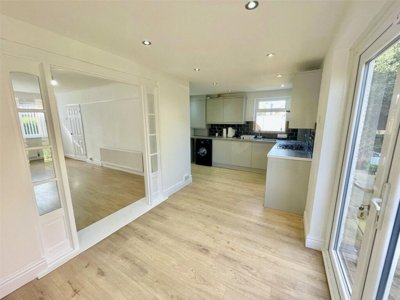
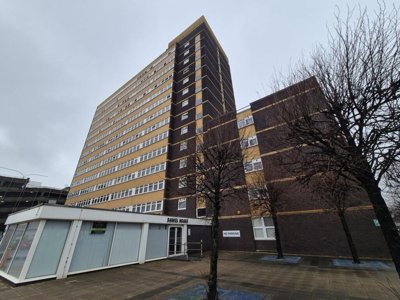
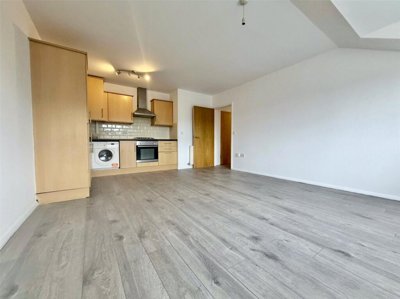
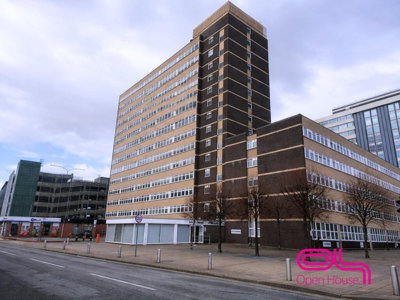
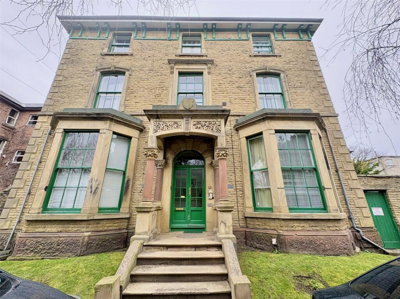
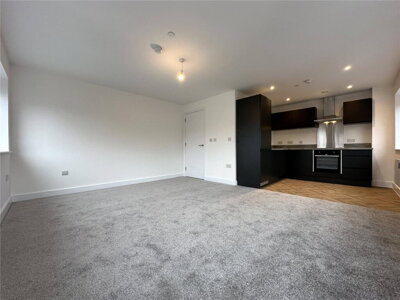
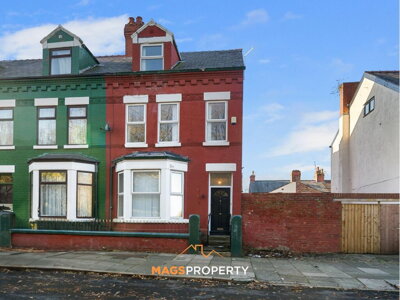
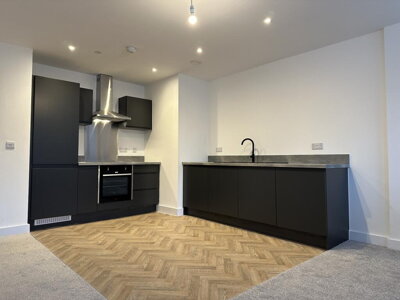
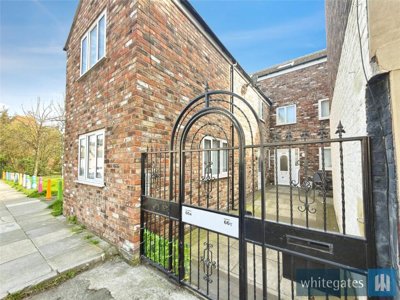
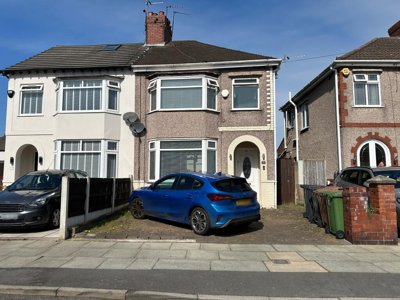
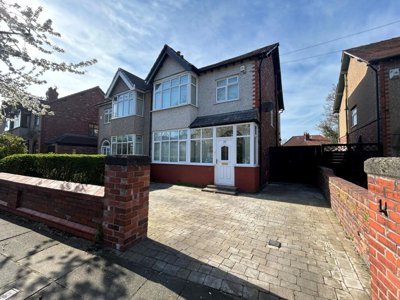
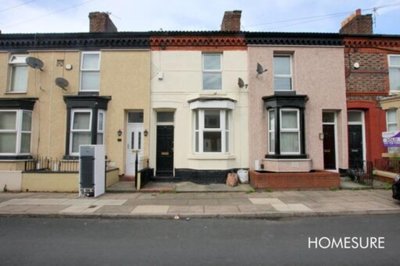
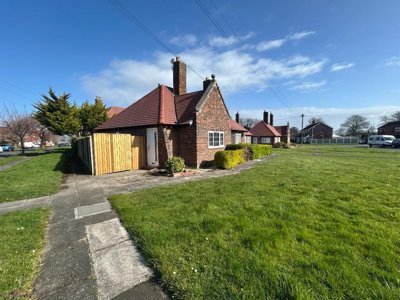
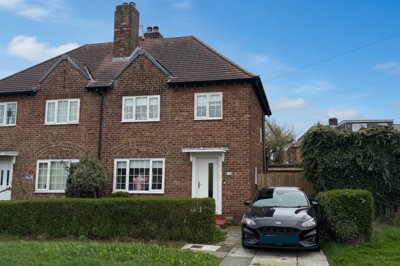
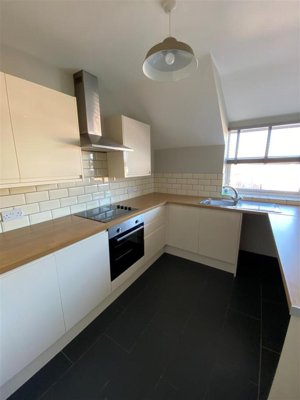
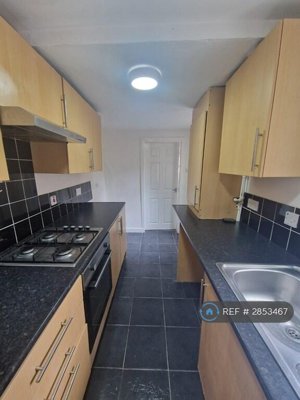
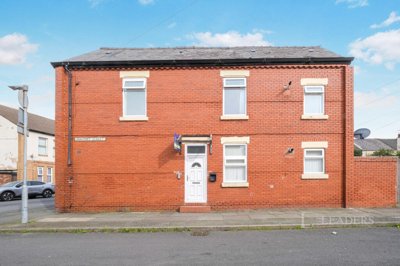
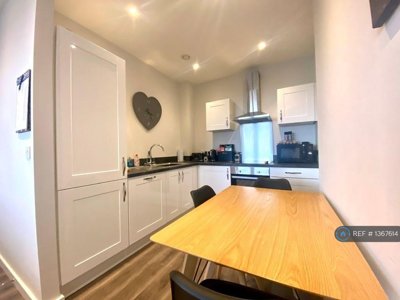
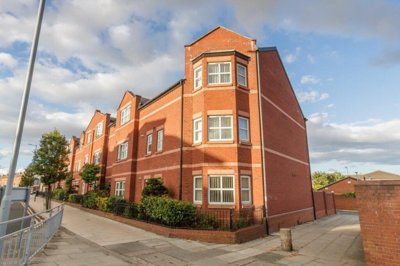
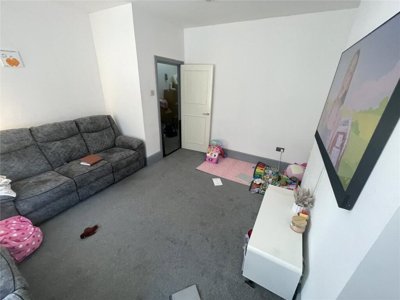
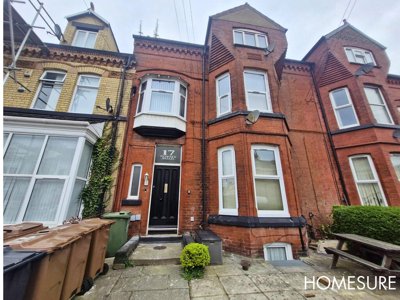
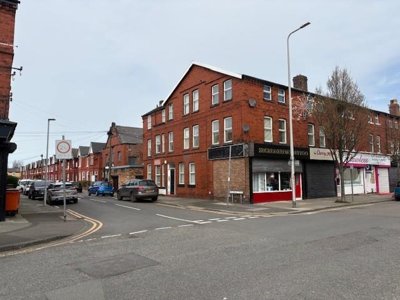
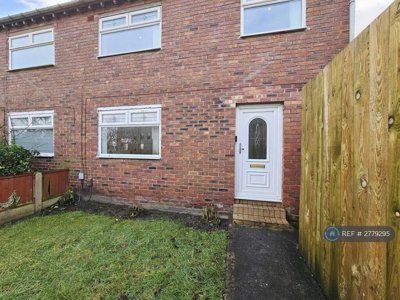
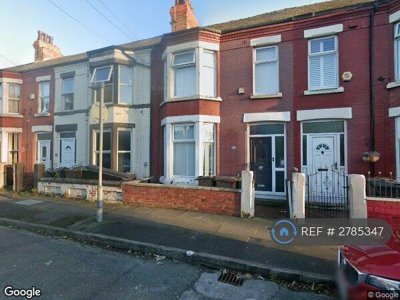
Browse 131 rental homes to rent in L21 from local letting agents.
£883/m
8
2
36
Source: home.co.uk
Source: home.co.uk
House
4 listings
Avg £841
Terraced
2 listings
Avg £1,025
Apartment
1 listings
Avg £700
Flat
1 listings
Avg £795
Source: home.co.uk
Source: home.co.uk
The L21 rental market reflects the broader Liverpool property landscape, with semi-detached houses forming the backbone of available homes in this postcode area. Our data shows semi-detached properties are particularly prevalent in neighbourhoods like Seaforth and Litherland, offering renters generous living space, private gardens, and the character of established residential streets. These homes typically feature three or four bedrooms, making them ideal for families or professionals seeking more room than city centre flats can provide. The strong supply of semi-detached rental properties in L21 means competitive pricing compared to more central Liverpool postcodes, with sold prices averaging around £202,000 for this property type according to recent market data.
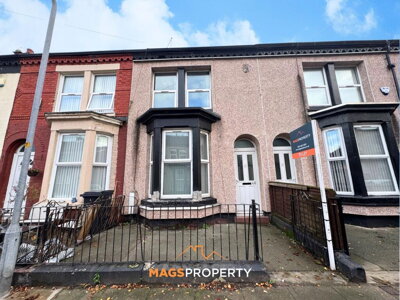
Terraced properties also represent a significant portion of the L21 rental stock, providing more affordable options for renters working within tighter budgets. These Victorian and Edwardian terraced homes often boast original features such as high ceilings, fireplaces, and period detailing that add real character to the living space. According to housing stock data for the wider Liverpool postcode area, terraced properties account for approximately 39% of the housing stock, with semi-detached homes at around 33% and flats comprising roughly 16% of available properties. Flats and apartments are available throughout the area, though in smaller numbers, catering to singles, couples, and those prioritising lower maintenance living.
The overall L21 property market has shown resilience, with sold prices running 7% up on the previous year and 6% up on the 2023 peak of £166,293. There were 88 sold properties recorded in L21 based on Land Registry data over the last twelve months, suggesting active market conditions that benefit both sellers and renters. For those renting in L21, this market stability means landlords are likely to maintain properties to good standards knowing the area remains desirable, while rental prices stay competitive compared to more central Liverpool postcodes where demand drives costs higher.

The L21 postcode area sits in the northern reaches of Liverpool, offering residents a balance of residential calm and convenient city access. Seaforth and Litherland form the core communities within L21, each with their own distinct character while sharing strong local amenities and community spirit. Seaforth has historical connections to the maritime industry given its proximity to the River Mersey, while Litherland has developed into a well-established residential suburb with good local services. The area features a good selection of local shops, supermarkets, and independent retailers along its main thoroughfares, providing everyday necessities without requiring a trip into the city centre.
Parks and green spaces are scattered throughout the area, offering recreational opportunities for families and individuals who appreciate outdoor activities close to home. The proximity of L21 to Liverpool's waterfront adds another dimension to local life, with residents able to enjoy sea breezes and riverside walks within easy reach. Community events and local initiatives help foster connection among residents, making L21 an appealing choice for those who value a sense of belonging and neighbourly interaction. The demographic mix includes long-standing residents who have lived in the neighbourhood for decades alongside newer arrivals attracted by affordable housing costs and improving local facilities.
The strong transport links connecting L21 to central Liverpool and beyond make it practical for commuters while preserving the advantage of lower property costs than inner-city postcodes. Residents benefit from the Merseyrail network serving nearby stations with regular connections to Liverpool Central and Lime Street, making daily commutes straightforward. Bus routes throughout the area provide additional options for reaching destinations not directly served by the rail network. This combination of affordability, space, and connectivity makes L21 an attractive option for renters who want to maximise their living budget without compromising on access to city centre employment and amenities.

Families considering renting in L21 will find a reasonable selection of educational establishments within the postcode area and immediately nearby. Primary schools serving the L21 area include several options within walking distance for most households, providing convenient education for younger children without lengthy daily commutes. The area features a mix of community primary schools and faith-based schools, allowing parents to choose educational approaches that align with their family values and preferences. St. Nicholas Catholic Primary School and Rimrose Hope CofE Primary School serve families in the Seaforth and Litherland areas, while options like Forefield Junior School provide strong community education in nearby neighbourhoods.
Secondary education in and around L21 includes several options serving the local student population, with ongoing investment in educational facilities across the wider Liverpool area. Sacred Heart Catholic College in the nearby area provides secondary education with a strong reputation, while other local secondary schools serve the broader student population from L21. The presence of sixth form provision allows older students to continue their education locally rather than travelling further afield, which can be a significant factor for families with teenage children. Further education colleges within reach provide clear progression pathways for students completing their secondary education and seeking vocational or academic qualifications.
Researching specific school performance data and Ofsted inspection reports before committing to a rental property is advisable, as school places can be allocated based on proximity and catchment area boundaries vary between institutions. Renting in L21 can be particularly attractive to families who prioritise good educational access while benefiting from more affordable housing costs than central Liverpool postcodes where school competition is more intense. Visiting schools and speaking with current parents provides valuable insight beyond official statistics, helping you make an informed choice about education options when renting in L21.

Transport connectivity ranks among L21's strongest attributes, making it practical for residents to commute to Liverpool city centre and access employment opportunities across the region. The Merseyrail Northern Line serves the L21 area through nearby stations including Seaforth and Litherland, providing reliable rail connections into Liverpool Central and Lime Street stations. Regular train services mean that many residents can comfortably commute to city centre workplaces without the expense and stress of daily driving and parking. The station connections also enable travel to other Merseyside destinations including Southport, Ormskirk, and Kirkby, supporting employment and leisure opportunities across the region.
Bus services provide additional public transport options throughout L21, connecting the postcode area to surrounding neighbourhoods and facilitating travel to destinations not directly served by the rail network. Major bus routes pass through the area providing connections to Liverpool city centre, Bootle, Crosby, and other nearby towns. For residents who drive, the proximity to major road routes including the A5036 and connections to the motorway network makes car travel straightforward for those requiring vehicle access for work or family commitments. The M57 and M58 motorways are accessible for travel further afield, while the Port of Liverpool and associated industrial employment opportunities are particularly close for those working in logistics or maritime sectors.
Cycling infrastructure in the area continues to develop, with cycle routes and quieter residential streets making cycling a viable option for shorter local journeys. The proximity to Liverpool John Lennon Airport remains a practical benefit for residents who travel frequently for work or leisure, with good rail and road connections to the terminal. The overall transport package that L21 offers makes it particularly appealing to renters who work in the city centre but want to benefit from more affordable housing costs than central postcodes provide, without facing punishing daily commutes.

Before beginning your property search in L21, take time to understand the local rental market and establish a realistic monthly budget. Consider not just rent but also council tax, utility bills, and moving costs when calculating what you can afford. Properties in L21 fall under Sefton Metropolitan Borough Council for council tax purposes, with most terraced and smaller semi-detached properties falling into bands A to C. Our rental budget tool can help you understand your borrowing capacity and give you a clear figure to work within when approaching estate agents and landlords in L21.
Once you have identified properties that match your requirements and budget, arrange viewings to see them in person. Visiting properties in different streets within L21 will help you understand the character of different neighbourhoods, from the Victorian terraces of inner Seaforth to the more modern semi-detached streets closer to the A5036. Take notes during viewings and ask landlords or agents about lease terms, included fixtures, and any restrictions that might affect your living arrangements. Many properties in L21 date from the Victorian and Edwardian periods, so pay particular attention to the condition of windows, the boiler age, and signs of damp or structural movement during your visits.
Before making a formal rental application, securing a rental budget agreement in principle strengthens your position as a tenant. This document demonstrates to landlords that you have been assessed as capable of meeting the rent requirements for properties in your target price range. Having this in place signals your seriousness and can help your application progress more smoothly when competing with other potential tenants for popular properties in L21. The competitive rental market in areas like Litherland and Seaforth means that having your finances verified in advance can make the difference between securing your preferred property and missing out.
When you find a property you wish to rent, you will need to complete tenant referencing checks as part of the application process. This typically involves verification of your identity, employment status, and previous landlord references. Our tenant referencing service can guide you through this process efficiently, ensuring all required documentation is in order and your application is complete when submitted. You should also be prepared to provide proof of income, bank statements, and identification documents as part of a thorough referencing process.
Once your application is approved, you will sign a tenancy agreement outlining the terms of your rental, including rent amount, deposit requirements, and your rights and responsibilities as a tenant. Your deposit will be protected in a government-approved scheme within 30 days of the tenancy starting, and you will receive details of how to retrieve it at the end of your tenancy. After completing these formalities and conducting a thorough inventory check documenting the condition of the property and its contents, you can collect your keys and begin your new life in your L21 home. Take photos during the inventory process to ensure you have evidence of the property condition at the start of your tenancy.
When renting a property in L21, understanding the condition and history of the housing stock helps you make an informed decision about your potential new home. Many properties in this postcode area date from the Victorian and Edwardian periods, meaning they carry characteristic period features alongside potential maintenance issues common to older properties. Damp detection warrants careful attention during viewings, as older terraced and semi-detached houses can suffer from condensation or penetrating damp if they have not been properly maintained. Look for tell-tale signs including musty smells, discoloured walls especially behind furniture, and any watermarking around windows or skirting boards.
The predominant brick construction of L21 properties generally provides solid structural integrity, though any signs of subsidence such as cracks in walls wider than a few millimetres, doors that stick, or uneven floors should prompt further investigation before committing to a rental. Ask landlords about recent repairs, the age of the boiler, and any improvements that have been made to the property in recent years. Energy efficiency varies considerably across the older housing stock, with some properties having been updated with modern double glazing and insulation while others retain original single-glazed windows. Checking the energy performance certificate rating helps estimate future heating costs, which can be substantial in less efficient period properties during winter months.
Planning permissions for nearby developments are worth investigating if you have concerns about future views or noise levels in your potential rental neighbourhood. The L21 area has seen ongoing development activity, with property prices showing a 4.3% nominal increase in the last year for the broader L21 district, suggesting continued interest in the area. Check for any nearby construction sites and ask local agents about planned developments that might affect your enjoyment of the property. Taking time during viewings to check the surrounding streets, local shops, and transport options helps ensure the neighbourhood genuinely matches your lifestyle expectations before you commit to a tenancy.

While comprehensive rental price data for L21 specifically was not available in current market reports, the area benefits from Liverpool's generally affordable rental market compared to other major UK cities. Sold property prices in L21 average around £161,000 to £175,000 depending on data source, which suggests rental prices will reflect this more accessible market position. Terraced properties typically command lower rents than semi-detached or detached homes, with flats representing the most affordable options for singles and couples. The sold price data shows semi-detached properties averaging around £202,000, terraced properties around £122,000 to £140,000, and flats averaging approximately £89,000, which provides a useful guide to relative rental values across property types in the area. Contacting local estate agents in the L21 area provides the most accurate picture of current rental pricing for specific property types and sizes.
Properties in L21 fall under Sefton Metropolitan Borough Council for council tax purposes, as this part of Liverpool sits within the Sefton boundary rather than the Liverpool City Council area. Council tax bands range from A through H, with the specific band depending on the property's assessed value at the time of the last valuation. Most terraced and smaller semi-detached properties in L21 fall into bands A to C, meaning lower annual council tax charges than properties in higher bands. You can check the specific council tax band for any property by using the government council tax band lookup tool with the property address, or by contacting Sefton Metropolitan Borough Council directly.
The L21 postcode area is served by several primary schools within reasonable walking distance of most residential streets. St. Nicholas Catholic Primary School and Rimrose Hope CofE Primary School serve families in the Seaforth and Litherland areas, while Forefield Junior School provides strong community education in nearby neighbourhoods. The quality of individual schools varies, and reviewing recent Ofsted inspection reports helps identify the strongest options for your family. Secondary schools in the surrounding area include Sacred Heart Catholic College with its established reputation. Visiting schools and speaking with current parents provides valuable insight beyond official statistics, helping you make an informed choice about education options when renting in L21.
L21 enjoys good public transport connectivity through the Merseyrail Northern Line, with nearby Seaforth and Litherland stations providing regular services to Liverpool city centre. Train services connect directly to Liverpool Central and Lime Street stations, making commuting to city centre workplaces straightforward for many residents. Bus routes including major services through the area connect L21 to surrounding neighbourhoods, Liverpool city centre, Bootle, Crosby, and other destinations across Merseyside. Liverpool John Lennon Airport is accessible by road via the M57 and M58 motorways, with good public transport connections available for residents who travel frequently by air.
L21 represents a sound choice for renters prioritising affordability, space, and practical transport connections. The area offers good value compared to more central Liverpool postcodes while maintaining straightforward access to city amenities and employment. Sold price data shows the L21 market has remained resilient, with prices running 7% up on the previous year and a 4.3% nominal increase over the last twelve months for the broader district. The mix of housing types from Victorian terraced houses to modern semi-detached homes provides options across different budgets and household requirements. Community spirit remains strong in traditional neighbourhoods like Seaforth and Litherland, helping residents feel settled and connected. The ongoing investment in transport infrastructure and local amenities supports the area's appeal for renters seeking long-term homes.
When renting a property in L21, you will typically be asked to pay a security deposit equivalent to five weeks rent, which is capped under the Tenant Fees Act 2019 for properties with annual rents below £50,000. This deposit will be protected in a government-approved scheme within 30 days of your tenancy starting, and you will receive details of how to retrieve it at the end of your tenancy. The holding deposit, typically equivalent to one week's rent, is used to take a property off the market while your application is processed and is generally deducted from your first month's rent upon successful completion. Permitted fees are limited to things like holding deposits, deposits, rent, and default charges, with most other costs prohibited under the tenant fees ban. Holding a rental budget agreement in principle before property viewings helps streamline the application process and demonstrates your financial readiness to landlords.
From 4.5%
Demonstrates your affordability to landlords before you apply
From £49
Verifies your identity, employment and previous landlord references
From £350
Essential for older properties common in L21 - checks condition, damp and defects
From £85
Check energy efficiency ratings for period properties with older insulation
Understanding the costs involved in renting a property helps you budget accurately and avoid surprises when you find your ideal home in L21. The security deposit, capped at five weeks rent under the Tenant Fees Act 2019 for most private rental properties, must be protected in a government-approved deposit protection scheme within 30 days of your tenancy commencement. This protection ensures you have recourse to recover your deposit at the end of the tenancy, provided there are no legitimate deductions for damage or unpaid rent. The three approved schemes are the Deposit Protection Service, MyDeposits, and the Tenancy Deposit Scheme, and your landlord must tell you which scheme they use.
Other costs to budget for when renting in L21 include council tax payments, utility bills including gas, electricity, and water, plus internet and mobile phone contracts. Council tax in the Sefton area follows standard banding, with most terraced and smaller semi-detached properties falling into bands A to C. Contents insurance is advisable to protect your personal belongings, while TV licensing fees apply if you watch live television or use BBC services. Energy costs can be higher in period properties with single glazing and older boilers, so checking the EPC rating during your property search helps you estimate ongoing running costs.
Moving costs can be substantial, so obtaining quotes from removal companies in advance helps you plan this expense. If you need to connect gas, electricity, or water supplies to a new rental property, you may face connection charges from utility companies. Having your rental budget agreement in principle in place before you begin viewing properties means you have a clear picture of what you can afford, reducing the risk of falling in love with a property beyond your means and facing disappointment when your application cannot proceed. We recommend calculating your total monthly housing costs including rent, council tax, and estimated utilities before you start your property search in L21.

Properties to Rent In London

Properties to Rent In Plymouth

Properties to Rent In Liverpool

Properties to Rent In Glasgow

Properties to Rent In Sheffield

Properties to Rent In Edinburgh

Properties to Rent In Coventry

Properties to Rent In Bradford

Properties to Rent In Manchester

Properties to Rent In Birmingham

Properties to Rent In Bristol

Properties to Rent In Oxford

Properties to Rent In Leicester

Properties to Rent In Newcastle

Properties to Rent In Leeds

Properties to Rent In Southampton

Properties to Rent In Cardiff

Properties to Rent In Nottingham

Properties to Rent In Norwich

Properties to Rent In Brighton

Properties to Rent In Derby

Properties to Rent In Portsmouth

Properties to Rent In Northampton

Properties to Rent In Milton Keynes

Properties to Rent In Bournemouth

Properties to Rent In Bolton

Properties to Rent In Swansea

Properties to Rent In Swindon

Properties to Rent In Peterborough

Properties to Rent In Wolverhampton

Enter your details to see if this property is within your budget.
Loans, cards, car finance
Estimated property budget
Borrowing + deposit
You could borrow between
Typical borrowing
Monthly repayment
Est. at 4.5%
Loan-to-value
This is an estimate only. Your actual budget may vary depending on interest rates, credit history, and personal circumstances. For an accurate affordability assessment, speak to one of our free mortgage advisors.
This calculator provides estimates for illustrative purposes only and does not constitute financial advice. Your home may be repossessed if you do not keep up repayments on your mortgage. Estimates based on 4.5% interest rate, repayment mortgage. Actual rates depend on your circumstances.
Homemove is a trading name of HM Haus Group Ltd (Company No. 13873779, registered in England & Wales). Homemove Mortgages Ltd (Company No. 15947693) is an Appointed Representative of TMG Direct Limited, trading as TMG Mortgage Network, which is authorised and regulated by the Financial Conduct Authority (FRN 786245). Homemove Mortgages Ltd is entered on the FCA Register as an Appointed Representative (FRN 1022429). You can check registrations at NewRegister or by calling 0800 111 6768.

We use cookies to show you personalised content and improve your experience of our website. Find out more in our Privacy policy and Cookie policy.