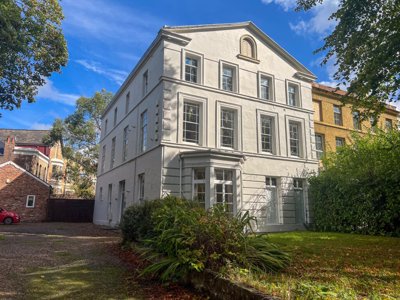
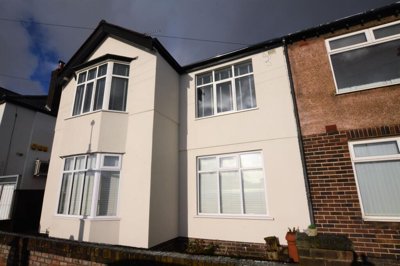
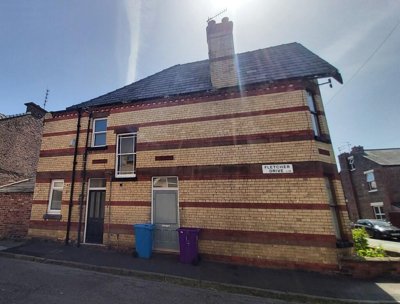
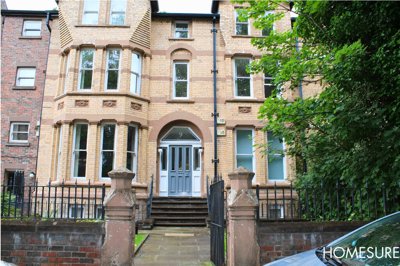
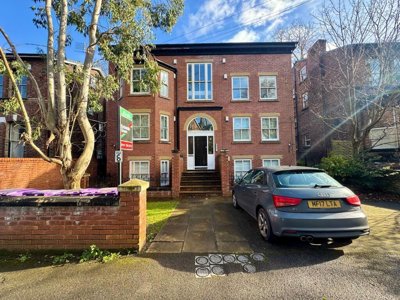
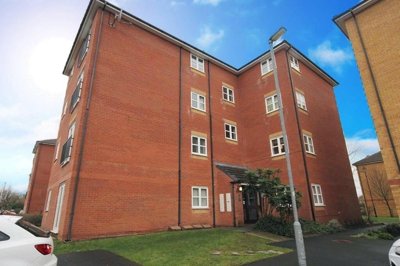
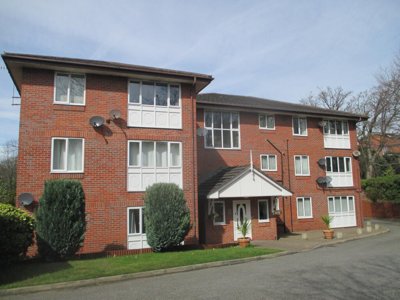
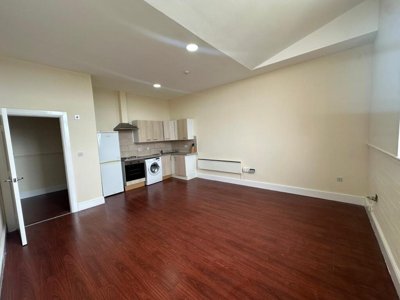
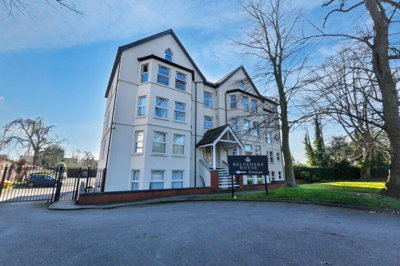
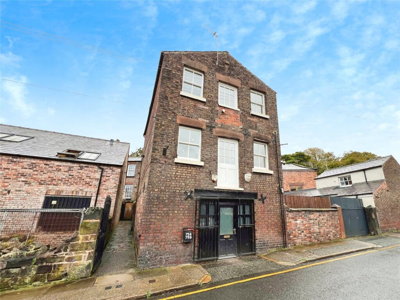
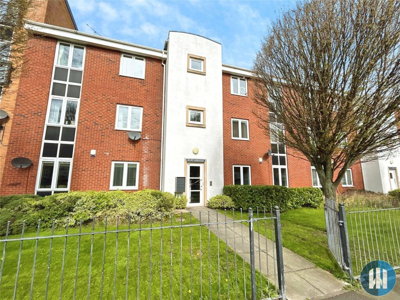
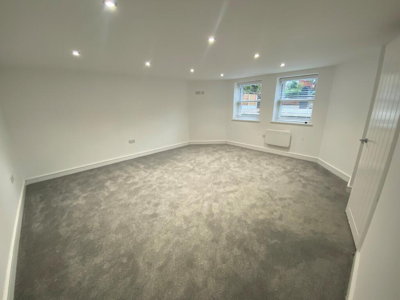
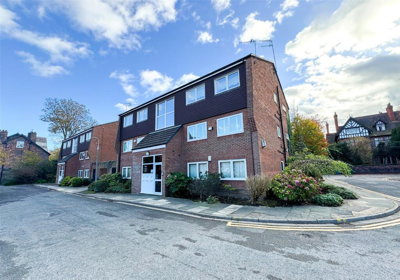
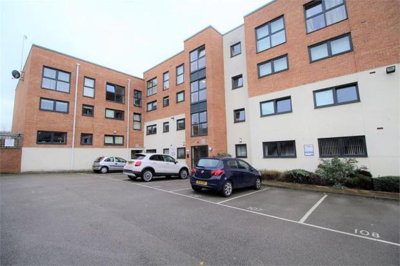
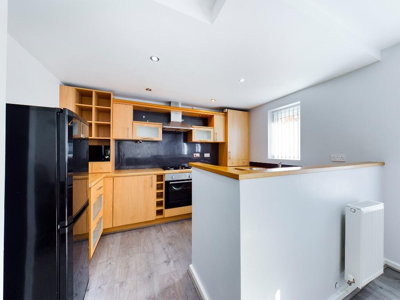
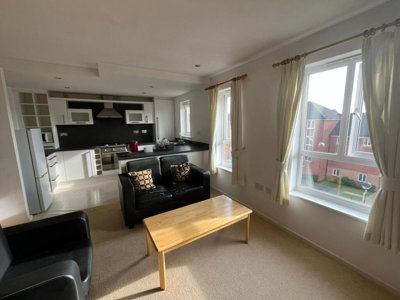
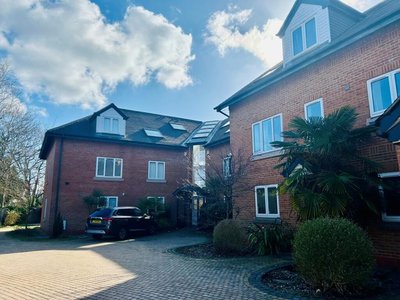
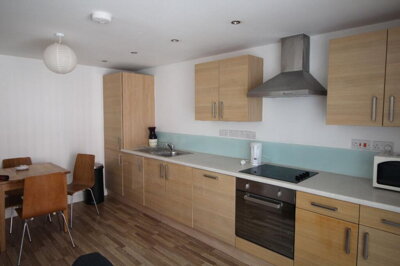
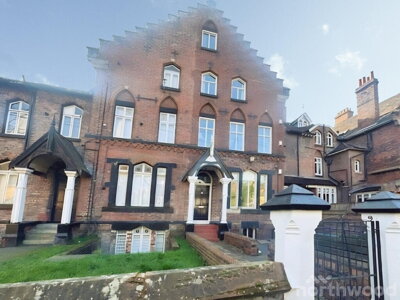
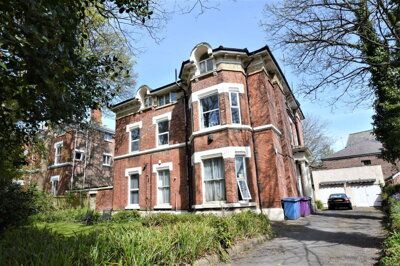
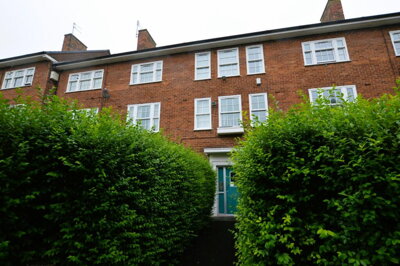
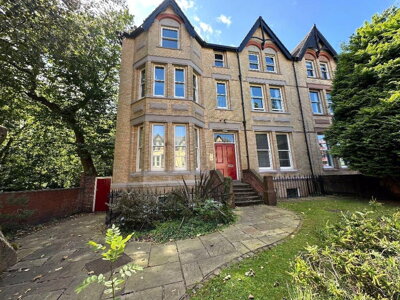
Browse 51 rental homes to rent in L19 from local letting agents.
Studio apartments feature open-plan living spaces without separate bedrooms, incorporating sleeping, living, kitchen, and bathroom facilities. The L19 studio market includes properties in modern apartment complexes, converted Victorian and Georgian buildings, and purpose-built developments.
£1,075/m
2
0
45
Source: home.co.uk
Showing 2 results for Studio Flats to rent in L19. The median asking price is £1,075/month.
Source: home.co.uk
Flat
2 listings
Avg £1,075
Source: home.co.uk
Source: home.co.uk
The L19 rental market has shown considerable resilience and growth in recent years, reflecting broader trends across Liverpool's property sector. House prices in L19 have risen 17% year-on-year, demonstrating strong demand in the area that extends into the rental sector. This growth pattern, which sits 13% above the 2023 peak of £256,616, indicates sustained confidence in L19 as a desirable place to live. Rental values across Liverpool have increased by 7.0% annually according to recent data, and L19 benefits from this upward trajectory while maintaining relative accessibility compared to city centre locations.
The postcode sectors within L19 show varying market dynamics. Properties in L19 0 have experienced 8.9% growth in the last year, while L19 9 has seen more modest 2.6% growth, reflecting the diverse character of neighbourhoods within the postcode. Recent sales data shows 64 properties sold in L19 0 over the past 24 months and 65 properties in L19 9, indicating active market conditions across both sectors. Rental properties in L19 typically include Victorian and Edwardian terraced houses, semi-detached family homes, and a selection of purpose-built and converted flats.
For renters seeking terraced properties, which form a significant portion of L19's housing stock, average sale prices have reached £218,283. Semi-detached properties command higher values at around £331,459, while larger detached family homes in areas like Cressington and Grassendale can exceed £566,812. Understanding these market dynamics helps renters gauge the rental value of properties they view and negotiate appropriately with landlords and letting agents. Flats and maisonettes in the Liverpool area have averaged around £130,000 according to recent data, providing more affordable entry points for renters seeking smaller properties in the area.

L19 encompasses several distinctive neighbourhoods that together create a varied and characterful residential area in South Liverpool. The Grassendale and Cressington Parks conservation area represents one of the most architecturally significant parts of the district, featuring impressive Victorian and Edwardian properties built during the 1840s and 1850s. These private estates showcase the area's heritage, with stuccoed houses featuring prominent slate roofs that reflect the craftsmanship of the era. Living in this part of L19 means residing among buildings of genuine historical and architectural importance, many of which are Grade II listed.
Garston serves as a key local centre within L19, providing essential shopping facilities, cafes, and everyday services for residents. The South Liverpool Treatment Centre in Garston (L19 2LW) serves as an important local healthcare facility, providing employment opportunities and essential services to the community. The area maintains a strong community spirit with local events, traditional pubs, and independent businesses contributing to its character. Nearby green spaces offer recreational opportunities, with parks and open areas providing welcome relief from the urban environment.
The demographic profile of L19 reflects a balanced mix of families, professionals, and older residents, creating a stable and established community. The presence of both period properties and more modern developments means the area caters to various housing preferences and budgets. Local amenities include supermarkets, convenience stores, restaurants, and recreational facilities, all within easy reach of residential areas. The blend of heritage architecture, practical local services, and community atmosphere makes L19 an appealing choice for renters seeking a neighbourhood with genuine identity and character. Employment opportunities in the area include positions at the local healthcare facility and industrial or scientific employers in the L19 2RF vicinity.

Education provision in L19 serves families with children at all levels, from primary through to further education. The area hosts several primary schools serving local neighbourhoods, with many families choosing to rent in L19 specifically to access good schools within the catchment area. Primary education in the district includes faith schools and community schools, providing parents with options when selecting the best educational environment for their children. The presence of established schools contributes significantly to the area's appeal for families seeking rental accommodation.
Secondary education in and around L19 includes comprehensive schools and specialist academies serving the broader South Liverpool area. Secondary school admissions in Liverpool operate through a coordinated scheme, with placement determined by catchment area, faith criteria for religious schools, and other factors. Parents renting in L19 should research specific school catchments and admission policies when selecting their rental property, as school quality and availability can significantly impact family relocation decisions.
Higher and further education options are readily accessible from L19, with Liverpool's universities and colleges within commuting distance. The University of Liverpool, Liverpool John Moores University, and Liverpool Hope University are all reachable via public transport from L19, making the area attractive to students and academic staff. Additionally, vocational training and apprenticeship opportunities exist locally, with positions such as laboratory technician apprenticeships advertised in the L19 2RF area, indicating the presence of scientific and industrial employment sectors in the vicinity. Students seeking rental accommodation in L19 can benefit from lower rents compared to city centre locations while maintaining easy access to university campuses.

L19 benefits from excellent transport connections that make commuting to Liverpool city centre and beyond straightforward for residents. The Merseyrail network serves key stations within the L19 area, providing direct rail links to Liverpool Lime Street, Liverpool Central, and other destinations across the Merseyrail network. Journey times to Liverpool city centre typically range from 15 to 25 minutes depending on the specific station and exact destination, making L19 particularly attractive to city centre workers seeking more affordable rental accommodation without accepting excessive commute times.
Bus services operated by Merseytravel provide additional public transport options for residents without access to rail stations. Bus routes connect L19 with surrounding areas including Liverpool South Parkway interchange, which offers connections to national rail services and Liverpool John Lennon Airport. The airport, located nearby in the L24 postcode, is easily accessible from L19, making the area convenient for business travellers and holidaymakers alike who value proximity to air travel links. Liverpool John Lennon Airport serves numerous domestic and European destinations, making international travel accessible for L19 residents.
Road connectivity from L19 is well-established, with the A580 (East Lancashire Road) providing direct access to the M6 motorway network and connections to Manchester, Preston, and beyond. For commuters travelling to Liverpool city centre, the route is well-served by both public and private transport options. Cycling infrastructure has improved in recent years, with designated routes making cycling a viable option for shorter journeys. Parking availability varies by specific location within L19, with some areas offering permit parking schemes while others provide more limited on-street options. Renters without cars will find the comprehensive public transport network makes car ownership optional rather than essential.

Before searching for properties in L19, obtain a rental budget agreement in principle to understand how much you can afford in monthly rent. This document from financial providers helps letting agents and landlords quickly assess your eligibility and strengthens your position when making an offer on a property. Include all associated costs such as council tax, utility bills, and service charges when calculating your true monthly rental commitment. Budget agreements help you avoid wasting time on properties outside your price range and demonstrate serious intent to agents.
Spend time exploring the different areas within L19 to find the neighbourhood that best suits your lifestyle. Consider proximity to your workplace, schools if you have children, local amenities, and transport links. Grassendale and Cressington offer historic character with their Victorian and Edwardian architecture, while Garston provides practical everyday facilities including the South Liverpool Treatment Centre for healthcare needs. Visit at different times of day to gauge noise levels, parking availability, and the general atmosphere of each area.
Browse available rental listings in L19 through Homemove and register with local letting agents. Schedule viewings of properties that match your criteria, taking notes on condition, features, and any concerns. Prepare questions about the tenancy terms, landlord requirements, included fixtures and fittings, and the process for reporting maintenance issues. For properties in conservation areas like Grassendale and Cressington Parks, ask about any planning restrictions that might affect your tenancy.
For older properties in L19, particularly those in conservation areas or with Victorian and Edwardian features, consider commissioning a survey before committing to a tenancy. A thorough inspection can identify issues such as damp, roof condition, outdated electrics, or structural concerns that might affect your decision or provide leverage for negotiating terms. This is especially important for properties built in the 1840s-1850s era common in Grassendale and Cressington, where original features may require specialist care. The stuccoed construction and slate roofs common in older L19 properties can develop specific issues that benefit from professional assessment.
Once you have selected a property, the letting agent will initiate referencing checks covering your employment, income, credit history, and previous landlord references. Provide all required documentation promptly to avoid delays. Review the tenancy agreement carefully, noting the length of the fixed term, rent amount and payment schedule, deposit amount and protection scheme, and responsibilities for maintenance and repairs. Ask for clarification on any unclear terms before signing.
Before taking keys, conduct a thorough move-in inventory with the letting agent or landlord, documenting the condition of all rooms, fixtures, and fittings with photographs. This protects you from unfair deductions when your tenancy ends. Report any existing damage or issues immediately to avoid being held responsible for pre-existing problems. For period properties with original features like sash windows, ornate plasterwork, or period fireplaces, document their condition particularly carefully.
Renting a property in L19 requires attention to several area-specific factors that can significantly impact your tenancy experience. Properties within the Grassendale and Cressington Parks conservation area are subject to planning restrictions that may limit certain alterations or improvements you can make as a tenant. If you plan to decorate, make modifications, or keep pets, discussing these intentions with the landlord before signing the tenancy agreement is essential. Conservation area requirements exist to preserve the architectural character of the neighbourhood, and both tenants and landlords must adhere to these regulations. Works that might normally fall under permitted development rights may require planning permission in conservation areas.
The age of many properties in L19, particularly those built during the Victorian and Edwardian periods, means that certain maintenance issues are more likely to occur than in newer housing stock. Many houses in L19 feature brick construction with lintels supporting structures above doors and windows. Cracked lintels in brick construction can lead to structural issues if water penetrates porous materials during freeze-thaw cycles. Properties may have original features that require specialist care, including sash windows, period fireplaces, and ornate plasterwork. Electrical wiring and plumbing systems in older properties may also need updating, and it is worth asking the landlord about recent improvements and when key systems were last serviced or replaced.
Flood risk should be researched for any specific property in L19, particularly those near watercourses or in low-lying areas. While detailed flood risk mapping for specific addresses within L19 was not identified in available research, understanding the general drainage patterns and proximity to local water features helps inform your decision. Buildings insurance, building maintenance responsibilities, and any history of flooding or damp issues should be discussed with the current landlord or letting agent before committing to a tenancy. For properties in the L19 9 sector, where recent price growth has been more modest at 2.6%, checking the reasons for this relative softness in the market may reveal factors worth considering when selecting your rental property.

Specific rental price data for L19 was not directly available in current research, though Liverpool has experienced a 7.0% annual increase in private rents as of January 2026. Sale prices in L19 have reached averages of £290,498 overall, with terraced properties averaging £218,283, semi-detached homes around £331,459, and detached properties exceeding £566,812. Flats and maisonettes in the Liverpool area have averaged around £130,000. These sale prices provide context for rental values, with terraced houses typically offering the most affordable rental options in the area. Contact local letting agents for current specific rental listings in L19.
Council tax bands in Liverpool are set by Liverpool City Council and follow the national system from Band A through to Band H. The specific band for a property depends on its assessed value, with most Victorian and Edwardian terraced houses in L19 typically falling into Bands A to C, while larger semi-detached and detached properties in areas like Cressington may be in higher bands. You can check the specific council tax band for any L19 property through the Liverpool City Council website or the Valuation Office Agency. Properties in the conservation areas of Grassendale and Cressington Parks, which contain many larger Victorian and Edwardian homes, are particularly likely to be in higher council tax bands due to their size and value.
L19 offers good primary education options serving local neighbourhoods, with several schools within the area that are well-regarded by local families. Secondary schools in the surrounding South Liverpool area serve L19 residents through the coordinated admissions scheme, with catchment areas determining placement priority. Families with specific educational requirements should research individual school performance data, Ofsted ratings, and admission policies. The proximity to Liverpool's universities makes L19 also attractive to students and staff seeking accommodation, with the University of Liverpool, Liverpool John Moores University, and Liverpool Hope University all accessible via public transport from the L19 area.
L19 enjoys excellent public transport connections through the Merseyrail network, with local stations providing direct services to Liverpool city centre in approximately 20 minutes. The area is also served by Merseytravel bus routes connecting to wider destinations including Liverpool South Parkway, which offers national rail connections and access to Liverpool John Lennon Airport in the L24 postcode. The A580 East Lancashire Road provides direct road access to the M6 motorway network, making car travel to Manchester, Preston, and the North West motorway system straightforward. Renters who work in Liverpool city centre will find L19 particularly convenient, with train services making the commute faster than many areas closer in distance.
L19 represents an excellent choice for renters seeking a balanced combination of character, convenience, and community in South Liverpool. The area offers distinctive neighbourhoods with historic architecture in conservation areas, good local schools, reliable transport links, and practical everyday amenities. The strong property market performance, with prices rising 17% year-on-year, reflects sustained demand for homes in the area. Rental demand remains solid, driven by the area's appeal to families, professionals, and those seeking more space than city centre living provides. The presence of employers like the South Liverpool Treatment Centre in Garston (L19 2LW) and industrial employers in the vicinity provides local employment opportunities that reduce the need for long commutes.
As of 2024-25, deposits for rental properties are capped at five weeks rent where the annual rent is less than £50,000. Most properties in L19 will fall into this category, meaning for a typical terraced house with monthly rent around £1,000, you should expect a deposit of approximately £1,150 to £1,200. Tenant fees are regulated and include costs for referencing, administration, and check-in, though these vary between letting agents. First-time renters should budget for the deposit, first month's rent in advance, and referencing fees. Homemove recommends obtaining a rental budget agreement in principle before property viewings to streamline the application process and demonstrate your seriousness to letting agents.
L19 contains several Grade II listed buildings including St Mary's Church in Grassendale, The Matchworks in Garston, St Michael's Church in Garston, All Souls' Church in Springwood, St Austin's in Grassendale, and Garston Library. Properties within the Grassendale and Cressington Parks conservation area require consideration for planning restrictions. Tenants renting listed or conservation area properties should discuss any planned alterations with their landlord and understand that certain works may require consent even during a tenancy. Living in a listed building often means respecting original features and construction methods, which can be part of the charm but also requires understanding the responsibilities involved in renting a historic property.
From 4.5%
Get a rental budget agreement in principle before searching for properties in L19
From £99
Complete referencing checks required by letting agents and landlords
From £350
Consider a property survey for older L19 homes before committing to a tenancy
From £85
Check the energy efficiency rating of any property you are considering renting
Understanding the costs involved in renting a property in L19 helps you budget effectively and avoid unexpected expenses during your tenancy search and move-in process. The deposit represents the largest upfront cost after rent in advance, and this is capped at five weeks rent for properties with annual rents below £50,000. For a typical terraced house in L19 with monthly rent around £1,000, this means a deposit of approximately £1,150 to £1,200. The deposit must be protected in a government-approved tenancy deposit scheme within 30 days of receiving it, providing you with protection and a dispute resolution process at the end of your tenancy. Your letting agent should provide you with information about which scheme they use when you pay your deposit.
Tenant referencing fees are charged by letting agents to cover the cost of verifying your identity, employment status, income, and previous landlord references. These fees vary between agents but are capped under the Tenant Fees Act 2019. Additional permitted payments include holding deposits (capped at one week's rent), rent in advance, and charges for late payment or replacement of lost keys. Be cautious of any letting agent requesting payments outside these categories, as this may indicate a non-compliant operator. Always request a written breakdown of all fees before committing to use a particular agent.
When calculating your total moving costs, remember to include removal expenses, utility connection fees, council tax setup costs, and contents insurance for your belongings. For properties in L19 with older features, setting aside a small contingency fund for immediate maintenance items during your first weeks is prudent. Properties with original sash windows, period fireplaces, or older electrical systems may require minor attention shortly after moving in. Homemove provides access to rental budget services that help you understand the full cost commitment before committing to a tenancy, ensuring you enter your new L19 home with complete financial clarity and confidence.

Properties to Rent In London

Properties to Rent In Plymouth

Properties to Rent In Liverpool

Properties to Rent In Glasgow

Properties to Rent In Sheffield

Properties to Rent In Edinburgh

Properties to Rent In Coventry

Properties to Rent In Bradford

Properties to Rent In Manchester

Properties to Rent In Birmingham

Properties to Rent In Bristol

Properties to Rent In Oxford

Properties to Rent In Leicester

Properties to Rent In Newcastle

Properties to Rent In Leeds

Properties to Rent In Southampton

Properties to Rent In Cardiff

Properties to Rent In Nottingham

Properties to Rent In Norwich

Properties to Rent In Brighton

Properties to Rent In Derby

Properties to Rent In Portsmouth

Properties to Rent In Northampton

Properties to Rent In Milton Keynes

Properties to Rent In Bournemouth

Properties to Rent In Bolton

Properties to Rent In Swansea

Properties to Rent In Swindon

Properties to Rent In Peterborough

Properties to Rent In Wolverhampton

Enter your details to see if this property is within your budget.
Loans, cards, car finance
Estimated property budget
Borrowing + deposit
You could borrow between
Typical borrowing
Monthly repayment
Est. at 4.5%
Loan-to-value
This is an estimate only. Your actual budget may vary depending on interest rates, credit history, and personal circumstances. For an accurate affordability assessment, speak to one of our free mortgage advisors.
This calculator provides estimates for illustrative purposes only and does not constitute financial advice. Your home may be repossessed if you do not keep up repayments on your mortgage. Estimates based on 4.5% interest rate, repayment mortgage. Actual rates depend on your circumstances.
Homemove is a trading name of HM Haus Group Ltd (Company No. 13873779, registered in England & Wales). Homemove Mortgages Ltd (Company No. 15947693) is an Appointed Representative of TMG Direct Limited, trading as TMG Mortgage Network, which is authorised and regulated by the Financial Conduct Authority (FRN 786245). Homemove Mortgages Ltd is entered on the FCA Register as an Appointed Representative (FRN 1022429). You can check registrations at NewRegister or by calling 0800 111 6768.

We use cookies to show you personalised content and improve your experience of our website. Find out more in our Privacy policy and Cookie policy.