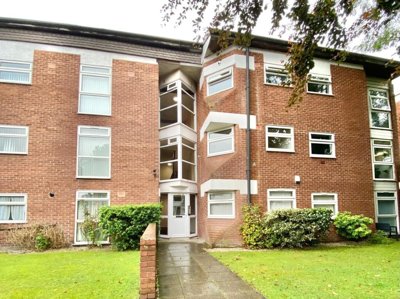
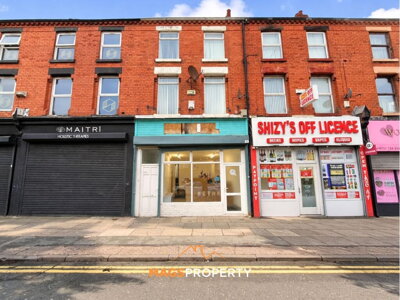
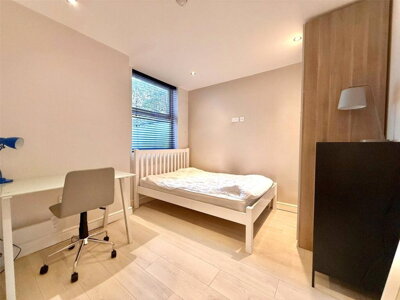
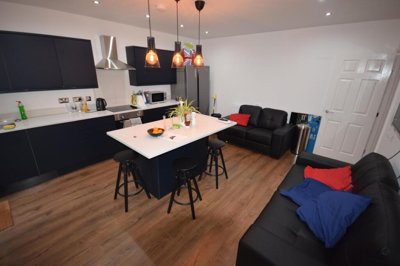
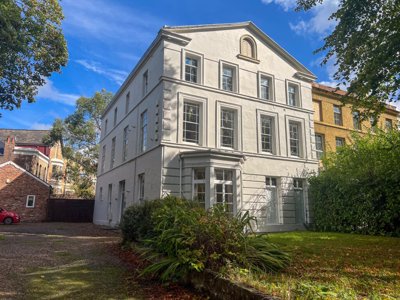
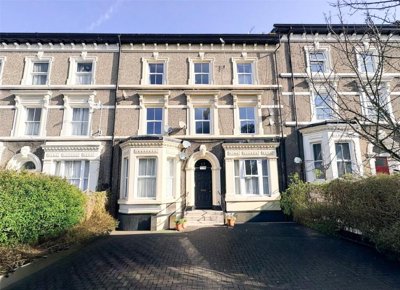
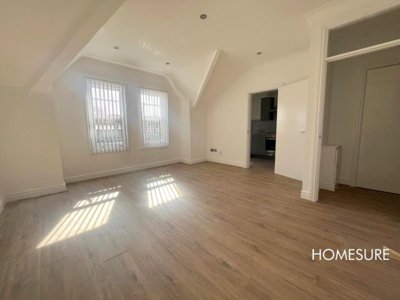
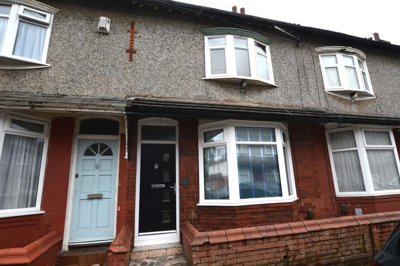
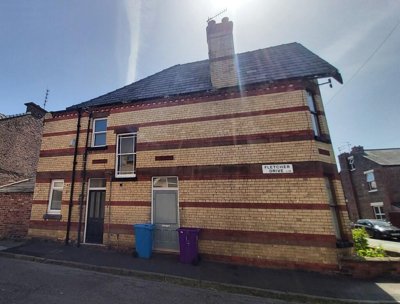
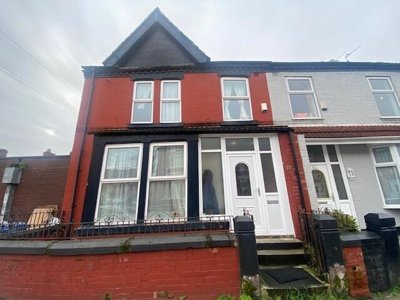
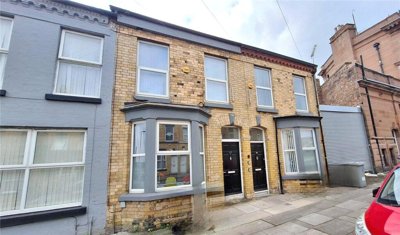
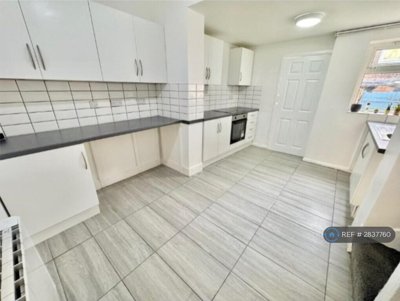
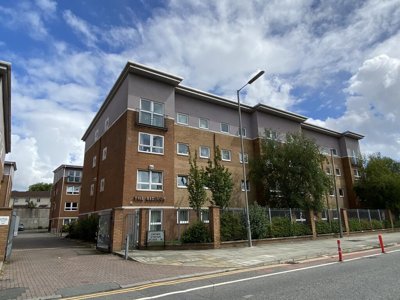
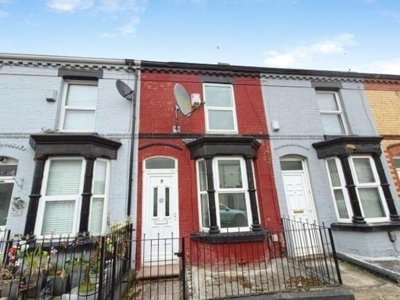
Browse 591 rental homes to rent in L17 from local letting agents.
£963/m
16
1
38
Source: home.co.uk
Source: home.co.uk
Apartment
6 listings
Avg £971
Flat
3 listings
Avg £823
Terraced
3 listings
Avg £1,082
Ground Flat
1 listings
Avg £1,295
House
1 listings
Avg £1,300
House Share
1 listings
Avg £500
Studio
1 listings
Avg £595
Source: home.co.uk
Source: home.co.uk
The L17 rental market reflects the area's popularity and the strong demand from Liverpool's growing population. House prices in L17 have increased by 10 percent over the past year, with the average sold price reaching £290,960 according to recent data. This growth trend extends to the rental sector, where demand consistently outstrips supply in this coveted postcode. Rental properties in L17 typically range from one-bedroom flats at around £186,000 equivalent values to spacious four-bedroom Victorian terraces commanding premium rents. The market shows particular strength in the L17 9 sector, where prices grew 17.1 percent in the last year, though the L17 1 sector experienced some correction with a 14 percent fall.
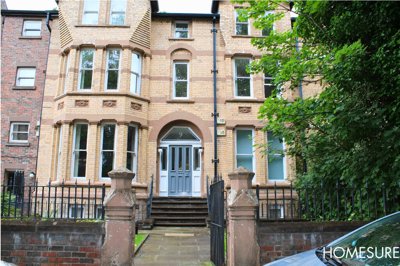
Property types available to rent in L17 include traditional Victorian terraced houses featuring characteristic bay windows and original fireplaces, semi-detached family homes with gardens, and converted apartments in elegant period buildings. The Sefton Park area within L17 shows a housing mix of approximately 72 percent terraced properties, 18 percent semi-detached, and 9 percent detached homes, with a small percentage of other property types. Many landlords have invested in renovating older properties to meet modern standards while preserving original features that characterise this historic neighbourhood. Aigburth Drive, in particular, features large detached houses often converted into flats or small hotels, offering unique rental opportunities.
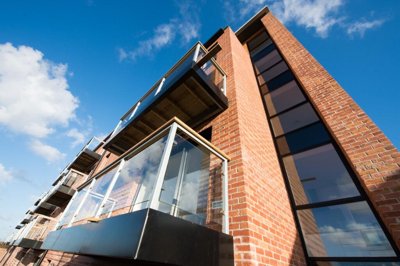
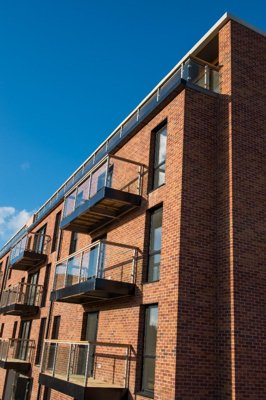
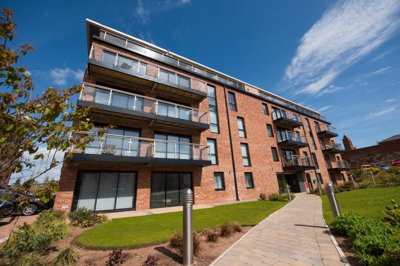
For those seeking newer accommodation, the Tramway Road development in Aigburth is bringing 28 new apartments to the area, including standard and duplex units with balconies. South Liverpool Homes is developing this scheme to EPC A efficiency standards, with completion expected in early 2027. While these properties will eventually enter the rental market, the existing stock of Victorian and Edwardian buildings remains the backbone of L17's rental offering, providing character and charm that newer builds often cannot match.
L17 encompasses several distinctive neighbourhoods, each offering its own character and amenities. Aigburth sits along the banks of the River Mersey, providing scenic waterfront walks and easy access to Otterspool Promenade. The area combines residential streets with independent shops, cafes, and the popular Lark Lane district known for its eclectic bars and restaurants. Lark Lane itself forms part of a designated conservation area, protecting the distinctive character of this vibrant neighbourhood. The Aigburth area offers reasonable access to the M62 motorway network for those travelling further afield, though peak times can see congestion on key routes.
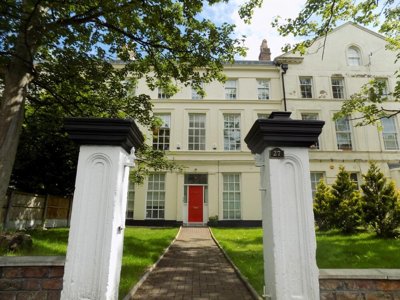
Sefton Park itself, a magnificent 235-acre Victorian park designated Grade I on the Register of Historic Parks and Gardens, anchors the community with its iconic Palm House, lake, and vibrant events programme throughout the year. The park was formally opened in 1872 and remains one of the finest examples of Victorian park design in the country. Mansion houses encircling Sefton Park, especially on Mossley Hill Drive and Ullet Road, represent some of Liverpool's most prestigious addresses. Many of these substantial properties have been converted into flats and apartments, offering rental opportunities with all the benefits of park-side living.
St Michael's Hamlet offers a quieter residential atmosphere with its charming village feel, centred around the distinctive Grade I listed St Michael's Church built predominantly from cast iron. This extraordinary building, designated a conservation area in December 1968, showcases the innovative use of cast iron for structural components, windows, door frames, fireplaces, and decorative features that makes this neighbourhood architecturally unique. Fulwood Park, a private estate developed from 1840, features impressive Victorian mansions and tree-lined avenues that form another designated conservation area within L17. The area's demographics reflect Liverpool's young population, with excellent transport links making commuting straightforward.
Residents enjoy easy access to the University of Liverpool, Liverpool John Moores University, and the city centre, all within a short journey. The proximity to these institutions makes L17 particularly popular with academics, university staff, and students seeking convenient rental accommodation. The comprehensive public transport network serves the area throughout the day and evening, making car-free living feasible for most residents. Independent shops and restaurants along Aigburth Road and Lark Lane provide everyday amenities without requiring a trip into the city centre.
Families renting in L17 benefit from access to a range of educational establishments across all levels. Primary schools in the area include St Michael's Church of England Primary School, reflecting the strong community ties in this neighbourhood. The surrounding L17 postcode offers additional primary options serving different catchment areas, and parents should research specific school admissions criteria when considering rental properties. The Mossley Hill conservation area within L17 also provides access to well-regarded primary schools serving that distinctive neighbourhood.
Secondary education is well-served by schools in the wider Liverpool area, with many families choosing properties based on their proximity to preferred secondary schools and their associated catchment zones. When renting in L17, it is advisable to confirm current school admissions policies and any planned changes to catchment boundaries, as these can affect your eligibility for places at oversubscribed schools. The Liverpool City Council website provides detailed information on school admissions and catchment area maps that can help you make an informed decision about which L17 neighbourhood best suits your family's educational needs.
Liverpool's university presence significantly impacts the L17 area, with approximately 70,000 students studying across the city's institutions. This student population creates demand for various rental property types and contributes to the vibrant atmosphere of neighbourhoods near university campuses. For families with older children, nearby further education colleges provide excellent progression pathways. The University of Liverpool and Liverpool John Moores University both attract students from across the UK and internationally, creating a diverse and dynamic community that benefits the entire L17 area.
Beyond traditional education, L17 offers access to various extracurricular activities and sports facilities. Sefton Park's playing fields, tennis courts, and bowling greens provide recreational opportunities for residents of all ages. The nearby Liverpool Institute of Performing Arts and various music schools offer creative education options for talented young people. Families should also consider proximity to libraries, community centres, and youth clubs when evaluating rental properties in L17.

L17 offers excellent transport connectivity that makes commuting straightforward for residents. Aigburth railway station provides regular services to Liverpool Lime Street, typically taking around 10-15 minutes, with direct connections to Manchester and other major cities. The Merseyrail network extends through the area, offering reliable rail services across Merseyside. Rightmove lists 174 results for properties sold in Aigburth Vale, L17, in the last year, demonstrating continued interest in this well-connected area.
For those working in Liverpool city centre, the journey from L17 is quick and convenient, whether by train, bus, or car. Several bus routes serve the area, connecting L17 to the city centre, Liverpool John Lennon Airport, and surrounding suburbs. The comprehensive public transport network operates throughout the day and evening, making it practical to live in L17 without a car. For cyclists, the River Mersey cycle route provides an attractive option for commuters, and cycling infrastructure has improved in recent years.
Parking availability varies throughout L17, with some areas offering permit parking schemes while others rely on on-street parking. Properties along Aigburth Drive often benefit from off-street parking, which is valuable in an area where on-street spaces can be limited during peak times. St Michael's Hamlet and Fulwood Park typically have more available parking than busier thoroughfares, making these areas popular with families who need space for multiple vehicles.
The area's connectivity extends to major road networks, with the M62 motorway providing access to Manchester, Leeds, and the national motorway network. Liverpool John Lennon Airport offers flights across the UK and Europe, making international travel accessible from L17. The Port of Liverpool connects to ferry services to Dublin and the Isle of Man, while the upcoming Liverpool Baltic Railway Station will further improve connectivity for L17 residents.
Before viewing properties, obtain a rental budget agreement in principle to understand how much rent you can afford. We recommend working with a mortgage broker or financial adviser who can assess your income against monthly rent requirements. This preparation helps you focus your search on properties you can realistically afford and demonstrates your seriousness to landlords and letting agents when you make an offer.
Explore different areas within L17 including Aigburth, Sefton Park, and St Michael's Hamlet. Consider proximity to work, schools, transport links, and amenities when narrowing down your preferred location. Each neighbourhood offers distinct advantages: Aigburth provides riverside walks and independent shops, Sefton Park offers access to extensive parkland and grand Victorian architecture, while St Michael's Hamlet delivers a village atmosphere with its distinctive cast iron church and conservation area status.
Once you have found suitable rental properties, arrange viewings through estate agents or directly with landlords. Take notes on property condition, natural light, and any concerns you may have about the building's age and construction. Many properties in L17 are Victorian or Edwardian, so look for signs of damp, check window frames, and examine roofing materials during your viewing. Our inspectors often recommend taking photographs to document the property's condition at the viewing stage.
For older Victorian and Edwardian properties common in L17, consider booking a RICS Level 2 survey before committing. The average survey cost in Liverpool is around £445, and this can reveal hidden defects that may not be apparent during a viewing. Given L17's significant surface water flood risk and the prevalence of older construction materials, a professional survey provides valuable and negotiating power when agreeing to rental terms.
Once you have chosen a property, your landlord will require references, proof of identity, and often a credit check. Ensure you have these documents ready to speed up the process and secure your desired property. In L17, older properties may require additional checks such as specialist surveys due to their age and construction type. First-time renters should budget for upfront rent in advance, moving costs, and potential furnished versus unfurnished differences when comparing properties.
Renting in L17 requires careful attention to the specific characteristics of this historic area. Properties here are predominantly older constructions, with many Victorian and Edwardian buildings featuring traditional materials such as red sandstone, cream and yellow brick, and slate roofs. When viewing rental properties, look for signs of damp and moisture penetration, which are common issues in period properties without modern damp courses. Check the condition of original features, window frames, and roofing materials, as replacement and repair costs can significantly impact your living experience and the landlord's willingness to address issues.
The underlying geology of L17 includes Triassic Bunter Sandstone covered by variable glacial and post-glacial drift deposits, including blown sand and boulder clay. These geological conditions can affect property foundations, and our inspectors frequently identify subsidence-related issues in properties built on clay-rich soils. While the most susceptible shrink-swell clay formations are mainly in the south-east of Britain, the presence of glacial till in L17's superficial deposits suggests a potential for ground movement issues, especially during periods of drought or heavy rainfall.
Flood risk is an important consideration for renters in L17, as the area falls within the Liverpool and Sefton Flood Risk Area with nationally significant surface water flooding concerns. Approximately 15.45 percent of properties in Liverpool are at risk from surface water flooding, with 5,369 properties classified as high risk. Properties near the River Mersey in Aigburth may also face tidal flooding risks during extreme weather events, and the area sits upon a sandstone aquifer. Enquire about the property's flood history and any flood prevention measures in place before committing to a tenancy.
Additionally, many properties in L17 fall within conservation areas such as Sefton Park, Fulwood Park, Lark Lane, Mossley Hill, and St Michael's Hamlet. These designations may restrict certain alterations or improvements to the property, so renters should understand what changes they can and cannot make during their tenancy. Listed buildings, including the Grade I St Michael's Church and numerous Grade II listed mansion houses around Sefton Park, require special consideration and may need specialist surveys beyond a standard RICS Level 2 assessment.

Understanding the construction methods used in L17 properties helps you identify potential issues when renting. The area features a rich variety of Victorian and Edwardian architecture, with traditional masonry construction being the norm. Red sandstone from local quarries was commonly used for dressings and structural elements, while cream, brown, and yellow brick provided the main walling material. Stuccoed houses are also present, particularly in St Michael's Hamlet, where this render technique created elegant facades on Victorian villas.
The extensive use of cast iron in St Michael's Hamlet represents one of the area's most distinctive construction features. St Michael's Church, a Grade I listed building, showcases cast iron used for structural components, windows, door frames, fireplaces, parapets, battlements, and pinnacles. This innovative approach influenced the construction of surrounding residential properties, making the area architecturally significant. When renting in St Michael's Hamlet, be aware that cast iron elements may require specialist maintenance that differs from conventional building materials.
Timber-framed elements appear in some Tudor Revival style buildings in L17, such as the distinctive Sefton Park Library. These structures feature exposed timber work that requires careful maintenance to prevent rot and pest infestation. Our surveyors pay particular attention to timber condition in older L17 properties, checking for woodworm, wet rot, and dry rot that can affect structural integrity. Slate roofs are common throughout the area, though many original slates have been replaced over the years with concrete tiles or modern alternatives.
Many older buildings in L17 were constructed as solid walls rather than cavity walls, meaning they lack the insulation properties of modern construction. These properties relied on natural ventilation and permeable materials such as lime mortars, renders, and plasters for moisture management. Modern energy efficiency measures can sometimes reduce this natural ventilation, leading to condensation and damp issues. Renters should understand that period properties may have higher heating costs and require different maintenance approaches than newer homes.

While specific rental figures for L17 vary, the area's property values provide useful context for understanding rental market positioning. Average sold prices in L17 stand at approximately £290,960, with terraced properties averaging around £293,375, semi-detached homes at £414,290, and flats at approximately £186,657. Detached properties in prestigious locations such as Fulwood Park and Aigburth Drive command higher values, with averages around £460,019. Contact local estate agents for current rental listings and accurate pricing for your specific requirements, as rental prices fluctuate with market conditions.
Council tax bands in Liverpool vary by property, with most Victorian and Edwardian homes in L17 typically falling into bands B through F depending on their value and size. Larger detached properties along Aigburth Drive and within Fulwood Park often occupy higher bands due to their substantial size and premium location. Liverpool City Council manages council tax collection, and renters should check with the local authority or the property's listing for specific band information. Council tax payments are usually made monthly alongside your rent, and students and certain other categories of residents may qualify for exemptions or discounts.
L17 offers access to several well-regarded schools, including primary options such as St Michael's Church of England Primary School, which serves the conservation area of the same name. The surrounding L17 postcode offers additional primary options serving different catchment areas, and parents should research specific school admissions criteria when considering rental properties. The area's proximity to the University of Liverpool and Liverpool John Moores University also makes it popular with students and academics seeking convenient accommodation. Families should research individual school performance data, Ofsted ratings, and catchment area boundaries when choosing rental properties, as these factors can significantly impact children's educational opportunities.
L17 benefits from excellent public transport connections that make commuting practical without a car. Aigburth railway station provides Merseyrail services to Liverpool Lime Street in around 10-15 minutes, with direct routes to Manchester and other northern cities. Multiple bus routes serve the area, connecting residents to the city centre, Liverpool John Lennon Airport, and surrounding regions. The comprehensive transport network makes car-free living feasible for most residents, and cycle routes along the River Mersey provide an attractive alternative for environmentally conscious commuters.
L17 is considered one of Liverpool's most desirable areas to rent, offering a rare combination of historic architecture, excellent green spaces including Sefton Park, strong transport links, and vibrant local amenities along Lark Lane. The area attracts young professionals, families, and students due to its character, community feel, and proximity to major employers in the Knowledge Quarter and growing Liverpool Waters development. Strong demand for rental properties reflects the area's popularity, so early viewing requests are advisable for the best selection. Liverpool's graduate retention rate of 51.5 percent demonstrates that many people who discover L17 choose to stay.
Renting a property typically requires a security deposit equivalent to five weeks' rent, which is held in a government-approved deposit protection scheme within 30 days of receiving it. Tenants also pay referencing fees, which can include credit checks, employment verification, and previous landlord references. In L17, older properties may require additional checks such as specialist surveys due to their age and construction type. First-time renters should budget for upfront rent in advance, moving costs, and potential furnished versus unfurnished differences when comparing properties. Our team can provide guidance on typical costs in the L17 area.
L17 falls within the Liverpool and Sefton Flood Risk Area, which has nationally significant surface water flooding concerns. Approximately 15.45 percent of properties in Liverpool are at some risk from surface water flooding, with 5,369 properties classified as high risk. Properties near the River Mersey in Aigburth may also face tidal flooding risks during extreme weather events. When renting, ask the landlord or letting agent about the property's flood history, any flood prevention measures installed, and whether flood resilience features have been incorporated into the building. Your contents insurance should reflect the flood risk profile of the property.
L17 contains several designated conservation areas that protect the distinctive character of different neighbourhoods. Sefton Park is designated Grade I on the Register of Historic Parks and Gardens and encompasses the surrounding Victorian mansion houses. Fulwood Park is a private estate developed from 1840 featuring impressive Victorian architecture. Lark Lane protects the eclectic commercial and residential character of this popular area. Mossley Hill preserves the suburban Victorian character of that neighbourhood, while St Michael's Hamlet, designated in December 1968, protects the unique cast iron architecture centred on St Michael's Church. Properties within these areas may have restrictions on alterations.
Understanding the full cost of renting in L17 helps you budget effectively for your move. The standard security deposit for rented properties equals five weeks' rent and must be protected in a government-approved scheme within 30 days of receiving it. This deposit is returnable at the end of your tenancy, subject to any deductions for damage or unpaid rent. Tenants renting period properties in L17 should note that older homes may have higher maintenance costs, so documenting the property's condition thoroughly at the start of your tenancy is essential. We recommend requesting a detailed inventory report from your landlord or letting agent.
Additional fees when renting include tenant referencing costs, which typically cover credit checks, employment verification, and previous landlord references. Some landlords may charge admin fees, though regulations have limited these charges in recent years. When renting Victorian or Edwardian properties common in L17, you might consider booking a professional inventory report to protect yourself at tenancy end. This modest investment can save significant disputes when you come to leave the property. First-time renters should also budget for moving costs, potential furniture purchases, and utility setup charges when calculating their total moving budget.
Utility costs in L17 properties can vary significantly depending on the property's age and insulation standards. Older Victorian and Edwardian homes with solid walls and single-glazed windows typically have higher heating costs than modern properties. Many landlords in L17 have invested in improving insulation and installing modern heating systems, but this varies between properties. Ask about the current Energy Performance Certificate rating and recent improvements when viewing rental properties. Our team can advise on typical utility costs for different property types in the L17 area.
Insurance costs should also factor into your renting budget. While the landlord is responsible for buildings insurance, tenants need their own contents insurance to protect their belongings. Properties in flood risk areas like parts of L17 may require specific flood-risk contents insurance policies, which can be more expensive than standard policies. Shop around for quotes that reflect your property's flood risk profile and consider the excess amounts when comparing policies.

From 4.5%
Understand how much you can afford to spend on rent each month
From £49
Credit checks and employment verification for rental applications
From £85
Energy performance certificate for your rental property
From £350
Professional survey for older Victorian and Edwardian properties
Properties to Rent In London

Properties to Rent In Plymouth

Properties to Rent In Liverpool

Properties to Rent In Glasgow

Properties to Rent In Sheffield

Properties to Rent In Edinburgh

Properties to Rent In Coventry

Properties to Rent In Bradford

Properties to Rent In Manchester

Properties to Rent In Birmingham

Properties to Rent In Bristol

Properties to Rent In Oxford

Properties to Rent In Leicester

Properties to Rent In Newcastle

Properties to Rent In Leeds

Properties to Rent In Southampton

Properties to Rent In Cardiff

Properties to Rent In Nottingham

Properties to Rent In Norwich

Properties to Rent In Brighton

Properties to Rent In Derby

Properties to Rent In Portsmouth

Properties to Rent In Northampton

Properties to Rent In Milton Keynes

Properties to Rent In Bournemouth

Properties to Rent In Bolton

Properties to Rent In Swansea

Properties to Rent In Swindon

Properties to Rent In Peterborough

Properties to Rent In Wolverhampton

Enter your details to see if this property is within your budget.
Loans, cards, car finance
Estimated property budget
Borrowing + deposit
You could borrow between
Typical borrowing
Monthly repayment
Est. at 4.5%
Loan-to-value
This is an estimate only. Your actual budget may vary depending on interest rates, credit history, and personal circumstances. For an accurate affordability assessment, speak to one of our free mortgage advisors.
This calculator provides estimates for illustrative purposes only and does not constitute financial advice. Your home may be repossessed if you do not keep up repayments on your mortgage. Estimates based on 4.5% interest rate, repayment mortgage. Actual rates depend on your circumstances.
Homemove is a trading name of HM Haus Group Ltd (Company No. 13873779, registered in England & Wales). Homemove Mortgages Ltd (Company No. 15947693) is an Appointed Representative of TMG Direct Limited, trading as TMG Mortgage Network, which is authorised and regulated by the Financial Conduct Authority (FRN 786245). Homemove Mortgages Ltd is entered on the FCA Register as an Appointed Representative (FRN 1022429). You can check registrations at NewRegister or by calling 0800 111 6768.

We use cookies to show you personalised content and improve your experience of our website. Find out more in our Privacy policy and Cookie policy.