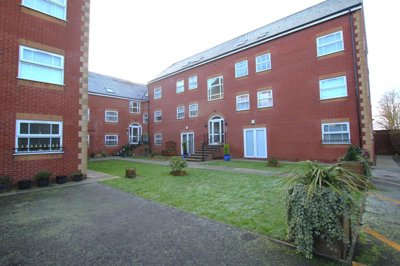
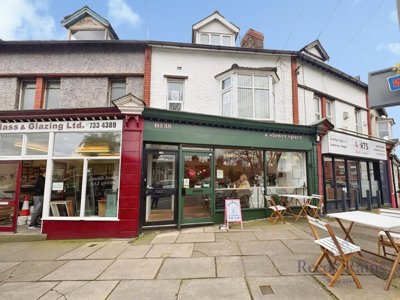
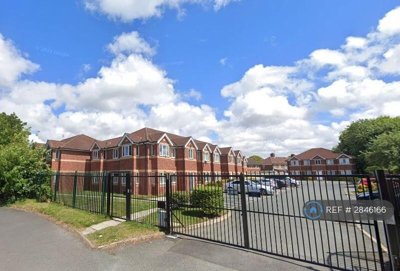
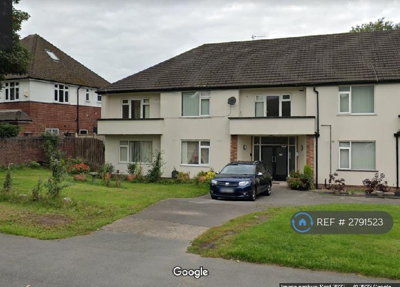
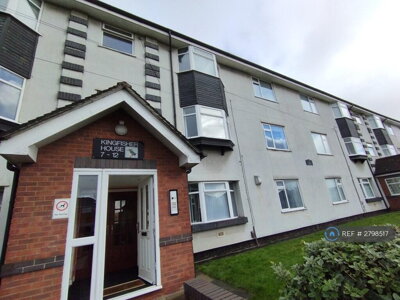
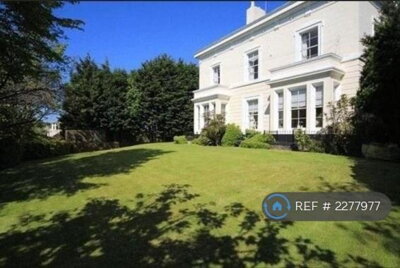
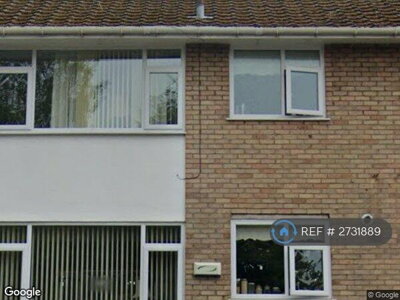
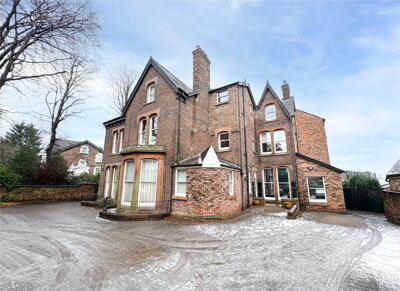
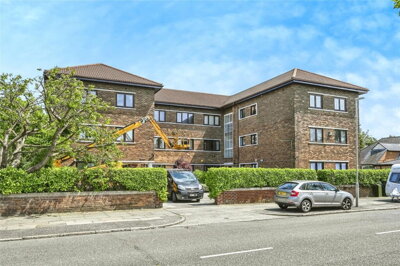
Browse 20 rental homes to rent in L16 from local letting agents.
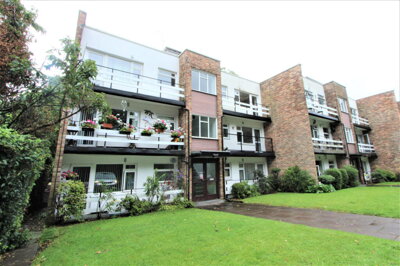
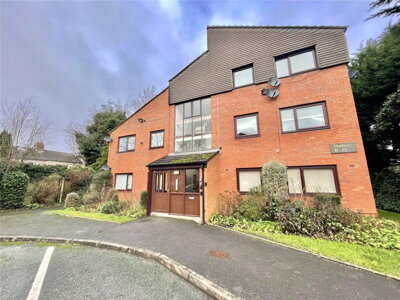
Studio apartments feature open-plan living spaces without separate bedrooms, incorporating sleeping, living, kitchen, and bathroom facilities. The L16 studio market includes properties in modern apartment complexes, converted Victorian and Georgian buildings, and purpose-built developments.
£0/m
0
0
0
Source: home.co.uk
Showing 0 results for Studio Flats to rent in L16.
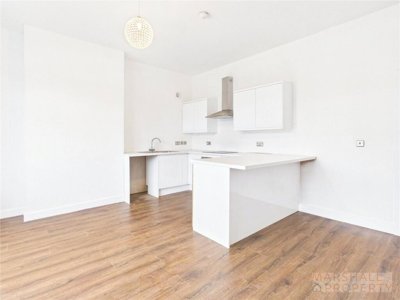
The L16 rental market offers diverse property types to suit different budgets and lifestyles. Our current listings include one and two-bedroom flats starting from approximately £700 per month, three-bedroom terraced houses ranging from £900-£1,200 per month, and larger semi-detached and detached family homes available from £1,400-£2,000 per month. The area's property stock reflects its historical development, with Victorian and Edwardian houses dominating certain streets alongside more modern developments built in recent decades. Some newer developments near Dominic Road offer contemporary options for renters seeking modern finishes and energy-efficient homes.
Sales data indicates the L16 property market has remained relatively stable, with average sold prices around £321,415 in recent months. The semi-detached properties average £321,170, while terraced homes sell for approximately £243,875 and flats around £158,000. For renters, this sales market stability suggests consistent rental values and good long-term investment potential for landlords, which helps maintain property quality and availability in the rental sector. Mouseprice reports approximately 2 sales per month in L16, indicating a quieter sales market compared to national averages, which can translate into more stable tenancy arrangements for renters.
The Liverpool rental market benefits from the city's broader economic strength, with institutional investors committing £14 billion to major projects including the £5.5 billion Liverpool Waters development and the £1 billion Knowledge Quarter. These investments create jobs and sustain rental demand across the city, including in established residential areas like L16. Renters in Childwall can expect the area to remain desirable and well-maintained due to continued economic investment in the wider Liverpool city region.

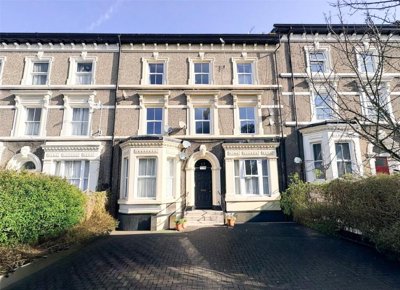
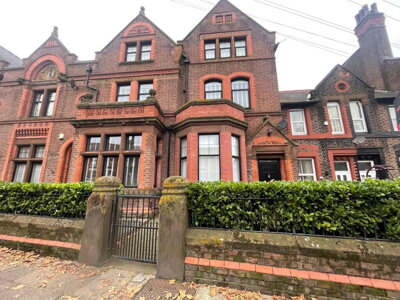
L16 is one of Liverpool's most sought-after residential postcodes, centred around the suburb of Childwall. The area boasts a distinctive character shaped by its history, with the Childwall Abbey Conservation Area protecting the heritage of this historic neighbourhood. Six Grade II listed buildings stand within L16, including the Childwall Valley Hotel and various period houses that contribute to the area's architectural diversity and visual appeal. The streets feature a mix of Victorian terraces, Edwardian semis, and interwar detached properties set within generous gardens, creating a streetscape that appeals to renters who appreciate period character.
The local community benefits from excellent amenities including supermarkets, independent shops, restaurants, and pubs along Childwall Road and the surrounding streets. Green spaces are plentiful, with several parks and playing fields providing recreational opportunities for families. The area attracts professionals working in Liverpool's growing professional services sector, which sustains over 107,000 jobs with expected growth creating more than 20,000 new positions by 2040. University staff and students from the nearby University of Liverpool campus also contribute to the diverse resident demographic in the area.
The low carbon sector in Liverpool is worth around £2 billion per annum and supports over 27,000 workers, reflecting the city's commitment to sustainable growth. For renters choosing L16, this economic strength translates into career opportunities and a stable local economy that supports property values and rental demand. Families appreciate the area's community spirit, evident in local events, well-maintained public spaces, and the strong neighbourly atmosphere that characterises many streets in Childwall.

Education provision in L16 ranks among the best in Liverpool, making the area particularly attractive to families with children. Several primary schools within and adjacent to the L16 postcode have achieved good and outstanding Ofsted ratings, providing strong educational foundations for younger children. The presence of quality schools drives rental demand in this area, as parents compete for properties within desirable catchment zones. Researching specific school catchments before beginning your property search can help you focus on streets that fall within your preferred school's admission area.
The area's secondary schools maintain solid academic records and offer diverse curricula including traditional GCSE and A-Level pathways as well as vocational options for older students. Liverpool operates a selective admissions system for grammar schools, which some students in the L16 area may wish to pursue as they progress through their education. Parents should verify current catchment boundaries and admissions criteria with the local education authority, as these boundaries can change and are a significant factor in rental property selection for families.
For families considering rental properties in L16, school catchment areas should be verified before committing to a tenancy, as admissions policies can be competitive in popular areas. Liverpool hosts several sixth form colleges and further education institutions within easy reach of L16, providing progression routes for students completing their secondary education. The proximity of the University of Liverpool and Liverpool John Moores University adds to the educational landscape, with families often choosing L16 for its academic environment and the associated cultural benefits of living in a university city. Student accommodation demand also influences the rental market, particularly for smaller properties near university transport routes.

L16 enjoys excellent transport connections that make commuting straightforward for residents. The area is served by regular bus routes providing direct access to Liverpool city centre, with journey times of approximately 20-30 minutes depending on traffic conditions. For rail travel, Liverpool Lime Street station offers intercity connections to Manchester, London Euston, and Birmingham, with the journey to Manchester taking around one hour. The M62 motorway is accessible within a short drive, connecting L16 to Leeds and the national motorway network beyond, making car travel viable for those working further afield.
Residents appreciate the convenience of having essential services within walking distance, reducing the need for daily car use. Local shops, healthcare facilities, and leisure amenities are all accessible without requiring transport. The flat terrain of the surrounding area makes cycling a viable option for commuting to the city centre, and Liverpool has been investing in improved cycling infrastructure in recent years. For those working in the Knowledge Quarter or other city centre employment hubs, cycling can offer a faster door-to-door journey than public transport during peak hours.
Airport connections are available via Liverpool John Lennon Airport, reachable by public transport or car in approximately 30 minutes, offering convenient international travel options for residents. The airport serves a range of European destinations, making weekend breaks and business travel accessible without the need to travel to larger regional airports. For renters considering L16, the combination of city centre access and airport connectivity positions the area well for professionals who travel regularly or work with clients in other cities.

Contact lenders or use online mortgage calculators to establish how much you can afford in monthly rent. This step prevents wasted time viewing properties outside your budget and demonstrates seriousness to landlords when you make an offer. Include consideration of deposit requirements, which typically amount to five weeks rent for properties rented at £50,000 per year or less. Budget planners generally recommend allocating no more than 30% of your monthly income to housing costs to maintain financial flexibility.
Before viewing properties, spend time exploring different streets within the L16 postcode to find the area that best suits your lifestyle. Consider proximity to schools if you have children, access to public transport for commuting, and the availability of local amenities. The area includes diverse streets from quiet residential cul-de-sacs to busier roads near local centres. Visiting at different times of day, including evenings and weekends, can give you a fuller picture of neighbourhood character and noise levels.
Contact estate agents and landlords through Homemove to schedule viewings of suitable properties. Take notes during each viewing and photograph any concerns or questions you wish to raise with the landlord. Pay attention to property condition, the responsiveness of the current landlord, and any maintenance issues that might indicate how the property is managed. For period properties in conservation areas, viewings offer the chance to assess the property's character and understand any planning restrictions that might affect your tenancy.
For older properties in L16, particularly Victorian or Edwardian houses, commissioning a RICS Level 2 Survey before signing your tenancy can identify hidden defects. Common issues in Liverpool's older housing stock include dampness, roof deterioration, and structural movement related to the clay-rich glacial till soils that underlie the area. Survey costs in Liverpool range from £360-£980 depending on property size, and this investment can save thousands in unexpected repair costs. Properties with large trees nearby may be more susceptible to subsidence from shrink-swell clay behaviour during dry weather.
Once you have found a property, review the tenancy agreement carefully before signing. Check the length of the tenancy, notice periods, deposit protection arrangements, and any clauses regarding pets, smoking, or modifications. Ensure the property's council tax band and approximate utility costs are clear. In Liverpool, council tax bands vary, with most residential properties in bands A through D, with annual charges increasing significantly across each band from A to E.
Arrange buildings insurance for your belongings, set up utility accounts in your name, and conduct a thorough inventory check with the landlord or letting agent. Document the property condition with dated photographs to protect your deposit at the end of the tenancy. Register with local doctors and dentists if relocating from another area, particularly if moving with children who need school placements. For families, contacting the local education authority about school placements before moving can help ensure continuity in your children's schooling.
Renting properties in L16 requires attention to several area-specific factors that can affect your tenancy experience. The geological conditions beneath L16 include clay-rich glacial till soils, which are susceptible to shrink-swell behaviour during periods of dry weather or significant rainfall changes. This can potentially affect properties with large trees or those built with older foundation techniques. The British Geological Survey warns that climate change is likely to increase subsidence issues from shrink-swell, with projections suggesting around 10% of properties could be affected by 2070. Prospective renters should check whether the property has any history of subsidence issues or structural movement, particularly for older Victorian and Edwardian properties.
Flood risk awareness is important when renting in the Liverpool area. While L16 sits inland, the wider Liverpool and Sefton Flood Risk Area has been identified as having nationally significant surface water flooding risk, with approximately 15.45% of properties across Liverpool at some risk from surface water flooding. Properties in lower-lying areas or near watercourses merit particular attention during property surveys. Ensuring adequate buildings insurance and understanding the landlord's responsibilities for flood damage repairs should form part of your pre-tenancy discussions. As of early 2026, there are no active flood warnings in Liverpool, but surface water flooding can occur during heavy rainfall events regardless of the time of year.
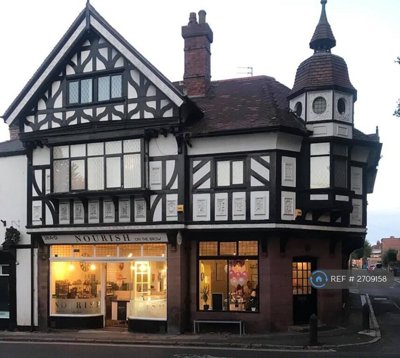
For period properties within or near the Childwall Abbey Conservation Area, planning restrictions may limit what modifications tenants can make without consent. The L16 postal district contains six Grade II listed buildings, and renting a listed property means any alterations require Listed Building Consent from the local planning authority. These properties often require specialist maintenance using traditional materials and techniques, which can affect both costs and timelines for repairs. The presence of older construction also means electrical systems, plumbing, and insulation may require updating, so clarify landlord responsibilities for these items before committing to a tenancy.
Energy efficiency varies significantly across the L16 rental stock, with older Victorian and Edwardian properties potentially having higher heating costs if insulation standards are below modern expectations. Always request the property's Energy Performance Certificate before committing, as this provides important information about expected energy costs and the property's environmental impact. Some older properties may have solid walls without cavity insulation, resulting in higher heating bills during Liverpool's cooler months. Discussing potential improvements with your landlord before signing can sometimes lead to energy efficiency upgrades being arranged as part of the tenancy agreement.

Rental prices in L16 vary by property type and size. One and two-bedroom flats typically start from around £700-£900 per month, while three-bedroom terraced houses range from £900-£1,200 per month. Larger semi-detached and detached family homes command rents of £1,400-£2,000 per month. The area offers good value compared to comparable suburbs in Manchester or London, making it attractive for families seeking space without premium city prices. Always check current listings on Homemove for the most accurate pricing, as rental markets fluctuate seasonally and prices can vary between neighbouring streets within the L16 postcode.
Council tax bands in L16 range across categories A through E, with the majority of residential properties falling within bands B to D. Band A properties have the lowest annual charges while band E properties pay significantly more. Liverpool City Council sets the annual council tax rates each year, and you should verify the specific band for any property you are considering, as this forms a significant part of your monthly housing costs alongside rent. Properties may also incur additional charges for refuse collection, street cleaning, and neighbourhood policing, which are typically included in the annual council tax demand.
L16 benefits from several well-regarded primary and secondary schools, with multiple institutions achieving good and outstanding Ofsted ratings. The area is popular with families partly due to its educational provision, though school admissions are based on catchment areas and can be competitive. Parents should verify current catchment boundaries and admissions criteria before committing to a tenancy, as these can change and properties on the boundary of a popular school's catchment may not guarantee a place. For secondary education, nearby grammar schools and comprehensives serve the area, with additional options available through Liverpool's selective admissions system.
L16 enjoys excellent public transport connectivity with regular bus services connecting the area to Liverpool city centre in approximately 20-30 minutes. Liverpool Lime Street station provides national rail connections, with direct services to Manchester, London, Birmingham, and other major cities. The M62 motorway is easily accessible for car commuters heading to Leeds and beyond. Liverpool John Lennon Airport is reachable within 30 minutes by car or public transport, offering European travel without the need to travel to larger airports. For cyclists, the relatively flat terrain makes cycling viable for short-distance commuting, and Liverpool has been expanding its cycling infrastructure in recent years.
L16 ranks among Liverpool's most desirable residential areas, offering a balanced combination of neighbourhood character, quality housing stock, excellent schools, and strong transport connections. The area attracts a diverse mix of residents including families, professionals, and students, creating a vibrant community atmosphere. The presence of the Childwall Abbey Conservation Area and period properties adds character that newer developments often lack, while the local economy supports steady rental demand. Community spirit is evident in local events, independent businesses, and well-maintained public spaces throughout the Childwall area.
Under current Tenant Fees Act regulations, deposits for rental properties are capped at five weeks rent for annual rents below £50,000. This means for a property renting at £1,200 per month, your deposit would be capped at approximately £2,769. Most letting agents and landlords will require the deposit to be protected in a government-approved scheme within 30 days of receiving it, and you should receive written confirmation of which scheme protects your deposit. Additional upfront costs typically include the first month's rent in advance, plus any relevant holding deposit while references are processed. Be wary of any fees beyond these permitted charges, and always request a written breakdown of costs before committing to a tenancy.
From £360
Professional survey to identify defects in older L16 properties
From £85
Energy performance certificate for your rental property
From 4.5%
Calculate what you can afford to spend on rent
From £50
Reference checks for your rental application
Understanding the full cost of renting in L16 extends beyond monthly rent to include deposits, fees, and ongoing expenses. The Tenant Fees Act 2019 caps security deposits at five weeks rent for properties with annual rents under £50,000, providing important consumer protection for renters. This deposit must be protected in a government-approved scheme within 30 days of receipt, and you should receive prescribed information about the scheme used. At the end of your tenancy, the deposit must be returned within 10 days of agreeing the final amount if there are no disputes. If your landlord fails to protect your deposit correctly, they can face fines of up to three times the deposit amount.
Additional upfront costs when moving to a rental property in L16 include the first month's rent in advance, typically paid before taking occupancy. Holding deposits, used to reserve a property while references are checked, are generally limited to one week's rent and should be offset against your first month's rent or returned if the landlord decides not to proceed. Other potential costs include inventory check fees, which can range from £100-£200 depending on property size, and charges for any additional services you choose such as contents insurance or utility setup. Some letting agents may charge for credit checks or referencing, though these fees are restricted under the Tenant Fees Act.
Ongoing costs beyond rent include council tax, based on the property's band, plus utility bills for gas, electricity, and water. Internet and mobile phone contracts should also be factored into your monthly budget. Properties in L16 vary in energy efficiency, with older Victorian and Edwardian properties potentially having higher heating costs if insulation standards are below modern expectations. The Energy Performance Certificate provides an expected energy cost rating that can help you budget more accurately for utility bills during Liverpool's autumn and winter months. First-time renters should budget for furnishing costs if moving into an unfurnished property, which can represent a significant additional expense.
When calculating your total moving costs, remember to budget for removal expenses, potential storage fees if there is a gap between tenancies, and any connection charges for utilities and internet services. Some renters in L16 choose to take out rent guarantee insurance to protect against unexpected financial difficulties during their tenancy. Building insurance for your belongings is typically the tenant's responsibility, though the landlord's policy will cover the building structure itself. Understanding these ongoing costs before signing your tenancy agreement helps ensure you can comfortably afford the full cost of renting in L16 rather than just the headline rent figure.

Properties to Rent In London

Properties to Rent In Plymouth

Properties to Rent In Liverpool

Properties to Rent In Glasgow

Properties to Rent In Sheffield

Properties to Rent In Edinburgh

Properties to Rent In Coventry

Properties to Rent In Bradford

Properties to Rent In Manchester

Properties to Rent In Birmingham

Properties to Rent In Bristol

Properties to Rent In Oxford

Properties to Rent In Leicester

Properties to Rent In Newcastle

Properties to Rent In Leeds

Properties to Rent In Southampton

Properties to Rent In Cardiff

Properties to Rent In Nottingham

Properties to Rent In Norwich

Properties to Rent In Brighton

Properties to Rent In Derby

Properties to Rent In Portsmouth

Properties to Rent In Northampton

Properties to Rent In Milton Keynes

Properties to Rent In Bournemouth

Properties to Rent In Bolton

Properties to Rent In Swansea

Properties to Rent In Swindon

Properties to Rent In Peterborough

Properties to Rent In Wolverhampton

Enter your details to see if this property is within your budget.
Loans, cards, car finance
Estimated property budget
Borrowing + deposit
You could borrow between
Typical borrowing
Monthly repayment
Est. at 4.5%
Loan-to-value
This is an estimate only. Your actual budget may vary depending on interest rates, credit history, and personal circumstances. For an accurate affordability assessment, speak to one of our free mortgage advisors.
This calculator provides estimates for illustrative purposes only and does not constitute financial advice. Your home may be repossessed if you do not keep up repayments on your mortgage. Estimates based on 4.5% interest rate, repayment mortgage. Actual rates depend on your circumstances.
Homemove is a trading name of HM Haus Group Ltd (Company No. 13873779, registered in England & Wales). Homemove Mortgages Ltd (Company No. 15947693) is an Appointed Representative of TMG Direct Limited, trading as TMG Mortgage Network, which is authorised and regulated by the Financial Conduct Authority (FRN 786245). Homemove Mortgages Ltd is entered on the FCA Register as an Appointed Representative (FRN 1022429). You can check registrations at NewRegister or by calling 0800 111 6768.

We use cookies to show you personalised content and improve your experience of our website. Find out more in our Privacy policy and Cookie policy.