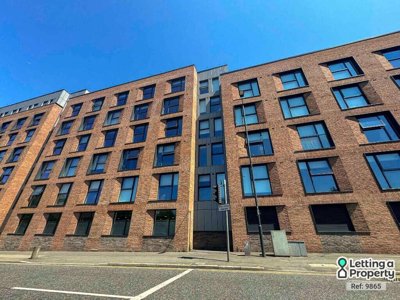
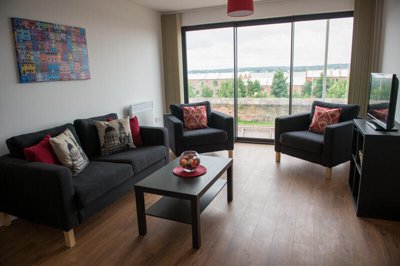
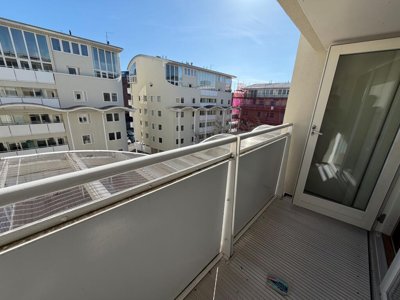
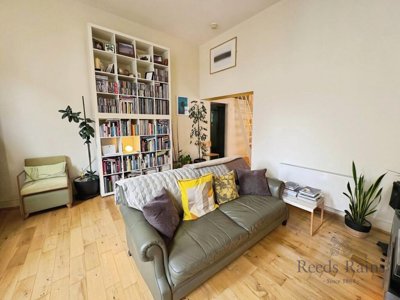
Browse 674 rental homes to rent in L1 from local letting agents.
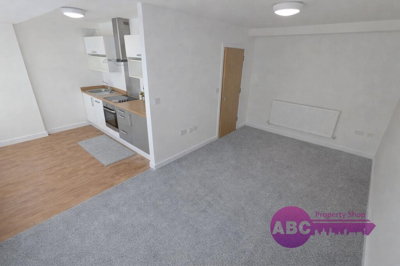
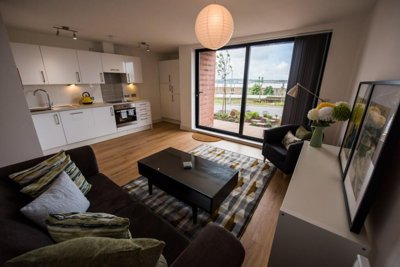
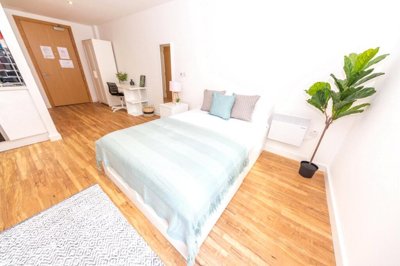
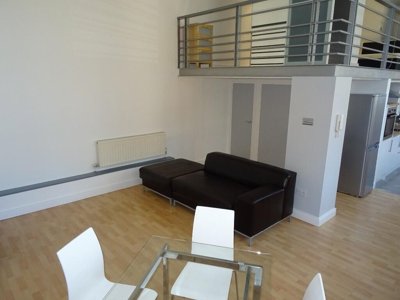
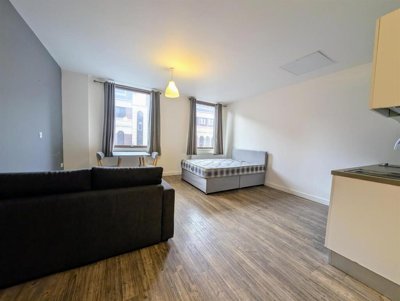
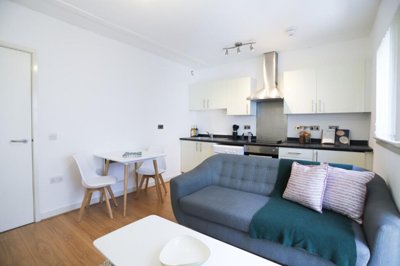
Studio apartments feature open-plan living spaces without separate bedrooms, incorporating sleeping, living, kitchen, and bathroom facilities. The L1 studio market includes properties in modern apartment complexes, converted Victorian and Georgian buildings, and purpose-built developments.
£863/m
6
1
26
Source: home.co.uk
Showing 6 results for Studio Flats to rent in L1. 1 new listing added this week. The median asking price is £863/month.
Source: home.co.uk
Flat
6 listings
Avg £821
Source: home.co.uk
Source: home.co.uk
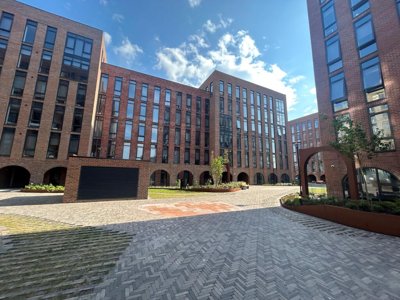
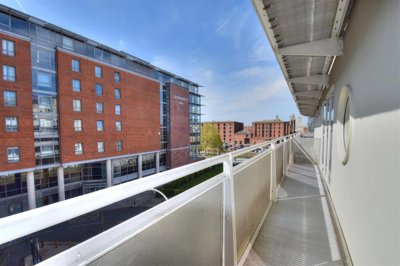
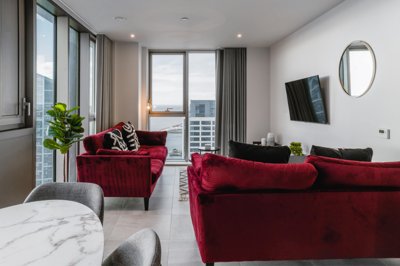
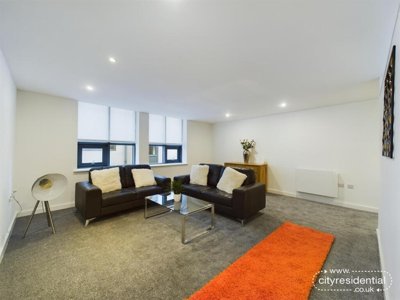
The L1 postcode district represents Liverpool's most concentrated hub of apartment living, with new-build developments transforming former industrial sites into contemporary residential communities. Properties to rent in L1 predominantly consist of one-bedroom and two-bedroom apartments, with studios available for those seeking compact city centre living. The average rental prices in Liverpool city centre have shown consistent growth, with one-bedroom apartments typically commanding between £700 and £1,100 per month depending on specification and location. Two-bedroom apartments in premium developments near the Albert Dock can reach £1,400 to £1,800 monthly, while more affordable options exist in older blocks further from the waterfront.
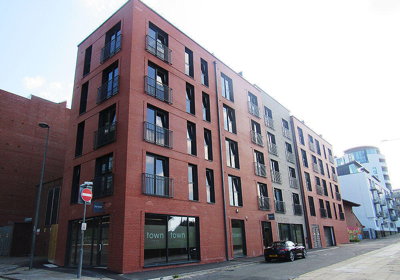
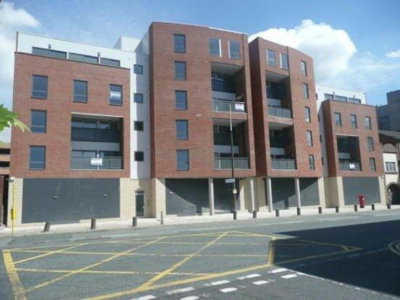
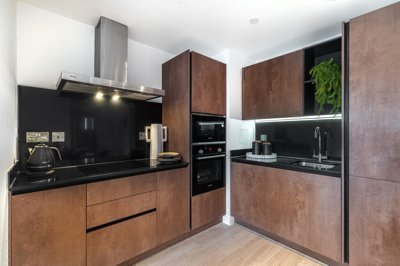
The rental market in L1 benefits from significant investor activity, with many landlords purchasing apartments in new-build schemes marketed with projected rental yields of around 5-7% annually. This investment interest has expanded the volume of rental stock available, giving tenants greater choice when searching for their ideal city centre home. Developments such as One Park West, The Mill, and One Park Lane offer modern apartments with amenities including gym facilities, concierge services, and secure parking. Newer schemes like Millers Place, Rice Works, and RS The Mill provide additional options ranging from compact Manhattan apartments to spacious two-bedroom layouts, with rental prices varying based on specification and floor level within each building.
Older rental properties in the L1 area include converted warehouses and period apartments in Georgian buildings along streets like Bold Street and Duke Street, appealing to those seeking character and history in their rental home. The area's architectural heritage spans over 300 years, from medieval structures to Victorian warehouse conversions, meaning that rental properties in L1 encompass a remarkable diversity of construction styles and building ages. Many Georgian properties in the postcode feature original features such as high ceilings, sash windows, and ornate fireplaces, though these older buildings may require more maintenance attention than modern equivalents.

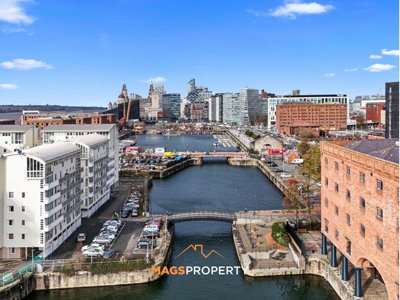
The L1 postcode sits Liverpool's cultural and commercial life, where centuries of architectural heritage blend seamlessly with contemporary urban living. The area encompasses several distinct neighbourhoods, each with its own character and appeal. The Albert Dock complex, with its stunning waterfront setting and UNESCO World Heritage status, offers a unique living environment surrounded by the Mersey Maritime Museum, Tate Liverpool, and an array of bars and restaurants. The Liverpool One shopping centre dominates the southern edge of L1, providing retail therapy on an enormous scale alongside leisure facilities, a cinema complex, and numerous dining options. Bold Street and the Cavern Quarter provide the creative heartbeat of the area, lined with independent cafes, vintage shops, and some of the city's best-loved eateries.
Living in L1 means having Liverpool's legendary music and arts scene on your doorstep, with the Cavern Club where The Beatles first performed, the Empire Theatre, and the Liverpool Philharmonic Hall all within easy walking distance. The Georgian heritage is particularly evident around Rodney Street, Duke Street, and Seel Street, where elegant townhouses and historic warehouse conversions create residential enclaves of considerable charm. Rodney Street in particular is known as the "Knightsbridge of the North" and features impressive Georgian townhouses that have been converted into apartments and offices. Weekenders and residents alike enjoy the numerous parks and public spaces scattered throughout the district, including the peaceful St John's Gardens and the vibrant Chavasse Park adjacent to Liverpool One, which hosts regular events and provides a green oasis in the city centre.
The demographic mix in L1 skews towards young professionals and students, creating a lively atmosphere that buzzes during the day and comes alive in the evenings and weekends. The proximity to two major universities, Liverpool John Moores University and the University of Liverpool, ensures a constant flow of students and academics seeking rental accommodation in the city centre. The area also attracts creative professionals drawn to Liverpool's thriving arts scene, digital agencies, and media companies clustered around the Baltic Triangle and adjacent to L1. Nightlife options are abundant, from sophisticated cocktail bars on Castle Street to the legendary pubs of Mathew Street and the waterfront bars of the Albert Dock.

Understanding the construction and materials used in L1 properties helps renters appreciate what to expect from their rental home. Liverpool's architectural history spans over 300 years, with the L1 postcode containing buildings constructed across multiple centuries using various building materials and techniques. Georgian houses built in the late 18th century typically feature ashlar sandstone facades, brick in Flemish bond patterns, and slate roofing, with elegant proportions and period features that define streets like Rodney Street and Duke Street. Victorian and Edwardian properties from the late 19th and early 20th centuries often incorporate red brick with more ornate detailing, cast iron railings, and timber sash windows that require regular maintenance.
Many properties in L1 fall within the city's extensive conservation area network, which covers 9% of Liverpool and protects over 19,000 properties. Within and adjacent to the L1 postcode, you will find the Albert Dock, Rodney Street, Duke Street, Canning Street, Castle Street, Mount Pleasant, Princes Road, and William Brown Street conservation areas, each with distinct character and planning considerations. Living in a property within a conservation area may impose restrictions on modifications, as works that would normally constitute permitted development may require planning permission. External changes to windows, doors, roof materials, and even some internal alterations in listed buildings may need consent from Liverpool City Council's conservation team.
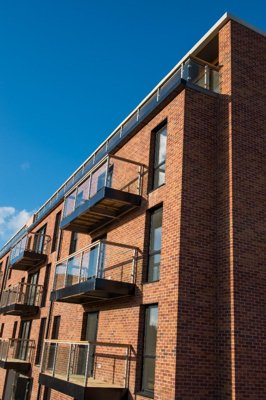
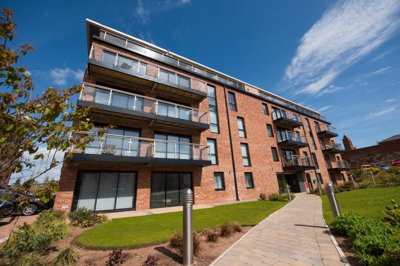
New-build apartments in L1 represent a different construction approach, with contemporary designs featuring curtain walling, composite cladding systems, and modern insulation standards that typically offer improved energy efficiency compared to older properties. The new-build developments at One Park Lane, The Mill, and Rice Works demonstrate current construction standards, though buyers and renters should be aware that some post-Grenfell concerns have led to increased scrutiny of cladding systems in apartment buildings across the UK. Energy Performance Certificates are particularly important when evaluating rental properties, as older period apartments may have higher heating costs despite their charm and character, while modern apartments generally achieve better thermal performance.

Families considering renting in L1 will find a selection of educational establishments within the postcode and its immediate surrounds. For primary education, St Nicholas Catholic Primary School serves families in the city centre area, while Liverpool Central Primary School provides another local option. The Liverpool Blue Coat School in the nearby L4 postcode is a notable selective school, though entry requires passing the 11-plus examination and places are highly competitive. St Mary's Catholic College in the L7 area serves secondary students from L1 and surrounding postcodes, offering both academic and vocational pathways. Parents should note that catchment areas for non-selective schools can be competitive in the city centre, and early research into admission policies is advisable when planning a rental move with school-age children.
Higher education options significantly enhance the appeal of L1 for young adults and professionals pursuing further study. The University of Liverpool campus sits adjacent to the L1 boundary, offering world-class facilities across disciplines from medicine to engineering. Liverpool John Moores University has its main campus in the city centre making L1 an ideal base for students and academics alike, with strengths in art, design, computing, and business programmes. Liverpool Hope University also operates campuses in the area, providing a range of undergraduate and postgraduate courses. The concentration of universities means L1 attracts a young, diverse population and benefits from associated amenities including libraries, student bars, and cultural venues that enrich the neighbourhood throughout the year.
Further education and vocational training opportunities are available through Liverpool City College, which provides courses and apprenticeships accessible to residents seeking to develop their skills or change career direction. The college operates multiple campuses across Liverpool, with provision for adult learners and those seeking qualifications in trades, business, healthcare, and technology. For families with younger children, several nursery schools and early years settings operate within and near the L1 postcode, providing childcare options for working parents in the city centre. The limited availability of larger family homes in L1 means that families with multiple school-age children often choose to rent in the postcode on a short-term basis while children are young, moving to larger properties in surrounding areas as family needs evolve.

L1 boasts exceptional transport connectivity, making it one of Liverpool's most accessible neighbourhoods for commuters and visitors alike. Liverpool Lime Street station, the city's mainline railway hub, sits at the edge of the L1 postcode and offers direct services to major destinations including London Euston (approximately 2 hours 15 minutes), Manchester (around 50 minutes), and Birmingham (roughly 1 hour 40 minutes). The station has undergone significant redevelopment, with improved passenger facilities and better connections to local transport making it an increasingly important regional interchange. Virgin Trains and other operators serve the London route with regular departures throughout the day.
For regional travel, Merseyrail services operate from Liverpool Central station, connecting L1 with the wider Merseyside area including Southport to the north, Chester to the south, and the Wirral Peninsula across the Mersey. The Mersey Ferry terminal at the Albert Dock offers a scenic alternative for travel across the Mersey to Wirral destinations including Seacombe, Birkenhead, and Woodside. Within the city, L1 residents benefit from an extensive bus network with stops throughout the area connecting to all Liverpool neighbourhoods, with the Liverpool City Bus Station providing a major hub for intercity and regional coach services operated by National Express and other carriers.
For those commuting by car, the A5036 provides direct access to the M57 and M58 motorways linking Liverpool to the regional motorway network and beyond. However, car ownership in L1 comes with challenges, as parking provision varies significantly between developments and street parking is limited and expensive in the city centre. Many residents find car ownership unnecessary given the excellent public transport options and the highly walkable nature of the city centre, saving considerably on purchase costs, insurance, fuel, and parking fees that can amount to thousands of pounds annually. Cycling infrastructure has improved significantly in recent years, with the Liverpool City Bike Hire scheme and dedicated lanes making pedal-powered commuting feasible for those living in L1.

Before you begin searching for properties in L1, secure a rental budget agreement in principle from a lender or broker. This documents how much rent you can comfortably afford based on your income and existing financial commitments. Having this documentation demonstrates your credibility to landlords and letting agents when you make enquiries, giving you a competitive edge in Liverpool's busy city centre rental market where properties can receive multiple applications within days of listing.
Spend time exploring the different streets and developments within the L1 postcode to find the area that best matches your lifestyle preferences. Consider proximity to your workplace, favourite restaurants, green spaces, and transport links. Each micro-location within L1 offers a distinct character and rental price point, from the waterfront luxury of the Albert Dock to the creative hub around Bold Street and the Georgian elegance of Rodney Street. Visiting at different times of day and week helps you understand noise levels, security, and the general atmosphere of each neighbourhood.
Contact local letting agents to arrange viewings of suitable properties in L1. Many apartments will be available for viewing at short notice, though booking ahead ensures you do not miss popular listings that can be secured quickly in this competitive market. Take photographs and notes during viewings to help compare properties later, paying attention to natural light, storage space, the condition of fixtures and fittings, and the overall feel of the building's common areas. Ask about service charges, ground rent if applicable, and what is included with the rent.
While surveys are more commonly associated with property purchases, renting in an older building in L1 may warrant an inventory check or condition report. Properties in conservation areas or listed buildings may have specific maintenance responsibilities that tenants should understand before signing. An independent inventory conducted before you move in protects you from being charged for existing damage when your tenancy ends. This is particularly important for older properties where wear and tear may be harder to distinguish from damage.
Once you have found your ideal apartment in L1, prepare to provide references from previous landlords, proof of income or employment, and identification documents. Many letting agents use referencing services to speed up the process, with typical referencing fees ranging from £50 to £150 per applicant. Allow time for this stage, particularly if you are moving from outside the area, and ensure your referees are available and prepared to respond quickly to avoid delays that could result in losing the property to another applicant.
Review the tenancy agreement carefully before signing, paying particular attention to the deposit amount, notice periods, and any restrictions on pets or modifications. Your deposit will be protected in a government-approved scheme within 30 days of the tenancy start date, and you should receive information about which scheme is being used. Ensure you understand your responsibilities for maintaining the property, reporting repairs promptly, and providing adequate notice if you wish to end the tenancy.
Renting an apartment in L1 requires careful attention to several area-specific considerations that may not apply in other locations. Flood risk represents a significant factor, as surface water flooding affects approximately 15.45% of properties in Liverpool according to flood risk assessments, with over 5,300 properties at high risk. While central L1 benefits from modern drainage systems in newer developments, apartments in lower-lying areas near the waterfront should be investigated carefully. Ask the letting agent about the property's flood history and whether the building has appropriate insurance coverage. The Risk of Flooding from Surface Water mapping is publicly available and can help you understand the specific risk profile for any address in L1.
Many properties in L1 fall within one of the city's nine conservation areas or are listed buildings, which can impose restrictions on modifications, exterior alterations, and even certain internal changes that would normally be permitted. Works to properties in conservation areas may require planning permission from Liverpool City Council, and listed building consent is required for changes to listed properties that might otherwise be straightforward. Before committing to a tenancy, understand what restrictions apply to the property and how these might affect your ability to personalise your rental home. Your letting agent should be able to provide information about the property's conservation area status.
Building maintenance responsibilities differ between leasehold apartments and purpose-built rental blocks, and understanding these arrangements matters considerably for tenants. In older Georgian or Victorian conversions, verify that the building's common parts and exterior are well maintained and that service charges cover appropriate items. Request information about recent maintenance works, any upcoming major works or service charge increases, and how decisions about building management are made. For apartments in new-build developments, check what amenities are included with your rent and what facilities require additional payment. Energy performance certificates should be reviewed to understand heating costs, as older period properties may have higher running costs than modern equivalents despite their charm and character.

Rental prices in L1 Liverpool city centre vary significantly based on property type, size, and specification. One-bedroom apartments typically range from £700 to £1,100 per month, with two-bedroom apartments commanding between £1,000 and £1,800 monthly depending on location and condition. Premium waterfront apartments near the Albert Dock with river views can exceed these ranges, while more modest options exist in older developments further from the waterfront. New-build apartments in developments like One Park Lane, The Mill, and Millers Place often achieve rents at the higher end of these ranges due to their modern specification, concierge services, and gym facilities. The average rental yield for investors in L1 has been estimated at around 5-7% annually, reflecting strong tenant demand from professionals and students seeking city centre living.
Council tax bands in Liverpool range from Band A for the lowest-valued properties to Band H for the most expensive homes, and the specific band depends on the property's assessed value. City centre apartments typically fall into Bands A through C, while larger period properties and penthouses with premium features may be classified in higher bands. Liverpool City Council sets the annual council tax rates, and tenants should budget for this cost alongside their monthly rent as it is typically the tenant's responsibility to pay. Students and certain other groups may be exempt from council tax, so checking eligibility with the local authority is worthwhile before moving in. You can check the council tax band for any property using Liverpool City Council's online portal.
L1 itself is primarily a city centre postcode with limited primary and secondary school options within its exact boundaries, as the area is dominated by commercial and residential apartment buildings rather than family housing. The Liverpool Blue Coat School in the L4 postcode is one of the city's most sought-after secondary schools, consistently ranked among the best in Liverpool, though entry requires passing the 11-plus examination. St Nicholas Catholic Primary School serves the city centre area, and St Mary's Catholic College in L7 provides secondary education for L1 residents. The proximity to the University of Liverpool and Liverpool John Moores University makes L1 ideal for students and academics at all stages of their education. Families should research catchment areas carefully, as schools near the city centre can be oversubscribed and entry is not guaranteed based on proximity alone.
L1 Liverpool enjoys excellent public transport connectivity, making it one of the most accessible city centre postcodes in the North West for commuters and visitors alike. Liverpool Lime Street station provides mainline rail services to London, Manchester, Birmingham, Leeds, and other major cities, with journey times of around 2 hours 15 minutes to the capital. Merseyrail services operate from Liverpool Central station, connecting L1 with the wider Merseyside region including Southport, Chester, and the Wirral Peninsula. The city bus network serves the area comprehensively, with stops throughout L1 providing connections to all Liverpool neighbourhoods, and the Liverpool City Bus Station handles regional coach services. Liverpool John Lennon Airport is accessible within 30 minutes by public transport via the 500 bus service. The walkability of the city centre means many residents use public transport, cycling, or walking rather than relying on private vehicles.
L1 Liverpool represents an excellent choice for renters seeking city centre living with unmatched convenience and cultural richness. The postcode offers easy access to employment hubs including the commercial districts around Victoria Street and the financial services sector near the waterfront, entertainment venues such as the Empire Theatre and Philharmonic Hall, restaurants and bars throughout the Cavern Quarter and Albert Dock, and shopping facilities at Liverpool One. The variety of rental properties ranges from affordable studios to luxurious waterfront penthouses, accommodating different budgets and lifestyles. The area attracts a diverse community of young professionals, students, and creatives, creating a vibrant atmosphere throughout the week. Some considerations include higher rental prices compared to outer Liverpool areas and the busy nature of city centre living, which may not suit those seeking suburban tranquility.
When renting in L1 Liverpool, you will typically be required to pay a security deposit equivalent to five weeks' rent, which is capped at five weeks' rent regardless of the property value under the Tenant Fees Act 2019. This deposit must be protected in a government-approved scheme such as the Deposit Protection Service, MyDeposits, or TDS by your landlord within 30 days of the tenancy start date, and you should receive information about which scheme is being used. You may also need to pay a holding deposit equivalent to one week's rent to secure the property while references are checked, which is normally deducted from your first month's rent upon signing. Additional permitted fees may include referencing fees, administration charges, and inventory check costs, though the Tenant Fees Act 2019 restricts what landlords and agents can legitimately charge. Budget carefully for council tax (typically £1,200 to £1,800 annually for city centre apartments), utility bills, and contents insurance when calculating your overall renting costs.
From 4.5%
Get pre-approved for your renting budget to strengthen your application
From £100
Complete referencing to speed up your rental application
From £99
Protect yourself from deposit disputes at end of tenancy
From £85
Check energy efficiency before you commit
Understanding the financial commitment involved in renting an apartment in L1 Liverpool requires careful planning beyond simply budgeting for monthly rent. The initial costs typically include a holding deposit equivalent to one week's rent, which secures the property while your application is processed and is normally deducted from your first month's rent upon signing the tenancy agreement. If your application is unsuccessful or you withdraw, the holding deposit should be returned within seven days, though it may be retained if you provide false information. The main security deposit amounts to five weeks' rent and must be protected in a government-approved deposit protection scheme within 30 days of your tenancy start date.
Additional costs to budget for include referencing fees, which cover background checks on your financial history and previous landlord references, typically ranging from £50 to £150 per applicant. Some letting agents charge administration or processing fees, though these have been restricted by the Tenant Fees Act 2019 and you should challenge any fees that appear to be prohibited. An inventory check conducted at the start and end of your tenancy protects both you and the landlord by documenting the property's condition comprehensively, with costs typically between £80 and £200 depending on the property size. When calculating your overall renting costs in L1, remember to factor in council tax (typically £1,200 to £1,800 annually for city centre apartments in Liverpool), utility bills if not included in rent, contents insurance, and the cost of moving your belongings.
Obtaining a rental budget agreement in principle before commencing your property search provides clarity on your financial capacity and strengthens your position when applying for competitive rental properties in Liverpool's city centre. The process involves providing evidence of your income, employment status, and existing financial commitments to receive a document confirming how much rent you can afford. With many L1 properties receiving multiple applications within days of listing, having your finances arranged and documentation prepared helps you move quickly when you find the right property. Local letting agents in L1 include several firms specialising in city centre apartments, and building relationships with these agents can give you early access to new listings before they are widely advertised.
Properties to Rent In London

Properties to Rent In Plymouth

Properties to Rent In Liverpool

Properties to Rent In Glasgow

Properties to Rent In Sheffield

Properties to Rent In Edinburgh

Properties to Rent In Coventry

Properties to Rent In Bradford

Properties to Rent In Manchester

Properties to Rent In Birmingham

Properties to Rent In Bristol

Properties to Rent In Oxford

Properties to Rent In Leicester

Properties to Rent In Newcastle

Properties to Rent In Leeds

Properties to Rent In Southampton

Properties to Rent In Cardiff

Properties to Rent In Nottingham

Properties to Rent In Norwich

Properties to Rent In Brighton

Properties to Rent In Derby

Properties to Rent In Portsmouth

Properties to Rent In Northampton

Properties to Rent In Milton Keynes

Properties to Rent In Bournemouth

Properties to Rent In Bolton

Properties to Rent In Swansea

Properties to Rent In Swindon

Properties to Rent In Peterborough

Properties to Rent In Wolverhampton

Enter your details to see if this property is within your budget.
Loans, cards, car finance
Estimated property budget
Borrowing + deposit
You could borrow between
Typical borrowing
Monthly repayment
Est. at 4.5%
Loan-to-value
This is an estimate only. Your actual budget may vary depending on interest rates, credit history, and personal circumstances. For an accurate affordability assessment, speak to one of our free mortgage advisors.
This calculator provides estimates for illustrative purposes only and does not constitute financial advice. Your home may be repossessed if you do not keep up repayments on your mortgage. Estimates based on 4.5% interest rate, repayment mortgage. Actual rates depend on your circumstances.
Homemove is a trading name of HM Haus Group Ltd (Company No. 13873779, registered in England & Wales). Homemove Mortgages Ltd (Company No. 15947693) is an Appointed Representative of TMG Direct Limited, trading as TMG Mortgage Network, which is authorised and regulated by the Financial Conduct Authority (FRN 786245). Homemove Mortgages Ltd is entered on the FCA Register as an Appointed Representative (FRN 1022429). You can check registrations at NewRegister or by calling 0800 111 6768.

We use cookies to show you personalised content and improve your experience of our website. Find out more in our Privacy policy and Cookie policy.