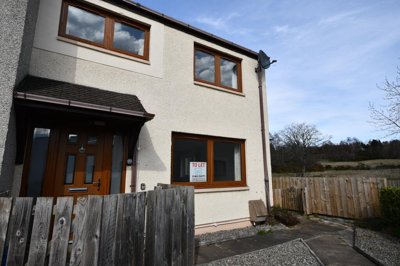
Browse 1 rental home to rent in IV6 from local letting agents.
£0/m
0
0
0
Source: home.co.uk
The rental market in IV6 benefits from a diverse housing stock that reflects both the area's heritage and contemporary development. Detached properties command the highest values, with average prices around £322,161, while semi-detached homes average approximately £180,797. Terraced properties, which often represent more affordable entry points to the local market, average around £177,186. This pricing structure means renters can access significantly more space and character for their budget compared to urban centres, making IV6 particularly attractive for families and those seeking a better quality of life without compromising on property standards.
New build activity in the surrounding area, particularly in nearby Conon Bridge, continues to add modern options to the broader market. Developments such as Conon Woods offer two to four-bedroom detached homes priced between £275,000 and £377,500, demonstrating the premium achievable for newly constructed properties. Tulloch Homes has also been active in the area with developments including Conon Braes South and Riverford, bringing 75 new energy-efficient homes to the local market. Meanwhile, older stock in Muir of Ord includes traditional stone-built homes dating back approximately 125 years, offering period features and solid construction that appeals to those seeking character properties. This mix of old and new ensures the IV6 rental market caters to diverse preferences and budgets.
The housing stock in Muir of Ord and surrounding IV6 reflects the village's evolution from a traditional Highland settlement to a growing commuter community. Semi-detached stone-built family homes represent a significant portion of the older housing, while modern developments have introduced timber frame and contemporary construction methods. Properties range from spacious five-bedroom detached houses to more modest three-bedroom bungalows, providing options for households of various sizes. The combination of established residential areas and recent development means prospective renters can choose between character-rich period properties and modern homes with contemporary insulation and energy efficiency standards.

Life in IV6 centres on a strong sense of community and access to outstanding natural beauty. Muir of Ord has experienced significant growth, with household numbers increasing by 20% between 2011 and 2022, demonstrating the area's increasing appeal. The village offers practical amenities including shops, pubs, and local services, while the surrounding Black Isle landscape provides endless opportunities for outdoor recreation. Rich farmland surrounds the village on low-lying land, with hills rising on the horizon, creating a picturesque setting that defines daily life in this corner of the Highlands.
The local economy draws strength from diverse sources including Glen Ord Distillery, a major employer and tourist attraction that anchors the area's identity. Engineering works, a carbon fibre factory, storage services, and construction yards provide varied employment across different sectors. The agricultural sector remains important, with large arable farms producing cereals, potatoes, oilseed rape, and oats alongside livestock enterprises. Many residents combine local employment with commuting to Inverness, benefiting from the connectivity that makes rural Highland living practical for professionals who work in the city.
The village also holds historical significance, with Kilchrist Chapel now functioning as a mausoleum standing as a reminder of the area's heritage. The Black Isle offers easy access to outdoor pursuits including walking, cycling, and fishing on the Beauly and Conon rivers. Community events and local gatherings throughout the year foster the strong social connections that make Muir of Ord an attractive place to put down roots. For those moving to the area, integrating into this welcoming community is straightforward, with opportunities to participate in village activities and local organisations.

Families considering renting in IV6 will find educational options that serve the local community effectively. Muir of Ord Primary School serves as the main primary education provider within the village, catering to children from the surrounding area. Additional primary schools in the broader catchment include Kilcoy Primary School and other establishments in nearby communities, each serving their respective localities. The village's growing population of 2,838 residents reflects the family-friendly nature of the area, with schools playing a central role in community development and cohesion.
Secondary education provision sees pupils typically progressing to schools in surrounding towns, with Dingwall Academy serving as a key secondary option for many families in the Black Isle area. Dingwall Academy offers secondary education for pupils from across the region, providing a comprehensive curriculum and various extracurricular activities. Highland Council maintains oversight of educational standards across all its establishments, ensuring consistent quality regardless of location. Parents should research specific catchment areas and admission arrangements when considering rental properties, as school placements depend on residential address within the council's designated zones.
For families with younger children, early years provision and childcare options exist within the village and surrounding communities. The broader Highland Council area maintains commitments to educational standards across all its establishments, with investment in facilities and teaching staff supporting quality outcomes for pupils. Transport arrangements for secondary school pupils typically involve school buses serving the catchment areas, with journey times varying depending on location within the IV6 postcode. The presence of quality educational facilities within reasonable travelling distance adds to IV6's appeal for families, making it an excellent choice for those seeking a rural lifestyle without sacrificing access to good schools.

Transport connectivity from IV6 balances rural tranquility with practical access to regional centres. The Kessock Bridge provides a crucial link connecting the Black Isle to Inverness, reducing travel times to the Highland capital significantly. The A9 trunk road runs through the area, offering direct connections north and south, while the A832 provides access to Wester Ross and the broader West Highland network. For those working in Inverness, the journey from Muir of Ord typically takes around 25-30 minutes by car, making daily commuting entirely feasible for professionals.
Public transport options include rail services from stations in the surrounding area, connecting to Inverness and destinations further afield. Inverness railway station offers connections to major cities including Edinburgh, Glasgow, and London, making longer journeys straightforward for those who travel occasionally. Bus services operate throughout the Black Isle, providing essential connectivity for those without private vehicles, with regular routes connecting Muir of Ord to Inverness, Dingwall, and surrounding villages. Stagecoach and other operators provide timetabled services that accommodate daily commuters as well as those with irregular travel patterns.
The area's road network continues to improve, supporting both daily commuters and the tourism that brings visitors to attractions like Glen Ord Distillery. Cyclists benefit from quieter rural roads, though the hilly terrain requires appropriate fitness levels and preparation for changing weather conditions. Parking availability in Muir of Ord accommodates residents with vehicles, avoiding the congestion challenges faced in larger towns. For those who drive, the journey to Inverness takes approximately 25-30 minutes, while travel to Dingwall is considerably shorter, typically under 15 minutes. The practical connectivity makes IV6 an excellent choice for those who wish to enjoy rural living while maintaining employment or social connections in larger settlements.

Contact lenders or brokers to secure a rental budget agreement in principle before viewing properties. This demonstrates your financial readiness to landlords and helps you understand exactly what you can afford in IV6, where rental prices offer excellent value compared to urban centres. Having this agreement in place streamlines the application process and shows prospective landlords that you are a serious and prepared applicant.
Browse the available rental listings in Muir of Ord and the surrounding IV6 postcode area. Consider your priorities regarding property type, size, and proximity to local amenities. The local market includes traditional stone cottages, modern developments, and everything in between, so taking time to identify properties that match your requirements will help narrow your search effectively.
Schedule viewings of properties that match your requirements. Take time to assess the property condition, note any maintenance concerns, and evaluate the neighbourhood. In Muir of Ord, consider factors like proximity to the Beauly and Conon rivers, local school catchments, and transport connections. Viewing multiple properties helps build a clear picture of what is available within your budget.
Once you find a suitable property, submit your rental application promptly. Provide required documentation including proof of identity, income verification, and references. Competition for desirable properties in IV6 can be steady given the area's growing popularity, so being prepared with complete documentation strengthens your application.
Your landlord will conduct referencing checks before confirming your tenancy. Review the tenancy agreement carefully, noting the deposit amount, rent amount, and lease terms. In Scotland, deposits are typically capped at two months' rent and must be held in a government-approved scheme, providing important protections for both tenant and landlord.
Arrange your move, conducting a thorough inventory check at the property. Register with local services including doctors, dentists, and council tax, and take time to explore your new neighbourhood in Muir of Ord, connecting with the welcoming local community. The inventory check at move-in protects your deposit when you eventually move out.
Renting in IV6 requires attention to specific local factors that affect property condition and lifestyle. The area's geology means some clay soils may be present, given the rich farmland surrounding Muir of Ord, so understanding potential shrink-swell risks is wise for longer-term tenants. The British Geological Survey identifies shrink-swell as the most damaging geohazard in Britain, caused by moisture changes in clay-rich soils. While no specific hazard rating for IV6 is available, the agricultural nature of the surrounding land suggests clay content in local soils. Properties with established trees nearby may be more susceptible to foundation movement if root systems extract moisture from clay subsoils.
Flood considerations merit attention in IV6, as Muir of Ord sits between the Beauly and Conon rivers. Surface water flooding incidents have occurred in the area, particularly following heavy rainfall, so investigating the flood history of specific properties is advisable. A significant surface water flooding event occurred at Muirton Mains farm in May 2021, when torrential downpours washed out topsoil and damaged crops, demonstrating that heavy rainfall can impact properties across the area. Check the property's drainage, gutters, and downpipes during viewings, and review any landlord statements regarding flood resilience measures. Properties on elevated ground within the village may offer reduced flood risk compared to those in lower-lying positions.
Energy efficiency varies significantly between older stone properties and new build developments in the surrounding area. Older homes may feature traditional construction methods that require different heating approaches compared to modern properties, with some stone-built homes dating back around 125 years using solid wall construction without cavity insulation. Request the Energy Performance Certificate to assess running costs, and consider whether insulation improvements might be needed for comfort during Highland winters. New build properties in nearby Conon Bridge offer modern energy standards with contemporary insulation and efficient heating systems, but typically command premium rents reflecting their reduced running costs.
Electrical systems in older properties may require attention, as wiring installed decades ago may not meet current safety standards. When viewing traditional stone-built homes, check whether the electrical consumer unit has been updated and whether there are any visible signs of outdated wiring. Properties constructed around 125 years ago would have originally featured early electrical systems that have likely been replaced at least once, but verification of recent electrical testing provides reassurance. For newer properties, ensure that all fixtures and fittings are in good working order and report any concerns to the landlord before signing the tenancy agreement.

While specific rental price data for IV6 requires current listing information, the average house price in the area is £251,586 according to recent market data, with detached properties averaging £322,161, semi-detached homes around £180,797, and terraced properties approximately £177,186. Rental prices in IV6 typically offer significantly better value than urban centres like Edinburgh or Glasgow, where comparable properties would cost considerably more, meaning renters can access more space and character for their money. Contact local estate agents for current rental pricing on specific property types, as individual properties vary based on condition, location within the village, and amenities.
Properties in IV6 fall under Highland Council's jurisdiction, which maintains some of the most competitive council tax rates in Scotland. Council tax bands range from A to H and are based on property valuation as of 1991, meaning older properties in Muir of Ord may fall into lower bands reflecting their historical value rather than current market worth. Specific band information for individual properties can be obtained from the Highland Council valuation roll or the Scottish Assessors Association website, and tenants should verify this before budgeting for their move. Tenants should note that council tax remains their responsibility during the tenancy period, so factor this into your monthly budget alongside rent payments.
The IV6 area serves families through several educational establishments, with Muir of Ord Primary School providing local primary education and serving children from the village and surrounding rural areas. Additional primary schools in the surrounding area include Kilcoy Primary School and other village schools serving their respective communities, each providing education for younger children within their catchment zones. Secondary education options typically include Dingwall Academy, which serves the broader Black Isle area and offers comprehensive secondary education with various subject choices and extracurricular activities. Parents should verify current catchment arrangements with Highland Council as these can be subject to change, and should also consider transport arrangements when choosing a rental property.
IV6 benefits from practical transport connections despite its rural setting, with the Kessock Bridge linking the Black Isle to Inverness and significantly reducing travel times to the Highland capital. The A9 trunk road provides access to destinations throughout the Highlands, while the A832 connects to Wester Ross and the West Highland network for those seeking recreation or work in more remote areas. Bus services operate throughout the area, connecting Muir of Ord with Inverness, Dingwall, and surrounding villages on regular timetables that accommodate both daily commuters and occasional travellers. Rail connections are available from nearby stations, with Inverness station offering services to Edinburgh, Glasgow, and London for longer journeys.
Muir of Ord and the IV6 area offer an excellent quality of life for renters seeking rural Highland living with practical connectivity to larger employment centres. The population has grown by 11% since 2011 and household numbers have increased by 20%, reflecting the area's increasing popularity among families and professionals. Local employers including Glen Ord Distillery provide stable employment, while the diverse economy encompassing engineering, carbon fibre manufacturing, and agriculture offers varied job opportunities. The village provides essential amenities, strong community spirit, and access to outstanding natural beauty, making it particularly attractive for families and those seeking more space than urban living can provide.
Standard rental deposits in Scotland are legally capped at two months' rent, providing important financial protection for both tenants and landlords under the Tenancy Deposit Scheme regulations. In addition to the deposit, you will typically pay the first month's rent in advance, meaning your initial financial commitment covers these two elements. Referencing fees, credit checks, and admin costs may apply, though these vary between letting agents and can range from around £200 to £500 depending on the provider. Always request a full breakdown of all fees before committing to a property, and note that rental prices in IV6 represent excellent value compared to major cities, making the total upfront costs manageable despite the rural location.
While surveys are not required before renting, they can prove valuable for longer-term tenancies in older properties, which make up a significant portion of the IV6 housing stock. Properties built around 125 years ago feature traditional stone construction that may present unique considerations including potential damp issues, roof condition, and foundation stability that a professional survey can identify. RICS Level 2 Surveys typically cost between £400-£800 depending on property size and type, with older properties and those of non-standard construction potentially incurring additional charges. For renters committing to a 6 or 12-month tenancy, understanding the property's condition helps set appropriate expectations and can inform negotiations regarding any maintenance issues the landlord should address.
Understanding the financial requirements for renting in IV6 helps you budget effectively for your move. Standard deposits in Scotland are legally capped at two months' rent, providing tenants with important protections under the Tenancy Deposit Scheme. This deposit must be held in a government-approved tenancy deposit scheme, and you should receive details of where your money is held within 30 days of the start of your tenancy. The first month's rent is typically payable in advance, meaning your initial outlay often covers deposit plus one month's rent, with this arrangement providing landlords with security while minimising upfront costs for tenants.
Additional costs to budget for include referencing fees, which cover credit checks and employment verification, though these vary between letting agents and individual landlords. Some landlords may require a guarantor, particularly for tenants without extensive UK rental history or those who are new to employment in the area. While you should not pay any fees that are not clearly explained and agreed in writing, it is worth budgeting around £200-£500 for admin and referencing costs depending on the letting agent. Always request a written breakdown of all fees before proceeding with an application to avoid unexpected costs.
Ongoing costs during your tenancy include council tax, utility bills, and contents insurance, all of which should factor into your monthly budget calculations. Highland Council tax rates offer good value compared to urban councils, though the specific band depends on the property's 1991 valuation. Energy costs vary significantly between older stone properties, which may require more heating during Highland winters, and newer builds with modern insulation. Contents insurance protects your personal belongings and is relatively inexpensive, while also providing liability coverage that proves valuable if accidents occur in your rented home.
For those considering a longer-term commitment, understanding property survey costs may also prove valuable. RICS Level 2 Surveys, which provide detailed assessments of property condition, typically cost between £400-£800 depending on property value and size. While not a rental requirement, such surveys prove particularly valuable for older properties in IV6, where traditional stone construction dating back around 125 years may present unique considerations including potential damp, roof condition, and structural issues. Requesting a thorough rental inventory check at the start of your tenancy protects your deposit when you eventually move out, providing documented evidence of the property's condition at move-in.

From 4.5%
Get a rental budget in principle to demonstrate financial readiness to landlords in IV6
From £99
Complete referencing checks required by landlords before confirming your tenancy
From £400
Detailed property condition report valuable for older stone-built homes in Muir of Ord
From £85
Energy Performance Certificate required for rental properties
Properties to Rent In London

Properties to Rent In Plymouth

Properties to Rent In Liverpool

Properties to Rent In Glasgow

Properties to Rent In Sheffield

Properties to Rent In Edinburgh

Properties to Rent In Coventry

Properties to Rent In Bradford

Properties to Rent In Manchester

Properties to Rent In Birmingham

Properties to Rent In Bristol

Properties to Rent In Oxford

Properties to Rent In Leicester

Properties to Rent In Newcastle

Properties to Rent In Leeds

Properties to Rent In Southampton

Properties to Rent In Cardiff

Properties to Rent In Nottingham

Properties to Rent In Norwich

Properties to Rent In Brighton

Properties to Rent In Derby

Properties to Rent In Portsmouth

Properties to Rent In Northampton

Properties to Rent In Milton Keynes

Properties to Rent In Bournemouth

Properties to Rent In Bolton

Properties to Rent In Swansea

Properties to Rent In Swindon

Properties to Rent In Peterborough

Properties to Rent In Wolverhampton

Enter your details to see if this property is within your budget.
Loans, cards, car finance
Estimated property budget
Borrowing + deposit
You could borrow between
Typical borrowing
Monthly repayment
Est. at 4.5%
Loan-to-value
This is an estimate only. Your actual budget may vary depending on interest rates, credit history, and personal circumstances. For an accurate affordability assessment, speak to one of our free mortgage advisors.
This calculator provides estimates for illustrative purposes only and does not constitute financial advice. Your home may be repossessed if you do not keep up repayments on your mortgage. Estimates based on 4.5% interest rate, repayment mortgage. Actual rates depend on your circumstances.
Homemove is a trading name of HM Haus Group Ltd (Company No. 13873779, registered in England & Wales). Homemove Mortgages Ltd (Company No. 15947693) is an Appointed Representative of TMG Direct Limited, trading as TMG Mortgage Network, which is authorised and regulated by the Financial Conduct Authority (FRN 786245). Homemove Mortgages Ltd is entered on the FCA Register as an Appointed Representative (FRN 1022429). You can check registrations at NewRegister or by calling 0800 111 6768.

We use cookies to show you personalised content and improve your experience of our website. Find out more in our Privacy policy and Cookie policy.