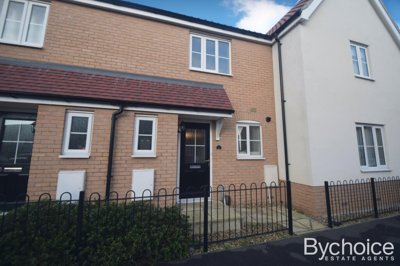
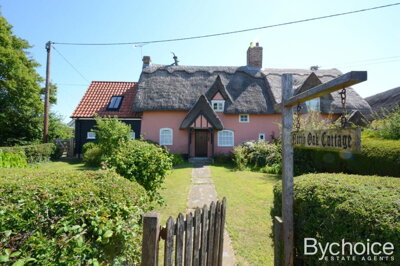
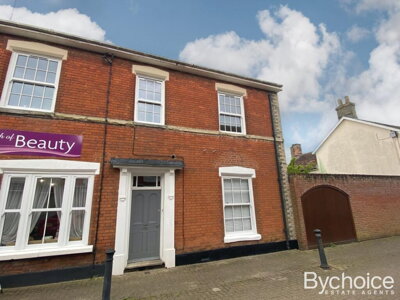
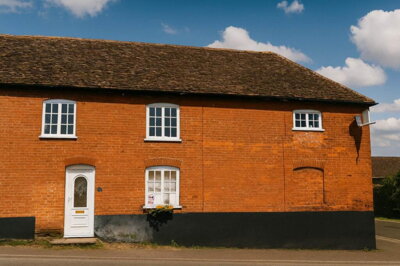
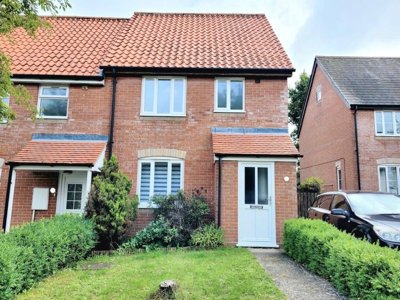
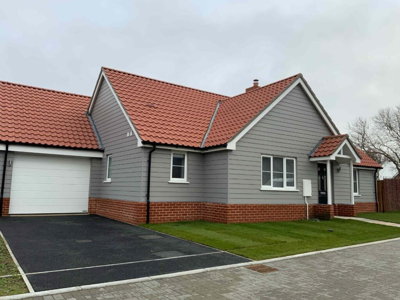
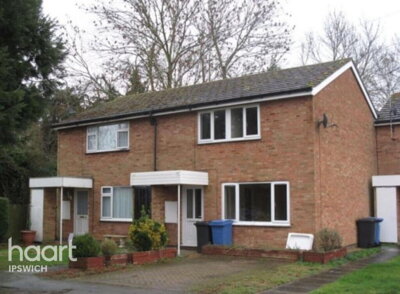
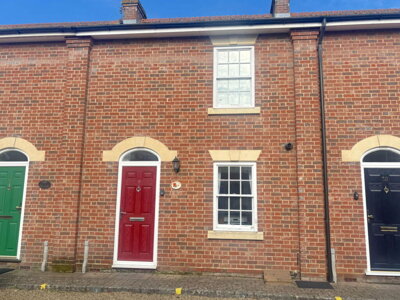
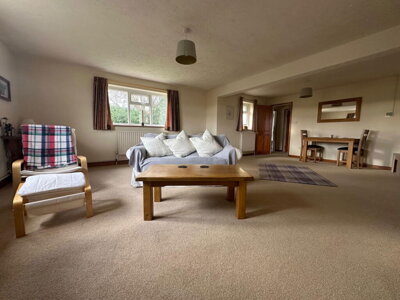
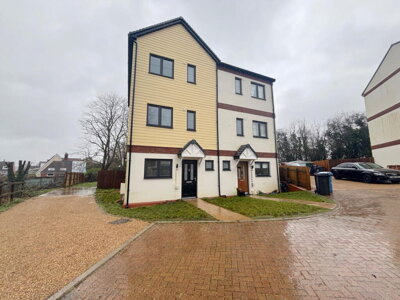
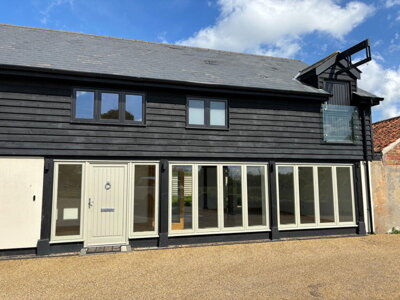
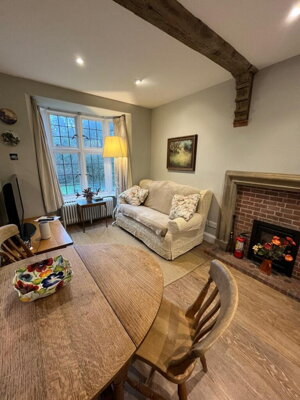
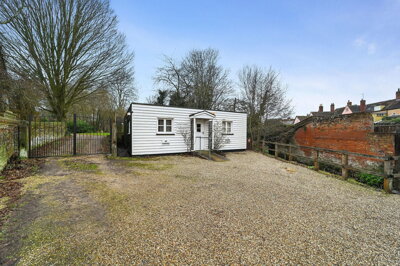
Browse 13 rental homes to rent in IP7 from local letting agents.
£1,025/m
6
0
43
Source: home.co.uk
Source: home.co.uk
Terraced
2 listings
Avg £1,000
Apartment
1 listings
Avg £1,000
Barn Conversion
1 listings
Avg £1,900
Cottage
1 listings
Avg £1,500
Flat
1 listings
Avg £600
Source: home.co.uk
Source: home.co.uk
The IP7 property market has demonstrated consistent growth, with house prices rising approximately 10% over the past year and reaching levels comparable to the 2023 peak of around £422,698. While the sales market provides useful context for rental values, the rental segment within IP7 offers particular advantages for those seeking flexibility in their housing arrangements. Average sold prices in IP7 currently range from £425,656 to £427,960 according to major property portals, with detached properties averaging around £504,439 to £515,755 and terraced properties averaging £232,843 to £251,790. Properties in this area typically command rental values that reflect their character and location, with each property type serving different segments of the rental market.
Property types available for rent in IP7 span a diverse range to accommodate varying household needs and preferences. Detached properties represent the larger end of the market, often featuring generous gardens and multiple reception rooms that appeal to families requiring additional space. Semi-detached homes provide a practical middle ground with often more affordable rental prices while maintaining the character typical of Suffolk residential areas, with average sold prices around £338,154 to £375,814 for this type. Traditional terraced cottages, some dating back centuries and featuring timber framing and period details, offer unique rental opportunities that attract those seeking character properties with genuine historical significance. The area saw 179 residential property sales over the past twelve months, indicating active residential movement that also generates rental opportunities as properties change hands.
The composition of property sales in IP7 reveals useful insights for prospective tenants regarding what types of homes are most prevalent in the area. Sales data shows the majority of transactions fall within the £230,000 to £318,000 range, followed by properties in the £318,000 to £406,000 bracket, suggesting a market predominantly serving mid-range budgets. Flats in the IP7 area are less common than houses, with average sold prices around £165,000, meaning those seeking rental flats may find limited options and should broaden their search to include studios and one-bedroom properties in neighbouring areas if needed.

The IP7 postcode area encompasses a network of traditional Suffolk villages and hamlets centred around Hadleigh, a historic market town that serves as the commercial and social hub for the surrounding rural community. Hadleigh itself features a Conservation Area protecting its architectural heritage, with the town centre showcasing an attractive mix of period buildings, independent shops, and traditional pubs that line the historic streets. The townswomen and market traders maintain the weekly market tradition, providing local produce and goods that reinforce the community atmosphere which distinguishes IP7 from more urbanised postal districts. Residents benefit from essential amenities including convenience stores, healthcare facilities, and a range of dining options, all accessible within a short walk or drive from properties throughout the area.
The surrounding countryside of IP7 offers extensive walking routes, bridleways, and public footpaths that traverse the rolling Suffolk landscape, making the area particularly appealing to outdoor enthusiasts and those who appreciate rural pursuits. The River Brett flows through Hadleigh, providing scenic walks along its banks and contributing to the attractive landscape that draws renters to the area. The geology of Suffolk, characterised by Cenozoic sedimentary deposits including London Clay and various sands and gravels, has shaped both the landscape and the traditional building methods seen throughout the area. Properties here commonly feature the distinctive red brick, timber framing, and clay tile roofing that define East Anglian architecture, with many homes dating from the Georgian and Victorian periods through to the inter-war and post-war construction phases that expanded the residential footprint of these communities.
Village life within IP7 offers distinct characteristics depending on your chosen location. Bildeston retains much of its traditional charm with a village shop, historic pub, and active community events that bring residents together throughout the year. Elmsett provides convenient access to both Hadleigh and the A14 corridor, making it popular with commuters who require straightforward road access while enjoying village amenities. Hitcham features notable historic properties including Grade II listed cottages that exemplify the traditional Suffolk vernacular, attracting tenants who appreciate architectural heritage and period features. Each village within IP7 offers its own balance of amenities, community spirit, and connectivity, meaning prospective tenants should visit different locations to find the setting that best matches their lifestyle preferences.

Education provision within the IP7 postcode area serves families considering rental properties in this part of Suffolk, with a range of primary and secondary options available both within the postal district and in the nearby surrounding areas. Primary education is well-represented through local village schools that serve their immediate communities, providing convenient access for families with younger children and reducing the need for lengthy school runs that can complicate rural living. Families renting in IP7 should verify specific catchment areas for primary schools, as these can vary and directly affect school placement decisions for children.
The market town of Hadleigh offers educational facilities that have traditionally served the wider IP7 catchment area, supporting the community-focused nature of schooling in this region where local schools often form the social heart of villages and towns alike. Hadleigh Primary Academy provides key stage education within the town itself, allowing families to access primary education without travelling to neighbouring villages. Secondary education options in IP7 and the surrounding Suffolk area include schools with established reputations for academic achievement and extracurricular provision, serving families who prioritise educational outcomes when selecting rental properties. Parents renting in IP7 should research specific catchment areas and admissions policies, as these can significantly influence school placement decisions and the overall family rental experience.
The presence of the historic market town infrastructure means that educational facilities have developed to serve not only immediate residents but also those from the wider rural hinterland, creating established school transport routes and community connections that families moving to the area can readily access. Suffolk County Council manages school transport arrangements for eligible pupils living within the IP7 area, with dedicated bus routes serving secondary schools from villages throughout the postcode. When viewing rental properties in IP7, families should specifically ask letting agents about school transport provision and any associated costs, as these practical considerations can significantly impact the overall household budget and daily routine.

Transport connectivity from the IP7 postcode area balances the advantages of rural living with practical access to major employment centres, making it a viable option for commuters who require connectivity without sacrificing quality of life. The proximity of IP7 to Ipswich provides residents with access to the city's railway station, which offers direct rail services to London Liverpool Street with journey times of approximately one hour and twenty minutes, supporting professional commuting patterns for those working in the capital. Road connections through the A14 trunk road provide vehicular access to Cambridge, Felixstowe port, and the broader motorway network, while local A-roads connect the villages and towns within the IP7 area to surrounding market towns and villages.
Local bus services operate within the IP7 area, connecting settlements like Hadleigh with neighbouring towns and providing essential transport for those without private vehicles. The 755 bus service operated by Ipswich Buses links Hadleigh with Ipswich town centre, providing a regular option for those accessing the city without a car. These services are particularly valuable for residents accessing secondary schools, healthcare appointments, and shopping facilities that may not be available within every village. Bus service frequencies vary by route and day of week, with more frequent services typically operating on weekdays and reduced timetables at weekends, so prospective tenants should check current schedules before committing to a property location.
Parking provision varies by settlement, with Hadleigh town centre offering public parking facilities that support the weekly market and local shopping, while village locations typically provide on-street parking for residents. For those considering rental properties in IP7, the transport context supports both car-free and car-owning lifestyles, with the area offering sufficient connectivity for most daily needs while maintaining the rural character that defines the postcode. Residents working in Ipswich may find that the combination of driving to Hadleigh and catching the bus from there offers a practical compromise, while those working from home can fully embrace the rural lifestyle benefits without commuting concerns affecting their property location choice.

Before commencing your property search in IP7, obtain a rental budget agreement in principle from a reputable lender or broker. This document demonstrates your financial capacity to landlords and letting agents, strengthening your application against competing tenants. Understanding your maximum monthly rental budget helps you filter search results effectively and avoids wasted time viewing properties outside your price range.
Explore the different villages and neighbourhoods within IP7, considering factors such as school catchment areas, transport connections, and proximity to local amenities. The market town of Hadleigh offers different characteristics compared to surrounding villages like Bildeston, Elmsett, or Hitcham, so understanding these distinctions will help you select the right location for your household needs and preferences.
Use Homemove to browse available rental properties in IP7, filtering by property type, number of bedrooms, and rental price range. Arrange viewings for properties that match your requirements, taking the opportunity to assess the property condition, surrounding neighbourhood, and its suitability for your household needs. When viewing, check the condition of walls, floors, windows, and any period features that may require maintenance during the tenancy.
Once you have agreed on a rental property, your landlord will typically require tenant referencing checks covering your credit history, employment status, and previous rental references. Preparing these documents in advance, including payslips, bank statements, and reference contact details, can accelerate the process and improve your chances of securing the property ahead of other applicants.
Review the tenancy agreement carefully before signing, ensuring you understand the terms including the deposit amount, rent payment schedule, maintenance responsibilities, and any specific conditions relating to the property. Properties in IP7 may include specific clauses relevant to historic buildings, Conservation Area restrictions, or rural location considerations that differ from standard urban tenancies.
Arrange an inventory check at the start of your tenancy to document the condition of the property and its contents. This protects both you and your landlord by establishing a clear baseline against which any end-of-tenancy deductions can be assessed. For older properties with period features, ensure the inventory includes detailed descriptions of existing wear and tear to avoid disputes at the end of your tenancy.
Renting properties in the IP7 area requires awareness of specific local considerations that arise from the rural Suffolk setting and the age of much of the housing stock in this postcode district. Properties in Hadleigh and surrounding villages frequently include buildings of significant age, with timber-framed structures and period features that require careful assessment during the tenancy selection process. When viewing rental properties, prospective tenants should examine the condition of exposed timber beams, check for signs of damp or woodworm, and assess the overall maintenance standards set by the landlord.
The presence of clay soils throughout Suffolk introduces potential shrink-swell behaviour that can affect foundations, particularly in older properties that may have shallower foundations than modern construction standards require. Prospective tenants should examine walls, floors, and door frames for signs of movement or cracking that might indicate structural considerations requiring attention. While minor settlement cracks are common in older properties, significant or worsening cracks may suggest ongoing movement that warrants further investigation before committing to a tenancy.
Conservation Area designations affect many properties in the IP7 postcode, particularly within Hadleigh town centre, where permitted development rights may be more limited than in non-designated areas. Tenants should understand that any alterations they wish to make during their tenancy, such as installing satellite dishes or making structural changes, may require planning permission from Babergh District Council. Properties with listed building status, including the Grade II listed cottages found in villages like Hitcham, come with additional obligations regarding maintenance and alterations that tenants should carefully consider before committing to a tenancy. These historic properties offer unique living environments but require a collaborative approach between tenant and landlord regarding their upkeep.
Energy efficiency varies considerably across the IP7 housing stock, with older period properties typically featuring less insulation than modern homes. When viewing properties, ask about the current Energy Performance Certificate rating and any improvements the landlord has made to heating systems or insulation. Understanding the typical heating costs for the property type will help you budget accurately, as larger detached homes or poorly insulated cottages can incur significant heating expenses during Suffolk winters. Some landlords of period properties have invested in secondary glazing or draft-proofing measures that substantially improve thermal performance while preserving original features.

While comprehensive rental price data for IP7 specifically requires consultation with current letting agents, the sales market provides useful context for understanding local property values. Average property prices in IP7 stand at approximately £425,656 to £427,960 according to recent data, with detached properties averaging around £504,439 to £515,755, semi-detached properties around £338,154 to £375,814, and terraced properties averaging £232,843 to £251,790. Rental prices typically relate to these sales values through rental yields, meaning larger detached homes command higher monthly rents while smaller properties offer more accessible rental options. Contacting local letting agents active in the IP7 area, including those based in Hadleigh town centre, will provide the most accurate current rental pricing for specific property types and sizes.
Properties in the IP7 postcode area fall under Babergh District Council for council tax purposes, with bands ranging from A through to H depending on the property's assessed value. The band a property falls into affects the monthly council tax liability, which tenants should factor into their overall budget calculations when considering a rental property. Properties in this area, particularly older and larger detached homes, may fall into higher council tax bands, while smaller terraced properties and flats typically occupy lower bands. Prospective tenants can verify the council tax band for any specific property through the Valuation Office Agency website using the property address, and should request this information from the landlord or letting agent before committing to a tenancy.
Education provision in IP7 includes primary schools serving the various villages and the market town of Hadleigh, with families often prioritising properties within specific school catchment areas. Hadleigh Primary Academy serves the main town and surrounding areas, while village schools in locations like Bildeston and Elmsett serve their immediate communities with shorter travel distances. Secondary education options in the surrounding Suffolk area serve the wider catchment, and parents should research individual school performance data and admissions policies relevant to their property shortlist. The rural nature of IP7 means school transport arrangements are well-established, and families moving to the area can typically access educational provision through a combination of local schools and school bus services that extend catchment areas beyond immediate village boundaries.
Public transport connectivity from IP7 centres on bus services that link the various settlements with Hadleigh and the surrounding area, with the 755 service providing regular connections to Ipswich town centre. The nearest railway stations with regular services are located in the Ipswich area, providing access to the mainline to London Liverpool Street with journey times of approximately 80 minutes for those commuting to the capital. Road connectivity through the A14 provides access to Cambridge, Felixstowe, and connections to the broader motorway network, while local A-roads connect communities within the IP7 area. Residents without private vehicles should factor public transport availability into their location choices within IP7, as service frequencies and operating hours vary by route, with weekday services typically more frequent than weekend provision.
IP7 offers renters an attractive combination of rural Suffolk living with practical connectivity to larger employment centres, making it well-suited to households seeking space and character away from urban pressures. The market town of Hadleigh provides essential amenities including shops, pubs, and healthcare facilities, while the surrounding countryside offers recreational opportunities including walking routes along the River Brett and through the rolling Suffolk landscape. Property types available for rent span traditional cottages through to modern family homes, providing options across different price points and household requirements. The sense of community in these Suffolk villages and the presence of established local schools make IP7 particularly popular among families and those seeking a balanced lifestyle away from larger towns.
Standard deposits on rental properties in England are equivalent to five weeks' rent, capped at five weeks' rent where the annual rent exceeds £50,000. This deposit must be protected in a government-approved Tenancy Deposit Scheme within 30 days of receipt, providing security for both tenant and landlord. Tenants should also budget for holding deposits, referencing check fees, and potential costs for inventory services, which typically range from £120 to £200 depending on the property size. Before committing to view properties, we recommend obtaining a rental budget agreement in principle to understand your borrowing capacity and demonstrate financial credibility to landlords in the competitive IP7 rental market.
When viewing rental properties in IP7, prospective tenants should pay particular attention to the condition of period features common in older properties throughout the area, including exposed timber beams, original fireplaces, and traditional windows. Check walls for signs of damp, particularly in ground floor rooms and basements where moisture can accumulate. Examine door frames and window surrounds for cracking that might indicate settlement or movement, especially in properties built on the clay soils present throughout Suffolk. For properties in Conservation Areas or listed buildings, ask the landlord about restrictions on alterations and who is responsible for maintaining historic features. Request copies of recent utility bills to understand typical running costs for heating a property of that size and age.
From 4.5%
Understand your borrowing capacity before renting
From £99
Credit checks and employment verification
From £85
Energy performance certificate for rental properties
From £120
Document property condition before moving in
Understanding the financial requirements for renting in IP7 helps prospective tenants budget accurately and avoid surprises during the application process. The standard deposit amount for rental properties in England is equivalent to five weeks' rent, subject to a cap of five weeks' rent for properties where annual rent exceeds £50,000. This deposit is protected in a government-approved Tenancy Deposit Scheme within 30 days of receipt, providing security for both tenant and landlord regarding the property condition at the end of the tenancy. In addition to the deposit, tenants should budget for referencing fees, which typically cover credit checks, employment verification, and previous landlord references.
Renting in the historic IP7 area may involve specific considerations regarding property condition and maintenance that influence the costs tenants should anticipate. Older properties featuring timber framing, period features, and traditional construction methods may have different maintenance requirements compared to modern equivalents, and tenants should discuss these aspects with landlords before committing to a tenancy. Properties in Conservation Areas or those with listed building status may require landlord involvement for any works, and tenants should clarify responsibilities regarding maintenance of period features, heating systems, and building insurance. Obtaining a rental budget agreement in principle before commencing your property search provides clarity on your financial position and demonstrates serious intent to landlords in the IP7 rental market.
Additional costs to factor into your rental budget include the upfront first month's rent, moving expenses, and contents insurance to protect your belongings during the tenancy. For properties with gardens, consider whether garden maintenance is included in the tenancy terms or whether this becomes your responsibility. If the property has a high energy rating, you may benefit from lower utility bills, while properties with poor insulation may incur higher heating costs during Suffolk's winter months. When calculating the true cost of renting in IP7, ensure you account for council tax payments, which fall under Babergh District Council and vary according to the property's valuation band.

Properties to Rent In London

Properties to Rent In Plymouth

Properties to Rent In Liverpool

Properties to Rent In Glasgow

Properties to Rent In Sheffield

Properties to Rent In Edinburgh

Properties to Rent In Coventry

Properties to Rent In Bradford

Properties to Rent In Manchester

Properties to Rent In Birmingham

Properties to Rent In Bristol

Properties to Rent In Oxford

Properties to Rent In Leicester

Properties to Rent In Newcastle

Properties to Rent In Leeds

Properties to Rent In Southampton

Properties to Rent In Cardiff

Properties to Rent In Nottingham

Properties to Rent In Norwich

Properties to Rent In Brighton

Properties to Rent In Derby

Properties to Rent In Portsmouth

Properties to Rent In Northampton

Properties to Rent In Milton Keynes

Properties to Rent In Bournemouth

Properties to Rent In Bolton

Properties to Rent In Swansea

Properties to Rent In Swindon

Properties to Rent In Peterborough

Properties to Rent In Wolverhampton

Enter your details to see if this property is within your budget.
Loans, cards, car finance
Estimated property budget
Borrowing + deposit
You could borrow between
Typical borrowing
Monthly repayment
Est. at 4.5%
Loan-to-value
This is an estimate only. Your actual budget may vary depending on interest rates, credit history, and personal circumstances. For an accurate affordability assessment, speak to one of our free mortgage advisors.
This calculator provides estimates for illustrative purposes only and does not constitute financial advice. Your home may be repossessed if you do not keep up repayments on your mortgage. Estimates based on 4.5% interest rate, repayment mortgage. Actual rates depend on your circumstances.
Homemove is a trading name of HM Haus Group Ltd (Company No. 13873779, registered in England & Wales). Homemove Mortgages Ltd (Company No. 15947693) is an Appointed Representative of TMG Direct Limited, trading as TMG Mortgage Network, which is authorised and regulated by the Financial Conduct Authority (FRN 786245). Homemove Mortgages Ltd is entered on the FCA Register as an Appointed Representative (FRN 1022429). You can check registrations at NewRegister or by calling 0800 111 6768.

We use cookies to show you personalised content and improve your experience of our website. Find out more in our Privacy policy and Cookie policy.