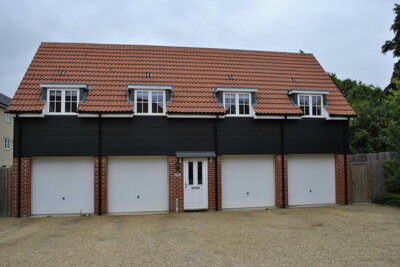
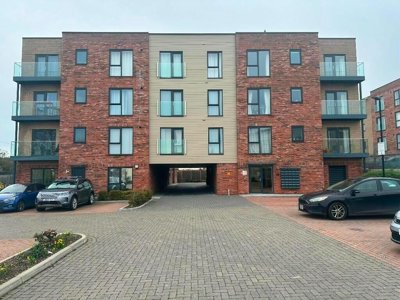
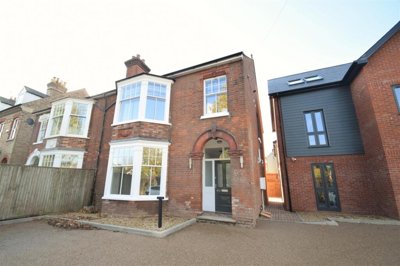
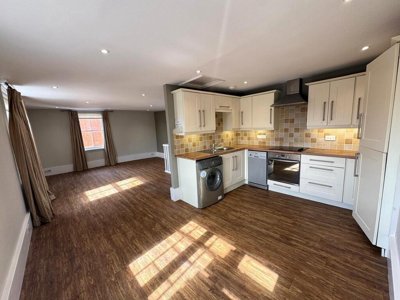
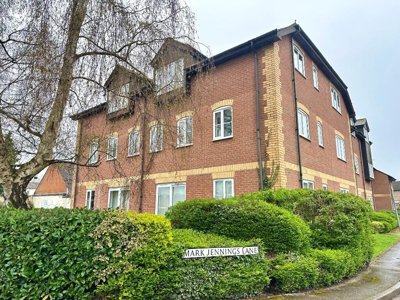
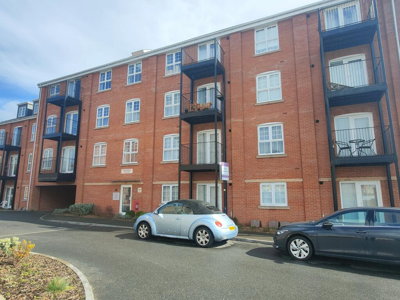
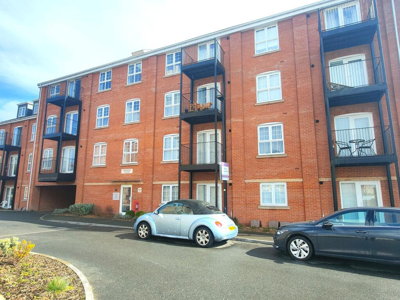
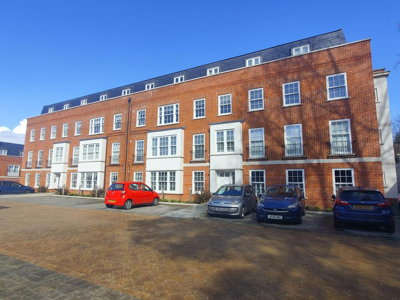
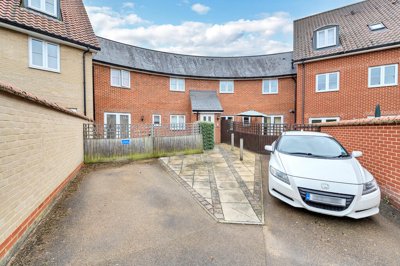
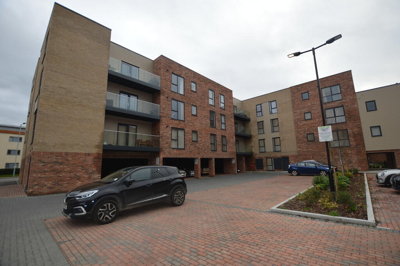
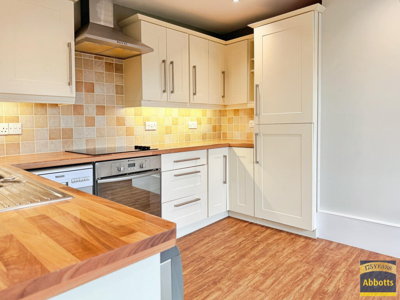
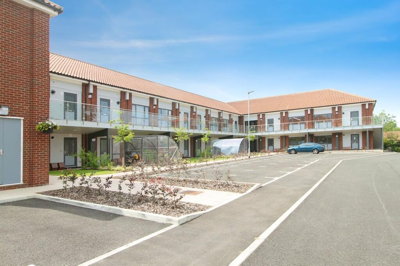
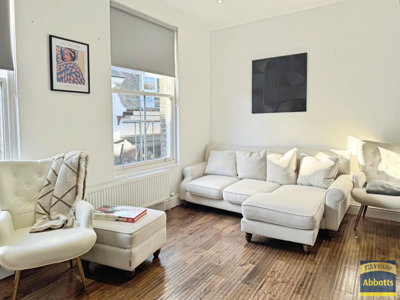
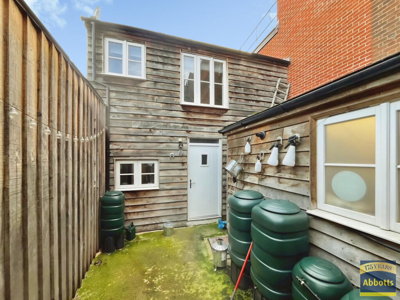
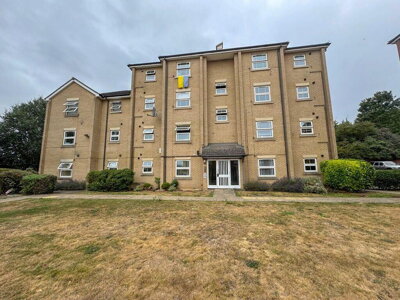
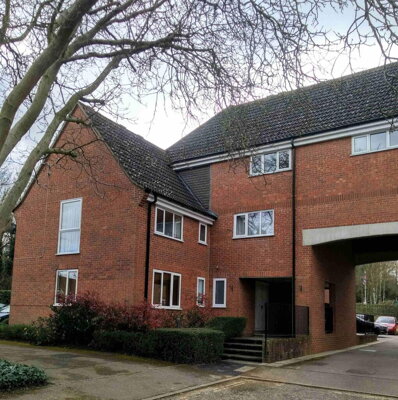
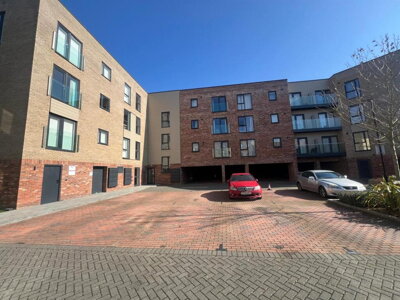
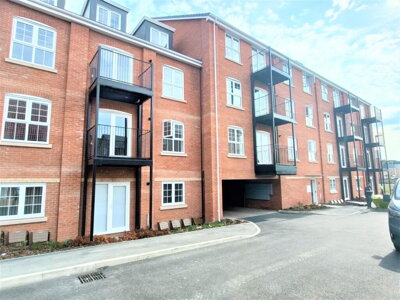
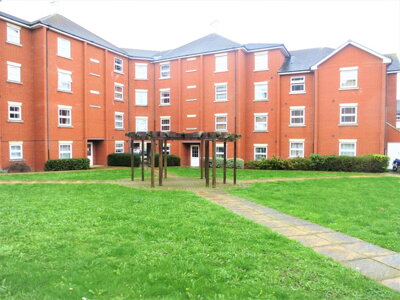
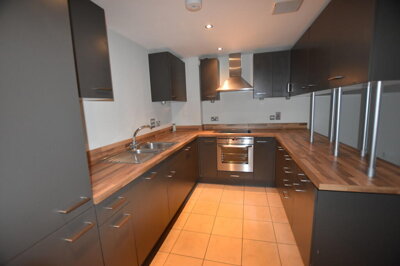
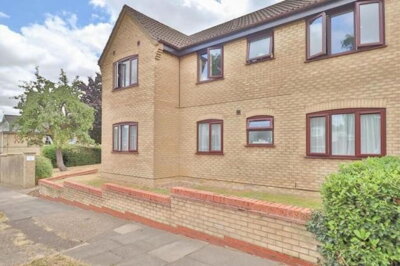
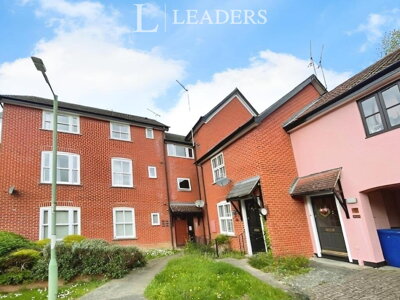
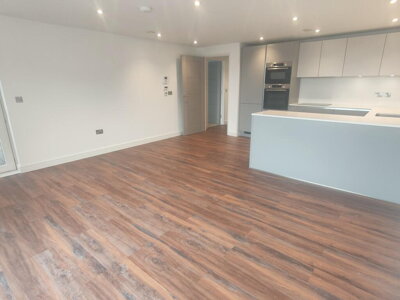
Browse 39 rental homes to rent in IP33 from local letting agents.
The 2 bed flat sector typically includes two separate bedrooms, dedicated living areas, and bathroom facilities. Properties in IP33 span purpose-built blocks, converted period houses, and modern apartment complexes on various floors.
£1,550/m
10
0
42
Source: home.co.uk
Showing 10 results for 2 Bedroom Flats to rent in IP33. The median asking price is £1,550/month.
Source: home.co.uk
Flat
10 listings
Avg £1,502
Source: home.co.uk
Source: home.co.uk
The IP33 rental market offers excellent variety for those seeking their next home in Bury St Edmunds. Current market data shows that terraced properties form the backbone of the local housing stock, with average sold prices around £326,988 for this property type. Semi-detached homes average £363,755, while detached properties command premium prices of approximately £489,250. Flats remain the most accessible entry point to the rental market, with average values around £195,594, making them popular among first-time renters and young professionals seeking city-style living without the London price tag.
House prices in IP33 have shown remarkable stability, with the overall market remaining similar to previous years after a 7% correction from the 2023 peak of £364,032. The IP33 1 sector experienced a slight dip of 0.2% in the last year, while the IP33 2 sector demonstrated modest growth of 1.3%, suggesting confident buyer activity in the wider Bury St Edmunds area. For renters, this stability translates into consistent rental values and a healthy selection of properties across all price points.
Rental demand in Bury St Edmunds is supported by the town's growing employment opportunities and excellent transport links. With 45,900 economically active residents and 2,700 people working in the construction sector locally, steady employment provides the foundation for reliable rental demand. Properties in popular areas like the medieval grid conservation zone and near the railway station typically attract strong interest from renters seeking to balance historic character with practical commuting access.

Bury St Edmunds offers an exceptional quality of life that draws renters from across East Anglia and beyond. The town centre features a beautiful medieval grid pattern with historic streets including Churchgate, Guildhall, and Westgate, many of which fall within designated conservation areas. Living in Bury St Edmunds means having independent boutiques, specialist food shops, and acclaimed restaurants on your doorstep, combined with the cultural attractions of the Theatre Royal and the magnificent St Edmundsbury Cathedral rising above the historic skyline.
The demographic profile of Bury St Edmunds reflects its appeal to families and retirees alike. Across Suffolk, approximately 66% of homes are owner-occupied, with the remaining properties split between private rental at 19% and social housing at 15%. The town's population tends toward an older demographic compared to national averages, with higher proportions of residents aged 50 and over. However, the growing jobs market and excellent schools attract younger families, creating a balanced community atmosphere where multigenerational households and young professionals coexist comfortably.
The town centre provides comprehensive amenities including major supermarkets, independent retailers, healthcare facilities, and recreational options. The Arc shopping centre and the weekly markets in the Cathedral precinct provide diverse shopping experiences. The Riverside Theatre and Greene King IPA Championship rugby at KP Park offer entertainment options that rival larger towns, while the proximity to beautiful Suffolk countryside provides endless opportunities for weekend exploration and outdoor activities.

Education provision in Bury St Edmunds serves families well across all age ranges, making the IP33 area particularly attractive for renters with children. The town hosts several well-regarded primary schools, many of which feed into the secondary school system. Parents should research individual school Ofsted ratings and consider catchment area boundaries when selecting a rental property, as school admissions in Bury St Edmunds follow standard Suffolk County Council procedures based on proximity and sibling connections.
For secondary education, Bury St Edmunds offers a choice of state schools alongside grammar school options for academically able students. The town's further education provision includes colleges serving students aged 16 and above, providing vocational and academic pathways. Families relocating to Bury St Edmunds from larger cities often find the educational options here competitive while class sizes tend to be more manageable than in major urban centres.
Given the significant number of period properties in the IP33 area, families should note that older homes in conservation areas near the medieval grid may fall within specific school catchments that experience high demand. The IP33 1 sector around the town centre and the IP33 2 sector covering the eastern residential areas each have distinct catchment boundaries that parents should verify before committing to a tenancy. Booking a rental budget agreement in principle before viewing properties helps families focus their search on areas offering their preferred educational options.

Bury St Edmunds benefits from excellent transport connections that make commuting from IP33 practical for many residents. The town sits at the intersection of the A14 and A143, providing straightforward road access to Cambridge approximately 45 miles to the west and Norwich around 35 miles to the north. For those working in Ipswich, the A14 offers a direct route with journey times of around 40 minutes, opening up employment opportunities across Suffolk and Cambridgeshire.
Rail services from Bury St Edmunds station connect the town to Cambridge, Ipswich, and Felixstowe, with regular services throughout the day. The train journey to Cambridge takes approximately 40-50 minutes, making Bury St Edmunds a viable option for commuters seeking more affordable housing than Cambridge while maintaining reasonable travel times. Workers commuting to London can access the capital via Cambridge or Ipswich with onward connections, though this does add significant time to the daily commute.
Local bus services operated by Suffolk County Council provide connections throughout the town and surrounding villages, while cycling infrastructure has improved in recent years with dedicated routes connecting residential areas to the town centre and employment zones. The relatively compact nature of Bury St Edmunds means that many renters choose not to require a car for daily life, particularly those living within the medieval grid area where parking can be limited and amenities are within easy walking distance.

The local employment market in Bury St Edmunds supports a diverse range of career opportunities that attract renters to the IP33 area. With 45,900 economically active residents, the town maintains a healthy jobs market with opportunities across sectors including healthcare, retail, education, and manufacturing. Major employers in the area include the West Suffolk Hospital on Hardwick Lane (IP33 2QZ), the Greggs bakery distribution centre, and various retail operations serving the town centre.
The construction sector employs 2,700 workers in Bury St Edmunds, reflecting ongoing development activity in the area. This workforce supports the maintenance and improvement of the extensive older housing stock, from listed buildings requiring specialist conservation work to newer residential developments. Employment in trades including plumbing, electrical work, and general building maintenance provides reliable income for local workers, many of whom also rent properties in the town.
Wage levels in Suffolk tend to run below the England average, particularly in the lower income quartiles. However, the relatively lower cost of housing compared to Greater London and the Cambridge area makes Bury St Edmunds an attractive option for workers who might otherwise commute from more expensive locations. Renters considering the IP33 area should factor in potential wage differences against savings on housing costs when evaluating the overall financial picture.

Before starting your property search, obtain a rental budget agreement in principle that confirms your maximum affordable monthly rent. This verification shows landlords and letting agents that you are a serious applicant with verified financial standing, giving you a competitive edge in the Bury St Edmunds rental market where desirable properties can attract multiple enquiries. Budget carefully for rent, council tax, utilities, and potential moving costs to ensure your new home remains affordable long-term.
Explore different areas within Bury St Edmunds, from the historic conservation areas around the medieval grid where properties often feature exposed red brick and period characteristics to quieter suburban streets in the IP33 2 sector offering more modern housing stock. Each neighbourhood offers distinct character, amenities, and commute times to local employment. The medieval grid area provides exceptional character but limited parking, while areas like Northgate and Westgate offer more space and easier access by car.
Contact local letting agents to arrange viewings of properties matching your criteria. Take detailed notes on property condition, natural light, storage space, and any maintenance concerns visible during the visit. For period properties in Bury St Edmunds, pay particular attention to the condition of original features, signs of damp or structural movement, and the age and condition of heating systems. Ask the landlord or agent about the history of any known issues and how they were resolved.
Given that Bury St Edmunds has 737 listed buildings and many properties built before 1964 with solid wall construction, consider a property condition survey before committing to a tenancy. These older properties may have hidden defects including damp, roof issues, outdated electrics, or plumbing problems that could affect your enjoyment of the property. A thorough inspection provides documented evidence of the property condition at the start of your tenancy, protecting your deposit at the end.
Review the tenancy agreement carefully before signing, ideally with legal advice for longer-term commitments. Check deposit amount (capped at five weeks' rent for properties with annual rent under £50,000), notice periods, maintenance responsibilities, and any restrictions on pets or modifications to the property. For properties in conservation areas or listed buildings, confirm what alterations require landlord permission or planning consent.
Arrange utility transfers, broadband installation, and contents insurance before your move-in date. Document the property condition with photographs as a reference point for your deposit return at the end of the tenancy. Notify the local authority of your move for council tax purposes and ensure all meters are read on moving day. Consider setting up a standing order for rent payments to avoid any missed payments during busy moving periods.
Renting in Bury St Edmunds requires careful attention to the unique characteristics of the local housing stock. Many properties in the IP33 area are period homes built before 1964, often featuring solid wall construction that differs from modern cavity wall insulation. These older properties may require more heating due to less effective insulation, and renters should check that adequate heating systems are in place. The prevalence of exposed red brick in Bury St Edmunds townhouses adds character but may require checking for any signs of damp or structural movement in older properties.
Conservation area status affects many residential streets in Bury St Edmunds, particularly within the medieval grid around Churchgate, Guildhall, and Westgate. Tenants should be aware that planning permission may be required for certain modifications, and exterior changes to listed buildings are strictly controlled by West Suffolk Council. Before signing a tenancy, confirm what changes the landlord is prepared to approve during your tenancy, such as hanging baskets, shelving, or repainting interior rooms.
For flats in the town centre, reviewing the service charge history and understanding which maintenance responsibilities fall to the landlord versus the tenant provides important clarity before signing a tenancy agreement. Properties near the river should be checked for any history of flooding issues, as West Suffolk Council provides flood risk information through their interactive mapping service. Requesting copies of recent utility bills helps estimate running costs before committing to a property.

While specific rental figures for IP33 vary by property type and location, the sold price data provides useful context for understanding relative values. Flats average around £195,594 in value, terraced homes around £326,988, and larger detached properties up to £489,250. Monthly rents typically range from around £800 for a one-bedroom flat in the IP33 1 sector to over £1,500 for a spacious family home. Renters in West Suffolk, which includes Bury St Edmunds, face higher rental costs compared to the Suffolk average, so budgeting accordingly is advisable. Contact local letting agents for current asking rents on properties matching your requirements.
Council tax bands in Bury St Edmunds are set by West Suffolk Council across bands A through H. Properties are assessed individually based on their assessed value, with period properties in conservation areas potentially spanning various bands depending on their size and character. A modest one-bedroom flat might fall into band A or B with annual charges around £1,200-1,400, while larger Victorian townhouses could be in bands D or E with charges exceeding £2,000 annually. Prospective tenants should request the council tax band from the landlord or letting agent before committing to a tenancy, as this forms part of the regular monthly cost alongside rent.
Bury St Edmunds offers strong educational provision across all levels, with several primary and secondary schools serving the IP33 area. The town features both comprehensive and grammar school options for secondary education, with schools including King Edward VI School and St Benedict's Catholic School serving different catchment areas. Families should research individual school Ofsted ratings, consider catchment area boundaries, and factor school proximity into their property search. The quality of local education makes Bury St Edmunds particularly popular among families relocating from larger cities who want smaller class sizes and strong community connections.
Bury St Edmunds provides good connectivity through rail services from the town centre station to Cambridge, Ipswich, and Felixstowe, with the Cambridge journey taking approximately 40-50 minutes. Local bus services operated by Suffolk County Council connect residential areas throughout IP33 to the town centre and surrounding villages including Clare, Haverhill, and Newmarket. The A14 trunk road provides direct road access to Cambridge and Ipswich, making car travel practical for those commuting to employment centres across the region. The town also has a growing network of cycle paths connecting residential areas to employment zones.
Bury St Edmunds consistently ranks among the best places to live in Suffolk, offering an exceptional quality of life with minimal commuting times compared to major cities. The town combines historic character with modern amenities including independent shops in the Buttermarket and Cornhill areas, quality restaurants along Cannon Street, and cultural venues like the Theatre Royal and Moyse's Hall Museum. The stable property market in IP33, combined with steady employment opportunities in healthcare, retail, and construction sectors, makes renting here an attractive option for families, professionals, and retirees alike who want access to amenities without urban congestion.
Standard deposits on rental properties in Bury St Edmunds typically amount to five weeks' rent, legally required to be protected in a government-approved deposit scheme within 30 days of receiving it. This protection ensures you receive your deposit back at the end of your tenancy provided there is no damage beyond normal wear and tear or unpaid rent. Additional costs may include referencing fees, administration charges from letting agents, and inventory check fees typically ranging from £100-200. First-time renters should also consider moving costs, contents insurance, and utility connection charges when calculating their total moving budget, which can add several hundred pounds to the upfront cost of securing a rental property.
Many rental properties in Bury St Edmunds are period homes that may have different maintenance requirements compared to modern construction. Common issues include solid wall insulation limitations requiring more heating, older electrical and plumbing systems that may need updating, and potential damp in properties built before 1919. Almost one-third of homes built before 1919 are classified as non-decent according to housing standards, which means they may have issues affecting warmth, weatherproofing, or electrical safety. A thorough inspection before signing and appropriate contents insurance provide protection against unexpected maintenance issues during your tenancy. Documenting existing defects with photographs at the start of your tenancy protects your deposit when you leave.
From 4.5%
Get a mortgage in principle to confirm your buying budget
From £50
Verify your identity and financial standing for landlords
From £80
Energy performance certificate for rental properties
From £100
Professional check-in report protecting your deposit
Understanding the full cost of renting in IP33 helps prospective tenants budget accurately for their move. Standard deposits in Bury St Edmunds typically amount to five weeks' rent, legally required to be protected in a government-approved deposit scheme within 30 days of receiving it. This protection ensures you receive your deposit back at the end of your tenancy provided there is no damage beyond normal wear and tear or unpaid rent. The deposit protection schemes include the Deposit Protection Service, MyDeposits, and the Tenancy Deposit Scheme.
Additional costs to budget for include the first month's rent payable upfront, referencing fees that verify your identity and financial standing, and administrative charges from letting agents. Inventory check fees, typically ranging from £100-200, cover the professional condition report that protects both tenant and landlord interests. Some agents also charge check-out fees at the end of your tenancy, so clarify all potential charges before committing to use a particular agency.
First-time renters should also account for utility connection charges, internet installation costs, and contents insurance premiums when calculating their total moving budget. Council tax must be set up with West Suffolk Council, and if the property has a history of empty periods, you may need to pay for a period before you move in. Obtaining a rental budget agreement in principle before searching for properties ensures you know exactly what you can afford, streamlining your viewings and applications in the competitive Bury St Edmunds rental market.
Properties to Rent In London

Properties to Rent In Plymouth

Properties to Rent In Liverpool

Properties to Rent In Glasgow

Properties to Rent In Sheffield

Properties to Rent In Edinburgh

Properties to Rent In Coventry

Properties to Rent In Bradford

Properties to Rent In Manchester

Properties to Rent In Birmingham

Properties to Rent In Bristol

Properties to Rent In Oxford

Properties to Rent In Leicester

Properties to Rent In Newcastle

Properties to Rent In Leeds

Properties to Rent In Southampton

Properties to Rent In Cardiff

Properties to Rent In Nottingham

Properties to Rent In Norwich

Properties to Rent In Brighton

Properties to Rent In Derby

Properties to Rent In Portsmouth

Properties to Rent In Northampton

Properties to Rent In Milton Keynes

Properties to Rent In Bournemouth

Properties to Rent In Bolton

Properties to Rent In Swansea

Properties to Rent In Swindon

Properties to Rent In Peterborough

Properties to Rent In Wolverhampton

Enter your details to see if this property is within your budget.
Loans, cards, car finance
Estimated property budget
Borrowing + deposit
You could borrow between
Typical borrowing
Monthly repayment
Est. at 4.5%
Loan-to-value
This is an estimate only. Your actual budget may vary depending on interest rates, credit history, and personal circumstances. For an accurate affordability assessment, speak to one of our free mortgage advisors.
This calculator provides estimates for illustrative purposes only and does not constitute financial advice. Your home may be repossessed if you do not keep up repayments on your mortgage. Estimates based on 4.5% interest rate, repayment mortgage. Actual rates depend on your circumstances.
Homemove is a trading name of HM Haus Group Ltd (Company No. 13873779, registered in England & Wales). Homemove Mortgages Ltd (Company No. 15947693) is an Appointed Representative of TMG Direct Limited, trading as TMG Mortgage Network, which is authorised and regulated by the Financial Conduct Authority (FRN 786245). Homemove Mortgages Ltd is entered on the FCA Register as an Appointed Representative (FRN 1022429). You can check registrations at NewRegister or by calling 0800 111 6768.

We use cookies to show you personalised content and improve your experience of our website. Find out more in our Privacy policy and Cookie policy.