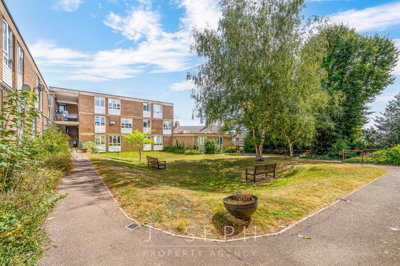
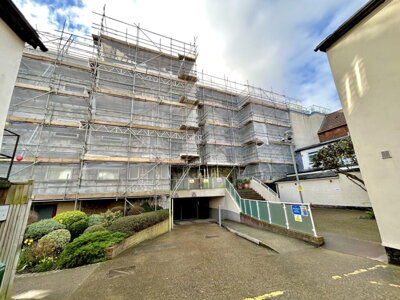
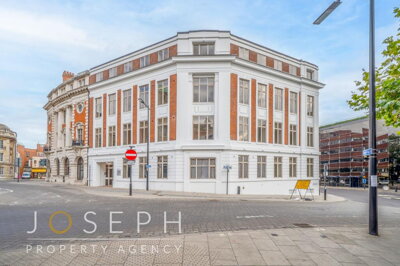
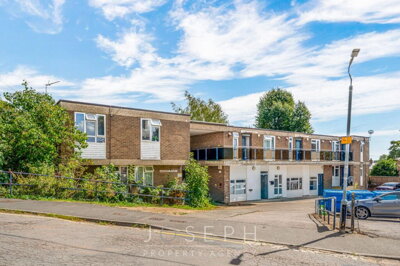
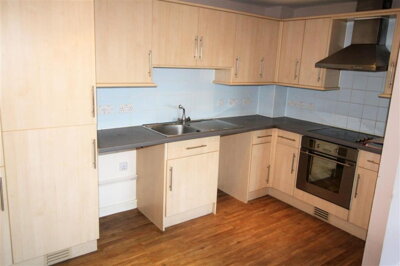
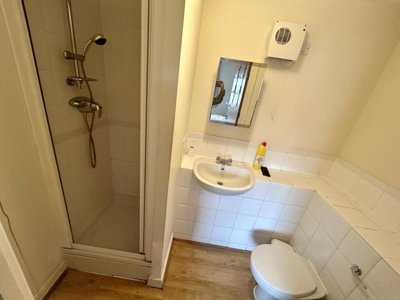
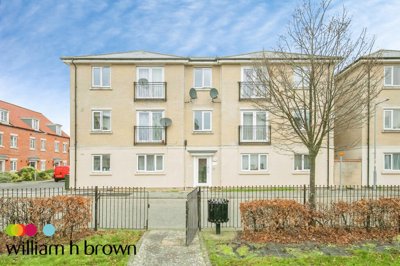
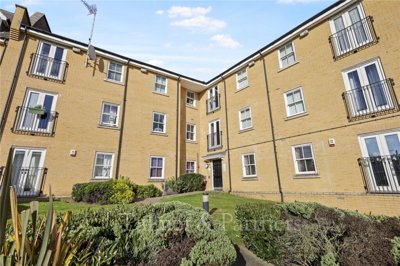
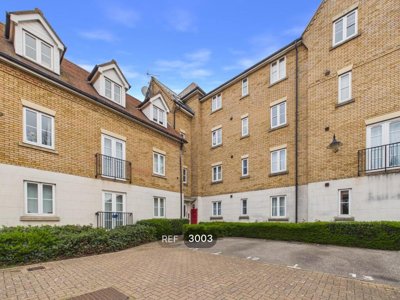
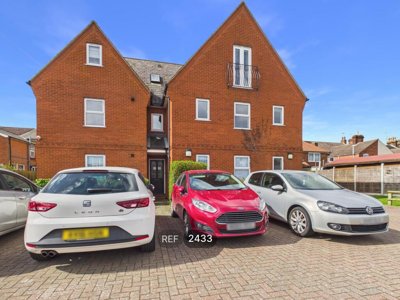
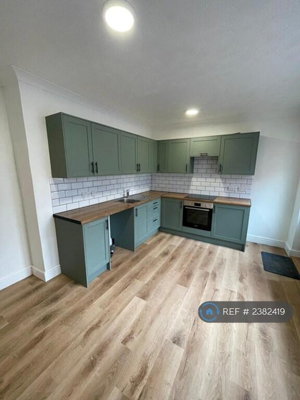
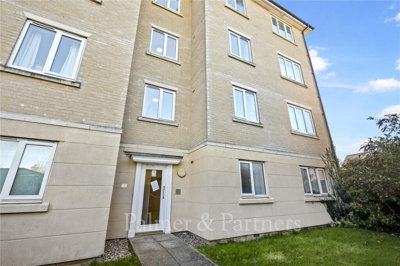
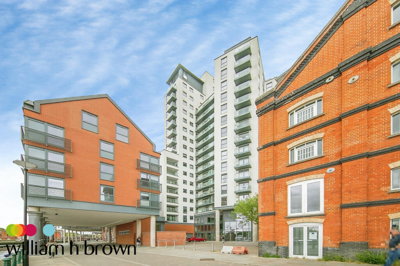
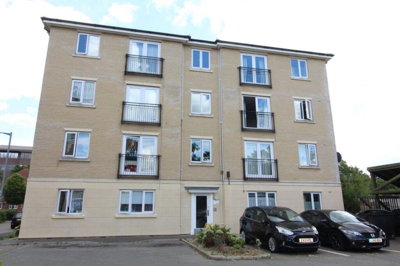
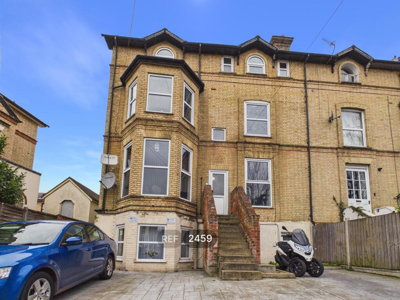
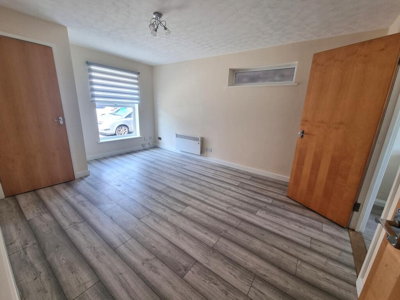
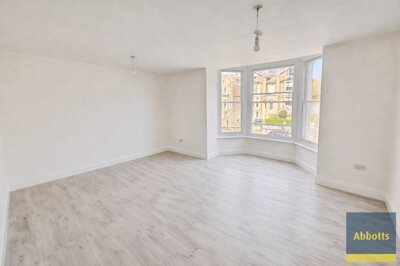
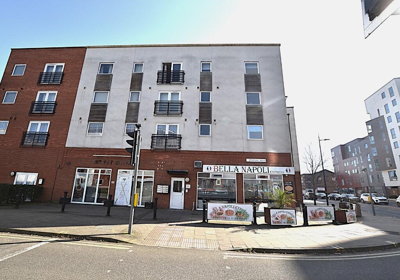
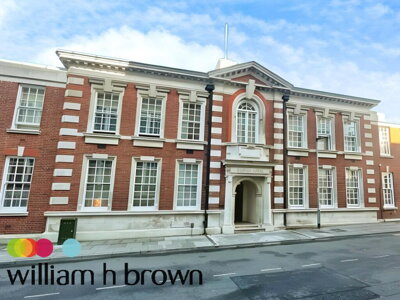
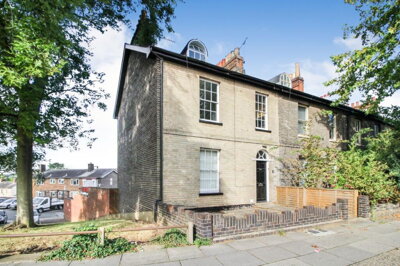
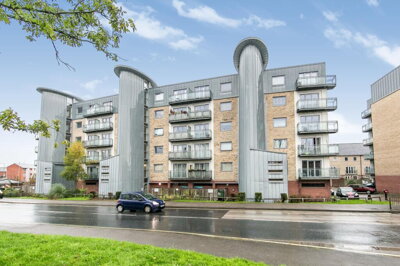
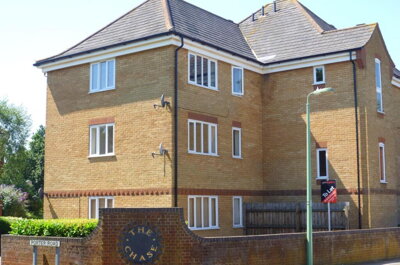
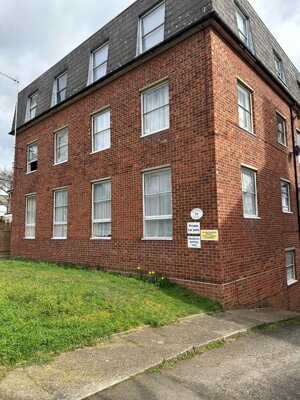
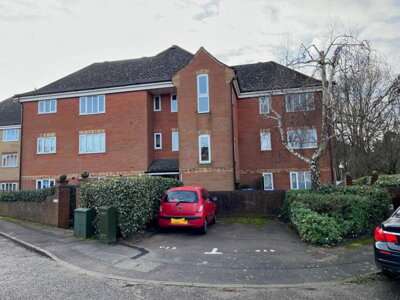
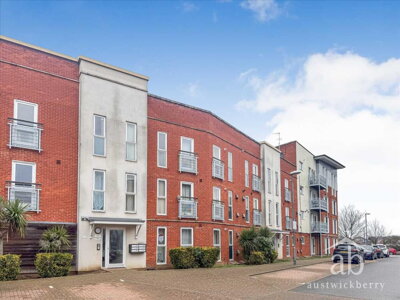
Browse 36 rental homes to rent in IP3 from local letting agents.
The 2 bed flat sector typically includes two separate bedrooms, dedicated living areas, and bathroom facilities. Properties in IP3 span purpose-built blocks, converted period houses, and modern apartment complexes on various floors.
£825/m
1
0
36
Source: home.co.uk
Showing 1 results for 2 Bedroom Flats to rent in IP3. The median asking price is £825/month.
Source: home.co.uk
Flat
1 listings
Avg £825
Source: home.co.uk
Source: home.co.uk
The IP3 postcode area encompasses several distinct neighbourhoods within Ipswich, each offering different rental opportunities. Current market listings show a healthy mix of property types, from one and two-bedroom flats suitable for first-time renters to four-bedroom detached homes for growing families. The area benefits from both traditional Victorian and Edwardian terraced properties in established streets and more contemporary homes in newer developments. According to current for sale data, the area shows approximately 51.6% flats, 32.4% semi-detached properties, and 16% detached homes in the available stock, though rental availability may vary seasonally.
Rental prices in IP3 vary considerably depending on property size, condition, and exact location within the postcode. Flats typically represent the most affordable entry point, while semi-detached and detached houses command higher monthly rents reflecting their additional space and often larger gardens. The IP3 8 sector has shown particularly strong performance, with house prices growing 6.7% in the past year, which can influence landlord pricing expectations for rental properties. Average sold prices by property type provide a useful benchmark, with detached properties averaging around £419,898, semi-detached homes at approximately £263,502, terraced properties at £221,459, and flats at £175,111.
New build activity in the wider Ipswich area remains modest but steady, with approximately 356 newly built properties sold in the Ipswich postcode area in the last twelve months, representing around 4.6% of total sales. Some shared ownership options are available through affordable housing providers in the IP3 area, offering an alternative route to homeownership for renters who may eventually wish to purchase. Highlight Housing lists shared ownership homes with parkland surroundings in IP3, including properties at Purdis Farm Lane. These newer properties often feature contemporary finishes, improved energy efficiency, and amenities like EV charging points and solar panels.
The sales data shows some fluctuation in the wider Ipswich market, with Rightmove indicating sold prices similar to the previous year but 2% down on the 2023 peak of £272,909. Plumplot reports around 7,800 property sales in the Ipswich postcode area in the previous twelve months, with sales dropping by 16.1%. This context helps renters understand the broader market dynamics that influence landlord decisions and rental availability in the IP3 area.

The IP3 postcode covers several residential areas that make up part of Ipswich's diverse urban landscape. As Suffolk's county town, Ipswich serves as the region's primary commercial and cultural centre, with IP3 sitting within this established community. The area combines residential streets with local shopping facilities, parks, and community services that serve daily needs without requiring travel to the town centre. Local parks and green spaces provide recreational opportunities, while the proximity to the River Orwell and Suffolk's countryside offers additional leisure options for residents.
Ipswich has evolved as an important economic hub for Suffolk, with key employers including major insurance companies such as AXA and Willis Towers Watson. The presence of these businesses attracts professionals to the area, supporting the local rental market. Healthcare facilities, including Ipswich Hospital, provide significant employment, while the retail and service sectors offer additional job opportunities across various skill levels. The Port of Felixstowe, located nearby as the UK's largest container port, also influences the regional economy and creates logistics employment that ripples through the Ipswich area.
The University of Suffolk, located in Ipswich, contributes to the local economy and provides higher education opportunities for residents. This higher education presence creates a vibrant student community and offers opportunities for adult learners and career changers to pursue new qualifications while living in the IP3 area. The university campus has undergone significant investment in recent years, attracting students from across the region and contributing to the cultural diversity of the area.
The local community in IP3 reflects Suffolk's broader demographic mix, with families, working professionals, and retirees all represented. The area maintains a balance between urban convenience and the residential character that makes it popular with renters seeking a manageable commute and quality local amenities. Ipswich town centre offers shopping, dining, and entertainment options, while the surrounding Suffolk countryside provides opportunities for weekend exploration, coastal walks, and visits to historic villages. This combination of urban amenities and rural accessibility makes IP3 an attractive option for renters at various life stages.

Families considering renting in IP3 will find a range of educational options across all age groups. The area falls within Suffolk's education system, with primary schools serving younger children and secondary schools preparing students for GCSEs and A-Levels. Researching specific school catchments is essential for families, as admission policies often prioritize children living within designated areas. Primary schools in the IP3 area serve children typically from age 5 to 11, with several rated good or outstanding by Ofsted inspectors.
Ipswich hosts several well-established schools that consistently achieve good Ofsted ratings. Secondary education options include both comprehensive schools and grammar schools, with the latter operating selective admissions based on academic ability. Parents should verify current Ofsted ratings and examination results directly through official channels, as these can change over time and reflect the most recent inspection outcomes. The grammar school system in Suffolk means students sit entrance examinations to gain places at these selective schools, which can influence which areas families choose for renting.
For older students, further education opportunities are available at colleges in the Ipswich area, providing vocational and academic courses alongside A-Levels. These colleges offer routes into higher education, apprenticeships, and direct employment, serving students from age 16 onwards. The availability of further education options within easy reach of IP3 means families do not need to relocate as children progress through their educational journey, providing continuity and reducing disruption during important developmental years.
The University of Suffolk, located in Ipswich, offers undergraduate and postgraduate programmes across various disciplines. This higher education presence contributes to the local economy and provides opportunities for adult learners and career changers to pursue new qualifications while living in the IP3 area. University facilities are accessible from IP3 via public transport, making it practical for students living in the area to attend lectures and access library resources without requiring a car.

Transport connectivity ranks among IP3's strongest attributes for renters who need to commute or travel regularly. Ipswich railway station provides direct services to London Liverpool Street, with journey times typically around 75-90 minutes depending on the service. This makes IP3 viable for commuters working in the capital while enjoying lower living costs compared to many London suburbs. The station also offers connections to Colchester, Norwich, and Cambridge, opening up employment opportunities across the region.
The A14 trunk road passes near to IP3, connecting Ipswich to Felixstowe to the east and Cambridge and the Midlands to the west. This road provides vital links for workers in logistics, given Felixstowe's position as the UK's largest container port. Local bus services operate throughout Ipswich, connecting IP3 with the town centre and surrounding areas, though journey times can be longer than car travel during peak hours. Bus routes serving the IP3 area provide access to employment hubs, shopping centres, and educational facilities across the town.
For those who cycle, Ipswich has developed cycling infrastructure in recent years, with various routes connecting residential areas to employment hubs. The town centre offers parking facilities for those who drive, though availability and costs vary by location. Cycling represents an affordable and environmentally friendly option for shorter commutes within Ipswich, particularly given the relatively compact nature of the town. Several residential areas within IP3 connect directly to cycle paths leading toward the town centre and major employment sites.
London clay geology in the wider Ipswich area means some roads may be subject to movement during extreme weather conditions, though such events remain relatively uncommon. The underlying geology of the region, which includes London Clay, Crag deposits, and chalk at deeper levels, can affect foundations and road surfaces over time. Properties within IP3 may be affected by shrink-swell behaviour during prolonged dry or wet periods, though modern construction typically accounts for these ground conditions. Renters should include consideration of local geography when evaluating properties for long-term tenancy.

Before searching for properties in IP3, obtain a rental budget agreement in principle from a lender. This document demonstrates your financial readiness to letting agents and landlords, showing you can afford the monthly rent. Include consideration of upfront costs such as deposits, agency fees, and moving expenses when calculating your total budget. First-time renters may find that a rental budget agreement in principle demonstrates financial reliability to landlords in competitive rental situations where multiple applicants may be competing for the same property.
Spend time exploring different areas within the IP3 postcode to find the neighbourhood that best suits your lifestyle needs. Consider proximity to work, schools if you have children, local amenities, and the type of property you require. Each sector within IP3 has its own character, from busier streets near local shops to quieter residential roads. Use online mapping tools to check distances to essential services and explore street views to get a feel for different neighbourhoods before committing to viewings.
Use Homemove to browse available rental listings in IP3 and shortlist properties that match your requirements. Arrange viewings to see properties in person, assessing condition, natural light, storage space, and any signs of maintenance issues. Take measurements to ensure your furniture will fit and check whether appliances are included in the rental. During viewings, pay attention to the EPC rating, check for signs of damp or mould, and assess the condition of windows, doors, and external walls.
Before signing any agreement, read your tenancy agreement carefully. In England, most private renters hold Assured Shorthold Tenancies (ASTs) with initial terms typically of six or twelve months. Understand your rights regarding rent increases, notice periods, and responsibilities for repairs and maintenance as defined in the agreement. The tenancy should clearly state which utilities and services are included, your obligations for garden maintenance, and the process for requesting repairs.
Once you have agreed on a property, you will need to pass referencing checks that verify your identity, employment status, and rental history. You will also need to pay a security deposit, usually equivalent to five weeks' rent, which must be protected in a government-approved deposit scheme within thirty days of receiving it. Your deposit is protected to ensure you can claim back this money at the end of your tenancy if there are any legitimate claims for damage or unpaid rent.
Renting in IP3 requires attention to several area-specific factors that could affect your living experience and investment. Flood risk represents one consideration, as Ipswich's proximity to the River Orwell means some areas may be susceptible to river or surface water flooding during periods of heavy rainfall. You can check the Environment Agency's flood risk maps to identify which streets within IP3 fall into higher-risk categories. Low-lying areas and those near watercourses require particular attention when assessing flood vulnerability.
The geology of the wider Ipswich area includes London Clay deposits, which can cause foundation movement during extended dry or wet periods. Properties showing signs of subsidence, such as cracks in walls or doors that stick, warrant closer investigation before committing to a tenancy. A thorough inspection during viewing should include checking window frames, door openings, and exterior walls for any indication of structural movement. The presence of large trees near properties can increase shrink-swell risk as roots extract moisture from clay soils.
Energy efficiency matters both for environmental reasons and ongoing costs. Check the Energy Performance Certificate (EPC) rating before committing to a rental property, as more efficient homes will have lower utility bills. Properties with solid walls or older construction may have higher heating costs, while newer builds often benefit from improved insulation and double glazing. The presence of damp or mould during viewings should prompt questions about ventilation and heating systems. A property with a poor EPC rating may cost significantly more to heat each month, affecting your overall budget.
When viewing properties in IP3, check the condition of the roof, gutters, and downpipes, as these can reveal maintenance standards. Look for evidence of dampness in corners, behind furniture, and in bathrooms where ventilation may be inadequate. Verify that all appliances mentioned in the listing are present and in working order. Ask about the tenure of previous tenants and any major works or repairs that have been carried out recently, as this can indicate how well the property has been maintained.

While specific rental price data for IP3 varies by property type and condition, the average house price in the area stands at approximately £266,254 according to recent market data, with Zoopla reporting £266,598 and Home.co.uk showing £257,878 for October 2025 sales. Rental prices typically reflect a proportion of sale prices, with one and two-bedroom flats offering more affordable options while larger family homes command higher monthly rents. Properties in the IP3 8 sector have shown stronger price growth at 6.7% over the past year compared to the wider IP3 area at 3.1%, which may influence rental pricing in different parts of the postcode. Contact local letting agents for up-to-date rental pricing on specific property types in your desired sector of IP3.
Properties in IP3 fall under Ipswich Borough Council for local services. Council tax bands in the area range from A to H, with most residential properties falling in bands A through D. Band A represents the lowest council tax charges while band D provides a mid-range figure, with bands E through H applying to higher-value properties. You can verify the specific band for any property through the Ipswich Borough Council website or the government council tax enquiry service using the property address.
The IP3 postcode serves several well-regarded schools across primary and secondary levels, with options including both comprehensive and selective grammar schools for secondary education. Specific school performance varies, so parents should consult current Ofsted reports and examination results directly through the official Ofsted website. The admissions process for both primary and secondary schools typically prioritises children living within catchment areas, making address verification essential when applying for school places. Several primary schools in the surrounding area have achieved good or outstanding Ofsted ratings in recent inspections.
IP3 benefits from strong public transport connections within the Ipswich area. Ipswich railway station provides regular services to London Liverpool Street with journey times of 75-90 minutes, making commuting to the capital practical. The station also offers connections to Colchester, Norwich, and Cambridge for regional travel. Local bus services operated by various providers connect IP3 with the town centre and surrounding suburbs, while the A14 road provides convenient access for car travel to Felixstowe, Cambridge, and the wider motorway network.
IP3 offers a balanced combination of affordability, connectivity, and amenities that makes it attractive for renters at various life stages. The area provides good value compared to London and surrounding Southeast areas, with reliable transport links enabling commuting to London and the wider region. Local employers in insurance, healthcare, retail, and logistics provide employment opportunities, while schools and community facilities serve family needs. The stable property market in IP3, with price growth of 3.1% across the wider district, suggests continued demand for rental accommodation and a healthy rental sector.
When renting in IP3, you will typically need to pay a security deposit equivalent to five weeks' rent, which must be protected in a government-approved scheme within thirty days of receiving it to ensure you can claim it back at the end of your tenancy. Agency fees vary between letting agents but were largely restricted for tenant fees under the Tenant Fees Act 2019, meaning you should not be asked to pay inventory check-out fees, administration charges, or reference fees in most cases. You may also need to budget for the first month's rent in advance, moving costs, and potentially a holding deposit to secure a property while referencing completes.
Before signing a tenancy agreement for a property in IP3, verify the property's flood risk status using Environment Agency maps, particularly for areas near the River Orwell or low-lying ground. Check the EPC rating for energy efficiency and inspect for signs of damp, mould, or structural movement such as cracks in walls or doors that stick. Confirm which utilities and services are included in the rent, verify the condition of appliances, and understand your responsibilities for maintenance and garden upkeep. A thorough inventory check at the start of your tenancy protects both you and the landlord from disputes at the end of the tenancy.
Given the mix of older and newer housing stock in the IP3 area, common defects that renters may encounter include damp issues, particularly rising damp or penetrating damp in period properties with solid walls or inadequate ventilation. Roof condition can be a concern in older properties, with issues such as slipped tiles, damaged flashing, and blocked gutters requiring attention. The London Clay geology underlying the Ipswich area means subsidence or heave can affect properties with inadequate foundations or near large trees. Outdated electrics and plumbing systems may be present in older properties, and timber defects including wet rot, dry rot, and woodworm can affect structural elements in period homes.
Budgeting for a rental property in IP3 requires consideration of several costs beyond the monthly rent itself. The upfront financial commitment typically includes the first month's rent, a security deposit of five weeks' rent, and potentially agency fees if applicable. Under the Tenant Fees Act 2019, most traditional tenant fees were banned, meaning you should not be asked to pay inventory check-out fees, administration charges, or reference fees in most cases. Some fees may still be legitimate, such as early termination charges or payments for lost keys, so check your tenancy agreement carefully.
Ongoing costs while renting include utility bills, council tax, and internet services, which are rarely included in the rent amount. Energy costs depend heavily on property efficiency, so checking the EPC rating helps estimate monthly expenditure. Council tax bands in IP3 range from A to H, with the amount determined by your property's assessed value rather than its rental value. Band A properties have the lowest council tax charges while bands E through H apply to higher-value homes, so verify the band before budgeting.
Renters in IP3 should budget for periodic increases, as landlords may raise rent at the end of fixed-term periods. Understanding your tenancy agreement's provisions regarding rent reviews protects you from unexpected increases and gives you time to negotiate or find alternative accommodation if necessary. Building an emergency fund equivalent to a few months' rent provides a buffer against unforeseen circumstances such as job loss or unexpected repairs. First-time renters may find that rental budget agreements in principle, similar to mortgage agreements, demonstrate financial reliability to landlords in competitive situations where multiple applicants may be vying for the same property.
When calculating your overall rental budget, remember to account for moving costs including van hire or removal services, potential storage costs if your move-in date does not align perfectly, and connection charges for utilities such as internet and electricity. Some landlords may require contents insurance, which protects your belongings during the tenancy. Factoring in these additional costs from the start ensures you can manage your finances comfortably throughout your tenancy in IP3 without facing unexpected shortfalls.

Rental budget agreements help you understand what you can afford before searching for properties.
From 4.5% APR
Comprehensive referencing checks to verify your identity, employment, and rental history for landlords.
From £499
Energy Performance Certificate to understand property efficiency and potential running costs.
From £85
Professional survey identifying defects in properties before you commit to renting.
From £350
Properties to Rent In London

Properties to Rent In Plymouth

Properties to Rent In Liverpool

Properties to Rent In Glasgow

Properties to Rent In Sheffield

Properties to Rent In Edinburgh

Properties to Rent In Coventry

Properties to Rent In Bradford

Properties to Rent In Manchester

Properties to Rent In Birmingham

Properties to Rent In Bristol

Properties to Rent In Oxford

Properties to Rent In Leicester

Properties to Rent In Newcastle

Properties to Rent In Leeds

Properties to Rent In Southampton

Properties to Rent In Cardiff

Properties to Rent In Nottingham

Properties to Rent In Norwich

Properties to Rent In Brighton

Properties to Rent In Derby

Properties to Rent In Portsmouth

Properties to Rent In Northampton

Properties to Rent In Milton Keynes

Properties to Rent In Bournemouth

Properties to Rent In Bolton

Properties to Rent In Swansea

Properties to Rent In Swindon

Properties to Rent In Peterborough

Properties to Rent In Wolverhampton

Enter your details to see if this property is within your budget.
Loans, cards, car finance
Estimated property budget
Borrowing + deposit
You could borrow between
Typical borrowing
Monthly repayment
Est. at 4.5%
Loan-to-value
This is an estimate only. Your actual budget may vary depending on interest rates, credit history, and personal circumstances. For an accurate affordability assessment, speak to one of our free mortgage advisors.
This calculator provides estimates for illustrative purposes only and does not constitute financial advice. Your home may be repossessed if you do not keep up repayments on your mortgage. Estimates based on 4.5% interest rate, repayment mortgage. Actual rates depend on your circumstances.
Homemove is a trading name of HM Haus Group Ltd (Company No. 13873779, registered in England & Wales). Homemove Mortgages Ltd (Company No. 15947693) is an Appointed Representative of TMG Direct Limited, trading as TMG Mortgage Network, which is authorised and regulated by the Financial Conduct Authority (FRN 786245). Homemove Mortgages Ltd is entered on the FCA Register as an Appointed Representative (FRN 1022429). You can check registrations at NewRegister or by calling 0800 111 6768.

We use cookies to show you personalised content and improve your experience of our website. Find out more in our Privacy policy and Cookie policy.