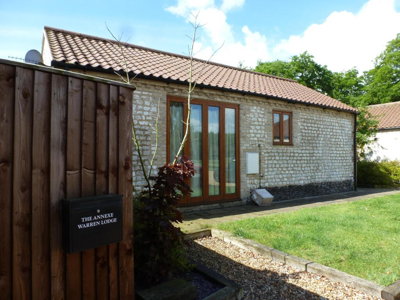
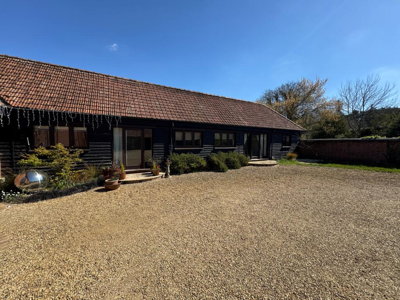
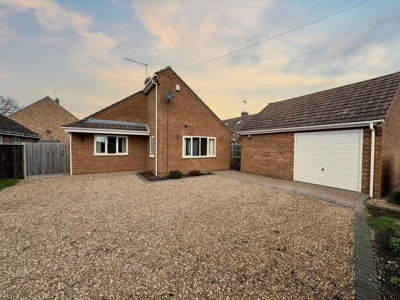
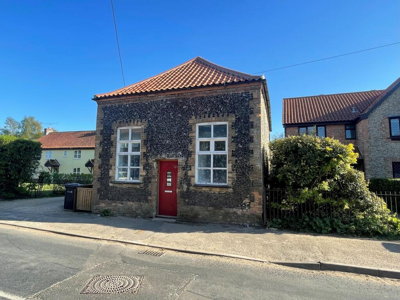
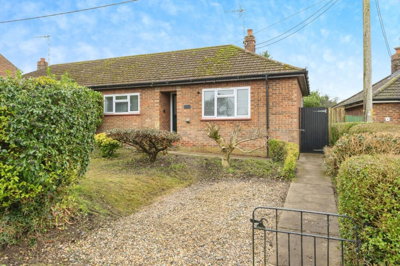
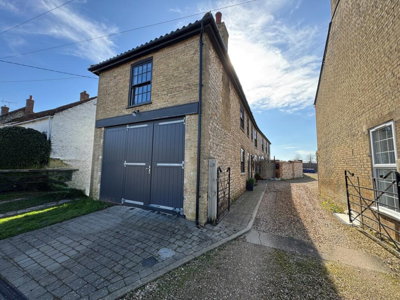
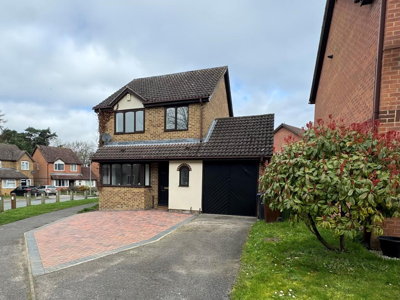
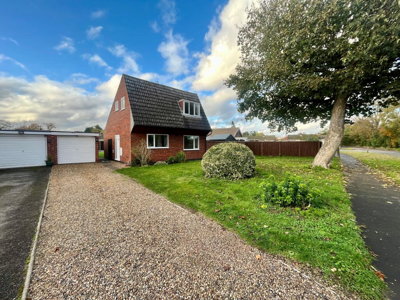
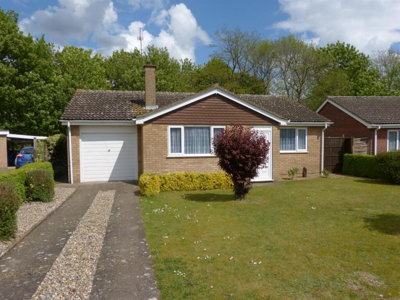
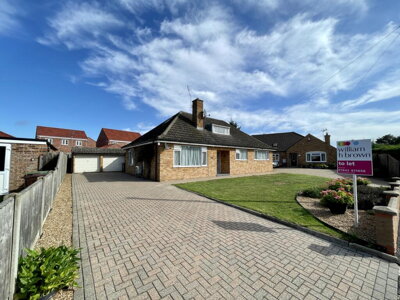
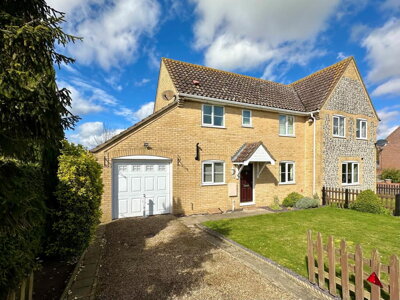
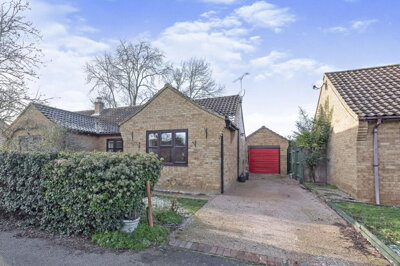
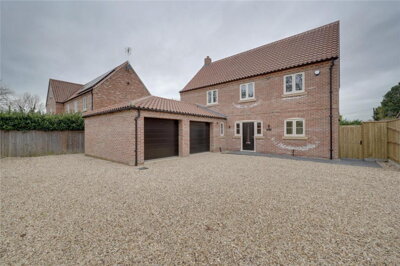
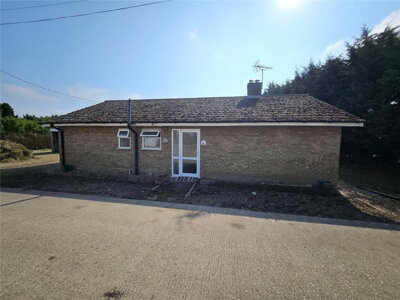
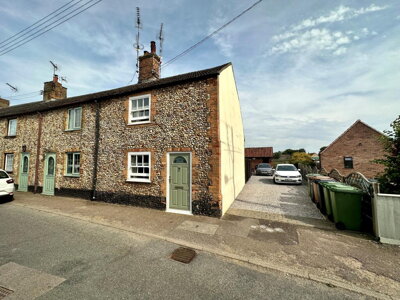
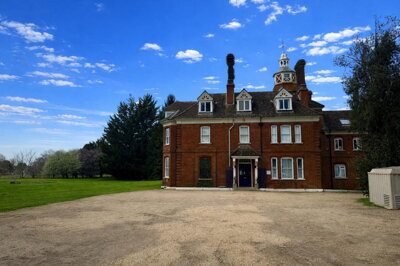
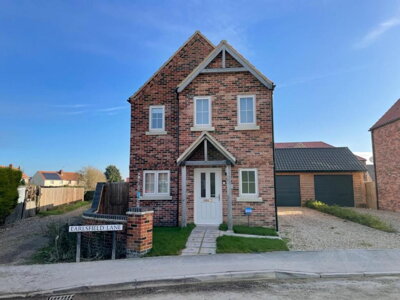
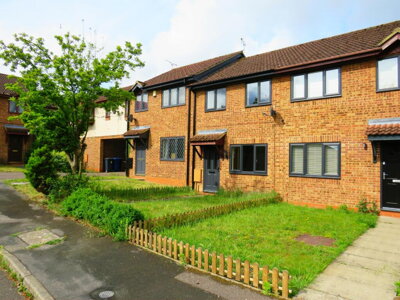
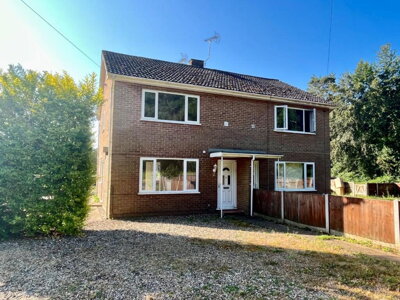
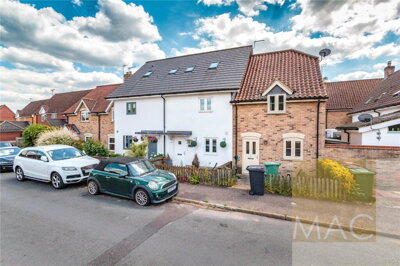
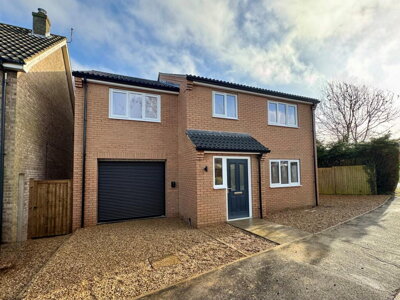
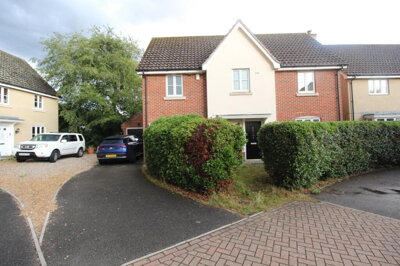
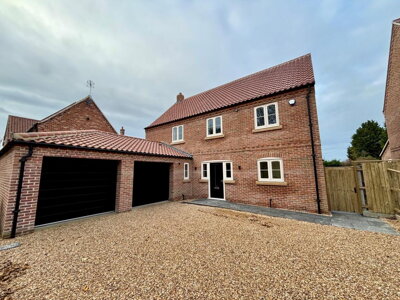
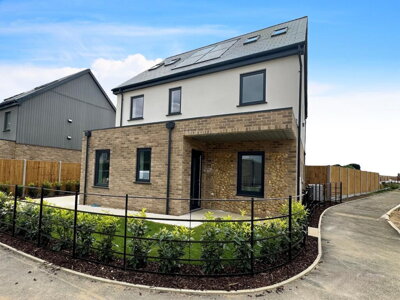
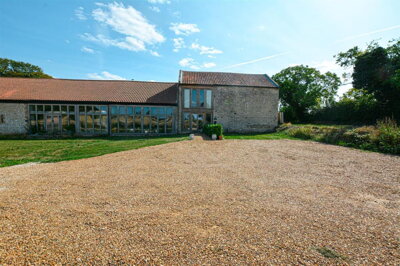
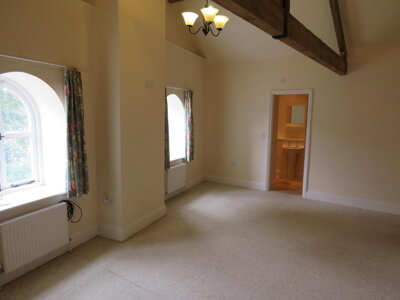
Browse 30 rental homes to rent in IP26 from local letting agents.
£1,350/m
11
0
40
Source: home.co.uk
Source: home.co.uk
Detached
5 listings
Avg £1,748
House
2 listings
Avg £1,233
Bungalow
1 listings
Avg £1,300
Cottage
1 listings
Avg £900
Detached Bungalow
1 listings
Avg £1,485
Studio
1 listings
Avg £1,150
Source: home.co.uk
Source: home.co.uk
The IP26 rental market has demonstrated steady performance against a backdrop of national price fluctuations, with house prices in the area rising 5% over the past year. This growth, while more modest than the regional peaks seen in 2022 when average prices reached £347,526, reflects sustained demand from renters seeking the quality of life that village living in Norfolk provides. The market currently offers a diverse range of rental properties, with detached homes commanding higher rents in line with their average sold price of £337,134, while terraced properties present more accessible entry points at around £216,400 to purchase. For renters, this means options spanning from traditional village cottages with period features to post-war family homes that offer generous room sizes and gardens.
Recent transaction data shows 108 residential property sales in the IP26 area over the last year, indicating a healthy market that supports both buying and renting activity. The dominance of detached properties in local sales and semi-detached homes (averaging £245,880) means that rental inventory tends toward family-sized accommodation with multiple bedrooms and outdoor space. New build activity in the immediate IP26 area remains limited, with most available properties comprising the existing housing stock that characterises these historic Norfolk villages. Renters should note that properties in conservation areas or those with historical designation may require additional considerations, and local planning authorities including Breckland Council can provide guidance on any restrictions affecting your potential new home.
The housing stock in IP26 reflects its rural Norfolk character, with a significant proportion of mid-century properties built between 1936 and 1979 offering practical family accommodation with good room sizes. These post-war homes typically feature cavity wall construction with brick or rendered finishes, tiled roofs, and concrete ground floors. Alongside these practical modern properties, older cottages and farmhouses provide character and charm for those seeking period features, often constructed using traditional East Anglian methods including brick and flint walls that give these villages their historic appearance. When viewing rental properties in IP26, ask about the construction type and age of the building to understand what maintenance responsibilities and potential issues may affect your tenancy.

The IP26 postcode area offers a distinctive quality of life shaped by its rural Norfolk setting, agricultural heritage, and close-knit village communities. Several villages fall within this postcode, each with its own character while sharing the common advantages of rural living: clean air, access to countryside walks, and the kind of neighbourly spirit that urban areas often lack. The area sits close to the River Little Ouse, providing scenic walking routes and wildlife habitat, while the proximity to the Brecks, a distinctive area of forest and heathland, offers residents excellent opportunities for outdoor pursuits including cycling, horse riding, and birdwatching. Many properties in IP26 reflect traditional East Anglian architecture, with brick and flint construction being particularly characteristic of the older buildings that give these villages their historic appearance.
Demographically, the IP26 area tends to attract families drawn by the excellent village schools, commuters who can work remotely or travel to larger employment centres, and those seeking a quieter lifestyle away from city pressures. The local economy has historical ties to agriculture, though the presence of RAF Feltwell and RAF Lakenheath in the wider area influences the housing market through Ministry of Defence personnel seeking civilian accommodation. Village amenities vary but typically include primary schools, local shops, pubs, and community centres, with larger facilities available in nearby market towns such as Thetford and Brandon. The housing stock includes a notable proportion of mid-century properties built between 1936 and 1979, offering practical family accommodation with good room sizes, alongside older cottages and farmhouses that provide character and charm for those seeking period features.
The Brecks National Landscape provides a significant amenity for IP26 residents, spanning across Suffolk and Norfolk with its distinctive mix of forest, heathland, and farmland. This rare habitat supports important wildlife populations including rare birds, butterflies, and plants that attract nature enthusiasts from across the region. Residents benefit from an extensive network of public rights of way, cycling routes, and designated scenic drives that showcase the area's unique landscape character. For renters who value access to natural spaces and outdoor recreation, the proximity to the Brecks represents a major advantage of choosing IP26 over more urban rental markets.

Education provision represents a significant factor for families considering rental properties in the IP26 area, with several village primary schools serving the local communities. These schools typically offer small class sizes and strong community connections, advantages that larger urban schools often cannot match. Parents researching rental options should note that primary school catchment areas align with village boundaries in most cases, making location selection particularly important for families with younger children. Several schools in the surrounding area have achieved good or outstanding Ofsted ratings, reflecting the commitment to educational standards that characterises rural Norfolk schools. Secondary education options include schools in nearby towns, with school transport arrangements available for families living in more dispersed village locations.
The village primary schools in the IP26 area serve their local communities with dedicated teaching staff who often know students and families personally. Schools in villages such as Feltwell and the surrounding settlements provide education for children from reception through to Year 6, establishing solid foundations before the transition to secondary education. The close relationship between schools and families in village settings often results in strong support networks that benefit children's educational development. Parents should research specific school performance data and consider visiting schools during the rental property search to assess whether the educational provision meets their family's requirements.
For families with older children, sixth form and further education provision requires consideration of travel arrangements to nearby towns where secondary schools with sixth forms and colleges are located. The presence of academic institutions within reasonable commuting distance forms part of the appeal for families renting in the IP26 area, allowing children to access a full range of educational pathways without requiring relocation. Renters should verify current school allocations and any planned changes to admission arrangements through Norfolk County Council's education department, as these can affect which schools your children would be eligible to attend from any specific rental property address. Planning your rental location around school catchment areas ensures a smoother transition and avoids the complications of out-of-area applications.

Transport connections from the IP26 area reflect its rural character, with the postcode sitting inland from the east coast and away from major railway hubs. The nearest railway stations are located in Ely, Cambridge, and Norwich, each offering connections to London and other major cities but requiring road transport to reach from IP26 villages. For commuters who travel to work, this typically means a combination of driving to the nearest station and continuing by train, a pattern common across rural Norfolk that has become more manageable with increased remote working flexibility. The A10 and A11 trunk roads provide relatively straightforward road access to Cambridge and Norwich respectively, though journey times of 45 minutes to an hour are typical for these destinations.
Within the IP26 area and for local journeys, car ownership remains practically essential for most residents given the limited public transport options serving village communities. Bus services connect some villages to market towns, though frequency and operating hours may restrict their usefulness for daily commuting or school runs. Cyclists benefit from quieter rural lanes, and the area's proximity to the Brecks National Landscape offers scenic routes for recreational cycling. For those considering rental properties in IP26, the transport picture is one of deliberate trade-offs: accepting reduced commuting convenience in exchange for affordable housing, genuine countryside living, and strong community ties. Many residents find that reduced commuting costs and the lifestyle benefits more than compensate for the need to drive.
Ely railway station offers the most direct rail access from the IP26 area, providing regular services to London Liverpool Street with journey times of around 90 minutes. Cambridge station offers faster services to London Kings Cross, making it attractive for professionals working in the capital or surrounding tech hubs. Norwich station provides connections to East Anglia and the wider rail network. For renters considering IP26 as a base, the drive to these stations is typically 30-45 minutes, a distance that remains manageable when factored against the significantly lower housing costs compared to living closer to these major cities.

Before viewing properties in IP26, obtain a rental budget agreement in principle to understand what you can afford. This document from a lender shows your potential budget and demonstrates to agents and landlords that you are a serious applicant with financial stability. Consider the full cost of renting including council tax through Breckland Council, utility bills, and transport costs, as these ongoing expenses affect how much you can comfortably allocate to monthly rent.
Each village within IP26 offers different advantages. Feltwell has good local amenities including shops and pubs, while Hockwold cum Wilton offers a quieter village atmosphere. Consider proximity to schools, local amenities, transport links, and the character of different communities. Visit at different times of day and speak to existing residents to gauge whether a particular village suits your lifestyle needs.
Register your interest with estate agents active in the IP26 area who handle rental properties. Simultaneously, use Homemove to search available properties across multiple agents in one place, setting up alerts for new listings in your preferred villages and price range. Local agents familiar with the villages of Mundford, Northwold, and surrounding areas can provide insights into upcoming properties before they appear on mainstream portals.
Once you have identified suitable properties, arrange viewings promptly as rental properties in desirable village locations can move quickly. Take notes and photographs during viewings, and prepare questions about the property condition, any planned maintenance, and the landlord's expectations for the tenancy. When viewing period properties, ask specifically about the age of the boiler, the condition of the roof, and whether any recent upgrades have been made to insulation or windows.
When you find your preferred property, submit your rental application promptly with references, proof of income, and identification. Landlords typically require tenant referencing checks, so be prepared with employment references, previous landlord details, and credit check information. Given the competitive nature of village rentals in IP26, having all documentation ready in advance can help your application stand out.
After your application is approved, review the tenancy agreement carefully before signing. Ensure you understand your deposit protection arrangements, the inventory check process, and your responsibilities as a tenant. Arrange buildings insurance and schedule your move to your new IP26 home. Your deposit must be protected in a government-approved scheme within 30 days of the tenancy start date, giving you legal protection throughout your rental.
Renting properties in rural Norfolk requires attention to several area-specific factors that may not apply in urban settings. Flood risk represents one consideration, as the IP26 area sits near the River Little Ouse and includes low-lying terrain where river and surface water flooding can occur during periods of heavy rainfall. When viewing properties, check the immediate surroundings for evidence of previous flooding, ask the current owner or agent about flood history, and consider whether the property sits in a flood risk zone when evaluating potential insurance costs and practical implications. Properties in areas designated as having flood risk may also face restrictions on certain types of lending, which could affect your options if you later decide to purchase.
The age and construction of properties in IP26 deserves careful attention during the rental process. Many homes in these Norfolk villages feature traditional construction methods including brick and flint walls, solid floor construction, and older electrical and plumbing systems that may require updating. Ask about the condition of the roof, the age of the boiler and heating system, and whether any recent upgrades have been made to insulation, windows, or services. For listed buildings or properties in conservation areas, which are likely present given the historical character of villages like Feltwell and Hockwold cum Wilton, there may be restrictions on alterations or requirements to use specific materials for any repairs. These considerations affect both your enjoyment of the property and any plans you might have for personalisation during your tenancy.
Properties in the IP26 area may be affected by local soil conditions that impact on their structural integrity. Clay soils, which are present across parts of Norfolk, can shrink during dry periods and swell when wet, potentially causing movement in properties with shallow foundations. This shrink-swell risk is most relevant for older properties and those with trees nearby. When renting a property in IP26, ask whether there is any history of subsidence or foundation issues, and check whether the property has been subject to any structural reports. Understanding these potential issues helps you make an informed decision and avoid unexpected maintenance concerns during your tenancy.

While specific rental price data for IP26 requires checking current listings, the area's average sold price of £303,941 provides useful context for the local property market. Detached properties, which average £337,134 to purchase, typically command higher rents than terraced homes averaging £216,400. Rental prices vary significantly by property size, condition, and specific village location, with larger family homes commanding premiums while more modest cottages offer more accessible entry points. Contacting local estate agents or searching Homemove for current IP26 rental listings will provide the most accurate picture of today's rental prices in the area. Given the recent 5% increase in property prices over the past year, rental values are likely to have adjusted accordingly to reflect the broader market conditions.
Properties in the IP26 area fall under the jurisdiction of Breckland Council and King's Lynn and West Norfolk Borough Council, depending on the specific village location. Council tax bands in this part of Norfolk typically range from A to E for most residential properties, with the actual band depending on the property's assessed value. Bands are assigned by the Valuation Office Agency based on the property's characteristics rather than current market value. Prospective renters should ask agents or check the local authority website for the specific band of any property they are considering, as council tax forms a significant part of the ongoing cost of renting. You can use the government's council tax band checker online to verify bands for specific addresses before committing to a rental property.
The IP26 area is served by several primary schools located within the individual villages, many of which have achieved good or outstanding Ofsted ratings. Families should research the specific schools serving each village and verify current catchment area arrangements through Norfolk County Council, as school allocations can affect which schools children from a particular address can access. The village primary schools typically serve their local community with small class sizes that allow for more individual attention. Secondary education options are typically found in nearby towns including Thetford, and transport arrangements may be necessary for families whose children attend secondary school. The quality of local education provision is a significant factor in the area's appeal to families, with the close-knit school communities often cited as a major advantage of village education.
Public transport connections from IP26 are limited, reflecting the rural character of the area and the dispersed nature of the village communities. Bus services operate between some villages and market towns, though frequency may be restricted to weekday daytime hours with limited weekend services. The nearest railway stations are located in Ely, Cambridge, and Norwich, each requiring road transport to reach from IP26 villages. For most residents, car ownership is considered essential for daily practical needs including commuting, school runs, and accessing services. Those considering a move to IP26 should factor in the cost of maintaining a vehicle alongside lower housing costs compared to more urban areas. The drive to Ely station takes approximately 35 minutes, while Cambridge and Norwich are around 45 minutes to an hour away by car.
IP26 offers an excellent quality of life for renters who value countryside living, community spirit, and affordable housing compared to urban alternatives. The area suits families seeking good schools in village settings, remote workers who can reduce commuting requirements, and those who appreciate outdoor pursuits and access to natural landscapes including the nearby Brecks. The rental market offers properties ranging from traditional cottages with period features to family homes, with the main trade-off being reduced public transport connectivity and more limited evening and weekend amenities compared to town or city locations. For renters who prioritise space, nature access, and community connection over convenience to entertainment and nightlife, IP26 represents an attractive option. The proximity to RAF Feltwell and RAF Lakenheath also means there is steady demand for rental properties from service families and civilian MOD personnel.
Standard deposit requirements for rental properties are equivalent to five weeks' rent, capped at five weeks' rent where the annual rent exceeds £50,000. In addition to the deposit, tenants typically pay a holding deposit to secure the property (equivalent to one week's rent) and the first month's rent in advance. Other potential costs include referencing fees, administration charges, and check-in fees for the inventory report. Since April 2024, legislation caps the fees landlords and letting agents can charge tenants, providing better protection for renters. Before committing to a rental property, obtain a full breakdown of all costs from the agent or landlord, and ensure your deposit will be protected in a government-approved scheme within 30 days of the tenancy start date. Your deposit must be protected in a scheme such as the Deposit Protection Service, MyDeposits, or the Tenancy Deposit Scheme.
Parts of the IP26 area are located near the River Little Ouse and include low-lying terrain where flood risk from rivers and surface water should be considered. The inland location means coastal flooding is not a concern, but properties near watercourses or in natural drainage channels may face elevated risk during periods of heavy rainfall. Before renting, prospective tenants should check the Environment Agency flood risk maps for the specific property location, ask about any history of flooding at the property, and consider whether appropriate buildings insurance would be available. Landlords are required to provide an Energy Performance Certificate, though they are not obligated to provide flood risk information; however, requesting this proactively demonstrates due diligence on your part. You can access flood risk information for free on the gov.uk website using the property postcode.
Several villages within the IP26 area, including Feltwell and Hockwold cum Wilton, contain listed buildings and may have designated conservation areas due to their historical character. Properties with historical designation are protected for their architectural or historic interest, which means restrictions may apply to alterations, renovations, or changes during your tenancy. If you are considering renting a listed property, discuss any plans for personalisation with the landlord before committing, as some modifications may require Listed Building Consent from the local planning authority. The additional character and charm of period properties often appeals to renters seeking something distinctive, but understanding the responsibilities and restrictions associated with listed status is essential before taking on a tenancy.
Understanding the full cost of renting in the IP26 area helps you budget accurately and avoid surprises once you have found your ideal property. The upfront costs typically include a holding deposit equivalent to one week's rent to secure the property while referencing checks proceed, followed by the first month's rent and a security deposit equivalent to five weeks' rent. These deposits are refundable subject to the property's condition at the end of your tenancy and the terms of your tenancy agreement. The Tenancy Deposit Protection scheme, a government-approved scheme, requires your landlord to protect your deposit within 30 days of receiving it, giving you legal protection and access to a free dispute resolution service if disagreements arise at the end of your tenancy.
Additional costs to budget for include referencing fees, which cover credit checks and verification of your employment and income, and check-in fees for the inventory report that documents the property's condition when you move in. Since the Tenant Fees Act 2019 came into effect, many traditional letting fees have been banned, reducing the upfront cost burden for tenants. However, you remain responsible for rent payments, council tax, utility bills, and the cost of contents insurance for your belongings. Before committing to any rental property, obtaining a mortgage in principle demonstrates to landlords that you have considered your budget position, even if you choose to rent rather than buy. Homemove provides resources to help you understand the full financial picture of renting in IP26, from deposit calculations to ongoing cost planning.
Ongoing costs when renting in IP26 include council tax payments to either Breckland Council or King's Lynn and West Norfolk Borough Council, depending on the specific village location. Utility bills for gas, electricity, and water will vary based on property size, age, and insulation levels. Older properties with solid walls and period features may have higher heating costs than modern constructions, so factor this into your budget when comparing different rental options. Contents insurance protects your belongings and is typically available from various providers, with premiums varying based on the value of your possessions and the security features of your rental property.

From 4.5%
Understand what you can afford to rent with our budget planning tools
From £25
Complete referencing checks to speed up your rental application
From £350
If you're planning to buy after renting, our surveyors can assess property condition
From £60
Energy performance certificates for rental properties
Properties to Rent In London

Properties to Rent In Plymouth

Properties to Rent In Liverpool

Properties to Rent In Glasgow

Properties to Rent In Sheffield

Properties to Rent In Edinburgh

Properties to Rent In Coventry

Properties to Rent In Bradford

Properties to Rent In Manchester

Properties to Rent In Birmingham

Properties to Rent In Bristol

Properties to Rent In Oxford

Properties to Rent In Leicester

Properties to Rent In Newcastle

Properties to Rent In Leeds

Properties to Rent In Southampton

Properties to Rent In Cardiff

Properties to Rent In Nottingham

Properties to Rent In Norwich

Properties to Rent In Brighton

Properties to Rent In Derby

Properties to Rent In Portsmouth

Properties to Rent In Northampton

Properties to Rent In Milton Keynes

Properties to Rent In Bournemouth

Properties to Rent In Bolton

Properties to Rent In Swansea

Properties to Rent In Swindon

Properties to Rent In Peterborough

Properties to Rent In Wolverhampton

Enter your details to see if this property is within your budget.
Loans, cards, car finance
Estimated property budget
Borrowing + deposit
You could borrow between
Typical borrowing
Monthly repayment
Est. at 4.5%
Loan-to-value
This is an estimate only. Your actual budget may vary depending on interest rates, credit history, and personal circumstances. For an accurate affordability assessment, speak to one of our free mortgage advisors.
This calculator provides estimates for illustrative purposes only and does not constitute financial advice. Your home may be repossessed if you do not keep up repayments on your mortgage. Estimates based on 4.5% interest rate, repayment mortgage. Actual rates depend on your circumstances.
Homemove is a trading name of HM Haus Group Ltd (Company No. 13873779, registered in England & Wales). Homemove Mortgages Ltd (Company No. 15947693) is an Appointed Representative of TMG Direct Limited, trading as TMG Mortgage Network, which is authorised and regulated by the Financial Conduct Authority (FRN 786245). Homemove Mortgages Ltd is entered on the FCA Register as an Appointed Representative (FRN 1022429). You can check registrations at NewRegister or by calling 0800 111 6768.

We use cookies to show you personalised content and improve your experience of our website. Find out more in our Privacy policy and Cookie policy.