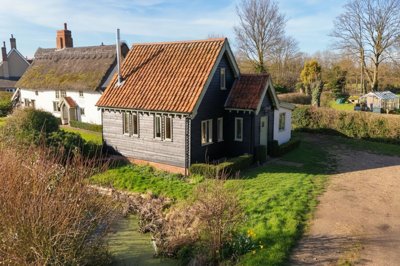
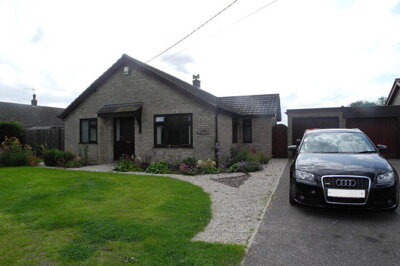
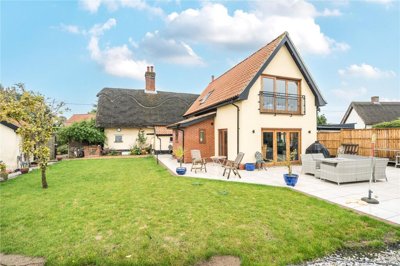
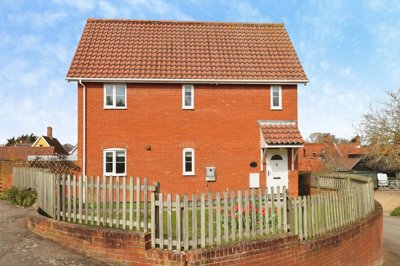
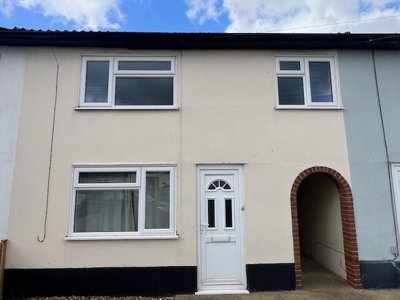
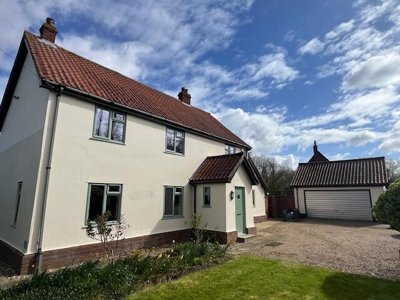
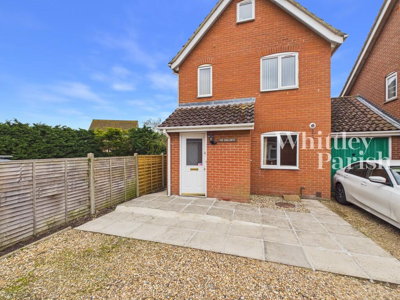
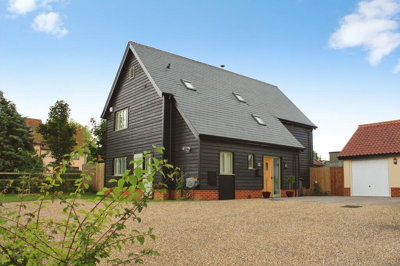
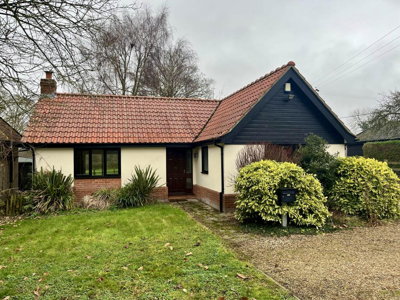
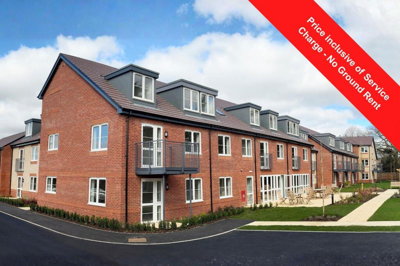
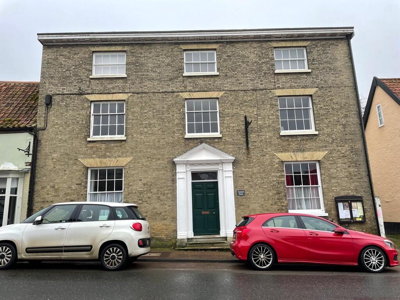
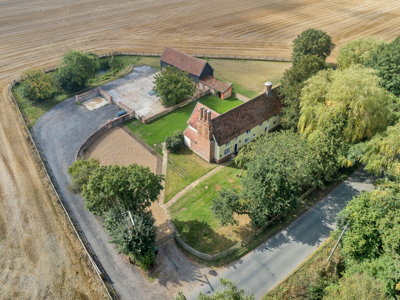
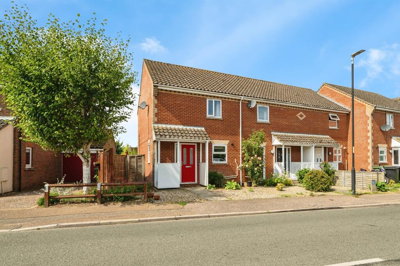
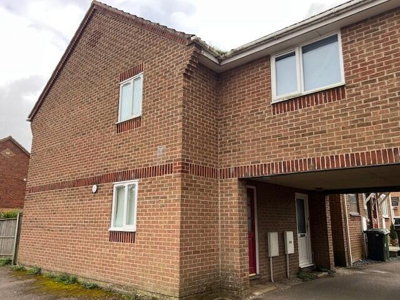
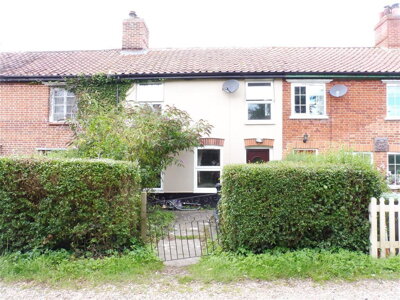
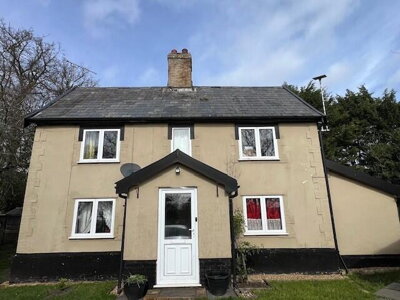
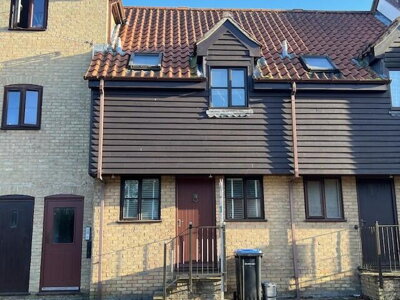
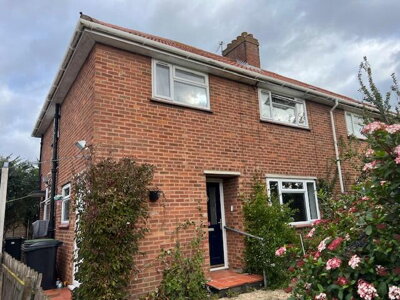
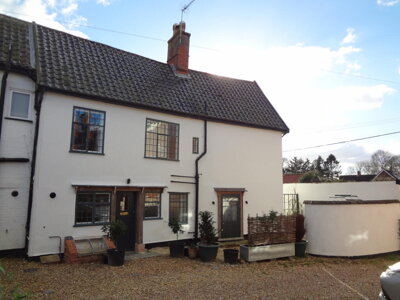
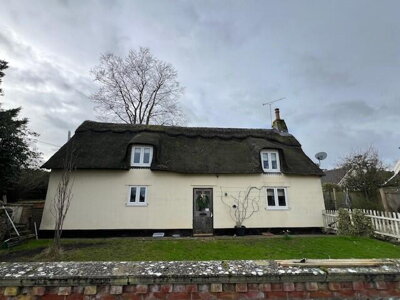
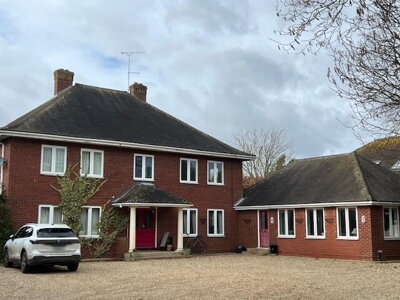
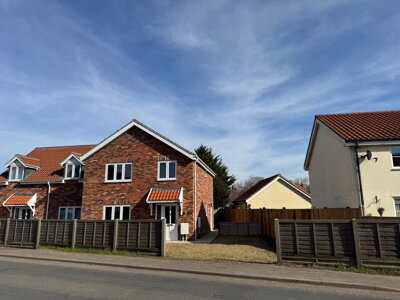
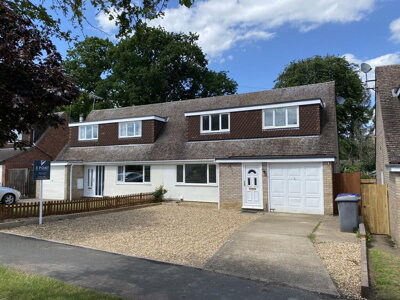
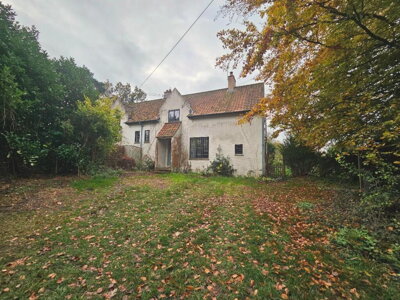
Browse 29 rental homes to rent in IP22 from local letting agents.
£1,150/m
10
0
33
Source: home.co.uk
Source: home.co.uk
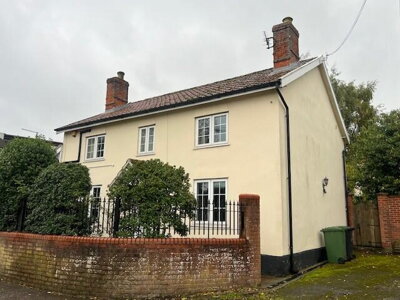
Detached
3 listings
Avg £2,267
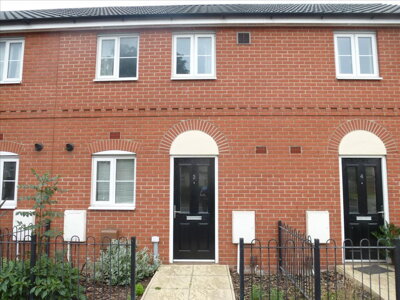
Terraced
3 listings
Avg £933
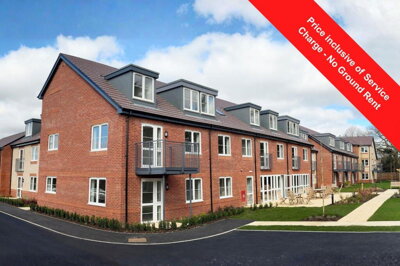
Apartment
2 listings
Avg £825
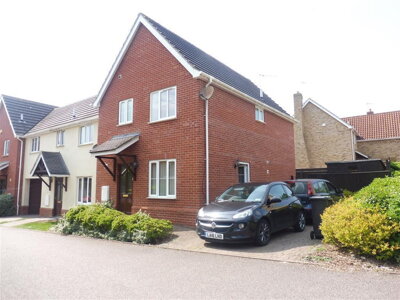
End of Terrace
1 listings
Avg £1,200
House
1 listings
Avg £1,200
Source: home.co.uk
Source: home.co.uk
The IP22 rental market reflects the broader property trends across this attractive corner of East Anglia, with demand driven by families, commuters, and those seeking a quieter lifestyle within reach of major cities. House prices in the area have shown relative stability over recent years, with the overall average sitting at approximately £349,950 according to Rightmove data. Zoopla reports a comparable average of £357,869, while Mouseprice indicates a slightly lower figure of £257,563, representing a 9.5% discount compared to national averages. This price positioning makes the IP22 area notably more affordable than many comparable rural locations in southern England.
Property types in the IP22 area span a diverse range to suit different household needs and budgets. Detached homes command the highest values with average sold prices of around £439,806, reflecting the premium associated with larger properties with gardens in rural settings. Semi-detached properties average approximately £294,843, while terraced homes offer more accessible entry points at around £220,378. Flats in the area remain relatively scarce but can be found from approximately £109,300, typically located above commercial premises in Diss town centre. Rental prices broadly correlate with these sale values, with larger family homes commanding the highest monthly rents.
Market activity over the past twelve months shows prices approximately 2% down on the previous year, and around 4% below the 2022 peak of £366,255. This modest cooling provides tenants with improved negotiating positions and a wider selection of properties compared to the more competitive market conditions seen during the pandemic-era boom. For renters, this means greater choice and the opportunity to secure properties that might previously have been beyond reach. The IP22 4 sub-area has seen prices fall by 2.4% in the last year, though some specific postcodes like IP22 4PL have bucked the trend with prices rising 23% above their 2017 peak.

Diss and the surrounding IP22 villages offer a lifestyle that contrasts sharply with urban living, providing residents with space, community spirit, and natural beauty on their doorstep. The market town itself dates back to medieval times and retains much of its historic character, with the Corn Exchange and Victorian railway station standing as testament to its prosperous past. The presence of the Mere, a large natural lake formed by glacial activity, provides the focal point for the town centre and offers pleasant walking routes around its circumference. The town's heritage is evident in its architecture, with buildings reflecting centuries of continuous occupation and trade.
The local economy benefits from a mix of agricultural enterprises, small businesses, and commuters who travel to Norwich, Ipswich, or Cambridge for work. Key employers in the area include agricultural machinery businesses, food production companies, and the growing remote workforce that has been drawn to the region by the combination of affordable property and excellent broadband connectivity. The town supports a weekly market that has traded for centuries, alongside a selection of independent retailers, artisan food producers, and traditional inns serving locally sourced cuisine. Diss railway station serves as a vital link for commuters, with direct services to London Liverpool Street taking approximately 90 minutes.
The surrounding Norfolk and Suffolk countryside offers exceptional opportunities for outdoor recreation, with the Waveney Valley and Brecks landscape providing miles of footpaths, cycling routes, and wildlife habitats. The area is particularly popular with birdwatchers, given the proximity to nature reserves and the diverse habitats created by farmland, woodland, and wetland. Community life in Diss remains vibrant, with active local societies, sports clubs, and cultural events that provide ample opportunities for newcomers to integrate and build social connections. The Waveney Valley in particular offers stunning scenery for walking and cycling, with the River Waveney providing a natural boundary between Norfolk and Suffolk.

Education provision in the IP22 area serves families well, with a range of primary and secondary options available within easy reach. At primary level, schools serving the surrounding villages include Diss Primary School, which has served the town for over a century and benefits from strong community ties, and St Peter and St Paul CofE Primary Academy in Diss, which offers a faith-based education within the town. Several village primary schools in the surrounding communities provide education for younger children, many benefiting from small class sizes and the personalised attention that smaller schools can offer. These schools typically feed into secondary provision in nearby towns, with many families choosing to remain in the area through their children's school years.
Secondary education options in the area include the award-winning Hartismere School in Eye, which consistently achieves strong examination results and serves students from across the wider area. Many families also consider options in Diss, Norwich, or the surrounding market towns depending on catchment areas and transportation arrangements. The Duke of York Silver Medal Award is just one example of the achievements of local secondary schools in the region. For students with particular aptitudes or interests, specialist subjects and vocational pathways are available at further education colleges in Norwich and Ipswich, with school bus services helping students from the IP22 area access these opportunities.
For families considering private education, several independent schools operate within reasonable commuting distance of the IP22 area, including day and boarding schools that serve the East Anglia region. Transport arrangements for secondary and further education students typically involve school bus services or private arrangements, and families renting in the area should investigate specific catchment areas and travel options before committing to a property. The presence of good schools significantly influences the desirability of the IP22 area for family renters and can affect competition for larger family homes during the academic year.

The IP22 area benefits from excellent transport connections that belay its rural character, making it practical for residents who need to commute for work or access services in larger cities. Diss railway station, located on the Norwich to London Liverpool Street main line, provides direct services to the capital in approximately 90 minutes, making day commuting to London a realistic option for those working in the city or needing to access its extensive business and cultural amenities. The station also connects to Norwich, where onward connections to Cambridge and Birmingham are available. Typically, there are two direct trains per hour to London, with additional services calling at regional stations.
Road connections from the IP22 area are equally impressive, with the A140 providing a direct route to Norwich to the north and Ipswich to the south. The A143 offers connections to Bury St Edmunds and the wider Suffolk road network, passing through attractive Suffolk countryside. For those travelling to Cambridge, the journey takes approximately one hour by car, passing through the scenic Suffolk and Cambridgeshire borders. The proximity of these major routes means that residents have access to employment opportunities in multiple regional centres without the need to live within commuting distance of just one. Norwich is approximately 25 miles north of Diss via the A140, while Cambridge can be reached in around an hour.
Local bus services operate between Diss and surrounding villages, providing essential connectivity for those without access to private vehicles. These services are particularly important for school transport and access to medical appointments in Norwich, which is home to the Norfolk and Norwich University Hospital. The area has seen improvements in digital connectivity in recent years, with superfast broadband now available in most areas, enabling remote working arrangements that reduce the frequency of required journeys to major employment centres. Cycling infrastructure continues to develop, with quiet country lanes providing enjoyable routes for recreational cycling and commuting alike. The flat terrain of Norfolk and Suffolk makes cycling a practical option for shorter journeys.

Before viewing any properties in the IP22 area, arrange a rental budget agreement in principle to understand how much you can afford. This document from a mortgage broker or financial advisor helps you focus your search on realistic properties and demonstrates your seriousness to landlords and letting agents. Standard costs include the first month's rent in advance plus a security deposit of up to five weeks' rent.
Spend time exploring Diss and the surrounding villages that make up the IP22 postcode. Visit local shops, cafes, and pubs to get a feel for the community. Check travel times to your workplace and research school catchments if you have children. Understanding the local property market conditions helps you make competitive offers when you find a property you want.
Once you have identified suitable properties, contact local letting agents or use Homemove to arrange viewings. Take notes on property condition, storage space, and any maintenance concerns. Ask about the tenancy terms, included features, and landlord preferences regarding pets or smoking. Diss town centre has several established letting agents who can help you find properties across the IP22 area.
Even when renting, consider commissioning a professional inventory check and condition report before moving in. This protects you from disputes at the end of your tenancy and documents the condition of fixtures, fittings, and appliances. If renting a property in poor condition, a basic survey can identify significant defects that might require the landlord to address them before you commit.
Once you have agreed to rent a property, you will need to pass referencing checks including credit checks, employment verification, and landlord references. Prepare your documentation in advance to speed up this process. Review your tenancy agreement carefully before signing, noting the deposit amount, notice periods, and any special conditions that apply to the property.
Before moving in, complete a detailed inventory with the letting agent or landlord, noting the condition of all fixtures, fittings, and appliances. Photograph everything to protect yourself from unfair deductions when you eventually move out. Familiarise yourself with emergency contacts, utility arrangements, and how to report maintenance issues in your new home.
Renting properties in the IP22 area requires attention to several local-specific factors that may not be apparent at first viewing. Many properties in this rural location are older constructions dating from the Victorian and Edwardian periods, with some cottages and farmhouses predating the twentieth century. These properties often feature characterful details such as exposed beams, original fireplaces, and period features that contribute to their appeal but may also present maintenance challenges that landlords should be aware of and address appropriately. Understanding the property's age and construction type helps you anticipate potential issues.
Building materials in the region typically include traditional brick, flint, and timber framing, with render and weatherboarding finishes common on older properties. Understanding the construction type is important because older properties may have solid brick walls with limited insulation, resulting in higher heating costs than modern equivalents. Flats in the area, while relatively scarce, are often located above commercial premises in Diss town centre and may share characteristics with similar urban conversions across East Anglia. The geology of the area means clay soils are present, which can cause movement in properties with shallow foundations during periods of drought or heavy rainfall.
Energy efficiency varies significantly across the IP22 rental stock, with older properties often having poor EPC ratings that translate into substantial heating bills during the cold East Anglian winters. Before committing to a tenancy, request copies of the property's Energy Performance Certificate and consider the likely cost of heating the property throughout the year. Some landlords have invested in insulation improvements and modern heating systems, so comparing properties across the market can reveal meaningful differences in ongoing running costs that should factor into your decision. The flat, East Anglian landscape means properties can be exposed to strong winds, which can affect heating efficiency.

While specific rental price data for IP22 requires current market research, the sales data provides useful context for the rental market. Average house prices in IP22 stand at approximately £349,950, which positions the area as more affordable than many comparable rural locations in southern England. Rental prices typically correlate with property size and type, with one and two-bedroom flats and cottages starting from lower price points while larger family homes command higher monthly rents. The rental market in Diss benefits from reasonable demand driven by commuters seeking more affordable accommodation than Norwich or Cambridge can offer.
Council tax bands in the IP22 area are set by South Norfolk Council and Mid Suffolk District Council, depending on the specific location within the postcode. Most properties in the Diss area fall into bands A through D, with Band A being the lowest (currently around £1,200-1,400 per year for a Band A property) and Band D representing mid-range values (approximately £1,600-1,900 per year). The exact band depends on the property's assessed value at the 1991 valuation date, and you can check the specific band for any property through the relevant local authority website, the government valuation office agency, or your tenancy agreement which should confirm the banding.
The IP22 area offers good educational provision at both primary and secondary levels, with several primary schools serving the surrounding villages and secondary options available in nearby towns. Diss Primary School serves the main town, while St Peter and St Paul CofE Primary Academy provides faith-based primary education. At secondary level, Hartismere School in Eye consistently achieves strong examination results and attracts students from across the IP22 area. Families should research current Ofsted ratings and examination outcomes directly, as these can change over time.
Public transport connectivity from IP22 is excellent for a rural area, with Diss railway station providing direct services to London Liverpool Street in approximately 90 minutes and regular connections to Norwich, Cambridge, and Birmingham. There are typically two direct trains per hour to London during peak times. Bus services operate between Diss and surrounding villages, providing essential access for those without private vehicles. The A140 and A143 roads provide direct routes to Norwich and Bury St Edmunds respectively, making car travel practical for accessing services and employment across the region.
Diss and the surrounding IP22 villages offer an excellent quality of life for renters seeking space and community without sacrificing connectivity to major employment centres. The area combines historic market town amenities with beautiful countryside and reasonable property prices by southern England standards. Community life remains active, with local events, clubs, and societies providing social opportunities. The main considerations are the rural location, which requires transport for most activities, and the age of much of the housing stock, which may affect energy efficiency and maintenance expectations. The presence of Diss Mere and the Waveney Valley provides excellent recreational opportunities for residents.
Standard deposits for rental properties in the IP22 area are typically equivalent to five weeks' rent, capped at five weeks' rent where the annual rent exceeds £50,000. Tenants should budget for the first month's rent in advance plus the deposit, along with referencing fees that may be charged by letting agents. Under current tenant fee legislation, landlords and agents cannot charge fees beyond permitted payments, which include rent, deposit, holding deposit (capped at one week's rent), and default fees for late payment or lost keys. Always request a written breakdown of all costs before committing to a tenancy.
Diss town centre and several surrounding villages fall within designated conservation areas, which means there are additional planning controls on properties to preserve their historic character. If you are renting a property in a conservation area, you may find that exterior modifications require consent, and the property itself may have original features that require careful maintenance. Properties within conservation areas often include listed buildings, which have additional restrictions on alterations. These designations typically enhance property values and maintain the attractive character that makes the IP22 area so desirable to live in.
The IP22 area has a significant proportion of older properties, many dating from the Victorian and Edwardian periods, which can present specific risks for tenants. Common issues include dampness (rising damp, penetrating damp, or condensation), which can affect properties with solid brick walls and limited insulation. Roof problems are also frequently encountered, including leaking roofs, poor ventilation, and issues with gutters and pipes. Older properties may also have outdated electrical and plumbing systems that do not meet modern standards. Additionally, clay soils in the area mean that properties with shallow foundations can be susceptible to movement during periods of drought or heavy rainfall. Requesting an EPC and a condition report before signing your tenancy helps identify these issues.
🏠
Our team can help you understand what rent you can afford before you start your property search. From 4.5% APR
🏠
Complete referencing checks to speed up your tenancy application process. From £99
🏠
Professional inventory and condition reports to protect your deposit. From £80
🏠
Energy performance certificates required for all rented properties. From £60
Understanding the costs involved in renting a property in the IP22 area helps you budget accurately and avoid surprises during the tenancy process. The initial outlay typically comprises the first month's rent, a security deposit, and potentially a holding deposit to secure the property while references are checked. Security deposits are capped at five weeks' rent under the Tenant Fees Act 2019, and holding deposits are limited to one week's rent. These amounts can represent significant sums, particularly for larger family homes, so planning your cash flow in advance is essential. Our team can help you understand the full cost breakdown before you commit to any property.
The deposit is held in a government-approved tenancy deposit scheme throughout your tenancy and returned at the end, subject to any deductions for damage beyond fair wear and tear or unpaid rent. A professional inventory conducted at the start of your tenancy provides the documentary evidence needed to protect both you and your landlord in the event of any dispute. This small investment can save substantial sums at the end of your tenancy and is one of the most important steps in the renting process that tenants often overlook. Diss letting agents typically use the Deposit Protection Service, MyDeposits, or the Tenancy Deposit Scheme.
Additional costs to budget for include utility connections, council tax, and contents insurance. Most rental properties require new tenants to set up their own accounts with utility providers, which may involve connection fees and deposits for some services. Council tax liability depends on the property band and your circumstances, with Band A properties in South Norfolk paying around £1,200-1,400 annually while Band D properties pay approximately £1,600-1,900. Students and certain other categories may be exempt. Contents insurance is not typically included in rent but is strongly recommended to protect your belongings against theft, fire, or water damage. Taking time to understand all associated costs before committing to a tenancy ensures a smooth start to your new home in the Diss area.

Properties to Rent In London

Properties to Rent In Plymouth

Properties to Rent In Liverpool

Properties to Rent In Glasgow

Properties to Rent In Sheffield

Properties to Rent In Edinburgh

Properties to Rent In Coventry

Properties to Rent In Bradford

Properties to Rent In Manchester

Properties to Rent In Birmingham

Properties to Rent In Bristol

Properties to Rent In Oxford

Properties to Rent In Leicester

Properties to Rent In Newcastle

Properties to Rent In Leeds

Properties to Rent In Southampton

Properties to Rent In Cardiff

Properties to Rent In Nottingham

Properties to Rent In Norwich

Properties to Rent In Brighton

Properties to Rent In Derby

Properties to Rent In Portsmouth

Properties to Rent In Northampton

Properties to Rent In Milton Keynes

Properties to Rent In Bournemouth

Properties to Rent In Bolton

Properties to Rent In Swansea

Properties to Rent In Swindon

Properties to Rent In Peterborough

Properties to Rent In Wolverhampton

Enter your details to see if this property is within your budget.
Loans, cards, car finance
Estimated property budget
Borrowing + deposit
You could borrow between
Typical borrowing
Monthly repayment
Est. at 4.5%
Loan-to-value
This is an estimate only. Your actual budget may vary depending on interest rates, credit history, and personal circumstances. For an accurate affordability assessment, speak to one of our free mortgage advisors.
This calculator provides estimates for illustrative purposes only and does not constitute financial advice. Your home may be repossessed if you do not keep up repayments on your mortgage. Estimates based on 4.5% interest rate, repayment mortgage. Actual rates depend on your circumstances.
Homemove is a trading name of HM Haus Group Ltd (Company No. 13873779, registered in England & Wales). Homemove Mortgages Ltd (Company No. 15947693) is an Appointed Representative of TMG Direct Limited, trading as TMG Mortgage Network, which is authorised and regulated by the Financial Conduct Authority (FRN 786245). Homemove Mortgages Ltd is entered on the FCA Register as an Appointed Representative (FRN 1022429). You can check registrations at NewRegister or by calling 0800 111 6768.

We use cookies to show you personalised content and improve your experience of our website. Find out more in our Privacy policy and Cookie policy.