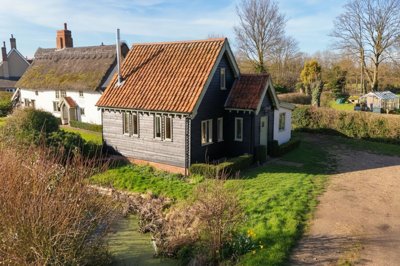
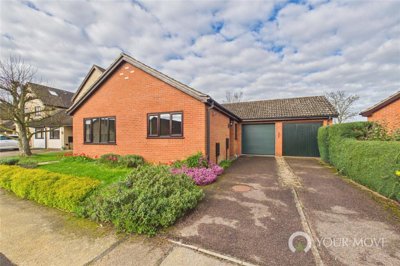
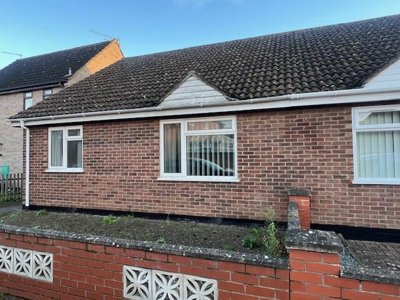
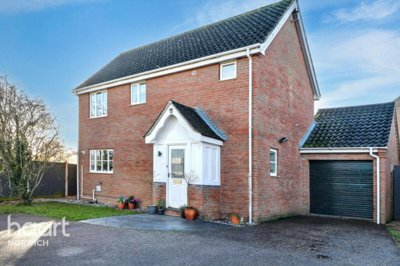
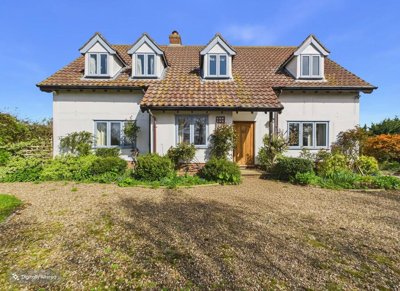
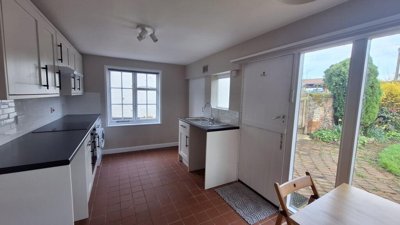
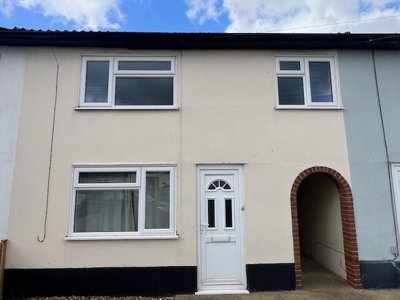
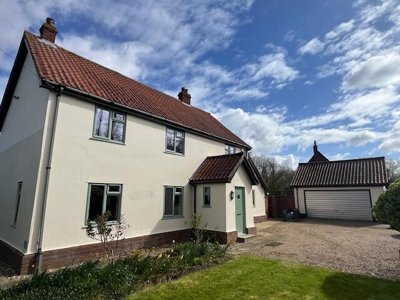
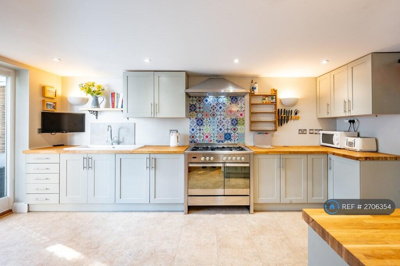
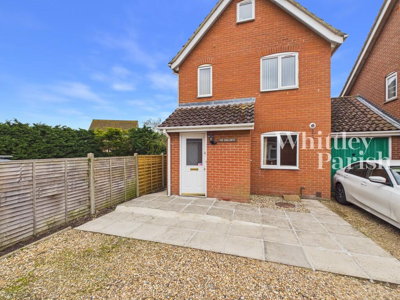
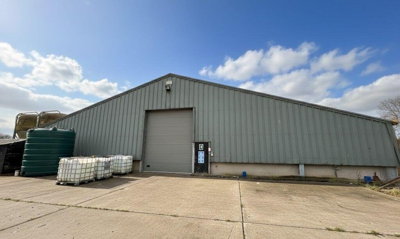
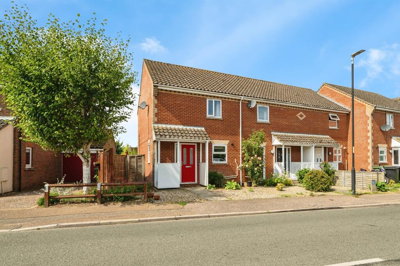
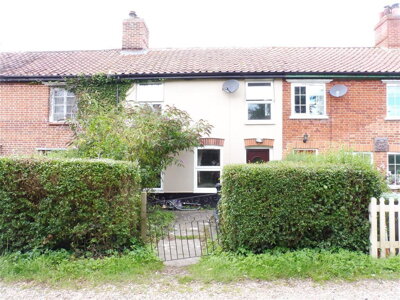
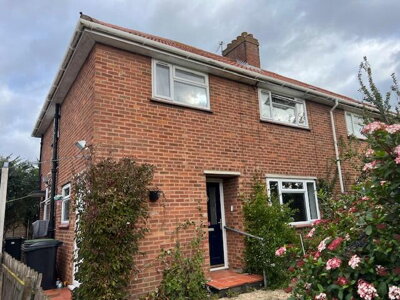
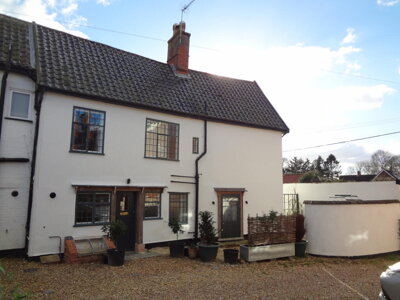
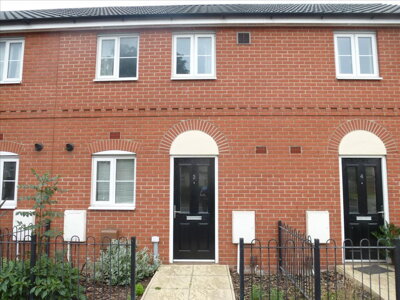
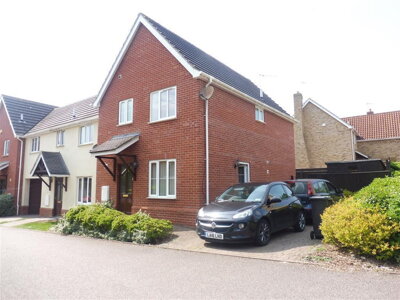
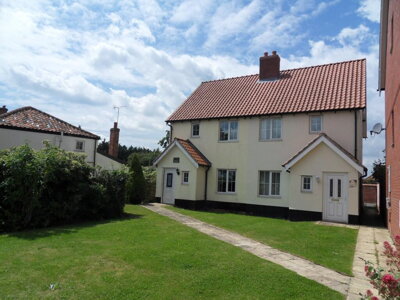
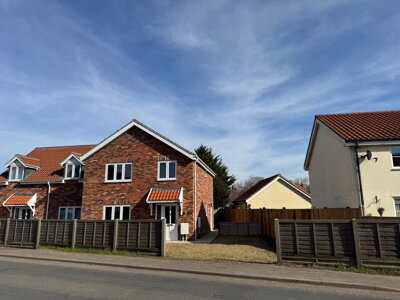
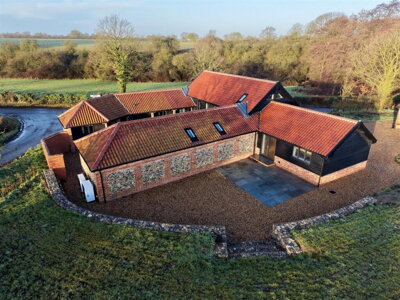
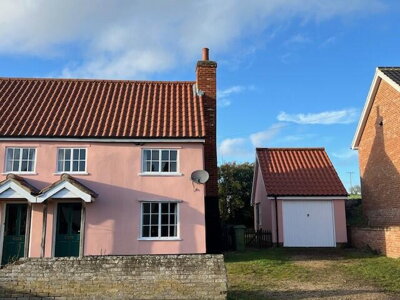
Browse 21 rental homes to rent in IP21 from local letting agents.
The IP21 property market offers detached, semi-detached, and terraced houses spanning various price ranges and neighbourhoods. Each listing includes detailed property information, photographs, and direct contact with the marketing agent.
£0/m
0
0
0
Source: home.co.uk
Showing 0 results for Houses to rent in IP21.
The IP21 property market has demonstrated resilience despite broader national fluctuations, with average house prices standing at approximately £381,000 according to recent Zoopla data. Historical sold prices in IP21 over the last year were 5% up on the previous year, though sitting 7% below the 2023 peak of £410,028. This stabilisation has created a balanced environment for both buyers and renters, with property values holding firm due to sustained demand for quality homes in this desirable rural location. The market continues to attract families and professionals seeking space without sacrificing connectivity to major employment centres.
Detached properties dominate the sales mix in IP21, commanding an average price of around £477,000, while semi-detached homes average approximately £262,000 to £270,000. Terraced properties and flats represent a smaller portion of the market, with flats averaging around £136,000. For renters, this means a wide variety of property types are available, from traditional farmhouses and Victorian terraces to purpose-built flats above shops in the town centres. New build activity in nearby villages like Stradbroke and Dickleburgh offers modern alternatives including two, three, and four-bedroom houses and bungalows, providing options for those preferring newer construction with contemporary fixtures and fittings.
The rental landscape in IP21 reflects the diversity of the housing stock, with properties ranging from Victorian terraces in town centres featuring original fireplaces and sash windows to converted farmhouses offering generous proportions and annexe potential. Village properties in areas like Stradbroke often include thatched cottages and stone-fronted homes, while modern developments such as those on Priory Close in Stradbroke provide contemporary bungalows suitable for retirees or smaller households. This variety means tenants can find accommodation suited to different life stages and budgets, from compact flats ideal for first-time renters to spacious family homes with large gardens.

The IP21 postcode area occupies a beautiful stretch of the Suffolk-Norfolk border, characterised by rolling farmland, ancient woodlands, and picture-perfect villages with flint-walled churches and village greens. The market towns of Diss and Eye serve as the main service centres, offering weekly markets, independent shops, pubs, and restaurants that create a strong sense of community. Eye, in particular, retains a remarkably intact medieval street pattern with its Norman castle mound standing as over 900 years of history. The area's geology, typical of south Norfolk and north Suffolk, features underlying clay deposits which have shaped the traditional brick and timber-frame construction methods evident in the many 17th-century farmhouses and charming cottages that dot the landscape.
Life in IP21 appeals strongly to families and those prioritising quality of life over city conveniences. The area hosts numerous village halls, sports clubs, and community events throughout the year, from agricultural shows to village fairs. Local amenities include doctors' surgeries, dental practices, primary schools, and convenience stores, while larger shopping facilities and supermarkets are accessible in Diss and Harleston. The presence of conservation areas in historic villages like Eye and Stradbroke preserves the character of these communities, with numerous listed buildings contributing to the architectural richness that makes this region so visually distinctive. For tenants who value access to nature, the surrounding countryside offers extensive footpaths, bridleways, and country lanes perfect for walking, cycling, and wildlife observation.
The day-to-day experience of living in IP21 balances rural tranquility with practical convenience. Diss town centre provides essential services including a GP surgery, pharmacy, and several banks, while the weekly market on Fridays offers locally sourced produce and artisan goods. The towns maintain a good selection of primary schools within walking distance of most residential areas, making this particularly attractive to families with young children. Weekend activities often revolve around the strong pub culture, with establishments like The Randolphs in Eye or The Crossroads in Scole providing focal points for community gathering. The flat East Anglian terrain makes cycling a viable alternative to car travel for local journeys, and many residents cycle regularly to the shops, schools, and neighbouring villages.

Education provision in the IP21 area serves children from nursery through to further education, with a mix of primary schools in the surrounding villages and secondary options in the nearby market towns. Primary schools in villages such as Stradbroke, Dickleburgh, and Pulham Market provide local education for younger children, while secondary education is available at schools in Diss, Eye, and Harleston. The area benefits from several well-regarded grammar schools within reasonable commuting distance, with Thomas Adams School in Wem and others in Bury St Edmunds and Saffron Walden serving students who secure places through the selective testing process. Parents considering renting in IP21 should research individual school catchments and admission arrangements, as places can be competitive in popular areas.
For families with younger children, the IP21 area offers several nursery and preschool options, many of which operate from village halls or primary school sites. Hartismere School in Eye has built a strong reputation for academic achievement and extracurricular activities, serving as the main secondary option for many IP21 families. Early years settings in villages like Stradbroke and Dickleburgh provide flexible childcare arrangements that accommodate rural lifestyles, with some offering extended hours for working parents. Further education opportunities are available at colleges in Bury St Edmunds, Norwich, and Ipswich, accessible via the good road and rail connections from the area.
The presence of quality educational options at all levels makes IP21 particularly attractive to families, and renting provides flexibility to remain close to preferred schools while maintaining the freedom to move as children's educational needs evolve. Parents should note that some primary schools in rural areas operate smaller class sizes, which can offer more individual attention but may have limited places available during peak admission years. School transport arrangements to secondary schools in Diss and Eye should be confirmed before committing to a rental property, as bus services may not cover all village locations.

Transport connectivity from IP21 centres on the excellent rail services from Diss railway station, which offers regular direct trains to London Liverpool Street in approximately 90 minutes. This makes the area particularly attractive to commuters who wish to work in the capital while enjoying rural living without the premium costs associated with closer commuter zones. Diss station also provides connections to Norwich, Cambridge, and Ipswich, opening up employment opportunities across the region. For those who drive, the A1066 and A140 roads provide the main routes through the area, connecting Diss to Bury St Edmunds and Norwich respectively, while the A14 nearby offers access to Cambridge, Peterborough, and the national motorway network.
Local bus services operated by various providers connect the smaller villages with the market towns, though frequencies are typically reduced compared to urban areas, making car ownership or cycling a practical necessity for many residents. The flat terrain of this part of East Anglia lends itself well to cycling, and many residents use bikes for local journeys to shops, schools, and pubs. Bus routes serving villages like Stradbroke and Dickleburgh typically run on hourly or two-hourly frequencies rather than the frequent services found in urban areas, so prospective tenants should check specific timetables before committing to a property.
For air travel, Norwich International Airport provides domestic and European flights, while London Stansted and London Luton are accessible within approximately 90 minutes by car. Parking availability varies by village, with some towns offering public car parks, while rural cottages may rely on on-street parking arrangements that prospective tenants should investigate before committing to a rental property. Those working part-time from home will find the fast rail connection from Diss particularly valuable, enabling regular office attendance in London without the stress of daily long-distance commuting from a closer location.

Before viewing properties, obtain a rental budget agreement in principle to understand how much you can afford monthly. This involves a basic financial check and strengthens your position when applying for properties in competitive rural markets. We recommend speaking to a mortgage adviser or using online affordability calculators to establish a realistic budget that accounts for rent, council tax, and utility costs.
Browse available rental listings across the IP21 postcode area, from Diss and Eye to villages like Stradbroke, Dickleburgh, and Scole. Consider working with local letting agents who have knowledge of properties not always listed on major portals. Set up automated alerts on property websites to catch new listings quickly, as desirable properties in popular villages can receive multiple enquiries within days of listing.
Schedule viewings of properties that match your requirements, attending with questions about the property condition, lease terms, and local area. Take notes and photographs to help compare options later. We suggest viewing properties at different times of day to assess noise levels, natural light, and parking availability, and consider visiting the neighbourhood on a weekend to gauge community atmosphere.
Once you find your ideal property, complete the referencing application which typically involves credit checks, employment verification, and landlord references. First-time renters should prepare supporting documentation in advance, including bank statements, proof of employment, and previous landlord references if available. Be prepared to move quickly, as competitive properties may require same-day applications.
Review the tenancy agreement carefully, paying attention to deposit amount, notice periods, maintenance responsibilities, and any special conditions. Your deposit will be protected in a government-approved scheme within 30 days. Ensure you receive the government-approved deposit protection certificate within this timeframe, as failure to do so by the landlord can result in financial penalties.
On moving day, conduct a thorough inventory check with your landlord or letting agent, documenting the condition of all rooms, fixtures, and fittings to protect your deposit when you eventually leave. Photograph any existing damage or wear and tear, and ensure the inventory document is signed by both parties before you leave the property.
Renting a property in rural IP21 requires attention to several area-specific considerations that differ from urban rental markets. The prevalence of older construction, including timber-framed buildings, period cottages, and converted farmhouses, means that damp assessment should be a priority during any viewing. Many traditional properties lack modern damp-proof courses or may have solid walls susceptible to penetrating damp, particularly in areas with poor ventilation. Prospective tenants should inspect window frames, skirting boards, and external walls for signs of dampness or mould, and ask the landlord about any recent treatments or improvements to the property's moisture management.
Properties in IP21 frequently feature older construction methods including brick, timber frames, rendered or exposed brick finishes, and clay or concrete tiled roofs. The underlying clay geology common to parts of Norfolk and Suffolk can create some shrink-swell risk for properties with shallow foundations, particularly those near mature trees, so ask about any history of subsidence or structural movement. Given the age of many properties, outdated electrical systems and plumbing may be present, and tenants should request evidence of recent electrical testing and gas safety certificates before committing. Properties in conservation areas have restricted permitted development rights, which can affect plans for future alterations.
The rental landscape in IP21 includes various property types requiring different levels of consideration during viewings. Traditional homes built before modern building regulations often lack adequate insulation, leading to higher heating costs and potential condensation issues without proper ventilation. Properties with original timber windows may need maintenance work, while converted buildings sometimes present quirks in room shapes and proportions. Tenants renting furnished properties should check whether furniture and appliances meet current safety standards, including valid gas safety certificates and electrical PAT testing. Flood risk in IP21 is generally low given the inland location, though properties near watercourses should be verified individually. Finally, rural tenancies often include obligations regarding garden maintenance and access to neighbouring farmland, which tenants should clarify before signing.

While specific rental price data for IP21 was not available in the research, the sales market shows average house prices around £381,000, with detached properties averaging £477,000 and semi-detached homes around £262,000 to £270,000. Rental prices typically run between 0.8% and 1.2% of the property value annually, meaning a £262,000 semi-detached might rent for approximately £1,750 to £2,600 per month. Properties in villages like Stradbroke and Dickleburgh command similar prices to those in the main towns, while larger farmhouses or properties with extensive land may attract premiums. Contacting local letting agents in Diss or Eye will provide the most accurate current rental pricing for specific property types.
Council tax bands in IP21 are set by South Norfolk District Council and Mid Suffolk District Council, depending on the specific location of the property. Bands range from A for the lowest-value properties through to H for the most expensive homes. Most period cottages and semi-detached homes in the area fall into bands B through D, while larger detached properties and farmhouses may be in bands E through G. Tenants should ask the landlord or check with the local authority to confirm the exact band before budgeting, as council tax typically costs between £1,400 and £2,500 annually for bands B to D. The band can be checked online using the property address via the Valuation Office Agency website.
The IP21 area offers several well-regarded primary schools including Stradbroke Primary School and Dickleburgh Primary School, both serving their respective village communities with strong reputations for academic achievement and community involvement. Secondary education options include Hartismere School in Eye, which has built a solid reputation for academic standards and extracurricular activities serving students from across the IP21 postcode area. For families seeking grammar school education, schools in Bury St Edmunds, Wem, and Saffron Walden are accessible via the good transport links from Diss, though admission requires passing the selective testing process. Early years and preschool facilities are available in most villages, often operating from primary school sites or village halls on part-time schedules, providing flexible childcare options for families with younger children.
Public transport in IP21 centres primarily on bus services connecting villages to the market towns of Diss and Eye, with services typically running on hourly or two-hourly frequencies rather than the frequent services found in urban areas. For daily commuting, car ownership remains practically essential for most residents due to the rural nature of the area, though the main roads including the A1066 and A140 provide reasonable access to surrounding towns. Diss railway station is the main rail hub, offering direct trains to London Liverpool Street in approximately 90 minutes and regular services to Norwich and Cambridge. Norwich International Airport provides domestic and European flights within approximately 45 minutes drive, while London Stansted and London Luton are accessible within 90 minutes by car.
IP21 represents an excellent area for renting, offering a compelling combination of rural charm, strong community spirit, and practical connectivity that appeals to families, commuters, and those seeking a quieter lifestyle. The variety of property types, from Victorian terraces in the town centres to stone cottages and modern bungalows in the surrounding villages, provides options across different budgets and preferences. The presence of quality schools, local amenities, and beautiful countryside makes it particularly attractive for families, while the fast rail link from Diss makes it viable for London commuters who work from home several days per week. Prospective tenants should be aware of the realities of rural living, including limited public transport and potentially longer distances to access specialist services and larger shopping centres.
Renting a property in England requires a security deposit capped at five weeks' rent, which for a typical IP21 rental property might amount to between £1,500 and £2,500 depending on the monthly rent level. This deposit must be protected in a government-approved scheme within 30 days of the tenancy start date. Additional costs include an holding deposit of up to one week's rent to secure the property while referencing is completed, and potential fees for credit checks, references, and tenancy agreement preparation. First-time renters should budget for moving costs including furniture if the property is unfurnished, as well as connection fees for utilities and internet services. Under the Tenant Fees Act 2019, letting agents cannot charge fees for viewing properties, referencing, or inventory checks.
Understanding the full cost of renting extends beyond monthly rent to include several upfront costs that first-time renters should budget for carefully. The security deposit, capped at five weeks' rent under the Tenant Fees Act 2019, must be placed in a government-approved deposit protection scheme within 30 days of the tenancy start date. For a typical three-bedroom house in IP21 with monthly rent of £1,200, this deposit would amount to approximately £1,385. The holding deposit, limited to one week's rent, is paid to secure the property while references are checked and is typically deducted from the final security deposit or first month's rent. Ensure you receive written confirmation of the deposit protection certificate within this timeframe, as landlords who fail to protect deposits properly can face significant financial penalties.
Additional permitted payments under current legislation include charges for late rent payment exceeding 14 days at an interest rate of 3% above the Bank of England base rate, and reasonable costs for replacing lost keys or security devices. Tenants are not permitted to be charged for viewing properties, referencing, or inventory checks under the Tenant Fees Act. Before committing to any rental property, prospective tenants should obtain a rental budget agreement in principle to confirm affordability, as lenders and letting agents will assess whether the monthly rent represents a sustainable proportion of household income. Budgeting for additional costs such as removal vans, utility connections, contents insurance, and initial grocery shopping ensures a smooth move without unexpected financial pressure.
When budgeting for a rental property in IP21, tenants should also consider ongoing costs beyond rent and council tax. Properties with electric heating or older insulation standards may result in higher utility bills during winter months, particularly in the larger period properties common to the area. Internet connectivity varies by location, with some villages still on slower broadband services, which may be a consideration for those working from home. Contents insurance is essential regardless of property type, and many letting agents now require this as a condition of the tenancy. Setting aside funds for initial garden maintenance equipment may also be necessary for rural properties with larger outdoor spaces included in the tenancy.

Properties to Rent In London

Properties to Rent In Plymouth

Properties to Rent In Liverpool

Properties to Rent In Glasgow

Properties to Rent In Sheffield

Properties to Rent In Edinburgh

Properties to Rent In Coventry

Properties to Rent In Bradford

Properties to Rent In Manchester

Properties to Rent In Birmingham

Properties to Rent In Bristol

Properties to Rent In Oxford

Properties to Rent In Leicester

Properties to Rent In Newcastle

Properties to Rent In Leeds

Properties to Rent In Southampton

Properties to Rent In Cardiff

Properties to Rent In Nottingham

Properties to Rent In Norwich

Properties to Rent In Brighton

Properties to Rent In Derby

Properties to Rent In Portsmouth

Properties to Rent In Northampton

Properties to Rent In Milton Keynes

Properties to Rent In Bournemouth

Properties to Rent In Bolton

Properties to Rent In Swansea

Properties to Rent In Swindon

Properties to Rent In Peterborough

Properties to Rent In Wolverhampton

Enter your details to see if this property is within your budget.
Loans, cards, car finance
Estimated property budget
Borrowing + deposit
You could borrow between
Typical borrowing
Monthly repayment
Est. at 4.5%
Loan-to-value
This is an estimate only. Your actual budget may vary depending on interest rates, credit history, and personal circumstances. For an accurate affordability assessment, speak to one of our free mortgage advisors.
This calculator provides estimates for illustrative purposes only and does not constitute financial advice. Your home may be repossessed if you do not keep up repayments on your mortgage. Estimates based on 4.5% interest rate, repayment mortgage. Actual rates depend on your circumstances.
Homemove is a trading name of HM Haus Group Ltd (Company No. 13873779, registered in England & Wales). Homemove Mortgages Ltd (Company No. 15947693) is an Appointed Representative of TMG Direct Limited, trading as TMG Mortgage Network, which is authorised and regulated by the Financial Conduct Authority (FRN 786245). Homemove Mortgages Ltd is entered on the FCA Register as an Appointed Representative (FRN 1022429). You can check registrations at NewRegister or by calling 0800 111 6768.

We use cookies to show you personalised content and improve your experience of our website. Find out more in our Privacy policy and Cookie policy.